

Image of 1963 Chrysler Town & Country, Note: These illustrations use artistic license and may differ from actual historical models.
Performance Metrics
Fundamental Metrics
Emotional Appeal
MMP Rating
| Engine Specifications | |
|---|---|
| Engine: | 383 cu in (6.3 L) V8, 413 cu in (6.8 L) V8 |
| Displacement: | 383-413 cu in |
| Horsepower: | 305-340 hp |
| Torque: | 420-470 lb-ft |
| Compression Ratio: | 10.0:1 |
| Ignition System: | Conventional breaker-point ignition system |
| Cooling System: | Liquid-cooled |
| Performance Specifications | |
| 0-60 Time: | Estimated 8-10 seconds |
| 1/4 Mile Time: | Estimated 16-18 seconds |
| Top Speed: | 120 mph |
| Transmission and Drive | |
| Drive Type: | Rear-wheel drive |
| Transmission Type: | 3-speed TorqueFlite automatic |
| Fuel and Efficiency | |
| Fuel System Type: | Carburetor |
| MPG: | Estimated 10-12 mpg |
| Dimensions and Brakes | |
| Brakes: | Drum brakes |
| Wheelbase: | 122 inches |
| Weight: | 4,200 lbs |
Note: Specifications for classic cars are given to the best of our ability, considering the limited and variant data available.
1963 Chrysler Town & Country: The Full-Size American Estate
The 1963 Chrysler Town & Country turned the family station wagon into a polished piece of American road-going style. With its long roof, crisp new-car-for-1963 lines, broad chrome details, and signature woodgrain sides, it offered the carrying capacity of a workhorse with the comfort and presence of a premium Chrysler.
Built by the Chrysler Corporation, the Town & Country belonged to a name with an unusually long history. Chrysler first used it in 1941 for expensive, wood-bodied vehicles. By 1963, the wooden bodywork was long gone. The wagon was all steel, with simulated woodgrain panels giving it the look that had made the name famous. That mix of modern construction and old-fashioned visual flair is a big part of its appeal today.
The 1963 model also arrived during a design transition. Chrysler had moved away from the dramatic tailfins of the late 1950s toward a cleaner, more formal style. The Town & Country carried that change across the full-size wagon body, pairing restrained lines with unmistakable upscale detailing.
1963 Styling and Woodgrain Details
The Town & Country has the proportions people expect from a classic American wagon: a long hood, a generous passenger cabin, and an extended roof ending in a broad cargo area. For 1963, its exterior looked more squared-off and composed than the flamboyant Chrysler designs that came before it. A wide front grille, quad headlights, sculpted fenders, and bright trim gave the car a confident road presence without relying on towering fins.
Its most recognizable feature was the faux-wood side treatment. The panels were decorative woodgrain material framed by bright metal trim, not actual timber. That detail connected the steel-bodied wagon to the original Town & Country tradition while making it easier to maintain than the early wood-framed cars. The contrast between the woodgrain, chrome, and body paint remains the model’s visual signature.
Chrysler offered the Town & Country as a four-door station wagon in six-passenger and nine-passenger configurations. The nine-passenger version added a third-row seat, commonly arranged to face rearward, making it a practical choice for larger families. The six-passenger layout provided more conventional seating and cargo space. The wagon body itself is the defining form of the 1963 Town & Country, rather than a choice among sedan, coupe, and wagon versions.
Available paint choices varied with the model’s trim and ordering options. Buyers could choose from the era’s range of solid colors, including restrained dark tones and brighter reds, blues, and turquoise shades. The woodgrain panels paired especially well with white, cream, and darker body colors, though the best-looking combination is ultimately a matter of taste. Inside, buyers got a roomy cabin with broad bench seating, period upholstery in cloth and vinyl combinations, carpeting, and tasteful bright trim. Power accessories and air conditioning could make the wagon feel particularly luxurious for the time.
Cabin Comfort and Period Technology
Inside, the Town & Country emphasized space and relaxed travel. The front and rear benches were wide, and the large windows gave passengers a good view of the road. A third row made the wagon useful for extra passengers, while the large cargo area could handle luggage, groceries, camping gear, or the day-to-day demands of family life. Upholstery and trim depended on the selected equipment, but the car’s mission was clear: more comfort and polish than a bare-bones utility wagon.
Chrysler’s TorqueFlite three-speed automatic transmission was a major convenience feature. It was known for smooth operation and suited the wagon’s easygoing character. Power steering and power brakes were available, along with comfort options such as power windows and factory air conditioning, depending on the car’s equipment. The 1963 Town & Country was not a rolling electronics showcase by modern standards, but it brought useful conveniences to a family vehicle at a time when many cars were still relatively simple.
Underneath, Chrysler used torsion bars for the front suspension and leaf springs at the rear. The torsion-bar setup was one of the company’s notable engineering choices, intended to provide controlled handling and a comfortable ride. The Town & Country’s substantial body, long wheelbase, and suspension tuning helped it settle into a steady highway pace.
Why the 1963 Wagon Mattered
The Town & Country’s significance lies partly in how it captured a change in American family transportation. Postwar station wagons had grown from specialty vehicles into practical family cars, and premium versions like the Chrysler made them desirable in their own right. They were no longer simply the vehicle a family bought to haul things. They could be stylish, well-equipped, and suitable for long-distance travel.
Its woodgrain sides tell a longer design story. Chrysler had helped establish the Town & Country name with genuine wood-bodied vehicles, but the shift to an all-steel wagon reflected the industry’s move toward more durable, mass-produced construction. The simulated wood kept the traditional look alive without requiring owners to care for wooden body structure.
The 1963 car also shows Chrysler adjusting its design language. After the exuberance of the Forward Look era, the company adopted cleaner surfaces and more formal proportions. The wagon preserved plenty of visual character, but its shape felt more measured than the tailfin-heavy cars of a few years earlier. That balance of practicality and restrained glamour is what distinguishes it from many ordinary family wagons of its day.
V8 Power and Road Manners
Most 1963 Town & Country wagons were powered by Chrysler V8 engines. A 361-cubic-inch V8 rated at about 265 horsepower was a common choice, while a 383-cubic-inch V8 rated at about 305 horsepower was available on some configurations. These are period gross horsepower ratings, measured under a different standard from the net ratings used today. Engine availability and exact equipment can vary by car, so buyers should verify the original specifications from the vehicle’s documentation and engine codes.
With the 361 and TorqueFlite, a sound, properly tuned wagon should feel strong enough for normal traffic and relaxed highway cruising. Contemporary performance figures are not as consistent as modern test data, but a reasonable estimate for a typical example is a 0-to-60-mph time in roughly 10 to 12 seconds. Top speed is likely in the neighborhood of 105 to 115 mph, depending on engine, gearing, condition, and load. These are estimates, not guaranteed factory figures, and a 60-year-old car’s actual performance depends heavily on its mechanical health.
The Town & Country was built for covering distance, not attacking corners. On a smooth highway, its long wheelbase and soft suspension deliver the classic big-Chrysler experience: an unhurried ride, a quiet cabin by period standards, and a V8 rumble that becomes more noticeable under acceleration. Over broken pavement, the suspension takes the edge off many bumps, though the car’s size and age mean it will not feel as controlled as a modern wagon. On winding roads, expect body lean and slower responses. It rewards a calm driver who looks ahead rather than quick steering inputs.
Behind the wheel, the broad hood and substantial dimensions make the car feel like a proper full-size machine. Power steering, when fitted and in good condition, helps with low-speed maneuvering, but parking still takes attention. The best part of the drive is the sense of effortless momentum: the V8 pulls, the automatic shifts smoothly, and the wagon settles into a comfortable cruise.
Living With a Town & Country
Today, most 1963 Town & Country wagons are used as weekend drivers, show cars, or vintage-road-trip machines rather than daily transportation. Their seating and cargo capacity remain genuinely useful, but fuel consumption, large exterior dimensions, and the scarcity of some wagon-specific parts make everyday use a commitment.
Routine mechanical work is familiar to a capable classic-car mechanic. The V8 and TorqueFlite are conventional, well-understood components, and many service items can be sourced through classic Chrysler suppliers or general vintage-car networks. The challenge is often less about basic engine repair and more about finding correct wagon trim, woodgrain material, glass, interior pieces, and sound tailgate components.
Rust deserves a careful inspection. Check the floors, body mounts, lower doors, wheel openings, cargo-area floor, and the tailgate area. Also inspect the woodgrain and its surrounding trim, which can be expensive or time-consuming to restore correctly. Power accessories, air conditioning, and old wiring may need attention. A complete, solid car is usually a better starting point than an inexpensive project with missing wagon-specific parts.
Town & Country Facts and Common Criticisms
The name “Town & Country” began with genuine wood body construction, but by 1963 the wood look was a decorative treatment on a steel wagon. That transition is a neat snapshot of how the automotive industry turned a labor-intensive luxury feature into a durable styling cue.
The nine-passenger layout is another memorable detail. A rear-facing third seat gave children a view out the back and made the wagon unusually versatile for family travel. It is one of those features that can make a restored Town & Country especially appealing at a show, even if modern safety expectations make rear-facing cargo-area seating a point to discuss before carrying passengers.
The Town & Country was not known for setting speed records or competing in a major racing series. Its accomplishment was more everyday: it brought V8 power, automatic-transmission convenience, and premium styling to a practical family wagon. Its common criticisms are equally straightforward. It is large, thirsty, and not especially nimble, while neglected examples can require substantial work to restore. Woodgrain replacement and wagon-specific trim can also be harder to source than ordinary mechanical parts.
1963 Chrysler Town & Country Values
Exact production figures for individual Town & Country configurations can be difficult to pin down across sources. A reasonable estimate is that roughly 10,000 to 15,000 Town & Country wagons were built for 1963, with the surviving number much smaller. That estimate should be treated as a working range rather than a confirmed factory total. Six- and nine-passenger examples, equipment, condition, and documentation all affect how desirable a specific car is.
Values vary widely because restored wagons are uncommon and buyers care deeply about originality and completeness. As a broad current-market guide, a project car may bring about $8,000 to $18,000. A usable driver or older restoration might fall around $20,000 to $40,000, while a very clean, well-restored example can reach approximately $45,000 to $70,000 or more. Exceptional cars with strong provenance, rare equipment, and high-quality restoration may exceed that range, while significant rust or missing trim can push a car well below it.
The Town & Country occupies a niche collector market. Interest in distinctive American wagons has helped support values, especially for rust-free cars with their original woodgrain treatment and complete interiors. Prices have generally been steadier for good examples than for ordinary mass-market family cars, with the best restorations showing the strongest potential for appreciation. Still, condition and originality matter more than simply owning the model. Restoration costs can outrun the value of a rough project, so careful buying is essential.
A Classic Wagon With Real Presence
The 1963 Chrysler Town & Country combines the comfort and V8 character of a full-size Chrysler with the utility of a family wagon. Its formal styling marks a shift from the wild fins of the 1950s, while its woodgrain sides preserve one of the most enduring visual traditions in American automotive design. Add the available third-row seating, TorqueFlite automatic, and spacious cabin, and the result is a wagon that feels both practical and special.
It may be too large and thirsty for modern commuting, but that is not why people seek one out. The Town & Country is a reminder of when a family wagon could be a statement car, and its long roof still carries plenty of Chrysler character.
1963 Chrysler Town & Country Catalog of Parts
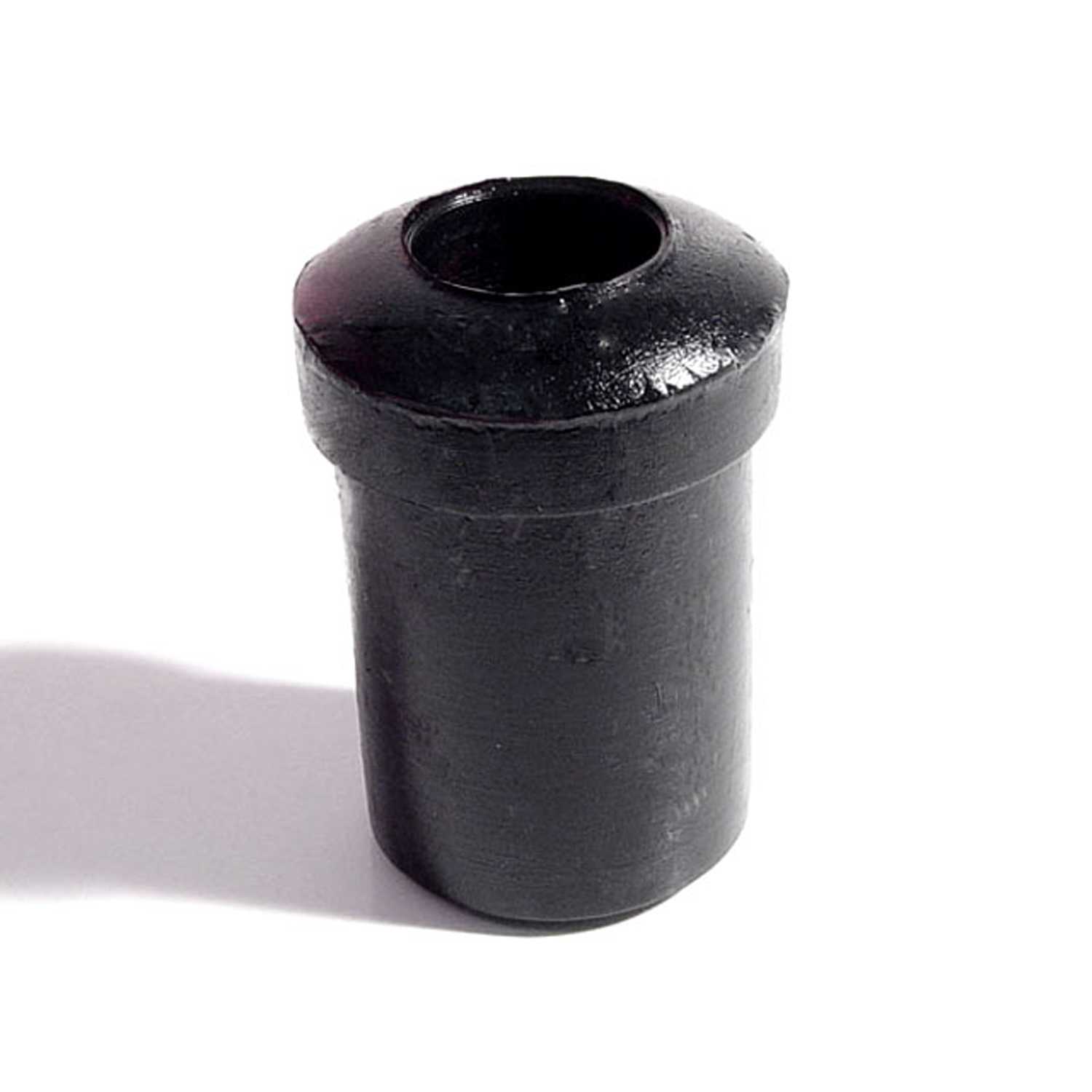 1963 Chrysler Town & Country Spring and Shackle Bushing. 1" bottom O.D-BN 20Spring and Shackle Bushing. 1" bottom O.D. X 1-5/8" high, with 9/16" I.D. Each
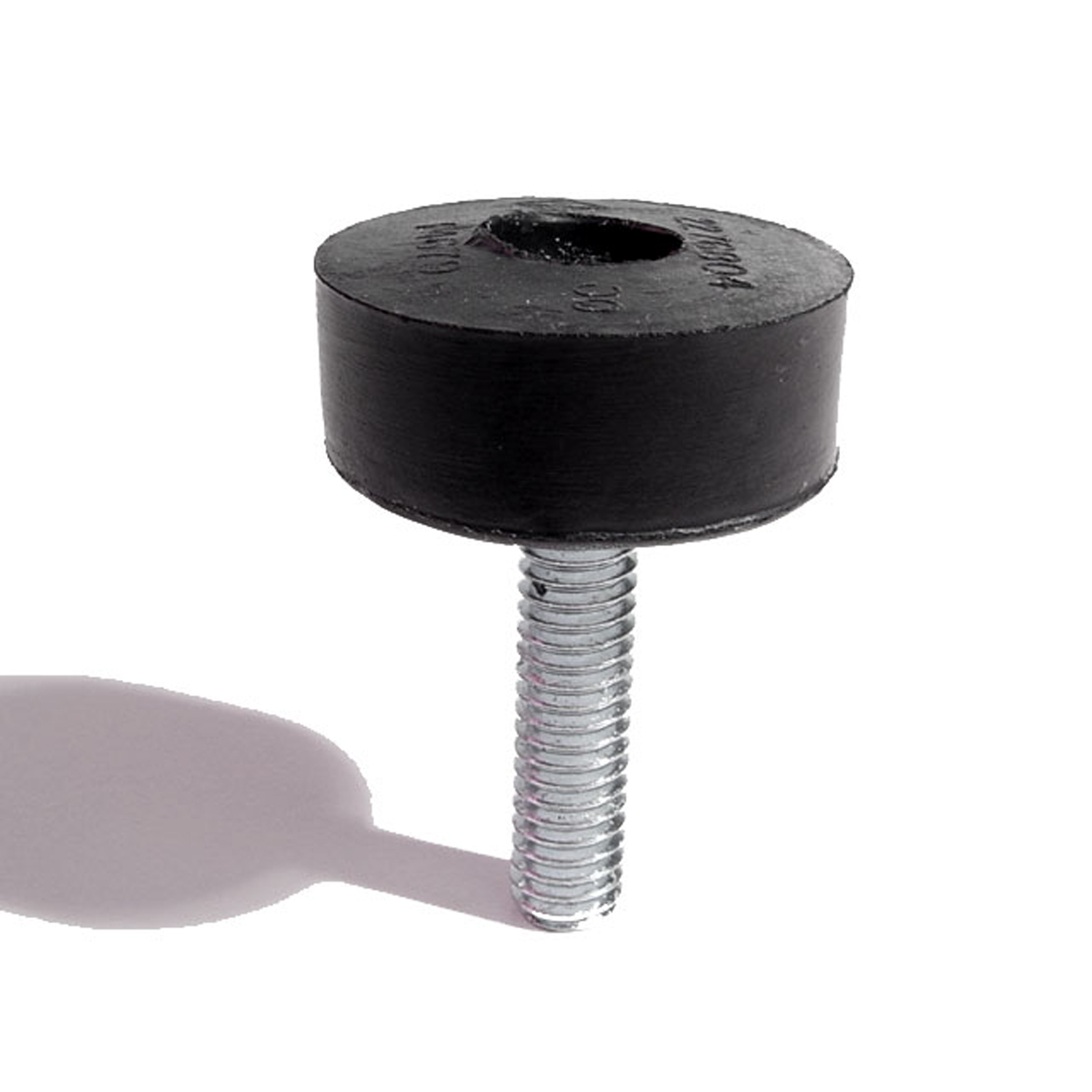 1963 Chrysler Town & Country Hood Adjustment Bolt and Bumper-HA 8Hood Adjustment Bolt and Bumper. 1-3/16" diameter rubber head. 5/16" thick X 18 threads/inch X 1-1/4" long bolt. Each
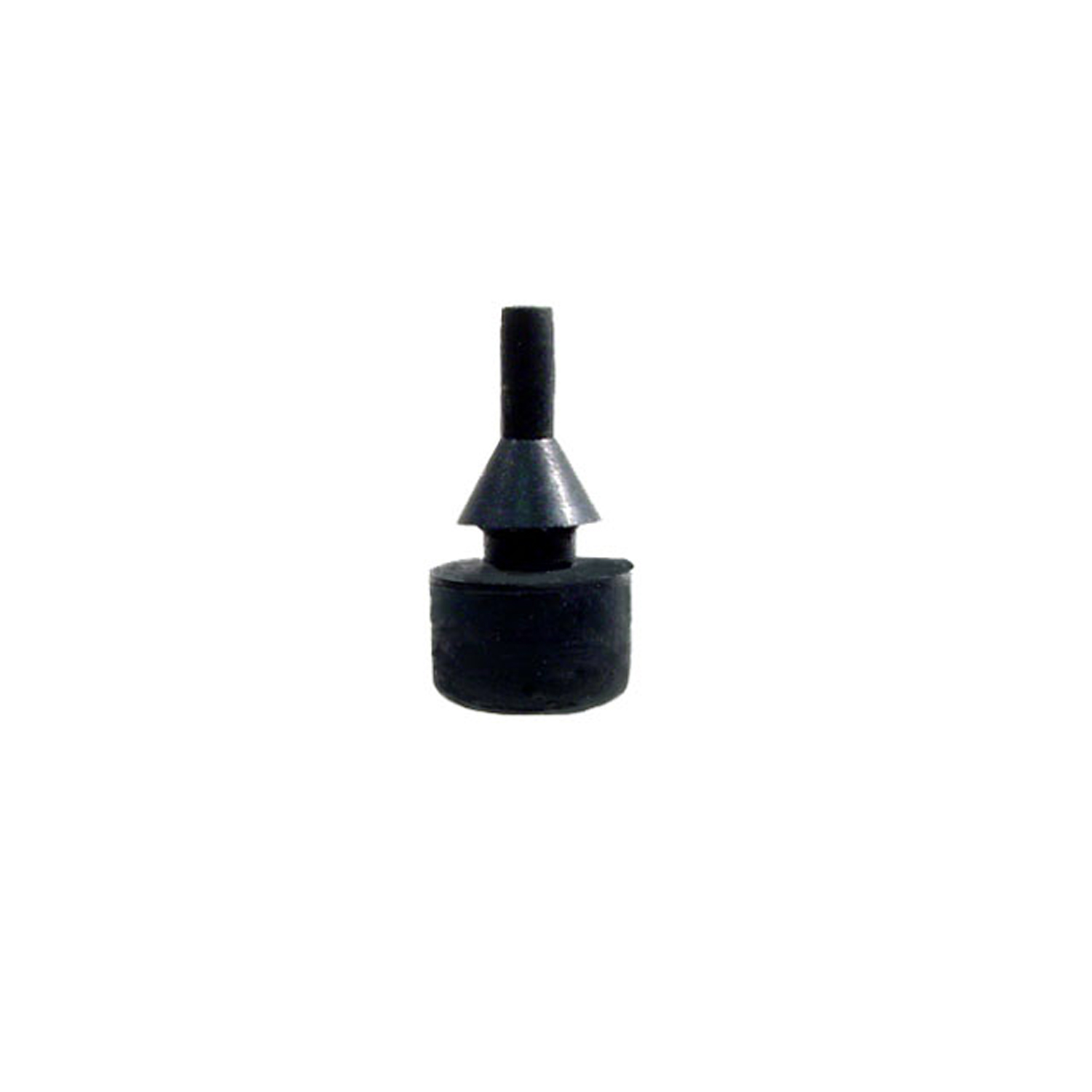 1963 Chrysler Town & Country License Plate Bumper. 7/16" O.D., fits a 1/4" hole. Each-SB 86License Plate Bumper. 7/16" O.D., fits a 1/4" hole. Each
Why Choose Metro?
For over 100 years, Metro Moulded Parts has been the pinnacle of quality in classic car restoration parts. Our commitment to precision and authenticity in every component ensures a perfect fit and an OEM-level appearance.
- Expert Craftsmanship & Quality: Each part is a testament to our dedication to reliability and perfection, crafted from original designs and thoroughly tested.
- Advanced Technology: We use cutting-edge techniques to create flawless, long-lasting parts that surpass others in performance.
- SuperSoft Sponge – The Ultimate Door Seal: Not only are our door seals 30% softer than competitors', but they're also guaranteed to never leak. They effectively reduce wind and road noise, enhancing your classic car's comfort and driving experience.
- Proudly American: Our parts are a product of American craftsmanship, made in the USA with a spirit of excellence and heritage.
- Unrivaled Warranty: We back our products with a 30-year industry-leading warranty, a testament to our confidence in their quality.
Join us in preserving the legacy of classic cars with parts that are crafted for perfection, not just made.