

Image of 1967 Chrysler Town & Country, Note: These illustrations use artistic license and may differ from actual historical models.
Performance Metrics
Fundamental Metrics
Emotional Appeal
MMP Rating
| Engine Specifications | |
|---|---|
| Engine Options: | 440 cu in (7.2 L) V8 |
| Displacement Range: | 440 cu in (7.2 L) |
| Horsepower Range: | 350-375 hp |
| Torque: | 480 lb-ft |
| Compression Ratio: | 10.1:1 |
| Ignition System: | Electronic Ignition |
| Cooling System: | Liquid-cooled |
| Performance Specifications | |
| 0-60 Time: | 8 seconds |
| 1/4 Mile Time: | 16 seconds |
| Top Speed: | 130 mph |
| Transmission and Drive | |
| Drive Type: | Rear-wheel drive |
| Transmission Type: | 3-speed TorqueFlite automatic |
| Fuel and Efficiency | |
| Fuel System Type: | Carburetor |
| MPG: | 10-12 mpg |
| Dimensions and Brakes | |
| Brakes: | Power-assisted drum brakes |
| Wheelbase: | 121.0 in |
| Weight: | 4,500 lbs |
Note: Specifications for classic cars are given to the best of our ability, considering the limited and variant data available.
1967 Chrysler Town & Country: The American Luxury Wagon
The 1967 Chrysler Town & Country brought big-car comfort, V8 power and unmistakable woodgrain style to the family station wagon. Built by Chrysler Corporation in the United States, it sat near the top of the company’s wagon range, offering a more upscale alternative to plain-jane utility haulers. Its appeal was simple but compelling: it could carry a family, luggage and vacation gear without giving up the presence of a full-size Chrysler.
The Town & Country name had a long history by 1967. Chrysler first used it in 1941 on distinctive luxury wagons with real wood bodywork. By the 1960s, the body was all steel, while woodgrain-look trim preserved the familiar image. That makes the 1967 model an interesting bridge between the early “woodie” era and the modern luxury wagon.
It also arrived at an intriguing moment in Chrysler design. The 1967 Town & Country belonged to the company’s clean, squared-off C-body generation, introduced for 1965. It preceded the more rounded “fuselage” styling that Chrysler adopted for 1969. In other words, it represents the final stretch of a crisp, formal look before the company changed direction.
Exterior Design and Woodgrain Trim
The Town & Country had the scale and stance expected of a full-size American car. Its long hood, broad body and straight beltline gave it a stately appearance, while the squared-off roof and large glass areas made the wagon look practical as well as imposing. At the front, quad headlights and a wide grille created a confident Chrysler face. Bright trim added polish without making the design look overly busy.
Its signature feature was the woodgrain-look side panel, framed by bright metal trim. The material was a decorative finish, not structural wood, so the wagon had the strength and easier upkeep of an all-steel body. A roof rack was available for extra carrying capacity, and the rear window could be lowered to make loading easier. The exact combination of trim and equipment varied with the order.
Chrysler offered the Town & Country as a four-door station wagon in six-passenger and nine-passenger configurations. The six-passenger version had two seating rows, while the nine-passenger model added a rear-facing third-row seat. That third row is one of the wagon’s most memorable features: it turned the cargo area into useful extra seating, though rear-facing passengers got a very different view of the road.
Paint colors followed the broad range of mid-1960s Chrysler finishes, from subdued whites and darker formal shades to brighter reds, blues and greens. The woodgrain gave the body a distinctive two-tone effect regardless of the paint choice. Buyers who wanted a more understated look could select darker colors; lighter or brighter paint made the simulated wood stand out more clearly.
Cabin Comfort and Period Technology
Inside, the Town & Country aimed for comfort rather than bare-bones utility. Its wide cabin, generous bench seating and substantial door panels gave it the feel of a family Chrysler rather than a stripped-down work wagon. Depending on equipment, buyers could specify upgraded upholstery, power accessories, air conditioning, an AM radio and other conveniences. Materials and trim levels varied, but the overall impression was roomy and well finished for a wagon.
Useful features mattered as much as appearance. The rear window lowered for access and ventilation, while the wagon body offered a broad load floor once the rear seating was folded or removed from the way. Power steering and power brakes were popular choices on a car of this size. Seat belts and other safety equipment reflected the growing federal focus on vehicle safety during the 1960s, although modern standards for crash protection were still decades away.
Underneath, Chrysler’s torsion-bar front suspension was a notable part of the package. Rather than using conventional coil springs up front, it relied on torsion bars, helping provide a controlled ride and a low, tidy suspension layout. The Town & Country also used Chrysler’s unibody construction, integrating the body and structure rather than relying on a separate traditional frame.
Why the Town & Country Mattered
The 1967 Town & Country helped establish the full-size wagon as a comfortable, status-conscious family vehicle. It was not just a cargo box with windows. Its styling, trim and available equipment gave it much of the presence of a Chrysler sedan, while its extra space made it useful for large families, long trips and hauling bulky gear.
That blend became a defining idea for American luxury wagons. The Town & Country competed in a field that included large wagons from Ford, General Motors and other manufacturers, but Chrysler’s combination of C-body comfort, V8 power and woodgrain identity made its entry instantly recognizable. The simulated wood was more than decoration: it connected the modern steel wagon to the glamorous wood-bodied cars that had built the name’s reputation.
Its place in the model’s history is also significant. The 1967 version kept the squared, formal styling of the 1965–68 generation, just before Chrysler moved to a softer, more flowing shape for 1969. For collectors, that makes it a clear example of the company’s mid-1960s design language.
V8 Performance and Road Manners
The Town & Country was a large, heavy wagon, but Chrysler gave it engines capable of moving it with authority. A 383-cubic-inch V8 was a common choice, with output depending on carburetion and specification. Period gross ratings included approximately 270 horsepower for a two-barrel version and higher figures for four-barrel versions. Buyers seeking more power could order a 440-cubic-inch V8, rated at about 350 gross horsepower in a common configuration. These were gross SAE ratings, so they should not be compared directly with modern net-horsepower figures.
A three-speed TorqueFlite automatic transmission was the natural partner for the big V8s. Exact performance depended on engine, axle ratio, passenger load, tires and condition, but a healthy 383 car would generally reach 60 mph in roughly 11 to 13 seconds. A 440-equipped example could manage the run in about 9 to 11 seconds. Estimated top speed is around 110 to 120 mph, though a heavy vintage wagon is better enjoyed at sensible cruising speeds than at its theoretical maximum.
On the road, the Town & Country feels substantial. The torsion-bar front suspension and long wheelbase help it smooth out broad highway dips and broken pavement, while the car’s mass gives it a planted character at cruising speed. On a winding road, however, it is no sports wagon. There is noticeable body roll, and the long body asks the driver to plan turns and parking maneuvers rather than dart through them.
The driving experience is part of the charm. The V8 produces a deep, relaxed rumble, the TorqueFlite shifts smoothly, and the cabin encourages an unhurried pace. Power steering makes low-speed handling manageable, but the driver still feels the car’s size. Think comfortable cross-country cruiser, not nimble back-road machine.
Living With a 1967 Town & Country
These wagons were built for family travel, airport runs, camping trips and everyday hauling. Today, a sound example can still serve as a weekend driver or event car, and some owners use them for long-distance touring. Their size and fuel consumption make them less convenient as daily transportation, especially in crowded cities or tight parking garages.
Mechanical repairs are generally straightforward for an experienced classic-car mechanic. Chrysler’s 383 and 440 V8s and TorqueFlite automatics are well-known powertrains, and many service parts remain available through specialist suppliers. The main challenges are often age-related: worn suspension components, tired brakes, electrical faults, cooling-system problems and leaks. A pre-purchase inspection should also check the body and floor structure for rust.
The woodgrain-look finish deserves special attention. Faded, cracked or missing side trim can be difficult or expensive to put right, and a poor-quality replacement can change the car’s appearance substantially. Inspect the tailgate, rear floor, wheel arches and lower body carefully, as well as the condition of the window mechanism and any third-row seating hardware.
Town & Country Facts and Common Criticisms
The most useful bit of trivia is that the 1967 wagon’s woodgrain was an imitation of the real wood used on early Town & Country models. The car carried the heritage forward without relying on wooden body panels. Its optional rear-facing third row is another conversation starter, especially for anyone who remembers riding backward in a family wagon.
There is no widely recognized speed or endurance record associated with the 1967 Town & Country, and it is not famous for a single headline-grabbing historical event. Its importance is quieter: it helped make the station wagon a comfortable, well-equipped family car rather than simply a utility vehicle. No single celebrity connection defines the model, either. Its appeal rests on its design and everyday usefulness.
Common criticisms are easy to understand. The car is large, thirsty and not especially nimble, and its age means that even a handsome example may need regular attention. The decorative side panels can be costly to restore, while the cabin and body components may require careful searching when replacements are needed. Buyers should focus on condition and documentation rather than assuming every Town & Country is an easy restoration.
Collector Values and Rarity
Exact production figures for individual Town & Country configurations can be difficult to confirm in commonly available summaries. A reasonable working estimate is that Chrysler built somewhere in the range of 15,000 to 20,000 Town & Country wagons for 1967, with the six-passenger and nine-passenger versions contributing to the total. That is an estimate, not a verified factory production count. The cars are uncommon today, particularly in well-preserved condition, but they are not so scarce that one never appears on the market.
As a broad 2026 guide, a project or rough driver may fall around $8,000 to $15,000. A usable, presentable car could bring roughly $15,000 to $30,000, while a well-restored example may reach $30,000 to $50,000 or more. Exceptional restorations, desirable big-block configurations and especially original cars can exceed that range, but sale prices depend heavily on region, documentation, rust and the quality of the woodgrain trim.
Values have generally been steady to gradually stronger for clean, distinctive examples, rather than rising at the pace of the most famous muscle cars. Condition makes a major difference. A sound, original wagon with honest history may be more attractive to some buyers than a shiny but poorly restored car. Because the Town & Country is a specialist choice, finding the right buyer can take longer than selling a more mainstream classic.
Why the 1967 Chrysler Town & Country Still Turns Heads
The 1967 Chrysler Town & Country combined full-size comfort, V8 power and practical wagon space with a look that was unmistakably its own. Its woodgrain sides linked it to the earliest Town & Country models, while its steel body, unibody construction and torsion-bar suspension reflected a more modern era of Chrysler engineering.
It is not the quickest way to take a corner or the cheapest way to cover a long commute. Its appeal lies elsewhere: in the effortless highway manner, the roomy cabin, the deep V8 soundtrack and the sheer character of a big American wagon. Nearly six decades on, the Town & Country remains a rolling reminder that family transportation could be practical, stylish and genuinely memorable.
1967 Chrysler Town & Country Catalog of Parts
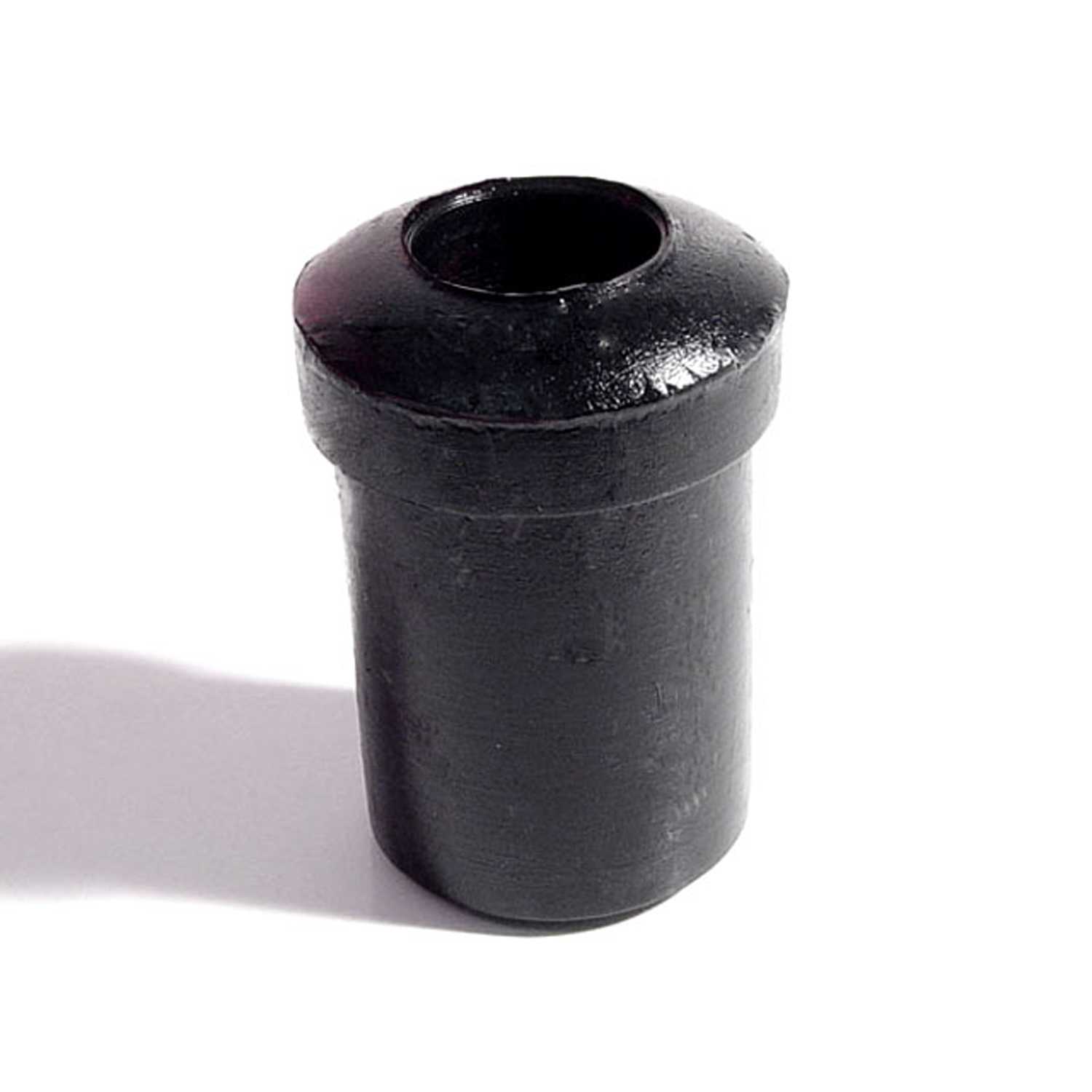 1967 Chrysler Town & Country Spring and Shackle Bushing. 1" bottom O.D-BN 20Spring and Shackle Bushing. 1" bottom O.D. X 1-5/8" high, with 9/16" I.D. Each
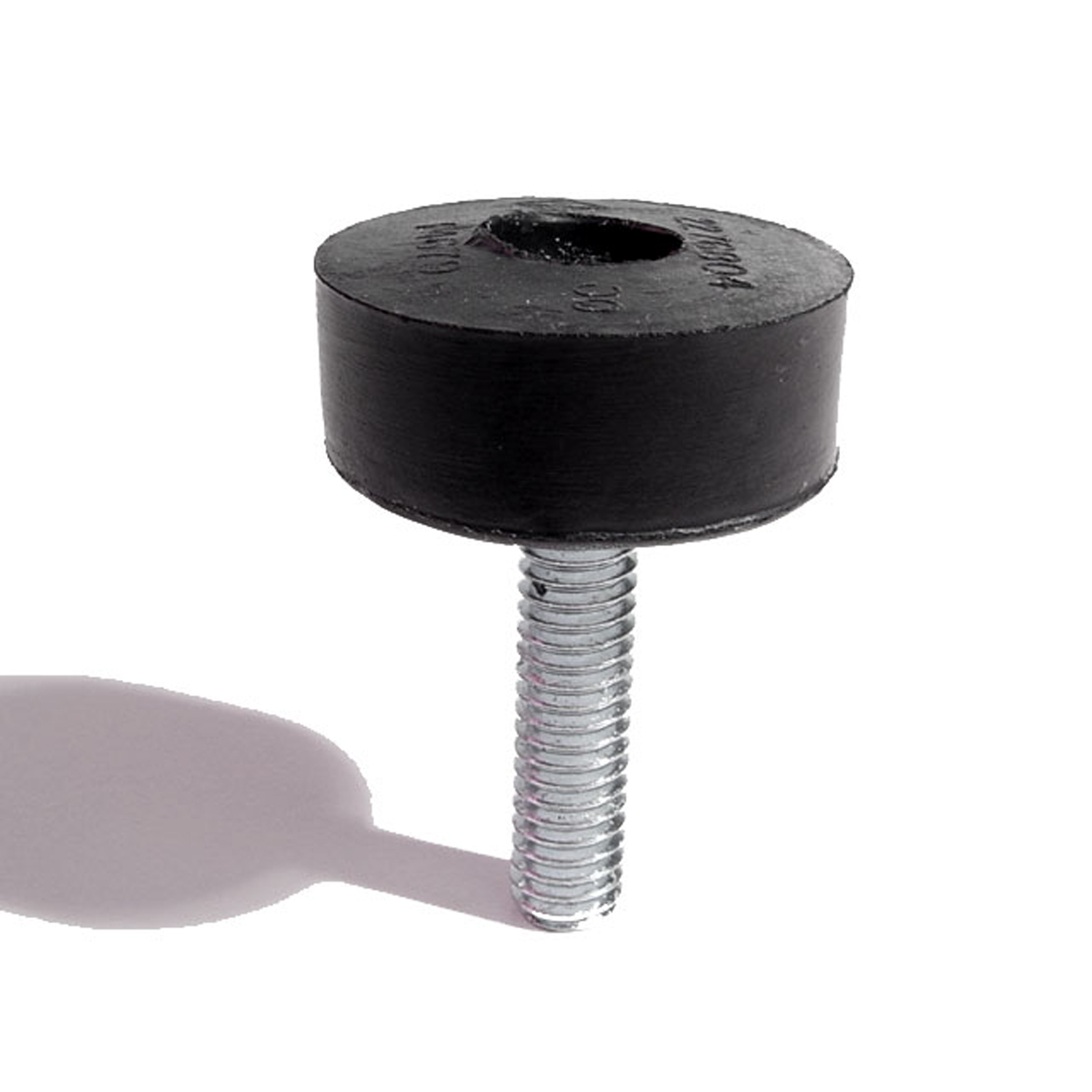 1967 Chrysler Town & Country Hood Adjustment Bolt and Bumper-HA 8Hood Adjustment Bolt and Bumper. 1-3/16" diameter rubber head. 5/16" thick X 18 threads/inch X 1-1/4" long bolt. Each
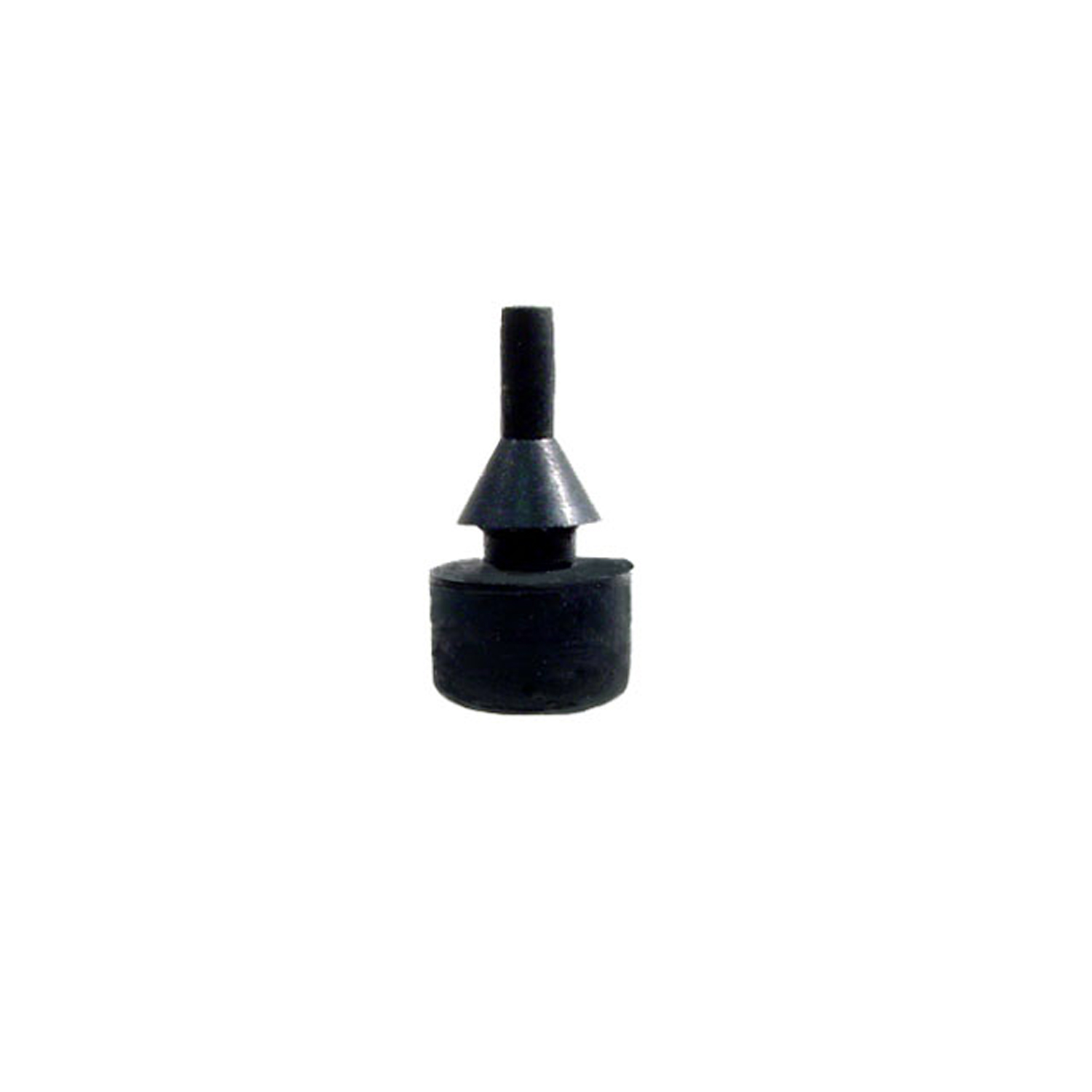 1967 Chrysler Town & Country License Plate Bumper. 7/16" O.D., fits a 1/4" hole. Each-SB 86License Plate Bumper. 7/16" O.D., fits a 1/4" hole. Each
 1967 Chrysler Town & Country Flocked Glass Run Channel-WC 33-96Flocked Glass Run Channel. For models with framed side glass. 96" Piece. Each
 1967 Chrysler Town & Country Door Weather Strip to Inside Panel Clip-WF 7-DDoor Weather Strip to Inside Panel Clip. Made of white nylon, 3/8" long. Each
Why Choose Metro?
For over 100 years, Metro Moulded Parts has been the pinnacle of quality in classic car restoration parts. Our commitment to precision and authenticity in every component ensures a perfect fit and an OEM-level appearance.
- Expert Craftsmanship & Quality: Each part is a testament to our dedication to reliability and perfection, crafted from original designs and thoroughly tested.
- Advanced Technology: We use cutting-edge techniques to create flawless, long-lasting parts that surpass others in performance.
- SuperSoft Sponge – The Ultimate Door Seal: Not only are our door seals 30% softer than competitors', but they're also guaranteed to never leak. They effectively reduce wind and road noise, enhancing your classic car's comfort and driving experience.
- Proudly American: Our parts are a product of American craftsmanship, made in the USA with a spirit of excellence and heritage.
- Unrivaled Warranty: We back our products with a 30-year industry-leading warranty, a testament to our confidence in their quality.
Join us in preserving the legacy of classic cars with parts that are crafted for perfection, not just made.