

Image of 1969 Chrysler Imperial, Note: These illustrations use artistic license and may differ from actual historical models.
Performance Metrics
Fundamental Metrics
Emotional Appeal
MMP Rating
| Engine Specifications | |
|---|---|
| Engine: | 440 cu in (7.2 L) V8 |
| Displacement: | 440 cu in (7.2 L) |
| Horsepower: | 350 hp |
| Torque: | 480 lb-ft |
| Compression Ratio: | 10.1:1 |
| Ignition System: | Electronic Ignition System |
| Cooling System: | Liquid-cooled |
| Performance Specifications | |
| 0-60 Time: | 8.5 seconds |
| 1/4 Mile Time: | 16 seconds |
| Top Speed: | 125 mph |
| Transmission and Drive | |
| Drive Type: | Rear-wheel drive |
| Transmission Type: | 3-speed TorqueFlite automatic |
| Fuel and Efficiency | |
| Fuel System Type: | Carburetor |
| MPG: | 10-12 mpg |
| Dimensions and Brakes | |
| Brakes: | Power-assisted drum brakes |
| Wheelbase: | 127.0 in |
| Weight: | 4,900 lbs |
Note: Specifications for classic cars are given to the best of our ability, considering the limited and variant data available.
1969 Chrysler Imperial: The Last Word in American Luxury
With its hidden headlights, sweeping body sides, and quiet 440-cubic-inch V8, the 1969 Chrysler Imperial looked less like a family car and more like a rolling private lounge. Built by Chrysler, the Imperial occupied the company’s flagship position, competing with the most prestigious full-size American cars of its day.
Imperial had been established as a separate marque in 1955, although Chrysler remained its manufacturer. By 1969, it was in the midst of a dramatic styling change: the new “Fuselage” design gave the car long, smooth sides and a wide, almost aircraft-inspired profile. The year is especially notable because it brought this new look to Imperial while the nameplate still stood apart from Chrysler’s regular model range.
One detail that catches modern enthusiasts’ attention is the car’s sheer scale. The Imperial rode a 127-inch wheelbase and stretched roughly 19 feet from bumper to bumper. It was built to make distance feel effortless, not to disappear into a city parking space.
Fuselage Styling and Formal Luxury
The 1969 Imperial’s exterior is defined by long, uninterrupted flanks, a broad nose, and a substantial rear deck. Its concealed headlights sit behind the front grille when switched off, giving the front end a clean, formal appearance. A low roofline and gently curved body sides soften the visual bulk, while the long wheelbase gives the car the composed proportions expected of a top-line American luxury model.
Inside, the Imperial emphasized comfort and finish rather than sportiness. Depending on trim and equipment, buyers could choose plush cloth or leather upholstery, deep carpeting, woodgrain accents, and a broad bench seat. The cabin was spacious enough to carry six passengers, and the wide front seat gave the driver and passenger room to settle in rather than brace themselves around a narrow console.
Power amenities helped make the car feel suitably high-end. Power steering, power brakes, power windows, and power seat adjustment were available, along with air conditioning and cruise control. The Imperial also benefited from Chrysler’s torsion-bar front suspension, a long-standing engineering feature that helped balance ride comfort with controlled handling. Equipment varied by car, so a well-optioned example can feel noticeably more luxurious than a sparsely equipped one.
Factory paint choices covered the expected range of formal and fashionable colors. Black and white suited the Imperial’s dignified character, while metallic blues, greens, golds, and reds gave buyers a more expressive alternative. On a car with this much uninterrupted sheet metal, color makes a real difference: dark shades emphasize its imposing presence, while lighter metallic finishes show off the curves of the Fuselage body.
Body Styles and Imperial Trim
The 1969 range included two-door hardtops and four-door models. The four-door selection included both hardtop and sedan configurations, with availability depending on trim. The Crown and LeBaron names identified different levels and styles of Imperial luxury. The Crown two-door hardtop is a particularly striking choice, while the four-door hardtops make a strong case as the most recognizable all-around expression of the model.
There was no 1969 Imperial convertible. Buyers choosing an open-top full-size Chrysler luxury car had to look to earlier Imperial model years or other makes.
Why the 1969 Imperial Mattered
The Imperial stood apart from its contemporaries through its combination of size, formal design, and separate-marque identity. Although it shared broad engineering relationships with Chrysler’s full-size cars, it was marketed and styled as the company’s own luxury flagship. Its smooth Fuselage treatment was a striking change from the squared-off, chrome-heavy look that still defined many late-1960s American cars.
The car also reflected a particular moment in American automotive history. Large, powerful luxury cars remained symbols of status and long-distance comfort, but manufacturers were beginning to explore cleaner, more integrated body shapes. Imperial’s 1969 design made a bold version of that shift. It did not create the broader movement toward streamlined full-size styling on its own, but it remains one of the era’s most distinctive examples.
Its lasting appeal comes from the contrast between its modern-for-1969 bodywork and traditional luxury-car proportions. The Imperial was not a small, agile European-style sedan. It was a spacious, high-powered American flagship that treated smoothness and presence as essential features.
440 V8 Performance and Road Manners
Power came from Chrysler’s 440-cubic-inch (7.2-liter) V8, fitted with a four-barrel carburetor and rated at about 350 gross horsepower. A three-speed TorqueFlite automatic transmission sent power to the rear wheels. The 440’s reputation was built on abundant low-speed torque: rather than needing to be revved hard, it delivered strong, relaxed acceleration with a deep V8 note.
Period-style performance estimates put a healthy 1969 Imperial in the neighborhood of 9 to 10 seconds from 0 to 60 mph. Depending on condition, gearing, and testing method, top speed is generally estimated at about 120 mph. These are approximate figures, not a promise for every surviving car. A nearly six-passenger luxury sedan was designed for effortless highway pace, not repeated drag-strip launches.
On the road, the Imperial’s long wheelbase and soft suspension take the edge off broken pavement and highway joints. Its torsion-bar front suspension helps it feel more composed than its size might suggest, but it is still a very large car. On a winding road, the driver feels the weight and body movement, and the steering is better suited to smooth, deliberate inputs than quick direction changes. Crosswinds and narrow streets also remind you that this is a substantial machine.
The driving experience is less about sporty feedback and more about relaxed authority. The engine rumbles quietly at cruising speed, the TorqueFlite shifts smoothly, and the cabin insulates occupants from much of the road’s commotion. The hood stretching ahead of the driver, the broad seat, and the slow sweep of the steering all contribute to a distinctly 1960s luxury-car feel.
Living With a 1969 Imperial
Today, most Imperials serve as weekend drivers, show cars, or collection centerpieces rather than everyday commuter vehicles. A well-maintained example can still handle local trips and relaxed highway driving, but its size, fuel consumption, and age make daily use a commitment. Owners should expect fuel economy to be low by modern standards, often in the single digits or low teens depending on traffic and condition.
The 440 V8 and TorqueFlite automatic are familiar Chrysler components, and many mechanical repairs are within reach of an experienced classic-car owner or a shop that knows Mopar vehicles. Routine service items and some drivetrain parts are comparatively manageable. The tougher jobs can involve model-specific trim, interior pieces, glass, body panels, and electrical equipment. A complete car is usually a wiser purchase than a cheap project missing rare Imperial-specific parts.
Before buying, inspect the body carefully for rust, especially around the lower panels, floors, trunk, and areas where water can collect. Check that the concealed headlights operate correctly, test every power accessory, and look for signs of past body repairs. These details can matter as much as engine condition when assessing a luxury car of this age.
Imperial Facts, Rarity, and Common Complaints
Imperial’s separate-marque status is one of its most interesting facts. Chrysler manufactured the car, but Imperial was marketed as its own luxury brand for much of the postwar era. The 1969 model’s concealed headlights and smooth Fuselage body give it a distinctive identity even among other large Chryslers from the same period.
There is no widely recognized 1969 Imperial speed or endurance record that defines the model. Its achievement was more practical: offering a powerful, spacious flagship with a striking new design. Enthusiasts sometimes criticize the car for its poor fuel economy, difficult parking, and less nimble handling. Those are fair drawbacks, but they are also part of the bargain with a nearly 19-foot, V8-powered luxury car.
Production is commonly estimated at around 22,000 Imperials for the 1969 model year, making surviving cars much less common than mainstream full-size sedans of the period. Exact production totals vary by body style and source, but the overall figure gives a useful sense of its relatively limited numbers.
1969 Imperial Values and Collector Outlook
Prices depend heavily on condition, originality, body style, and how much model-specific equipment remains intact. As a broad U.S. market estimate, a project car may sell for roughly $3,000 to $8,000. A running, presentable driver often falls in the $10,000 to $20,000 range, while a very clean or restored example can bring about $25,000 to $40,000 or more. Exceptional cars with documented restoration work may exceed that range, though the buyer pool is narrower than for more famous muscle cars.
Values have generally been steady to modestly stronger for high-quality examples, rather than rising at the pace of the most heavily collected performance cars. Inflation and restoration costs can also outstrip resale gains. The best buys tend to be sound, complete cars that need careful maintenance rather than major structural or interior work. For collectors, rarity adds interest, but condition remains the main driver of value.
A Flagship Built to Make an Entrance
The 1969 Chrysler Imperial brought together a powerful 440 V8, a smooth highway ride, a spacious luxury cabin, and one of the decade’s most memorable full-size designs. It was not built to be nimble or economical. It was built to travel in comfort and arrive with presence.
More than half a century later, the Imperial remains a compelling reminder of an era when American luxury meant generous space, effortless power, and unmistakable style. Its Fuselage shape still turns heads, and its quiet, confident character makes the 1969 Imperial a true flagship of its time.
1969 Chrysler Imperial Catalog of Parts
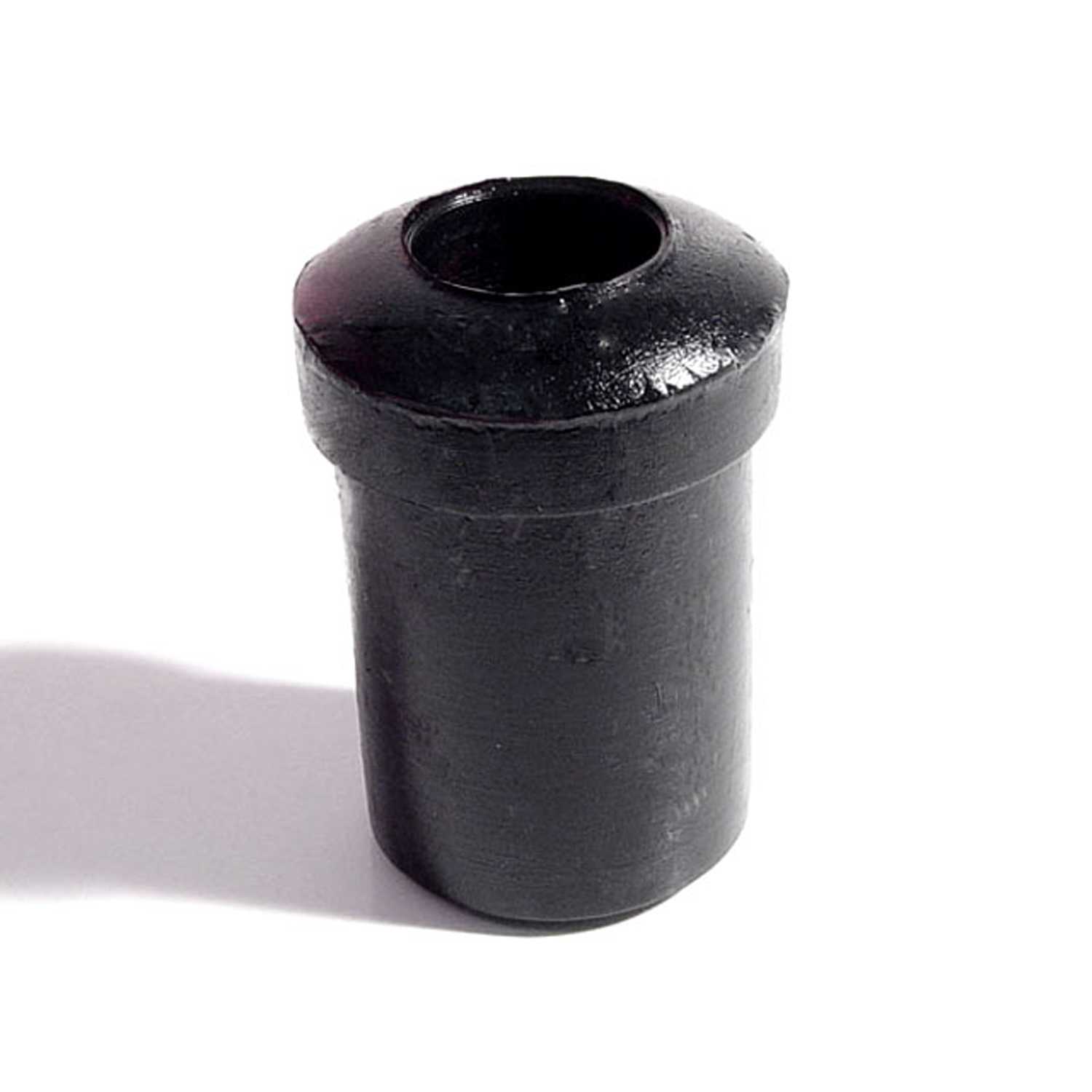 1969 Chrysler Imperial Spring and Shackle Bushing. 1" bottom O.D-BN 20Spring and Shackle Bushing. 1" bottom O.D. X 1-5/8" high, with 9/16" I.D. Each
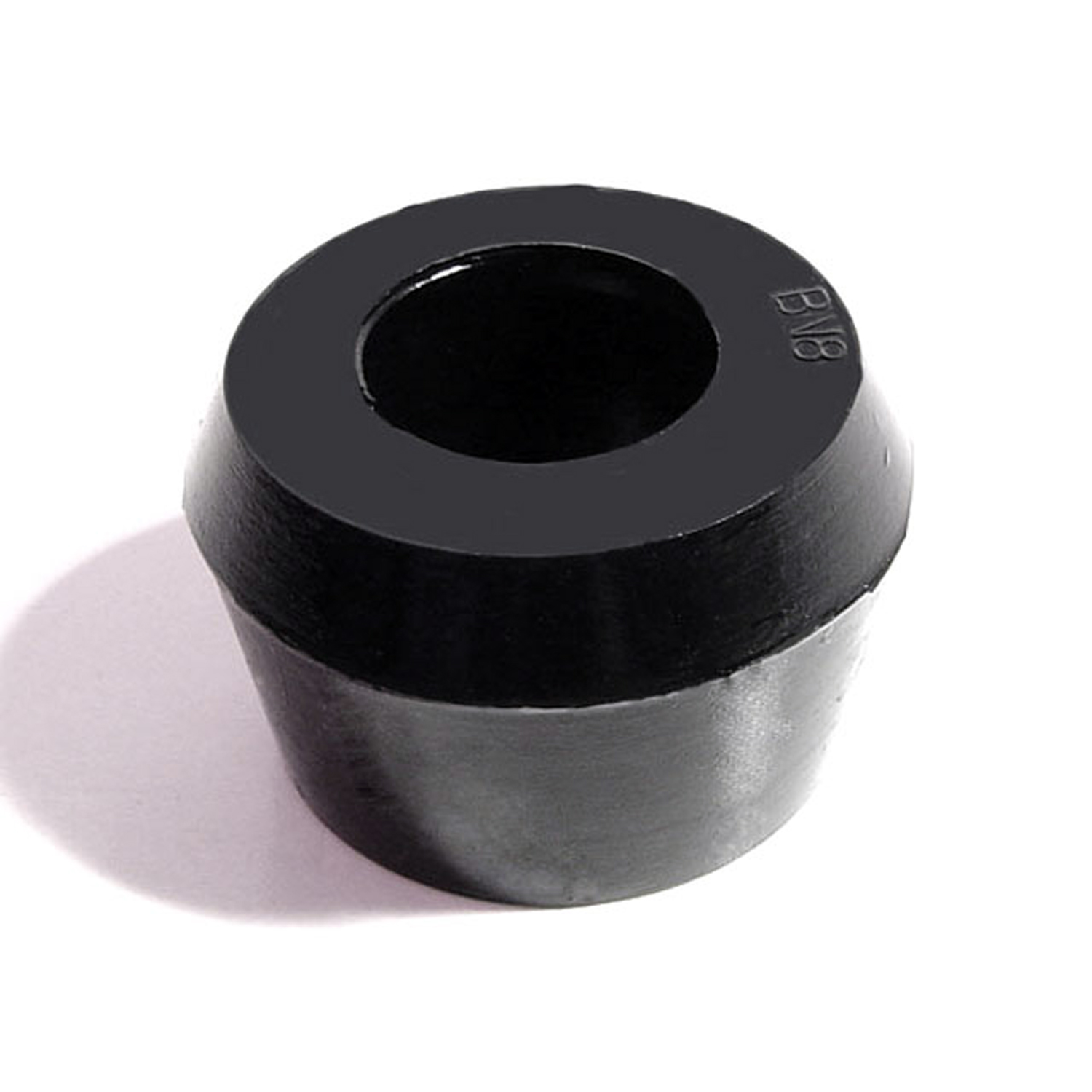 1969 Chrysler Imperial Shock Absorber Grommet. 1-1/4" bottom O.D-BN 8Shock Absorber Grommet. 1-1/4" bottom O.D., 1" high, with 3/4" I.D. Each
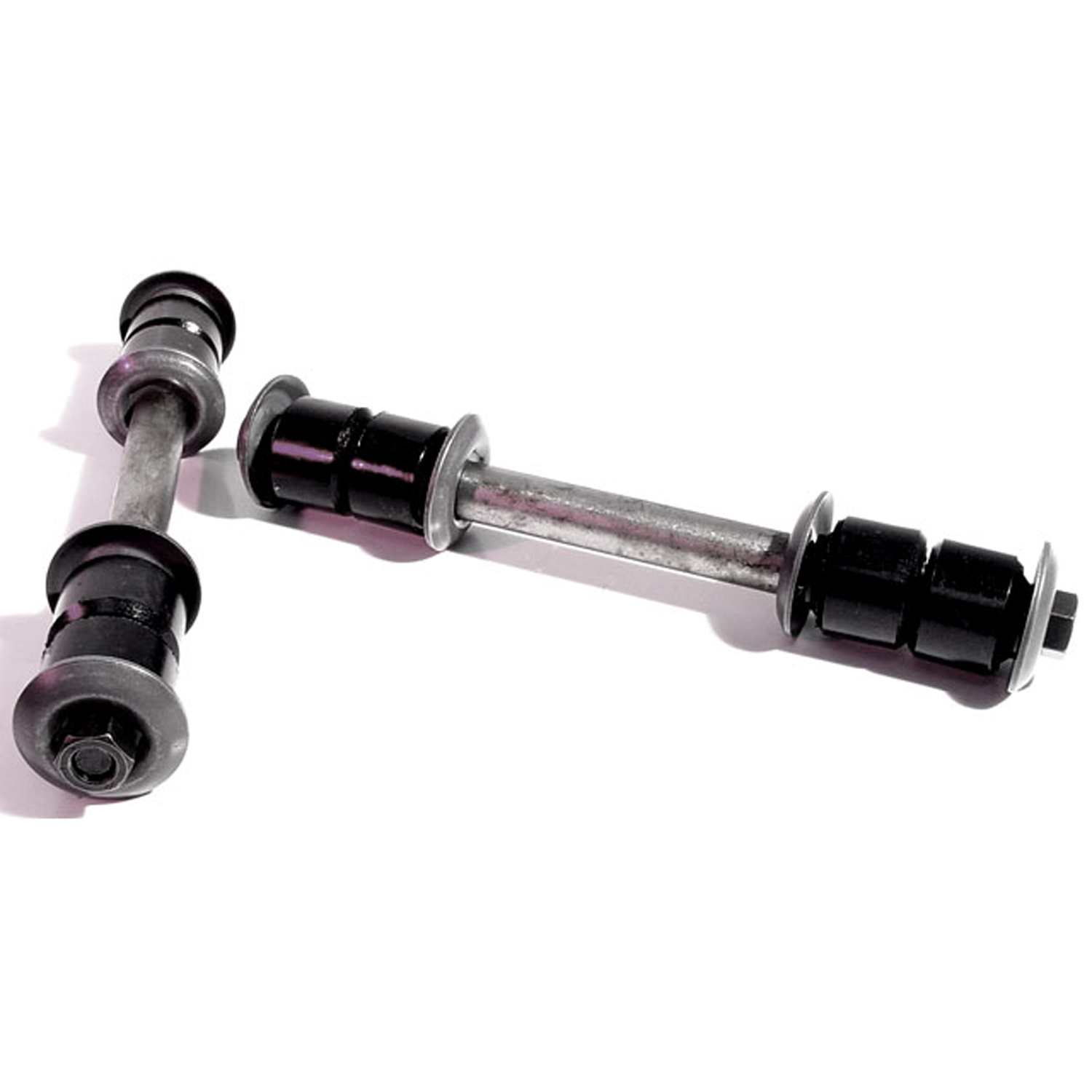 1969 Chrysler Imperial Front Stabilizer End Repair Kit-BNK 21Front Stabilizer End Repair Kit. 22-piece set for two stabilizer bars. Contains all rubber bushings, washers, bolts and nuts, enough for one front end. Set
 1969 Chrysler Imperial Clutch and Brake Pedal Pads. 3" wide X 3-7/8" long. Pair-CB 27Clutch and Brake Pedal Pads. 3" wide X 3-7/8" long. Pair
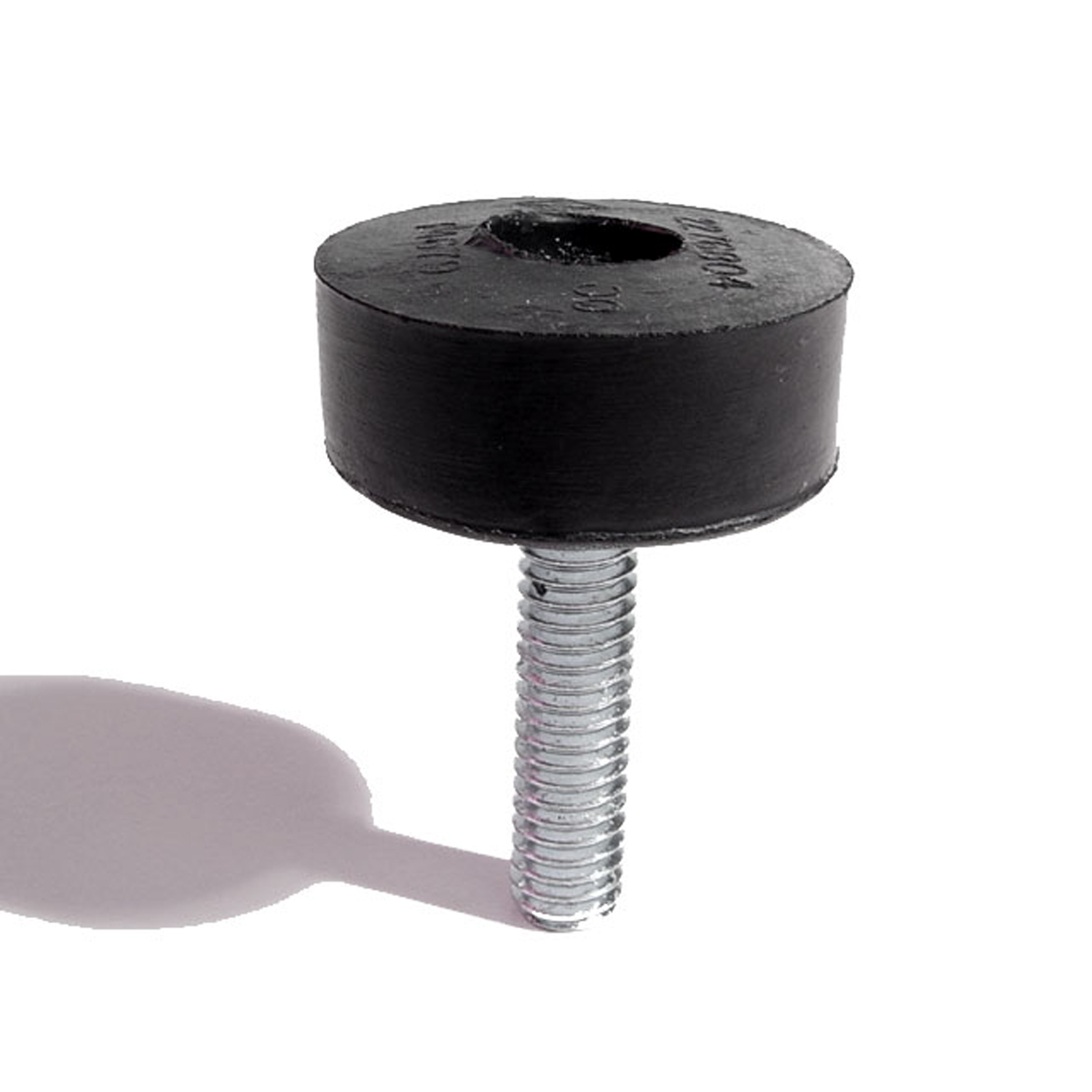 1969 Chrysler Imperial Hood Adjustment Bolt and Bumper-HA 8Hood Adjustment Bolt and Bumper. 1-3/16" diameter rubber head. 5/16" thick X 18 threads/inch X 1-1/4" long bolt. Each
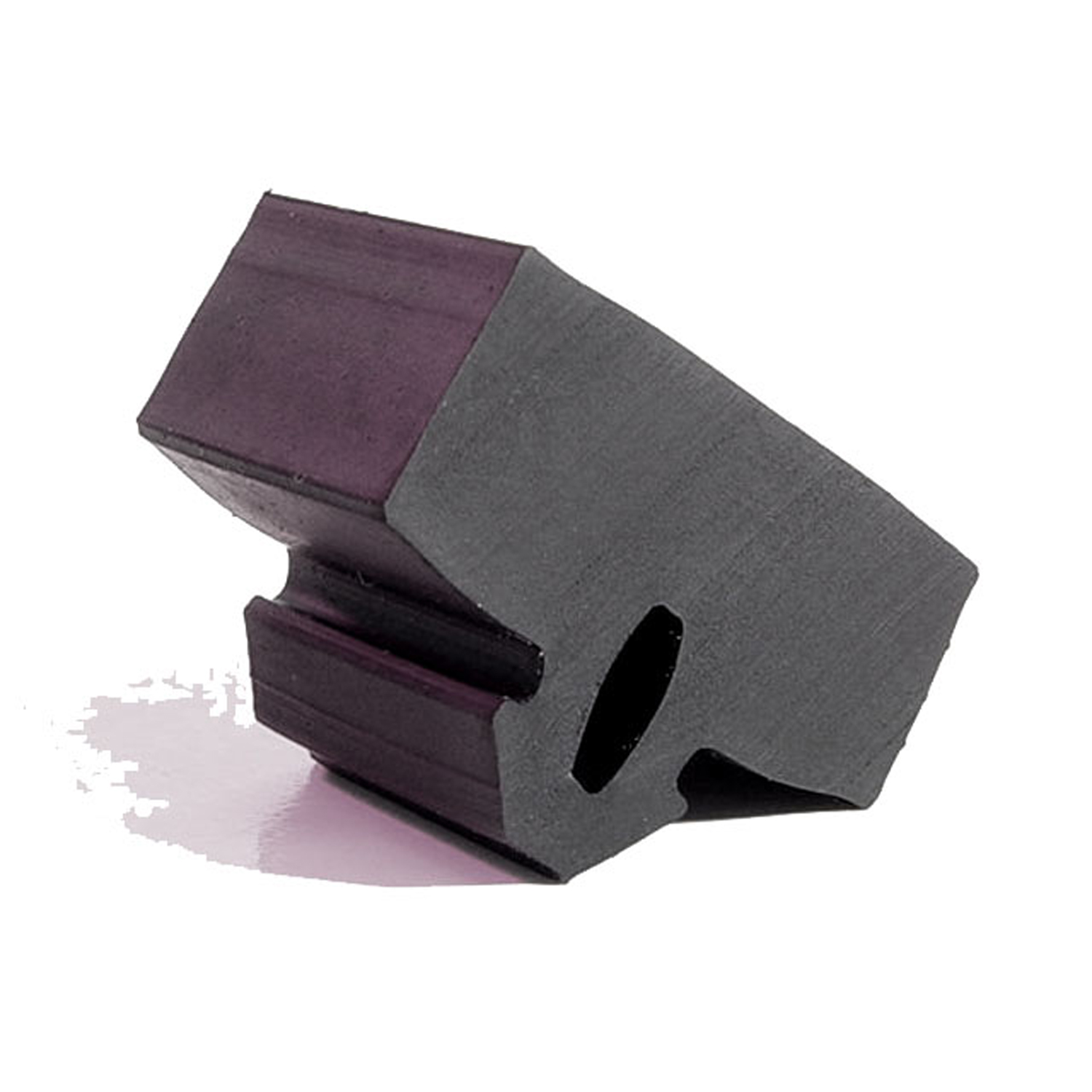 1969 Chrysler Imperial Trunk Bumper. Each-HF 62Trunk Bumper. Each
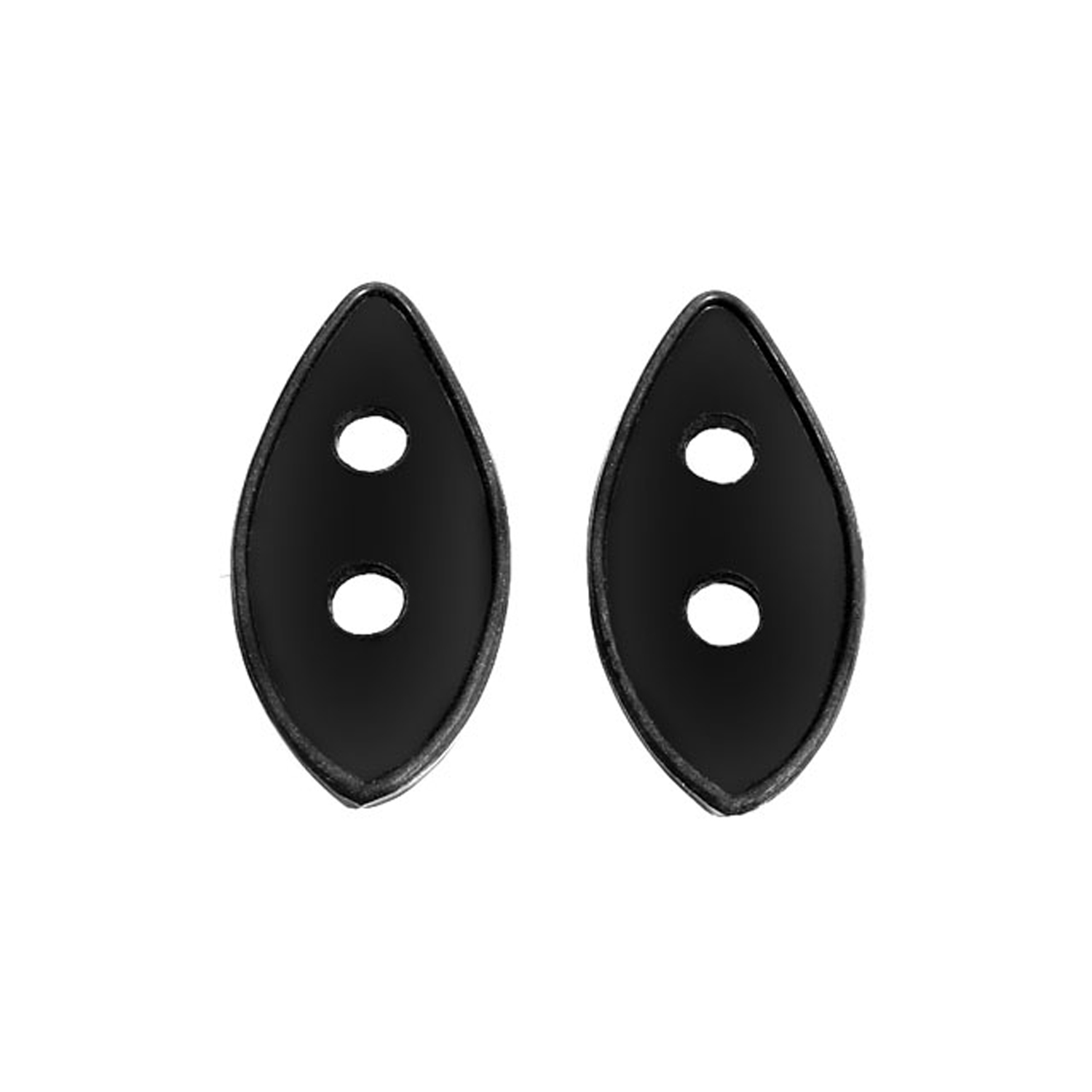 1969 Chrysler Imperial Beaded Deck Rack Mounting Pads. 1-7/16" X 3". Pair-MP 622-BBeaded Deck Rack Mounting Pads. 1-7/16" X 3". Pair
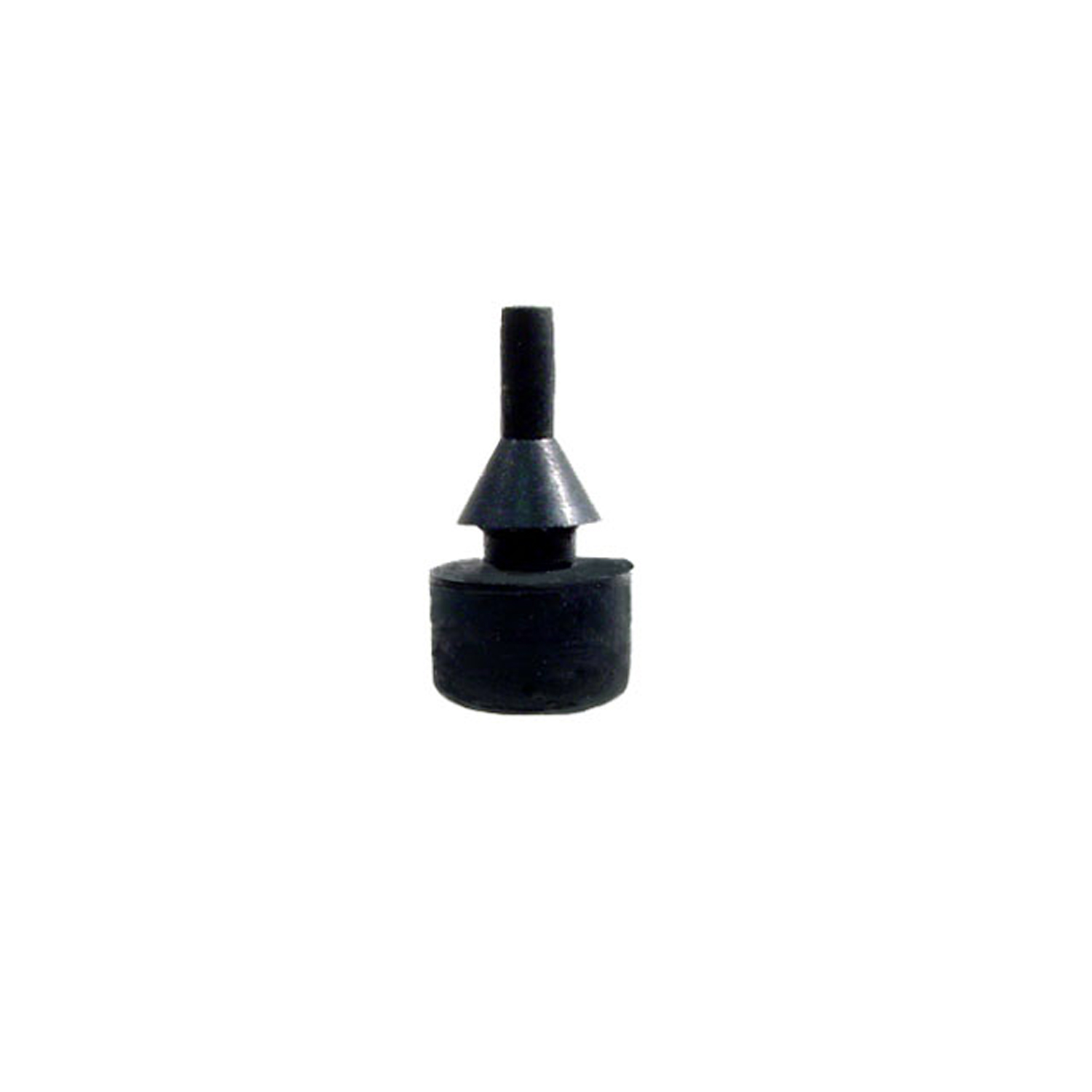 1969 Chrysler Imperial License Plate Bumper. 7/16" O.D., fits a 1/4" hole. Each-SB 86License Plate Bumper. 7/16" O.D., fits a 1/4" hole. Each
 1969 Chrysler Imperial Door Weather Strip to Inside Panel Clip-WF 7-DDoor Weather Strip to Inside Panel Clip. Made of white nylon, 3/8" long. Each
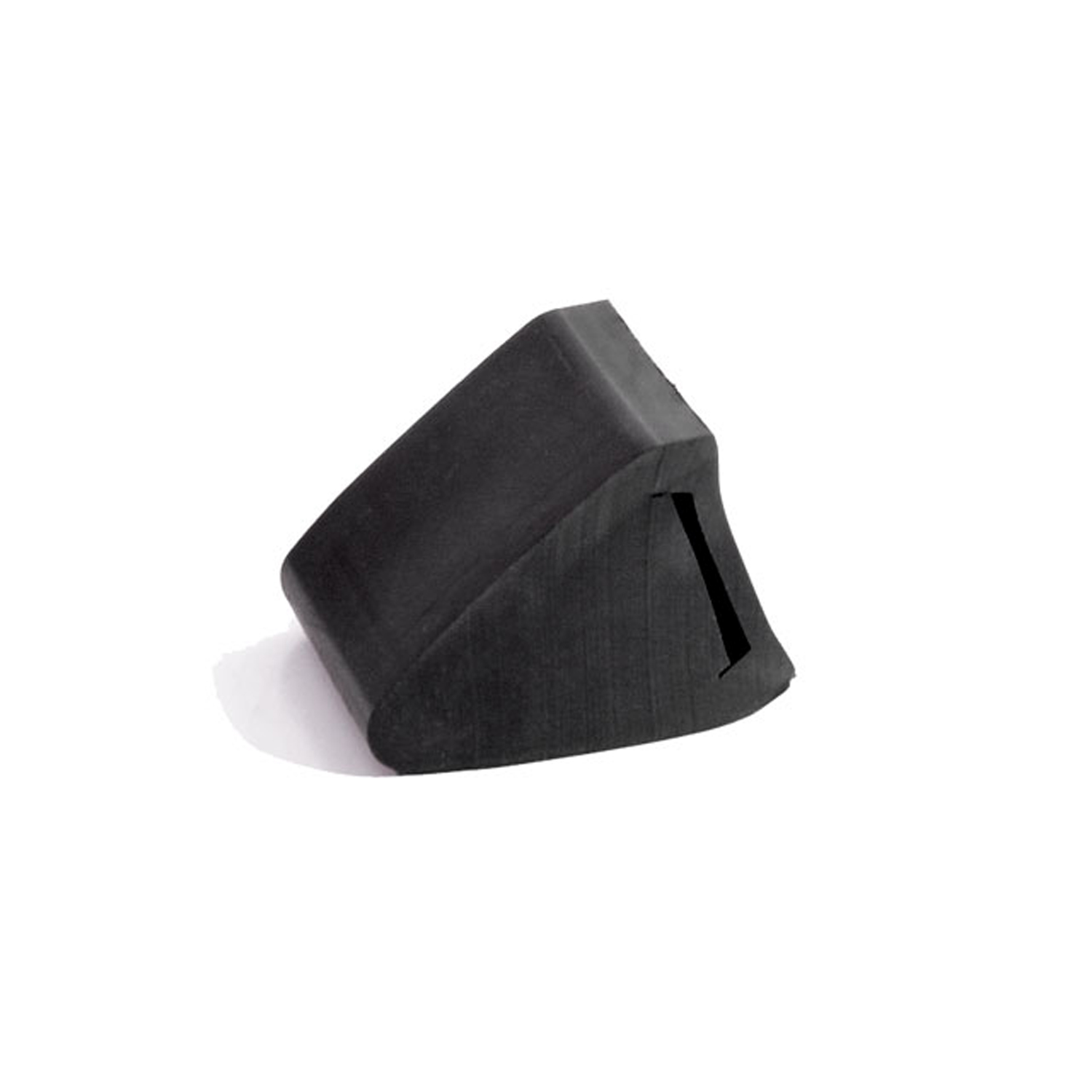 1969 Chrysler Imperial Suspension bumper. '62-up Mopar A-, B- and C-body-XB 1Suspension bumper. '62-up Mopar A-, B- and C-body. Fits over the rear axle. Each.
Why Choose Metro?
For over 100 years, Metro Moulded Parts has been the pinnacle of quality in classic car restoration parts. Our commitment to precision and authenticity in every component ensures a perfect fit and an OEM-level appearance.
- Expert Craftsmanship & Quality: Each part is a testament to our dedication to reliability and perfection, crafted from original designs and thoroughly tested.
- Advanced Technology: We use cutting-edge techniques to create flawless, long-lasting parts that surpass others in performance.
- SuperSoft Sponge – The Ultimate Door Seal: Not only are our door seals 30% softer than competitors', but they're also guaranteed to never leak. They effectively reduce wind and road noise, enhancing your classic car's comfort and driving experience.
- Proudly American: Our parts are a product of American craftsmanship, made in the USA with a spirit of excellence and heritage.
- Unrivaled Warranty: We back our products with a 30-year industry-leading warranty, a testament to our confidence in their quality.
Join us in preserving the legacy of classic cars with parts that are crafted for perfection, not just made.