

Image of 1969 Chrysler Town & Country, Note: These illustrations use artistic license and may differ from actual historical models.
Performance Metrics
Fundamental Metrics
Emotional Appeal
MMP Rating
| Engine Specifications | |
|---|---|
| Engine Options: | 440 cu in (7.2 L) V8 |
| Displacement Range: | 440 cu in (7.2 L) |
| Horsepower Range: | 350-375 hp |
| Torque: | 480 lb-ft |
| Compression Ratio: | 10.1:1 |
| Ignition System: | Electronic Ignition |
| Cooling System: | Liquid-cooled |
| Performance Specifications | |
| 0-60 Time: | 8.5 seconds |
| 1/4 Mile Time: | 16 seconds |
| Top Speed: | 125 mph |
| Transmission and Drive | |
| Drive Type: | Rear-wheel drive |
| Transmission Type: | 3-speed TorqueFlite automatic |
| Fuel and Efficiency | |
| Fuel System Type: | Carburetor |
| MPG: | 10-12 mpg |
| Dimensions and Brakes | |
| Brakes: | Power-assisted drum brakes |
| Wheelbase: | 122 in |
| Weight: | 4,500 lbs |
Note: Specifications for classic cars are given to the best of our ability, considering the limited and variant data available.
1969 Chrysler Town & Country: The Full-Size Luxury Wagon
With its long, woodgrain-clad flanks and big-block V8, the 1969 Chrysler Town & Country turned family hauling into a thoroughly American kind of grand touring. Built by the Chrysler Corporation, it was the company’s premium full-size station wagon, combining passenger-car comfort with the space and practicality needed for a large family, vacation luggage, or a substantial load of hardware-store supplies.
The 1969 model arrived during a major styling shift for Chrysler. The company’s new “Fuselage” design language gave its full-size cars broad, flowing body sides and a roomier, more integrated look. The Town & Country applied that theme to the wagon format, carrying the era’s fascination with big engines and long-distance comfort into a vehicle with genuine utility. One detail that still catches the eye is its simulated woodgrain side trim: a convincing nod to the real wood-bodied wagons that had helped establish the Town & Country name decades earlier.
Specifications and equipment varied by configuration and factory order, so a car’s broadcast sheet or original window sticker is the best source for its exact details. The figures below describe the model in general rather than every individual example.
Fuselage Styling and Woodgrain Trim
The 1969 Town & Country was imposing without relying on fins or excess chrome. Its long roof, large glass area, squared-off rear quarters, and expansive body sides made it look almost architectural. At the front, a wide grille and four headlamps gave the wagon a confident, formal face. Bright trim outlined key features, while the distinctive woodgrain-look panels ran down the sides and visually emphasized the car’s length.
The woodgrain was decorative vinyl rather than structural wood, making it easier to maintain than the genuine timber used on earlier Town & Country models. It was framed by bright moldings that helped the insert appear like a carefully fitted panel. The result was both nostalgic and practical: an instantly recognizable wagon appearance without the upkeep associated with real wood.
Chrysler’s 1969 paint palette included the period’s familiar range of whites, reds, blues, greens, and metallic shades. Exact colors depended on the factory offering and the car’s order date. The woodgrain was the visual signature, but a vivid body color could make the wagon especially striking. Today, buyers often gravitate toward well-preserved original paint, particularly when it complements the trim and interior.
Six or Nine Passengers
The Town & Country was offered as a six-passenger wagon and a nine-passenger wagon. The six-passenger version used two rows of forward-facing seats. The nine-passenger configuration added a third-row seat, generally arranged to make room for additional occupants while preserving the wagon’s carrying ability. The third row is a major part of the model’s appeal to collectors, although its exact arrangement and equipment should be checked on any particular car.
Inside, the emphasis was on comfort rather than austerity. Depending on the car’s trim and options, occupants could find substantial upholstery, carpeting, woodtone or bright interior accents, and the sort of broad, cushioned seating expected of a Chrysler flagship wagon. The dash was wide and driver-oriented, with clear instruments and familiar controls. Compared with a modern vehicle, the cabin is simple, but its generous dimensions and period materials give it an unmistakably lounge-like character.
Features such as power steering, power brakes, air conditioning, and power-operated convenience equipment could make a Town & Country a remarkably comfortable long-distance car. Availability depended on the original order. The power-operated rear window was particularly useful, allowing the glass to retract into the tailgate for loading or ventilation. Buyers should inspect its operation closely today, since aged wiring, switches, and window mechanisms can turn a handy feature into a restoration project.
Big-Block Power and Road Manners
Engine availability depended on the specific car and its factory equipment. Chrysler’s 383-cubic-inch V8 was a common powerplant in this era, while the 440-cubic-inch V8 was the desirable big-block choice. The 440, typically rated at about 350 gross horsepower in comparable Chrysler applications, gave the heavy wagon strong passing power. Period horsepower figures were measured using gross ratings, so they should not be compared directly with modern net-horsepower numbers.
Most Town & Country examples used Chrysler’s three-speed TorqueFlite automatic transmission, valued for smooth shifts and durability. A well-maintained 440 car has enough torque to move the wagon with authority, even when loaded. As a broad estimate, a 440-powered example could reach 0 to 60 mph in roughly 8 to 10 seconds, with a top speed in the neighborhood of 110 to 120 mph under favorable conditions. Engine, gearing, vehicle condition, and measurement method all affect those figures. A 383-equipped car will generally be slower, and neither estimate should be treated as a modern road test.
On the highway, the Town & Country feels substantial and relaxed. The V8 produces a deep, unhurried burble at low speed and a stronger, fuller roar when the throttle is opened. Power steering takes much of the effort out of parking, while the long wheelbase and soft suspension help the car glide over ordinary bumps. That same soft setup can allow noticeable body lean on winding roads, and the broad body can be affected by crosswinds. It rewards smooth inputs rather than aggressive cornering.
Braking and handling should be judged by the standards of a 1969 family wagon, not a modern SUV. Before driving one at speed, check the brakes, tires, steering components, suspension bushings, and wheel bearings. A healthy example feels composed and comfortable, but worn parts can make a big wagon feel vague or unsettled.
Why the 1969 Wagon Matters
The Town & Country helped define the American luxury wagon: a vehicle that could carry a large family without asking them to give up the comfort and styling of a high-end sedan. It was not the first station wagon, nor did it introduce every feature found on the model. Its significance lies in how convincingly it combined full-size Chrysler comfort, V8 performance, and family-friendly utility at a time when station wagons were central to American life.
The 1969 car also captures Chrysler’s transition into the Fuselage era. Its broad, flowing bodywork contrasted with the more sharply finned styling of earlier decades, while its woodgrain trim preserved a link to the Town & Country’s heritage. That mixture of modern-for-its-time sheet metal and traditional wagon symbolism is a large part of the car’s lasting appeal.
Compared with a conventional sedan, the Town & Country offered a more flexible cabin and a much larger cargo area. Compared with a basic utility wagon, it brought a more upscale atmosphere and the option of serious V8 power. That balance helped establish the premium full-size wagon as a desirable family vehicle, a role that later luxury wagons and sport-utility vehicles would reinterpret in different ways.
Living With a Town & Country Today
Most surviving examples are now weekend cruisers, show cars, or occasional-use classics rather than daily drivers. They are well suited to relaxed highway trips, local events, and cars-and-coffee gatherings, where their size and woodgrain sides are sure to attract attention. They are not natural candidates for racing, and the combination of weight, vintage suspension, and fuel consumption makes modern daily commuting an expensive proposition.
The basic V8 and TorqueFlite drivetrain are familiar to American-car specialists, and many mechanical repairs are straightforward for an experienced home mechanic. The wagon-specific parts are the bigger challenge. Rear-window mechanisms, tailgate hardware, glass, trim, interior pieces, and woodgrain material may require patient searching or specialist help. Large body panels can also be expensive to repair, and rust in the floor, frame areas, rocker panels, and rear cargo section deserves careful inspection.
Fuel economy is modest by modern standards. A big-block wagon commonly returns single-digit or low-teens miles per gallon, depending on traffic, gearing, engine condition, and driving style. Cooling-system health matters, especially in hot weather or slow traffic. Regular attention to ignition, carburetion, cooling, brakes, and transmission fluid can make the car dependable for occasional use, but “reliable” still means accepting the maintenance schedule of a 57-year-old vehicle.
Rare Wagon Details and Common Criticisms
The Town & Country’s most memorable trivia is built into its design. Its vinyl woodgrain was a practical imitation of the real wood that had once distinguished the name, and its optional third row could turn the wagon into a nine-passenger family hauler. The model did not hold a widely recognized speed or endurance record, and there is no single famous celebrity ownership story that defines the 1969 car. Its cultural footprint is broader and more everyday: it represents the era when a large family wagon could be both a status symbol and a workhorse.
Production estimates for 1969 Town & Country wagons are commonly placed around 19,000 units across the available configurations. Treat that as an approximate figure, not a definitive count, since production totals can vary between sources and may be reported by body style or model grouping. Compared with mass-market sedans, surviving Town & Country wagons are relatively uncommon, especially in original condition with complete woodgrain trim and functioning rear-window equipment.
Its usual criticisms are easy to understand. The car is very large, thirsty, and less nimble than a smaller wagon. The vinyl woodgrain can fade, crack, or peel, while specialized wagon parts may be harder to find than standard engine components. Even so, those drawbacks are part of what makes a solid, complete example desirable: the best cars preserve a distinctive combination of family utility, luxury, and 1960s scale.
Collector Values and Market Outlook
Values depend heavily on rust, originality, drivetrain, trim, and whether the rear-window and tailgate systems work properly. As a broad current-market estimate, a project car may sell for roughly $8,000 to $15,000. A usable driver in fair to good condition might bring about $20,000 to $35,000, while a very clean, well-restored example can reach approximately $40,000 to $65,000. Exceptional cars with strong documentation, excellent trim, and high-quality restoration may exceed that range, although wagon demand is more specialized than demand for some Chrysler muscle cars.
These are guide ranges rather than guaranteed sale prices. Local markets, auction presentation, and the condition of hard-to-replace wagon parts can change the result considerably. Over time, the Town & Country has benefited from growing interest in full-size American wagons, but values have not climbed uniformly. The strongest examples are likely to hold their appeal best, while rough projects can remain costly because restoration expenses quickly exceed the value of an average finished car.
A Classic Built for the Long Haul
The 1969 Chrysler Town & Country brought together a powerful V8, spacious seating, a comfortable ride, and one of the most recognizable wagon designs of its decade. Its woodgrain sides speak to a long tradition, while its Fuselage-era body captures Chrysler at a moment of bold design change. Today, it is a rewarding classic for someone who appreciates full-size American cars and is prepared for their appetite for fuel, space, and careful maintenance.
More than a station wagon with a big engine, the 1969 Town & Country is a rolling snapshot of an era when the family car could be enormous, stylish, and genuinely useful all at once.
1969 Chrysler Town & Country Catalog of Parts
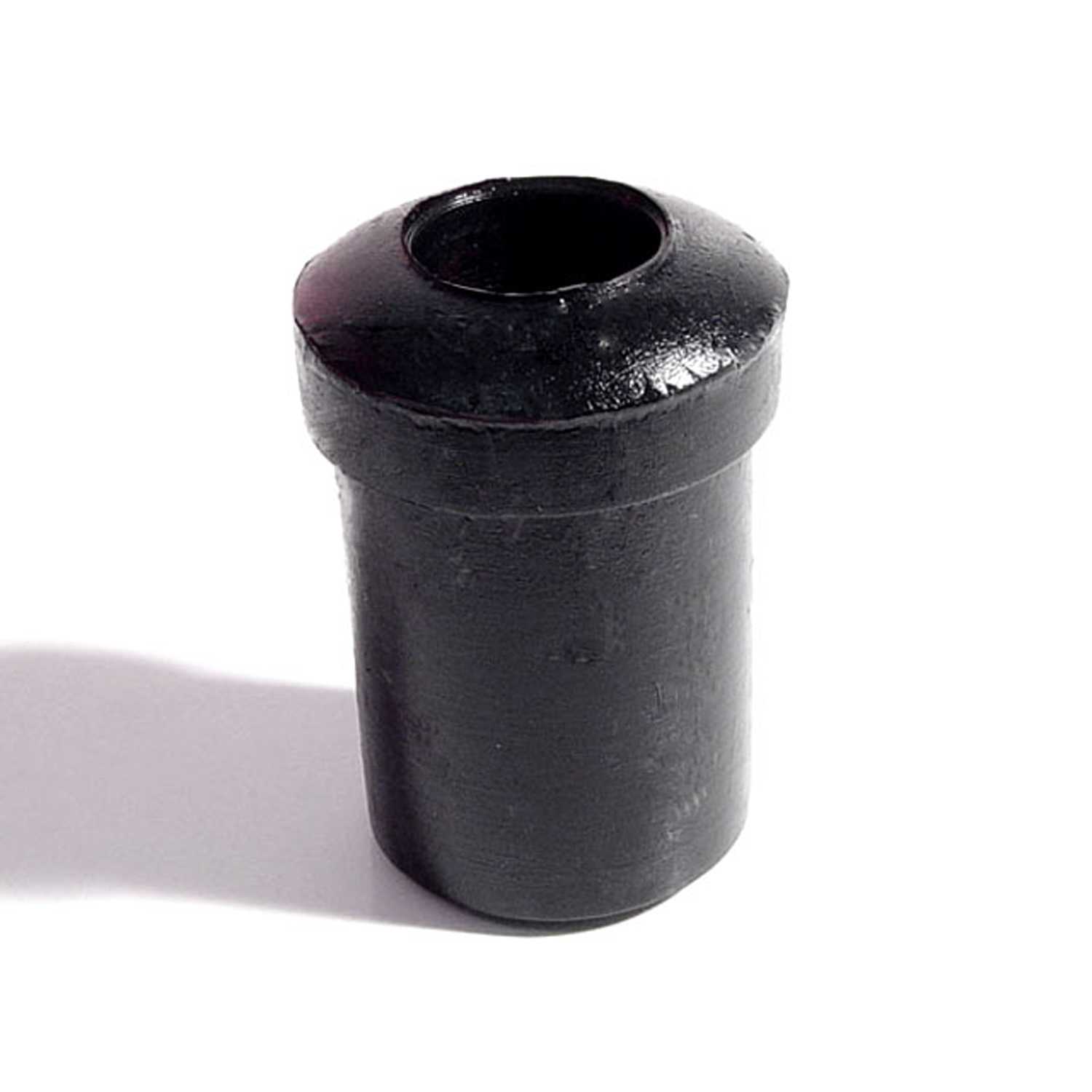 1969 Chrysler Town & Country Spring and Shackle Bushing. 1" bottom O.D-BN 20Spring and Shackle Bushing. 1" bottom O.D. X 1-5/8" high, with 9/16" I.D. Each
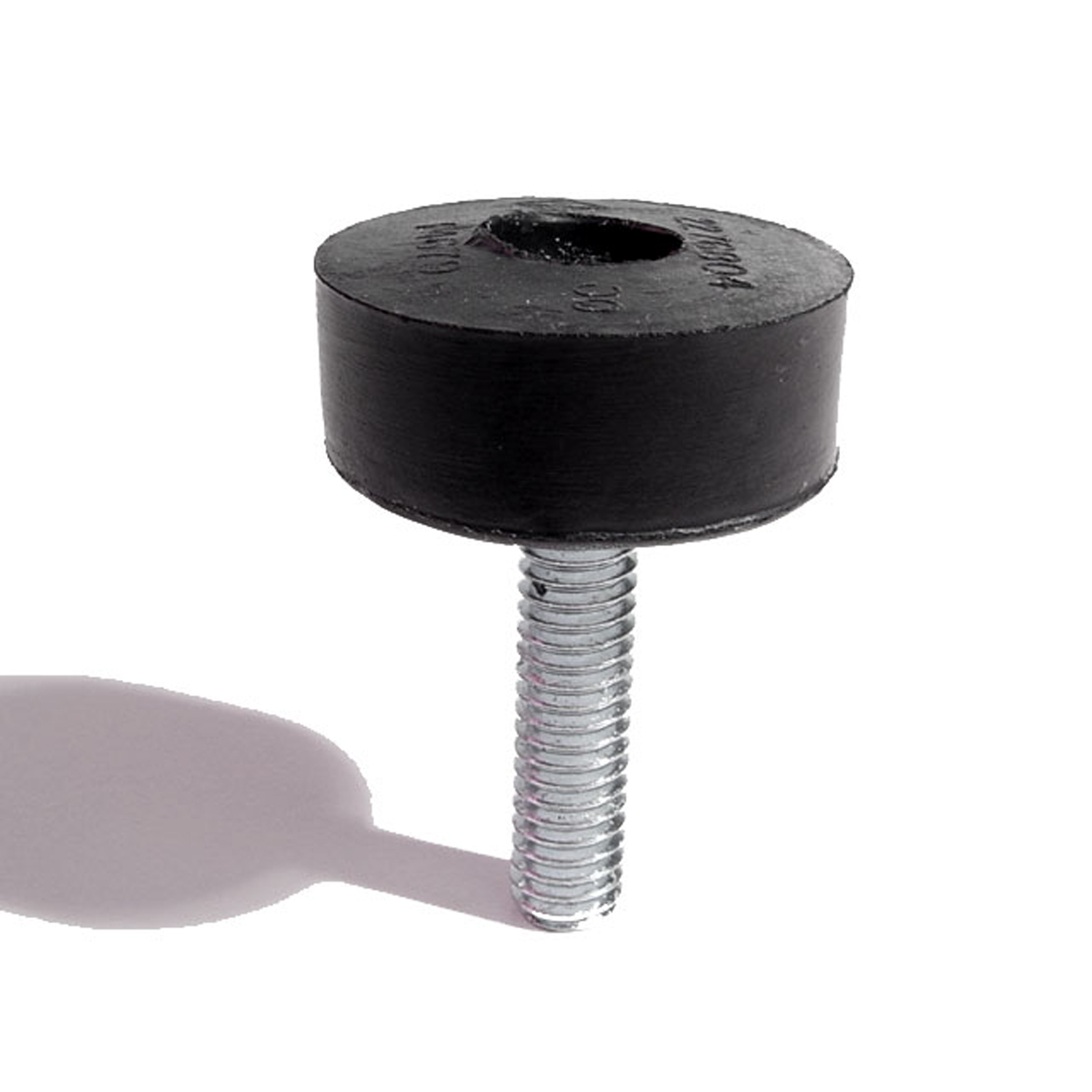 1969 Chrysler Town & Country Hood Adjustment Bolt and Bumper-HA 8Hood Adjustment Bolt and Bumper. 1-3/16" diameter rubber head. 5/16" thick X 18 threads/inch X 1-1/4" long bolt. Each
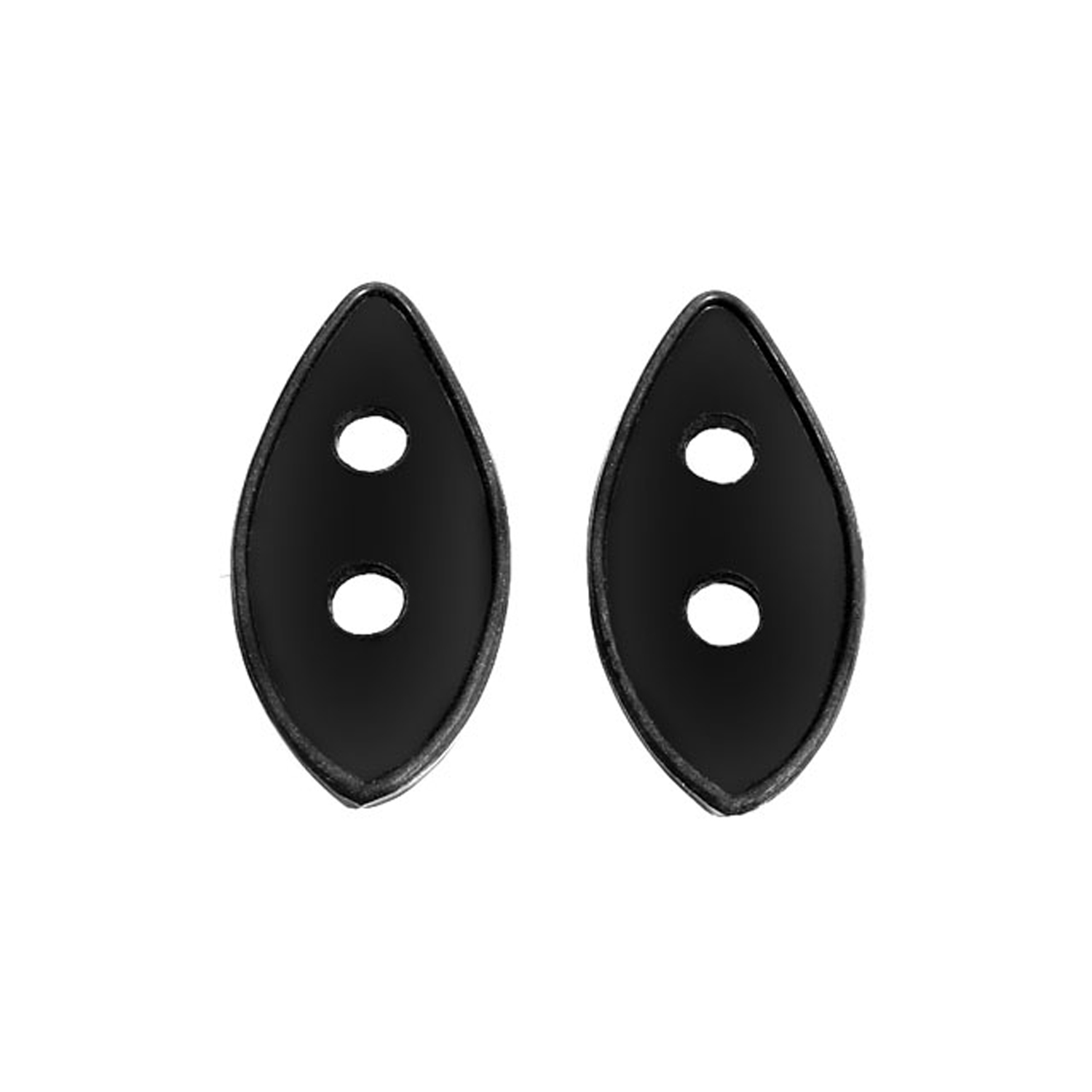 1969 Chrysler Town & Country Beaded Deck Rack Mounting Pads. 1-7/16" X 3". Pair-MP 622-BBeaded Deck Rack Mounting Pads. 1-7/16" X 3". Pair
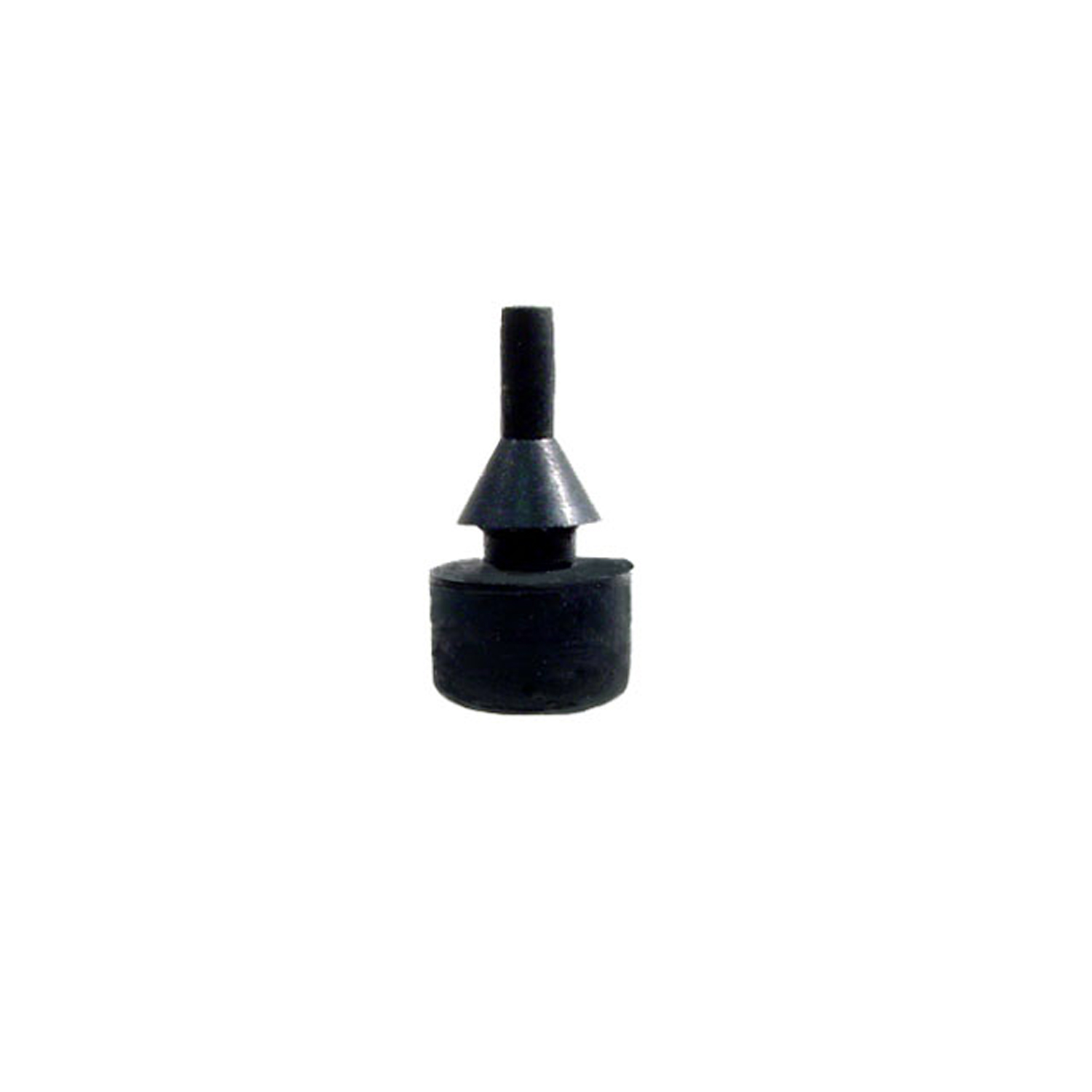 1969 Chrysler Town & Country License Plate Bumper. 7/16" O.D., fits a 1/4" hole. Each-SB 86License Plate Bumper. 7/16" O.D., fits a 1/4" hole. Each
 1969 Chrysler Town & Country Door Weather Strip to Inside Panel Clip-WF 7-DDoor Weather Strip to Inside Panel Clip. Made of white nylon, 3/8" long. Each
Why Choose Metro?
For over 100 years, Metro Moulded Parts has been the pinnacle of quality in classic car restoration parts. Our commitment to precision and authenticity in every component ensures a perfect fit and an OEM-level appearance.
- Expert Craftsmanship & Quality: Each part is a testament to our dedication to reliability and perfection, crafted from original designs and thoroughly tested.
- Advanced Technology: We use cutting-edge techniques to create flawless, long-lasting parts that surpass others in performance.
- SuperSoft Sponge – The Ultimate Door Seal: Not only are our door seals 30% softer than competitors', but they're also guaranteed to never leak. They effectively reduce wind and road noise, enhancing your classic car's comfort and driving experience.
- Proudly American: Our parts are a product of American craftsmanship, made in the USA with a spirit of excellence and heritage.
- Unrivaled Warranty: We back our products with a 30-year industry-leading warranty, a testament to our confidence in their quality.
Join us in preserving the legacy of classic cars with parts that are crafted for perfection, not just made.