
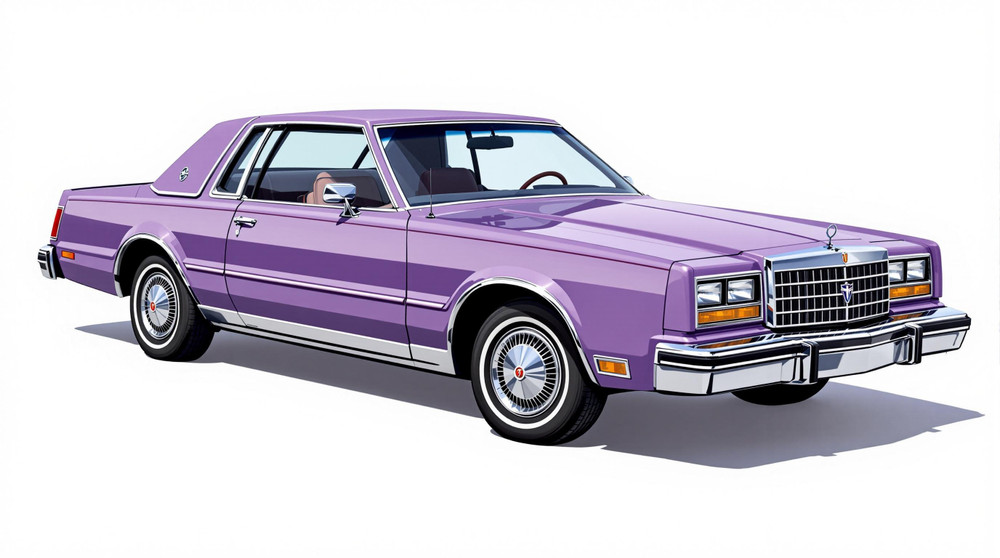
Image of 1980 Chrysler Lebaron, Note: These illustrations use artistic license and may differ from actual historical models.
Performance Metrics
Fundamental Metrics
Emotional Appeal
MMP Rating
| Engine Specifications | |
|---|---|
| Engine Options: | 2.2L I4, 3.7L Slant 6, 5.2L V8 |
| Displacement Range: | 2.2L - 5.2L |
| Horsepower Range: | 84hp - 130hp |
| Torque: | 111 lb-ft - 230 lb-ft |
| Compression Ratio: | 8.4:1 - 9.2:1 |
| Ignition System: | Electronic Ignition System |
| Cooling System: | Liquid Cooled |
| Performance Specifications | |
| 0-60 Time: | 11 - 16 seconds |
| 1/4 Mile Time: | 18 - 20 seconds |
| Top Speed: | 100 - 110 mph |
| Transmission and Drive | |
| Drive Type: | Rear Wheel Drive |
| Transmission Type: | 3-speed automatic, 4-speed manual |
| Fuel and Efficiency | |
| Fuel System Type: | Carburetor |
| MPG: | 15 - 20 mpg |
| Dimensions and Brakes | |
| Brakes: | Front Disc / Rear Drum |
| Wheelbase: | 112.7 inches |
| Weight: | 3000 - 3500 lbs |
Note: Specifications for classic cars are given to the best of our ability, considering the limited and variant data available.
1980 Chrysler LeBaron: A Traditional Luxury Car at a Turning Point
The 1980 Chrysler LeBaron brought formal American luxury to the end of an era: a roomy, rear-wheel-drive car with an upright grille, plush cabin, and the option of a woodgrain-trimmed wagon. Built by Chrysler, it belonged to the company’s M-body LeBaron line, a series that offered a more traditional alternative to the smaller, front-wheel-drive cars soon to reshape the brand.
The LeBaron name had a longer history than the 1980 car itself. It came from LeBaron, a respected coachbuilding firm whose name Chrysler later used on high-end Imperial models. By the late 1970s, Chrysler had applied the badge to a mid-size range positioned above its more basic offerings. The 1980 model arrived as Chrysler was trying to recover from a severe financial crisis and preparing for the K-car era. That makes it an interesting bridge between the company’s big, conventional cars and its more fuel-conscious new generation.
One of the LeBaron’s most memorable variations was the Town & Country wagon. Its wood-look exterior trim gave a practical family car the appearance of a traditional wood-bodied estate wagon, even though the decorative panels were not real structural wood. It was a distinctly American take on luxury and utility.
Formal Styling and Comfortable Cabin
The 1980 LeBaron wore the sort of restrained, upright styling that signaled comfort and status rather than speed. A tall, rectangular grille and squared-off headlamps gave the front end a formal expression. The body sides were relatively clean, while bright trim, carefully framed windows, and available padded vinyl roofs added a more upscale finish. On two-door models, optional opera windows and a vinyl roof emphasized the car’s personal-luxury character.
Inside, the LeBaron focused on space and comfort. Buyers could find plush cloth or velour, vinyl, and, depending on model and option package, leather upholstery. Woodgrain-look accents, broad seats, and a wide dashboard reinforced the traditional luxury-car atmosphere. The cabin was more about an easygoing ride and generous room than sporty bolsters or a driver-focused cockpit.
Available equipment varied by trim and body style, but could include air conditioning, power windows and door locks, cruise control, tilt steering, and an upgraded radio. Some cars had cassette or eight-track audio equipment. These features were appealing conveniences for the period, though they are simpler than the electronics found in later luxury cars. The LeBaron’s traditional controls also make it relatively approachable for owners who prefer straightforward, pre-digital interiors.
Color choices changed by market and trim, but period-appropriate selections included shades of white, silver, blue, red, brown, and tan, often paired with contrasting vinyl tops or interior colors. The most eye-catching wagon versions combined a light or dark body color with simulated woodgrain side panels. Exact paint and trim availability should be checked against the car’s original data plate or factory documentation.
The range included two-door coupes, four-door sedans, and Town & Country wagons. The coupe is often the most visually distinctive choice for collectors, thanks to its formal roofline and optional opera-window treatment. The wagon has its own strong appeal, especially for enthusiasts drawn to the classic American woodgrain look.
Where the LeBaron Fits in Chrysler History
The 1980 LeBaron was not a technological revolution, and that is part of what makes it historically useful. It represents the final stretch of Chrysler’s traditional, rear-wheel-drive approach to family and personal luxury cars. Its long hood, conventional drivetrain, generous cabin, and available V8 reflected priorities that had shaped American cars for decades.
What set the LeBaron apart from many contemporaries was its combination of formal styling and broad body-style choice. A buyer could choose a coupe, sedan, or wagon without leaving the LeBaron nameplate. The Town & Country in particular carried forward a wood-trimmed wagon image that had become closely associated with upscale American family transport.
The larger story is Chrysler’s transition. The company received federal loan guarantees in 1979 and moved quickly toward smaller, more efficient vehicles such as the K-cars. In 1982, the LeBaron name shifted to a new front-wheel-drive platform, marking a clear break from the M-body cars. The 1980 model is therefore a snapshot of Chrysler just before its product strategy changed dramatically. Its influence was less about introducing a feature that every rival copied and more about preserving the traditional luxury-car formula at a pivotal moment in the company’s history.
Engines, Speed, and Road Manners
Engine availability depended on body style, equipment, and market. The familiar 225-cubic-inch slant-six was offered in the broader M-body family, while V8 choices included Chrysler’s 318-cubic-inch engine and, in some configurations, a 360-cubic-inch V8. Most examples were paired with Chrysler’s three-speed TorqueFlite automatic transmission. Exact output figures varied with engine, carburetion, emissions equipment, and model year; these were not high-output engines by modern standards.
Performance was relaxed rather than brisk. As a general period-car estimate, a six-cylinder LeBaron might take roughly 14 to 17 seconds to reach 60 mph, while a V8 car could manage approximately 11 to 14 seconds. Depending on engine, gearing, and condition, top speed was broadly in the neighborhood of 95 to 110 mph. Those figures are estimates, not guaranteed specifications for every car, and a worn carburetor, tired ignition system, or poorly adjusted transmission can make an example noticeably slower.
On the road, the LeBaron favors a soft, quiet ride. Its suspension is designed to absorb ordinary pavement imperfections, so bumps and expansion joints tend to feel less sharp than they do in a modern sporty sedan. The trade-off is more body motion in corners. On winding roads, the car feels substantial and unhurried rather than nimble, with steering and braking that reflect its age. Crosswinds can make a tall-bodied car feel less planted than a modern vehicle, and careful attention to tires, alignment, and suspension condition makes a meaningful difference.
A V8 LeBaron adds a low, familiar American rumble, while the six-cylinder version is generally quieter and more economical. The driving experience is tactile and uncomplicated: a broad bench seat, conventional gauges, a column shifter on many cars, and the smooth, measured action of the TorqueFlite. It is best enjoyed at a calm touring pace, where its comfort matters more than its stopwatch numbers.
Living with a 1980 LeBaron
Today, most LeBarons are used as weekend cruisers, restoration projects, or show cars rather than everyday transportation. A sound example can still handle local trips and relaxed drives, but modern safety equipment, fuel economy, and traffic performance are not its strengths. The wagon is especially well suited to vintage-car gatherings, while clean coupes make appealing period displays.
Routine mechanical work is familiar to many American-car specialists. The engines and TorqueFlite automatic are conventional, and many repairs do not require specialized electronic diagnostic equipment. However, age is the main challenge. Carburetors, cooling systems, ignition components, vacuum lines, suspension bushings, brake parts, and electrical connections may all need attention. Some general service parts remain obtainable, but body trim, interior pieces, wagon-specific woodgrain, and model-specific brightwork can take time to find.
Some Chrysler V8 models used the company’s Electronic Lean-Burn system, an early computer-controlled approach to ignition and emissions management. When properly maintained, it could serve its intended purpose, but aged sensors, wiring, or control components can make diagnosis frustrating. Owners sometimes seek specialist help or period-correct replacement solutions. Rust is another major concern, particularly in the floors, lower body, wheel openings, and around window and vinyl-roof edges. A thorough inspection is more valuable than a shiny paint job.
LeBaron Trivia and Common Criticisms
The Town & Country’s faux woodgrain is one of the most recognizable details associated with the LeBaron name. It offered the visual cue of a classic wood-sided wagon without using real wood as part of the body structure. The LeBaron badge itself also carried an unusual amount of history, tracing its identity back to the coachbuilding and luxury-car world before appearing on this more attainable Chrysler range.
There is no widely recognized speed, endurance, or production record attached specifically to the 1980 LeBaron. Nor is it known for a single defining celebrity ownership or major historical-event appearance. Its significance is quieter: it shows how Chrysler was still serving buyers who wanted familiar American comfort just as the company began changing direction.
Common criticisms include modest acceleration, soft handling, dated fuel economy, and the occasional difficulty of sourcing trim-specific parts. The Lean-Burn equipment on some cars can also attract concern. These drawbacks are part of the ownership calculation, but they do not erase the car’s appeal as a comfortable, distinctive example of late-1970s and early-1980s American design.
Collector Values and Availability
The 1980 LeBaron is generally an affordable classic, and condition has a major effect on price. As a broad U.S. market guide for 2026, a project or rough driver might sell for around $1,000 to $3,000. A usable, presentable car may fall roughly between $3,000 and $7,000, while a very clean, well-preserved example could reach about $7,000 to $12,000. Exceptional cars, particularly desirable wagons or especially well-documented examples, may ask more, though the highest prices are not necessarily typical sale prices.
Exact 1980 production totals by LeBaron body style are not consistently reported in commonly available sources. A cautious working estimate is that production across the LeBaron M-body range for the model year was in the tens of thousands, perhaps roughly 50,000 to 80,000 cars. Treat that as an informed estimate rather than a verified factory total. Survivors are less common than the original numbers might suggest, since many were ordinary family cars that were driven hard, exposed to rust, or scrapped after years of use.
Values have generally remained modest compared with those of more famous muscle cars and luxury classics. The best examples may gradually attract more interest as buyers seek unusual period wagons and traditional American coupes, but the LeBaron is not a dependable short-term investment. Purchase the best body and trim condition you can afford: mechanical work is often more manageable than replacing rare exterior or interior pieces.
Why the 1980 LeBaron Still Matters
The 1980 Chrysler LeBaron combined formal styling, a comfortable interior, familiar rear-wheel-drive hardware, and a choice of coupe, sedan, or Town & Country wagon. It was not built to dominate a racetrack or introduce a radical new technology. Instead, it captures a particular moment when Chrysler’s traditional luxury-car identity was giving way to a smaller, more efficient future.
For today’s enthusiast, that makes the LeBaron more than an inexpensive old Chrysler. It is a comfortable cruiser, a distinctive woodgrain wagon, and a rolling reminder of how dramatically American cars changed at the start of the 1980s.
1980 Chrysler Lebaron Catalog of Parts
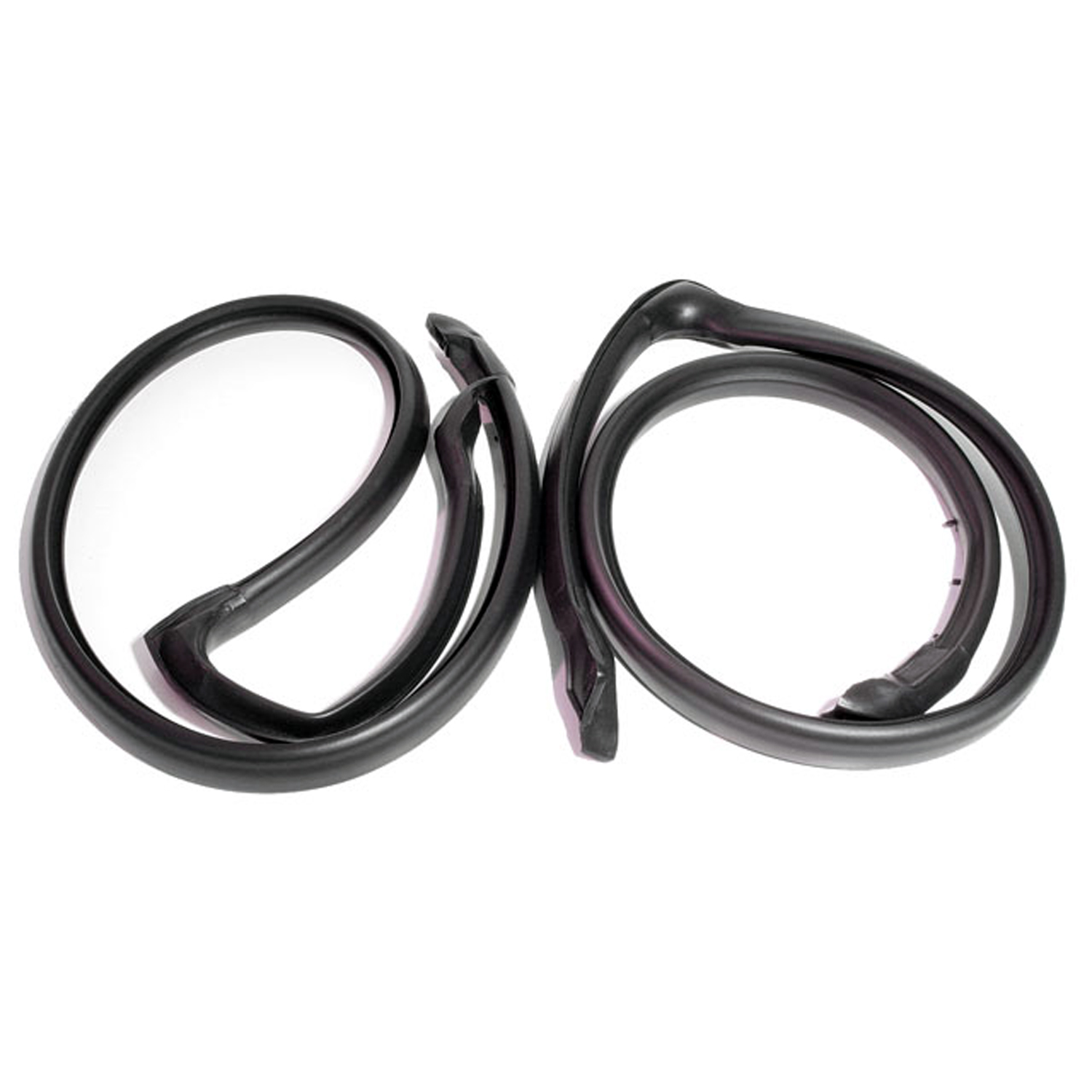 1980 Chrysler LeBaron Molded Roof Rail Seals for 2-Door Hardtop. Pair R&L-RR 4020Molded Roof Rail Seals for 76-80 Mopar 'F' Body 2-Door Hardtop. Also Fits 77-81 Mopar 'M' Body 2-Door Hardtop. Pair, R&L.
Why Choose Metro?
For over 100 years, Metro Moulded Parts has been the pinnacle of quality in classic car restoration parts. Our commitment to precision and authenticity in every component ensures a perfect fit and an OEM-level appearance.
- Expert Craftsmanship & Quality: Each part is a testament to our dedication to reliability and perfection, crafted from original designs and thoroughly tested.
- Advanced Technology: We use cutting-edge techniques to create flawless, long-lasting parts that surpass others in performance.
- SuperSoft Sponge – The Ultimate Door Seal: Not only are our door seals 30% softer than competitors', but they're also guaranteed to never leak. They effectively reduce wind and road noise, enhancing your classic car's comfort and driving experience.
- Proudly American: Our parts are a product of American craftsmanship, made in the USA with a spirit of excellence and heritage.
- Unrivaled Warranty: We back our products with a 30-year industry-leading warranty, a testament to our confidence in their quality.
Join us in preserving the legacy of classic cars with parts that are crafted for perfection, not just made.