
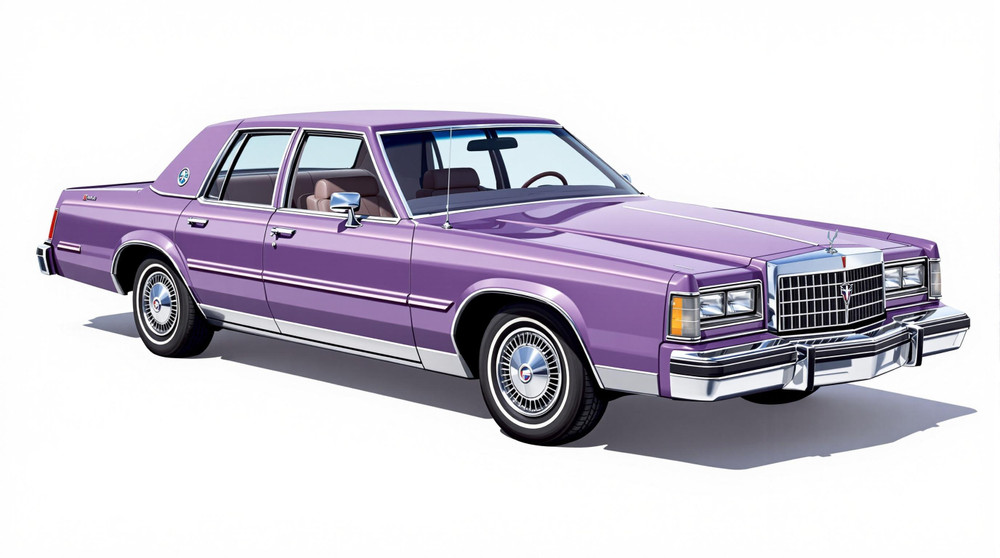
Image of 1981 Chrysler Imperial, Note: These illustrations use artistic license and may differ from actual historical models.
Performance Metrics
Fundamental Metrics
Emotional Appeal
MMP Rating
| Engine Specifications | |
|---|---|
| Engine: | 318 cu in (5.2 L) V8 |
| Displacement: | 318 cu in (5.2 L) |
| Horsepower: | 140-150 hp |
| Torque: | 245 lb-ft |
| Compression Ratio: | 8.5:1 |
| Ignition System: | Electronic Ignition System |
| Cooling System: | Liquid-cooled |
| Performance Specifications | |
| 0-60 Time: | 11 seconds |
| 1/4 Mile Time: | 18 seconds |
| Top Speed: | 105 mph |
| Transmission and Drive | |
| Drive Type: | Rear-wheel drive |
| Transmission Type: | 3-speed automatic |
| Fuel and Efficiency | |
| Fuel System Type: | Throttle Body Fuel Injection |
| MPG: | 15-20 mpg |
| Dimensions and Brakes | |
| Brakes: | Power-assisted disc brakes |
| Wheelbase: | 112.7 inches |
| Weight: | 3,700 lbs |
Note: Specifications for classic cars are given to the best of our ability, considering the limited and variant data available.
The 1981 Chrysler Imperial tried to bring old-school American prestige into a new era, pairing a formal, Sinatra-approved coupe with one of the boldest pieces of automotive electronics then available: a computer-controlled fuel-injection system. It was elegant, ambitious, and sometimes troublesome, which is exactly why this short-lived flagship remains so fascinating to classic-car enthusiasts.
1981 Chrysler Imperial: A New Flagship
Chrysler revived the Imperial name for 1981 as its top personal-luxury car. The manufacturer was still recovering from a financial crisis, and the new Imperial reflected that reality: it shared its basic rear-wheel-drive platform and many mechanical components with the Chrysler Cordoba, but wore distinctive styling and more lavish trim. Sharing hardware helped control costs while giving Chrysler a halo car to represent the brand.
The timing was significant. American automakers were adjusting to higher fuel prices, tighter emissions rules, and a market increasingly interested in smaller, more efficient cars. The Imperial answered with a traditional formula: a long hood, a formal two-door profile, a V8 engine, and an exceptionally quiet, comfortable cabin. Its modern twist was electronic fuel injection, a feature that made the car technically daring even as it struggled to establish a reputation for reliability.
One of the Imperial’s best-known versions was the Frank Sinatra Signature Edition. Finished in Glacier Blue with coordinating interior details, it connected the car to one of America’s most recognizable entertainers. The package made the Imperial feel less like a dressed-up coupe and more like a celebrity’s personal luxury statement.
Formal Styling and Mark Cross Luxury
The 1981 Imperial was offered only as a two-door coupe. Its formal roofline, long body, and upright proportions made it look more imposing than its shared platform might suggest. Up front, a tall, finely detailed grille gave the car a dignified face, while concealed rectangular headlamps kept the nose clean when the lights were off. At the rear, a raised, squared-off trunk treatment added to the car’s distinctive bustleback appearance.
A padded vinyl roof and small opera-style side windows reinforced the traditional luxury-coupe look. Bright trim, carefully shaped body panels, and tasteful badging provided visual polish without resorting to the heavy ornamentation common on some earlier American luxury cars. The Imperial’s most recognizable colors included Glacier Blue, associated with the Sinatra edition, along with more conventional choices such as black, white, silver, and other period-appropriate shades. Exact paint and trim availability varied by model year and equipment.
Inside, the emphasis was on comfort and finish rather than sportiness. Leather upholstery carrying the Mark Cross name, woodgrain accents, plush carpeting, and broad, well-padded seats gave the cabin an upscale atmosphere. Power conveniences such as windows, door locks, and seat adjustment helped make the car feel appropriately equipped for a flagship. The front bucket seats and center console also gave the coupe a more personal, driver-focused layout than a conventional full-size sedan.
Technology was a major part of the Imperial’s identity. Its Electronic Voice Alert system could speak warnings about issues such as an unfastened seat belt, low fuel, or lights left on. The car’s computer-controlled fuel injection was even more ambitious, promising improved fuel delivery and emissions performance. The Imperial was not offered as a sedan or convertible: the coupe was the single body style, with trim and equipment packages providing the key variations.
Why the Imperial Mattered
The Imperial was important less for changing the shape of the entire industry than for showing how Chrysler hoped to combine traditional luxury with emerging electronics. Its voice-warning system was a memorable early example of a car communicating directly with its driver. Electronic fuel injection was also a forward-looking choice at a time when many American cars still relied on carburetors.
That innovation came with a catch. The injection system could be difficult to diagnose and repair, and early reliability problems damaged the car’s reputation. In some cases, owners and service departments replaced the system with a carburetor setup. The episode captures a broader challenge of early automotive electronics: the technology could be impressive, but it needed dependable components and a service network prepared to support it.
The Imperial also showed how a manufacturer could create a distinctive flagship using shared components. Its Cordoba-related underpinnings helped Chrysler limit development costs, while the unique nose, formal roof, special trim, and Imperial name gave it a separate identity. The car did not launch a major design trend, but its blend of traditional styling and electronic features makes it a useful snapshot of American luxury at the start of the 1980s.
318 V8 Performance and Road Manners
Power came from Chrysler’s 318-cubic-inch, 5.2-liter V8, paired with a three-speed TorqueFlite automatic transmission and rear-wheel drive. In 1981, the fuel-injected engine was rated at about 140 horsepower. That output was respectable for the period’s emissions-conscious V8s, but the Imperial was a substantial coupe, so acceleration was relaxed rather than urgent.
Contemporary performance figures vary with test conditions and vehicle condition. A healthy example generally takes roughly 12 to 14 seconds to reach 60 mph, with a top speed in the neighborhood of 105 to 110 mph. Those numbers make clear that the Imperial was built for quiet cruising, not drag-strip contests. Its V8 delivers a subdued, familiar American rumble, while the automatic transmission favors smooth, unhurried shifts.
On ordinary roads, the Imperial feels composed and comfortable. Its soft suspension takes the edge off pavement seams and neighborhood bumps, making long drives its natural habitat. The trade-off is noticeable body lean in quick corners, and the car does not feel especially nimble on winding roads. Strong crosswinds and uneven pavement can remind the driver that this is a sizable, comfort-first coupe rather than a modern sport-luxury car.
Behind the wheel, the experience is about ease and presence. The broad hood, cushioned seats, power assists, and quiet cabin encourage relaxed driving. It feels most at home on open highways, where the V8 can settle into a steady pace and the suspension can do what it was designed to do.
Living With an Imperial Today
Most surviving Imperials are now used as weekend cruisers, show cars, or distinctive additions to collections of Chrysler products. They are not common daily drivers, although a properly sorted example can handle occasional commuting and touring. Their comfortable interiors and automatic transmissions suit relaxed use far better than performance driving.
The 318 V8 and TorqueFlite transmission are familiar Chrysler components, and many routine mechanical jobs are manageable for a capable home mechanic. The biggest ownership challenge is often the original electronic fuel-injection system. Before buying, check whether it remains in place, whether it operates correctly, and whether any conversion to a carburetor was completed carefully. A poorly documented conversion can create its own wiring and tuning headaches.
Parts for the basic drivetrain are generally easier to source than Imperial-specific trim, body pieces, electronic components, and Sinatra-edition details. Inspect the car for rust, especially around the lower body and structural areas, and test every power accessory. A complete, functioning car is usually a better starting point than a cheap project missing rare interior or exterior pieces.
Rare Editions, Trivia, and Common Criticisms
The Frank Sinatra Signature Edition is the standout special version. Its Glacier Blue paint and coordinated blue-themed appointments gave it a highly recognizable look, and some examples included a set of Sinatra cassette tapes presented with the car. The edition is closely tied to the Imperial’s period image, though buyers should verify that claimed special-edition details are authentic and documented.
The Imperial is also remembered for its talking-car feature. Electronic Voice Alert could deliver spoken reminders and warnings, an unusual feature in an era when most cars relied on lights and chimes. It is the kind of period technology that can delight passengers at a show, even if owners may prefer the system to stay quiet during ordinary driving.
There is no major speed or endurance record associated with the 1981 Imperial, and it was not designed as a competition car. Its historical interest comes instead from its unusual electronics, its role as Chrysler’s luxury flagship, and its connection to Frank Sinatra. Common criticisms include modest acceleration, fuel consumption typical of a large V8 coupe, and the complexity of the original fuel-injection system. Its styling can also feel deliberately formal and heavy compared with later, more aerodynamic cars.
Collector Values and Rarity
Production figures commonly cited for the 1981 model are about 7,923 cars. Chrysler built roughly 12,000 examples across the 1981 to 1983 Imperial run, making the generation uncommon today without putting every example in the category of a major-money collectible. The Sinatra Signature Edition is scarcer and more desirable when its special equipment and history can be verified.
As a broad current-market estimate, a running driver-quality 1981 Imperial may sell for approximately $5,000 to $10,000. Clean, well-preserved examples often fall around $10,000 to $20,000, while exceptional cars, especially documented Sinatra editions, can bring more. Condition, originality, service history, and whether the fuel-injection system works properly have a major effect on price. Project cars can cost far less, but missing trim and unresolved electronics may erase the apparent savings.
Values have generally been steady rather than explosive. The Imperial has a dedicated audience, and its rarity and Sinatra connection help it stand out, but the model remains more affordable than many better-known classic luxury cars. The best long-term prospects belong to complete, original examples with sound bodies and well-documented mechanical work.
A Distinctive Chrysler Worth Remembering
The 1981 Chrysler Imperial combined a formal personal-luxury coupe, Mark Cross interior appointments, a smooth 318 V8, and unusually ambitious electronics. Its fuel-injection system proved troublesome, but that complication is part of the story, not a reason to dismiss the car. The Imperial represents a moment when Chrysler tried to preserve classic American luxury while experimenting with the technologies that would shape the cars ahead.
For collectors, it offers a rare blend of celebrity connection, distinctive styling, and real automotive history. The 1981 Imperial may not be the fastest or easiest classic to own, but it remains a memorable flagship from an era when even a luxury coupe could make the car itself do the talking.
1981 Chrysler Imperial Catalog of Parts
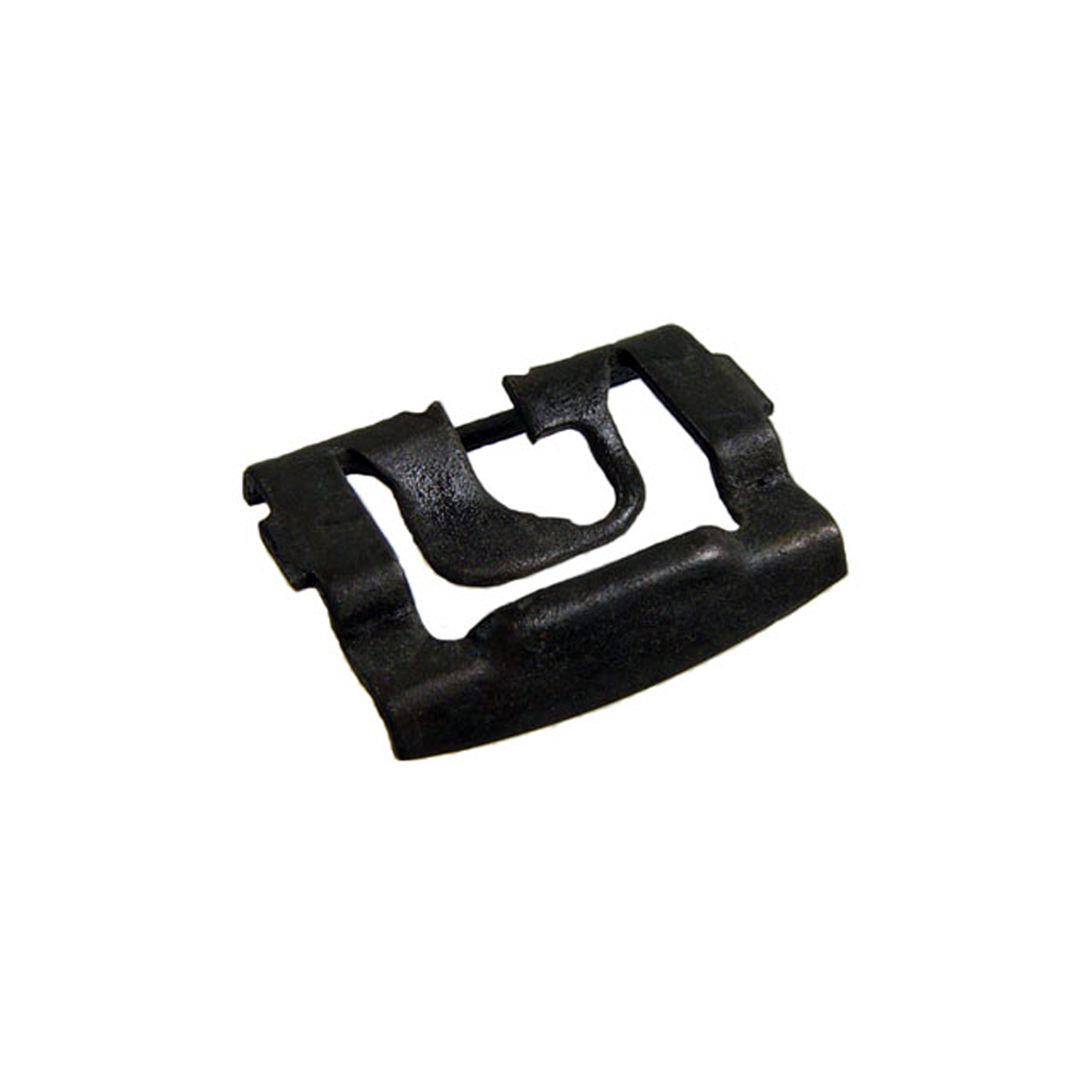 1981 Chrysler Imperial Windshield and Rear Windshield Molding Clip. Made of steel-WF 216Windshield and Rear Windshield Molding Clip. Made of steel. 1-1/8" X 5/8". Each
Why Choose Metro?
For over 100 years, Metro Moulded Parts has been the pinnacle of quality in classic car restoration parts. Our commitment to precision and authenticity in every component ensures a perfect fit and an OEM-level appearance.
- Expert Craftsmanship & Quality: Each part is a testament to our dedication to reliability and perfection, crafted from original designs and thoroughly tested.
- Advanced Technology: We use cutting-edge techniques to create flawless, long-lasting parts that surpass others in performance.
- SuperSoft Sponge – The Ultimate Door Seal: Not only are our door seals 30% softer than competitors', but they're also guaranteed to never leak. They effectively reduce wind and road noise, enhancing your classic car's comfort and driving experience.
- Proudly American: Our parts are a product of American craftsmanship, made in the USA with a spirit of excellence and heritage.
- Unrivaled Warranty: We back our products with a 30-year industry-leading warranty, a testament to our confidence in their quality.
Join us in preserving the legacy of classic cars with parts that are crafted for perfection, not just made.