

Image of 1981 Chrysler Lebaron, Note: These illustrations use artistic license and may differ from actual historical models.
Performance Metrics
Fundamental Metrics
Emotional Appeal
MMP Rating
| Engine Specifications | |
|---|---|
| Engine Options: | 2.2L I4, 3.7L Slant 6, 5.2L V8 |
| Displacement Range: | 2.2L - 5.2L |
| Horsepower Range: | 84-140 HP (estimated) |
| Torque: | 125-230 lb-ft (estimated) |
| Compression Ratio: | 8.5:1 - 9.2:1 (estimated) |
| Ignition System: | Electronic Ignition |
| Cooling System: | Liquid-cooled |
| Performance Specifications | |
| 0-60 Time: | 11-16 seconds (estimated) |
| 1/4 Mile Time: | 18-20 seconds (estimated) |
| Top Speed: | 100-115 mph (estimated) |
| Transmission and Drive | |
| Drive Type: | RWD |
| Transmission Type: | 3-speed automatic, 4-speed manual |
| Fuel and Efficiency | |
| Fuel System Type: | Carburetor |
| MPG: | 15-20 mpg (estimated) |
| Dimensions and Brakes | |
| Brakes: | Front disc, rear drum |
| Wheelbase: | 112.7 inches |
| Weight: | 2,800-3,200 lbs (estimated) |
Note: Specifications for classic cars are given to the best of our ability, considering the limited and variant data available.
1981 Chrysler LeBaron: The Last of the Rear-Drive Era
The 1981 Chrysler LeBaron was a car in transition: a formal, rear-wheel-drive American luxury model built just as Chrysler was preparing to remake its future around smaller, front-wheel-drive cars. It came from Chrysler Corporation, whose LeBaron name had long suggested prestige. The name itself reached back to LeBaron Carrossiers, a celebrated coachbuilding firm whose association with Chrysler helped give it an upscale ring.
For 1981, the LeBaron was still an M-body car, sharing its basic architecture with the Dodge Diplomat and Plymouth Gran Fury. It was not the compact, front-wheel-drive LeBaron that arrived for 1982. That makes this model an interesting bridge between two very different chapters in Chrysler history: traditional American comfort on one side, the fuel-conscious K-car era on the other.
Here is the detail that makes the 1981 model especially notable: it was the final year of the rear-wheel-drive Chrysler LeBaron sedan and coupe. A buyer could still get a long hood, a traditional automatic transmission, and rear-drive manners just before the name moved onto a very different kind of car.
Formal Styling and Comfortable Cabin
The LeBaron wore the dressy styling popular among American personal-luxury cars of the period. Its upright grille, rectangular headlamps, long hood, and squared-off body gave it a deliberate, almost architectural look. Depending on trim, brightwork, a stand-up hood ornament, a padded vinyl roof, and small opera-style rear-quarter windows added an extra measure of formality. The effect was less sporty than a coupe like a Chevrolet Monte Carlo and more like a comfortable private club on wheels.
Inside, the emphasis was on space and softness rather than a cockpit-like driving position. Buyers could find velour upholstery, patterned cloth, vinyl, or optional leather, along with woodgrain-look trim and plush carpeting. Bench seating suited relaxed cruising, while some versions offered bucket seats and a center console. The materials and finish were typical of a mainstream American luxury car of the early 1980s: inviting and richly trimmed, though not immune to wear after decades of sun, use, and age.
Available paint colors varied with trim and production details, but period choices commonly included shades of white, silver, beige, brown, blue, red, and green. Neutral colors paired especially well with the LeBaron’s formal lines and vinyl roof treatments. Two-tone combinations and contrasting roof colors are among the details that make surviving examples feel unmistakably early 1980s.
The core body styles were a two-door coupe and a four-door sedan. The coupe is often the more eye-catching choice, particularly with a padded roof and opera windows, while the sedan offered easier access and more practical rear-seat use. Chrysler also sold M-body station wagons under the Town & Country name during this period. They belong to the same broader family, but the wagon was not simply a LeBaron coupe or sedan with its roof extended.
Technology at the Turning Point
The 1981 LeBaron was not a technology showcase in the modern sense. Its significance lies more in its mix of old-school mechanical layout and increasingly complex emissions equipment. Depending on configuration and market, engine choices included a 2.6-liter Mitsubishi-built four-cylinder, Chrysler’s 3.7-liter Slant Six, and a 5.2-liter V8. Availability varied, so a specific car’s original engine should be verified from its identification and build information.
Automatic transmissions were common, and power steering, power brakes, and air conditioning were popular comfort options. Electronic ignition and emissions-control systems were part of the changing engineering landscape. Some Chrysler engines used Lean Burn controls, which adjusted ignition timing to help meet emissions requirements. These systems were advanced for their time, but today they can require careful diagnosis, especially if original components have been altered or removed.
Why the 1981 LeBaron Matters
The LeBaron’s historical importance is not that it introduced a revolutionary chassis or a record-setting engine. Rather, it captures Chrysler at a turning point. The M-body formula delivered familiar rear-wheel-drive proportions and traditional comfort, while the company’s smaller K-platform cars represented the direction it needed to take during a period of fuel-economy pressure and financial strain.
Compared with many compact and midsize rivals, the LeBaron offered a more formal appearance and a notably relaxed driving character. It also shared its basic platform with corporate siblings, allowing Chrysler to support several brands and model lines from related engineering. That kind of platform sharing remains common in the auto industry, though the LeBaron’s version was shaped by the larger, rear-drive habits of its era.
Its influence is subtle but useful to collectors and historians. The 1981 car marks the end of one LeBaron identity and the beginning of another. The name continued, but the 1982 redesign changed the layout and character dramatically. Park the two generations side by side and the shift in Chrysler’s priorities is immediately clear.
Performance and Road Manners
Performance depended heavily on which engine was under the hood. The four-cylinder and Slant Six versions were generally aimed at everyday transportation, while the V8 offered stronger low-speed pull. As a broad period-car estimate, a four-cylinder or six-cylinder example may take roughly 13 to 17 seconds to reach 60 mph. A V8 car could be closer to the 10-to-13-second range, depending on its condition, gearing, and equipment. These are estimates rather than guaranteed factory test figures for every trim.
Top speed likewise varies by engine and condition. A reasonable estimate for many examples is roughly 95 to 110 mph, but the LeBaron was built for comfortable road travel, not high-speed competition. Its acceleration feels measured by modern standards, and a well-maintained example is best enjoyed by letting the engine build speed smoothly rather than expecting a brisk launch.
On the road, the LeBaron favors a soft, settled ride. Its suspension takes the edge off ordinary bumps, and the long, formal body feels at home on highways and broad suburban streets. On a winding road, you notice the priorities: body lean, a slower steering response than a modern car, and a preference for a steady pace over sharp cornering. Crosswinds can also make an older, high-sided car feel less composed than a contemporary low-slung sedan.
The driving experience is pleasantly analog. You hear the engine working, feel the steering through the wheel, and operate controls designed for a driver rather than a touchscreen. A six-cylinder car has a familiar, low mechanical hum; a V8 adds a deeper note and more relaxed passing power. When the suspension, steering, and drivetrain are in good shape, the LeBaron feels like a comfortable long-distance companion rather than a performance machine.
Living With a LeBaron Today
Most 1981 LeBarons are best suited to weekend cruising, local shows, or occasional use as a distinctive classic. They can serve as regular transportation, but age matters more than the original reputation for comfort. Rubber components, cooling-system parts, wiring, brake hardware, and automatic-transmission condition deserve close attention before long trips.
Mechanical service is often manageable for an experienced home mechanic. The M-body shared components and engineering with other Chrysler products, which can help with routine service and some replacement parts. The challenge is usually finding sound, correct trim: weatherstripping, interior pieces, emblems, vinyl-roof details, and model-specific exterior parts may take more searching than common mechanical items.
Check carefully for rust around the lower body, wheel openings, floor, trunk, and window areas. Also inspect the car’s electrical and emissions systems. Lean Burn equipment and aging carburetors can create driveability complaints, and a previous owner’s modifications may complicate diagnosis. A tidy, original car with clear maintenance records is generally a better buy than a cheaper example with mysterious wiring or a long list of deferred repairs.
LeBaron Trivia and Common Complaints
The LeBaron name had a much more exclusive early life than its later mass-market use might suggest. Its connection to a famous coachbuilder gave Chrysler a ready-made luxury identity that could be carried across very different vehicles over the decades.
The 1981 LeBaron is not known for a major speed record, racing achievement, or defining celebrity association. Its claim to interest is its timing: it is the last rear-wheel-drive LeBaron sedan and coupe before the name shifted to Chrysler’s new front-wheel-drive generation. That change makes the car a useful snapshot of a company balancing tradition with urgent reinvention.
Common criticisms include modest acceleration in the smaller-engine versions, fuel consumption from the V8, and emissions-system complexity on cars that have not been properly maintained. Some owners also find the ride too soft and the handling too leisurely. Those traits are part of the car’s character, but they also explain why a LeBaron is better appreciated as a cruiser than as a sporting classic.
Collector Value and Availability
The 1981 LeBaron remains an affordable classic, with condition and originality doing most of the work in determining value. As a broad 2026 U.S. market estimate, a project or rough driver might sell for about $1,000 to $3,000. A usable, presentable example could fall around $3,000 to $7,000, while a very clean, well-preserved car may bring roughly $8,000 to $12,000 or more. Exceptional originality, a desirable engine, and strong documentation can push a car above that range, though such sales are uncommon.
Exact production totals for the 1981 LeBaron can be difficult to pin down across body styles and trim combinations. A reasonable working estimate is around 60,000 LeBaron-badged M-body sedans and coupes for the model year, with related Town & Country wagons counted separately. This is a best-guess figure, not a definitive factory total. The cars are not exceptionally rare in the broad sense, but clean survivors are far less common than their original production numbers might imply.
Values have generally stayed modest compared with more famous American coupes and muscle cars. The best-preserved examples have the strongest chance of holding or gradually gaining value as interest grows in overlooked 1970s and 1980s cars. For now, the market rewards condition and originality more than rarity alone. A well-kept LeBaron can be a satisfying purchase, but buyers should not expect rapid appreciation.
A Comfortable Classic at Chrysler’s Crossroads
The 1981 Chrysler LeBaron combines formal American styling, a soft and spacious cabin, and the familiar feel of rear-wheel drive. It was not designed to set lap times or introduce a headline-grabbing technology. Its lasting interest comes from being the final traditional LeBaron before Chrysler changed the name’s direction in 1982.
For a collector, that makes the 1981 model more than an inexpensive old sedan or coupe. It is a well-preserved piece of Chrysler’s transition from the full-size habits of the past to the compact-car future. In the right condition, the LeBaron still does what it was built to do: turn an ordinary drive into a comfortable, distinctly period-correct cruise.
1981 Chrysler Lebaron Catalog of Parts
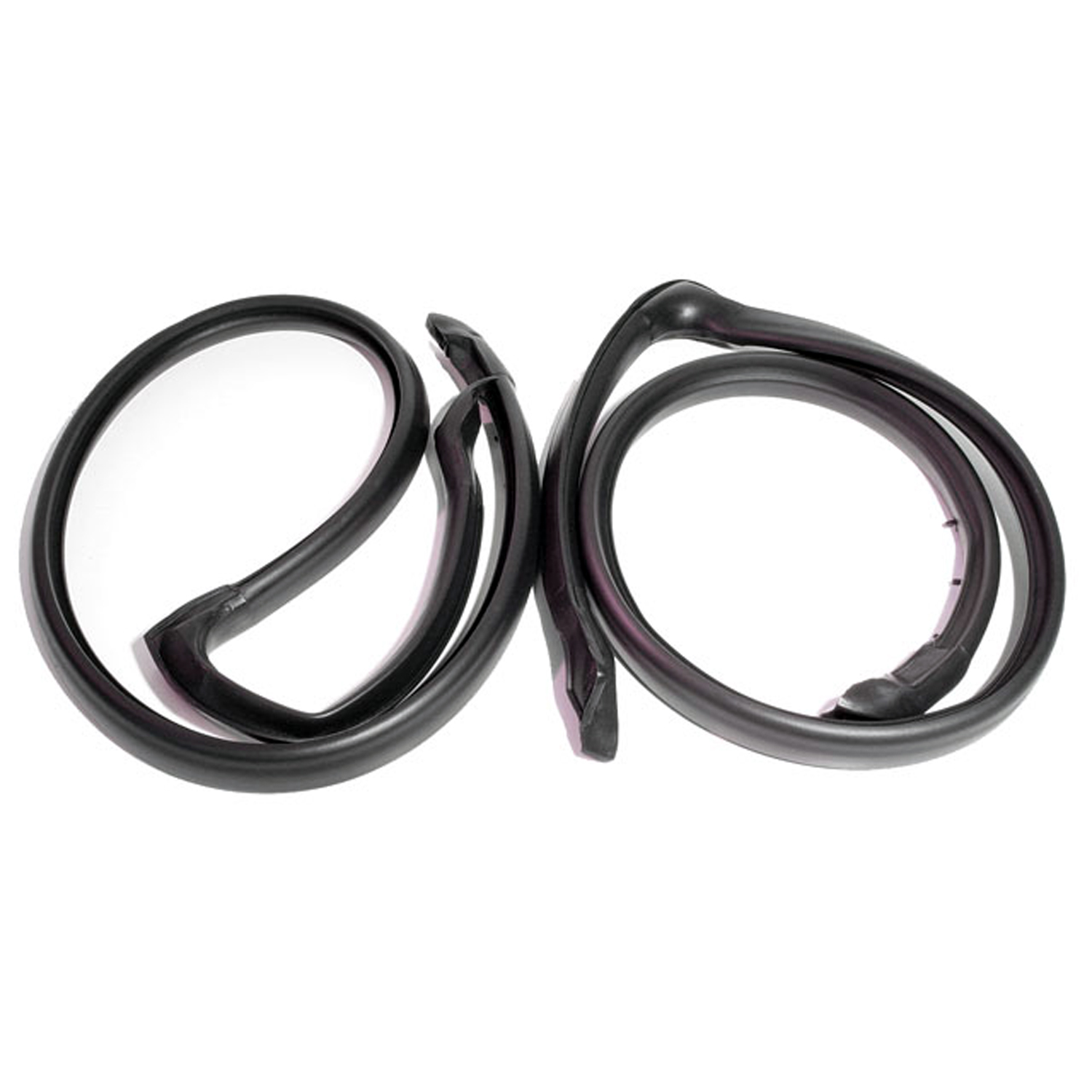 1981 Chrysler LeBaron Molded Roof Rail Seals for 2-Door Hardtop. Pair R&L-RR 4020Molded Roof Rail Seals for 76-80 Mopar 'F' Body 2-Door Hardtop. Also Fits 77-81 Mopar 'M' Body 2-Door Hardtop. Pair, R&L.
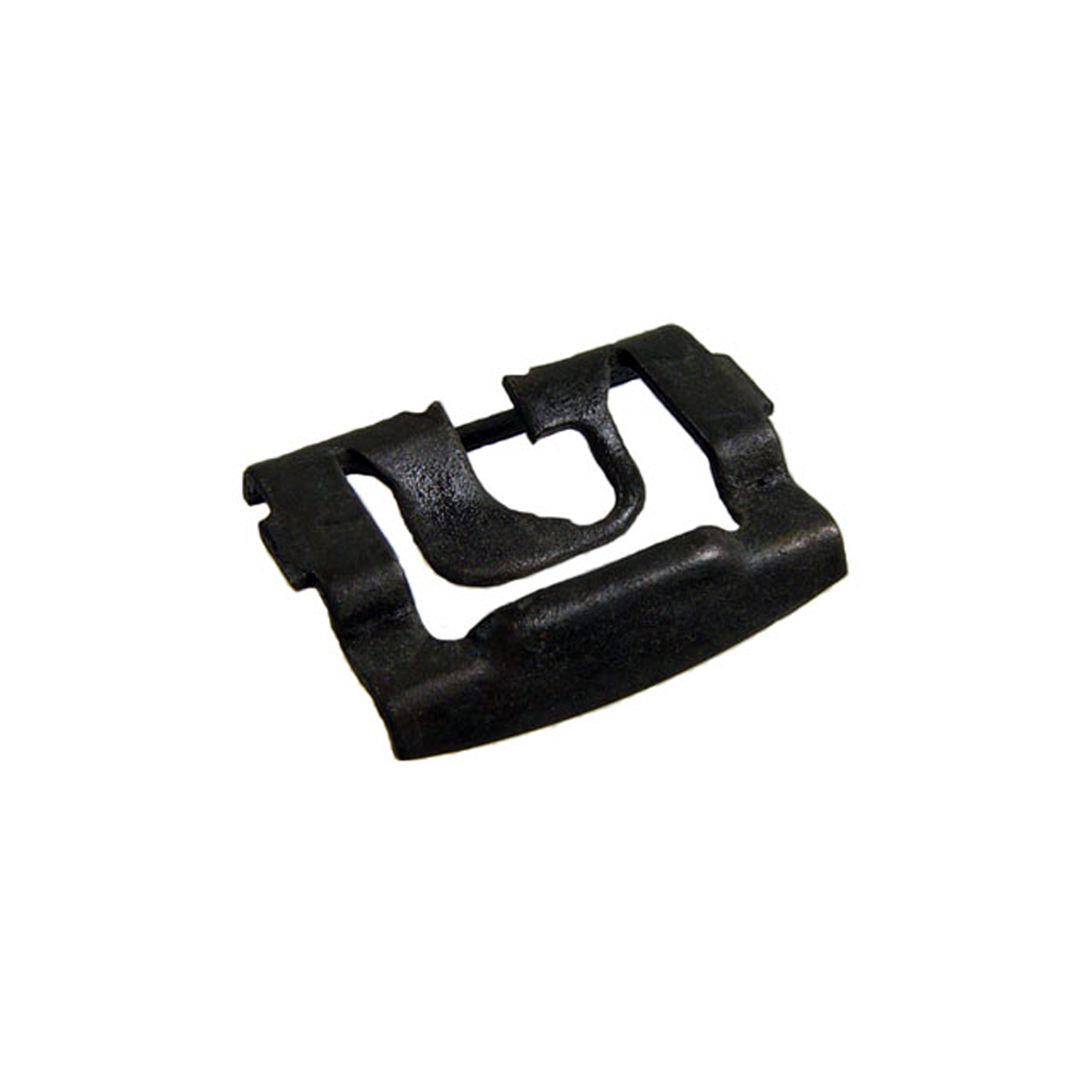 1981 Chrysler LeBaron Windshield and Rear Windshield Molding Clip. Made of steel-WF 216Windshield and Rear Windshield Molding Clip. Made of steel. 1-1/8" X 5/8". Each
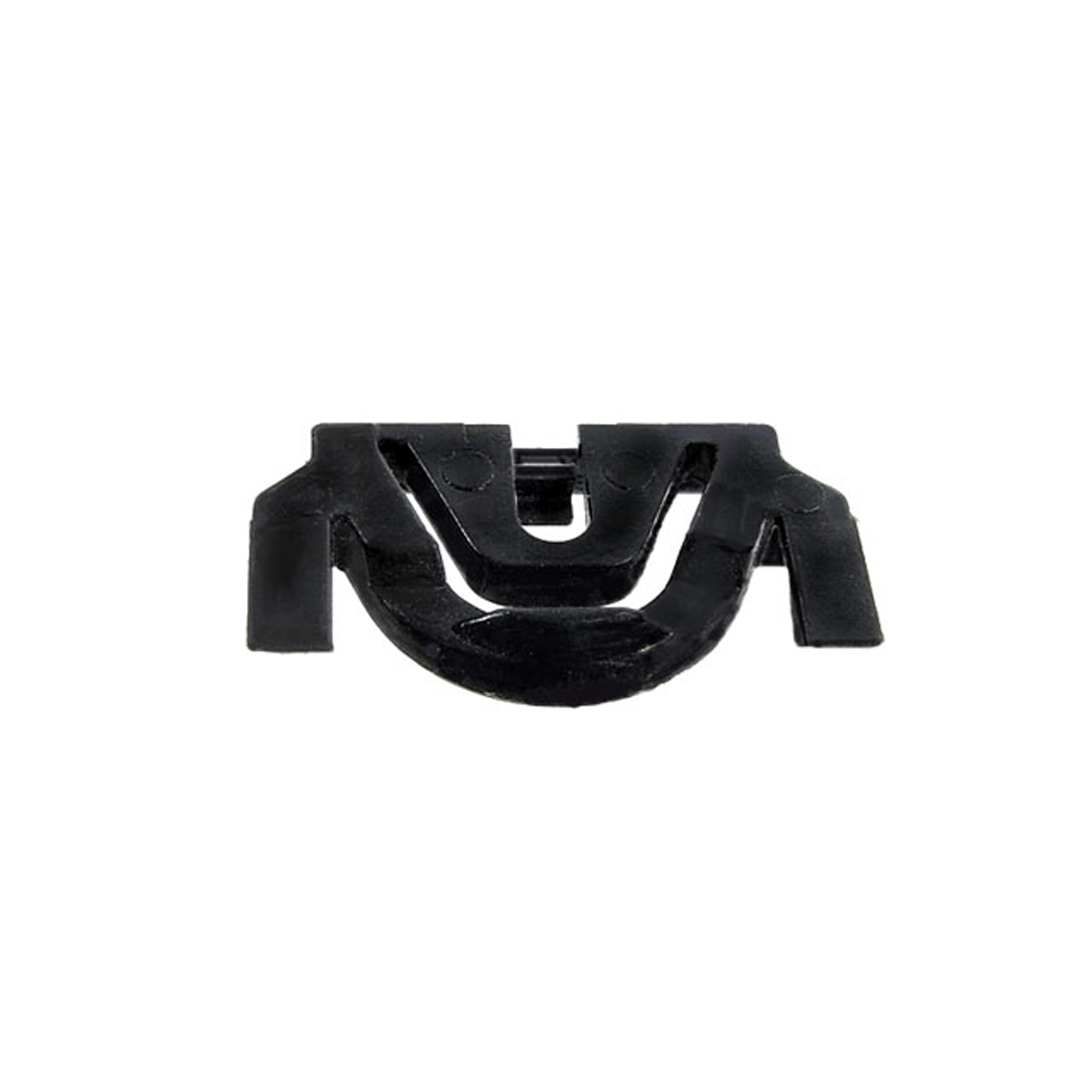 1981 Chrysler LeBaron Windshield and Rear Windshield Reveal Molding Clip-WF 225-AWindshield and Rear Windshield Reveal Molding Clip. Made of nylon. 2" X 11/16". Each
Why Choose Metro?
For over 100 years, Metro Moulded Parts has been the pinnacle of quality in classic car restoration parts. Our commitment to precision and authenticity in every component ensures a perfect fit and an OEM-level appearance.
- Expert Craftsmanship & Quality: Each part is a testament to our dedication to reliability and perfection, crafted from original designs and thoroughly tested.
- Advanced Technology: We use cutting-edge techniques to create flawless, long-lasting parts that surpass others in performance.
- SuperSoft Sponge – The Ultimate Door Seal: Not only are our door seals 30% softer than competitors', but they're also guaranteed to never leak. They effectively reduce wind and road noise, enhancing your classic car's comfort and driving experience.
- Proudly American: Our parts are a product of American craftsmanship, made in the USA with a spirit of excellence and heritage.
- Unrivaled Warranty: We back our products with a 30-year industry-leading warranty, a testament to our confidence in their quality.
Join us in preserving the legacy of classic cars with parts that are crafted for perfection, not just made.