
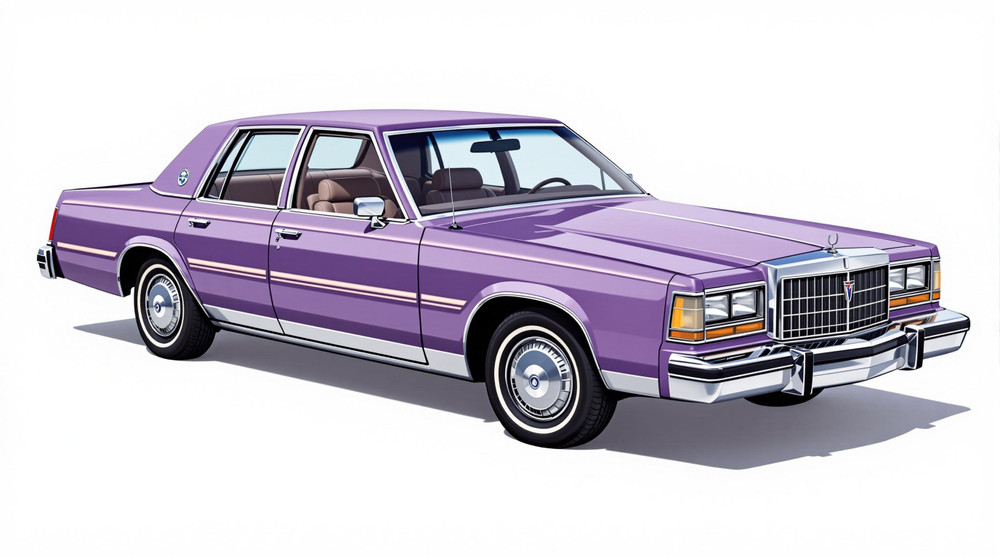
Image of 1981 Chrysler New Yorker, Note: These illustrations use artistic license and may differ from actual historical models.
Performance Metrics
Fundamental Metrics
Emotional Appeal
MMP Rating
| Engine Specifications | |
|---|---|
| Engine Options: | 3.7L Slant-6, 5.2L V8, 5.9L V8 |
| Displacement Range: | 225-360 cu in |
| Horsepower Range: | 85-195 hp (estimated) |
| Torque: | 145-295 lb-ft (estimated) |
| Compression Ratio: | 8.4:1 - 9.2:1 (estimated) |
| Ignition System: | Electronic Ignition |
| Cooling System: | Liquid-cooled |
| Performance Specifications | |
| 0-60 Time: | 11-15 seconds (estimated) |
| 1/4 Mile Time: | 17-20 seconds (estimated) |
| Top Speed: | 105-115 mph (estimated) |
| Transmission and Drive | |
| Drive Type: | Rear-wheel drive |
| Transmission Type: | 3-speed automatic, 4-speed automatic |
| Fuel and Efficiency | |
| Fuel System Type: | Carburetor |
| MPG: | 12-16 mpg (estimated) |
| Dimensions and Brakes | |
| Brakes: | Front disc, rear drum |
| Wheelbase: | 112.7 inches |
| Weight: | 3,600-4,200 lbs (estimated) |
Note: Specifications for classic cars are given to the best of our ability, considering the limited and variant data available.
1981 Chrysler New Yorker: A Last Big, Rear-Drive Luxury Sedan
The 1981 Chrysler New Yorker arrived at the end of an era: a formal, rear-wheel-drive American luxury sedan built just as the industry was moving toward smaller, lighter cars. It belonged to Chrysler’s R-body family, a platform shared in related form with cars such as the Dodge St. Regis and Plymouth Gran Fury. As the most upscale Chrysler in this particular lineup, the New Yorker paired traditional V8 character and a soft, quiet ride with the square-edged styling of the early 1980s.
Chrysler had introduced the New Yorker name in 1939, and by 1981 it carried decades of associations with roomy cabins, substantial chrome, and restrained prestige. The 1981 model is especially interesting because it was the final New Yorker on the R-body platform. For 1982, Chrysler shifted the name to a smaller, M-body car. That makes the 1981 New Yorker a distinct last chapter in the company’s full-size, rear-drive luxury story.
Formal R-Body Styling
The New Yorker’s exterior is unmistakably period formal. Its long hood, upright grille, squared-off fenders, and crisp body lines give it a substantial presence without relying on the flowing curves of earlier decades. The front end is particularly memorable, with a broad grille and concealed headlights that could disappear behind doors when not in use. Chrome trim, carefully shaped bumpers, and a padded or vinyl-covered roof on suitably equipped examples completed the upscale look.
Chrysler offered the 1981 New Yorker as a four-door sedan. There was no New Yorker coupe, wagon, or convertible in this R-body generation, so the sedan is both the standard configuration and the model’s defining shape. Buyers could choose different trim and equipment combinations, including versions with a more luxurious roof treatment and upgraded interior appointments. Equipment and appearance details can vary by car, so original build sheets and sales literature are useful when identifying a specific example.
Period paint choices included the subdued metallics, dark shades, and light neutrals popular among luxury buyers of the time. Cream, silver, blue, gray, and darker formal colors suit the car’s character particularly well. Vinyl roofs and contrasting trim could add a two-tone effect even when the body itself wore a single paint color. Exact color names and availability depended on the market and production run.
Cabin Comfort and Early-1980s Technology
Inside, the New Yorker emphasized comfort over sportiness. Wide seats, generous legroom, and a broad instrument panel made the cabin feel more like a quiet lounge than a driver-focused cockpit. Depending on trim and options, upholstery could include velour or leather, with padded surfaces and wood-tone accents adding to the luxury atmosphere. The materials were designed to look rich and feel comfortable, though decades of sun exposure can leave vinyl, plastics, and seat upholstery cracked, faded, or brittle.
Power accessories and convenience equipment were part of the New Yorker’s appeal. Depending on how it was ordered, a car might have power windows and locks, power-adjustable seating, air conditioning, cruise control, and a premium sound system. These features were not universal, so buyers should check the actual equipment rather than assume every car has the same specification. Chrysler’s electronic engine-management technology, commonly associated with its Lean Burn system, was another notable feature of the period. It used electronic controls to help manage combustion and emissions, but age-related faults can make diagnosis and repair more involved than on a simpler carbureted car.
Why the 1981 New Yorker Mattered
The New Yorker reflects the complicated position American automakers occupied in the early 1980s. After fuel-price shocks and growing demand for better economy, manufacturers downsized their large cars. Chrysler’s R-body models kept a traditional rear-drive layout and familiar V8 power while using a more compact footprint than the company’s earlier full-size offerings. The result was a bridge between the enormous land yachts of the 1970s and the smaller luxury sedans that followed.
What set the New Yorker apart was its blend of traditional luxury cues and more modern packaging. It still offered a long, comfortable cabin, V8 power, and a formal roofline, but it was part of a downsized platform intended to meet a changing market. The 1981 model’s final-year status adds historical interest: it represents the closing of Chrysler’s R-body chapter before the New Yorker moved to a different platform and a different scale.
318 V8 Performance and Road Manners
The typical 1981 New Yorker was powered by Chrysler’s 318-cubic-inch (5.2-liter) V8, paired with a three-speed TorqueFlite automatic transmission. Output was modest by modern standards and varied with emissions equipment and engine calibration, but period figures generally put it in the neighborhood of 130 to 140 horsepower. The emphasis was on smooth, quiet progress rather than rapid acceleration.
Performance estimates for a sound, correctly tuned example place 0-to-60 mph in roughly the 12-to-14-second range. Top speed is generally around 100 mph, although a car’s condition, gearing, tires, and equipment can make a meaningful difference. Those figures are best treated as period-style estimates, not guaranteed results for every surviving car.
On the road, the New Yorker favors a soft ride. Its suspension absorbs ordinary pavement seams and broad bumps comfortably, while the long wheelbase helps it feel settled on the highway. On winding roads, however, the body leans noticeably and the steering is less precise than that of a modern sedan. Strong crosswinds can also remind the driver that this is a large, upright car. The V8’s muted burble, the automatic’s smooth shifts, and the cushioned suspension are central to the experience. It encourages relaxed cruising rather than aggressive driving.
Living With a New Yorker Today
Most New Yorkers now serve as weekend cruisers, show cars, or nostalgic family vehicles rather than everyday commuters. A well-maintained example can still handle local drives and highway trips, but fuel economy is poor by current standards. As with any car over four decades old, overall condition matters more than the odometer reading alone.
The 318 V8 and TorqueFlite transmission are familiar, well-established Chrysler components, and many routine mechanical repairs are within reach of an experienced home mechanic. The bigger challenges are often age and availability: dried seals, worn suspension parts, electrical gremlins, cooling-system problems, and hard-to-find trim or body pieces. Cars with Lean Burn equipment may need a knowledgeable technician if the electronic controls are not functioning correctly. Before buying, inspect the body for rust, check that the hidden headlight doors work, test every power accessory, and look for evidence of overheating or poor previous repairs.
New Yorker Facts and Common Criticisms
The most notable fact about the 1981 New Yorker is also its simplest: it was the final model year for the R-body New Yorker. The following year brought a smaller platform, making the 1981 car a useful dividing line between Chrysler’s traditional full-size sedans and its next generation of downsized luxury models. The New Yorker name itself continued for many more years, but the R-body version has a character all its own.
There is no widely recognized 1981 New Yorker speed or endurance record, nor is the model chiefly remembered for a famous competition win. Its significance lies in its place in Chrysler’s product history and in the way it captures the transition from 1970s-style American luxury to 1980s downsizing. It is not usually associated with a single celebrity owner or a landmark historical event, so claims of especially famous individual cars deserve careful documentation.
Common criticisms include thirsty fuel consumption, modest acceleration, soft handling, and the complexity of aging emissions electronics. Some buyers also find its styling too formal or its cabin materials less durable than expected. For enthusiasts, those same qualities are part of the appeal: the New Yorker feels unmistakably like a product of its time, built to make distance comfortable rather than to chase lap times.
Collector Values and Availability
The 1981 New Yorker is a niche collector car, not a high-volume investment favorite. Survivors appear periodically in online listings, classic-car marketplaces, and regional sales, but clean, original cars are less common than project vehicles. A reasonable production estimate is roughly 10,000 to 20,000 examples for the model year, with about 15,000 as a working midpoint. Treat that as an informed estimate rather than a verified factory total, since production figures can differ depending on how model and trim versions are counted.
As a broad current-market guide, a project or heavily worn car might sell for about $1,500 to $4,000. A usable driver in fair-to-good condition could bring roughly $4,000 to $9,000, while an especially clean, original example may reach $10,000 to $18,000. Exceptional cars with excellent paint, intact trim, documented history, and well-preserved interiors could ask more, although actual sale prices depend heavily on location and buyer interest.
Values have generally remained modest compared with better-known muscle cars and premium classics. The model is not broadly appreciating at a dramatic pace, but its final-year R-body status and growing interest in overlooked 1980s cars may support gradual gains for the best examples. Condition, originality, and completeness are likely to matter more than rarity alone.
A Comfortable Close to the R-Body Era
The 1981 Chrysler New Yorker combines a formal sedan body, a smooth 318 V8, a comfortable cabin, and a place at the end of Chrysler’s R-body story. It is not quick, economical, or especially nimble, but it delivers the quiet, easygoing character that American luxury buyers valued at the time. For collectors who appreciate the less celebrated turning points in automotive history, this final-year New Yorker is more than an old sedan. It is a rolling reminder of how American luxury changed when the open road began asking for smaller cars.
1981 Chrysler New Yorker Catalog of Parts
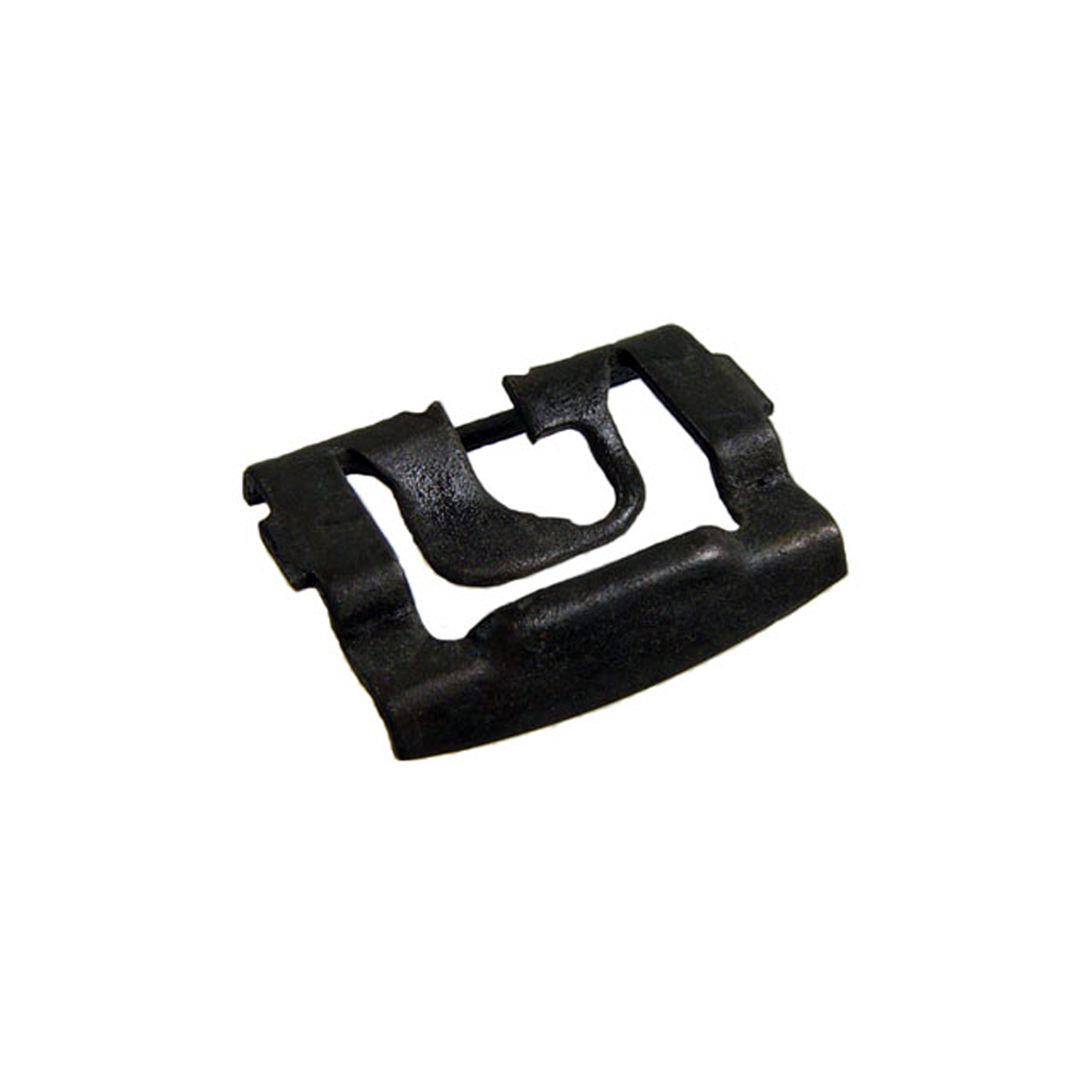 1981 Chrysler New Yorker Windshield and Rear Windshield Molding Clip. Made of steel-WF 216Windshield and Rear Windshield Molding Clip. Made of steel. 1-1/8" X 5/8". Each
Why Choose Metro?
For over 100 years, Metro Moulded Parts has been the pinnacle of quality in classic car restoration parts. Our commitment to precision and authenticity in every component ensures a perfect fit and an OEM-level appearance.
- Expert Craftsmanship & Quality: Each part is a testament to our dedication to reliability and perfection, crafted from original designs and thoroughly tested.
- Advanced Technology: We use cutting-edge techniques to create flawless, long-lasting parts that surpass others in performance.
- SuperSoft Sponge – The Ultimate Door Seal: Not only are our door seals 30% softer than competitors', but they're also guaranteed to never leak. They effectively reduce wind and road noise, enhancing your classic car's comfort and driving experience.
- Proudly American: Our parts are a product of American craftsmanship, made in the USA with a spirit of excellence and heritage.
- Unrivaled Warranty: We back our products with a 30-year industry-leading warranty, a testament to our confidence in their quality.
Join us in preserving the legacy of classic cars with parts that are crafted for perfection, not just made.