
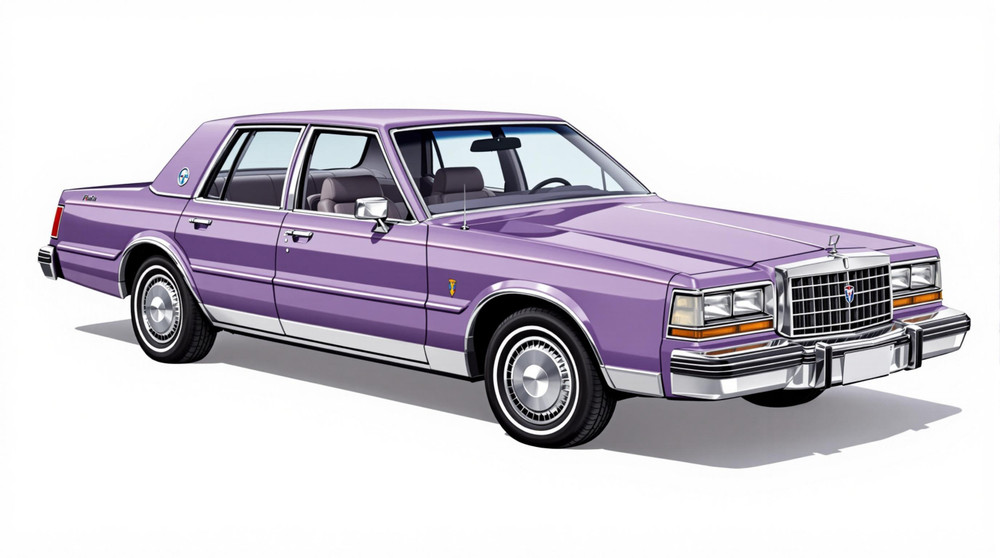
Image of 1983 Chrysler Fifth Avenue, Note: These illustrations use artistic license and may differ from actual historical models.
Performance Metrics
Fundamental Metrics
Emotional Appeal
MMP Rating
| Engine Specifications | |
|---|---|
| Engine: | 318 cu in (5.2 L) V8 |
| Displacement: | 318 cu in (5.2 L) |
| Horsepower: | 140 hp |
| Torque: | 265 lb-ft |
| Compression Ratio: | 8.5:1 |
| Ignition System: | Electronic ignition |
| Cooling System: | Liquid-cooled |
| Performance Specifications | |
| 0-60 Time: | 11 seconds |
| 1/4 Mile Time: | 18 seconds |
| Top Speed: | 105 mph |
| Transmission and Drive | |
| Drive Type: | Rear-wheel drive |
| Transmission Type: | 3-speed automatic |
| Fuel and Efficiency | |
| Fuel System Type: | Carburetor |
| MPG: | 15 city / 20 highway |
| Dimensions and Brakes | |
| Brakes: | Power-assisted disc brakes |
| Wheelbase: | 112.7 inches |
| Weight: | 3,600 lbs |
Note: Specifications for classic cars are given to the best of our ability, considering the limited and variant data available.
1983 Chrysler Fifth Avenue: A Formal Luxury Car With Detroit Roots
The 1983 Chrysler Fifth Avenue brought old-school American luxury into a decade increasingly shaped by front-wheel-drive cars and smaller engines. With its long hood, upright grille, padded vinyl roof and soft, button-tufted cabin, it looked every inch the traditional luxury sedan, even though its engineering roots reached back to Chrysler’s more compact M-body cars.
Chrysler, part of the Chrysler Corporation, had used “Fifth Avenue” as a luxury trim name on the New Yorker beginning in 1979. For 1983, the Fifth Avenue became a distinct model name, although it remained closely related to the New Yorker and shared much of its mechanical hardware. It was built for buyers who wanted a comfortable, formal sedan with rear-wheel drive and a V8, but did not need the size or expense of a full-size flagship.
There is a memorable contrast at the heart of the car: its grand, almost chauffeur-ready appearance came from a platform smaller than the big American luxury cars that inspired its styling. That mix of manageable dimensions and stately presentation helped make the Fifth Avenue one of Chrysler’s most recognizable models of the 1980s.
Upright Styling, Plush Cabin
The Fifth Avenue’s exterior favors elegance over aerodynamic drama. A prominent rectangular grille, bright chrome trim and formal roofline give the front end a dignified, almost architectural look. The padded vinyl landau roof and small rear opera windows add a touch of coachbuilt theater, while the four-door body keeps the car practical for family use. Its proportions are more compact than its imposing appearance suggests.
The cabin continues the traditional luxury theme. Depending on specification, buyers could choose richly upholstered cloth or leather, with plush seats, decorative trim and a broad bench-seat layout that emphasized passenger comfort. The materials and presentation were intended to feel upscale, though the cabin was not hand-built in the manner of an expensive European luxury car. Power windows, power door locks, power seats and other convenience features were available, with equipment varying by car.
Technology was more about comfort and convenience than cutting-edge electronics. The Fifth Avenue paired power accessories and automatic climate-control options with familiar mechanical systems. Its 318-cubic-inch V8 used a carburetor and electronic ignition. Some cars also had Chrysler’s Electronic Lean Burn engine-control system, which managed ignition timing to help meet emissions and fuel-economy requirements. Lean Burn could be troublesome as components aged, making a well-maintained or properly updated system especially valuable to a present-day owner.
The 1983 Fifth Avenue came in one body style: a four-door sedan. Exterior colors varied by paint code and trim combination, with subdued luxury shades such as white, black, silver, blue, tan and red among the kinds of colors seen on these cars. Vinyl roof colors and interior upholstery combinations added further variety. Darker, formal paint paired with a contrasting roof is a particularly recognizable look, though no single color was the only signature choice.
Why the Fifth Avenue Mattered
The Fifth Avenue represented a distinctly American response to the changing luxury market. In the wake of the 1970s fuel crises and stricter emissions rules, Detroit was downsizing many of its cars. Chrysler’s approach was to retain the visual language of traditional luxury while using a smaller, rear-wheel-drive platform. The result looked substantial without being as physically imposing as a full-size sedan.
That strategy set the car apart from many contemporaries. A buyer could get a V8, rear-wheel drive, a soft ride and formal styling without moving into the price and dimensions of a top-tier limousine. The Fifth Avenue was not a technology pioneer, but it preserved a style of motoring that was beginning to feel old-fashioned: a broad bench seat, a long hood, a quiet cabin and an unhurried driving character.
Its influence was less about introducing a new engineering formula than proving there was still an audience for traditional luxury. The Fifth Avenue continued through the 1989 model year, and the name remains closely associated with Chrysler’s formal sedan era. It also showed how much character a manufacturer could give a shared platform through trim, upholstery, roof treatment and careful styling.
318 V8 Performance and Road Manners
Power came from Chrysler’s 318-cubic-inch, or 5.2-liter, V8 paired with a three-speed TorqueFlite automatic transmission and rear-wheel drive. Output figures vary by source and emissions specification, but the engine was generally rated at roughly 130 horsepower. The emphasis was on smooth, low-speed torque rather than high-revving performance.
Period road tests and modern estimates put 0-to-60 mph acceleration broadly in the 11-to-13-second range. Top speed is usually estimated at about 105 to 110 mph, depending on the car’s condition, gearing and test conditions. Those figures make clear that the Fifth Avenue was built for relaxed cruising, not quick launches or spirited performance driving.
On the road, the suspension favors comfort. It absorbs broken pavement and ordinary bumps with the soft, settled motion expected of a luxury sedan from the period. The trade-off is more body lean and a less precise feel on winding roads than a sport sedan offers. In crosswinds, the upright body and soft suspension can require the driver to make small steering corrections, especially at highway speed.
The V8 typically delivers a subdued rumble rather than a sharp performance-car bark. The automatic transmission shifts smoothly when in good condition, and the steering is light enough for easy parking. Behind the wheel, the experience is less about feeling every detail of the road and more about gliding over it. The high seating position, long hood and generous windows give the driver a commanding view, while the large cabin makes the car feel ready for a long-distance trip.
Living With a 1983 Fifth Avenue
Today, these cars are most often used as weekend cruisers, local show cars or nostalgic daily drivers. Some have also served as wedding, funeral or special-event vehicles, where their formal roofline and traditional interior suit the occasion. They are not natural racing candidates: their weight, soft suspension and modest power make relaxed cruising their strongest skill.
The basic mechanical layout is familiar to many American-car specialists. The 318 V8 and TorqueFlite automatic have a long service history, and routine work such as brake repairs, ignition service and suspension maintenance is generally within reach of a competent home mechanic. Parts availability is reasonably good for common mechanical components, though specific trim pieces, upholstery details and Fifth Avenue body parts can take more searching.
Age is the main ownership challenge. Check carefully for rust, especially around the lower body, wheel openings, floor pans and trunk. Inspect the vinyl roof for trapped moisture and hidden corrosion, and test every power accessory before buying. The carburetor, cooling system, aged wiring and Lean Burn components deserve particular attention. A car that starts easily, idles cleanly, shifts smoothly and has a documented maintenance history is far more appealing than one with a long list of small electrical and drivability faults.
Fifth Avenue Facts and Common Criticisms
The name “Fifth Avenue” evokes one of New York City’s best-known luxury shopping streets, a fitting reference for a car marketed around status and comfort. The 1983 model was also part of a longer nameplate story: the Fifth Avenue first appeared as a New Yorker trim package in 1979 before becoming a stand-alone model for 1983.
Production estimates commonly place 1983 Fifth Avenue output at roughly 83,500 cars. That is a substantial number for a luxury model, so the car is not exceptionally rare in the way a limited-production special edition might be. However, surviving examples in original condition, with clean interiors and intact landau roofs, are much less common than worn or modified cars.
There is no widely recognized 1983 Fifth Avenue speed, endurance or racing record. Its reputation rests instead on comfort, sales success and a distinctive formal look. Common criticisms include modest acceleration, fuel consumption that can be high by modern standards, soft handling and the potential for Lean Burn-related drivability problems. Some owners also find that the car’s trim-heavy appearance promises more mechanical sophistication than it actually delivers.
Collector Values and Availability
As of 2026, a rough 1983 Fifth Avenue that needs work may sell for around $1,500 to $4,000. A usable driver in sound condition often falls in the $5,000 to $10,000 range, while a clean, well-kept example may bring approximately $10,000 to $18,000. Exceptional, low-mileage or unusually original cars can ask for more, sometimes approaching or exceeding $20,000, though actual sale prices depend heavily on location, condition and buyer interest.
These are estimates rather than fixed market values. Fifth Avenues are generally available through online listings, classic-car dealers and local enthusiast networks, but finding one with straight bodywork, healthy mechanicals and excellent interior trim takes patience. The model is best described as accessible rather than rare.
Values have tended to remain more affordable than those of better-known contemporary luxury cars. Clean examples can attract growing interest from enthusiasts who appreciate 1980s design, but the market is selective: originality and condition matter more than ambitious restoration claims. A mechanically sound driver is often a better buy than a neglected “project” with missing trim and roof-related rust.
A Comfortable Classic With a Clear Point of View
The 1983 Chrysler Fifth Avenue combined a dependable V8 formula, rear-wheel drive and a soft-riding chassis with one of the decade’s most recognizable formal silhouettes. It was not fast, rare or technically revolutionary. Its appeal lies in how confidently it delivered traditional American luxury at a more manageable size and price.
For collectors and drivers who enjoy plush seats, chrome details and an easygoing V8 soundtrack, the Fifth Avenue offers a distinctive slice of Chrysler history. It may cruise rather than sprint, but it still makes a memorable entrance wherever its upright grille and padded roof appear.
1983 Chrysler Fifth Avenue Catalog of Parts
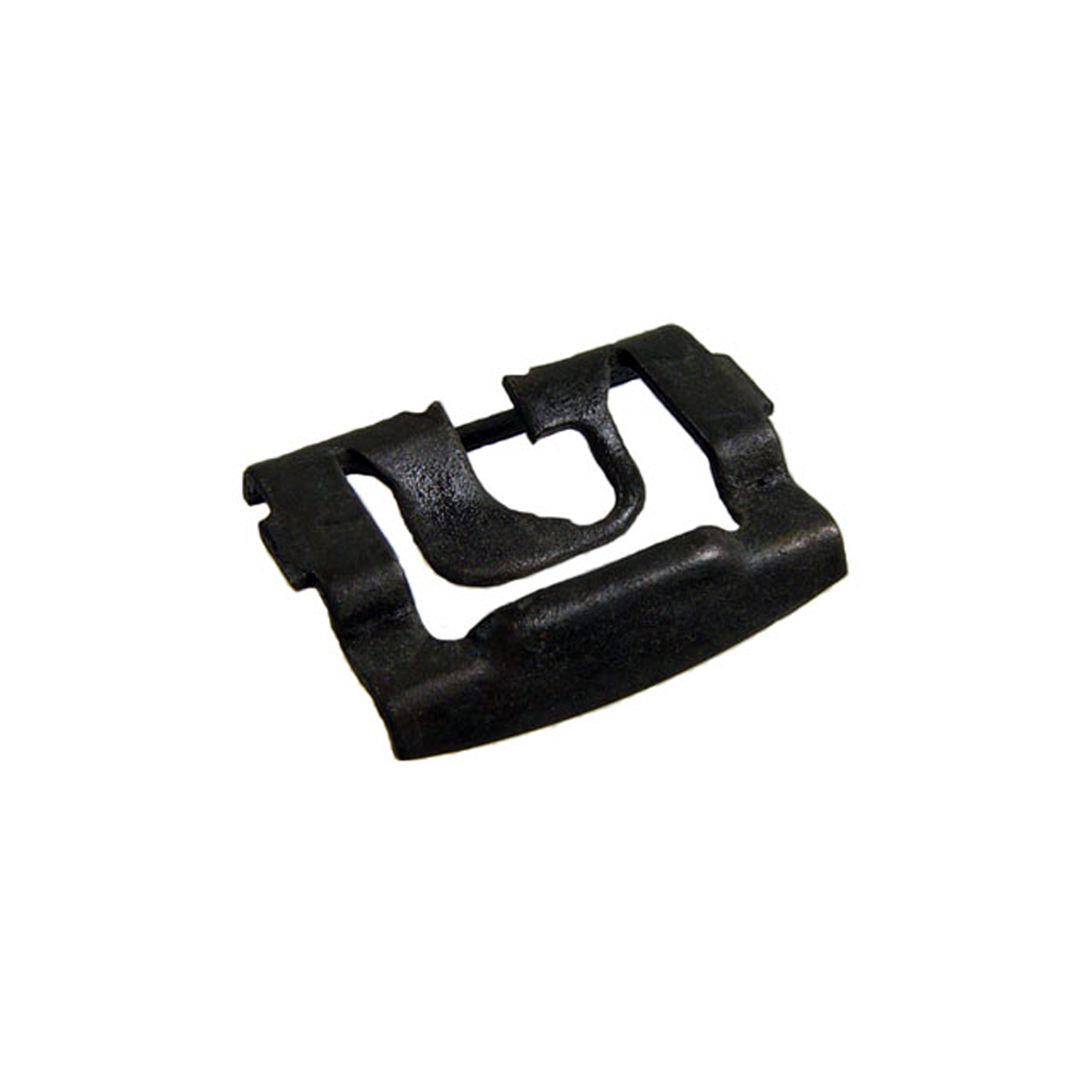 1983 Chrysler Fifth Avenue Windshield and Rear Windshield Molding Clip. Made of steel-WF 216Windshield and Rear Windshield Molding Clip. Made of steel. 1-1/8" X 5/8". Each
Why Choose Metro?
For over 100 years, Metro Moulded Parts has been the pinnacle of quality in classic car restoration parts. Our commitment to precision and authenticity in every component ensures a perfect fit and an OEM-level appearance.
- Expert Craftsmanship & Quality: Each part is a testament to our dedication to reliability and perfection, crafted from original designs and thoroughly tested.
- Advanced Technology: We use cutting-edge techniques to create flawless, long-lasting parts that surpass others in performance.
- SuperSoft Sponge – The Ultimate Door Seal: Not only are our door seals 30% softer than competitors', but they're also guaranteed to never leak. They effectively reduce wind and road noise, enhancing your classic car's comfort and driving experience.
- Proudly American: Our parts are a product of American craftsmanship, made in the USA with a spirit of excellence and heritage.
- Unrivaled Warranty: We back our products with a 30-year industry-leading warranty, a testament to our confidence in their quality.
Join us in preserving the legacy of classic cars with parts that are crafted for perfection, not just made.