
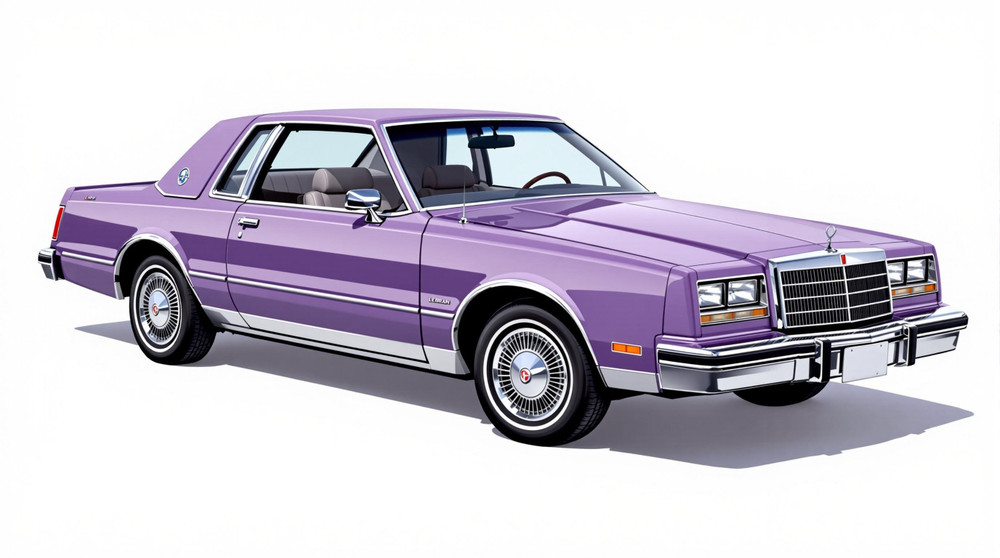
Image of 1983 Chrysler Lebaron, Note: These illustrations use artistic license and may differ from actual historical models.
Performance Metrics
Fundamental Metrics
Emotional Appeal
MMP Rating
| Engine Specifications | |
|---|---|
| Engine Options: | 2.2L I4, 2.6L I4 |
| Displacement Range: | 2.2 - 2.6L |
| Horsepower Range: | 84 - 93 hp |
| Torque: | 125 - 136 lb-ft |
| Compression Ratio: | 8.5:1 - 9.0:1 |
| Ignition System: | Electronic |
| Cooling System: | Liquid-cooled |
| Performance Specifications | |
| 0-60 Time: | 14 - 16 seconds |
| 1/4 Mile Time: | 18 - 20 seconds |
| Top Speed: | 100 - 105 mph |
| Transmission and Drive | |
| Drive Type: | FWD |
| Transmission Type: | 3-speed automatic, 5-speed manual |
| Fuel and Efficiency | |
| Fuel System Type: | Carburetor |
| MPG: | 20 - 25 mpg |
| Dimensions and Brakes | |
| Brakes: | Front disc, rear drum |
| Wheelbase: | 100.3 inches |
| Weight: | 2,400 - 2,600 lbs |
Note: Specifications for classic cars are given to the best of our ability, considering the limited and variant data available.
1983 Chrysler LeBaron: The K-Car with a Luxury Attitude
The 1983 Chrysler LeBaron proved that an affordable family-car platform could wear a tailored roofline, a plush cabin, and even a power-operated convertible top. Built by Chrysler Corporation, the LeBaron name had once belonged to larger, more formal cars. By 1983, it had become part of Chrysler’s K-car-era comeback, spanning practical sedans and wagons as well as stylish coupes and convertibles.
That range is part of what makes the 1983 model interesting: “LeBaron” did not describe just one body or one driving experience. A four-door sedan could serve as sensible everyday transport, while the sleek two-door convertible offered something American buyers had largely lost. Chrysler had brought back a factory-built domestic convertible for the 1982 model year, making the LeBaron convertible an important part of the company’s turnaround story.
It was not a high-performance sports car, nor was it a hand-built luxury automobile. Its appeal lay in a clever combination of accessible engineering and upscale presentation. The LeBaron made the case that a modestly sized car could still feel special.
Formal Lines and a Surprisingly Broad Lineup
The LeBaron’s styling leaned toward elegance rather than aerodynamic drama. The coupe and convertible wore a long-looking hood, squared-off bodywork, a prominent grille, and carefully arranged chrome trim. Depending on trim and equipment, details such as concealed headlamps, opera-style rear-quarter windows, and a padded-looking vinyl roof gave the two-door models a distinctly formal, almost miniature-luxury-car appearance.
The sedan took a more practical shape, with four doors and a conventional trunk, while the wagon added useful cargo space. Some wagons wore simulated woodgrain side trim, a look that connected them to the classic American “woody” tradition without the upkeep of real wood. The convertible was the most visually distinctive choice, with its folding fabric top transforming the coupe’s profile into an open-air cruiser.
Paint and trim combinations varied by body style and equipment. White, red, blue, silver, black, and subdued metallic or champagne shades were among the period-appropriate choices. White convertibles with matching or light-colored tops made a particularly memorable impression, while darker colors emphasized the coupe’s formal roofline. Interior colors commonly included shades such as tan, blue, gray, and burgundy, depending on the trim package.
Inside, the LeBaron aimed for comfort and polish rather than bare-bones economy. Upholstery ranged from cloth and vinyl to available leather on better-equipped models. Trim, carpeting, padded surfaces, and a well-dressed instrument panel helped distinguish it from the more utilitarian cars sharing its basic engineering. The available Mark Cross-appointed interior on selected models added a more upscale touch, especially in the convertible lineup.
Equipment depended on the body style and package, but buyers could find conveniences such as power steering, power brakes, air conditioning, power windows, and an automatic transmission. These were appealing features in a mainstream car of the period, although modern expectations for safety and infotainment do not apply: there was no touchscreen, smartphone integration, or today’s array of electronic driver aids.
K-Car Roots, Chrysler Ambition
The 1983 LeBaron belonged to Chrysler’s recovery era. The company had faced severe financial trouble in the late 1970s, then rebuilt its fortunes with compact, front-wheel-drive K-cars. Their shared engineering helped Chrysler control costs and bring new products to market quickly. The LeBaron took that practical foundation and gave it a more refined image.
The name covered related but distinct vehicles. The sedan and wagon were closely connected to Chrysler’s K-car family, while the coupe and convertible used the larger J-body branch of the same broad front-wheel-drive architecture. That distinction matters when discussing performance, dimensions, parts, or restoration: a two-door LeBaron is not simply a sedan with two doors removed.
The convertible is the model’s most significant historical calling card. After American manufacturers had largely abandoned regular-production convertibles in the late 1970s, Chrysler reintroduced an accessible domestic soft-top with the LeBaron. It showed that buyers still wanted open-air motoring, helping set the stage for the return of other American convertibles later in the decade.
The LeBaron also demonstrated an important Chrysler strategy: reuse dependable mechanical foundations, then differentiate models with styling, equipment, and trim. That approach helped the company offer buyers more choice without developing every vehicle from scratch. The result was not revolutionary engineering, but it was commercially meaningful design and product planning.
Engines, Acceleration, and Road Manners
Engine availability varied with body style and equipment. The lineup included Chrysler’s 2.2-liter four-cylinder, a 2.6-liter four-cylinder supplied by Mitsubishi, and, on selected models, a turbocharged 2.2-liter engine. Output changed with configuration and rating method, but the naturally aspirated engines generally produced modest power, while the turbo version delivered a much livelier response. Many LeBarons used a three-speed automatic; manual transmissions were available in parts of the lineup.
Exact performance figures depend on engine, transmission, body style, condition, and the period test being referenced. As a useful real-world guide, a naturally aspirated LeBaron typically needed roughly 12 to 15 seconds to reach 60 mph, with a top speed in the neighborhood of 95 to 105 mph. A turbocharged example could make the 0-to-60-mph run in about 9 to 10 seconds and approach roughly 115 to 120 mph. Treat those numbers as estimates, not guaranteed specifications for every 1983 car.
The turbo was the enthusiast’s pick, but even it was not a modern sports coupe. The LeBaron’s front-wheel-drive layout gave it predictable everyday manners, and power steering made parking easy. Its suspension was tuned more for comfort than corner-carving, so the car generally absorbed ordinary road bumps in a relaxed fashion. On a winding road, body lean and modest tire grip reminded the driver that this was a comfortable personal car, not a track machine.
At highway speed, a sound example could feel composed and pleasant. The naturally aspirated four-cylinder delivered its power in an unhurried way, while the turbo added a noticeable surge when boost arrived. The ride was soft by sporty-car standards, and the driver sat in a period-style cabin with straightforward controls and a conventional instrument cluster. In the convertible, lowering the top made the experience less about speed and more about sunshine, engine note, and an easygoing cruise.
Living with a LeBaron Today
Most 1983 LeBarons were built for commuting, family errands, and comfortable highway travel. The sedan and wagon remain the most practical choices for regular use, while the coupe and convertible suit owners who want a more distinctive weekend car. A turbo model may attract more attention from enthusiasts, but it also deserves careful inspection because age, heat, and past modifications can take a toll on its engine and supporting parts.
Routine work is within reach for a mechanically capable owner. The four-cylinder layout is relatively accessible, and many basic service jobs are familiar to independent mechanics. The larger challenge is not always the engine: decades-old electrical components, worn suspension bushings, cooling-system problems, vacuum leaks, and deteriorated rubber can create a steady stream of age-related repairs.
Convertible buyers should inspect the top fabric, seams, rear window, seals, latches, and power-top mechanism closely. Water leaks can damage carpets and interior panels, while replacement trim or model-specific parts may take patience to locate. On any body style, check carefully for rust, previous collision repairs, and evidence of poor maintenance. A well-kept car is usually a more enjoyable purchase than a cheap project with missing trim and a long list of deferred repairs.
LeBaron Trivia and Common Complaints
The LeBaron’s best-known claim to fame is its role in reviving the affordable American convertible. That made it an important product in the history of domestic open-top cars, even though it was not a record-breaking speed or endurance machine. Its success also helped normalize the idea that a convertible could be a regular showroom model rather than a rare, extravagant specialty car.
There is no single production figure that neatly describes every 1983 LeBaron configuration. Chrysler sold the name across several body styles and mechanical versions, and production totals are not always reported in a way that separates each combination. A reasonable broad estimate is that total 1983 LeBaron production ran into the tens of thousands, perhaps around 70,000 to 100,000 cars across the range. That is an informed estimate, not a verified count for a particular body style. Individual turbo convertibles and unusually well-optioned cars are much less common than ordinary sedans.
Common criticisms are familiar to owners of many cars from the era: modest power from the base engines, dated interior plastics, variable build quality, and limited performance compared with modern vehicles. The LeBaron’s shared K-car engineering could also make it feel less exclusive than its styling promised. Today, the same straightforward mechanical layout can be a benefit for hands-on owners, while aging electronics and trim can be frustrating.
Collector Values and Availability
The 1983 LeBaron remains an affordable classic rather than a blue-chip collectible. In the current market, a rough or non-running example may be worth only a few hundred to around $2,000, depending on completeness and local demand. A usable driver in fair to good condition commonly falls around $2,000 to $6,000. Clean, well-maintained cars can bring roughly $6,000 to $10,000, while an exceptional convertible or desirable turbo model may reach approximately $10,000 to $18,000 or more when condition, originality, and documentation are strong.
Those figures are broad estimates, not a formal appraisal. Location, rust, mechanical condition, originality, and recent restoration work can shift a sale price substantially. A rare-looking trim combination is not automatically valuable if the car needs extensive work. Buyers should compare recent completed sales for the same body style and engine rather than relying on optimistic asking prices.
Good examples are available, but finding the right one can take time. Sedans and wagons are generally less sought after than convertibles, while turbocharged cars attract enthusiasts looking for a period Chrysler performance model. Values have tended to remain modest compared with better-known muscle cars, though clean convertibles and turbo variants have the strongest potential to appreciate. For now, the LeBaron is best approached as an enjoyable, relatively accessible classic, not a guaranteed investment.
Why the 1983 LeBaron Still Matters
The 1983 Chrysler LeBaron combined practical front-wheel-drive engineering with formal styling, comfort-focused equipment, and a broad choice of body styles. Its naturally aspirated versions offered easygoing transportation, while the turbo added a welcome performance edge. Most of all, the convertible helped bring the American soft-top back to the mainstream after years of absence.
It may not be the fastest or rarest car of its generation, but the LeBaron tells an important story about Chrysler’s recovery and the return of the affordable domestic convertible. Find a clean one, lower the top, and the 1983 LeBaron makes its case the old-fashioned way: with open sky, comfortable cruising, and a little bit of Chrysler optimism.
1983 Chrysler Lebaron Catalog of Parts
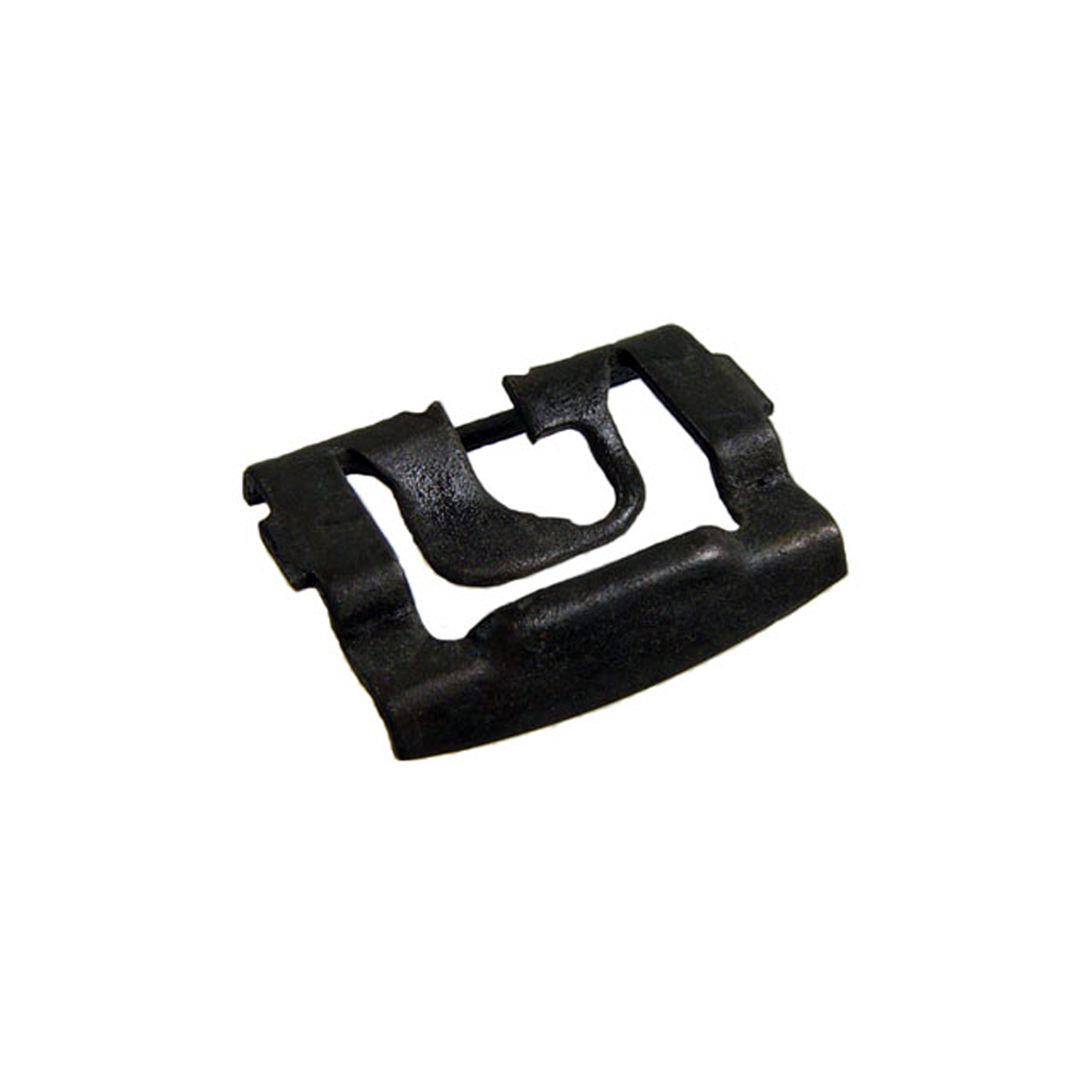 1983 Chrysler LeBaron Windshield and Rear Windshield Molding Clip. Made of steel-WF 216Windshield and Rear Windshield Molding Clip. Made of steel. 1-1/8" X 5/8". Each
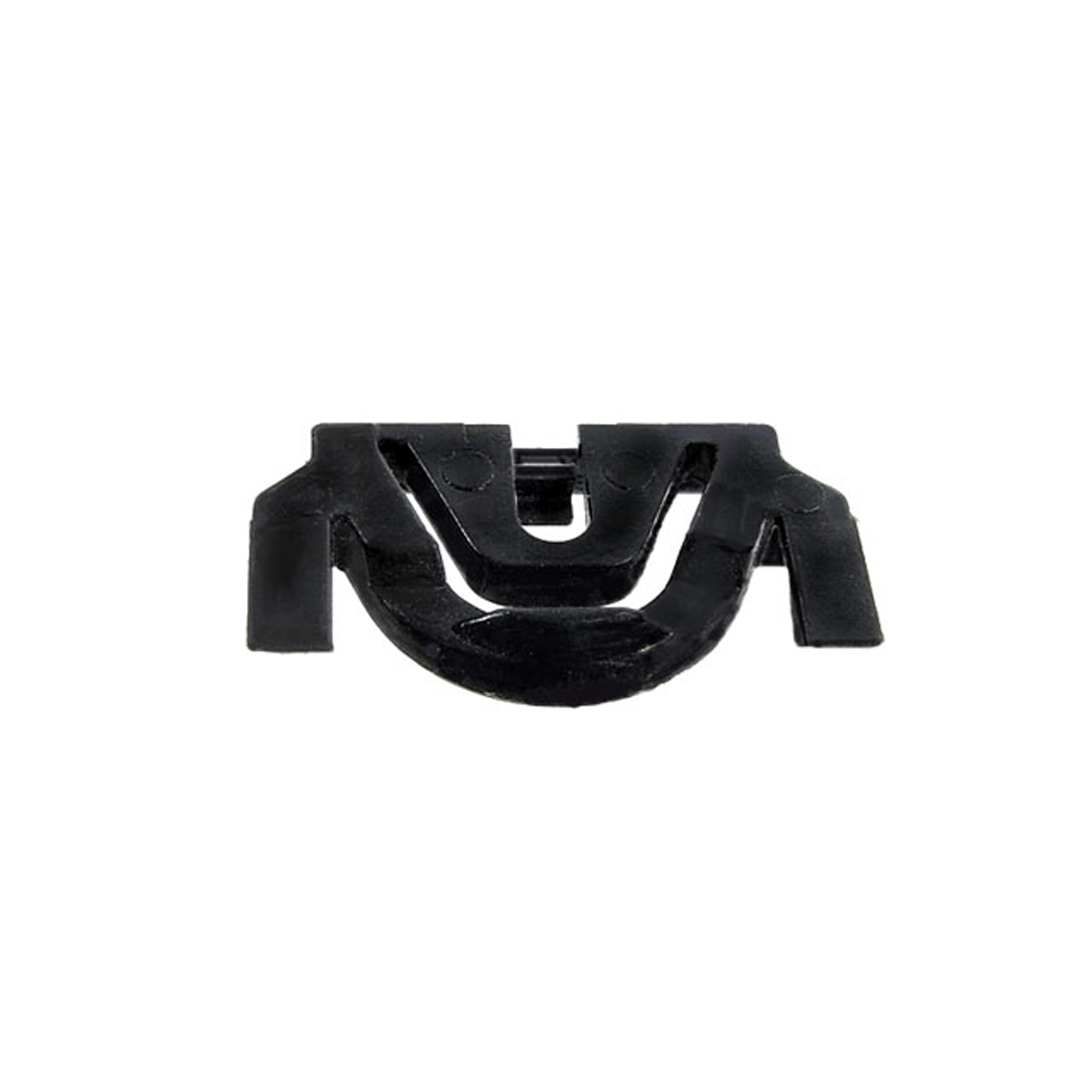 1983 Chrysler LeBaron Windshield and Rear Windshield Reveal Molding Clip-WF 225-AWindshield and Rear Windshield Reveal Molding Clip. Made of nylon. 2" X 11/16". Each
Why Choose Metro?
For over 100 years, Metro Moulded Parts has been the pinnacle of quality in classic car restoration parts. Our commitment to precision and authenticity in every component ensures a perfect fit and an OEM-level appearance.
- Expert Craftsmanship & Quality: Each part is a testament to our dedication to reliability and perfection, crafted from original designs and thoroughly tested.
- Advanced Technology: We use cutting-edge techniques to create flawless, long-lasting parts that surpass others in performance.
- SuperSoft Sponge – The Ultimate Door Seal: Not only are our door seals 30% softer than competitors', but they're also guaranteed to never leak. They effectively reduce wind and road noise, enhancing your classic car's comfort and driving experience.
- Proudly American: Our parts are a product of American craftsmanship, made in the USA with a spirit of excellence and heritage.
- Unrivaled Warranty: We back our products with a 30-year industry-leading warranty, a testament to our confidence in their quality.
Join us in preserving the legacy of classic cars with parts that are crafted for perfection, not just made.