
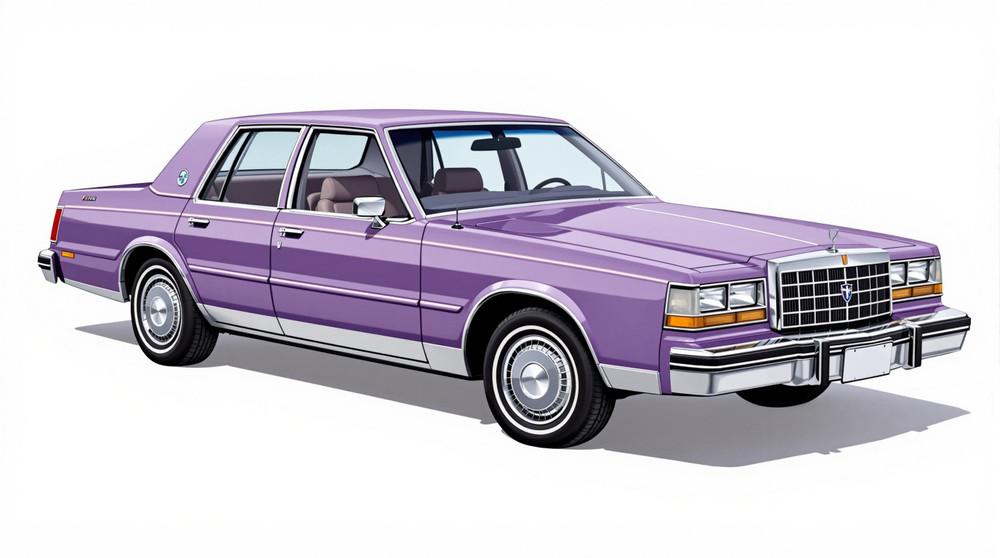
Image of 1984 Chrysler Fifth Avenue, Note: These illustrations use artistic license and may differ from actual historical models.
Performance Metrics
Fundamental Metrics
Emotional Appeal
MMP Rating
| Engine Specifications | |
|---|---|
| Engine: | 5.2L V8 |
| Displacement: | 318 cu in (5.2 L) |
| Horsepower: | 140 hp |
| Torque: | 265 lb-ft |
| Compression Ratio: | 8.4:1 |
| Ignition System: | Electronic ignition system |
| Cooling System: | Liquid-cooled |
| Performance Specifications | |
| 0-60 Time: | 11 seconds |
| 1/4 Mile Time: | 18 seconds |
| Top Speed: | 105 mph |
| Transmission and Drive | |
| Drive Type: | Rear-wheel drive |
| Transmission Type: | 3-speed automatic |
| Fuel and Efficiency | |
| Fuel System Type: | Carburetor |
| MPG: | 15 city / 20 highway |
| Dimensions and Brakes | |
| Brakes: | Power-assisted disc brakes (front), drum brakes (rear) |
| Wheelbase: | 112.7 inches |
| Weight: | 3,600 lbs |
Note: Specifications for classic cars are given to the best of our ability, considering the limited and variant data available.
1984 Chrysler Fifth Avenue: A Traditional American Luxury Sedan
The 1984 Chrysler Fifth Avenue made a statement without needing to chase the latest automotive fashion: it offered a long hood, acres of chrome, a formal roofline, and a plush cabin in an era when many American luxury cars were becoming smaller and more front-wheel drive. Built by Chrysler, it was a rear-wheel-drive, four-door sedan on the company’s M-body platform, pairing a familiar 318-cubic-inch V8 with a distinctly old-school sense of comfort.
The Fifth Avenue name had first appeared as an upscale trim designation on the New Yorker. For 1984, it became a standalone Chrysler model, giving the nameplate its own identity. A notable twist was that this plush-looking car was not a body-on-frame limousine. Like its M-body relatives, it used unit-body construction, combining traditional styling and rear-wheel-drive proportions with a more modern structural approach.
Formal Styling and Plush Cabin
The Fifth Avenue’s shape was all about dignified presence. Its squared-off front end wore a bright chrome grille and rectangular headlamps, while the long hood and upright greenhouse gave it the proportions of a much larger luxury car. A padded-looking vinyl roof, small opera-style rear windows, chrome trim, and covered rear wheel openings completed the formal profile. The overall effect was more country-club sedan than sporting coupe, and that was precisely the point.
Inside, Chrysler emphasized comfort over driver-focused sportiness. The cabin was typically trimmed in plush velour, with leather available, and featured broad, soft seats, wood-look accents, and extensive carpeting. The spacious rear bench made the Fifth Avenue appealing to passengers as well as the person behind the wheel. Power accessories and convenience features varied with equipment, but power steering, power brakes, and automatic transmission were central to the car’s easygoing luxury character.
Buyers could choose from a range of period-appropriate exterior colors, often paired with a contrasting or matching vinyl roof. Deep reds, dark blues, silver tones, white, and traditional shades of brown and gray suited the car’s formal styling especially well. Exact paint and upholstery combinations depended on the order and market, but the most recognizable examples combine a rich body color, a padded roof, and bright chrome details.
The 1984 Fifth Avenue came as a four-door sedan. There was no factory coupe, wagon, or convertible version. That single body style became the model’s signature: a roomy, upright sedan designed for quiet cruising rather than a broad range of sporty configurations.
Where the Fifth Avenue Fit in Chrysler History
By the early 1980s, Chrysler was rebuilding its business with compact and midsize front-wheel-drive cars, including the K-car family. The Fifth Avenue represented a different side of the company: a roomy, rear-wheel-drive sedan for buyers who still wanted a traditional V8-powered American luxury car. It shared its basic M-body architecture with models such as the Dodge Diplomat and Plymouth Gran Fury, but its distinctive roof treatment, interior trim, and exterior details placed it at the top of that family.
That combination helped the Fifth Avenue stand apart from increasingly downsized competitors. It delivered the visual scale and relaxed ride many shoppers associated with American luxury, while its unit-body platform was less archaic than the car’s appearance might suggest. Chrysler continued the Fifth Avenue through the 1980s with relatively modest changes, proof that there was still a substantial audience for a comfortable, formal sedan.
318 V8 Performance and Road Manners
Power came from Chrysler’s 5.2-liter, 318-cubic-inch V8, commonly rated at about 140 horsepower and 265 lb-ft of torque in this application. A three-speed TorqueFlite automatic transmission sent power to the rear wheels. The engine’s appeal was less about high-revving speed than about low-speed torque and smooth, unhurried progress. With a curb weight in the neighborhood of 3,600 pounds, the Fifth Avenue had plenty of mass to move.
Performance was relaxed by modern standards. A healthy, correctly tuned example generally takes roughly 11 to 13 seconds to reach 60 mph from a standstill. Top speed is around 105 mph, though the car feels most at home well below that pace. Period test results, mechanical condition, tire choice, and adjustments to the carburetor and ignition can all affect the numbers.
On the road, the Fifth Avenue favors a soft, cushioned ride. Its torsion-bar front suspension and leaf-spring rear setup absorb ordinary pavement cracks and broad bumps with the easy float expected of a luxury sedan of the period. The trade-off is body roll and a less composed feel over sharp dips or a series of quick corners. On a winding road, its size, soft suspension, and recirculating-ball steering encourage a steady pace rather than enthusiastic cornering.
The V8 supplies a subdued burble, while the automatic transmission shifts smoothly when properly maintained. Steering is light, the hood seems to stretch ahead for miles, and the cushioned seats make longer drives comfortable. It is a car that rewards smooth inputs and a relaxed driving style, not aggressive braking or rapid direction changes.
Living With a 1984 Fifth Avenue
Today, owners use these Chryslers as weekend cruisers, nostalgic daily drivers, and show cars. They suit local car meets particularly well: the formal roof, plush interior, and chrome trim make them instantly recognizable without requiring a rare high-performance package. They were not designed for racing, and their weight, soft suspension, and modest power make competition use an unlikely role.
Routine service is familiar to most classic-car mechanics. The 318 V8 and TorqueFlite transmission have long histories in Chrysler vehicles, and many basic service parts remain available through specialist suppliers. The engine bay is relatively straightforward, although decades of wear can turn an easy repair into a search for the right replacement component. Carburetor and emissions-control issues, aging wiring, worn suspension parts, and transmission leaks deserve attention during an inspection.
Rust is a key concern, especially in areas exposed to road salt. Check the floorpan, trunk, lower body panels, wheel openings, and suspension mounting areas. Inspect the vinyl roof closely for cracks or lifting edges, since trapped moisture can damage the metal beneath it. A car that starts and moves under its own power may still need substantial work on brakes, cooling, fuel delivery, or electrical systems.
Fifth Avenue Facts and Common Complaints
The 1984 model is important because it was the first year the Fifth Avenue stood on its own as a Chrysler model rather than serving simply as a New Yorker trim designation. Its basic formula proved popular enough to continue through the 1989 model year. The model also offers a snapshot of a transitional period in American motoring, when front-wheel-drive designs were spreading but many buyers still preferred rear-drive V8 sedans.
There is no famous speed record or major racing achievement attached to the Fifth Avenue. Its claim to fame is more everyday and perhaps more revealing: it gave buyers a comfortable, formal American sedan with a V8 at a time when the industry was rapidly changing. It has appeared in the broader landscape of period film and television as the kind of well-appointed family or executive car that populated American streets, but it is not tied to a single defining screen role.
Common criticisms include modest acceleration, thirsty fuel consumption, soft handling, and the aging emissions and carburetor systems found on some examples. Those shortcomings are real, but they reflect the car’s priorities. The Fifth Avenue was engineered to deliver a quiet ride and a reassuringly substantial feel, not sharp cornering or modern fuel economy.
Collector Values and Availability
The 1984 Fifth Avenue was produced in substantial numbers. A reasonable estimate is roughly 79,000 cars for the model year, so it is not rare in the same way as a limited-production performance car. However, many examples have disappeared through rust, neglect, or ordinary use. Clean, original cars are less common than the production figure suggests.
As a practical U.S. market estimate, a project or rough-running car may sell for about $1,500 to $4,000. A usable driver in fair-to-good condition might bring roughly $4,000 to $9,000, while a clean, well-kept example could reach about $9,000 to $15,000. Exceptional, highly original cars may ask more, particularly when the interior, vinyl roof, paint, and mechanical systems are all in strong condition. These are broad estimates, and location, documentation, rust, and the quality of restoration can move a price considerably.
Values have generally remained accessible rather than climbing rapidly. The Fifth Avenue is gaining attention among enthusiasts of 1980s American cars, but it is not yet a high-dollar collectible across the board. Its best investment case is usually a solid, original car bought at a sensible price, rather than an expensive restoration. Demand is likely to favor preserved examples with intact trim and interiors, since those details can be harder to put right than routine mechanical wear.
Why the 1984 Chrysler Fifth Avenue Still Matters
The 1984 Chrysler Fifth Avenue combined a torquey V8, rear-wheel drive, a soft ride, and formal American styling in a package that was already becoming unusual. It was not fast, rare, or especially nimble, but it understood exactly what its buyers wanted: space, comfort, a quiet cabin, and the reassuring presence of a traditional luxury sedan.
For today’s enthusiast, the Fifth Avenue is both an approachable classic and a rolling reminder of Chrysler’s ability to serve two very different automotive worlds at once. Its chrome, opera windows, and cushioned seats may look like a time capsule, but that is part of its enduring charm: this is a car built to make the journey feel easy, not to hurry through it.
1984 Chrysler Fifth Avenue Catalog of Parts
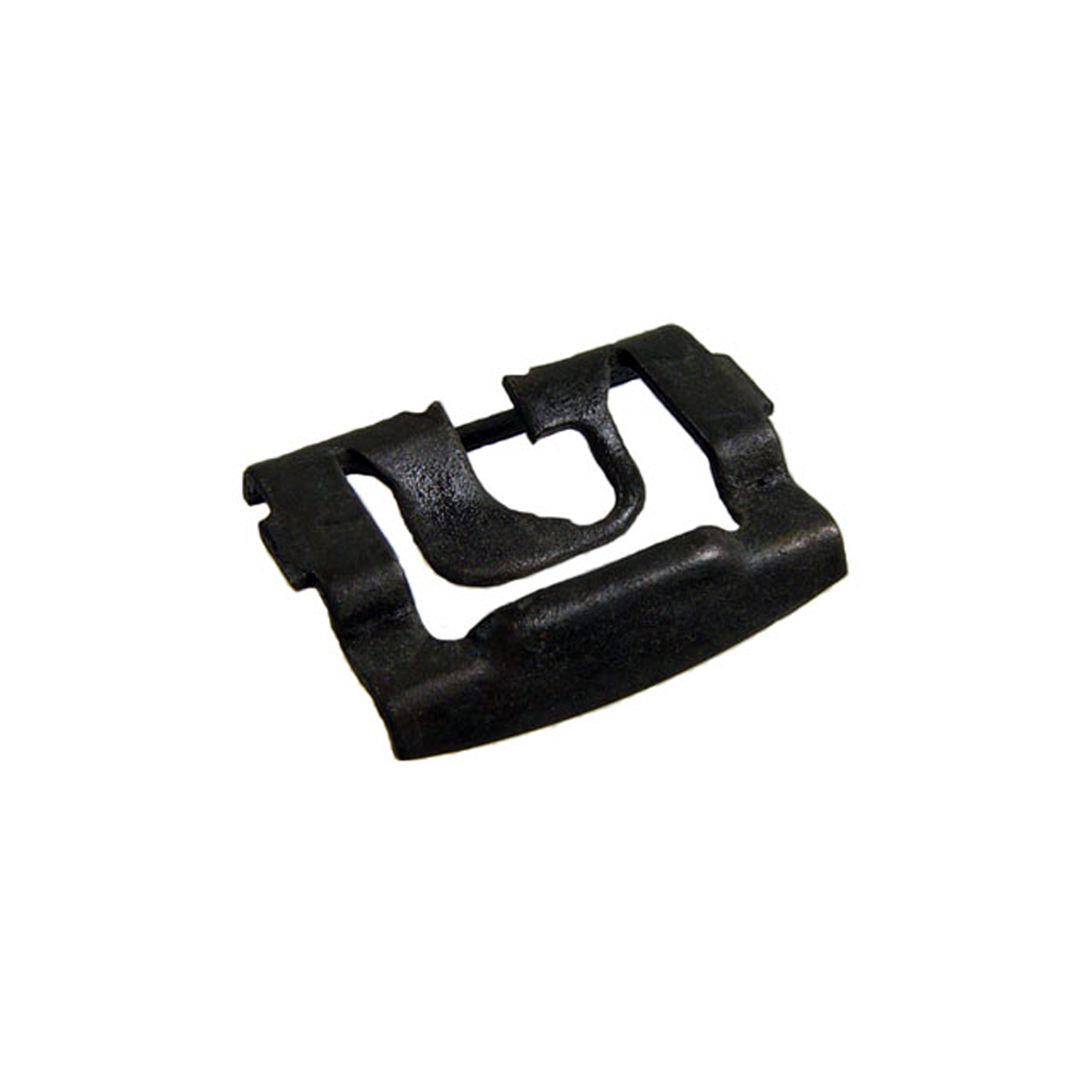 1984 Chrysler Fifth Avenue Windshield and Rear Windshield Molding Clip. Made of steel-WF 216Windshield and Rear Windshield Molding Clip. Made of steel. 1-1/8" X 5/8". Each
Why Choose Metro?
For over 100 years, Metro Moulded Parts has been the pinnacle of quality in classic car restoration parts. Our commitment to precision and authenticity in every component ensures a perfect fit and an OEM-level appearance.
- Expert Craftsmanship & Quality: Each part is a testament to our dedication to reliability and perfection, crafted from original designs and thoroughly tested.
- Advanced Technology: We use cutting-edge techniques to create flawless, long-lasting parts that surpass others in performance.
- SuperSoft Sponge – The Ultimate Door Seal: Not only are our door seals 30% softer than competitors', but they're also guaranteed to never leak. They effectively reduce wind and road noise, enhancing your classic car's comfort and driving experience.
- Proudly American: Our parts are a product of American craftsmanship, made in the USA with a spirit of excellence and heritage.
- Unrivaled Warranty: We back our products with a 30-year industry-leading warranty, a testament to our confidence in their quality.
Join us in preserving the legacy of classic cars with parts that are crafted for perfection, not just made.