
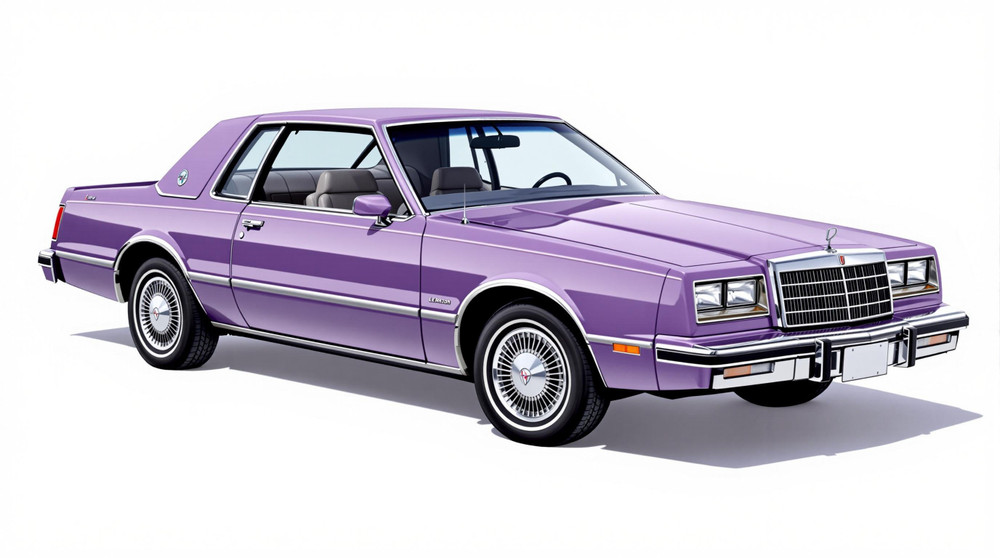
Image of 1985 Chrysler Lebaron, Note: These illustrations use artistic license and may differ from actual historical models.
Performance Metrics
Fundamental Metrics
Emotional Appeal
MMP Rating
| Engine Specifications | |
|---|---|
| Engine Options: | 2.2L 4-cylinder, 2.6L 4-cylinder |
| Displacement Range: | 2.2L - 2.6L |
| Horsepower Range: | 94-146 HP |
| Torque: | 125-170 lb-ft |
| Compression Ratio: | 8.1:1 - 9.0:1 |
| Ignition System: | Electronic |
| Cooling System: | Liquid-cooled |
| Performance Specifications | |
| 0-60 Time: | 9.5 - 11.5 seconds |
| 1/4 Mile Time: | 17 - 19 seconds |
| Top Speed: | 105-110 mph |
| Transmission and Drive | |
| Drive Type: | FWD (Front Wheel Drive) |
| Transmission Type: | 3-speed automatic, 5-speed manual |
| Fuel and Efficiency | |
| Fuel System Type: | Carburetor, Fuel Injection |
| MPG: | 20-25 MPG |
| Dimensions and Brakes | |
| Brakes: | Front Disc / Rear Drum |
| Wheelbase: | 100.3 inches |
| Weight: | 2500-2800 lbs |
Note: Specifications for classic cars are given to the best of our ability, considering the limited and variant data available.
1985 Chrysler LeBaron: A K-Car With a Dressier Side
The 1985 Chrysler LeBaron could be a practical family sedan, a formal-looking coupe, or an affordable American convertible, all wearing the same familiar name. Built during Chrysler’s remarkable comeback from financial trouble, it blended the company’s efficient K-car engineering with styling and trim aimed at buyers who wanted something more polished than basic transportation.
The LeBaron name had a much older and more luxurious heritage. It originally came from LeBaron, a respected coachbuilding firm whose bodies appeared on high-end Chrysler and Imperial cars in the 1930s. By 1985, the name had moved far downmarket, but it still gave Chrysler a way to add a hint of prestige to its front-wheel-drive lineup.
A particularly intriguing part of the LeBaron story is its role in bringing the American convertible back to everyday buyers. The LeBaron convertible arrived in 1982, when domestic open-top cars had become scarce. By 1985, it was an established member of Chrysler’s range, offering sunshine and style without the price of an imported luxury convertible.
Formal Lines and Open-Air Style
The 1985 LeBaron’s appearance depended on the body style. The coupe had a long, formal profile, a pronounced grille, and crisp edges that suited the era’s taste for upright, almost luxury-car proportions. On some versions, concealed headlamps gave the nose a cleaner, more dramatic look when the lights were off. The convertible shared much of the coupe’s character but added a power-operated fabric top and a more theatrical presence with the roof lowered.
The sedan was the practical choice. Its four doors and roomy cabin made it better suited to family duty, while its boxier silhouette emphasized comfort over sportiness. Across the range, details such as bright window trim, padded roof treatments, and decorative wheel covers helped distinguish better-equipped cars from more basic versions.
Inside, the LeBaron aimed for comfort rather than bare-bones economy. Depending on trim, buyers could find cloth or velour upholstery, available leather, carpeting, wood-look accents, and soft-touch surfaces in prominent areas. Some upscale models offered Mark Cross leather appointments, a name associated with premium interior trim. These materials gave the LeBaron a more substantial feel than the simplest K-car models, though age and use have taken a toll on many surviving cabins.
Available equipment varied by body style and trim, but power windows and locks, air conditioning, cruise control, a rear-window defroster, and upgraded audio were among the comfort and convenience options buyers could choose. The LeBaron was not a technological showpiece, but it represented a key 1980s shift: features once associated with expensive cars were becoming available in relatively attainable family vehicles.
Color choices changed with trim and production details, but period LeBarons could be found in familiar shades such as white, black, silver, red, blue, and muted metallic browns or tans. Neutral colors suited the car’s formal image, while red and darker blues gave coupes and convertibles a livelier look. The special Town & Country convertible, with its simulated woodgrain exterior trim, was the most visually distinctive version. It recalled Chrysler’s classic wood-bodied wagons in a thoroughly modern, vinyl-and-metal form.
Sedan, Coupe, or Convertible?
For 1985, the LeBaron name covered several different kinds of car. The four-door sedan was the sensible daily driver. The two-door coupe offered a more personal, upscale profile. The convertible was the standout, turning the LeBaron into an accessible open-air cruiser. Equipment, engines, and trim differed across these versions, so a buyer looking at a particular car should check its original specifications rather than assume every LeBaron was configured alike.
The convertible is generally the most iconic body style today. Its combination of front-wheel-drive practicality, American styling, and a power top made it unusual at the time. The Town & Country version is especially memorable, while turbocharged coupes and convertibles appeal to enthusiasts who want the livelier side of the lineup.
Why the LeBaron Mattered
The LeBaron’s significance is tied to the platform beneath it. Chrysler’s K-car architecture helped the company produce a broad family of vehicles from shared engineering, including sedans, wagons, minivans, and more upscale models. Reusing core components helped control costs and gave Chrysler the flexibility to offer buyers different sizes and personalities without designing every car from scratch.
That strategy was central to Chrysler’s recovery in the early 1980s. The LeBaron showed how a mass-market, front-wheel-drive platform could be dressed up with distinctive styling, more comfort features, and a wider range of body styles. It was not a luxury car in the traditional sense, but it offered a more refined alternative to a basic compact.
The convertible’s place in the lineup also mattered. The LeBaron helped make a new generation of American convertibles commercially viable after domestic open-top cars had nearly disappeared. It was not the only car responsible for the convertible’s return, but it became one of the era’s most visible and accessible examples.
Compared with many rivals, the LeBaron’s selling points were variety and value. Buyers could choose a sedan for everyday use or a convertible for leisure without leaving the Chrysler showroom. Its styling was more formal than that of some compact competitors, and turbocharged versions added performance that was not typical of an ordinary family car.
Engines, Speed, and Road Manners
Engine choices varied by body style and equipment. The 2.2-liter four-cylinder was a common choice, while some cars used a 2.6-liter Mitsubishi-built four-cylinder. Turbocharged 2.2-liter versions delivered a stronger performance character. Output figures changed with engine and calibration, but naturally aspirated versions generally produced around 95 to 100 horsepower, while turbo models were rated at roughly 146 horsepower.
Performance figures also depend on the exact engine, transmission, body style, and test conditions. As a useful period-car estimate, a naturally aspirated LeBaron typically needed roughly 11 to 14 seconds to reach 60 mph. A turbocharged model could do it in about 8 to 10 seconds. Top speed was generally around 100 to 110 mph for ordinary versions, with turbo models capable of approximately 115 mph or a little more under favorable conditions. Treat these as representative estimates, not guarantees for every surviving car.
Most LeBarons were tuned for comfort. The suspension took the edge off ordinary road imperfections, making the car pleasant on commutes and long stretches of highway. Over large bumps, an older example can feel soft or floaty, especially if its shocks, bushings, or springs are worn. The sedan feels more like a relaxed family car, while the coupe and convertible have a more personal, less utilitarian character.
On a winding road, the LeBaron is better enjoyed at a measured pace than driven like a sports car. Front-wheel drive provides predictable behavior in everyday conditions, but body lean and modest steering feedback remind the driver that comfort was the priority. Strong crosswinds can be more noticeable in a convertible, particularly with the top up, and the open cabin naturally brings more wind and road noise when it is lowered.
A naturally aspirated four-cylinder produces a straightforward, slightly buzzy sound when worked hard. The turbo adds a more urgent surge as boost builds, giving the car a characterful burst of acceleration that makes it feel quicker than its formal styling suggests. Most versions paired the engine with an automatic transmission, though manual gearboxes were available in some configurations. The result is an easygoing car in ordinary traffic, with turbo models offering a more engaging response when the driver asks for it.
Living With a LeBaron Today
Most 1985 LeBarons are best suited to relaxed weekend use, local cruising, or vintage-car gatherings. A sound sedan can still serve as an occasional driver, while a clean convertible makes a charming warm-weather cruiser. Turbo models are enjoyable period performance cars, but the LeBaron was not designed as a dedicated racing platform, and competition use is uncommon.
Routine mechanical work is within reach for an experienced home mechanic. The K-car family was produced in large numbers, and many basic service parts remain obtainable through parts suppliers, salvage yards, and enthusiast networks. The 2.2-liter engine is comparatively familiar to Chrysler specialists, and the straightforward layout of many components can make basic repairs manageable.
Age, rather than exotic engineering, is the main ownership challenge. Buyers should inspect for rust, especially underneath the car and around body seams, suspension mounting areas, and the lower edges of the body. Cooling-system condition, electrical connections, transmission behavior, and signs of past overheating deserve attention. Turbo models add more components to inspect, including the turbocharger, hoses, and related fuel and ignition systems.
Convertibles need special scrutiny. Check the top material, rear window, seals, hydraulic operation, and the condition of the top frame. Water leaks can damage carpets and create hidden corrosion. Interior trim, body-specific moldings, and convertible parts may be harder to find than ordinary mechanical service items, so a complete, well-preserved car is often a better buy than a cheap project.
LeBaron Trivia and Common Complaints
The LeBaron’s name is a small piece of automotive history in itself, linking an affordable 1980s Chrysler to the coachbuilt luxury cars of the prewar era. The Town & Country convertible’s faux-wood trim made that connection especially visible, even though its materials and construction were very different from the real wood used on classic wood-bodied cars.
The model’s most important milestone was not a racing record or a dramatic speed achievement. It was helping make the American convertible a realistic showroom purchase again. The LeBaron also illustrates Chrysler’s K-car strategy: one engineering foundation could support a wide range of vehicles, from basic transportation to a well-equipped convertible.
Common criticisms include modest performance from non-turbo engines, soft handling, and interior materials that can feel less durable than those in higher-priced European cars. Some owners also encounter aging electrical components, transmission issues, rust, and difficulty locating cosmetic trim. The convertible’s top and seals can become costly concerns if neglected. These drawbacks are typical of a 40-year-old car and should be weighed against the LeBaron’s comfort, character, and relatively simple mechanical layout.
Collector Value and Availability
The 1985 LeBaron remains an affordable classic, and condition matters more than the nameplate alone. As a broad present-day estimate, a project or rough sedan might sell for around $500 to $2,000. A running, usable sedan or coupe could fall in the $1,500 to $5,000 range. Good convertibles often bring approximately $3,000 to $10,000, while exceptionally clean, well-documented examples, especially desirable turbo or Town & Country versions, may reach roughly $10,000 to $18,000 or more in the right market.
Those figures are estimates, not a formal appraisal. Regional demand, rust, mileage, service history, originality, and top condition can change a car’s value considerably. A neglected convertible can quickly become more expensive to restore than its market value supports, while a tidy, original example has a stronger appeal to collectors who remember the era.
Exact 1985 production totals are not consistently broken out across all LeBaron body styles and trims in commonly available summaries. A reasonable broad estimate is roughly 100,000 to 140,000 LeBarons across the sedan, coupe, and convertible range for the model year, but that should be treated as an estimate rather than a confirmed factory total. Convertibles and unusual trims are less common than ordinary sedans, and surviving examples are rarer still because many were used as inexpensive daily transportation.
Prices have generally remained accessible rather than climbing sharply. Clean convertibles and distinctive turbo or Town & Country models have the best chance of appreciation, while ordinary sedans are more likely to remain budget classics. A well-kept car with its original equipment and documented maintenance is likely to be more desirable than a heavily modified or incomplete example.
The 1985 LeBaron’s Lasting Appeal
The 1985 Chrysler LeBaron was not a sports car or a hand-built luxury machine. Its appeal came from offering several personalities in one name: practical sedan, formal coupe, or open-air convertible. Underneath, K-car engineering helped Chrysler build a broad and affordable lineup during a pivotal period for the company.
Today, the LeBaron is a reminder that an important classic does not have to be rare or expensive. Its best examples preserve a distinctive slice of 1980s American design, and the convertible in particular tells the story of how open-top motoring found its way back into the mainstream. For the right owner, a LeBaron is more than a comfortable old Chrysler. It is a rolling chapter in the company’s comeback.
1985 Chrysler Lebaron Catalog of Parts
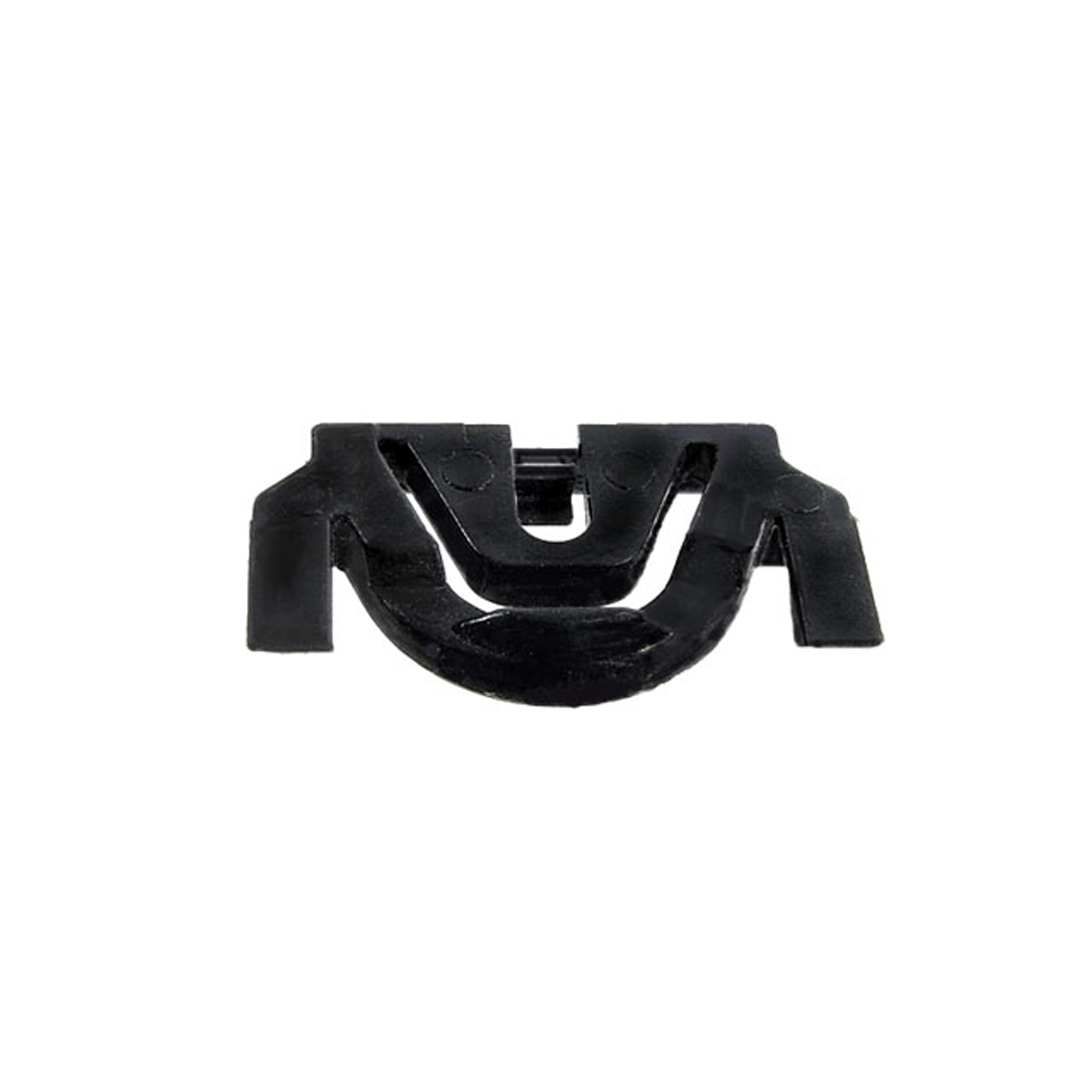 1985 Chrysler LeBaron Windshield and Rear Windshield Reveal Molding Clip-WF 225-AWindshield and Rear Windshield Reveal Molding Clip. Made of nylon. 2" X 11/16". Each
Why Choose Metro?
For over 100 years, Metro Moulded Parts has been the pinnacle of quality in classic car restoration parts. Our commitment to precision and authenticity in every component ensures a perfect fit and an OEM-level appearance.
- Expert Craftsmanship & Quality: Each part is a testament to our dedication to reliability and perfection, crafted from original designs and thoroughly tested.
- Advanced Technology: We use cutting-edge techniques to create flawless, long-lasting parts that surpass others in performance.
- SuperSoft Sponge – The Ultimate Door Seal: Not only are our door seals 30% softer than competitors', but they're also guaranteed to never leak. They effectively reduce wind and road noise, enhancing your classic car's comfort and driving experience.
- Proudly American: Our parts are a product of American craftsmanship, made in the USA with a spirit of excellence and heritage.
- Unrivaled Warranty: We back our products with a 30-year industry-leading warranty, a testament to our confidence in their quality.
Join us in preserving the legacy of classic cars with parts that are crafted for perfection, not just made.