
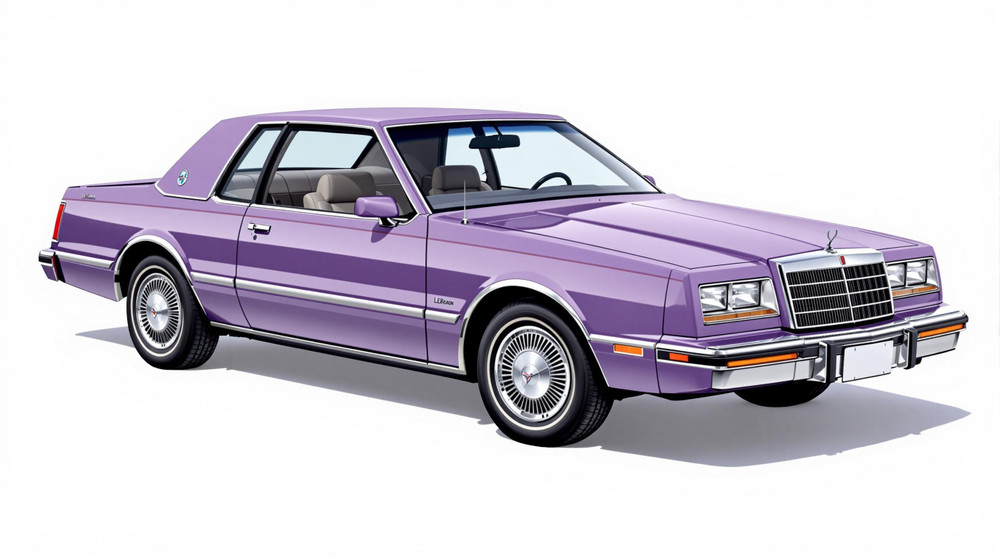
Image of 1986 Chrysler Lebaron, Note: These illustrations use artistic license and may differ from actual historical models.
Performance Metrics
Fundamental Metrics
Emotional Appeal
MMP Rating
| Engine Specifications | |
|---|---|
| Engine: | 2.2L Turbo I4, 2.5L I4 |
| Displacement: | 135-153 cu in. |
| Horsepower: | 96-146 hp |
| Torque: | 119-170 lb-ft |
| Compression Ratio: | 8.1:1 (2.2L Turbo), 8.5:1 (2.5L) |
| Ignition System: | Electronic |
| Cooling System: | Liquid-cooled |
| Performance Specifications | |
| 0-60 Time: | 9.5-11 seconds |
| 1/4 Mile Time: | 17-18 seconds |
| Top Speed: | 110-120 mph |
| Transmission and Drive | |
| Drive Type: | FWD |
| Transmission Type: | 3-speed automatic, 5-speed manual |
| Fuel and Efficiency | |
| Fuel System Type: | Fuel injection |
| MPG: | 20-25 mpg |
| Dimensions and Brakes | |
| Brakes: | Front disc, rear drum |
| Wheelbase: | 100.3 in. |
| Weight: | 2,600-2,800 lbs |
Note: Specifications for classic cars are given to the best of our ability, considering the limited and variant data available.
1986 Chrysler LeBaron: Chrysler’s Personal-Luxury K-Car
The 1986 Chrysler LeBaron put a distinctly American kind of luxury within reach: long, formal-looking styling, a comfortable cabin, and practical front-wheel-drive engineering. Built by Chrysler Corporation, it belonged to the company’s broad LeBaron family, which ranged from practical sedans to a memorable convertible and a sporty hatchback.
The LeBaron’s story is closely tied to Chrysler’s recovery in the 1980s. The company’s K-car platform helped it control costs and develop a wide range of vehicles during a difficult period for American automakers. The LeBaron used that practical foundation but dressed it up with upscale trim and equipment. One especially eye-catching version was the Town & Country convertible, whose simulated woodgrain bodywork recalled Chrysler’s classic wood-bodied cars.
Distinctive Styling and Cabin Comfort
The LeBaron’s two-door coupe and convertible wore a formal, almost European-inspired profile. Their long hood, squared-off roofline, upright grille, and crisp body lines gave them a more prestigious appearance than their compact-car roots might suggest. The convertible added a power-operated fabric top and a clean, open profile that made it one of the most recognizable versions of the car.
The LeBaron GTS hatchback looked quite different. Its more aerodynamic shape, sloping rear glass, and practical liftgate gave it a sportier, more contemporary character. Sedans and other family-oriented versions in the wider LeBaron range emphasized passenger and luggage space over the coupe’s personal-luxury image.
Inside, the emphasis was on comfort rather than bare-bones economy. Depending on trim and options, buyers could find velour or cloth upholstery, leather seating, patterned trim, carpeting, and woodgrain-style accents. The materials were not uniformly lavish, and some hard plastics reflected the car’s cost-conscious engineering, but a well-optioned example could feel welcoming and suitably upscale. The Mark Cross interior, available on select premium models, was a particularly luxurious choice.
Colors varied by body style and equipment package. Common choices included white, black, silver, red, blue, and shades of beige or gold. The Town & Country’s simulated woodgrain side trim was its most distinctive visual option, while red and white convertibles remain especially popular with enthusiasts for their classic open-car appeal.
Body Styles and Options
“1986 LeBaron” describes a family of cars rather than one single body. The lineup included the coupe and convertible, the more practical LeBaron sedan, and the LeBaron GTS hatchback. Town & Country trim brought woodgrain-inspired styling to selected LeBaron models, including the convertible. Availability and equipment differed by body style, so it is worth checking a car’s original specifications rather than assuming every LeBaron had the same features.
Engine choices centered on Chrysler’s four-cylinder family. Naturally aspirated 2.2-liter and 2.5-liter engines served everyday drivers, while turbocharged 2.2-liter versions offered a substantial performance step up. Depending on body style and trim, buyers could also choose features such as air conditioning, power windows and locks, cruise control, upgraded sound systems, and automatic or manual transmissions.
Technology and Chrysler’s Comeback
The LeBaron’s most important innovation was not a single gadget. It was the way Chrysler used front-wheel-drive platforms and shared components to build a broad range of vehicles with different personalities. That strategy helped the company offer a comfortable, well-equipped car without the expense of developing an entirely separate chassis for every model.
For its time, the LeBaron could be equipped with useful convenience technology including electronic fuel injection, turbocharging, power accessories, and cruise control. Some versions also offered electronic driver-information or warning features, depending on equipment. These systems were modest by modern standards, but they reflected a period when automakers were increasingly combining electronics with familiar mechanical layouts.
The LeBaron also carried a historical name with deeper roots. “LeBaron” had been associated with coachbuilding and high-end Chrysler vehicles before the name was applied to the company’s modern mass-market cars. In the 1980s, Chrysler used it to signal a more stylish and upscale model within a practical, high-volume lineup.
Performance and Road Manners
Performance depends heavily on which LeBaron you are considering. Naturally aspirated four-cylinder models were tuned for everyday use, not quick acceleration. Period performance figures vary with engine, transmission, and body style, but a representative non-turbo car generally needed around 10 to 13 seconds to reach 60 mph. Its top speed was roughly in the 100 to 105 mph range.
A turbocharged LeBaron feels livelier. Depending on the specific turbo engine and configuration, estimates put 0-to-60-mph acceleration in the neighborhood of 8 to 10 seconds, with top speed around 110 to 115 mph. Those are approximate period-style figures rather than guarantees for a forty-year-old car. Engine condition, transmission health, tire choice, and altitude can all change the result.
On the road, the LeBaron favors a relaxed, cushioned ride. It handles broken pavement and everyday bumps better than a stiffly sprung sports coupe, making it well suited to commuting and highway cruising. The tradeoff is that it does not feel especially sharp on a winding road. Steering is lighter and less communicative than in a modern performance car, and the taller, comfort-oriented suspension can lean in corners.
A turbo model adds a more distinctive character: the engine note grows fuller as boost arrives, and acceleration becomes noticeably stronger once the turbo is working. Naturally aspirated models are quieter and more gradual. In either case, the driving experience is best understood as comfortable personal transportation, not track-day machinery.
Living With a LeBaron Today
Most LeBarons were built for ordinary transportation, weekend cruising, or comfortable long-distance travel. The convertible makes an appealing classic-car show or summer-drive choice, while the GTS hatchback offers a useful blend of space and period performance. The Town & Country convertible is especially suited to owners who want a conversation-starting cruiser.
Routine service is generally approachable for an owner or independent mechanic familiar with 1980s Chrysler products. The four-cylinder engines are mechanically straightforward, and many service procedures are not unusually complicated. The challenge is often the age of the car rather than its original design. Rubber components, cooling-system parts, electrical connections, turbo hardware, and convertible-top mechanisms may need attention. Some trim pieces and body-specific parts can be harder to source than common mechanical components.
Before buying, check for rust, evidence of previous collision repairs, worn suspension parts, and electrical faults. On a turbocharged car, inspect the turbo system carefully and look for signs of neglected oil changes or overheating. On a convertible, test the top through a complete operating cycle and inspect the fabric, seals, hydraulic components, and rear window. A well-maintained example can be pleasant to own, but a cheap car with deferred repairs may quickly become an expensive project.
LeBaron Trivia and Common Criticisms
The Town & Country convertible is the model’s most memorable visual twist. Its woodgrain-look trim evoked the wood-bodied Chrysler wagons of earlier decades, even though the 1980s car used modern metal construction and simulated woodgrain treatment. It is a reminder that Chrysler was willing to blend nostalgia with contemporary mass-market engineering.
The turbocharged versions are another point of interest. They gave buyers a way to enjoy genuinely brisk performance in a car whose styling and cabin were aimed at comfort. The LeBaron was not a major racing icon, and it is not generally known for a headline-grabbing speed or endurance record. Its significance lies more in its role as a stylish, versatile member of Chrysler’s K-car-era lineup.
Common criticisms include modest build quality by modern standards, inconsistent performance between engine versions, and handling that prioritizes comfort over precision. Some owners also find the styling more formal than sporty. Those drawbacks are part of the car’s character: the LeBaron was designed to make everyday driving feel a little more special, not to compete directly with a dedicated sports car.
Collector Value and Availability
The 1986 LeBaron remains relatively affordable compared with many better-known 1980s classics. As a broad current-market estimate, a running driver-quality example may sell for about $2,000 to $7,000. Clean, well-preserved convertibles, desirable turbo models, and distinctive Town & Country versions can bring roughly $7,000 to $15,000 or more. Exceptional, documented cars may exceed that range, while projects can sell for less.
Values vary sharply with condition, originality, body style, and location. The convertible and unusual Town & Country versions tend to attract the most attention, while ordinary sedans and coupes are generally easier to find at modest prices. The GTS is appealing to buyers looking for a less common hatchback with turbo-era character.
Exact production totals for every 1986 body style and trim combination are not consistently reported in readily available summaries. A reasonable broad estimate for the LeBaron family across its different versions is on the order of 100,000 vehicles for the model year, but that should be treated as an approximate estimate, not a verified figure for one specific body style. The overall model is not rare, although clean convertibles, unusual trims, and original turbo cars are less common in today’s market.
Prices have generally remained accessible rather than following the rapid appreciation seen in some celebrated muscle cars and sports cars. The best examples may gain interest as 1980s nostalgia grows, but condition and originality matter more than speculation. Buyers should choose a car they enjoy owning rather than counting on a quick rise in value.
Why the 1986 LeBaron Still Matters
The 1986 Chrysler LeBaron combined practical front-wheel-drive engineering with a range of personalities, from comfortable sedan to turbocharged hatchback and open-air convertible. It reflected Chrysler’s effort to rebuild its fortunes by using shared platforms intelligently, while giving buyers stylish details and useful comfort features.
It may not be the fastest or most finely finished classic of its era, but the LeBaron captures an important part of 1980s American car culture. Find a sound example, especially a turbo convertible or Town & Country, and you get more than a nostalgic ride: you get a distinctive chapter in Chrysler’s comeback story.
1986 Chrysler Lebaron Catalog of Parts
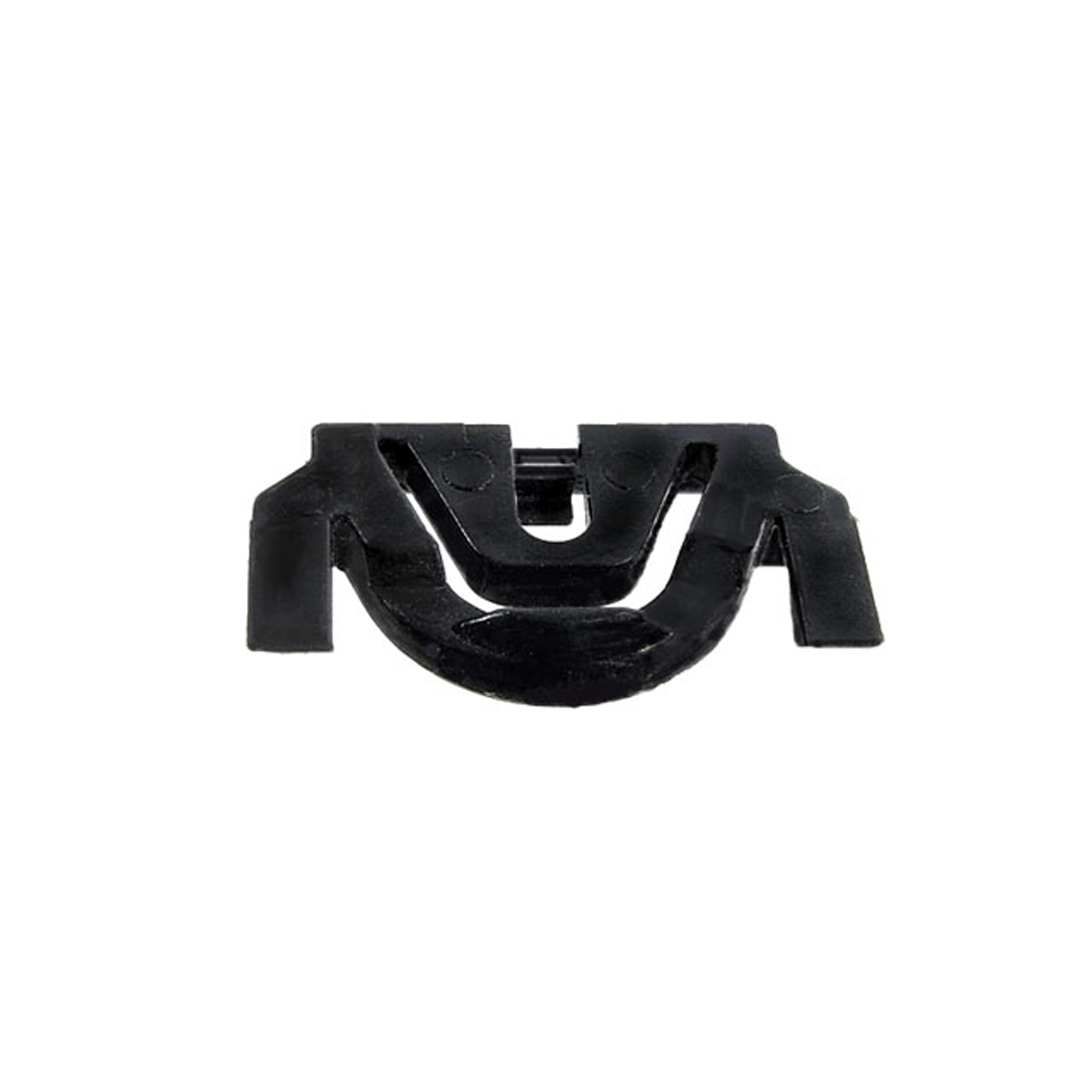 1986 Chrysler LeBaron Windshield and Rear Windshield Reveal Molding Clip-WF 225-AWindshield and Rear Windshield Reveal Molding Clip. Made of nylon. 2" X 11/16". Each
Why Choose Metro?
For over 100 years, Metro Moulded Parts has been the pinnacle of quality in classic car restoration parts. Our commitment to precision and authenticity in every component ensures a perfect fit and an OEM-level appearance.
- Expert Craftsmanship & Quality: Each part is a testament to our dedication to reliability and perfection, crafted from original designs and thoroughly tested.
- Advanced Technology: We use cutting-edge techniques to create flawless, long-lasting parts that surpass others in performance.
- SuperSoft Sponge – The Ultimate Door Seal: Not only are our door seals 30% softer than competitors', but they're also guaranteed to never leak. They effectively reduce wind and road noise, enhancing your classic car's comfort and driving experience.
- Proudly American: Our parts are a product of American craftsmanship, made in the USA with a spirit of excellence and heritage.
- Unrivaled Warranty: We back our products with a 30-year industry-leading warranty, a testament to our confidence in their quality.
Join us in preserving the legacy of classic cars with parts that are crafted for perfection, not just made.