

Image of 1987 Chrysler Lebaron, Note: These illustrations use artistic license and may differ from actual historical models.
Performance Metrics
Fundamental Metrics
Emotional Appeal
MMP Rating
| Engine Specifications | |
|---|---|
| Engine Options: | 2.2L Turbo I4, 2.5L I4 |
| Displacement Range: | 135-153 cu in. |
| Horsepower Range: | 100-146 hp |
| Torque: | 125-170 lb-ft |
| Compression Ratio: | 8.1:1 (2.2L Turbo), 8.9:1 (2.5L) |
| Ignition System: | Electronic |
| Cooling System: | Liquid-cooled |
| Performance Specifications | |
| 0-60 Time: | 9.5 seconds |
| 1/4 Mile Time: | 17 seconds |
| Top Speed: | 110 mph |
| Transmission and Drive | |
| Drive Type: | FWD |
| Transmission Type: | 3-speed automatic, 5-speed manual |
| Fuel and Efficiency | |
| Fuel System Type: | Fuel Injection |
| MPG: | 20 city / 28 highway |
| Dimensions and Brakes | |
| Brakes: | Front disc, rear drum |
| Wheelbase: | 100.3 in. |
| Weight: | 2,600 lbs |
Note: Specifications for classic cars are given to the best of our ability, considering the limited and variant data available.
1987 Chrysler LeBaron: The K-Car That Put Style Back on the Menu
The 1987 Chrysler LeBaron made practical American engineering look surprisingly glamorous. With its formal rooflines, available turbo power, and an open-air convertible version, it offered a little bit of luxury-car theater without the price or size of a full-size luxury sedan.
Chrysler introduced the LeBaron name in 1977, but its roots reach further back: LeBaron was an influential coachbuilding firm that created elegant bodies for Chrysler cars in the 1930s. By the 1980s, the name had been adapted to a new generation of smaller, front-wheel-drive Chryslers. The 1987 lineup included the distinctive J-body coupe and convertible, along with the roomier LeBaron GTS hatchback.
The car arrived during a critical period for Chrysler. The company had used its compact, front-wheel-drive K-car platform to recover from financial trouble, then expanded that basic engineering into a wide range of vehicles. The LeBaron was a more stylish expression of that strategy. One especially notable part of its story is the convertible: Chrysler helped bring the American-market domestic convertible back after a long gap, turning an old-fashioned body style into a modern, attainable specialty car.
Formal Lines and a Distinctive Cabin
The LeBaron coupe wore a long hood, a relatively upright front end, and a roofline that borrowed from the formal styling of traditional luxury cars. On many coupes, concealed headlamp doors gave the nose a clean, finished appearance when the lights were off. Bright trim, a prominent grille, and a padded-looking vinyl roof on some versions added to its upscale character. It was not sleek in the European sports-car sense. Its appeal was more about presence and polish.
The convertible made the strongest visual statement. Its fabric top folded away to reveal a broad, open cabin, while its body retained the LeBaron’s crisp, tailored look. The GTS took a different approach. Its five-door hatchback body was more practical and contemporary, with a sloping rear profile and useful cargo access. In short, the coupe and convertible leaned into personal luxury, while the GTS was the family-friendly, fastback-flavored choice.
Inside, the LeBaron offered a comfortable, well-equipped environment for the period. Depending on trim and options, buyers could find plush cloth or leather upholstery, power windows and locks, power seats, air conditioning, cruise control, and an upgraded sound system. Some higher-specification cars featured Mark Cross leather appointments, a particularly memorable option that gave the cabin a more exclusive feel. The materials and fit were generally a step above basic economy-car fare, though they were not comparable to the hand-finished interiors of expensive European luxury cars.
Available paint colors varied by body style and trim, but the palette included the era’s familiar mix of metallic blues, reds, silvers, grays, whites, and darker formal shades. White and red convertibles were especially eye-catching, while dark colors suited the coupe’s roofline and bright exterior trim. On a well-preserved example, the contrast between the body color, vinyl roof, and chrome-look accents is part of the car’s charm.
Engines, Options, and 1980s Technology
Engine choices depended on the body style, trim, and market. Four-cylinder power was central to the LeBaron lineup, with naturally aspirated 2.2-liter and 2.5-liter engines offered in various versions. Turbocharged four-cylinder engines brought a more spirited character, and some 1987 LeBarons were also available with a 3.0-liter Mitsubishi-built V6. A three-speed automatic was common, while manual transmissions were offered on selected configurations.
For its time, the LeBaron could be equipped with a notably extensive list of convenience features. Electronic displays and instrument panels were available on some versions, alongside power accessories, cruise control, and higher-grade audio equipment. These options did not make the car a technological revolution, but they helped bring features once associated with more expensive cars into a more accessible price class.
The most iconic choice for many enthusiasts is the turbocharged convertible. It combines the LeBaron’s most recognizable body style with the engine option that gives it the most engaging performance. The coupe is a strong alternative for buyers who prefer a fixed roof and a more formal profile, while the GTS is the practical pick for those who value a hatchback’s extra cargo flexibility.
Why the LeBaron Mattered
The 1987 LeBaron’s significance lies less in a single groundbreaking invention than in how it blended accessible engineering with aspirational styling. Chrysler’s front-wheel-drive platform strategy allowed the company to create cars with useful interior space and manageable dimensions, then dress them for very different buyers. The LeBaron showed that a platform rooted in economy-minded engineering could support a comfortable coupe, a convertible, and a practical hatchback.
Its convertible role was particularly important. After American manufacturers largely abandoned domestic convertibles in the late 1970s, Chrysler helped demonstrate that there was still a market for an affordable, mass-produced open car. The LeBaron was not a sports car in the traditional sense, but it offered something many buyers wanted: sunny-day motoring with familiar American comfort and a reassuringly practical layout.
Compared with contemporaries, the LeBaron stood out for its mix of formal styling, front-wheel-drive packaging, and available turbo power. Its influence can be seen in the broader 1980s trend toward personal-luxury coupes and convertibles that delivered style and equipment without requiring a large V8 or a premium import-car budget.
Turbo Pace and Everyday Road Manners
Performance varied considerably with engine and transmission. A naturally aspirated four-cylinder LeBaron was generally a relaxed cruiser, with a 0-to-60 mph time in roughly the 10-to-12-second range. Turbocharged versions could reach 60 mph in about 8 to 9 seconds, depending on specification and condition. A reasonable period-style estimate for top speed is around 100 to 110 mph for many standard models, with some turbo versions capable of approximately 115 to 120 mph. These are estimates, not guaranteed figures: gearing, engine output, tires, and testing conditions all matter.
On ordinary roads, the LeBaron prioritized comfort over sharp handling. Its suspension softened bumps and pavement seams, making it well suited to commuting and highway travel. The trade-off was more body roll than a driver would expect from a modern sport sedan. On a winding road, the car felt stable and predictable when driven at a sensible pace, but steering response and cornering grip were not its main attractions. The GTS’s hatchback layout made it feel like a practical family car; the coupe and convertible felt more like personal cruisers.
A turbo model adds another layer to the driving experience. The engine has a distinct four-cylinder note, and boost arrives with a noticeable change in urgency rather than the smooth, effortless surge of a large V8. Acceleration can feel lively once the turbo is working, especially by the standards of an everyday 1980s car. The automatic transmission suits relaxed driving, while a manual-equipped example gives the driver more control over the engine’s power delivery.
Living With a 1987 LeBaron
Most LeBarons today are best thought of as cruisers, weekend cars, or nostalgic show cars rather than racing machines. A sound example can still handle regular driving, but age is now a bigger factor than the original design. Rubber components, cooling systems, electrical connections, suspension bushings, and weather seals deserve close inspection. On convertibles, the condition of the top, its frame, and the surrounding body structure should be checked carefully for leaks, wear, and corrosion.
Many routine repairs are manageable for an owner with basic mechanical skills. The four-cylinder engines are familiar to many independent mechanics, and parts availability is generally better for common service items than for unique trim pieces. Turbocharged models require extra attention to hoses, the turbocharger, and related engine components. Some electronic parts and model-specific interior or exterior trim can be difficult to find, so a complete car is usually a better starting point than a cheap project missing key pieces.
Before buying, look for maintenance records and check for rust underneath the car, signs of previous collision repair, and evidence of overheating. On a convertible, inspect the floor and lower body for water damage. A test drive should include a cold start, steady-speed cruising, firm braking, and a check of every electrical feature. A bargain purchase can become expensive if it needs a top, turbo repairs, and hard-to-source trim all at once.
LeBaron Trivia and Common Complaints
The LeBaron name links the 1980s car to a much older chapter of Chrysler history. LeBaron had been associated with bespoke automotive coachwork decades before it appeared on the company’s front-wheel-drive coupes and convertibles. That contrast neatly captures the 1987 car’s mission: borrow a little of the old luxury image and make it attainable for a much broader audience.
The 1987 LeBaron is not known for a major speed record or a singular motorsports achievement. Its memorable contribution was bringing the domestic convertible back into everyday view and offering turbo performance in a comfortable, mainstream car. Its long afterlife in pop culture includes a later, frequently repeated comedy reference to a Chrysler LeBaron in the television series Seinfeld, though that joke refers to a later model and is not a special 1987 edition.
Common criticisms are familiar to many 1980s cars: modest base-engine performance, soft handling, aging electrical systems, and interior materials that can show wear. Turbo models can be rewarding, but they add mechanical complexity. The styling also divides opinion. Some see the formal roof and bright trim as stylish period design; others consider them too ornate. That very distinctiveness is part of what makes the LeBaron recognizable today.
Collector Values and Availability
The 1987 LeBaron remains an affordable entry into 1980s American-car collecting. As a broad current-market estimate, a running driver-quality car might sell for roughly $1,500 to $5,000. A clean, well-maintained example could bring about $5,000 to $10,000, while an exceptionally preserved turbo convertible or especially attractive, well-documented car may reach approximately $10,000 to $18,000 or more. These are general estimates; condition, originality, location, and service history can make a substantial difference.
Standard coupes and GTS hatchbacks are usually easier to find than top-quality convertibles, but none of the 1987 versions is exceptionally rare in the collector-car sense. Exact production totals are difficult to pin down across the different body styles and equipment combinations. A reasonable, explicitly approximate guess is that total 1987 LeBaron production across the coupe, convertible, and GTS was in the tens of thousands, perhaps around 70,000 to 100,000 cars. Treat that as a broad estimate rather than a confirmed factory figure.
Values have generally remained modest compared with those of muscle cars and high-performance classics. The best prospects are original, rust-free turbo convertibles and unusually well-kept cars with desirable equipment. Most examples are likely to remain affordable driver classics rather than high-dollar investments. Their appeal is strongest among enthusiasts who appreciate 1980s styling, Chrysler history, or the nostalgia of a comfortable American convertible.
A Comfortable Classic With a Turbocharged Twist
The 1987 Chrysler LeBaron brought together practical front-wheel-drive engineering, upscale touches, several useful body styles, and the option of turbocharged performance. It was not a precision sports car or a traditional luxury flagship. It was something more approachable: a comfortable, distinctive American car that could serve as daily transportation, a relaxed weekend cruiser, or a sunny-day convertible.
Today, its value is in that combination of history and personality. The LeBaron helped make the domestic convertible feel current again, and it captured the confident, formal styling of its decade. For collectors seeking an affordable classic with a story to tell, the 1987 LeBaron still knows how to make an entrance.
1987 Chrysler Lebaron Catalog of Parts
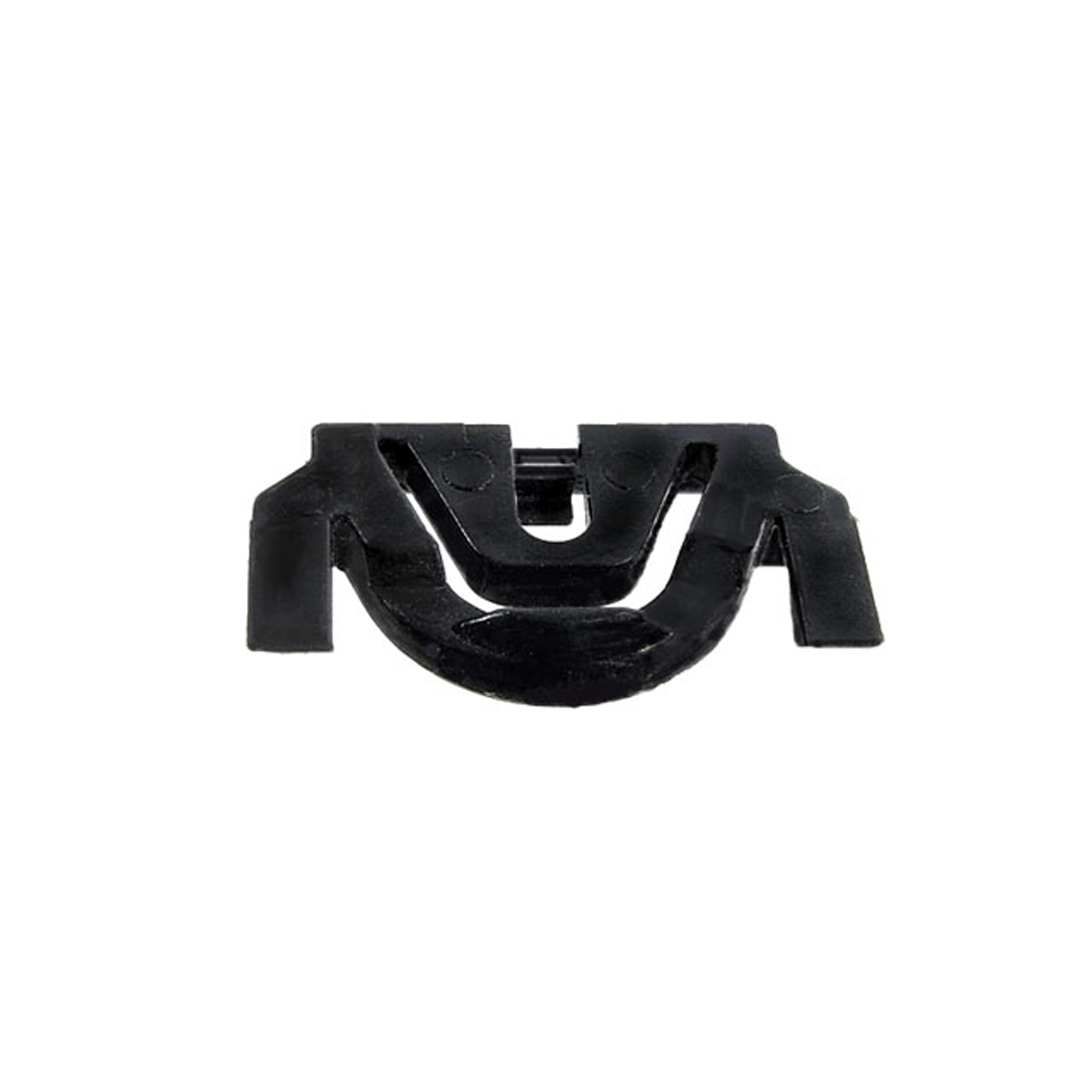 1987 Chrysler LeBaron Windshield and Rear Windshield Reveal Molding Clip-WF 225-AWindshield and Rear Windshield Reveal Molding Clip. Made of nylon. 2" X 11/16". Each
Why Choose Metro?
For over 100 years, Metro Moulded Parts has been the pinnacle of quality in classic car restoration parts. Our commitment to precision and authenticity in every component ensures a perfect fit and an OEM-level appearance.
- Expert Craftsmanship & Quality: Each part is a testament to our dedication to reliability and perfection, crafted from original designs and thoroughly tested.
- Advanced Technology: We use cutting-edge techniques to create flawless, long-lasting parts that surpass others in performance.
- SuperSoft Sponge – The Ultimate Door Seal: Not only are our door seals 30% softer than competitors', but they're also guaranteed to never leak. They effectively reduce wind and road noise, enhancing your classic car's comfort and driving experience.
- Proudly American: Our parts are a product of American craftsmanship, made in the USA with a spirit of excellence and heritage.
- Unrivaled Warranty: We back our products with a 30-year industry-leading warranty, a testament to our confidence in their quality.
Join us in preserving the legacy of classic cars with parts that are crafted for perfection, not just made.