
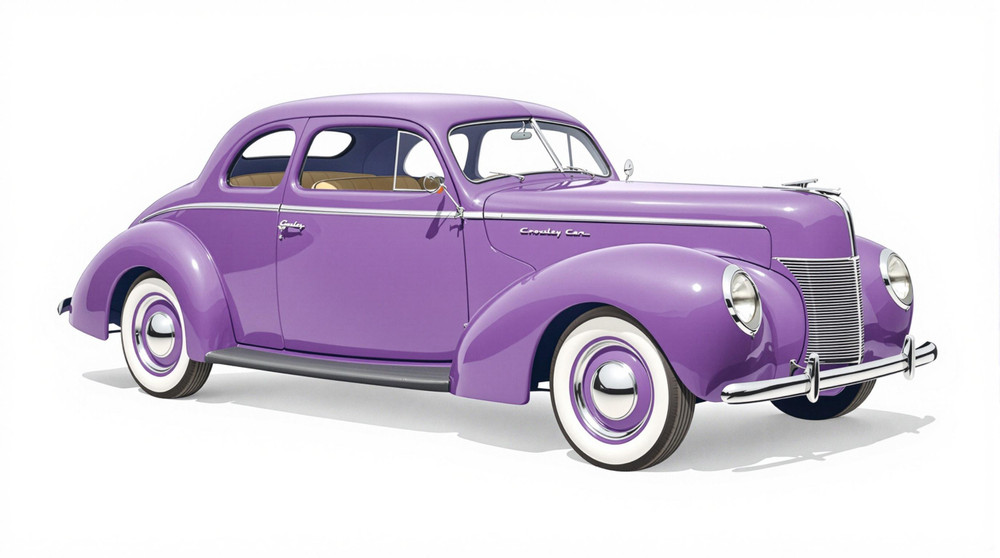
Image of 1939 Crosley Crosley, Note: These illustrations use artistic license and may differ from actual historical models.
Performance Metrics
Fundamental Metrics
Emotional Appeal
MMP Rating
| Engine Specifications | |
|---|---|
| Engine: | 2-cylinder air-cooled engine |
| Displacement: | 0.35 liters |
| Horsepower: | Estimated 12-14 hp |
| Torque: | Not available |
| Compression Ratio: | Not available |
| Ignition System: | Battery and coil |
| Cooling System: | Air-cooled |
| Performance Specifications | |
| 0-60 Time: | Not available |
| 1/4 Mile Time: | Not available |
| Top Speed: | 50 mph |
| Transmission and Drive | |
| Drive Type: | Rear-wheel drive |
| Transmission Type: | 3-speed manual |
| Fuel and Efficiency | |
| Fuel System Type: | Carburetor |
| MPG: | Not available |
| Dimensions and Brakes | |
| Brakes: | Mechanical drum brakes |
| Wheelbase: | 80 inches |
| Weight: | 925 lbs |
Note: Specifications for classic cars are given to the best of our ability, considering the limited and variant data available.
1939 Crosley: America’s Tiny Pioneer
At a time when American cars were growing larger and more powerful, the 1939 Crosley went the other way: it was tiny, economical, and designed to make motoring affordable. Built by Crosley Motors, the automobile venture of Cincinnati industrialist Powel Crosley Jr., it brought an unusually small car to a market dominated by full-size sedans.
The first Crosleys appeared in 1939, with production based in Richmond, Indiana. Crosley was already known for consumer products such as radios and refrigerators, and Powel Crosley had made his name as an energetic entrepreneur and broadcaster. His car was a bold extension of that practical, value-minded approach.
One striking detail is just how compact the first Crosley was. It measured roughly 10 feet long and rode on a wheelbase of about 80 inches, dimensions more commonly associated with a modern city car than a prewar American automobile. The 1939 model also launched a marque that would later produce the Crosley Hotshot, a small sports car that made a memorable impression in early American road racing.
Compact Styling and Simple Cabin
The 1939 Crosley had upright, purposeful proportions. Its short hood, narrow body, small wheels, and nearly vertical front end gave it a distinctly functional look. Rounded fenders and modest brightwork kept it from looking like a delivery appliance, but there was no mistaking its mission: use little material, occupy little road space, and carry its passengers economically.
Inside, the cabin was basic by the standards of larger American cars. Expect a straightforward dashboard, painted metal surfaces, simple controls, and practical cloth upholstery rather than rich wood trim or extensive chrome. The materials were suited to a low-cost car, and the compact interior made efficient use of the available space. It was a car for getting around, not for lounging across a broad bench seat.
The early Crosley’s most notable technical feature was its small, air-cooled, horizontally opposed two-cylinder engine. Displacement was about 38 cubic inches, or 638 cc, and output was commonly quoted at around 12.5 horsepower. A manual transmission sent power to the rear wheels. That was modest even in 1939, but the car’s low weight helped it perform its intended job.
Factory paint choices varied by model and production information, so surviving cars and period references do not always present a single definitive color list. Muted, practical shades such as dark blue, gray, and maroon are associated with early Crosleys. As with any restoration, the best guide to a particular car’s original color is its surviving paint evidence and period documentation.
The 1939 range included compact passenger-car styles such as a two-door sedan and convertible, with station-wagon availability also associated with the early lineup. Body-style details can vary across catalogs and surviving cars, so buyers should check a car’s original identification and documentation rather than assume every version was offered in every market. The sedan is the most recognizable closed-body choice, while an early wagon or convertible is especially appealing to collectors because of its distinctive configuration.
Why the First Crosley Mattered
The Crosley challenged the idea that an American automobile had to be large to be useful. Its small footprint and low purchase price offered a different kind of value from the roomy, high-powered cars sold by the major manufacturers. It anticipated the appeal of economical urban vehicles, even though American buyers of the period generally continued to favor bigger cars.
What set the Crosley apart was the completeness of its small-car concept. It was not simply a full-size car with a smaller engine. Its dimensions, weight, powertrain, and minimal equipment were all tailored to keep the vehicle compact and affordable. That approach made it an unusual sight on roads filled with broad fenders, long hoods, and large six- and eight-cylinder engines.
The 1939 model did not introduce a technology that transformed the industry, and Crosley’s early cars remained a niche product. Its lasting significance is instead as the starting point of an independent American small-car experiment. Later Crosleys became associated with innovations such as the Hotshot sports car and the company’s pioneering use of disc brakes on production automobiles, but those developments belong to later chapters of the marque’s history, not the 1939 car itself.
Performance: Built for Modest Miles
With approximately 12.5 horsepower, the 1939 Crosley was not a fast car. A stock example is generally credited with a top speed in the neighborhood of 45 to 50 mph, depending on condition, gearing, load, and road surface. Period specifications do not provide a dependable 0-to-60-mph figure. In practice, the car may not reach 60 mph under ordinary conditions, so a conventional 0-to-60 time is not meaningful.
Acceleration is gentle, and driving it calls for planning. Hills, headwinds, and a full passenger load can quickly make the engine work harder. The car is most comfortable on local roads at moderate speeds, where its modest power is less of a disadvantage and its small dimensions become a benefit.
On rough pavement, the Crosley’s short wheelbase and light weight make bumps noticeable. It can feel busy on uneven roads, while crosswinds and passing traffic deserve attention because the car is so small and light compared with contemporary vehicles. On a winding road, its compact size can make it enjoyable at sensible speeds, but narrow tires, period brakes, and limited power are reminders to drive within the car’s capabilities.
Behind the wheel, the engine’s sound is part of the experience: a small, busy mechanical note rather than the deep rumble of a large American six or V8. The driver feels closely connected to the car through its simple controls and compact cabin. It is less about effortless cruising and more about the charm of operating a machine with a clear, uncomplicated purpose.
Living With a 1939 Crosley
Today, a 1939 Crosley is best suited to collector use, local touring, parades, and car shows. It can be driven on short trips by an owner who understands its speed and safety limitations, but it is not a sensible modern daily driver. Traffic moves faster, and the car lacks the crash protection, braking performance, and highway capability expected of contemporary vehicles.
Its straightforward layout can make routine mechanical work accessible to an experienced hobbyist. The simple engine and basic systems are less intimidating than those of a complicated luxury car, but parts availability is a major consideration. Some components may require specialist suppliers, careful searching, or repair and fabrication. Before buying, inspect the engine, cooling fins and airflow path, transmission, brakes, electrical system, and body structure. A rare car can still be a project, and a low purchase price does not guarantee an inexpensive restoration.
Reliability depends heavily on maintenance and the quality of previous repairs. An old, air-cooled engine needs to be kept in sound condition and used within its limits. A prospective owner should look for evidence that the car has been sorted mechanically, rather than judging it only by its paint and upholstery.
Small-Car Trivia and Common Criticisms
Crosley’s first cars were part of a much larger business story. Powel Crosley was a prolific inventor and businessman, operated Cincinnati radio station WLW, and owned the Cincinnati Reds. His automobile project reflected the same appetite for ambitious ventures that had shaped his work in appliances and broadcasting.
The 1939 Crosley’s clearest claim to distinction is its role as the first model year for the Crosley automobile. Production estimates for that year are commonly placed at roughly 2,000 cars, making surviving examples uncommon today. Exact figures can differ among historical references, and totals should be treated as estimates rather than a guaranteed count for every body style.
The marque’s later racing achievements are sometimes discussed alongside the early cars, but they should not be confused with the 1939 model. Crosley’s Hotshot gained attention in the postwar sports-car era, including at the inaugural 12 Hours of Sebring in 1950. That success helped establish Crosley as more than a maker of tiny economy cars, but it came years after the first Crosley reached the road.
The most common criticisms are straightforward: limited speed, modest acceleration, a cramped cabin, and a basic level of comfort and protection. Those limitations were part of the original bargain. The Crosley was not built to compete with a full-size touring car, and expecting it to behave like one misses the point of the design.
Collector Values and Availability
A 1939 Crosley is rare on today’s market, especially in complete, well-documented condition. With an estimated production run of about 2,000 cars for the model year, the supply of surviving examples is naturally limited. The exact number still in existence is not firmly established, and availability depends on body style, condition, and whether a car has a clear history.
As a broad 2026 market estimate, a project car may sell for around $4,000 to $8,000, while a presentable driver could bring roughly $8,000 to $15,000. A very good, correctly restored example may reach approximately $15,000 to $25,000 or more when the body style, provenance, and quality of restoration justify the price. These are general estimates, not formal appraisals, and individual sales can fall outside the range.
Values tend to reward condition and completeness more than ambitious modifications. Because the buyer pool is specialized, prices can vary considerably from one sale to another. The Crosley has collector appeal as a genuinely unusual prewar American car, but it is best viewed as a niche classic rather than a guaranteed high-growth investment. Its long-term value will depend on the continued interest in small, historically significant vehicles and the availability of parts and restoration expertise.
A Prewar Original With a Big Idea
The 1939 Crosley paired an extremely compact body with a simple air-cooled twin and a clear promise of affordable motoring. It was slow, small, and unconventional beside the full-size American cars of its era, yet those very qualities make it important. The car represents a determined attempt to rethink what an American automobile could be.
For collectors, the Crosley is more than a curious little car. It is the opening chapter of an ambitious independent marque, and a reminder that automotive history is shaped not only by the biggest machines, but also by the boldest ideas packed into the smallest ones.
1939 Crosley Crosley Catalog of Parts
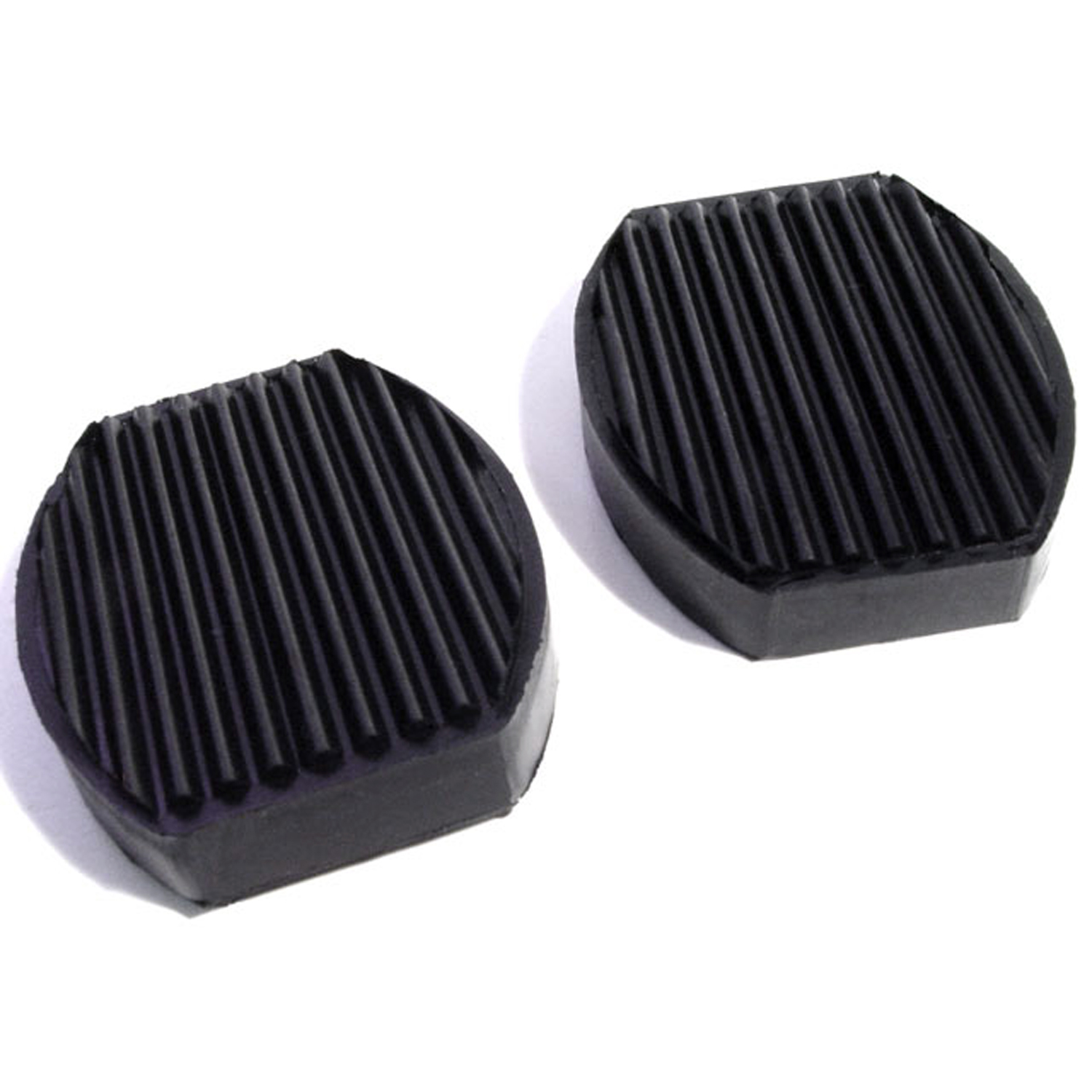 1939 Crosley Crosley Clutch and Brake Pedal Pads. 2-5/16" wide X 2-3/4" long-CB 104Clutch and Brake Pedal Pads. 2-5/16" wide X 2-3/4" long. Pair
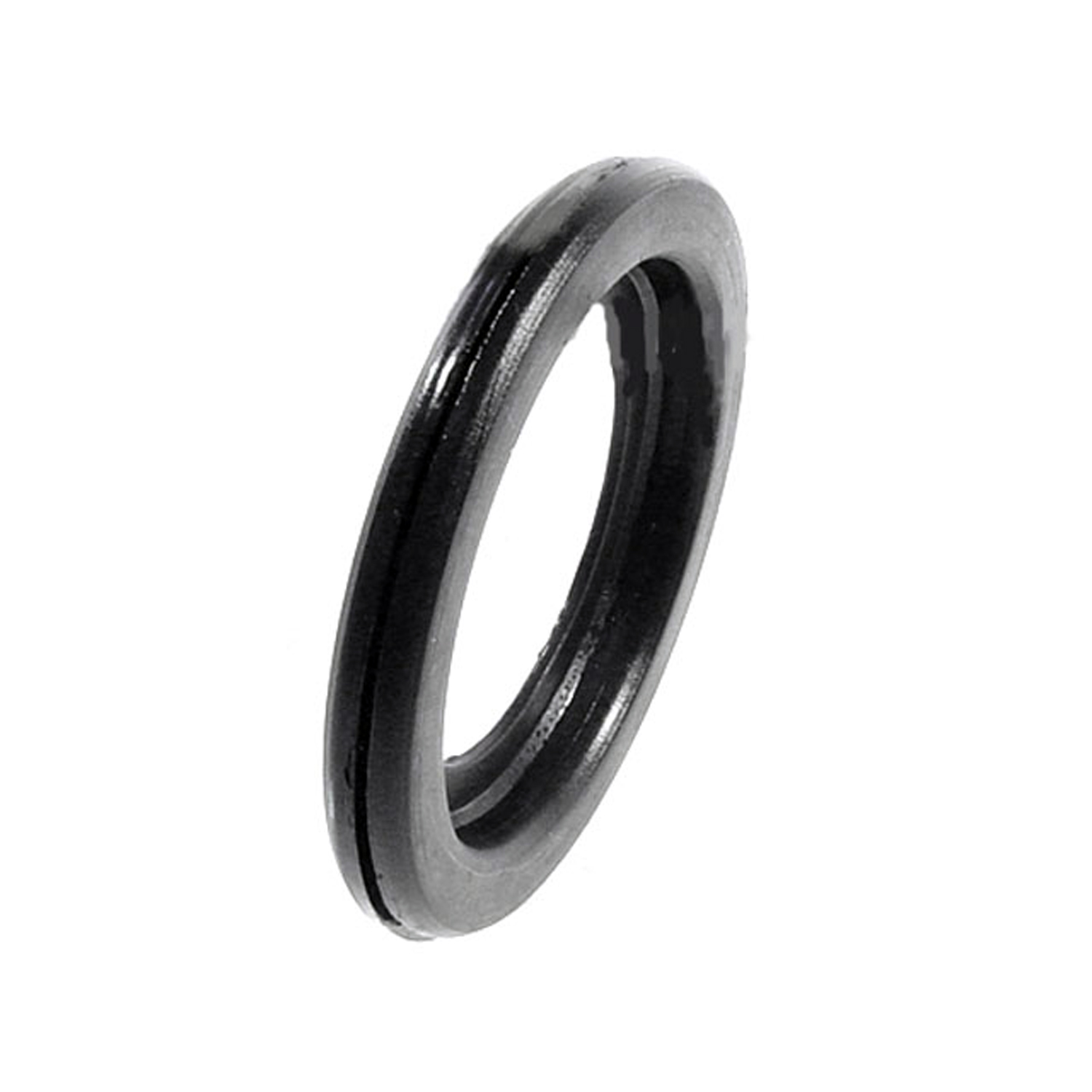 1939 Crosley Crosley Gas Filler Grommet. Two used per car. 1-3/8" I.D-GF 33Gas Filler Grommet. Two used per car. 1-3/8" I.D., 2-3/8" O.D. Each
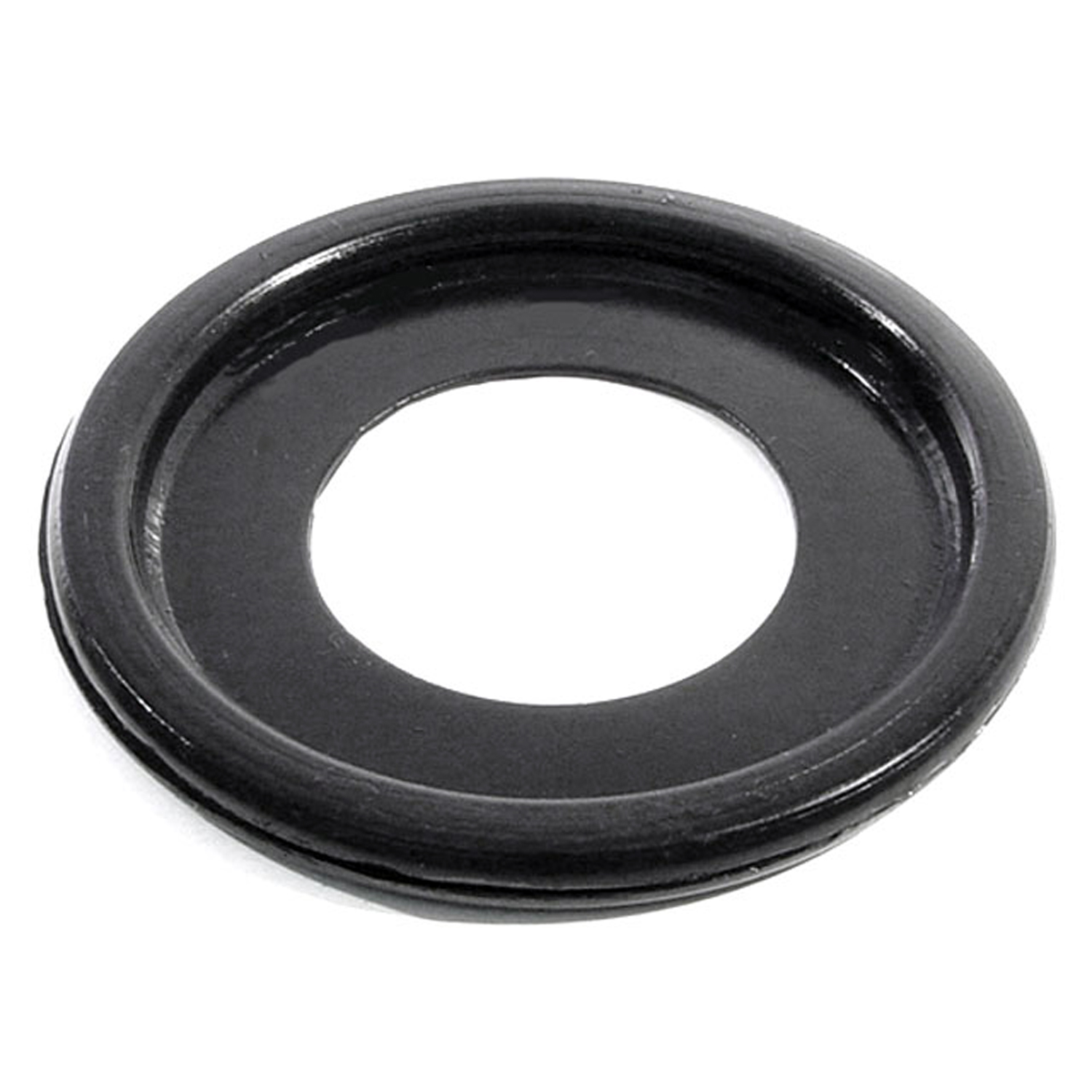 1939 Crosley Crosley Gas Filler Grommet. 1-1/4" I.D., 2-11/16" O.D. Each-GF 34Gas Filler Grommet. 1-1/4" I.D., 2-11/16" O.D. Each
Why Choose Metro?
For over 100 years, Metro Moulded Parts has been the pinnacle of quality in classic car restoration parts. Our commitment to precision and authenticity in every component ensures a perfect fit and an OEM-level appearance.
- Expert Craftsmanship & Quality: Each part is a testament to our dedication to reliability and perfection, crafted from original designs and thoroughly tested.
- Advanced Technology: We use cutting-edge techniques to create flawless, long-lasting parts that surpass others in performance.
- SuperSoft Sponge – The Ultimate Door Seal: Not only are our door seals 30% softer than competitors', but they're also guaranteed to never leak. They effectively reduce wind and road noise, enhancing your classic car's comfort and driving experience.
- Proudly American: Our parts are a product of American craftsmanship, made in the USA with a spirit of excellence and heritage.
- Unrivaled Warranty: We back our products with a 30-year industry-leading warranty, a testament to our confidence in their quality.
Join us in preserving the legacy of classic cars with parts that are crafted for perfection, not just made.