

Image of 1947 Crosley Pickup, Note: These illustrations use artistic license and may differ from actual historical models.
Performance Metrics
Fundamental Metrics
Emotional Appeal
MMP Rating
| Engine Specifications | |
|---|---|
| Engine: | 4-cylinder |
| Displacement: | 44 cubic inches (approximately 0.7 liters) |
| Horsepower: | 26.5 horsepower |
| Torque: | 32 lb-ft |
| Compression Ratio: | 6.5:1 |
| Ignition System: | Battery Ignition |
| Cooling System: | Water-cooled |
| Performance Specifications | |
| 0-60 Time: | Not available due to the vehicle's age and limited performance capabilities |
| 1/4 Mile Time: | Not available due to the vehicle's age and limited performance capabilities |
| Top Speed: | 50 mph |
| Transmission and Drive | |
| Drive Type: | Rear-wheel drive |
| Transmission Type: | 3-speed manual |
| Fuel and Efficiency | |
| Fuel System Type: | Carburetor |
| MPG: | 35 mpg |
| Dimensions and Brakes | |
| Brakes: | Hydraulic drum brakes |
| Wheelbase: | 80 inches |
| Weight: | 1,000 lbs |
Note: Specifications for classic cars are given to the best of our ability, considering the limited and variant data available.
1947 Crosley Pickup: America’s Pocket-Sized Work Truck
The 1947 Crosley Pickup looks like a full-size workhorse viewed through the wrong end of a telescope. Tiny, upright and unusually economical, it was built by Crosley Motors of Cincinnati, Ohio, a small automaker founded by industrialist Powel Crosley Jr. The company was better known for radios, appliances and compact cars than for trucks, but its postwar pickup offered a distinctly different answer to the question of what a utility vehicle needed to be.
After World War II, steel, fuel and other materials were in demand, and many buyers were looking for practical transportation without the cost or appetite of a large truck. Crosley’s little pickup fit that moment. Its scale made it suited to light hauling, small businesses and close-quarters work rather than heavy farm or construction duty. One detail that helps explain its charm is its engine: a four-cylinder displacing just over 44 cubic inches, smaller than the engine in many modern motorcycles.
Compact Styling and Simple Construction
The pickup’s shape is straightforward and purposeful. A short hood leads to a narrow, upright grille, with round headlamps mounted out on the front fenders. Its flat windshield, squared-off cab and separate open cargo bed give it a miniature version of the familiar American pickup profile. Running boards and simple, exposed body lines add to the impression that every part was there to do a job.
Inside, the Crosley is basic by design. The cab was intended to carry a driver and passenger, with a simple dashboard, straightforward controls and limited trim. Buyers should not expect plush upholstery or extensive sound insulation. The materials and finish were functional, reflecting the truck’s low-cost purpose rather than luxury ambitions. Its compact cabin is part of the appeal today, but it also makes clear that this was a small utility vehicle, not a comfortable long-distance cruiser.
Factory paint choices could vary by year and production details are not as well documented as they are for high-volume makes. Today, restored examples are often seen in period-style solid colors such as red, green, blue or black, but those popular restoration choices should not be mistaken for a definitive list of original factory favorites. The standout body style is the pickup itself, with its open bed. Crosley also offered other compact commercial vehicles, including delivery models, but the pickup is the version most readily recognized as a miniature truck.
Small-Scale Engineering
Power came from Crosley’s 44-cubic-inch, four-cylinder engine, rated at about 26.5 horsepower. It was paired with a manual transmission, commonly described as a three-speed. Those figures were modest even for the period, but the truck’s low weight helped it perform its intended light-duty tasks. The Crosley was built around economy and compactness, not high payload capacity or heavy towing.
That practical approach was part of what set the truck apart. Most American pickups were getting larger and more powerful, while Crosley pursued a much smaller format that could be easier to park and less expensive to run. It did not establish a major new styling trend, but it represents an alternative path in American truck design: a useful vehicle scaled to small jobs and tight spaces.
Crosley’s broader engineering story includes innovations that arrived after 1947. In 1949, the company introduced disc brakes on some of its models, an unusual feature for an American production car at the time. That development belongs to Crosley’s later history, not to the 1947 pickup, which used conventional drum brakes. Keeping the dates straight matters: the pickup is interesting as a compact postwar commercial vehicle, while the disc-brake story is a separate chapter in the marque’s technical history.
Performance and Road Manners
There are few dependable period performance figures for the 1947 pickup, and results would vary with condition, gearing, load and road surface. As a broad estimate, a sound, lightly loaded example might reach roughly 50 to 55 mph. A 0 to 60 mph time is less useful: acceleration would be slow, and with only about 26.5 horsepower, the truck may struggle to reach 60 mph at all, especially when carrying cargo. Treat any precise modern estimate as an approximation rather than a factory specification.
On the road, the Crosley feels light, narrow and mechanical. The small engine needs to work hard when climbing hills or accelerating, and the driver must plan ahead when merging into faster traffic. The short wheelbase and modest weight can make rough pavement feel busy, while crosswinds and passing trucks may demand a firm hand on the wheel. On quiet local roads, however, its compact dimensions are an advantage. The steering and controls give the driver a direct, uncomplicated connection to the vehicle.
Expect a small four-cylinder to sound lively as it revs, with more of a purposeful mechanical buzz than the deep rumble associated with a full-size pickup. The ride is utilitarian, and the cab offers little isolation from engine, road or wind noise. That is part of the experience: the Crosley asks for an engaged driver and rewards low-speed, unhurried motoring.
Living With a Crosley Pickup
Today, the 1947 Crosley Pickup is most at home as a show vehicle, parade truck, collection centerpiece or occasional local driver. Its bed can still carry light loads, but most owners preserve these rare little trucks rather than use them as everyday work equipment. It is especially effective at car shows, where its scale and unusual proportions tend to draw people in.
Routine maintenance is approachable for an owner comfortable with older machinery. The engine and systems are relatively simple compared with those of a modern truck, and the basic layout is not intimidating. The bigger challenge is finding the correct parts and preserving original details. Components may require help from Crosley clubs, specialist vendors, swap meets or other owners. As with any small-volume classic, a complete example is often a better starting point than a cheap project missing distinctive trim or mechanical pieces.
Reliability depends heavily on maintenance and restoration quality. A well-sorted Crosley can be enjoyable for short trips, but it should not be expected to keep pace with modern traffic or tolerate neglected servicing. Before buying, inspect the engine, transmission, brakes, frame and body carefully, and confirm that replacement parts are available for any missing or damaged components.
Curiosities and Common Criticisms
Powel Crosley brought unusual experience to car manufacturing. Before building automobiles, he made his name in radios and household products, and he also owned the Cincinnati Reds. That background helps explain the company’s emphasis on affordable, practical goods rather than traditional luxury-car conventions.
The Crosley name is also associated with postwar motorsport. The Hotshot sports car earned attention at early Sebring races, including a notable class and performance showing in 1950. That achievement belongs to the Hotshot, not the pickup, but it demonstrates how Crosley engineering could find a role beyond simple transportation.
The pickup’s most common criticism is also its defining limitation: it is very small and underpowered by conventional truck standards. Its payload and speed are modest, and its narrow cabin is not suited to every driver. Parts availability can be challenging, and the small enthusiast market means restoration may take patience. For buyers who understand those limits, the same qualities become the attraction: it is economical in spirit, charmingly direct and unlike the usual American pickup.
Collector Value and Rarity
There is no widely accepted production total for the 1947 Crosley Pickup alone. Crosley made several passenger and commercial models, and surviving production information does not always provide a clean, independently verified count for each truck version. A reasonable best-guess estimate is that total Crosley pickup production across the postwar years amounted to a few thousand vehicles, perhaps around 2,000 to 5,000. That is an estimate, not a confirmed factory figure, and the number of surviving examples is much smaller.
Values depend strongly on completeness, condition, originality and documentation. As a general current-market guide, a project pickup might fall around $3,000 to $8,000, while a presentable driver or partially restored example could bring roughly $8,000 to $18,000. A high-quality, well-documented restoration may reach about $20,000 to $30,000 or more, though actual sale prices can vary because sales are infrequent and the market is specialized.
The Crosley Pickup is best viewed as a niche collectible rather than a blue-chip investment. Prices for attractive examples have generally held interest among Crosley enthusiasts and buyers seeking unusual prewar and postwar vehicles, but there is limited sales data from which to draw a precise trend. Condition, authenticity and a buyer’s personal connection to the marque matter more than broad market movement.
Why the 1947 Crosley Pickup Matters
The 1947 Crosley Pickup was not designed to haul heavy loads, dominate the highway or rival Detroit’s biggest trucks. Its significance lies in its very different idea of utility: a compact, economical vehicle for small jobs, built by an independent manufacturer willing to challenge the assumption that every American truck had to be large.
With its tiny four-cylinder engine, upright styling and uncomplicated character, the Crosley remains a memorable piece of postwar automotive history. It is proof that a truck does not need to be imposing to be distinctive. Sometimes the smallest vehicle at the show has the biggest story.
1947 Crosley Pickup Catalog of Parts
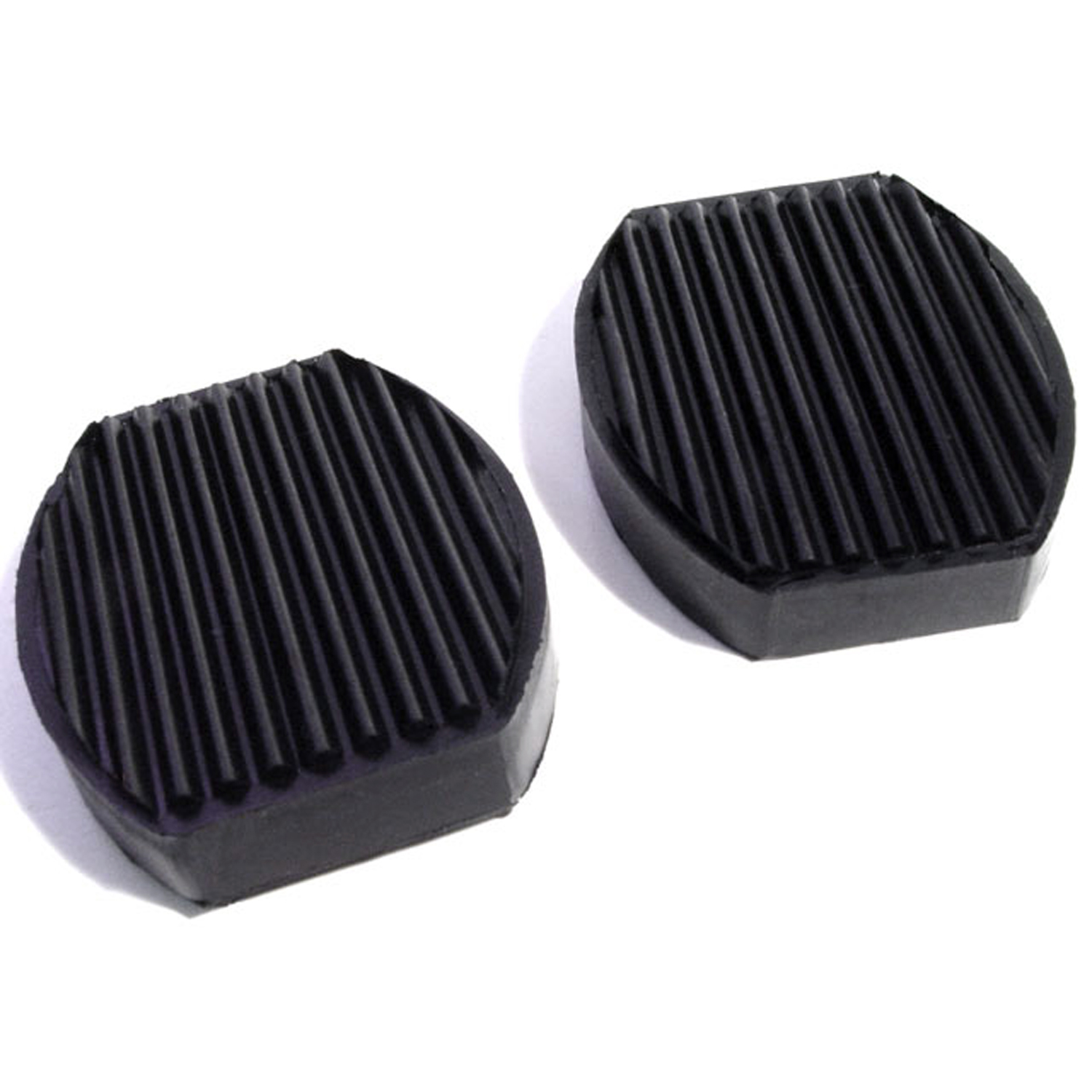 1947 Crosley Pickup Clutch and Brake Pedal Pads. 2-5/16" wide X 2-3/4" long-CB 104Clutch and Brake Pedal Pads. 2-5/16" wide X 2-3/4" long. Pair
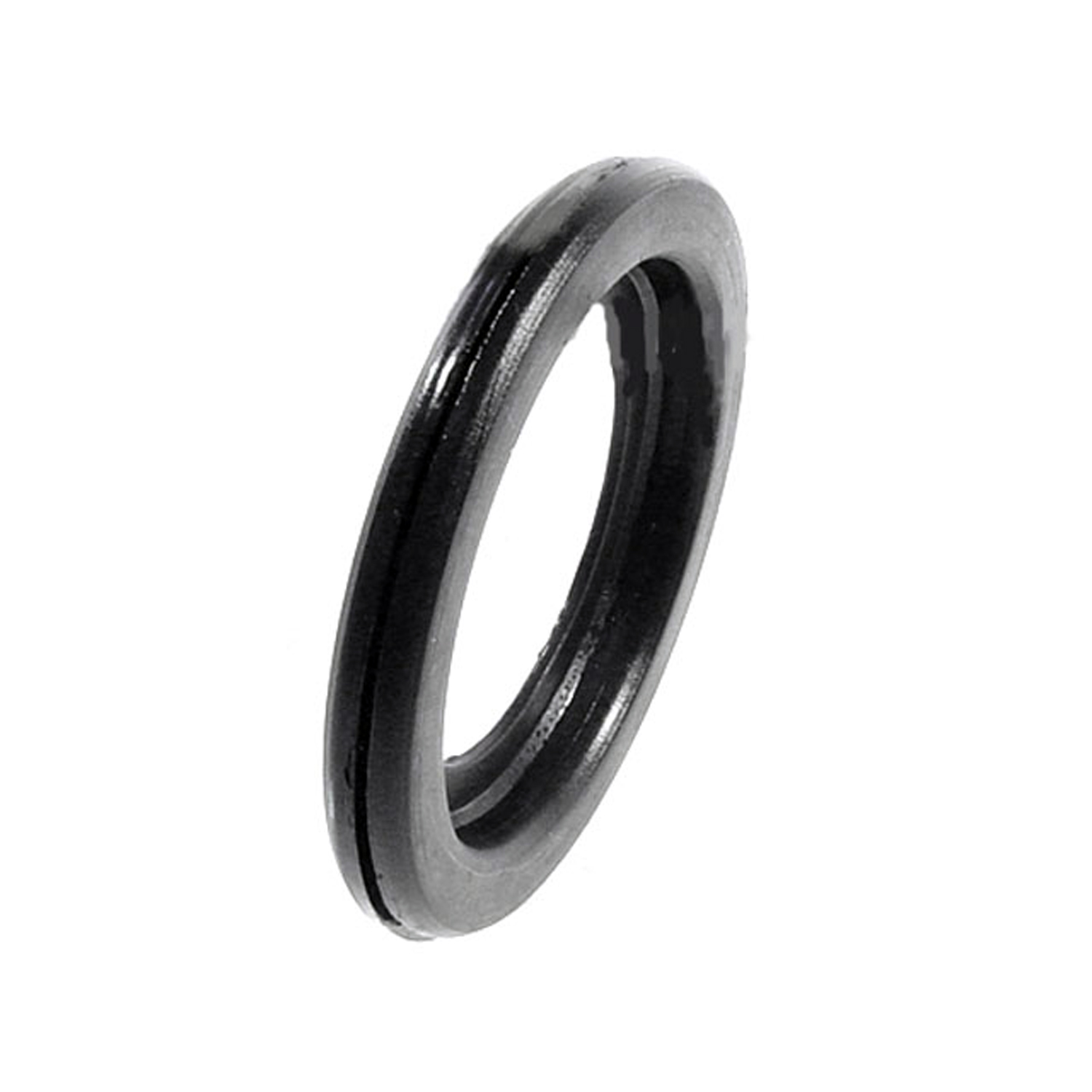 1947 Crosley Pickup Gas Filler Grommet. Two used per car. 1-3/8" I.D-GF 33Gas Filler Grommet. Two used per car. 1-3/8" I.D., 2-3/8" O.D. Each
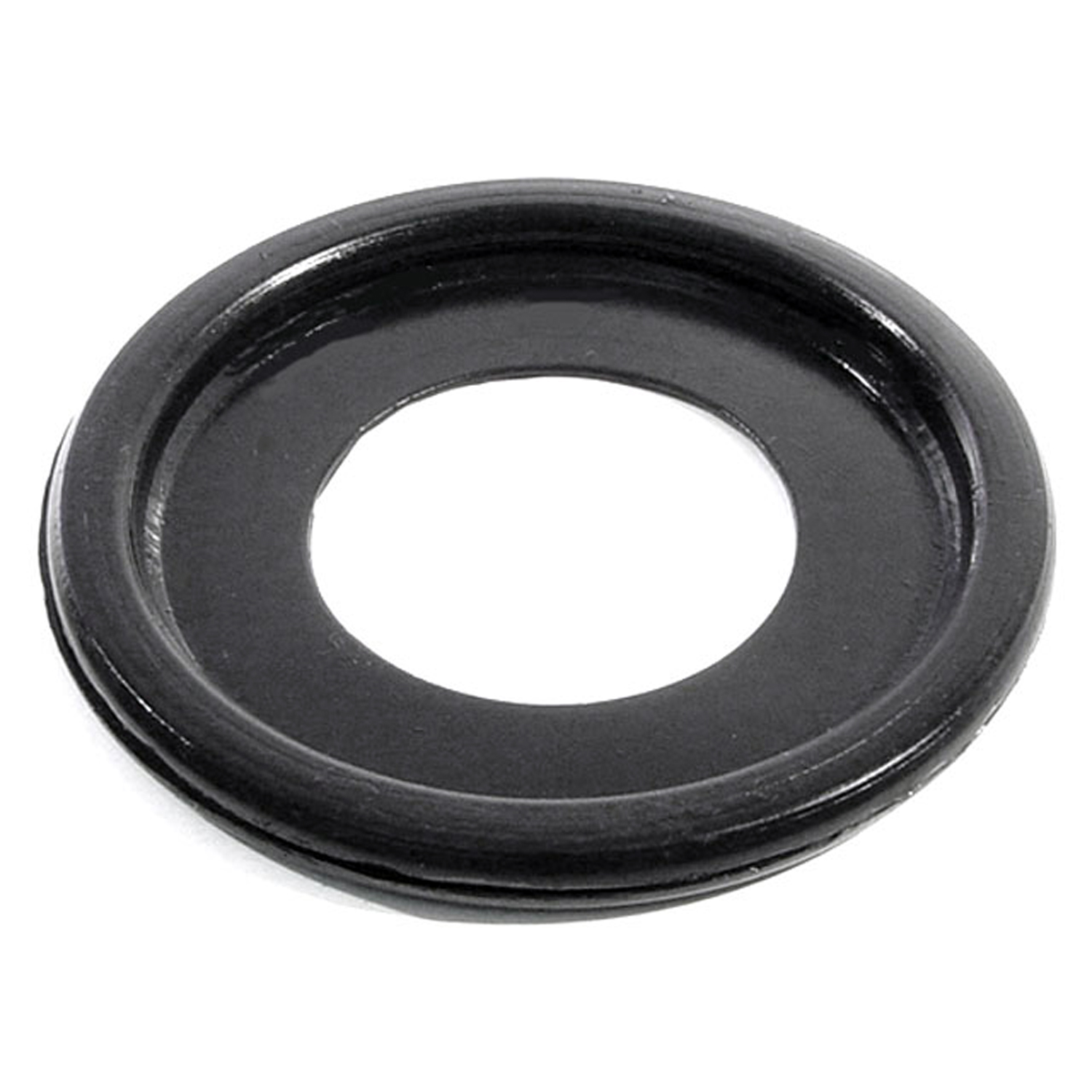 1947 Crosley Pickup Gas Filler Grommet. 1-1/4" I.D., 2-11/16" O.D. Each-GF 34Gas Filler Grommet. 1-1/4" I.D., 2-11/16" O.D. Each
Why Choose Metro?
For over 100 years, Metro Moulded Parts has been the pinnacle of quality in classic car restoration parts. Our commitment to precision and authenticity in every component ensures a perfect fit and an OEM-level appearance.
- Expert Craftsmanship & Quality: Each part is a testament to our dedication to reliability and perfection, crafted from original designs and thoroughly tested.
- Advanced Technology: We use cutting-edge techniques to create flawless, long-lasting parts that surpass others in performance.
- SuperSoft Sponge – The Ultimate Door Seal: Not only are our door seals 30% softer than competitors', but they're also guaranteed to never leak. They effectively reduce wind and road noise, enhancing your classic car's comfort and driving experience.
- Proudly American: Our parts are a product of American craftsmanship, made in the USA with a spirit of excellence and heritage.
- Unrivaled Warranty: We back our products with a 30-year industry-leading warranty, a testament to our confidence in their quality.
Join us in preserving the legacy of classic cars with parts that are crafted for perfection, not just made.