

Image of 1948 Crosley Panel Delivery, Note: These illustrations use artistic license and may differ from actual historical models.
Performance Metrics
Fundamental Metrics
Emotional Appeal
MMP Rating
| Engine Specifications | |
|---|---|
| Engine: | 4-cylinder |
| Displacement: | 44 cubic inches |
| Horsepower: | Estimated 26.5 horsepower |
| Torque: | 32 lb-ft |
| Compression Ratio: | Estimated 6.5:1 |
| Ignition System: | Coil ignition |
| Cooling System: | Water-cooled |
| Performance Specifications | |
| 0-60 Time: | Not available due to the vehicle's age and lack of performance data |
| 1/4 Mile Time: | Not available due to the vehicle's age and lack of performance data |
| Top Speed: | 50 mph |
| Transmission and Drive | |
| Drive Type: | Rear-wheel drive |
| Transmission Type: | 3-speed manual |
| Fuel and Efficiency | |
| Fuel System Type: | Carburetor |
| MPG: | Estimated 35 mpg |
| Dimensions and Brakes | |
| Brakes: | Hydraulic drum brakes |
| Wheelbase: | 80 inches |
| Weight: | 1,000 lbs |
Note: Specifications for classic cars are given to the best of our ability, considering the limited and variant data available.
1948 Crosley Panel Delivery: America’s Miniature Workhorse
The 1948 Crosley Panel Delivery looks like a delivery van that has been shrunk in the wash, but its compact proportions conceal a serious piece of postwar automotive history. Built by Crosley Motors of Cincinnati, Ohio, this tiny commercial vehicle came from the company founded by industrialist and radio pioneer Powel Crosley Jr. At a time when many American automakers were concentrating on ever-larger cars, Crosley made small, economical vehicles designed to use less fuel, less material, and less space.
The Panel Delivery adapted Crosley’s miniature-car engineering for shopkeepers, service businesses, and local deliveries. Its enclosed cargo body offered weather protection and a lockable space for goods without the fuel and parking demands of a full-size truck. One especially striking detail is what powered it: a four-cylinder engine of only about 44 cubic inches, small even by the standards of compact cars.
1948 was a strong year for Crosley, with the company producing roughly 24,000 vehicles across its lineup. The Panel Delivery was a much less common slice of that total, and exact production figures for the body style are difficult to establish. That scarcity helps explain why surviving examples attract attention at vintage vehicle shows today.
Compact Crosley Styling and Practical Details
The Panel Delivery has an unmistakably upright, box-shaped profile. A short hood leads into a tall, enclosed body, with a nearly vertical rear section that makes the most of the small footprint. Its compact wheels, narrow stance, and simple trim give it a purposeful, almost toy-like appearance, but the design was practical: a small business could maneuver it through tight streets and park it where a larger delivery truck would struggle.
Inside, the cabin is basic and functional rather than luxurious. Expect a straightforward dashboard, simple controls, and durable, easy-to-clean surfaces. Crosley’s emphasis was affordability and utility, not plush upholstery or elaborate brightwork. The driver sits close to the controls, and the view over the short hood makes the truck feel more like a powered tool than a conventional American automobile.
Factory paint choices varied by year and body style, and surviving cars may have been repainted over the decades. Crosleys were offered in cheerful period colors as well as more restrained shades, but a particular Panel Delivery’s original color is best confirmed through factory records, surviving paint layers, or marque documentation. Bright colors tend to suit the vehicle’s playful proportions, while darker shades give it a more businesslike look.
Crosley’s range included several compact body styles, including coupes, sedans, convertibles, station wagons, and commercial vehicles such as pickups and panel deliveries. The station wagon became one of the company’s best-known practical models. The Panel Delivery is the most distinctively work-focused choice: its enclosed cargo area gives it a different character from the open-bed pickup while preserving Crosley’s small-car footprint.
Small-Car Engineering with a Big Historical Footprint
The Panel Delivery belongs to a period when American manufacturers were exploring how to make economical vehicles for a changing postwar market. Crosley’s approach was unusually ambitious. The company applied lightweight construction and compact dimensions at a time when the typical American car was growing larger and heavier. That made the Crosley useful not only to private owners but also to businesses that needed inexpensive local transportation.
Its engineering also reflected Crosley’s willingness to try unconventional ideas. The 1948 truck used the company’s CoBra engine, a compact four-cylinder with a copper-brazed steel construction. The design was light, but it later developed a reputation for corrosion-related problems in some conditions. Crosley replaced it with a cast-iron engine design for 1949, a useful reminder that experimental engineering can bring both innovation and maintenance challenges.
Crosley did not transform the commercial truck market, which continued to favor larger vehicles with greater payload capacity. Its significance is different: it demonstrated that a useful delivery vehicle could be exceptionally small and economical. The same willingness to experiment carried into the company’s later history, including its postwar disc-brake development. Those brakes appeared on later Crosley models, not on the 1948 Panel Delivery, and are often discussed as an early American production-car application.
1948 Crosley Panel Delivery Performance
The Panel Delivery was built for local errands, not highway hauling. Its 44-cubic-inch four-cylinder engine produced about 26.5 horsepower, and power was sent through a manual transmission. Published specifications can vary by configuration, and period performance testing was not as standardized as it is today. A realistic estimate for top speed is around 55 to 60 mph, with some examples potentially capable of more under favorable conditions. Zero to 60 mph would be slow, likely well over 30 seconds, and may not be achievable in ordinary driving conditions with a loaded cargo area.
In town, low weight and small dimensions are the truck’s advantages. It can thread through narrow streets, fit into compact parking spaces, and make short delivery runs without the appetite of a full-size vehicle. Its small engine needs to work hard on hills, while a heavy load will further reduce acceleration. Modern fast-moving highways are a poor match for its modest power, braking capability, and vintage tires.
The driving experience is direct and mechanical. The engine has a busy, high-revving sound, and the driver feels closely connected to the road through the simple controls and light body. On smooth pavement, the truck can feel nimble. Over bumps, its short wheelbase and basic suspension transmit more movement into the cabin than a modern vehicle would. On winding roads, its narrow size is an asset, but its modest tires, brakes, and power call for a measured pace.
Living with a Crosley Delivery Truck
Today, a 1948 Panel Delivery is best suited to vintage-vehicle events, local parades, advertising displays, and occasional fair-weather drives. It can still serve as a conversation-starting business mascot, but it is not a sensible choice for routine modern deliveries. Its cargo capacity, speed, and safety equipment are far removed from those of a contemporary van.
Maintenance depends heavily on the condition and completeness of the individual truck. The engine’s unusual construction makes cooling-system condition especially important, and owners should inspect carefully for corrosion or past repairs. As with any vehicle approaching 80 years old, the brakes, wiring, fuel system, tires, and steering deserve a thorough assessment before regular road use. A pre-purchase inspection by someone familiar with Crosleys is highly advisable.
Some routine work can be handled by an experienced home mechanic, thanks to the vehicle’s relatively simple layout. The harder part is often finding correct parts and locating a specialist who knows the marque. Crosley clubs and owner networks can be valuable sources of technical advice, parts leads, and restoration experience. A well-maintained example can be enjoyable, but reliability should be judged by its present condition rather than by its small size or simple appearance.
Crosley Panel Delivery Trivia
Powel Crosley Jr. was already famous before his cars reached the road. He built a major radio and appliance business and owned the Cincinnati Reds, giving the Crosley name an unusual connection to American broadcasting and baseball as well as automobiles.
The 1948 Panel Delivery is also a reminder that Crosley’s story was not limited to passenger cars. The company tried to serve practical commercial needs with a vehicle small enough to work in crowded city streets. Exact production totals for the Panel Delivery body style are not well established, so claims of a precise number should be treated cautiously. A reasonable estimate is that production was likely in the hundreds to low thousands, rather than tens of thousands.
There is no widely recognized speed or endurance record associated specifically with the 1948 Panel Delivery. Crosley’s later Hotshot sports car earned attention in competition, but that is a separate chapter in the marque’s history. The Panel Delivery’s claim to fame is its uncommon combination of true commercial utility and remarkably small scale.
Common criticisms include limited performance, modest payload capacity, a cramped cabin, and the potential for engine-related corrosion on the CoBra design. Those shortcomings are real, especially when the truck is compared with modern vehicles. They are also part of what makes it an engaging period artifact: the Panel Delivery was designed around economy and maneuverability, not speed, comfort, or long-distance hauling.
Collector Value and Market Outlook
Values depend on completeness, structural condition, mechanical health, and the quality of any restoration. As a broad U.S. market estimate, a project or incomplete example might sell for roughly $5,000 to $12,000. A usable driver could fall around $12,000 to $25,000, while a well-restored, highly presentable Panel Delivery might bring approximately $25,000 to $40,000 or more. These are estimates rather than guaranteed sale prices, and the rarity of the body style can make individual transactions vary considerably.
Panel Deliveries are much scarcer than familiar Crosley coupes and wagons, and they appear less often on the market. A precise production count is not readily available, but a reasonable best guess is that perhaps several hundred to around 1,000 were built for the 1948 model year. The number surviving in complete, roadworthy condition is likely much smaller.
Over time, values for distinctive microcars and unusual commercial vehicles have generally benefited from growing interest in underrepresented corners of automotive history. The Panel Delivery is not a blue-chip investment, and restoration costs can exceed the value of a finished truck. Still, its rarity, visual charm, and strong historical story give it a durable enthusiast appeal. The best examples are likely to hold their desirability, with particularly original or expertly restored trucks having the strongest prospects.
Why the 1948 Crosley Panel Delivery Still Matters
The 1948 Crosley Panel Delivery was not a fast truck, a high-capacity hauler, or a luxury vehicle. It was a bold little solution to a practical problem: how to move goods around town with minimal space, fuel, and expense. Its compact body, experimental engine, and uncommon commercial configuration capture Crosley’s inventive approach to postwar transportation.
For collectors, it offers more than novelty. It is a rolling example of an alternative vision for American motoring, one built around efficiency and ingenuity rather than size. Park a Crosley Panel Delivery beside a modern delivery van and the scale difference is startling, but the idea behind it remains easy to understand: sometimes the smartest truck is the one that can go where the big ones cannot.
1948 Crosley Panel Delivery Catalog of Parts
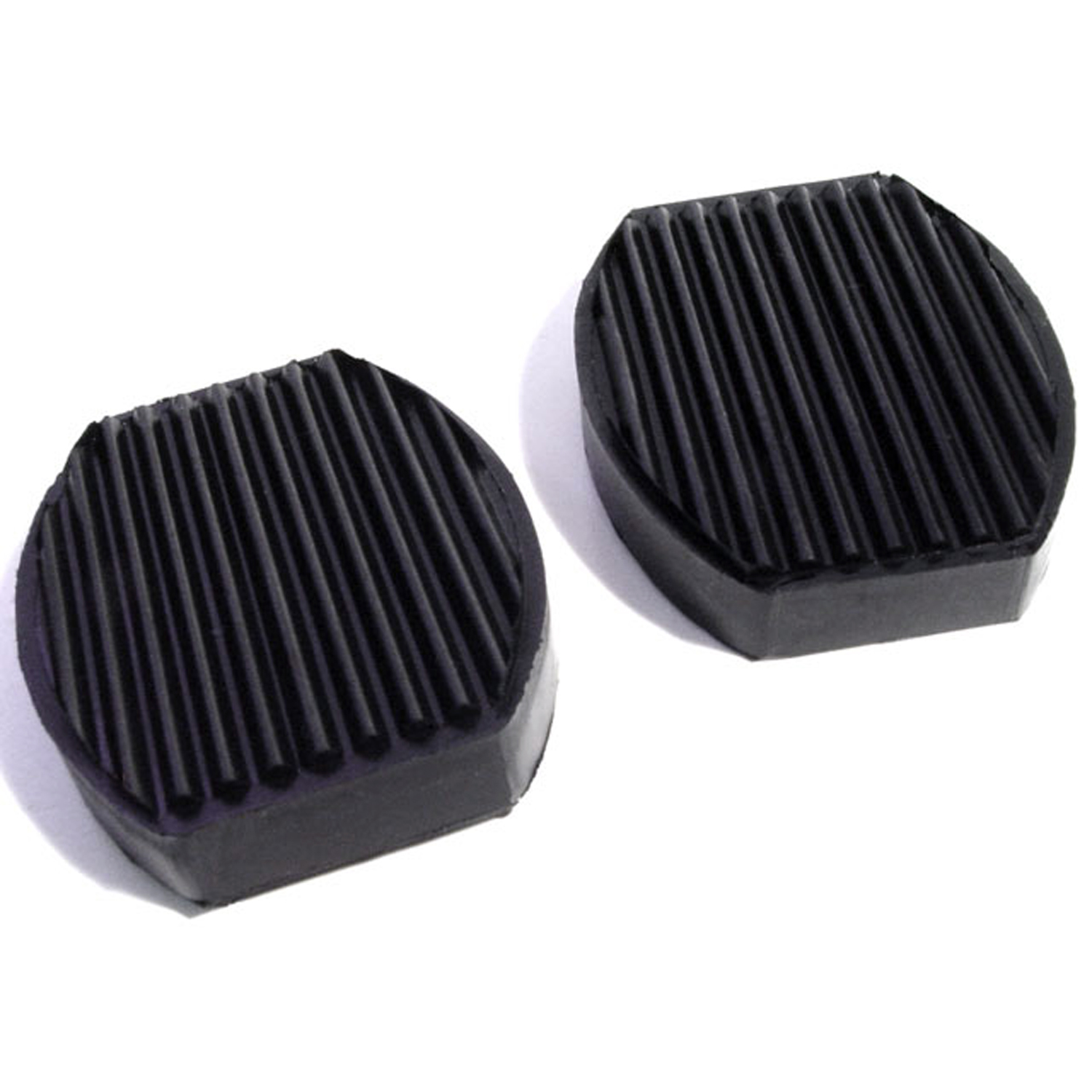 1948 Crosley Panel Delivery Clutch and Brake Pedal Pads. 2-5/16" wide X 2-3/4" long-CB 104Clutch and Brake Pedal Pads. 2-5/16" wide X 2-3/4" long. Pair
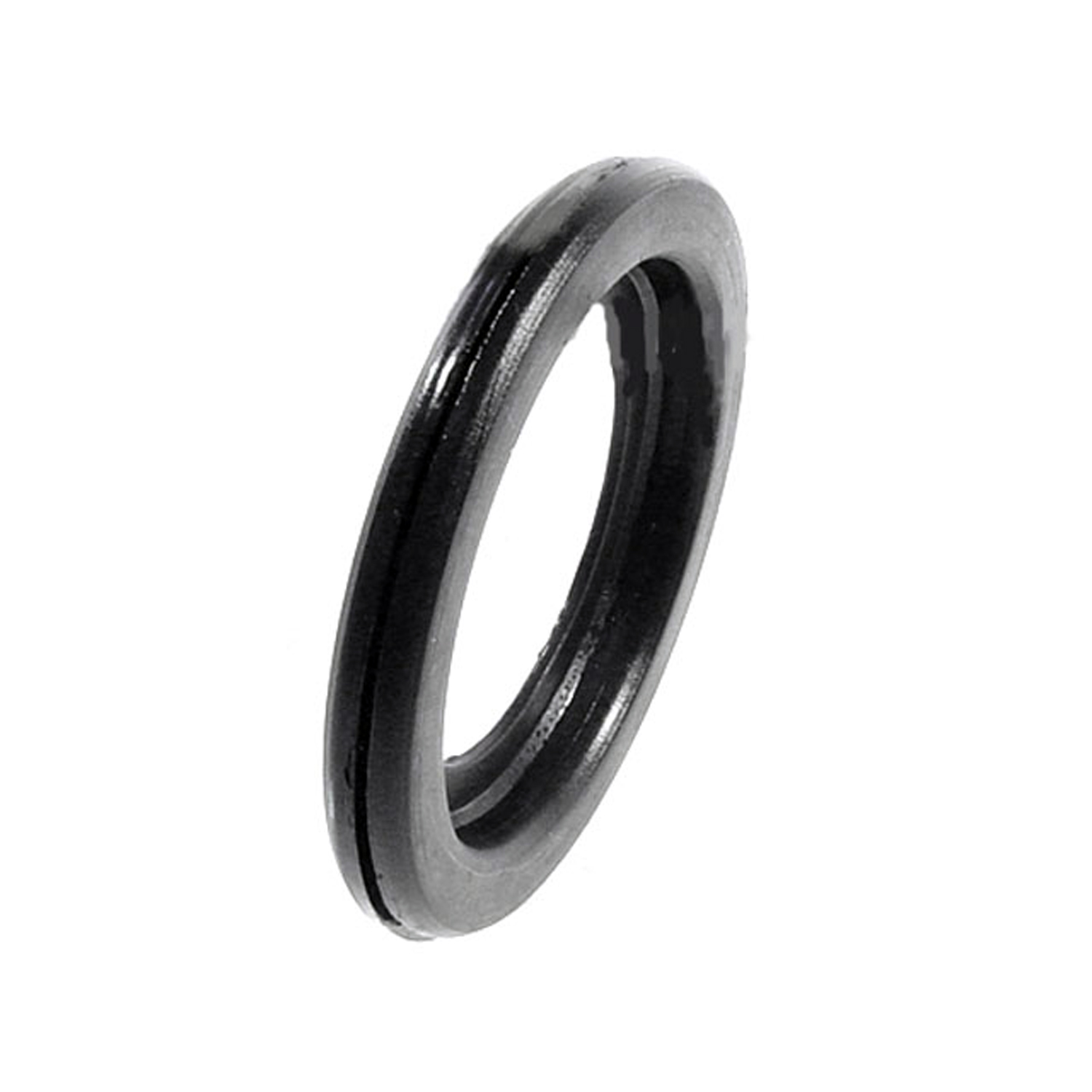 1948 Crosley Panel Delivery Gas Filler Grommet. Two used per car. 1-3/8" I.D-GF 33Gas Filler Grommet. Two used per car. 1-3/8" I.D., 2-3/8" O.D. Each
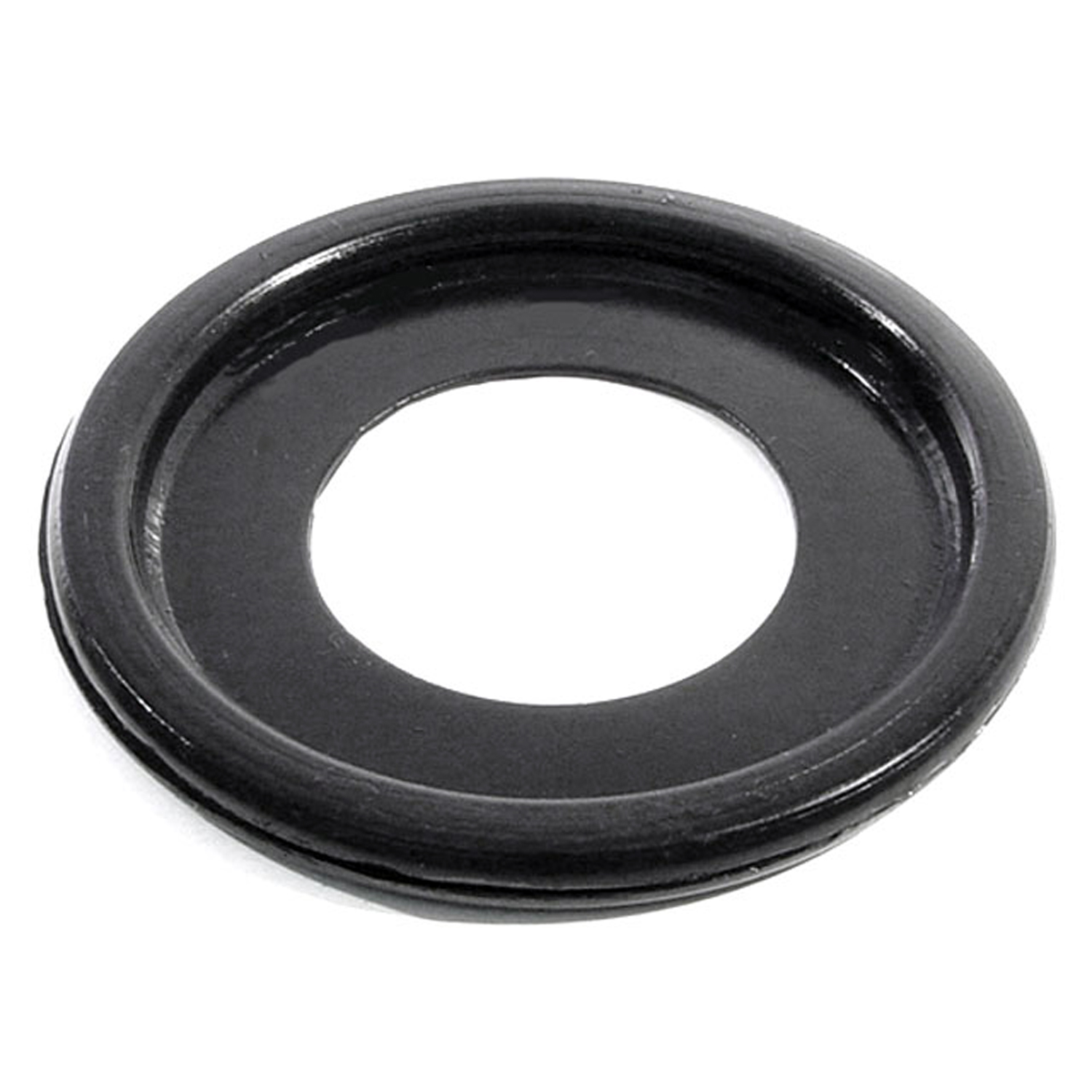 1948 Crosley Panel Delivery Gas Filler Grommet. 1-1/4" I.D., 2-11/16" O.D. Each-GF 34Gas Filler Grommet. 1-1/4" I.D., 2-11/16" O.D. Each
Why Choose Metro?
For over 100 years, Metro Moulded Parts has been the pinnacle of quality in classic car restoration parts. Our commitment to precision and authenticity in every component ensures a perfect fit and an OEM-level appearance.
- Expert Craftsmanship & Quality: Each part is a testament to our dedication to reliability and perfection, crafted from original designs and thoroughly tested.
- Advanced Technology: We use cutting-edge techniques to create flawless, long-lasting parts that surpass others in performance.
- SuperSoft Sponge – The Ultimate Door Seal: Not only are our door seals 30% softer than competitors', but they're also guaranteed to never leak. They effectively reduce wind and road noise, enhancing your classic car's comfort and driving experience.
- Proudly American: Our parts are a product of American craftsmanship, made in the USA with a spirit of excellence and heritage.
- Unrivaled Warranty: We back our products with a 30-year industry-leading warranty, a testament to our confidence in their quality.
Join us in preserving the legacy of classic cars with parts that are crafted for perfection, not just made.