

Image of 1951 Crosley Hot Shot, Note: These illustrations use artistic license and may differ from actual historical models.
Performance Metrics
Fundamental Metrics
Emotional Appeal
MMP Rating
| Engine Specifications | |
|---|---|
| Engine: | 44 cubic inch 4-cylinder |
| Displacement: | 44 cubic inches (approximately 0.7 liters) |
| Horsepower: | 26.5 horsepower |
| Torque: | 32 lb-ft |
| Compression Ratio: | 7.5:1 |
| Ignition System: | Battery Ignition |
| Cooling System: | Water-cooled |
| Performance Specifications | |
| 0-60 Time: | 19.3 seconds |
| 1/4 Mile Time: | Not available |
| Top Speed: | 75 mph |
| Transmission and Drive | |
| Drive Type: | Rear-wheel drive |
| Transmission Type: | 3-speed manual |
| Fuel and Efficiency | |
| Fuel System Type: | Carburetor |
| MPG: | 35 mpg |
| Dimensions and Brakes | |
| Brakes: | Hydraulic drum brakes |
| Wheelbase: | 85 inches |
| Weight: | 1,100 lbs |
Note: Specifications for classic cars are given to the best of our ability, considering the limited and variant data available.
1951 Crosley Hot Shot: America’s Tiny Sports-Car Trailblazer
The 1951 Crosley Hot Shot packed a distinctly European sports-car attitude into one of America’s smallest and most unusual postwar cars. Its maker, Crosley Motors, was the automotive venture of Cincinnati industrialist and radio entrepreneur Powel Crosley Jr., who set out to build compact, economical vehicles rather than follow Detroit’s trend toward ever-larger cars. The Hot Shot distilled that idea into a lightweight, two-seat roadster with a four-speed gearbox and an unexpectedly serious competition record.
Crosley had built cars before World War II and restarted production afterward, assembling vehicles in Richmond, Indiana. The Hot Shot arrived in 1949, when most American manufacturers were emphasizing chrome, comfort, and generous engine displacement. Its most startling historical footnote came in 1950: a Crosley Hot Shot won the first Sebring endurance race, a six-hour event. The victory showed that small size and modest power could be formidable when paired with low weight and nimble handling.
Compact Roadster Design
The Hot Shot looked less like a shrunken American sedan than a homemade racing special made ready for the road. Its upright nose, simple grille, separate fenders, exposed-looking wheels, and low, open cockpit gave it an elemental, purposeful appearance. Short overhangs and a compact body made the car seem almost toy-like beside contemporary full-size American cars, but its proportions were functional rather than decorative.
The basic Hot Shot was an open two-seater with no conventional doors, so occupants stepped over the body sides. That arrangement saved weight and reinforced the car’s sporting character, though it was hardly graceful in everyday clothes. Crosley also offered the related Super Sports, a more road-oriented version with doors and added convenience. The Hot Shot itself remains the most recognizable expression of Crosley’s minimalist sports-car idea.
Inside, the cabin was straightforward and close-fitting. Painted metal, simple instruments, and practical upholstery mattered more than polished wood or elaborate trim. The seats and cockpit were functional, but space was limited, and taller drivers could find the seating position snug. Equipment and upholstery details could vary, so surviving cars do not all present exactly the same interior.
Paint choices varied by model year and individual car. Crosleys appeared in bright, cheerful colors as well as more restrained shades, with red and yellow among the hues often associated with the Hot Shot’s sporting personality. Original paint, trim, and accessories can differ from car to car, so restorers and buyers should verify a specific vehicle’s factory configuration rather than assume every 1951 example shared one standard palette.
Small-Car Engineering With Big Ideas
The Hot Shot’s engine was a Crosley four-cylinder of about 44 cubic inches, or 724 cc, producing roughly 26.5 horsepower in its later cast-iron form. By 1951, Crosley had moved away from its earlier copper-brazed steel-block design, known as CoBra, to the cast-iron CIBA engine. The change addressed durability concerns associated with the earlier construction. A four-speed manual transmission was another unusual asset in a period when three-speed gearboxes were common in American passenger cars.
Brakes were another chapter in Crosley’s engineering story. The company introduced compact disc brakes on some 1949 models, an exceptionally early application for an American production car. Those early units could suffer from corrosion and maintenance problems, and Crosley moved back to drum brakes. A 1951 Hot Shot should not automatically be assumed to have the early disc system; check the individual car’s equipment and history.
That willingness to experiment is part of the Hot Shot’s lasting importance. Crosley worked at a scale where low weight, compact components, and mechanical simplicity were central design concerns. The car did not overturn the American market, but it anticipated ideas that became familiar in later small sports cars: modest power, a light chassis, a close-ratio-feeling gearbox, and handling that rewarded momentum rather than brute force.
Performance and Road Feel
With about 26.5 horsepower moving a car that weighed roughly 1,100 pounds, the Hot Shot was lively for its size, but it was not a modern quick car. Period gearing, engine condition, tires, and weather all affect performance. As a general estimate, a sound example may reach around 70 to 80 mph, while acceleration from 0 to 60 mph is likely to take roughly 20 to 30 seconds. Those figures are best treated as broad estimates, not guaranteed factory test results.
The Hot Shot’s strengths emerge on winding roads. Its short wheelbase, light weight, and compact footprint make it feel eager to change direction, and the four-speed manual gives the driver more involvement than many contemporaries offered. It is happiest when kept in its power band and carried smoothly through corners. On rough pavement, the short chassis and basic suspension transmit bumps directly to the occupants. Crosswinds and passing trucks can also be more noticeable than in a heavier car, so the driver needs to stay attentive.
Behind the wheel, the experience is mechanical and immediate. The small engine works audibly, the gear changes are part of the fun, and the open cockpit puts the sound of the road close at hand. There is little insulation or modern refinement to soften the experience. That is precisely the appeal for many enthusiasts: the Hot Shot feels like a compact sporting machine rather than a conventional American car with its roof removed.
Ownership, Maintenance, and Reliability
Today, most Hot Shots are weekend cars, show vehicles, vintage-racing participants, or treasured additions to Crosley collections rather than daily transportation. Their small size can make them easy to store and maneuver, but their open construction offers little protection from weather, and modern traffic can make their modest power and light weight feel demanding.
Mechanical simplicity is a real advantage. A knowledgeable home mechanic can service many components without the specialized equipment required by a modern car. However, age, previous repairs, and the limited supply of certain Crosley-specific parts can complicate restoration. Buyers should inspect the engine carefully, confirm which block is fitted, and pay close attention to brakes, steering, suspension, wiring, and body condition. A car that has been maintained by an experienced Crosley specialist is generally a more appealing prospect than a neglected project that merely appears complete.
Racing History and Crosley Trivia
The Hot Shot’s Sebring success is the headline fact: a tiny Crosley won the 1950 six-hour race that preceded the famous 12-hour endurance event. It was a striking result against far larger machinery and helped establish the model’s sporting reputation. The car’s low mass and efficient use of its available power mattered more than headline horsepower in that contest.
Crosley also stood out for bringing early disc-brake technology to American production cars, even though the first system proved troublesome in service. That mix of bold experimentation and practical growing pains is a recurring theme in the company’s history. Crosley’s small cars attracted devoted fans, but they also faced familiar criticisms: cramped accommodations, limited power, minimal weather protection, and concerns about early engine durability.
There is no widely recognized celebrity-owner story that defines the 1951 Hot Shot, and its strongest claim to fame is its motorsport achievement rather than a record-breaking top speed or mass-market sales milestone. Its endurance-racing victory remains the more meaningful distinction, especially because it came from a manufacturer working on a fraction of the scale of Detroit’s giants.
Collector Values and Availability
Exact production figures for individual Hot Shot model years are difficult to establish consistently. A reasonable estimate is that roughly 2,500 Hot Shots were built across the model’s 1949–1952 run, with the 1951 total only a portion of that number. Surviving cars are uncommon, and complete, well-restored examples are less frequently encountered than projects or cars with a mixture of original and replacement parts.
As a broad 2026 U.S. market estimate, a project or incomplete car might sell for about $5,000 to $12,000. A usable driver could fall around $12,000 to $25,000, while a well-restored example may bring approximately $25,000 to $40,000 or more. Exceptional cars with strong provenance, rare details, or high-quality restoration can exceed that range. Condition, originality, documentation, and the quality of the mechanical work matter more than a single price guide figure.
The Hot Shot occupies a specialist corner of the collector market. Interest in microcars, early sports cars, and unusual American engineering gives it a durable audience, and good examples have generally held appeal better than ordinary economy cars of the same era. Values can still fluctuate, and restoration costs may outpace the eventual sale price. For buyers, the best strategy is to purchase the soundest car they can afford rather than assume a rough example will be inexpensive to bring back.
Why the 1951 Hot Shot Still Matters
The 1951 Crosley Hot Shot combined tiny dimensions, innovative engineering, hands-on driving, and a genuine endurance-racing triumph in a package unlike anything else in the American market. It was not luxurious, fast by modern standards, or effortless to own, but it challenged the belief that a serious sports car needed a large engine and a large footprint.
More than seven decades later, the Hot Shot remains a vivid reminder that clever engineering and a fearless idea can leave a lasting mark. Its greatest achievement was not simply being small. It was proving, at Sebring and on the road, that small could be thrilling.
1951 Crosley Hot Shot Catalog of Parts
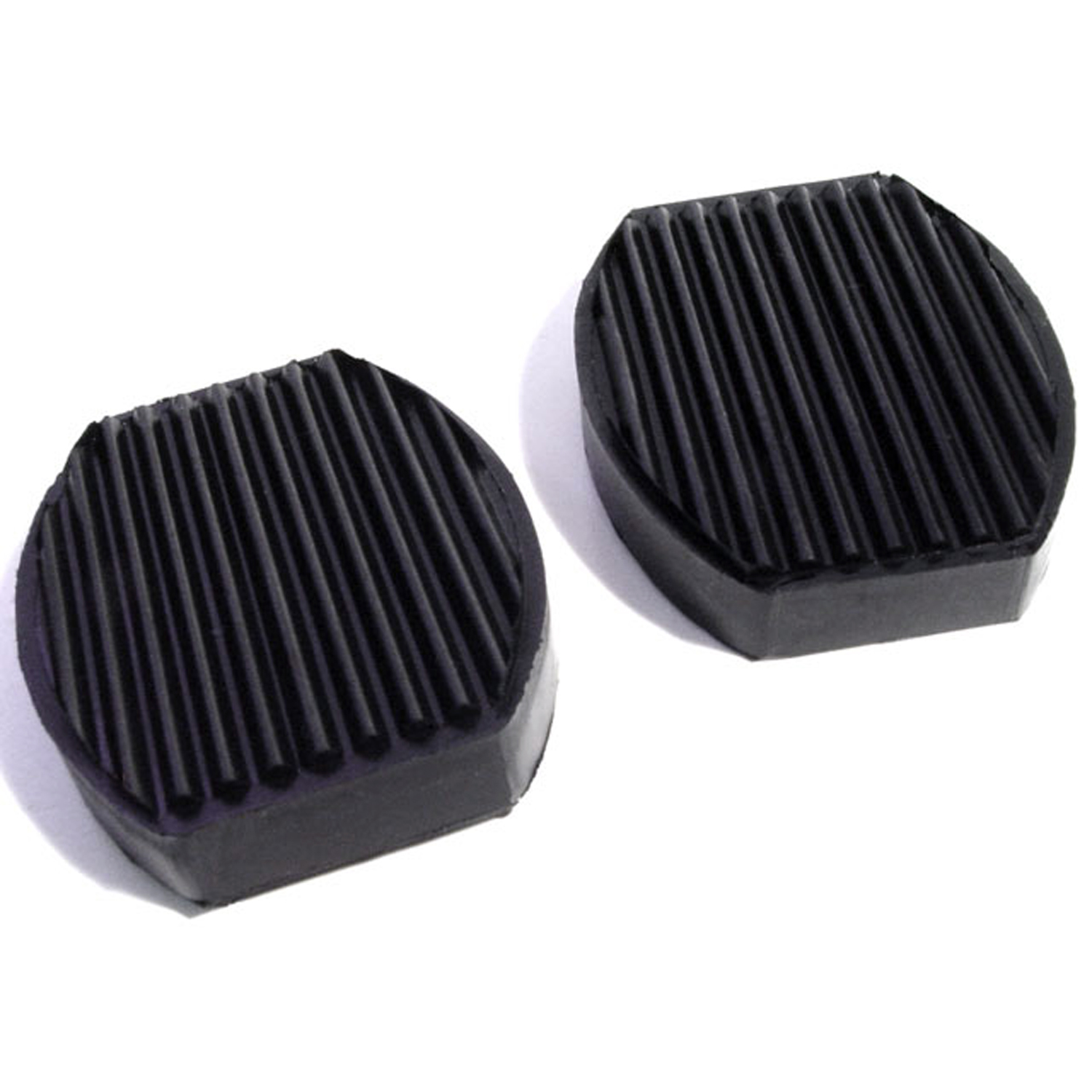 1951 Crosley Hot Shot Clutch and Brake Pedal Pads. 2-5/16" wide X 2-3/4" long-CB 104Clutch and Brake Pedal Pads. 2-5/16" wide X 2-3/4" long. Pair
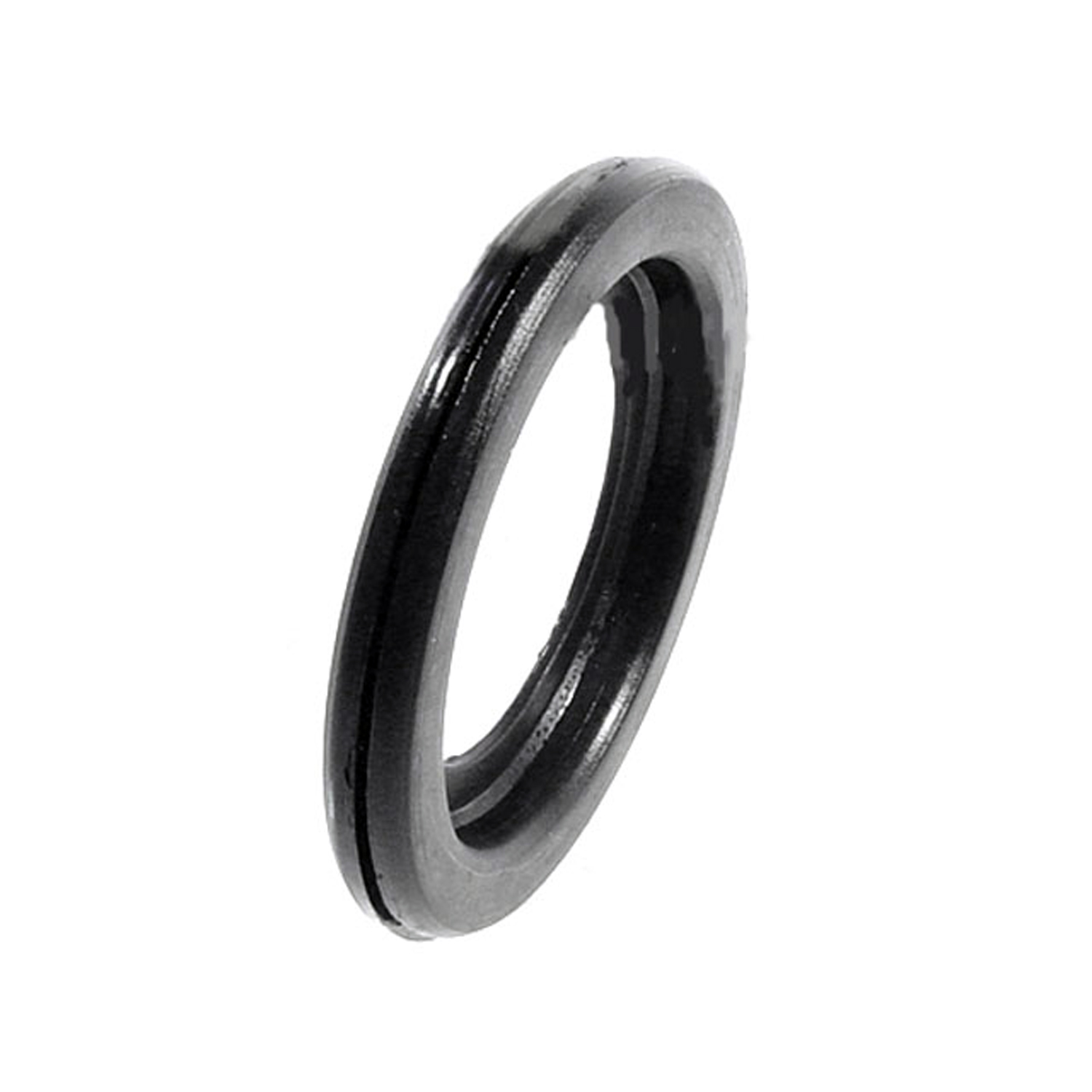 1951 Crosley Hot Shot Gas Filler Grommet. Two used per car. 1-3/8" I.D-GF 33Gas Filler Grommet. Two used per car. 1-3/8" I.D., 2-3/8" O.D. Each
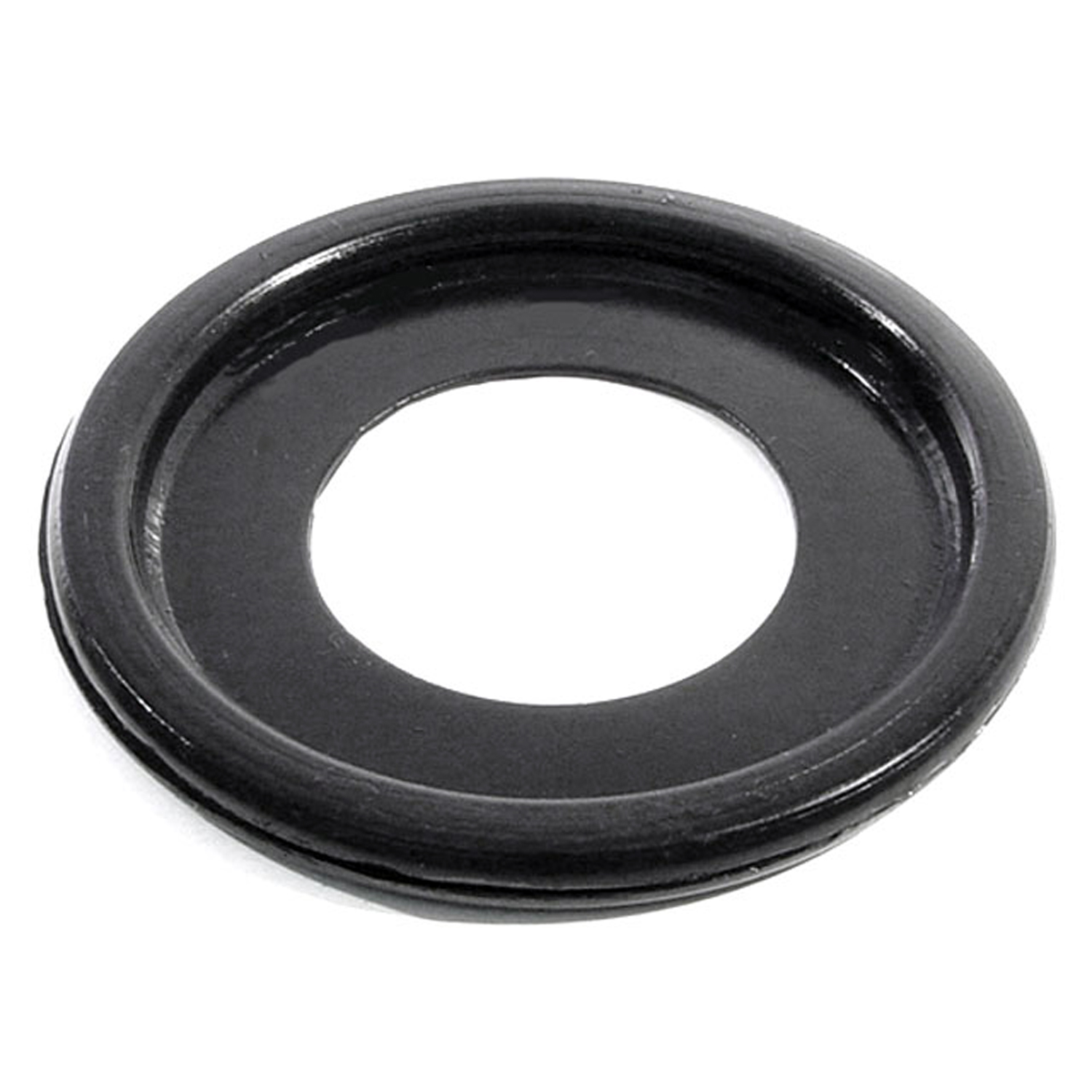 1951 Crosley Hot Shot Gas Filler Grommet. 1-1/4" I.D., 2-11/16" O.D. Each-GF 34Gas Filler Grommet. 1-1/4" I.D., 2-11/16" O.D. Each
Why Choose Metro?
For over 100 years, Metro Moulded Parts has been the pinnacle of quality in classic car restoration parts. Our commitment to precision and authenticity in every component ensures a perfect fit and an OEM-level appearance.
- Expert Craftsmanship & Quality: Each part is a testament to our dedication to reliability and perfection, crafted from original designs and thoroughly tested.
- Advanced Technology: We use cutting-edge techniques to create flawless, long-lasting parts that surpass others in performance.
- SuperSoft Sponge – The Ultimate Door Seal: Not only are our door seals 30% softer than competitors', but they're also guaranteed to never leak. They effectively reduce wind and road noise, enhancing your classic car's comfort and driving experience.
- Proudly American: Our parts are a product of American craftsmanship, made in the USA with a spirit of excellence and heritage.
- Unrivaled Warranty: We back our products with a 30-year industry-leading warranty, a testament to our confidence in their quality.
Join us in preserving the legacy of classic cars with parts that are crafted for perfection, not just made.