

Image of 1951 Crosley Standard, Note: These illustrations use artistic license and may differ from actual historical models.
Performance Metrics
Fundamental Metrics
Emotional Appeal
MMP Rating
| Engine Specifications | |
|---|---|
| Engine: | 4-cylinder |
| Displacement: | 44 cubic inches |
| Horsepower: | Estimated 26.5 horsepower |
| Torque: | 32 lb-ft |
| Compression Ratio: | Estimated 7.0:1 |
| Ignition System: | Battery Ignition |
| Cooling System: | Water-cooled |
| Performance Specifications | |
| 0-60 Time: | Not available due to the vehicle's age and limited performance data |
| 1/4 Mile Time: | Not available due to the vehicle's age and limited performance data |
| Top Speed: | 50 mph |
| Transmission and Drive | |
| Drive Type: | Rear-wheel drive |
| Transmission Type: | 3-speed manual |
| Fuel and Efficiency | |
| Fuel System Type: | Carburetor |
| MPG: | Estimated 35 mpg |
| Dimensions and Brakes | |
| Brakes: | Hydraulic drum brakes |
| Wheelbase: | 80 inches |
| Weight: | 1,100 lbs |
Note: Specifications for classic cars are given to the best of our ability, considering the limited and variant data available.
1951 Crosley Standard: America’s Small-Car Original
The 1951 Crosley Standard made a bold case for doing more with less: it was a genuinely small American car in an era when most new cars seemed to be growing longer, heavier, and more imposing. Built by Crosley Motors, the automobile division founded by Cincinnati industrialist and broadcasting pioneer Powel Crosley Jr., the Standard was an economical two-door sedan with a distinctive little engine and a personality far bigger than its footprint.
Crosley had started building cars before World War II, then returned to civilian production in 1946. Its postwar cars offered a practical alternative to full-size American sedans, with compact dimensions, modest fuel consumption, and straightforward mechanicals. One surprising chapter in the company’s story came through its sports models: a Crosley Hotshot won the inaugural 1950 Sebring race. The Standard was the sensible family member of the range, but it shared the same engineering spirit.
Small-Car Styling and Simple Comfort
The Standard’s styling was unmistakably early postwar, but scaled down. Rounded fenders flowed into a narrow body, a modest grille gave the nose a friendly face, and bright trim added a little polish without disguising the car’s practical purpose. Its compact proportions were striking beside the broad, chrome-heavy sedans then dominating American roads. With a wheelbase of about 85 inches, it was short enough to feel nimble in tight streets and garages.
Inside, the Standard favored function over luxury. The cabin used painted metal surfaces, simple door trim, basic instrumentation, and practical cloth or vinyl upholstery, depending on specification and restoration. There was little of the plush padding and decorative excess found in larger cars. The front seats were reasonably accommodating for a small sedan, while the rear seat and luggage space reflected the car’s tight dimensions. Owners looking at one today should expect a charmingly straightforward interior, not full-size-car comfort.
Period color choices varied by model year and availability, but Crosleys appeared in a range of solid colors, including red, blue, green, gray, and darker tones. Bright colors suited the car’s cheerful shape, while more restrained shades emphasized its tidy, businesslike character. Original paint codes and surviving factory records are worth checking before planning a concours-quality repaint.
The Standard sedan was part of a wider Crosley family that included station wagons, convertibles, commercial vehicles, and sporty models such as the Hotshot and Super Sports. The sedan was the familiar, practical choice; the wagon became one of the most recognizable Crosley body styles, while the Hotshot earned the company its racing headlines. Equipment and trim varied, so a car advertised as a “Standard” should be checked against its body tag and period documentation.
Engineering That Took a Different Road
The Crosley’s most distinctive feature was under the hood. Its 44-cubic-inch, four-cylinder engine was tiny by American standards, yet it used an overhead-camshaft layout at a time when that technology was unusual in affordable U.S. cars. In its later cast-iron form, the engine produced roughly 26.5 horsepower. Crosley had previously used an innovative copper-brazed steel engine block, but concerns about corrosion and coolant-related problems led the company to switch to cast iron by 1950. A 1951 Standard therefore belongs to the improved cast-iron-engine era.
Power went to the rear wheels through a three-speed manual transmission. The formula was simple: keep the car light, keep the engine economical, and avoid carrying the weight of unnecessary equipment. Crosley’s work helped demonstrate that a small American car could be designed around efficiency rather than merely being a scaled-down version of a full-size sedan.
Crosley also made history with four-wheel disc brakes, introduced on some of its models in 1949. The system was an important early American production-car application, but it was not standard equipment on the 1951 Standard. The regular sedan used conventional drum brakes. Crosley’s disc-brake experiment was technologically ambitious, though early materials and operating conditions could make the brakes troublesome. The idea itself was ahead of its time and would later become standard practice across the industry.
Performance and Road Manners
A healthy 1951 Crosley Standard could reach roughly 60 to 65 mph, depending on condition, gearing, load, and tune. Acceleration was leisurely: modern estimates commonly put 0-to-60 mph in the neighborhood of 30 to 35 seconds, and some examples may struggle to reach that speed comfortably. Those figures are best understood as estimates rather than precise factory test results. The Standard was built for economical local travel, not fast highway merging.
At moderate speeds, the car’s light weight and short dimensions make it feel alert. It is easy to place on a narrow road and simple to maneuver into a parking space. The trade-off is a short wheelbase and a narrow track, which can make broken pavement feel pronounced and crosswinds more noticeable than they would in a heavy sedan. On winding roads, careful steering and sensible speeds are part of the fun. The Crosley rewards a relaxed driver who enjoys momentum and mechanical connection rather than horsepower.
From behind the wheel, expect the engine to sound busy when asked to keep pace with modern traffic. The manual gearbox makes the driver an active participant, and the small engine’s modest output encourages early planning for hills and passing. The ride is firm by modern standards, and the cabin is compact, but that direct, uncomplicated feel is central to the Crosley experience.
Living With a Crosley Standard
In its day, the Standard made sense as an economical commuter, a second household car, or a practical runabout. Today, most examples are enjoyed as show cars, local-event favorites, and occasional-use classics. A well-sorted car can handle short drives and relaxed outings, but it is not an ideal choice for routine high-speed highway use in modern traffic.
Routine maintenance is approachable for an owner comfortable with older cars. The engine bay is compact, and many basic jobs involve familiar service items such as ignition parts, belts, hoses, fluids, and brake components. The main challenge is not necessarily complexity but sourcing the correct Crosley-specific parts and finding specialists who know the engine and running gear. Before buying, inspect the engine carefully, confirm that it has the correct cast-iron block for a 1951 car, and check the cooling system, brakes, steering, tires, and electrical wiring.
Reliability depends heavily on upkeep and correct parts. A neglected Crosley can become a parts-hunting project, while a carefully restored one can be an engaging and dependable local driver. Given its age and modest performance, regular mechanical checks and conservative driving are essential.
Crosley Trivia and Lasting Milestones
The Crosley story has a remarkable motorsports footnote. A Hotshot, not a Standard sedan, took the overall victory at the inaugural 1950 Sebring endurance race, helping put the small manufacturer on the map among sports-car enthusiasts. The result showed that low weight and clever engineering could challenge expectations, even when the engine was tiny compared with many competitors.
The four-wheel disc brakes offered on certain Crosley models are another notable milestone. They were an unusually early feature for an American production car, though their shortcomings in period use illustrate how pioneering technology often needs more development before it becomes widely practical. The Standard itself was more conventional in its braking equipment, but it came from the same company willing to experiment.
There is no widely recognized celebrity ownership story or singular historical-event appearance attached specifically to the 1951 Standard. Its distinction is more representative: it stood for a different idea of postwar motoring, one based on compact size and economy rather than ever-larger cars. A common criticism is that Crosleys were too small and underpowered for American tastes. That reaction helps explain why they remained a niche choice, even as their fuel economy and clever packaging made them appealing to devoted owners.
Collector Value and Rarity
Exact production figures for the 1951 Standard sedan are difficult to pin down, and published totals may group body styles or model variations differently. A reasonable broad estimate is that Crosley production for 1951 was in the low thousands across the entire range, with the Standard sedan representing only part of that total. Across its automotive years, Crosley produced roughly 84,000 vehicles, a modest number beside the major American manufacturers.
As a guide to today’s market, a project or incomplete Standard might sell for around $2,000 to $7,000. A running, usable example could fall roughly between $7,000 and $15,000, while a high-quality restoration may reach about $15,000 to $25,000 or more. These are broad estimates, not appraisals: originality, rust, completeness, mechanical condition, and the quality of restoration all matter. Exceptional Crosley models and particularly desirable body styles may sell for more.
The Standard occupies a specialized corner of the collector market. It is rare enough to attract interest from small-car and Crosley enthusiasts, but it generally does not command the prices of more famous postwar sports cars. Values have tended to depend on condition and the enthusiasm of a relatively small collector community. Well-restored examples have the best chance of holding value, while incomplete cars can be costly to finish because parts availability is limited.
A Small Car With a Big Idea
The 1951 Crosley Standard was not built to win a horsepower contest. It offered compact dimensions, an unusual overhead-cam engine, economical transportation, and a refreshing alternative to the oversized cars of its era. Its modest performance and tight cabin are part of the story, but so are Crosley’s technical ambition and the remarkable racing achievements of the wider model range.
Today, the Standard is a reminder that American automotive history was never only about big engines and big cars. Sometimes the most memorable ideas came in a very small package.
1951 Crosley Standard Catalog of Parts
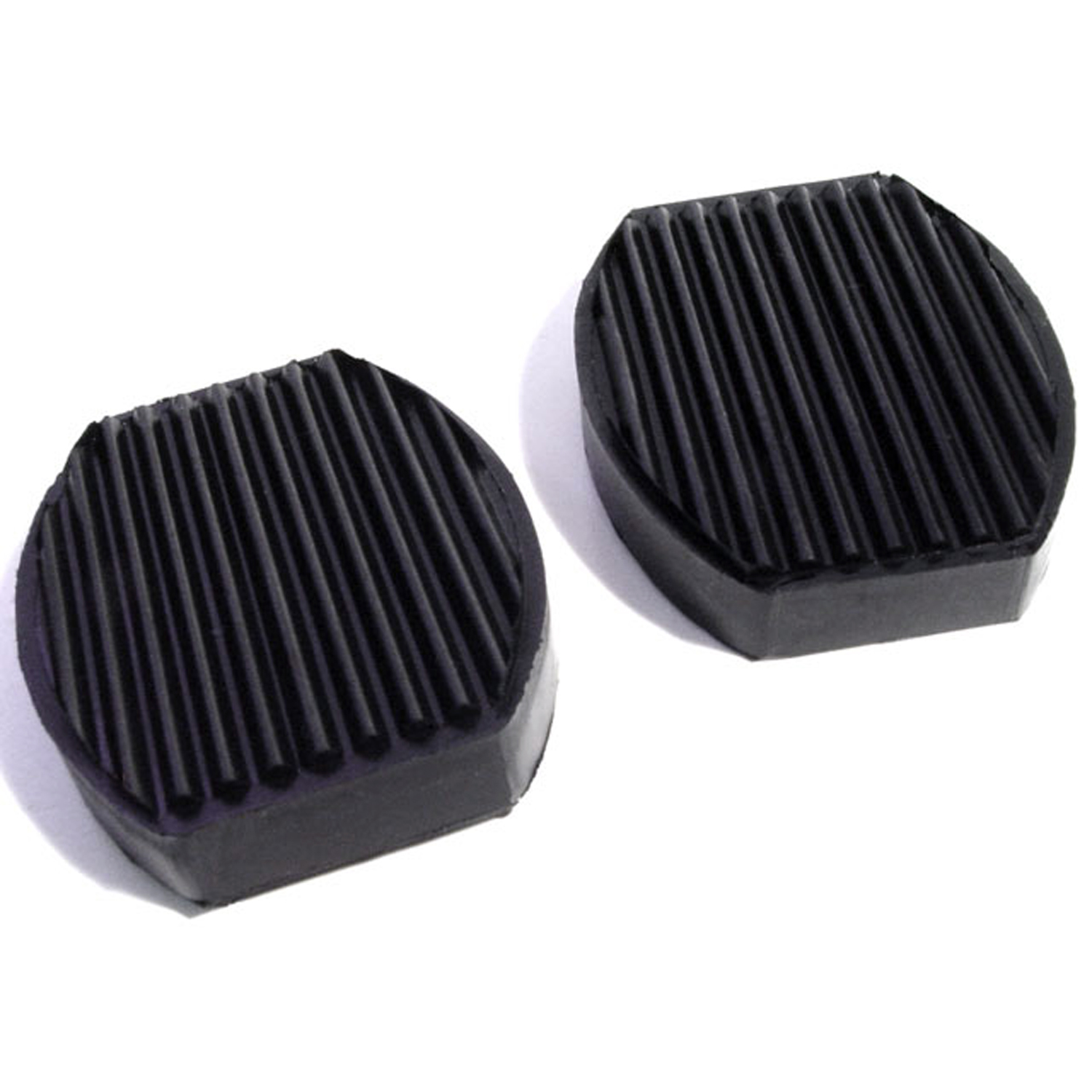 1951 Crosley Standard Clutch and Brake Pedal Pads. 2-5/16" wide X 2-3/4" long-CB 104Clutch and Brake Pedal Pads. 2-5/16" wide X 2-3/4" long. Pair
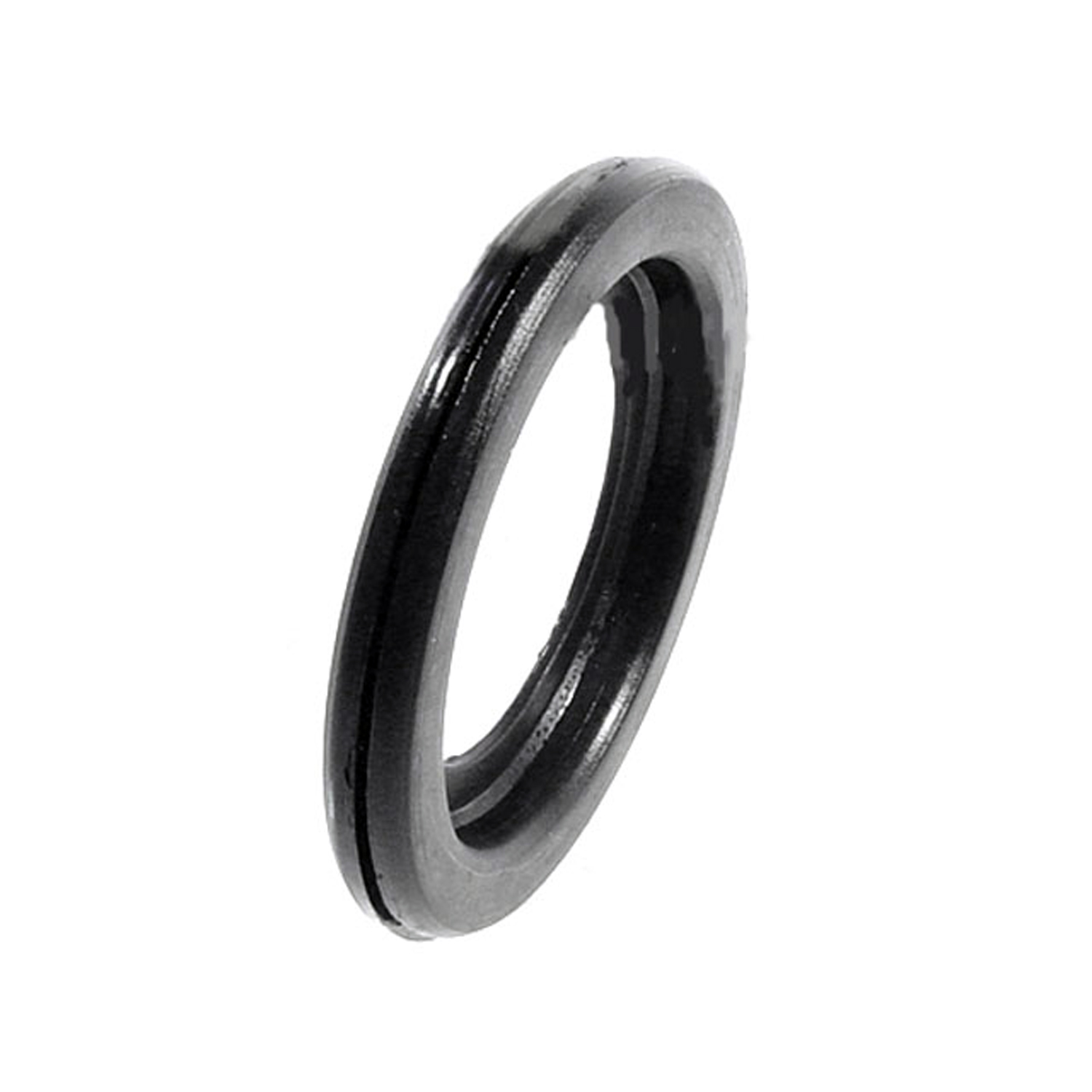 1951 Crosley Standard Gas Filler Grommet. Two used per car. 1-3/8" I.D-GF 33Gas Filler Grommet. Two used per car. 1-3/8" I.D., 2-3/8" O.D. Each
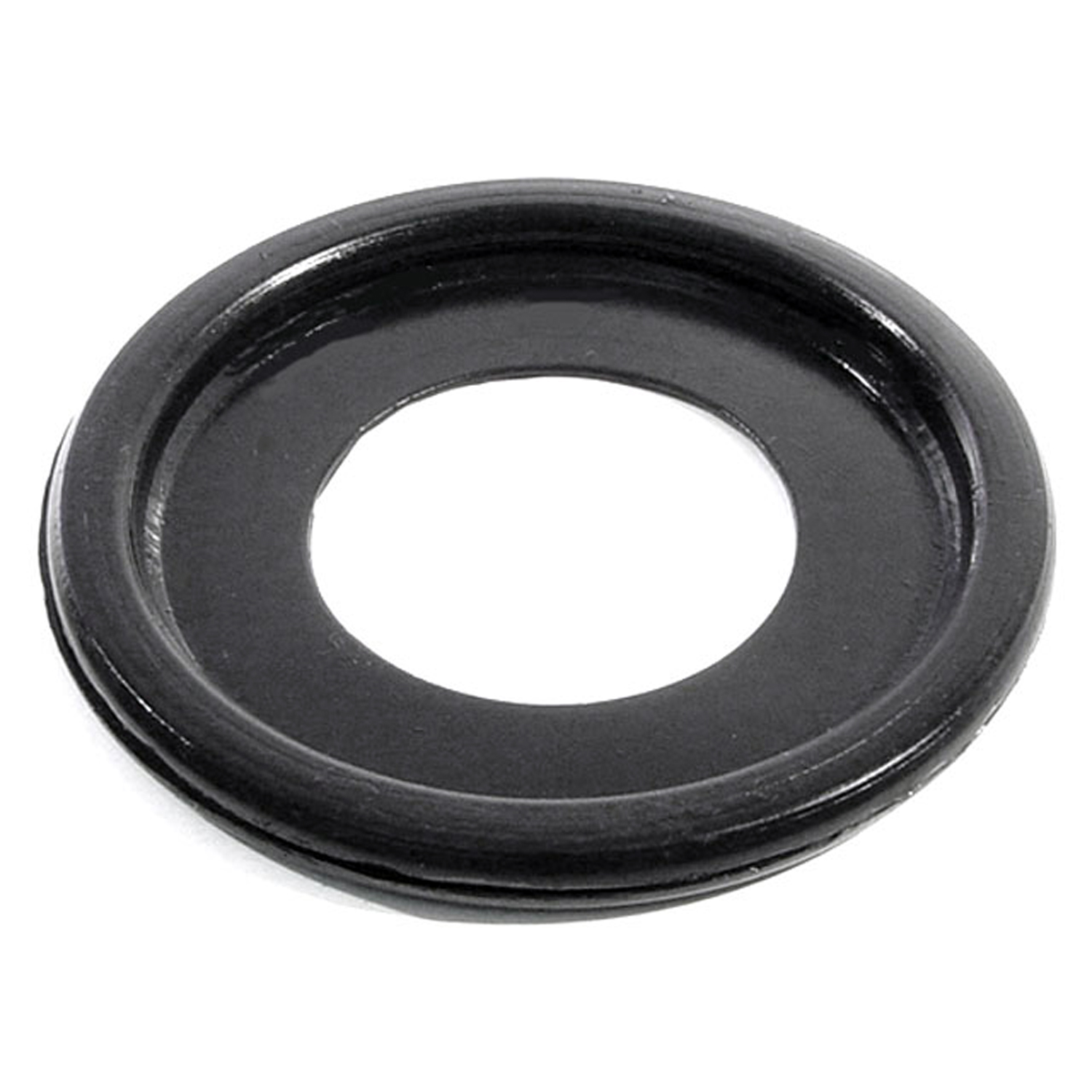 1951 Crosley Standard Gas Filler Grommet. 1-1/4" I.D., 2-11/16" O.D. Each-GF 34Gas Filler Grommet. 1-1/4" I.D., 2-11/16" O.D. Each
Why Choose Metro?
For over 100 years, Metro Moulded Parts has been the pinnacle of quality in classic car restoration parts. Our commitment to precision and authenticity in every component ensures a perfect fit and an OEM-level appearance.
- Expert Craftsmanship & Quality: Each part is a testament to our dedication to reliability and perfection, crafted from original designs and thoroughly tested.
- Advanced Technology: We use cutting-edge techniques to create flawless, long-lasting parts that surpass others in performance.
- SuperSoft Sponge – The Ultimate Door Seal: Not only are our door seals 30% softer than competitors', but they're also guaranteed to never leak. They effectively reduce wind and road noise, enhancing your classic car's comfort and driving experience.
- Proudly American: Our parts are a product of American craftsmanship, made in the USA with a spirit of excellence and heritage.
- Unrivaled Warranty: We back our products with a 30-year industry-leading warranty, a testament to our confidence in their quality.
Join us in preserving the legacy of classic cars with parts that are crafted for perfection, not just made.