

Image of 1951 Crosley Super, Note: These illustrations use artistic license and may differ from actual historical models.
Performance Metrics
Fundamental Metrics
Emotional Appeal
MMP Rating
| Engine Specifications | |
|---|---|
| Engine: | 4-cylinder |
| Displacement: | 44 cubic inches (approximately 0.7 liters) |
| Horsepower: | 26.5 horsepower |
| Torque: | 32 lb-ft |
| Compression Ratio: | 7.5:1 |
| Ignition System: | Battery Ignition |
| Cooling System: | Water-cooled |
| Performance Specifications | |
| 0-60 Time: | 30 seconds |
| 1/4 Mile Time: | Not available |
| Top Speed: | 50 mph |
| Transmission and Drive | |
| Drive Type: | Rear-wheel drive |
| Transmission Type: | 3-speed manual |
| Fuel and Efficiency | |
| Fuel System Type: | Carburetor |
| MPG: | 35 mpg |
| Dimensions and Brakes | |
| Brakes: | Hydraulic drum brakes |
| Wheelbase: | 80 inches |
| Weight: | 1,100 lbs |
Note: Specifications for classic cars are given to the best of our ability, considering the limited and variant data available.
1951 Crosley Super: A Small Car with Big Ideas
The 1951 Crosley Super packed postwar ingenuity into a car scarcely longer than some modern compact cars are wide. Built by Crosley Motors of Cincinnati, Ohio, it came from the mind of industrialist Powel Crosley Jr., whose earlier successes included radios, refrigerators, and other consumer products. His car company had introduced its first tiny automobiles in 1939, then returned to car production after World War II with an ambitious idea: offer Americans inexpensive, economical transportation in a remarkably compact package.
The Super was one of Crosley’s better-equipped passenger-car offerings for 1951. It was still simple and lightweight, but it gave buyers a choice of practical body styles and features beyond the bare essentials. Its most intriguing claim to fame is part of the Crosley story more broadly: the company was an early adopter of four-wheel disc brakes on some models, years before the technology became commonplace. Those early brakes proved troublesome in everyday conditions, but they showed just how willing Crosley was to experiment.
Small-Car Styling and Super Trim
The Crosley Super wore upright, compact proportions that looked distinctly different from the broad, chrome-heavy American sedans of the early 1950s. Its narrow body, short hood, near-vertical windshield, and tall roof made the most of a very small footprint. A simple grille and restrained brightwork kept the appearance tidy rather than flashy. The result was a car with a purposeful, almost European look, even though it was designed and built in the United States.
Inside, the Super was practical rather than luxurious. The cabin made efficient use of its limited space, with straightforward controls and durable upholstery intended for everyday use. Buyers should not expect the plush carpeting, generous sound insulation, or extensive chrome trim found in larger American cars. Crosley’s priorities were low weight, low cost, and useful transportation. Interior materials and appointments could vary by body style and equipment, and many surviving cars have since been retrimmed or modified.
Period paint choices varied, but Crosleys could be found in familiar colors such as red, blue, green, black, and lighter neutral shades. Bright colors suited the little car’s cheerful personality, while darker or more subdued finishes gave it a more conventional appearance. Original paint is not always easy to verify on an old Crosley, so buyers interested in authenticity should check factory records, surviving paint traces, and marque-club resources.
The 1951 Super line was offered in compact passenger-car body styles that included a two-door sedan and a station wagon, with convertible versions also associated with the broader Crosley passenger-car range. The sedan is the straightforward choice for anyone seeking the classic little Crosley profile. The wagon, with its useful cargo space and miniature utility-car character, is especially memorable. Availability and model naming can differ across catalogs and surviving cars, so it is wise to confirm a specific vehicle’s original configuration by its serial number and documentation.
Engineering Ahead of Its Size
At the heart of the 1951 Crosley Super was a 44-cubic-inch (about 724 cc) four-cylinder engine. Earlier postwar Crosleys used the distinctive CoBra, a copper-brazed steel engine. By 1949, Crosley had switched to a cast-iron design, commonly known as the CIBA engine. The overhead-cam four-cylinder produced approximately 26.5 horsepower, an impressive output for such a small engine in its day.
The engine’s compact design helped keep the car light and efficient. Power went to the rear wheels through a manual transmission, with a conventional, no-frills layout that was comparatively easy to understand and service. The Super also reflected a practical approach to automotive design: small dimensions, modest power, and a lightweight body could deliver useful transportation without the fuel appetite or purchase price of a full-size sedan.
Crosley’s disc-brake experiment deserves a little context. The company offered small four-wheel disc brakes on certain models beginning in the late 1940s, a striking innovation for the era. Early versions could suffer from corrosion and inconsistent performance, particularly in wet or salty conditions. Crosley moved many passenger models back to drum brakes, while the Hotshot sports car remained closely associated with the disc-brake system. It is a fascinating Crosley engineering footnote, but buyers should not assume every 1951 Super came with disc brakes.
What a 1951 Crosley Super Is Like to Drive
With roughly 26.5 horsepower and a lightweight body, the Crosley Super was built for economy, not rapid acceleration. Period road-test figures and modern estimates vary with condition, gearing, tires, and body style, but a healthy example may reach around 60 to 65 mph under favorable conditions. A 0-to-60-mph run is a much longer affair than in a modern car, often taking well over 20 seconds and potentially closer to 30 seconds. These are estimates, not guaranteed factory figures.
On a quiet road, the Crosley’s small engine works audibly and enthusiastically. Expect a busy, mechanical four-cylinder note rather than the muted rumble of a large American V8. The driver changes gears frequently and plans overtakes carefully. At its best, the Super feels lively at modest speeds because there is so little car for the engine to move. It is most comfortable on local roads and at the pace of its time, not in fast-moving modern traffic.
The short wheelbase and light weight make the Crosley easy to maneuver and park. They also mean that rough pavement can feel abrupt, and crosswinds or passing trucks may have more influence than they would on a heavier car. On winding roads, the Super’s modest speed and compact footprint encourage a relaxed, attentive style of driving. Steering and ride characteristics depend heavily on the condition of the suspension, tires, and steering components on an individual car.
Living with a Crosley Super
Today, most 1951 Crosley Supers are enjoyed as show cars, local-event cars, or occasional weekend drivers. A well-sorted example can take part in parades and regional tours, but its limited speed and small size make careful route selection essential. It is not an ideal match for high-speed highways or daily commuting in heavy traffic.
Basic mechanical work is approachable for an owner with traditional repair skills. The car’s simple layout and small engine can make routine service less intimidating than work on a modern vehicle. However, “simple” does not mean that every part is easy to find. Engine components, trim, glass, and body-specific pieces may require patience, specialist knowledge, or help from Crosley clubs and parts suppliers. Some owners also adapt or reproduce parts, so originality and serviceability can vary from car to car.
As with any Crosley, careful inspection matters. Check the engine’s condition and oiling system, look for cooling problems, inspect the brakes and suspension, and examine the body and frame for corrosion or previous repairs. A car that has been stored for years may need extensive recommissioning even if it looks complete. A marque specialist can help distinguish a sound restoration project from one with costly hidden problems.
Crosley Trivia and the Racing Connection
Powel Crosley was already famous before his cars appeared. His Cincinnati-based business empire included Crosley radios, and he also owned the Cincinnati Reds baseball club. That background helps explain the company’s willingness to try unusual ideas: Crosley Motors was not simply copying Detroit’s formula, but looking for a different way to make affordable vehicles.
The Crosley name also reached the racetrack. The small Hotshot sports car earned attention in early American road racing, including at the inaugural Sebring endurance event in 1950, where a Crosley Hotshot received a notable performance award. That achievement belonged to the Hotshot, not the Super sedan, but it demonstrated the potential of Crosley’s light, compact engineering when paired with a sporting body.
The Super’s most enduring criticism is also its defining limitation: it was very small in a market that increasingly favored larger, more powerful cars. Its modest performance, tight cabin, and limited parts supply can make ownership less convenient than owning a more common American classic. On the other hand, those same qualities make it memorable. It is an unusual survivor from a time when a small independent automaker could challenge the assumptions of the Detroit industry.
1951 Crosley Super Values and Rarity
Exact production figures for individual Crosley trim and body-style combinations can be difficult to pin down. A reasonable estimate is that roughly 2,000 to 2,500 Crosley cars were built for the 1951 model year, with the Super representing part of that total. That makes the model uncommon today, although it is not possible to infer the exact number of survivors from the production estimate. Many cars have been lost to age, corrosion, parts shortages, or decades of use.
As a broad current-market guide, a project car may sell for around $3,000 to $7,000, depending on completeness and condition. A usable driver or older restoration might fall in the $8,000 to $15,000 range, while a well-restored, highly original, or particularly desirable example could reach approximately $15,000 to $25,000 or more. Body style, originality, restoration quality, documentation, and regional demand all affect price. These are estimated ranges, not a formal appraisal, and auction results can differ substantially.
Values tend to reward condition and authenticity more than speculative rarity. Crosleys have a dedicated enthusiast following, but they occupy a smaller collector market than better-known American classics. A solid, correctly restored Super is likely to hold interest among microcar fans and marque collectors, while a rough project may remain difficult to sell at a premium. Over time, exceptional examples may appreciate modestly, but buyers should choose one for its character rather than expecting rapid investment returns.
A Tiny Classic with Lasting Character
The 1951 Crosley Super represents a distinctive alternative to the big-car ideal of postwar America. Its compact body, overhead-cam four-cylinder engine, economical mission, and connection to Crosley’s inventive engineering make it far more than a curiosity. It is also a reminder that ambitious automotive ideas do not have to arrive in a large package.
For collectors, the Super offers something refreshingly different: a conversation-starting classic that rewards attentive driving and hands-on ownership. It may not be fast or spacious, but it has a clear place in American automotive history. The Crosley Super proved that a small car could carry big ideas, and that is precisely why it still stands out today.
1951 Crosley Super Catalog of Parts
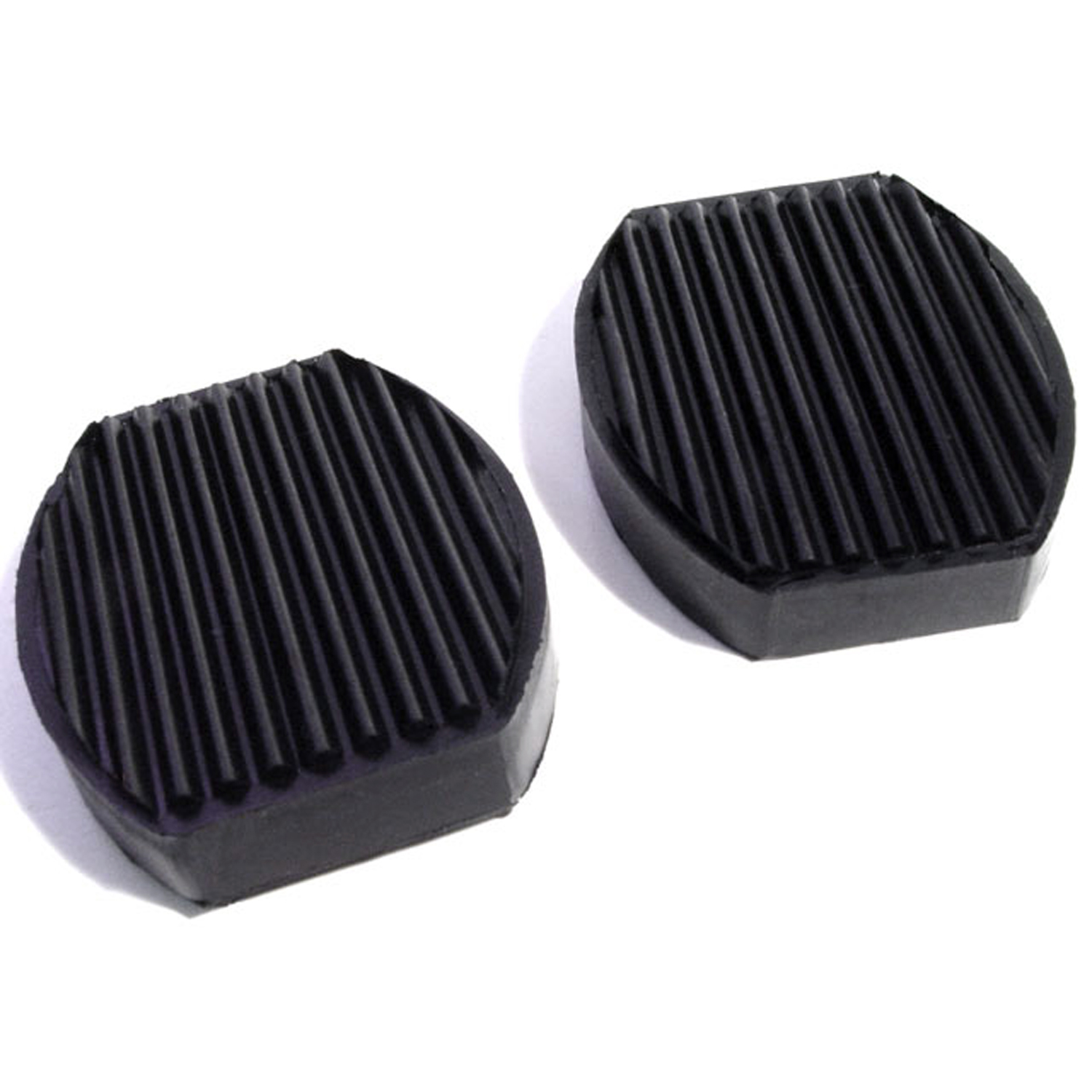 1951 Crosley Super Clutch and Brake Pedal Pads. 2-5/16" wide X 2-3/4" long-CB 104Clutch and Brake Pedal Pads. 2-5/16" wide X 2-3/4" long. Pair
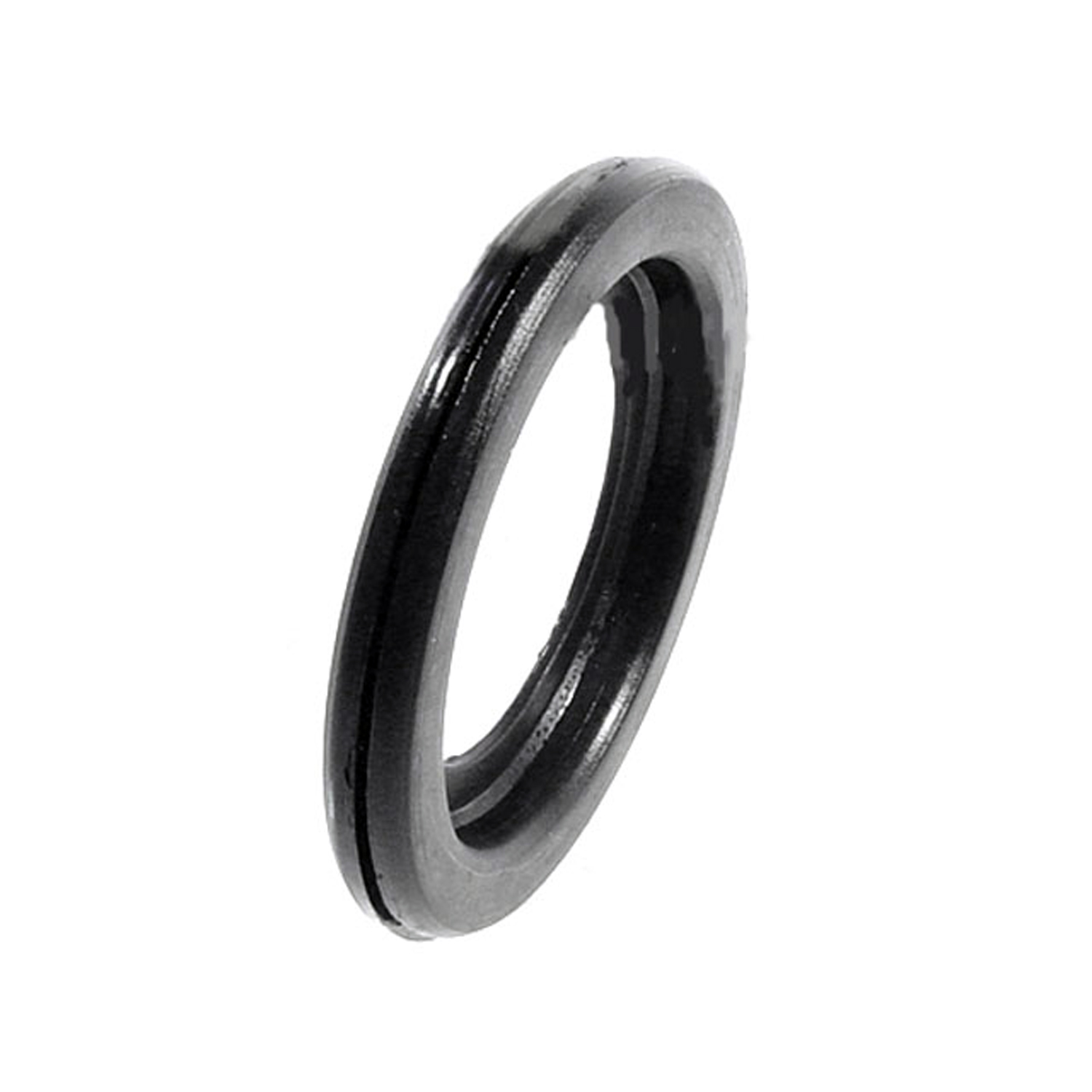 1951 Crosley Super Gas Filler Grommet. Two used per car. 1-3/8" I.D-GF 33Gas Filler Grommet. Two used per car. 1-3/8" I.D., 2-3/8" O.D. Each
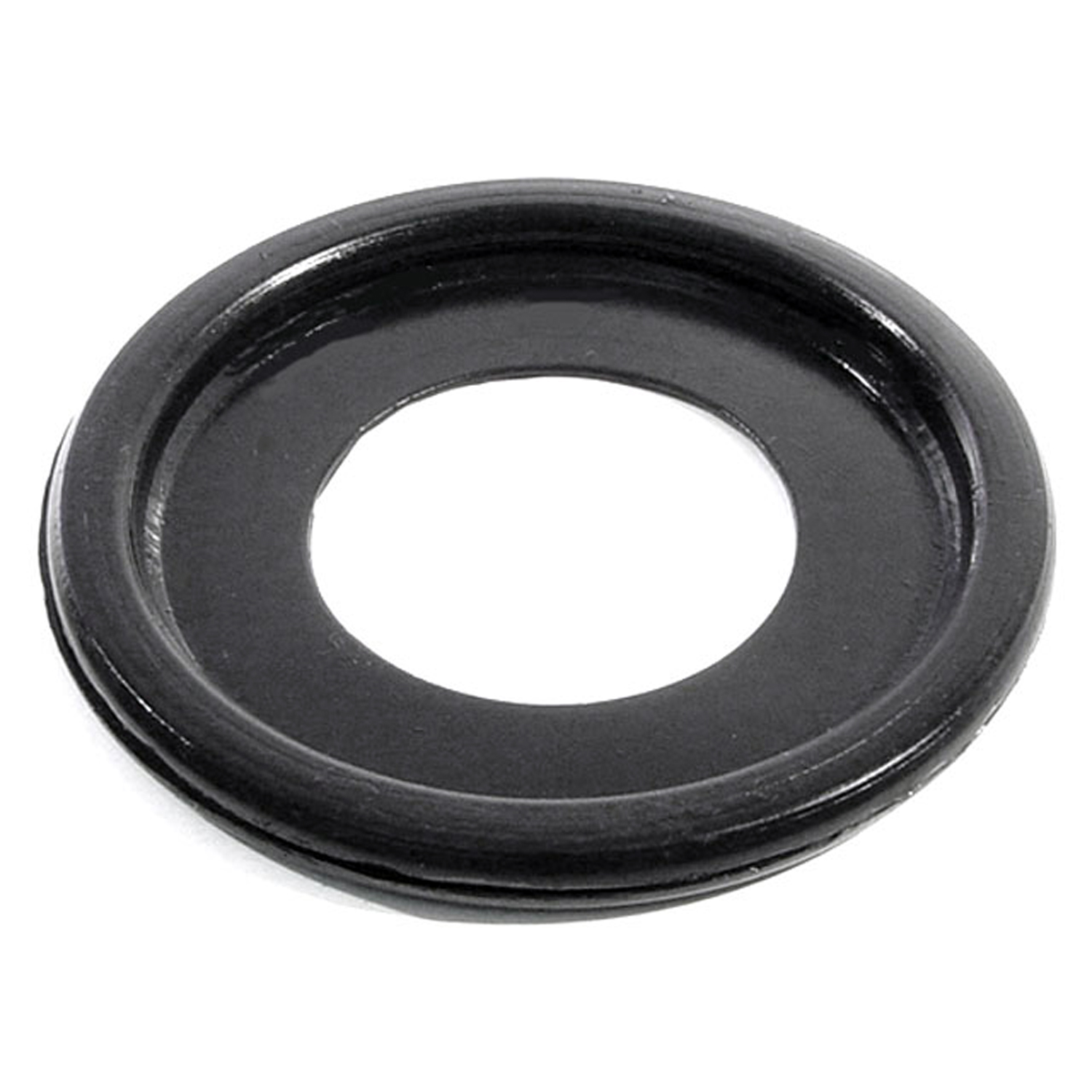 1951 Crosley Super Gas Filler Grommet. 1-1/4" I.D., 2-11/16" O.D. Each-GF 34Gas Filler Grommet. 1-1/4" I.D., 2-11/16" O.D. Each
Why Choose Metro?
For over 100 years, Metro Moulded Parts has been the pinnacle of quality in classic car restoration parts. Our commitment to precision and authenticity in every component ensures a perfect fit and an OEM-level appearance.
- Expert Craftsmanship & Quality: Each part is a testament to our dedication to reliability and perfection, crafted from original designs and thoroughly tested.
- Advanced Technology: We use cutting-edge techniques to create flawless, long-lasting parts that surpass others in performance.
- SuperSoft Sponge – The Ultimate Door Seal: Not only are our door seals 30% softer than competitors', but they're also guaranteed to never leak. They effectively reduce wind and road noise, enhancing your classic car's comfort and driving experience.
- Proudly American: Our parts are a product of American craftsmanship, made in the USA with a spirit of excellence and heritage.
- Unrivaled Warranty: We back our products with a 30-year industry-leading warranty, a testament to our confidence in their quality.
Join us in preserving the legacy of classic cars with parts that are crafted for perfection, not just made.