

Image of 1952 Crosley Standard, Note: These illustrations use artistic license and may differ from actual historical models.
Performance Metrics
Fundamental Metrics
Emotional Appeal
MMP Rating
| Engine Specifications | |
|---|---|
| Engine: | 4-cylinder |
| Displacement: | 44 cubic inches |
| Horsepower: | Estimated 26.5 horsepower |
| Torque: | 32.5 lb-ft |
| Compression Ratio: | Estimated 7.5:1 |
| Ignition System: | Battery Ignition |
| Cooling System: | Water-cooled |
| Performance Specifications | |
| 0-60 Time: | Not available due to the vehicle's limited power |
| 1/4 Mile Time: | Not available due to the vehicle's limited power |
| Top Speed: | 50 mph |
| Transmission and Drive | |
| Drive Type: | Rear-wheel drive |
| Transmission Type: | 3-speed manual |
| Fuel and Efficiency | |
| Fuel System Type: | Carburetor |
| MPG: | Estimated 35 mpg |
| Dimensions and Brakes | |
| Brakes: | Hydraulic drum brakes |
| Wheelbase: | 80 inches |
| Weight: | 1,100 lbs |
Note: Specifications for classic cars are given to the best of our ability, considering the limited and variant data available.
1952 Crosley Standard: The Little American That Thought Big
The 1952 Crosley Standard was proof that a car did not need a big engine, broad chrome grille, or acres of sheet metal to make a memorable impression. Built by the Crosley Corporation in Cincinnati, Ohio, it was a small, economical two-door sedan from the final year of Crosley automobile production. Its compact proportions and engineering-first approach made it one of America’s most distinctive postwar cars.
Crosley was founded by industrialist Powel Crosley Jr., whose business interests ranged from radios and household appliances to automobiles. He believed American drivers would embrace simple, affordable transportation, especially in the years immediately after World War II, when gasoline, materials, and family budgets were still pressing concerns. One surprising chapter in the marque’s history came from a relative of the Standard: the sporting Crosley Hotshot won the first Sebring endurance race in 1950, showing that the company’s tiny cars could be more than economical runabouts.
Compact Styling and a No-Nonsense Cabin
The Standard sedan’s shape is neatly upright and almost toy-like beside the full-size American cars of 1952. Its short hood, narrow body, small wheels, and near-vertical windshield give it a purposeful, space-efficient look. The front end is simple rather than heavily decorated, while the modest fenders and compact rear body keep the design light on visual bulk. Today, that scale is a major part of its charm: parked beside a contemporary American sedan, a Crosley looks as if it has arrived from a different idea of what a car could be.
Inside, the Crosley followed the same practical philosophy. The cabin is tight by modern standards, with simple gauges, straightforward controls, and plenty of painted metal visible around the dashboard. Upholstery and trim were functional, not luxurious, and materials varied with equipment and restoration history. The Standard was the modestly appointed choice, so buyers should not expect the bright trim or plush finish associated with more expensive cars. Its appeal is in the direct, uncomplicated layout.
Factory paint choices varied by model year, body style, and order. Crosleys appeared in lively colors as well as more restrained shades, with red, blue, green, and light neutral tones among the colors often associated with the marque. On a small car with little excess trim, color makes a dramatic difference. Bright red and blue examples are particularly eye-catching at shows, though a period-correct shade is more important to authenticity than any one supposedly “best” color.
1952 Crosley Models and Equipment
The 1952 Standard was a two-door sedan, positioned as a straightforward, lower-trim alternative within Crosley’s lineup. The broader 1952 range included other body styles, such as station wagons and the sporty Hotshot, as well as more highly trimmed Crosley models. Those bodies were part of the overall Crosley family, but they should not be confused with the Standard sedan itself. Availability and details varied across the short final production run.
Under the hood was Crosley’s 44-cubic-inch, water-cooled inline-four, an engine with an overhead camshaft and a cast-iron block. By 1952, the earlier copper-brazed engine had been replaced by the cast-iron CIBA design. Output is commonly listed at about 26.5 horsepower, modest by any standard, but appropriate for a car weighing roughly 1,100 pounds. A three-speed manual transmission put that power to work.
Braking history is one of the most fascinating Crosley engineering stories. The company introduced four-wheel disc brakes on production cars in 1949, an unusually advanced feature for the era. The design proved vulnerable to corrosion and other practical problems, however, and Crosley returned to drum brakes before the 1952 model year. A 1952 Standard should therefore have conventional drum brakes, not the celebrated early discs.
A Small Car with Outsized Historical Importance
The Crosley Standard stood apart from its contemporaries by rejecting the postwar trend toward more size, more horsepower, and more decoration. It was built around economy and compact packaging at a time when many American manufacturers were selling large, heavy cars. That made the Crosley an early expression of a distinctly different American motoring idea: a car could be useful without being oversized.
Its technical ambition also exceeded what its modest price and dimensions might suggest. The overhead-cam engine was sophisticated for an inexpensive economy car, and the marque’s experiments with disc brakes anticipated technology that would not become commonplace on American passenger cars for many years. Crosley did not have the production scale to make those innovations industry standards in the 1950s, but it helped demonstrate that they were viable.
The company’s influence is best understood as a pioneering one rather than a direct blueprint for later mass-market compacts. Crosley showed that there was a market, however limited, for very small American cars. Its brief life also illustrates how challenging that market could be: postwar buyers increasingly favored larger vehicles, while Crosley struggled to compete with the resources and dealer networks of Detroit’s major manufacturers.
Performance, Ride, and Road Manners
The Crosley’s approximately 26.5-horsepower engine was designed for thrift, not fast acceleration. Period performance figures are not consistent, and factory 0-to-60-mph data is difficult to establish. A reasonable modern estimate for a healthy, correctly tuned Standard is roughly 30 to 40 seconds to reach 60 mph, with results depending on gearing, condition, road grade, and passenger load. Some examples may take longer, and holding 60 mph comfortably is not a realistic expectation for every car.
Top speed is generally estimated at around 60 to 65 mph under favorable conditions. That is enough for occasional faster roads, but the Crosley is happiest at moderate speeds. Its light weight helps it feel willing around town, while the small engine rewards smooth gear changes and a patient right foot. The three-speed manual is central to the experience: the driver stays involved, selecting gears and planning ahead rather than relying on surplus power.
On rough pavement, the short wheelbase and small tires make bumps more noticeable than they would be in a large American sedan. The light body can also be moved around by crosswinds and the turbulence from passing trucks. On a winding back road, though, the Crosley’s size and low mass make it feel nimble, provided the driver respects its narrow stance and period braking and tire technology.
Expect a busy little engine note rather than a deep V8 rumble. The cabin is simple and relatively close to the mechanical sounds of the car, so the motor, tires, and road surface are all part of the soundtrack. The sensation is less about speed than participation: the driver sits close to the controls, shifts frequently, and feels the car respond directly to small inputs.
Living with a Crosley Standard
Today, most 1952 Standards are used as show cars, parade vehicles, weekend cruisers, or entries in small-car gatherings. They can be driven on local roads, but their age, limited power, small tires, and modest crash protection make them a poor match for modern high-speed traffic. A careful owner will favor secondary roads and leave generous space around the car.
Basic mechanical work can be approachable for an owner comfortable with vintage-car maintenance. The engine bay is small but relatively uncomplicated, and routine jobs such as ignition service, carburetor tuning, and fluid changes do not require modern diagnostic equipment. The challenge is often locating the correct parts and expertise. Crosley-specific components can be harder to find than parts for a Ford or Chevrolet, and a rare or incomplete car may need specialist help.
Reliability depends heavily on restoration quality and upkeep. The cooling system, ignition, fuel delivery, brakes, electrical connections, and tires all deserve close attention. A car that has been sitting for decades should be inspected thoroughly before road use, especially around the braking system and structural areas. Owners should also confirm that replacement parts are correct for the car’s year and configuration, since Crosley specifications changed during the marque’s short production life.
Small-Car Trivia and Common Criticisms
The Crosley name is linked to several genuinely bold engineering experiments. The marque’s late-1940s production cars were among the first American cars offered with four-wheel disc brakes. Those early brakes were not the same as the refined systems used on modern vehicles, and Crosley’s experience also showed how demanding corrosion resistance and everyday durability could be.
The Hotshot’s 1950 Sebring victory remains a highlight of Crosley history, though it belongs to the sports model rather than the Standard sedan. It is a reminder that the company’s engineering and racing ambitions reached beyond basic transportation. Crosley’s small engines also found uses outside passenger cars, helping extend the engineering’s life after automobile production ended.
Common criticisms are easy to understand. The Standard is slow by modern traffic standards, cramped for larger occupants, and less comfortable over rough roads than a full-size car. Parts availability can be a hurdle, and the company’s pioneering disc brakes acquired a reputation for practical problems. These are not reasons to dismiss the car; they are part of the context that makes a well-preserved example so interesting.
Collector Value and 1952 Production
As a rough U.S. market guide for 2026, a project Crosley Standard may sell for about $2,500 to $6,000, depending on completeness and condition. A usable driver or older restoration might bring roughly $7,000 to $14,000, while a high-quality, well-documented example could reach approximately $15,000 to $22,000 or more. These are broad estimates, not a formal appraisal. Provenance, originality, mechanical condition, and the quality of any restoration can shift the price substantially.
The 1952 Crosley is scarce compared with mainstream American cars, but it is not impossible to find through marque clubs, specialist listings, and classic-car auctions. The company’s production ended in July 1952 as sales fell and competition from larger manufacturers intensified. A practical estimate is that roughly 1,500 Crosleys of all types were built during 1952. Reliable surviving figures do not cleanly separate Standard sedans from the rest of the lineup, so the number of 1952 Standards was likely only a portion of that total, perhaps several hundred.
Values for Crosleys have tended to follow the broader market for unusual, affordable classics. Their small size and distinctive history have helped them attract steady interest, while limited mainstream demand keeps prices below those of more famous American collectibles. Exceptional cars and rare body styles can command a premium. The Standard sedan’s best appeal is usually its originality, condition, and character rather than a promise of rapid investment growth.
Why the 1952 Crosley Standard Still Matters
The 1952 Crosley Standard combined compact dimensions, economical intent, and unusually ambitious engineering in a package unlike the big American cars surrounding it. Its modest performance and basic cabin were real compromises, but so was its refusal to follow the conventional path. The overhead-cam engine, the marque’s pioneering brake experiments, and the Crosley family’s racing success give this little sedan a history far bigger than its footprint.
More than a tiny curiosity, the Standard is a reminder that American automotive history has always included ideas beyond horsepower and chrome. It may be small, but the Crosley’s place in the story is anything but.
1952 Crosley Standard Catalog of Parts
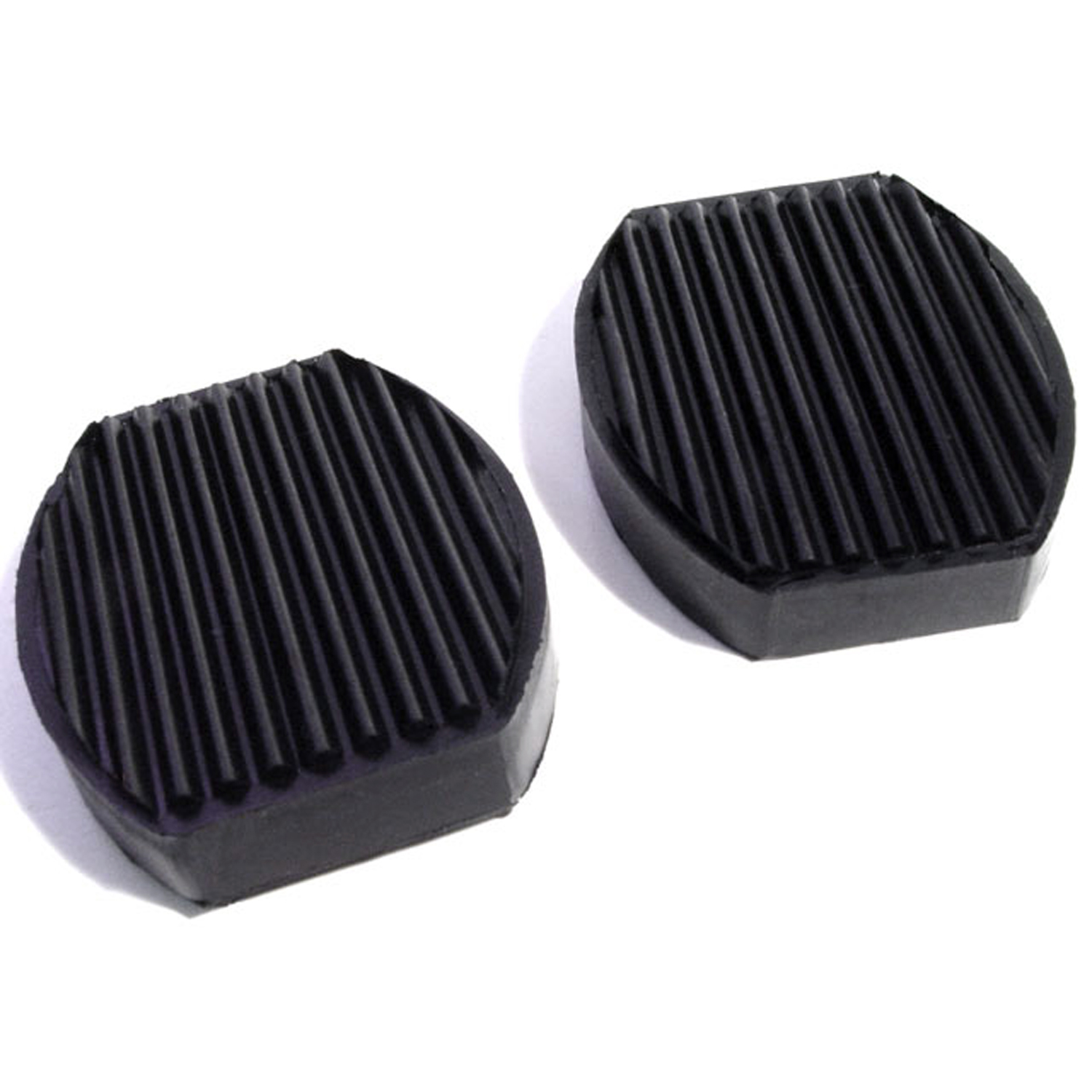 1952 Crosley Standard Clutch and Brake Pedal Pads. 2-5/16" wide X 2-3/4" long-CB 104Clutch and Brake Pedal Pads. 2-5/16" wide X 2-3/4" long. Pair
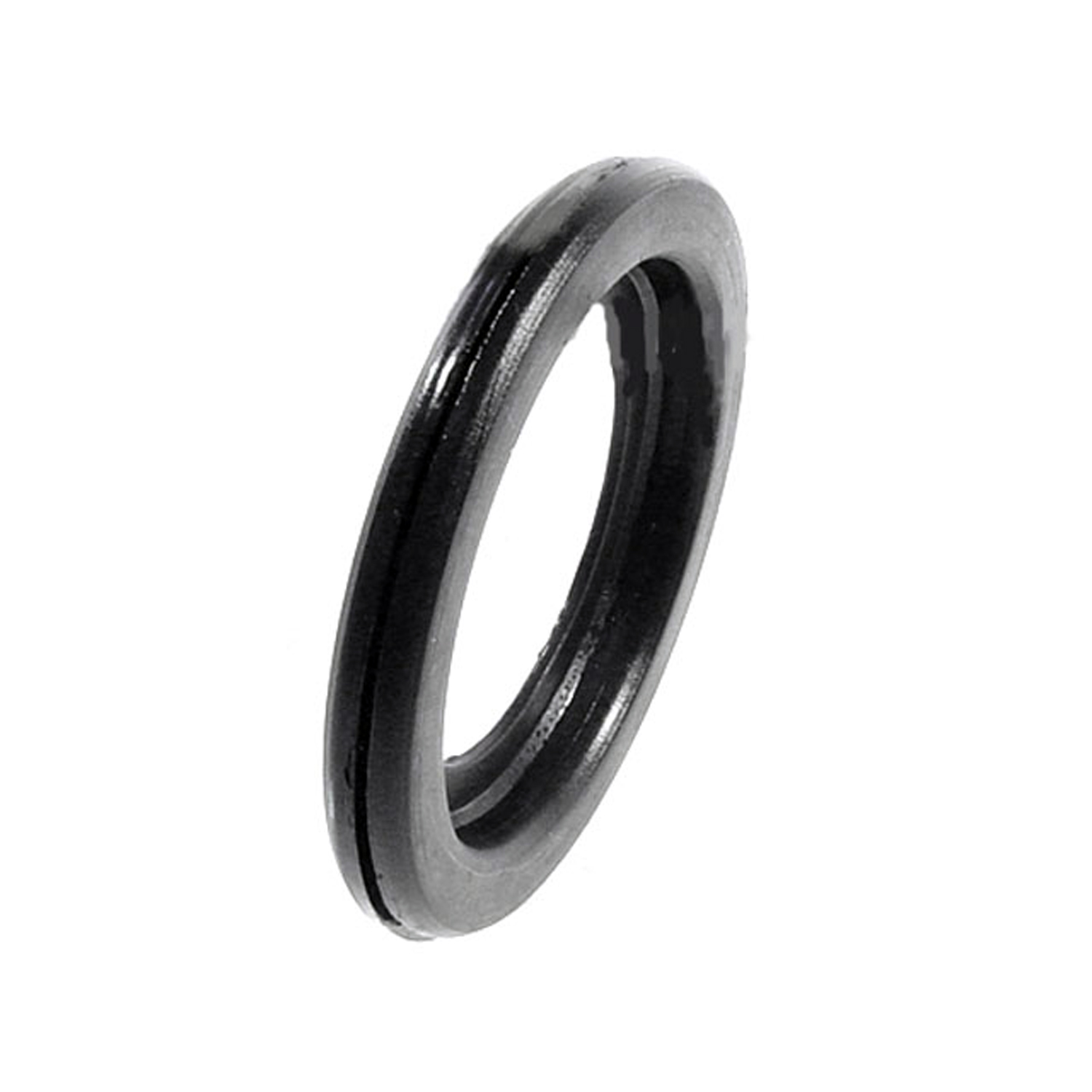 1952 Crosley Standard Gas Filler Grommet. Two used per car. 1-3/8" I.D-GF 33Gas Filler Grommet. Two used per car. 1-3/8" I.D., 2-3/8" O.D. Each
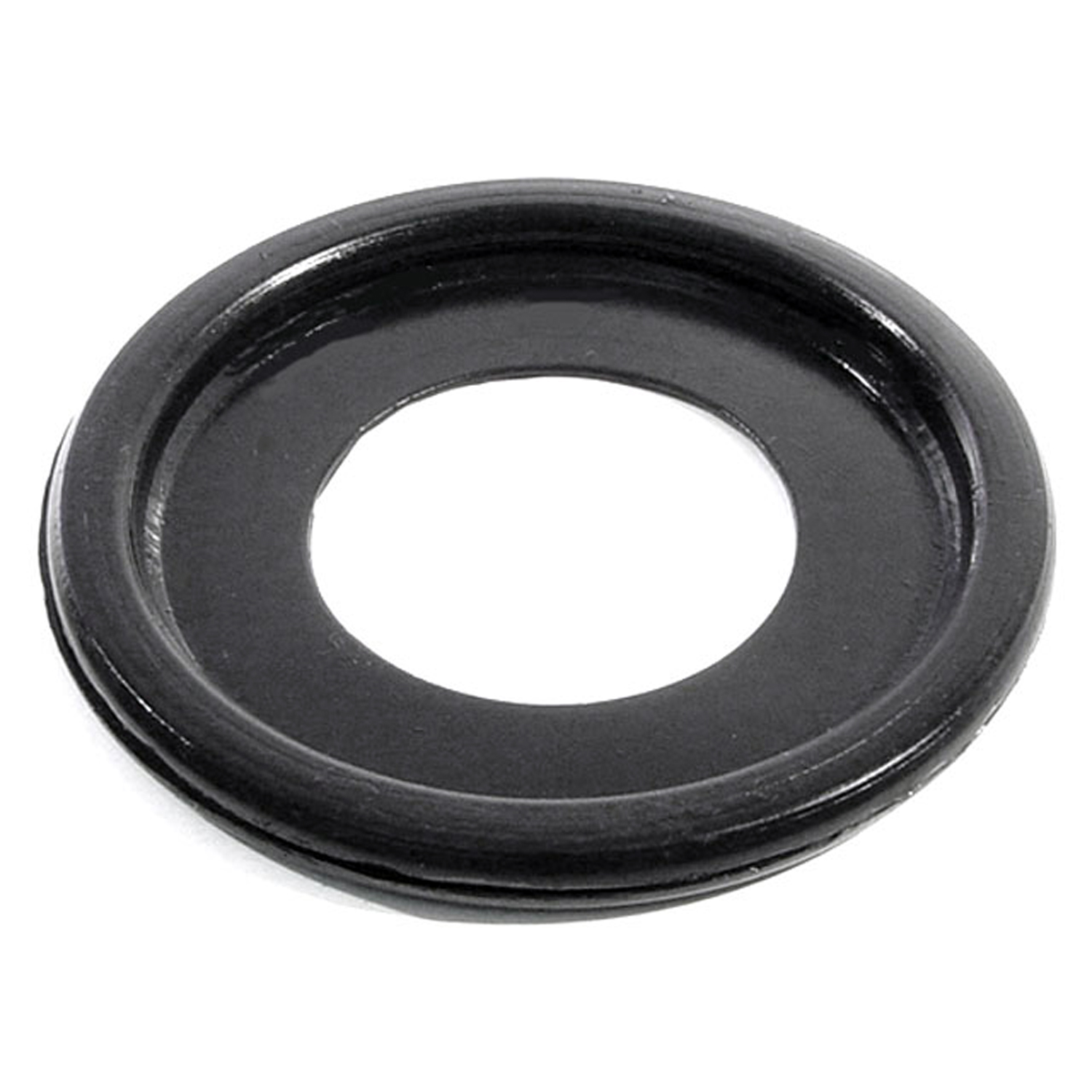 1952 Crosley Standard Gas Filler Grommet. 1-1/4" I.D., 2-11/16" O.D. Each-GF 34Gas Filler Grommet. 1-1/4" I.D., 2-11/16" O.D. Each
Why Choose Metro?
For over 100 years, Metro Moulded Parts has been the pinnacle of quality in classic car restoration parts. Our commitment to precision and authenticity in every component ensures a perfect fit and an OEM-level appearance.
- Expert Craftsmanship & Quality: Each part is a testament to our dedication to reliability and perfection, crafted from original designs and thoroughly tested.
- Advanced Technology: We use cutting-edge techniques to create flawless, long-lasting parts that surpass others in performance.
- SuperSoft Sponge – The Ultimate Door Seal: Not only are our door seals 30% softer than competitors', but they're also guaranteed to never leak. They effectively reduce wind and road noise, enhancing your classic car's comfort and driving experience.
- Proudly American: Our parts are a product of American craftsmanship, made in the USA with a spirit of excellence and heritage.
- Unrivaled Warranty: We back our products with a 30-year industry-leading warranty, a testament to our confidence in their quality.
Join us in preserving the legacy of classic cars with parts that are crafted for perfection, not just made.