

Image of 1930 Desoto Model Cf, Note: These illustrations use artistic license and may differ from actual historical models.
Performance Metrics
Fundamental Metrics
Emotional Appeal
MMP Rating
| Engine Specifications | |
|---|---|
| Engine: | Inline 6 |
| Displacement: | 174.9 cu in, 2867 cc |
| Horsepower: | Estimated 58-70 hp |
| Torque: | Not available |
| Compression Ratio: | Not available |
| Ignition System: | Battery and coil |
| Cooling System: | Water |
| Performance Specifications | |
| 0-60 Time: | Not available |
| 1/4 Mile Time: | Not available |
| Top Speed: | 60-70 mph |
| Transmission and Drive | |
| Drive Type: | Rear wheel drive |
| Transmission Type: | 3-speed manual |
| Fuel and Efficiency | |
| Fuel System Type: | Carburetor |
| MPG: | Not available |
| Dimensions and Brakes | |
| Brakes: | Mechanical drum brakes |
| Wheelbase: | 114 in |
| Weight: | 2,690 lbs |
Note: Specifications for classic cars are given to the best of our ability, considering the limited and variant data available.
1930 DeSoto Model CF: Chrysler Engineering for the Open Road
The 1930 DeSoto Model CF brought six-cylinder power, four-wheel braking and substantial road presence to buyers who wanted Chrysler engineering without paying for a Chrysler. Built by the DeSoto division of Chrysler Corporation, the CF was part of a young marque created to fill the space between Plymouth and Chrysler. Its tall radiator, long hood and upright proportions gave it the confident look of a much more expensive car.
DeSoto had arrived in 1928, named for Spanish explorer Hernando de Soto. Its first year was an extraordinary start: the new make sold more than 80,000 cars, a record for a newly introduced automotive brand at the time. The CF followed as the 1930 model, entering a market shaken by the stock-market crash and the beginning of the Great Depression. That context makes the car’s combination of size, equipment and comparatively attainable pricing especially telling.
Upright Style, Comfortable Cabin
The Model CF wore the formal styling typical of the period, but with a crisp, purposeful presence. A tall, narrow radiator sat between sweeping front fenders, while large circular headlamps flanked the grille. The hood stretched back toward a steep windshield, and the passenger compartment rose into a high roofline. Running boards linked the fenders and gave passengers a practical step into the cabin. Bright metal trim and wire-spoke wheels added visual polish without hiding the car’s sturdy, upright character.
Inside, the DeSoto emphasized comfort and function. The dashboard was straightforward, with the instruments arranged for easy viewing, and the broad front seat offered room for driver and passengers. Upholstery varied by body style and trim. Closed cars generally used durable cloth or mohair-type materials, while open models could be ordered with leather upholstery. Woodgrain finishes and other trim details also depended on the particular body and equipment specification.
Period paint choices varied by body style and market, and surviving cars do not represent every original combination. Dark colors such as black, maroon, blue and green suit the CF’s formal lines particularly well. Two-tone treatments were available on some configurations, adding contrast to the fenders or body sections.
Buyers could choose among several body styles, with availability varying by catalog and market. The range included closed sedans and coupes, along with open roadster and phaeton styles. Coupes with a rumble seat offered occasional extra seating, while the four-door sedan was a practical choice for families. The open phaeton, with its folding top and four-door access, is among the most visually striking versions today.
Six-Cylinder Power and Period Equipment
At the heart of the Model CF was a 190.1-cubic-inch L-head inline-six. Contemporary specifications commonly list output at about 60 horsepower. Power went to the rear wheels through a three-speed manual transmission. The engine was designed for smooth, usable torque rather than high-revving performance, making it well suited to the long-distance touring expected of a 1930 automobile.
Four-wheel brakes were an important part of the car’s specification. DeSoto used hydraulic braking, a notable convenience and safety advantage over the mechanical systems still found on many cars of the era. The CF also reflected Chrysler’s broader focus on engineering and value: it delivered substantial-car features at a price intended to reach a wider audience.
Why the 1930 CF Matters
The Model CF was not a radical styling experiment, and it did not introduce a single invention that transformed the industry. Its significance lies in how it helped establish DeSoto as a credible, well-equipped make. Chrysler used the brand to offer buyers a step up from a basic economy car while keeping the price below its more prestigious Chrysler models.
That middle-market role mattered in a competitive period. Manufacturers were working to make cars more comfortable, dependable and easier to stop, while buyers increasingly expected useful equipment as part of the package. The CF’s six-cylinder engine and hydraulic four-wheel brakes helped make modern-feeling motoring more accessible. DeSoto’s later history would include far more dramatic designs, especially the streamlined Airflow models of the 1930s, but cars like the CF built the brand’s early reputation.
Road Manners, Speed and Driving Feel
Exact performance figures for surviving Model CFs are difficult to pin down because age, gearing, body style, mechanical condition and modern restoration choices all affect results. A healthy, correctly tuned example is generally estimated to reach roughly 60 to 65 mph. A 0-to-60-mph time is best treated as an estimate rather than a factory-tested figure; expect something in the neighborhood of 25 to 30 seconds, not the brisk acceleration of a modern car.
Behind the wheel, the DeSoto feels substantial and deliberate. The inline-six produces a steady, low mechanical note, and the manual gearbox asks the driver to plan shifts rather than rush them. Steering is unassisted, so it takes more effort at parking speeds, while the car feels calmer once moving. Its long wheelbase helps smooth out ordinary road imperfections, though rough surfaces still make themselves known through the chassis and cabin.
On a winding road, the CF rewards measured inputs. Its tall body and period suspension encourage a relaxed pace, and strong crosswinds can be noticeable, especially in an open model. The hydraulic brakes were an advantage for the era, but braking distances and pedal feel are not comparable to a modern vehicle. A well-maintained CF can tour comfortably on suitable roads, but it belongs in the slower lane and needs room to stop.
Owning and Maintaining a Model CF
Today, most Model CFs are collector cars, touring vehicles or show entries rather than daily transportation. A sound example can participate in local antique-car events and relaxed club tours, but regular modern traffic presents practical challenges. Visibility, braking performance, lighting and cruising speed all require more attention than they do in a contemporary car.
Routine mechanical work is relatively approachable for an owner with experience in prewar vehicles. The engine is a conventional side-valve six, and many basic service tasks do not require specialized electronic equipment. That said, parts availability can vary. Wear items and some mechanical components may be obtainable through vintage-car suppliers or specialist networks, while correct trim, body panels, upholstery details and model-specific pieces can take patience to locate. A pre-purchase inspection should include the engine, transmission, brake hydraulics, frame, wood or structural components where applicable, and the condition of any previous restoration work.
Reliability depends heavily on maintenance and storage. Old fuel systems, cooling components, wiring and brake parts need careful inspection even on a car that looks freshly restored. For a touring car, dependable tires, a sound cooling system and properly serviced brakes are just as important as a strong engine.
DeSoto CF Trivia and Caveats
The CF’s name belongs to the early years of DeSoto, a marque Chrysler introduced as part of its carefully tiered lineup. The brand’s remarkable first-year sales helped make it one of the most successful new makes of its time. The 1930 model arrived just as the national economy began a severe downturn, making its value-oriented positioning especially relevant.
No widely documented speed or endurance record is associated with the 1930 Model CF, and there is no single famous celebrity ownership story that defines the model. Its appeal is more grounded: it represents the ordinary but ambitious American automobile of its era, built to carry families and travelers in comfort. A common criticism from modern drivers is its slow acceleration and heavy, old-fashioned controls. Those traits are part of the period experience, but they also mean the car needs to be driven with care.
Collector Values and Availability
The 1930 DeSoto Model CF is uncommon today, though not every body style is equally scarce. Closed sedans and coupes are generally easier to encounter than desirable open cars, and condition has a major effect on value. A reasonable production estimate is around 19,000 to 20,000 Model CFs, but that figure should be treated as an approximate total rather than a verified count for every body style. The number of surviving, usable cars is much smaller.
As a broad U.S. market estimate for 2026, a project or incomplete car might fall around $5,000 to $12,000. A running driver-quality example could bring roughly $12,000 to $25,000, while a carefully restored sedan or coupe may reach about $25,000 to $45,000. High-quality open models, especially an attractive phaeton or roadster, could command approximately $40,000 to $65,000 or more when condition, provenance and workmanship support the price. These are general ranges, not appraisals; auction results can vary considerably with originality and regional demand.
Like many prewar cars, the CF’s market is niche. Values tend to reward complete, well-documented cars more than ambitious projects, and rarity alone does not guarantee a high price. Over the long term, the best examples have the strongest chance of holding or increasing their value, while cars needing extensive restoration can be expensive to bring back. Buyers should compare recent sales of the same body style and budget carefully for parts and specialist labor.
A Worthy Early DeSoto
The 1930 DeSoto Model CF combined a smooth six-cylinder engine, useful period technology and formal styling in a package designed for practical buyers. It was not a speedster or a design revolution, but it helped a new Chrysler marque earn a place in the market during a difficult moment in American history. For collectors, the CF offers a rewarding look at prewar motoring and at the early years of a brand that would later become known for bolder ideas.
Its lasting appeal is in that blend of substance and ambition: a handsome, carefully engineered car that made confident long-distance travel feel within reach.
1930 Desoto Model Cf Catalog of Parts
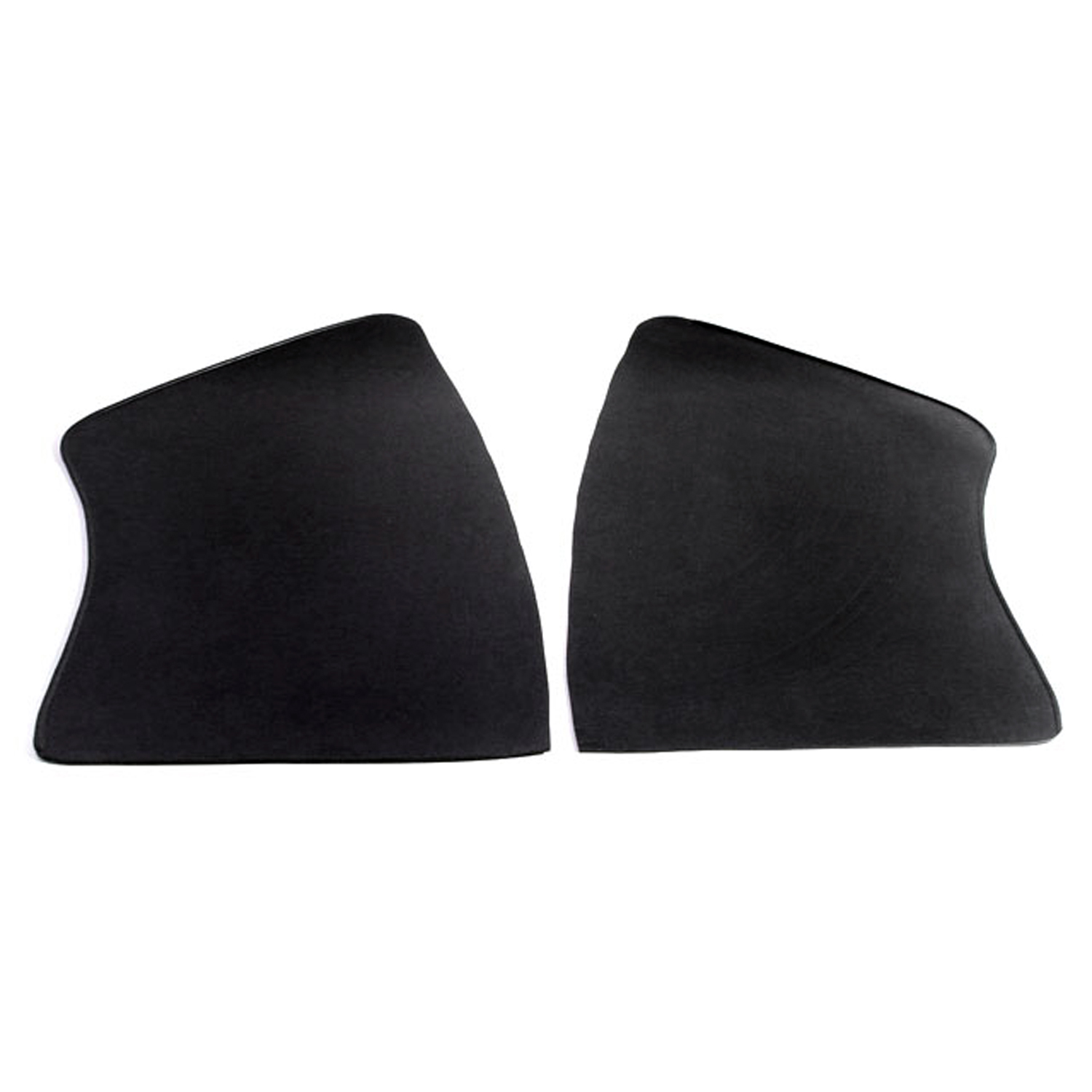 1930 DeSoto Model CF Gravel Shields. Molded flat without metal backing plates-FS 31Gravel Shields. Molded flat without metal backing plates. Apply with contact cement. 18" long X 9-3/4" wide at bottom. Pair
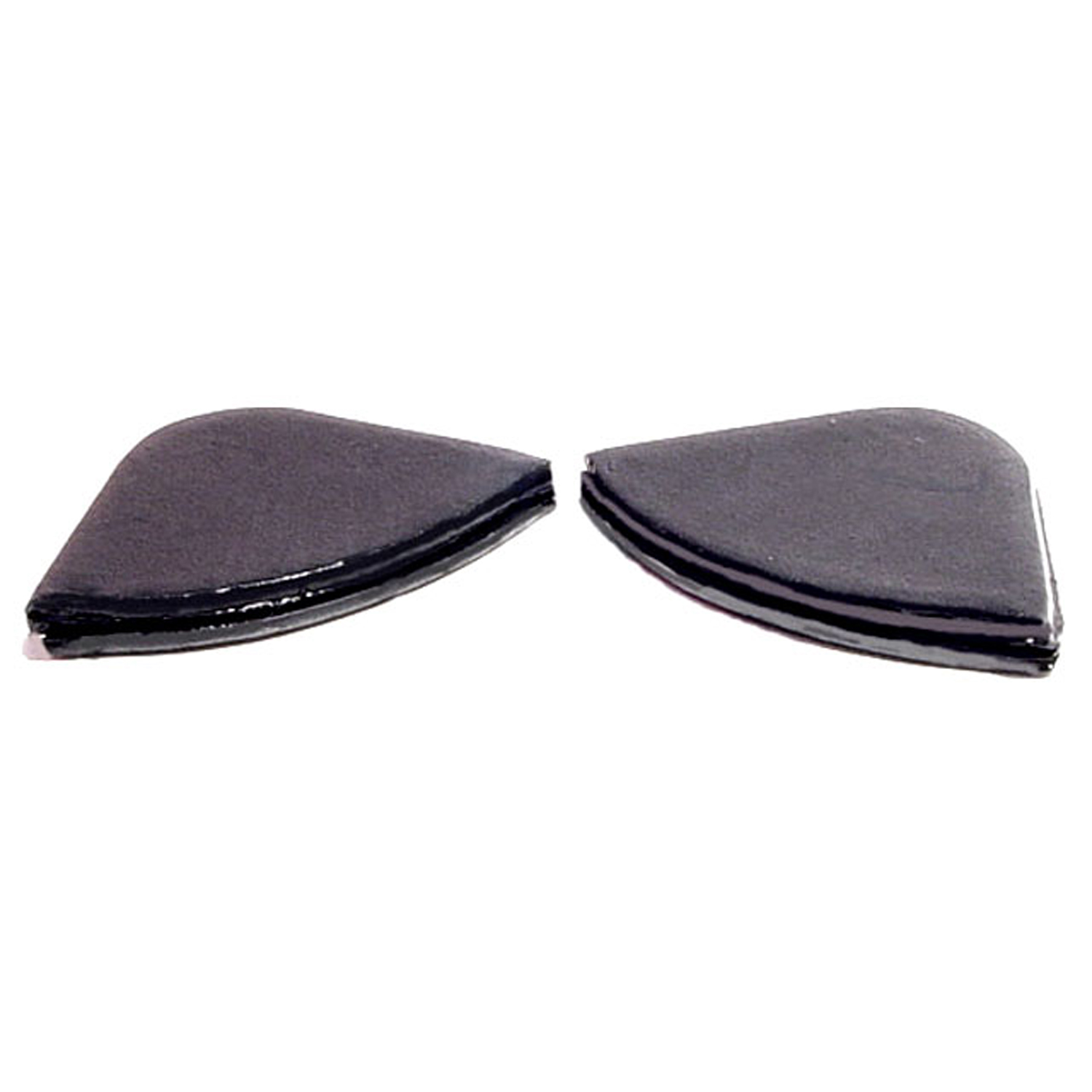 1930 DeSoto Model CF Hood Corners. Fits flat corners-HC 19Hood Corners. Fits flat corners. 80° angle, 1/4" to 3/8" corner radius. 1-3/8" wide. Pair
 1930 DeSoto Model CF Windshield Post Bases. Pair R&L-MB 14Windshield Post Bases. Pair R&L
 1930 DeSoto Model CF Door Lock Pad. 1-3/8" O.D. Each-MP 551-CDoor Lock Pad. 1-3/8" O.D. Each
 1930 DeSoto Model CF Rumble Seat Step Plate Pad. Rubber face only. 4-1/4" O.D-SP 17Rumble Seat Step Plate Pad. Rubber face only. 4-1/4" O.D. Each
Why Choose Metro?
For over 100 years, Metro Moulded Parts has been the pinnacle of quality in classic car restoration parts. Our commitment to precision and authenticity in every component ensures a perfect fit and an OEM-level appearance.
- Expert Craftsmanship & Quality: Each part is a testament to our dedication to reliability and perfection, crafted from original designs and thoroughly tested.
- Advanced Technology: We use cutting-edge techniques to create flawless, long-lasting parts that surpass others in performance.
- SuperSoft Sponge – The Ultimate Door Seal: Not only are our door seals 30% softer than competitors', but they're also guaranteed to never leak. They effectively reduce wind and road noise, enhancing your classic car's comfort and driving experience.
- Proudly American: Our parts are a product of American craftsmanship, made in the USA with a spirit of excellence and heritage.
- Unrivaled Warranty: We back our products with a 30-year industry-leading warranty, a testament to our confidence in their quality.
Join us in preserving the legacy of classic cars with parts that are crafted for perfection, not just made.