

Image of 1932 Desoto Model Sc, Note: These illustrations use artistic license and may differ from actual historical models.
Performance Metrics
Fundamental Metrics
Emotional Appeal
MMP Rating
| Engine Specifications | |
|---|---|
| Engine: | Inline 6 |
| Displacement: | 3.3L |
| Horsepower: | Estimated 75-100 HP |
| Torque: | Not available |
| Compression Ratio: | Not available |
| Ignition System: | Distributor and coil |
| Cooling System: | Water-cooled |
| Performance Specifications | |
| 0-60 Time: | Not available |
| 1/4 Mile Time: | Not available |
| Top Speed: | 75 mph |
| Transmission and Drive | |
| Drive Type: | Rear-wheel drive |
| Transmission Type: | 3-speed manual |
| Fuel and Efficiency | |
| Fuel System Type: | Carburetor |
| MPG: | Not available |
| Dimensions and Brakes | |
| Brakes: | Mechanical drum brakes |
| Wheelbase: | 112 inches |
| Weight: | 2,700 lbs |
Note: Specifications for classic cars are given to the best of our ability, considering the limited and variant data available.
1932 DeSoto Model SC: A Depression-Era Six With Chrysler DNA
The 1932 DeSoto Model SC paired a purposeful, upright look with a smooth-running six-cylinder engine at a moment when American motorists were weighing every purchase carefully. Built by the DeSoto division of Chrysler Corporation, it was a substantial, well-equipped car aimed at buyers who wanted more polish than a basic economy model without paying for a luxury marque.
DeSoto had been created by Walter P. Chrysler in 1928 and named for Spanish explorer Hernando de Soto. The marque sat between Plymouth and Chrysler in the company’s lineup. The Model SC arrived during the depths of the Great Depression, when falling incomes and shrinking car sales made value, durability, and practical engineering especially important.
One point worth keeping in mind: the SC was a prewar DeSoto, not an early Airflow. Chrysler’s radical, aerodynamic Airflow design would not appear until 1934. The 1932 car instead represents the traditional, upright American touring car at the end of its pre-streamlined era.
Traditional Styling With Plenty of Presence
The Model SC wore the classic proportions of its time: a tall, narrow-looking radiator grille, long hood, separate fenders, running boards, and a passenger cabin set well back from the front axle. Bright trim around the grille and lamps added a smart touch, while the flowing front fenders gave the car more movement than its boxy cabin might suggest. Wire wheels, side-mounted spares, and a rear-mounted spare or luggage arrangement could contribute to the car’s period-correct touring appearance, depending on body and equipment.
Closed bodies had the upright windows and substantial door frames typical of early-1930s sedans. Open or sportier versions made more of the long hood and exposed fenders, with a folding top and, on some configurations, a rumble seat. The overall effect was formal rather than flamboyant: the SC looked substantial and respectable, exactly what many buyers expected from a mid-priced family car.
Factory paint choices varied by body style and production details. Period colors commonly included restrained shades such as black, dark blue, maroon, green, and gray, often complemented by contrasting wheels or trim. Black was a familiar and practical choice, while richer blues and maroons gave the car a more distinctive presence. Specific combinations can differ, so a surviving car’s original paint is best confirmed through factory records or careful examination of hidden paint layers.
Cabin Materials and 1932 Equipment
Inside, the SC was designed for comfort on the roads of its day, not for modern luxury. Closed cars generally used durable cloth or mohair-style upholstery, with trim and seating materials varying according to body and specification. Open models could feature more weather-resistant upholstery. The cabin typically centered on a broad dashboard with clear, period-style instruments, a large steering wheel, and straightforward controls. Wood-grain finishes or decorative metal details could give the interior a more finished appearance.
Mechanical equipment was respectable for the price class. The SC used a three-speed manual transmission and four-wheel hydraulic brakes, a significant convenience compared with cars that still relied on less effective braking systems. These features helped make the DeSoto feel modern and confidence-inspiring in everyday traffic, even though its steering, braking effort, and controls still require more physical input than a contemporary car.
Comfort and convenience equipment depended on the body and options ordered. Buyers could encounter items such as a heater, windshield accessories, rear luggage equipment, or upgraded trim, but exact fitments varied. As with many cars from the period, surviving examples are often modified, so a car’s current equipment does not necessarily represent how it left the factory.
Body Styles and Buyer Choices
The Model SC was offered in several body configurations, including sedan and coupe forms, with open or rumble-seat styles represented in the broader range. Exact catalog listings and availability could vary by market and production run. The four-door sedan was the practical choice for families and business use, while a coupe offered a more compact profile. A rumble-seat coupe, where available, is among the most visually appealing versions today because it captures the era’s mix of everyday transport and weekend motoring.
There is no single body style that defines every Model SC, but the sedan best represents its role as a useful, well-appointed car for the early 1930s. Sportier coupes tend to attract attention at shows, particularly when they retain original details such as their wheels, lamps, upholstery, and exterior hardware.
Why the DeSoto SC Matters
The SC was not a revolutionary design, and that is part of its historical value. It shows how established manufacturers refined the conventional automobile before streamlining reshaped the industry. Its separate fenders, running boards, upright grille, and distinct hood-and-cabin layout were familiar features, but Chrysler engineering and equipment helped make the package feel more sophisticated than a bare-bones transportation appliance.
DeSoto’s position in the Chrysler family also mattered. The division could draw on the company’s engineering resources while offering a different price and style proposition from Plymouth or Chrysler. The SC’s hydraulic brakes and six-cylinder power reflected the steady progress of the period: features that had once been costly innovations were becoming part of what buyers expected from a quality car.
Its lasting influence is less about one design feature than about representing a turning point. The Model SC belongs to the final years when American cars were styled as upright, separate-bodied machines. Only two years later, DeSoto would become closely associated with the controversial and forward-looking Airflow. The contrast makes the SC a useful snapshot of the industry just before it began to change dramatically.
Six-Cylinder Performance and Road Manners
Power came from a 217.8-cubic-inch inline-six, rated at approximately 75 horsepower. It drove the rear wheels through a three-speed manual gearbox. That output was adequate for steady touring, though it was not intended to deliver modern traffic-light performance. Period gearing, vehicle weight, body style, and mechanical condition all affect how an individual SC performs.
A healthy example might reach roughly 65 to 70 mph under favorable conditions. A modern-style 0-to-60-mph figure is not consistently documented for every body configuration; a reasonable estimate is around 25 to 30 seconds. Treat those figures as broad period-car estimates rather than guaranteed specifications. A tired engine, tall gearing, hills, or a heavily loaded cabin can make the car feel considerably slower.
On a smooth road, the SC’s longer-wheelbase character and substantial chassis should make for a relaxed, measured ride. Bumps are handled with the softer, more deliberate motions typical of a car from the era, rather than the controlled suspension response expected today. On winding roads, the tall body, narrow tires, and older steering geometry encourage a steady pace. It can tour comfortably, but it is not a car to hustle through corners like a modern sports sedan.
From behind the wheel, the experience is tactile and mechanical. The six-cylinder engine produces a steady, low-frequency note rather than a sharp performance-car sound. The clutch and gear lever demand deliberate operation, the large steering wheel gives leverage, and the hydraulic brakes are a welcome feature, though stopping distances remain much longer than in a modern vehicle. Driving an SC is about settling into the rhythm of the road, not keeping up with contemporary traffic at any cost.
Living With a 1932 DeSoto
Today, most Model SCs are used as show cars, weekend tourers, or carefully maintained pieces of automotive history. A well-sorted example can handle local drives and vintage-car events, but regular modern commuting is generally impractical. Its speed, braking distance, lighting, and lack of contemporary safety equipment call for defensive driving and sensible route planning.
Routine work is familiar to a mechanic experienced with prewar cars: ignition and carburetion service, cooling-system maintenance, lubrication, brake adjustment, and attention to the electrical system. The basic layout is less complicated than that of a modern car, and many repairs can be approached with ordinary mechanical skills. However, “simple” does not always mean “easy.” Aged fasteners, worn castings, hard-to-find trim, and specialist body or upholstery work can turn a straightforward job into a long restoration project.
Parts availability is mixed. Some mechanical components may be shared with other Chrysler products or reproduced by specialist suppliers, while model-specific body panels, brightwork, lamps, and interior pieces can be much harder to source. Before buying, inspect the frame, body structure, brakes, cooling system, and completeness of the car. Missing small fittings can be surprisingly difficult and expensive to replace.
DeSoto SC Facts and Common Criticisms
The SC’s name came from DeSoto, the Chrysler division named after Hernando de Soto. It also sits just before one of the most dramatic chapters in the marque’s history: the 1934 DeSoto Airflow. That makes the 1932 model an interesting contrast to the aerodynamic experiment that followed.
No widely recognized speed, endurance, or production record is associated specifically with the 1932 Model SC, and well-documented celebrity ownership is not a defining part of its story. Its appeal is more grounded: it is a distinctive example of a major American manufacturer’s prewar engineering and styling, preserved at a time when many ordinary cars were driven hard and eventually scrapped.
Common criticisms are typical of cars from the period. The SC is slow by modern standards, can require frequent adjustment, and may be challenging to restore if important trim or body parts are missing. Its traditional styling may also be less immediately striking to visitors than the later Airflow. On the other hand, that conventional design is exactly what many collectors enjoy: the SC offers prewar character without the radical appearance of some later cars.
Collector Values and Availability
There is no dependable, widely published production breakdown for every 1932 DeSoto SC body style. As a broad estimate, total 1932 DeSoto production was likely in the range of roughly 20,000 to 25,000 cars, but that figure should not be treated as a confirmed Model SC-only total. The number of surviving examples is much smaller, and individual body styles can be particularly hard to find.
In the current collector market, an incomplete or project-grade car might bring roughly $5,000 to $12,000. A usable driver could fall around $12,000 to $25,000, while a high-quality restoration may reach approximately $25,000 to $45,000 or more. Exceptional examples, rare body configurations, strong provenance, and unusually original cars can exceed that range. These are broad U.S. market estimates, not formal appraisals, and condition matters enormously.
Values for prewar, mid-priced American cars have generally been more selective than those for marquee luxury models. A well-restored SC can attract steady interest, but restoration costs may exceed the eventual sale price. In nominal dollars, desirable examples can appreciate as supply tightens; after inflation and upkeep are considered, values are often better described as condition-sensitive than as a guaranteed investment.
A Worthy Prewar DeSoto
The 1932 DeSoto Model SC brings together a 75-horsepower inline-six, hydraulic brakes, traditional American styling, and Chrysler engineering from a difficult moment in the nation’s history. It was practical enough to serve as family transportation in its day, yet refined enough to stand apart from the most basic cars on the road.
For today’s enthusiast, the SC is a rewarding way to experience prewar motoring: measured, mechanical, and full of detail. It may not be the fastest or rarest classic in the garage, but it captures the final chapter of the upright American automobile before the industry began reaching for a more aerodynamic future.
1932 Desoto Model Sc Catalog of Parts
 1932 DeSoto Model SC Clutch and Brake Pedal Pads. 2-1/4" wide X 3-5/8" long-CB 31Clutch and Brake Pedal Pads. 2-1/4" wide X 3-5/8" long. Pair
 1932 DeSoto Model SC Door Jamb Bumper. Perfect reproduction-DB 36Door Jamb Bumper. Perfect reproduction. 1-1/16" high X 1-1/4" wide X 7/16" thick. Each
 1932 DeSoto Model SC Gravel Shields. Molded flat without metal backing plates-FS 31Gravel Shields. Molded flat without metal backing plates. Apply with contact cement. 18" long X 9-3/4" wide at bottom. Pair
 1932 DeSoto Model SC Hood Corners. Fits flat corners-HC 19Hood Corners. Fits flat corners. 80° angle, 1/4" to 3/8" corner radius. 1-3/8" wide. Pair
 1932 DeSoto Model SC Roof Related Seal. Top insert filler & seal for closed cars-LP 110-RRoof Related Seal. Top insert filler & seal for closed cars. Fits in groove between cloth top-center panel & surrounding steel. Sold by the foot
 1932 DeSoto Model SC Door Lock Pad. 1-3/8" O.D. Each-MP 551-CDoor Lock Pad. 1-3/8" O.D. Each
 1932 DeSoto Model SC Headlight Bar Pads. 2" wide X 5-3/8" long. Pair-MP 663-BHeadlight Bar Pads. 2" wide X 5-3/8" long. Pair
 1932 DeSoto Model SC Tail-light Pads. 2-1/2" wide X 4-5/8" long. Pair-MP 663-CTail-light Pads. 2-1/2" wide X 4-5/8" long. Pair
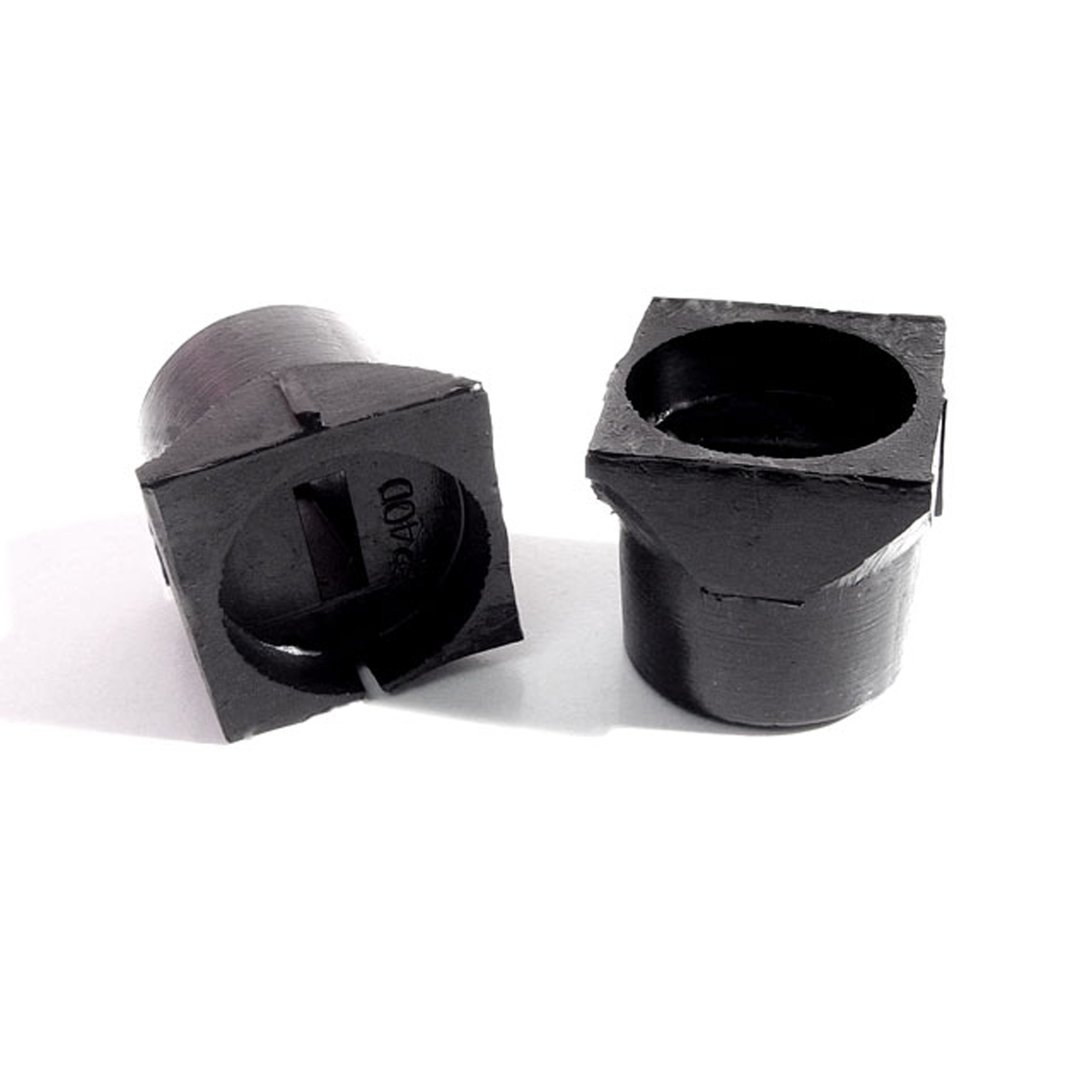 1932 DeSoto Model SC Door Check Rubber Cushion. Each-RP 40-DDoor Check Rubber Cushion. Each
 1932 DeSoto Model SC Rumble Seat Step Plate Pad. Rubber face only. 4-1/4" O.D-SP 17Rumble Seat Step Plate Pad. Rubber face only. 4-1/4" O.D. Each
Why Choose Metro?
For over 100 years, Metro Moulded Parts has been the pinnacle of quality in classic car restoration parts. Our commitment to precision and authenticity in every component ensures a perfect fit and an OEM-level appearance.
- Expert Craftsmanship & Quality: Each part is a testament to our dedication to reliability and perfection, crafted from original designs and thoroughly tested.
- Advanced Technology: We use cutting-edge techniques to create flawless, long-lasting parts that surpass others in performance.
- SuperSoft Sponge – The Ultimate Door Seal: Not only are our door seals 30% softer than competitors', but they're also guaranteed to never leak. They effectively reduce wind and road noise, enhancing your classic car's comfort and driving experience.
- Proudly American: Our parts are a product of American craftsmanship, made in the USA with a spirit of excellence and heritage.
- Unrivaled Warranty: We back our products with a 30-year industry-leading warranty, a testament to our confidence in their quality.
Join us in preserving the legacy of classic cars with parts that are crafted for perfection, not just made.