

Image of 1934 Desoto Airflow, Note: These illustrations use artistic license and may differ from actual historical models.
Performance Metrics
Fundamental Metrics
Emotional Appeal
MMP Rating
| Engine Specifications | |
|---|---|
| Engine: | Inline 6-cylinder |
| Displacement: | 241.5 cu in (3.96 L) |
| Horsepower: | 100 hp |
| Torque: | Not available |
| Compression Ratio: | 6.5:1 |
| Ignition System: | Battery and coil |
| Cooling System: | Water-cooled |
| Performance Specifications | |
| 0-60 Time: | Not available |
| 1/4 Mile Time: | Not available |
| Top Speed: | 80 mph |
| Transmission and Drive | |
| Drive Type: | Rear-wheel drive |
| Transmission Type: | 3-speed manual |
| Fuel and Efficiency | |
| Fuel System Type: | Carburetor |
| MPG: | Not available |
| Dimensions and Brakes | |
| Brakes: | 4-wheel hydraulic drum brakes |
| Wheelbase: | 115.5 in (2,934 mm) |
| Weight: | 3,200 lbs |
Note: Specifications for classic cars are given to the best of our ability, considering the limited and variant data available.
1934 DeSoto Airflow: A Radical New Shape
The 1934 DeSoto Airflow looked less like a car from the past and more like a glimpse of the future. Built by the DeSoto division of Chrysler Corporation, it brought aerodynamic thinking and structural innovation to a family car at a time when most American automobiles still wore upright grilles, separate fenders, and bodies shaped much like carriages.
The Airflow was part of a bold Chrysler engineering program led by company president Walter P. Chrysler and engineer Carl Breer. Chrysler engineers studied airflow around full-size models in a wind tunnel, then designed a car intended to slip through the air more cleanly while making better use of its interior space. In 1934, DeSoto made the biggest commitment of any Chrysler division: its passenger-car range consisted entirely of Airflow models. That decision made the car a landmark, but also left the company exposed when buyers proved slower to embrace its unconventional looks.
One striking detail is that the Airflow’s shape was not simply a styling exercise. Its design grew from experiments with aerodynamics and weight distribution, bringing engineering ideas usually associated with aircraft into the American automobile showroom.
Streamlined Styling and Cabin Design
The Airflow’s rounded nose, broad waterfall-style grille, and smoothly blended fenders gave it a unified, forward-moving appearance. Its headlamps sat within the front-fender area rather than appearing as separate accessories, while the curved hood flowed back toward a steeply raked windshield. The result was a striking contrast with the boxier cars parked beside it.
Inside, the Airflow offered a roomy cabin with a wide bench seat and a relatively open feel for its era. The body’s packaging placed passengers more centrally between the axles, rather than crowding them toward the rear. Upholstery and trim depended on the model and equipment, with durable cloth commonly used and richer materials available on better-appointed examples. Today, original fabrics, dashboard finishes, and interior hardware are important details for restorers because reproducing the right period appearance can be challenging.
Factory paint choices varied by model year and market. Buyers could choose from period colors such as dark blues, greens, maroons, and black, with some combinations offering contrasting trim or two-tone treatment. A well-preserved original color scheme can make an Airflow especially appealing at a show, but many surviving cars have been repainted, so period documentation is useful when authenticity matters.
DeSoto offered the Airflow in two-door coupe and four-door sedan forms, with variations in the sedan’s trunk and body configuration depending on the catalog listing. The four-door sedan is the best-known and most frequently encountered style today, while the coupe has a more distinctive profile and can be particularly attractive to collectors.
Engineering That Challenged Convention
The DeSoto Airflow’s most important contribution was its integrated approach to automobile design. Rather than treating the body as a decorative shell placed on a conventional frame, Chrysler engineered the body and supporting structure as a more unified assembly. The construction was designed to provide a strong passenger compartment while allowing the car’s overall form to be shaped around aerodynamic goals.
The engine was positioned farther forward than in many contemporary cars, and the passenger compartment was arranged to make better use of the wheelbase. This helped create a spacious cabin and a more balanced distribution of weight. The Airflow also benefited from a streamlined body that reduced resistance compared with the upright shapes common in the early 1930s.
These ideas were influential, but the Airflow arrived before many buyers were ready for such a dramatic change. Its rounded styling was unfamiliar, and early production and quality-control problems damaged confidence. Chrysler made improvements, but the initial reaction was difficult to reverse. The car is now remembered as an engineering pioneer whose concepts were more successful than its early sales.
Six-Cylinder Performance and Road Manners
The 1934 DeSoto Airflow used a 241.5-cubic-inch side-valve inline-six, rated at about 100 horsepower, paired with a three-speed manual transmission. Those figures gave the DeSoto useful power for a large family car of the period. Depending on condition, gearing, tires, and body style, a healthy example could reach roughly 80 to 85 mph. A 0-to-60-mph run was a much more leisurely affair, commonly estimated at around 20 to 25 seconds. Period cars were not tested to today’s standardized methods, so those figures should be treated as approximate rather than factory-guaranteed results.
On the road, the Airflow’s longer, more centralized passenger layout and substantial body give it a settled feel compared with many upright cars of its time. It is still a 1930s automobile, not a modern touring car: rough pavement, crosswinds, and tight corners demand a measured pace. The suspension can soften bumps, but worn bushings, tired springs, incorrect tires, or poor alignment can make a surviving car feel loose or unsettled.
Driving one is an involving experience. The six-cylinder engine produces a steady, low-pitched mechanical note, while the manual gearbox asks for deliberate shifts and a little patience. Steering effort is heavier than in a modern car, and braking distances are long by current standards. From behind the wheel, the Airflow feels substantial and distinctive, with a broad view over its sculpted hood and a sense of occasion that ordinary traffic rarely provides.
Living With a DeSoto Airflow
Most Airflows today are used as show cars, parade vehicles, or occasional touring cars. A carefully maintained example can handle local drives and vintage events, but it is not usually chosen as a daily driver. Parts availability is mixed: routine mechanical components may be sourced through specialist suppliers or the broader prewar Chrysler community, while Airflow-specific body, trim, and interior pieces can take more time and money to locate.
Many repairs are within the reach of an experienced vintage-car owner, especially basic servicing of the six-cylinder engine and conventional manual transmission. The less familiar challenge is finding correct parts and preserving the car’s unusual body structure. Before buying, check for rust, previous accident repairs, missing trim, and signs of improvised structural work. A complete car is often a better starting point than a cheap project with hard-to-find Airflow-specific pieces absent.
Reliability depends heavily on the individual car’s maintenance history. A sound engine, properly serviced cooling system, good ignition components, and safe tires matter more than the model’s reputation. Given the car’s age, a professional inspection and a careful shakedown are sensible before any long-distance outing.
Airflow Facts and Common Criticisms
The 1934 DeSoto Airflow is notable as the year DeSoto committed its entire passenger-car lineup to the new design. It also arrived during the Great Depression, when buyers often favored familiar styling and conservative purchases. That timing made Chrysler’s all-in approach especially risky.
There is no widely recognized production-speed or endurance record that defines the DeSoto Airflow’s legacy. Its significance is instead rooted in design and engineering: it brought wind-tunnel thinking, aerodynamic bodywork, and more integrated construction into a mass-market American car. Its most common criticism remains its appearance. Some buyers found the rounded front and flowing body awkward, while others objected to the unfamiliar cabin proportions. Early quality concerns added to the resistance.
Those same features now make the Airflow instantly recognizable. It is hard to mistake for a conventional 1930s sedan, and that visual identity is a major part of its appeal at vintage-car events.
Collector Value and Rarity
Production estimates for 1934 DeSoto Airflows are commonly put at roughly 13,000 to 14,000 cars, though totals can vary among sources and by how body styles are counted. That is not extremely rare by prewar-car standards, but surviving examples are far less common than the original production figure suggests. Airflow-specific parts, restoration costs, and the model’s once-unfashionable styling have all influenced how many cars remain on the road.
As a broad 2026 U.S. market estimate, a project or incomplete car might bring about $10,000 to $25,000. A sound, presentable driver could fall in the $25,000 to $50,000 range, while a well-restored example may reach roughly $50,000 to $80,000 or more. Condition, originality, body style, restoration quality, and documentation can move the price substantially. These are general estimates, not appraisals, and unusual cars or exceptional restorations can fall outside the range.
Values have tended to be selective rather than explosive. The Airflow’s historical importance and unmistakable design support interest, especially for high-quality, authentic examples. However, its specialist appeal and the expense of restoration can limit the buyer pool. The best cars may appreciate over time, while ordinary or incomplete examples can be harder to sell at a premium.
Why the 1934 DeSoto Airflow Matters
The 1934 DeSoto Airflow combined a 100-horsepower six-cylinder engine with an unusually aerodynamic body, a spacious cabin, and ambitious structural ideas. It was bold enough to unsettle contemporary buyers, yet influential enough to earn a lasting place in automotive history. Its styling, engineering, and challenging launch make it more than an unusual old sedan: it is a reminder that important ideas do not always win immediate approval.
Nearly a century later, the DeSoto Airflow still turns heads because it dared to look and think differently. That willingness to challenge the expected is exactly what makes it a classic.
1934 Desoto Airflow Catalog of Parts
 1934 DeSoto Airflow Clutch and Brake Pedal Pads. 2-1/4" wide X 3-5/8" long-CB 31Clutch and Brake Pedal Pads. 2-1/4" wide X 3-5/8" long. Pair
 1934 DeSoto Airflow Door Jamb Bumper. Perfect reproduction-DB 36Door Jamb Bumper. Perfect reproduction. 1-1/16" high X 1-1/4" wide X 7/16" thick. Each
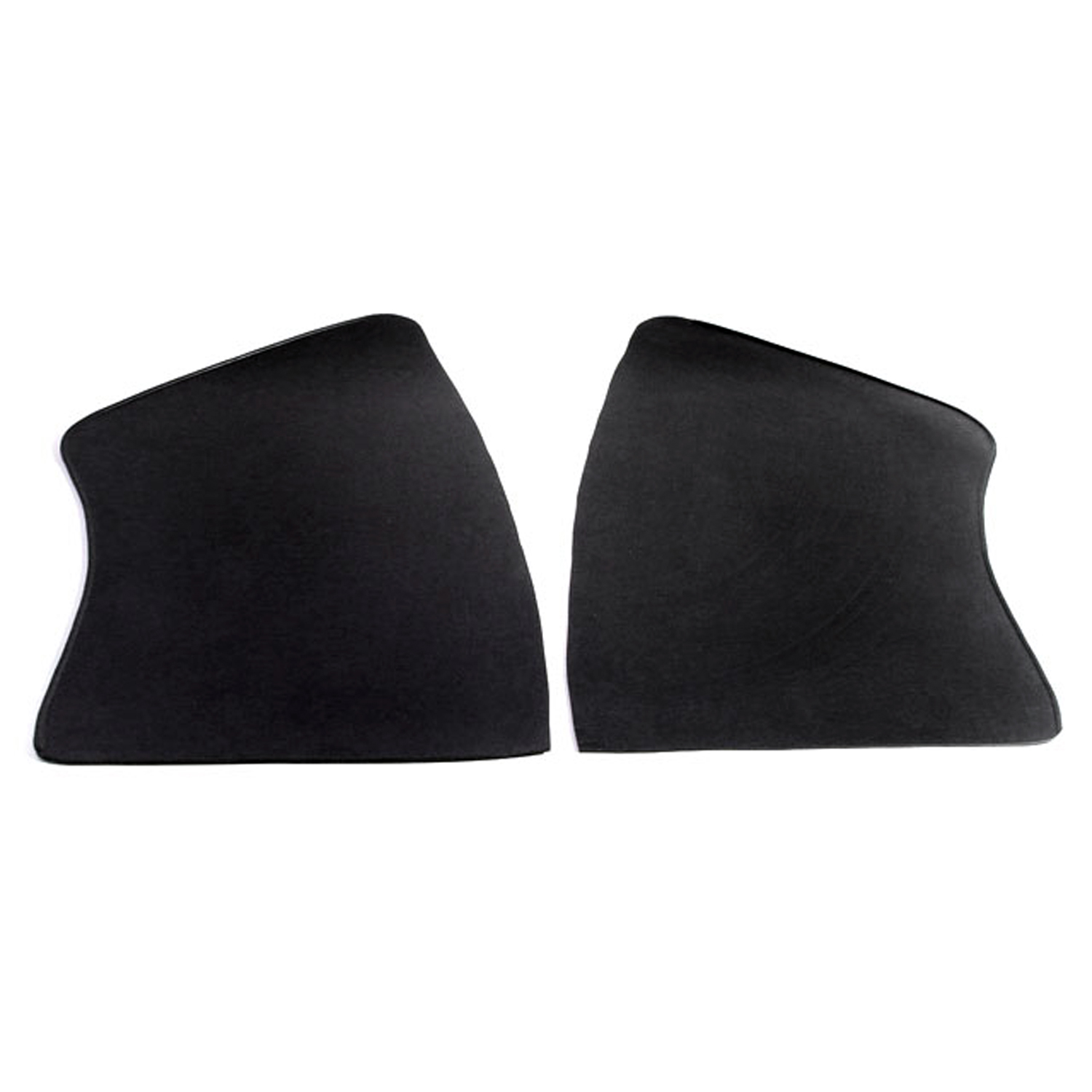 1934 DeSoto Airflow Gravel Shields. Molded flat without metal backing plates-FS 31Gravel Shields. Molded flat without metal backing plates. Apply with contact cement. 18" long X 9-3/4" wide at bottom. Pair
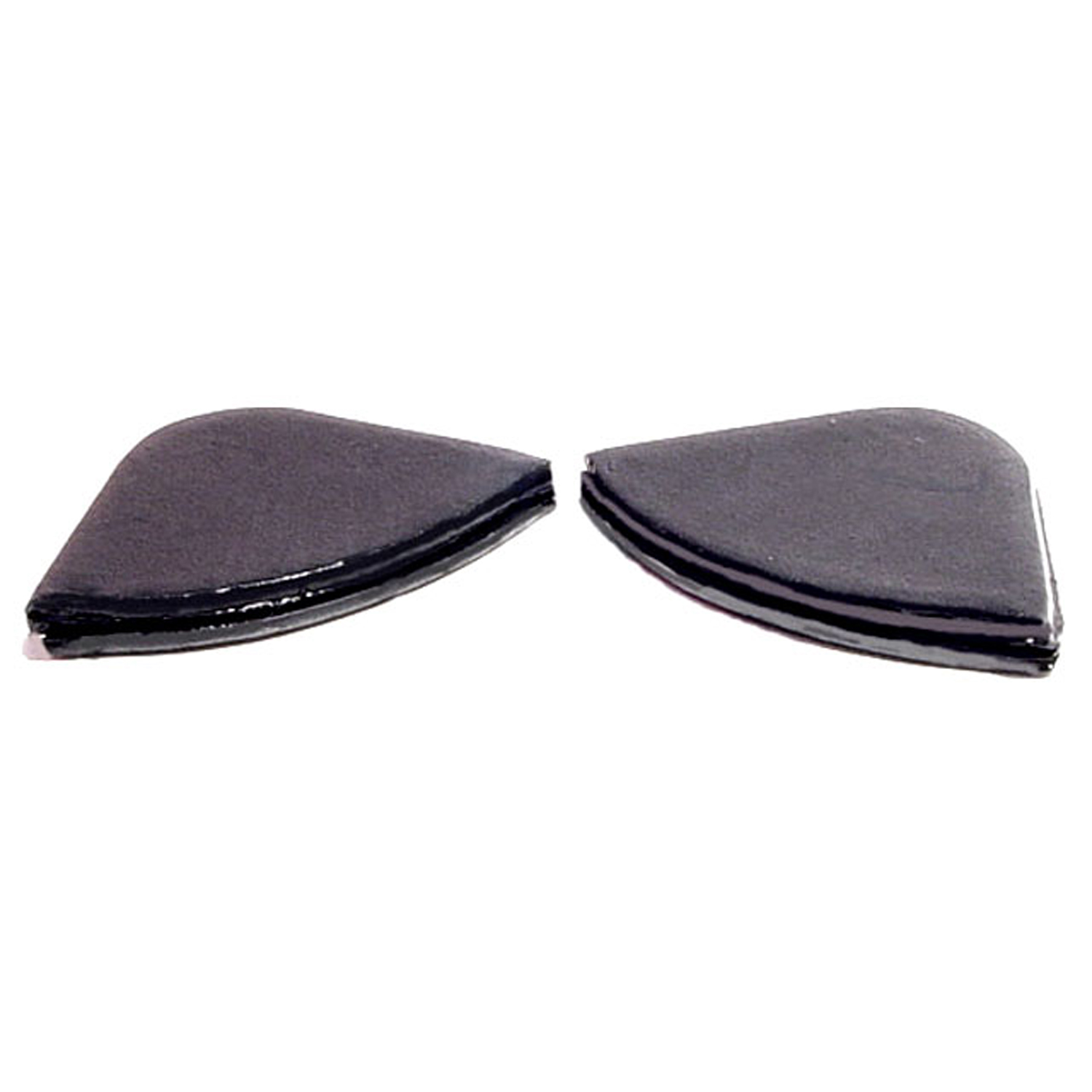 1934 DeSoto Airflow Hood Corners. Fits flat corners-HC 19Hood Corners. Fits flat corners. 80° angle, 1/4" to 3/8" corner radius. 1-3/8" wide. Pair
 1934 DeSoto Airflow Roof Related Seal. Top insert filler & seal for closed cars-LP 110-RRoof Related Seal. Top insert filler & seal for closed cars. Fits in groove between cloth top-center panel & surrounding steel. Sold by the foot
 1934 DeSoto Airflow Door Lock Pad. 1-3/8" O.D. Each-MP 551-CDoor Lock Pad. 1-3/8" O.D. Each
 1934 DeSoto Airflow Cowl Vent Seal. Made of molded sponge-RP 100-LCowl Vent Seal. Made of molded sponge. 3-3/4" wide at side X 15-1/3" long X 3/8" thick. Each
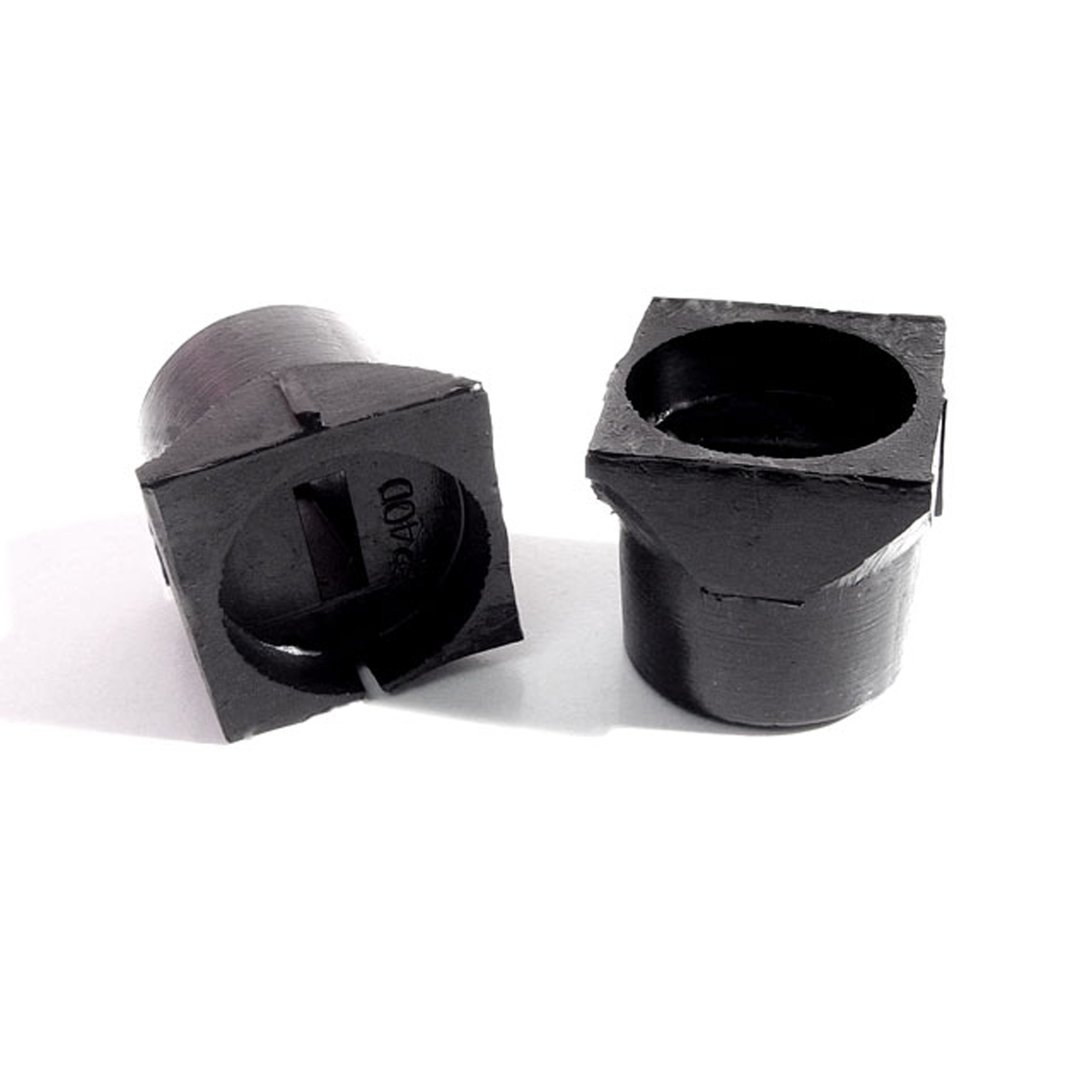 1934 DeSoto Airflow Door Check Rubber Cushion. Each-RP 40-DDoor Check Rubber Cushion. Each
 1934 DeSoto Airflow Door Bumper. 1" diameter X 1/4" thick Each-SB 60Door Bumper. 1" diameter X 1/4" thick Each
 1934 DeSoto Airflow Rumble Seat Step Plate Pad. Rubber face only. 4-1/4" O.D-SP 17Rumble Seat Step Plate Pad. Rubber face only. 4-1/4" O.D. Each
 1934 DeSoto Airflow Rear Vent Window Seals. For 4-door sedan. Pair R&L-WR 2304-RRear Vent Window Seals. For 4-door sedan. Pair R&L
Why Choose Metro?
For over 100 years, Metro Moulded Parts has been the pinnacle of quality in classic car restoration parts. Our commitment to precision and authenticity in every component ensures a perfect fit and an OEM-level appearance.
- Expert Craftsmanship & Quality: Each part is a testament to our dedication to reliability and perfection, crafted from original designs and thoroughly tested.
- Advanced Technology: We use cutting-edge techniques to create flawless, long-lasting parts that surpass others in performance.
- SuperSoft Sponge – The Ultimate Door Seal: Not only are our door seals 30% softer than competitors', but they're also guaranteed to never leak. They effectively reduce wind and road noise, enhancing your classic car's comfort and driving experience.
- Proudly American: Our parts are a product of American craftsmanship, made in the USA with a spirit of excellence and heritage.
- Unrivaled Warranty: We back our products with a 30-year industry-leading warranty, a testament to our confidence in their quality.
Join us in preserving the legacy of classic cars with parts that are crafted for perfection, not just made.