

Image of 1935 Desoto Airstream, Note: These illustrations use artistic license and may differ from actual historical models.
Performance Metrics
Fundamental Metrics
Emotional Appeal
MMP Rating
| Engine Specifications | |
|---|---|
| Engine: | Inline 6 |
| Displacement: | 241.5 cu in (3.96 L) |
| Horsepower: | Estimated 100 hp |
| Torque: | Not available |
| Compression Ratio: | Not available |
| Ignition System: | Standard ignition with mechanical breaker points |
| Cooling System: | Liquid-cooled |
| Performance Specifications | |
| 0-60 Time: | Not available |
| 1/4 Mile Time: | Not available |
| Top Speed: | 75 mph |
| Transmission and Drive | |
| Drive Type: | Rear-wheel drive |
| Transmission Type: | 3-speed manual |
| Fuel and Efficiency | |
| Fuel System Type: | Carburetor |
| MPG: | Not available |
| Dimensions and Brakes | |
| Brakes: | Drum brakes |
| Wheelbase: | 115 in (2,921 mm) |
| Weight: | 3,200 lbs |
Note: Specifications for classic cars are given to the best of our ability, considering the limited and variant data available.
1935 DeSoto Airstream: The Streamlined Six That Played It Safe
The 1935 DeSoto Airstream was a smart-looking six-cylinder car with an important job: give buyers modern style without asking them to embrace a radical new design. Built by DeSoto, Chrysler Corporation’s mid-priced brand, the Airstream arrived alongside the famously unconventional DeSoto Airflow. Its more familiar proportions and graceful streamlining made it an appealing middle ground, and helped DeSoto meet a market that was not quite ready to follow the Airflow’s lead.
That contrast is the Airstream’s most intriguing story. Chrysler had invested heavily in the Airflow’s advanced, aerodynamic construction, but many shoppers preferred cars that looked more like the vehicles they already knew. The Airstream offered a fresh appearance on a more conventional chassis. It was not simply a styling exercise: it was a practical response to the realities of the Depression-era car market.
Streamlined Style, Familiar Shape
The Airstream’s body was more rounded and flowing than the boxier cars of the early 1930s, but it retained a recognizable long-hood, separate-fender layout. A tall, upright grille gave the front end a confident face, while curved fenders swept around the wheels. The headlamps sat prominently at the front, and running boards linked the fenders along the sides. From the rear, a tapered body and smoothly integrated trunk helped soften the car’s silhouette.
It looked modern without being startling. Compared with the Airflow, the Airstream kept more traditional proportions and construction, but still used rounded contours and carefully blended details to suggest motion. That balance was central to its appeal: a buyer could enjoy a streamlined car without feeling as if they were stepping into a science experiment.
Inside, the Airstream offered the comfortable, well-finished cabin expected of a mid-priced American car. Upholstery was typically cloth, with broadcloth or mohair-style materials depending on trim and configuration. The dashboard used period-appropriate painted or woodgrain-finished trim, with clear, straightforward gauges and a large steering wheel. Exact upholstery, trim, and paint combinations varied by body style and production order. Period color choices included dark and medium shades such as black, maroon, blue, green, and tan, though surviving cars and factory records are the best way to verify a particular car’s original finish.
Body Styles and Period Equipment
The 1935 Airstream was offered in several closed and open body styles, including sedans and coupes. Depending on the configuration, buyers could choose a practical two-door or four-door sedan, a coupe, or a convertible-style model. Some coupes were offered with a rumble seat, a small rear-facing passenger space that became a memorable feature of prewar motoring. Four-door sedans were the natural choice for families, while coupes offered a sportier look and the convertible appealed to buyers seeking open-air style.
Under the skin, the Airstream used conventional rear-wheel-drive engineering: a front-mounted engine, a three-speed manual transmission, and a sturdy chassis. Its six-cylinder engine and hydraulic brakes represented familiar, serviceable technology for the period. The car’s layout was less radical than the Airflow’s, which helped make it easier for buyers and mechanics to understand. Equipment and specifications could vary with body style and factory options, so individual cars should be checked against period documentation.
Why the Airstream Mattered
The Airstream’s significance lies partly in what it was not. The Airflow had been designed around advanced aerodynamic principles and a more integrated body structure, but its unusual appearance divided buyers. The Airstream gave DeSoto dealers a companion model with a conventional layout and a more familiar visual language. It let Chrysler continue selling innovation while also offering a reassuring alternative.
That strategy reflected a larger lesson in automotive design: engineering advances only matter commercially when customers are ready to accept them. The Airstream’s rounded styling brought some of the era’s streamlining trend to a broader audience without abandoning established expectations. It was not as revolutionary as the Airflow, but it helped make modern-looking design feel approachable.
The name can also cause a little confusion today. DeSoto’s Airstream was a car name, not a product of the Airstream travel-trailer company. The shared word reflects the period’s enthusiasm for speed, motion, and sleekness rather than a corporate connection.
Six-Cylinder Performance and Road Manners
Power came from a DeSoto L-head inline-six displacing about 241.5 cubic inches. Period specifications commonly list output at roughly 100 horsepower, delivered through a three-speed manual gearbox. That was respectable power for a full-size family car of the time, but the Airstream was built for comfortable transportation rather than quick acceleration.
Exact factory acceleration figures are not consistently documented. A reasonable modern estimate for a sound, correctly tuned example is roughly 20 to 25 seconds from 0 to 60 mph. Top speed was likely in the neighborhood of 75 to 80 mph under favorable conditions, though age, gearing, engine condition, tires, and body style all affect what an individual car can manage. Those figures are estimates, not guarantees or recommended cruising speeds for a nearly century-old automobile.
On the road, the Airstream feels substantial and deliberate. The six produces a low, even mechanical rumble, while the manual transmission calls for measured shifts rather than hurried gear changes. Its suspension is designed around the roads and tires of its era, so it can absorb ordinary bumps with a soft, rolling motion, but it will not feel as controlled as a modern car over sharp dips or broken pavement. On winding roads, the driver needs to plan ahead: the steering is slower, the body has noticeable movement, and the drum brakes demand more distance and anticipation than modern braking systems.
The reward is a relaxed vintage driving experience. The broad steering wheel, upright seating position, engine note, and view across the long hood all make the Airstream feel unmistakably prewar. It is best enjoyed at a pace that suits its age, with extra room for braking and a careful eye on traffic.
Living With a 1935 DeSoto
Today, most Airstreams are used as show cars, touring vehicles for local events, or treasured additions to prewar collections. A well-maintained example can be driven, but using one as an everyday car is impractical by modern standards. Safety equipment, traffic speeds, weather protection, parts availability, and the demands of regular maintenance all favor occasional use.
The car’s conventional mechanical layout is an advantage for restoration and repair. A mechanically minded owner can handle routine work such as lubrication, ignition service, and basic adjustments, but specialist knowledge is useful for engine rebuilding, brake restoration, and sourcing correct components. Before buying, inspect the frame and body for corrosion, check the cooling system and engine for overheating or wear, and pay close attention to the brakes, tires, and electrical system. Original trim and body-specific parts can be harder to find than common service items.
Reliability depends heavily on the quality of restoration and upkeep. A carefully maintained Airstream can be dependable for short tours, while a neglected car may need extensive work before it is safe to drive. For touring, the best preparation is simple: have the cooling, fuel, ignition, and braking systems checked by someone familiar with prewar cars.
Noteworthy Details and Common Criticisms
The Airstream’s most notable historical distinction is its role as the more conventional companion to the Airflow. It represents a period when automakers were testing how far they could push aerodynamic styling while still giving cautious buyers familiar choices. It is also a good reminder that a model can be historically important without becoming the most famous car in its own lineup.
There is no widely recognized speed or endurance record associated with the 1935 Airstream, and no single celebrity-owned example defines its story. Its appeal is more grounded: it was a well-equipped, streamlined family car built for ordinary buyers in a difficult economic era. One common criticism today is that its styling, though attractive, is less dramatic than the Airflow’s. Another is that its conventional engineering makes it less technically groundbreaking. Those points are fair, but they also explain why the Airstream made sense to so many original customers.
Collector Values and Availability
The 1935 DeSoto Airstream is uncommon in today’s market, though it should not be confused with a car produced in tiny numbers. A precise, widely accepted production total for the Airstream by body style is difficult to establish from commonly available references. As a reasoned estimate rather than a factory-confirmed figure, total 1935 Airstream production may have been in the tens of thousands, perhaps around 35,000 to 40,000 cars. Surviving examples are far fewer, and complete cars with good trim and correct details can take time to locate.
As a broad 2026 U.S. market estimate, a project car might sell for roughly $5,000 to $12,000, while a running but imperfect driver could fall around $12,000 to $22,000. A strong, restored sedan or coupe may bring approximately $22,000 to $35,000. Exceptional restorations, especially less common open cars or examples with especially desirable provenance, can exceed that range. Condition, originality, body style, restoration quality, and the availability of documentation have a major effect on price.
Values for prewar cars like the Airstream tend to be selective. The best examples can attract committed collectors, but demand is narrower than for high-profile classics from later decades. Prices may rise for excellent, well-documented cars, while average examples can remain relatively steady in inflation-adjusted terms. Buyers should focus on condition and completeness rather than assuming that age alone guarantees appreciation.
A Quietly Important DeSoto
The 1935 DeSoto Airstream brought streamlined looks to a conventional, usable six-cylinder car at a moment when automakers were navigating both economic hardship and fast-changing design ideas. Its rounded body, comfortable cabin, practical mechanical layout, and place beside the radical Airflow make it more than just another prewar sedan.
It may not have changed the industry as dramatically as its famous showroom partner, but the Airstream captured a crucial truth about automotive history: progress succeeds when style, technology, and buyer confidence meet on the same road.
1935 Desoto Airstream Catalog of Parts
 1935 DeSoto Airstream Door Jamb Bumper. Perfect reproduction-DB 36Door Jamb Bumper. Perfect reproduction. 1-1/16" high X 1-1/4" wide X 7/16" thick. Each
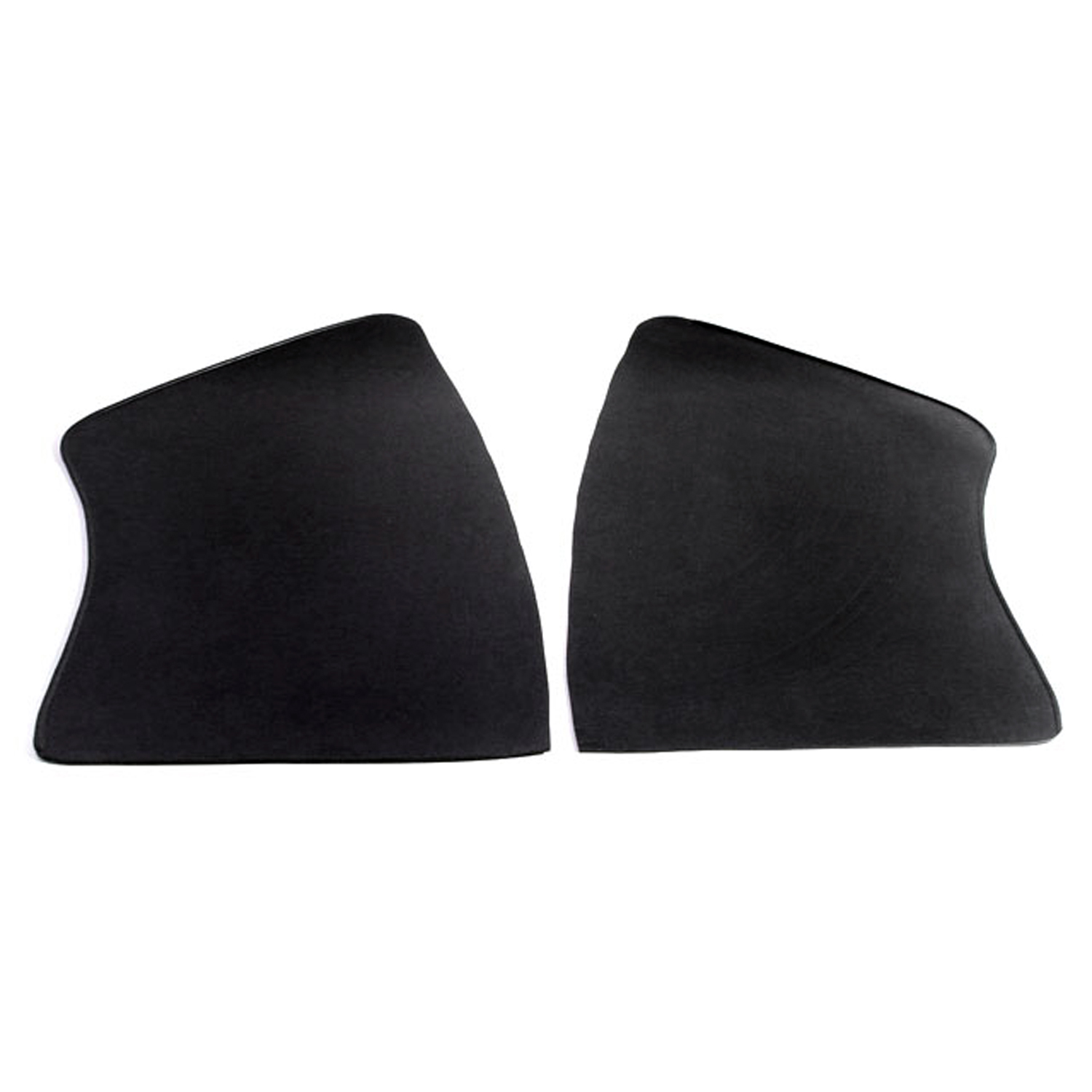 1935 DeSoto Airstream Gravel Shields. Molded flat without metal backing plates-FS 31Gravel Shields. Molded flat without metal backing plates. Apply with contact cement. 18" long X 9-3/4" wide at bottom. Pair
 1935 DeSoto Airstream Hood Corners. Fits flat corners-HC 19Hood Corners. Fits flat corners. 80° angle, 1/4" to 3/8" corner radius. 1-3/8" wide. Pair
 1935 DeSoto Airstream Roof Related Seal. Top insert filler & seal for closed cars-LP 110-RRoof Related Seal. Top insert filler & seal for closed cars. Fits in groove between cloth top-center panel & surrounding steel. Sold by the foot
 1935 DeSoto Airstream Swing-Out & Crank-Out Windshield Seal. Sold by the foot-LP 97Swing-Out & Crank-Out Windshield Seal. Sold by the foot
 1935 DeSoto Airstream Door Lock Pad. 1-3/8" O.D. Each-MP 551-CDoor Lock Pad. 1-3/8" O.D. Each
 1935 DeSoto Airstream Tail-light Pads. 2-1/2" wide X 6" long. Pair-MP 663-DTail-light Pads. 2-1/2" wide X 6" long. Pair
 1935 DeSoto Airstream Cowl Vent Seal. Made of molded sponge-RP 100-LCowl Vent Seal. Made of molded sponge. 3-3/4" wide at side X 15-1/3" long X 3/8" thick. Each
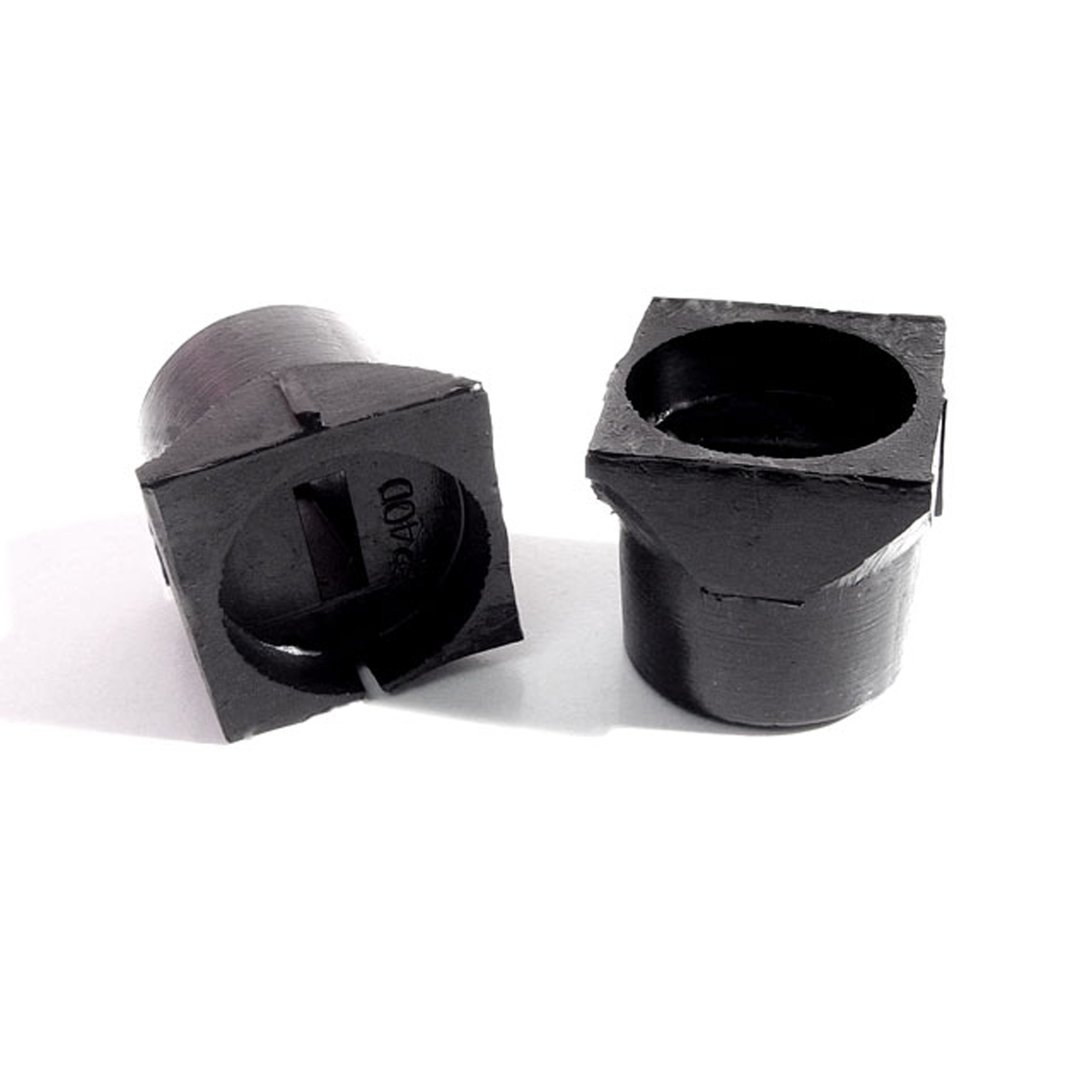 1935 DeSoto Airstream Door Check Rubber Cushion. Each-RP 40-DDoor Check Rubber Cushion. Each
 1935 DeSoto Airstream Door Bumper. 1" diameter X 1/4" thick Each-SB 60Door Bumper. 1" diameter X 1/4" thick Each
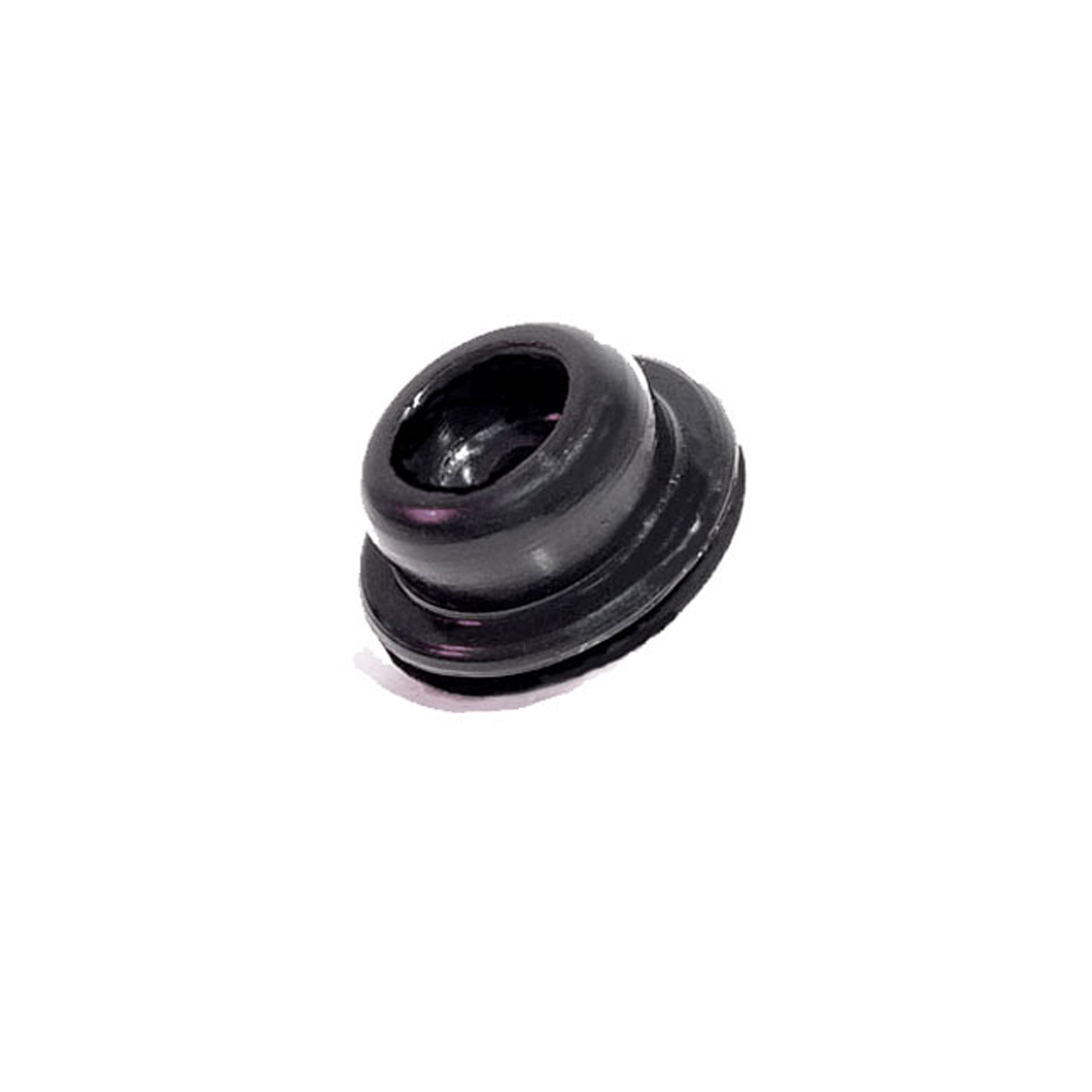 1935 DeSoto Airstream Accelerator Rod Grommet-SM 43-BAccelerator Rod Grommet. For accelerator rod through floorboard. Each
 1935 DeSoto Airstream Rumble Seat Step Plate Pad. Rubber face only. 4-1/4" O.D-SP 17Rumble Seat Step Plate Pad. Rubber face only. 4-1/4" O.D. Each
 1935 DeSoto Airstream Rear Vent Window Seals. For 4-door sedan. Pair R&L-WR 2304-RRear Vent Window Seals. For 4-door sedan. Pair R&L
Why Choose Metro?
For over 100 years, Metro Moulded Parts has been the pinnacle of quality in classic car restoration parts. Our commitment to precision and authenticity in every component ensures a perfect fit and an OEM-level appearance.
- Expert Craftsmanship & Quality: Each part is a testament to our dedication to reliability and perfection, crafted from original designs and thoroughly tested.
- Advanced Technology: We use cutting-edge techniques to create flawless, long-lasting parts that surpass others in performance.
- SuperSoft Sponge – The Ultimate Door Seal: Not only are our door seals 30% softer than competitors', but they're also guaranteed to never leak. They effectively reduce wind and road noise, enhancing your classic car's comfort and driving experience.
- Proudly American: Our parts are a product of American craftsmanship, made in the USA with a spirit of excellence and heritage.
- Unrivaled Warranty: We back our products with a 30-year industry-leading warranty, a testament to our confidence in their quality.
Join us in preserving the legacy of classic cars with parts that are crafted for perfection, not just made.