

Image of 1936 Desoto Airflow Iii, Note: These illustrations use artistic license and may differ from actual historical models.
Performance Metrics
Fundamental Metrics
Emotional Appeal
MMP Rating
| Engine Specifications | |
|---|---|
| Engine: | Inline 6-cylinder |
| Displacement: | 241.5 cu in (3.96 L) |
| Horsepower: | Estimated 100-110 hp |
| Torque: | Not available |
| Compression Ratio: | 6.5:1 |
| Ignition System: | Battery and coil |
| Cooling System: | Liquid-cooled |
| Performance Specifications | |
| 0-60 Time: | Not available |
| 1/4 Mile Time: | Not available |
| Top Speed: | 80-85 mph |
| Transmission and Drive | |
| Drive Type: | Rear-wheel drive |
| Transmission Type: | 3-speed manual |
| Fuel and Efficiency | |
| Fuel System Type: | Carburetor |
| MPG: | Not available |
| Dimensions and Brakes | |
| Brakes: | Hydraulic drum brakes |
| Wheelbase: | 115 in (2,921 mm) |
| Weight: | 3,200 lbs |
Note: Specifications for classic cars are given to the best of our ability, considering the limited and variant data available.
1936 DeSoto Airflow: The Streamliner at the End of Its Run
The 1936 DeSoto Airflow looks as if it arrived from a more aerodynamic future, even though it was built when most cars still wore upright grilles and separate-looking fenders. Designed by the Chrysler Corporation and sold through its DeSoto division, the Airflow was a bold attempt to make the shape of a car serve the way it moved. The 1936 model was the final DeSoto Airflow, giving it an important place in the story of one of America’s most ambitious prewar designs.
The name “Airflow III” is often used by enthusiasts to describe the third and final model year of the DeSoto Airflow. Factory records and reference books commonly identify the 1936 DeSoto as the Airflow Series S-2, so buyers researching a particular car may encounter both names. Whatever the label, this was the streamlined DeSoto’s last appearance before the division shifted its attention to more conventional styling.
Streamlined Style and Cabin Details
The Airflow’s exterior was designed as a continuous form rather than a collection of separate parts. Its rounded nose flowed into curved fenders, a tall cabin, and a smoothly tapered rear. The wheels sat within the body’s overall shape more naturally than on many contemporary cars, while the headlights were integrated into the front fenders. For 1936, the front styling was revised to look more familiar, but the car retained the distinctive rounded silhouette that made the Airflow so unmistakable.
Inside, the emphasis was on comfort and space. The cabin was wide and airy by the standards of the day, with a broad bench seat, a substantial dashboard, and generous glass. Upholstery and trim depended on the body style and equipment, but period cars used durable fabrics such as broadcloth and other woven materials, with higher-grade finishes available. Woodgrain-style dashboard trim and polished metal details helped give the interior a dressed-up look without disguising its practical layout.
Factory paint choices varied with body style, trim, and market. Period colors included subdued shades such as black, blue, maroon, green, and gray, with some cars finished in two-tone combinations. Dark, rich colors suit the car’s formal profile particularly well, though the exact original color of an individual example is best confirmed through its paint documentation or surviving factory records.
DeSoto offered the Airflow in coupe and sedan forms, with four-door sedans making up the most recognizable configuration. Exact body-style availability could vary by catalog and market. The four-door sedan is especially emblematic of the Airflow because its long, uninterrupted body makes the streamlined roofline and flowing fenders easy to appreciate.
Engineering Ahead of Its Time
Chrysler did not treat the Airflow as a styling exercise alone. Engineers studied airflow and worked to reduce the turbulence created by the squared-off bodies common in the early 1930s. The Airflow’s rounded nose, sloping windshield, and tapered rear were part of a coordinated effort to help the car move through the air more efficiently.
Its layout also differed from that of many rivals. The engine was positioned farther forward, and the passenger compartment was arranged to make better use of the space between the axles. The result was a cabin that felt roomier and a weight distribution intended to improve stability. The car’s strong steel structure and substantial frame were also central to Chrysler’s emphasis on strength and occupant protection. It was not a modern unibody car in the contemporary sense, but its integrated approach to body and chassis design was notably advanced for the period.
The Airflow’s biggest obstacle was not simply that it was different. Many buyers were accustomed to cars with upright grilles, long hoods, and clearly separate fenders. The Airflow’s one-piece visual flow challenged those expectations. Chrysler responded with styling revisions and continued to sell more conventional models alongside it, but the DeSoto Airflow never became a mass-market favorite. Its ideas, however, helped make aerodynamic styling a serious subject for later designers.
Flathead Six Performance
The 1936 DeSoto Airflow used a 241.5-cubic-inch L-head inline-six, rated at about 100 horsepower. Power went to the rear wheels through a three-speed manual transmission. Those figures made the Airflow a capable touring car for its era, though its substantial size and weight meant it was built for steady progress rather than quick acceleration.
Published performance figures vary with test conditions, gearing, tires, and the mechanical condition of the car. As a practical estimate, a healthy example could reach roughly 80 to 85 mph, while acceleration from 0 to 60 mph might take around 20 to 25 seconds. A modern driver should treat those numbers as historical context, not as an invitation to test an unrestored car at its limits.
On the road, the Airflow feels solid and deliberate. Its long wheelbase helps it settle over broad road imperfections, while the substantial body gives it a planted character at touring speeds. Tight, winding roads demand more planning than they do in a modern car, and crosswinds can still be felt in a tall vehicle with a large body. Steering is heavier and less precise by current standards, and the driver must allow more room for the car’s size and period braking performance.
The flathead six produces a restrained mechanical hum rather than a sharp, high-revving sound. The driving experience is about smooth, measured travel: a steady engine note, a firm bench seat, and a view through broad windows that feels distinctly prewar. The three-speed gearbox and period controls also keep the driver closely involved in the process. There is no modern power steering, automatic transmission, or electronic assistance to smooth away the car’s character.
Living With a DeSoto Airflow
Today, most 1936 DeSoto Airflows are used for club touring, local shows, and carefully planned historic drives rather than daily commuting or racing. Their rarity and age make regular use possible, but it takes preparation. A well-sorted example can cover enjoyable distances, especially when its cooling system, brakes, tires, and ignition have been properly maintained.
The mechanical layout is understandable to a traditional shop or an experienced home mechanic, and the flathead six is less complicated than a modern engine. Routine servicing is straightforward in principle, but age changes the equation. Parts may require searching through marque clubs, specialist suppliers, swap meets, or donor vehicles. Body and trim pieces can be harder to source than basic service items, and repairs to the distinctive body may call for a specialist familiar with prewar construction.
Reliability depends heavily on restoration quality and maintenance history. Cooling problems, worn steering or suspension components, tired wiring, brake issues, and deteriorated rubber parts are all worth checking before a long drive. As with any prewar car, a careful inspection and a realistic spares plan matter more than a polished paint job.
Airflow Facts and Common Criticisms
The 1936 model’s most notable distinction is also its simplest: it marked the final year of the DeSoto Airflow. Chrysler continued its own Airflow line beyond 1936, but DeSoto moved on. The car therefore represents the closing chapter of the division’s experiment with its most radical design.
Airflows were promoted as strong, carefully engineered cars, and Chrysler’s aerodynamic development helped bring wind resistance into mainstream automotive conversation. The model did not set a lasting sales record, nor is the 1936 DeSoto generally known for a headline-grabbing speed or endurance record. Its legacy is more influential in design thinking than in competition results.
The most common criticism was its appearance. Some buyers found the rounded shape too unusual, while others were unconvinced by the claim that aerodynamic styling mattered in ordinary driving. Its complexity and unfamiliar construction could also make repairs less convenient than on a conventional car. Those complaints help explain the Airflow’s commercial struggle, but they are part of what makes it fascinating now: it was a serious engineering project that asked the public to change its idea of what a car should look like.
Collector Value and Rarity
Production estimates for the 1936 DeSoto Airflow are commonly placed at roughly 6,000 to 6,500 cars, with about 6,275 often cited. Figures can vary by source and by how body styles are counted. That makes the model uncommon today, although surviving examples appear from time to time through specialist dealers, auctions, marque clubs, and private sales.
As a broad current-market estimate, a project car might sell for about $8,000 to $18,000, depending on completeness and condition. A usable driver or older restoration could fall around $20,000 to $40,000, while a high-quality restoration may reach approximately $40,000 to $65,000. An exceptional, documented example could command more, but condition, originality, body style, and the quality of the restoration have a major effect on price. These are guide ranges, not guaranteed sale prices.
Values tend to be strongest for cars that are complete, structurally sound, and correctly restored. The Airflow has an enthusiastic following, but its specialist appeal is narrower than that of more familiar prewar classics. Prices have generally been steady to gradually improving for good examples, rather than rising rapidly across the board. Restoration costs can easily exceed a car’s resale value, so it is often wiser to buy the best surviving example you can afford than to begin with a severely incomplete project.
Why the 1936 DeSoto Airflow Matters
The 1936 DeSoto Airflow combined a distinctive streamlined body, thoughtful cabin packaging, and ambitious engineering in a car that asked buyers to rethink familiar automotive conventions. Its six-cylinder engine and measured road manners made it a comfortable tourer, while its unusual shape and limited production have given it lasting collector appeal.
The Airflow did not transform the market overnight, but it helped make aerodynamics and integrated design part of the automotive conversation. Nearly a century later, the final DeSoto Airflow remains more than an attractive rarity. It is a reminder that some of the most important cars are not the ones everyone bought, but the ones brave enough to show everyone what might come next.
1936 Desoto Airflow Iii Catalog of Parts
 1936 DeSoto Airflow III Door Jamb Bumper. Perfect reproduction-DB 36Door Jamb Bumper. Perfect reproduction. 1-1/16" high X 1-1/4" wide X 7/16" thick. Each
 1936 DeSoto Airflow III Gravel Shields. Molded flat without metal backing plates-FS 31Gravel Shields. Molded flat without metal backing plates. Apply with contact cement. 18" long X 9-3/4" wide at bottom. Pair
 1936 DeSoto Airflow III Hood Corners. Fits flat corners-HC 19Hood Corners. Fits flat corners. 80° angle, 1/4" to 3/8" corner radius. 1-3/8" wide. Pair
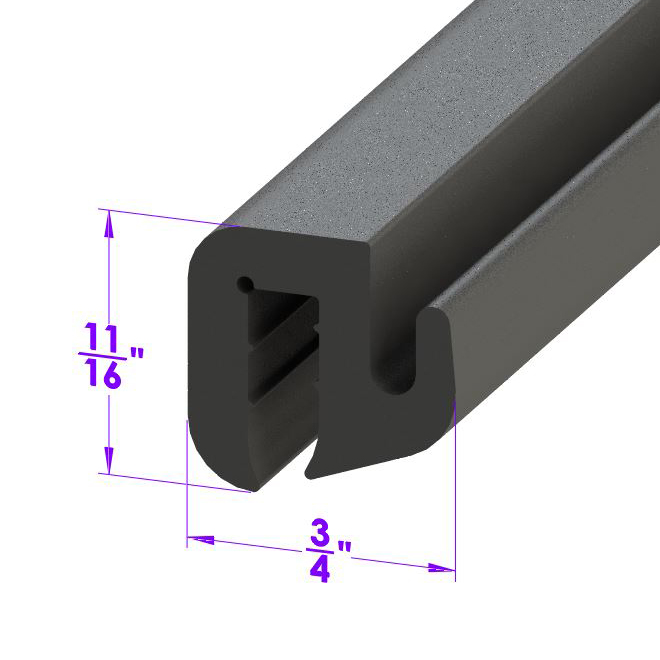 1936 DeSoto Airflow III Windshield and Rear Window Seal. Sold by the foot-LP 30-AWindshield and Rear Window Seal. Sold by the foot
 1936 DeSoto Airflow III Swing-Out & Crank-Out Windshield Seal. Sold by the foot-LP 97Swing-Out & Crank-Out Windshield Seal. Sold by the foot
 1936 DeSoto Airflow III Door Lock Pad. 1-3/8" O.D. Each-MP 551-CDoor Lock Pad. 1-3/8" O.D. Each
 1936 DeSoto Airflow III Headlight Pads. 3-1/4" wide X 6-3/4" long. Pair R&L-MP 663-GHeadlight Pads. 3-1/4" wide X 6-3/4" long. Pair R&L
 1936 DeSoto Airflow III Trunk Lock Pad. 1-3/4" wide X 3-1/8" long. Each-MP 663-HTrunk Lock Pad. 1-3/4" wide X 3-1/8" long. Each
 1936 DeSoto Airflow III Headlight Base to Fender Pads. 3" wide X 6" long. Pair-MP 663-JHeadlight Base to Fender Pads. 3" wide X 6" long. Pair
 1936 DeSoto Airflow III Trunk Hinge Pads. 1-3/8" wide X 9-1/2" long. Set-MP 663-LTrunk Hinge Pads. 1-3/8" wide X 9-1/2" long. Set
 1936 DeSoto Airflow III Cowl Vent Seal. Made of molded sponge-RP 100-LCowl Vent Seal. Made of molded sponge. 3-3/4" wide at side X 15-1/3" long X 3/8" thick. Each
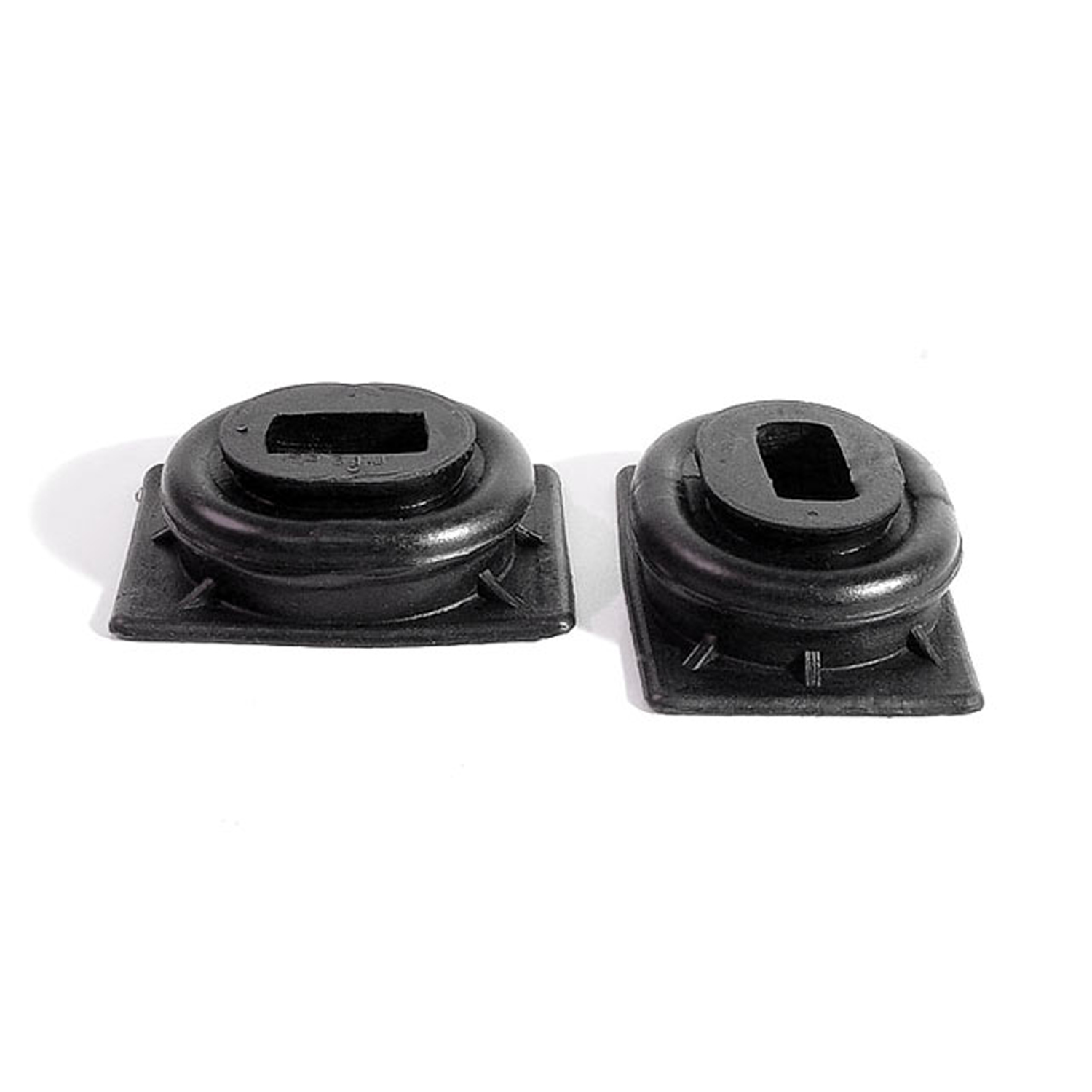 1936 DeSoto Airflow III Clutch and Brake Seals. Replaces OEM #889473. Pair-RP 31-JClutch and Brake Seals. Replaces OEM #889473. Pair
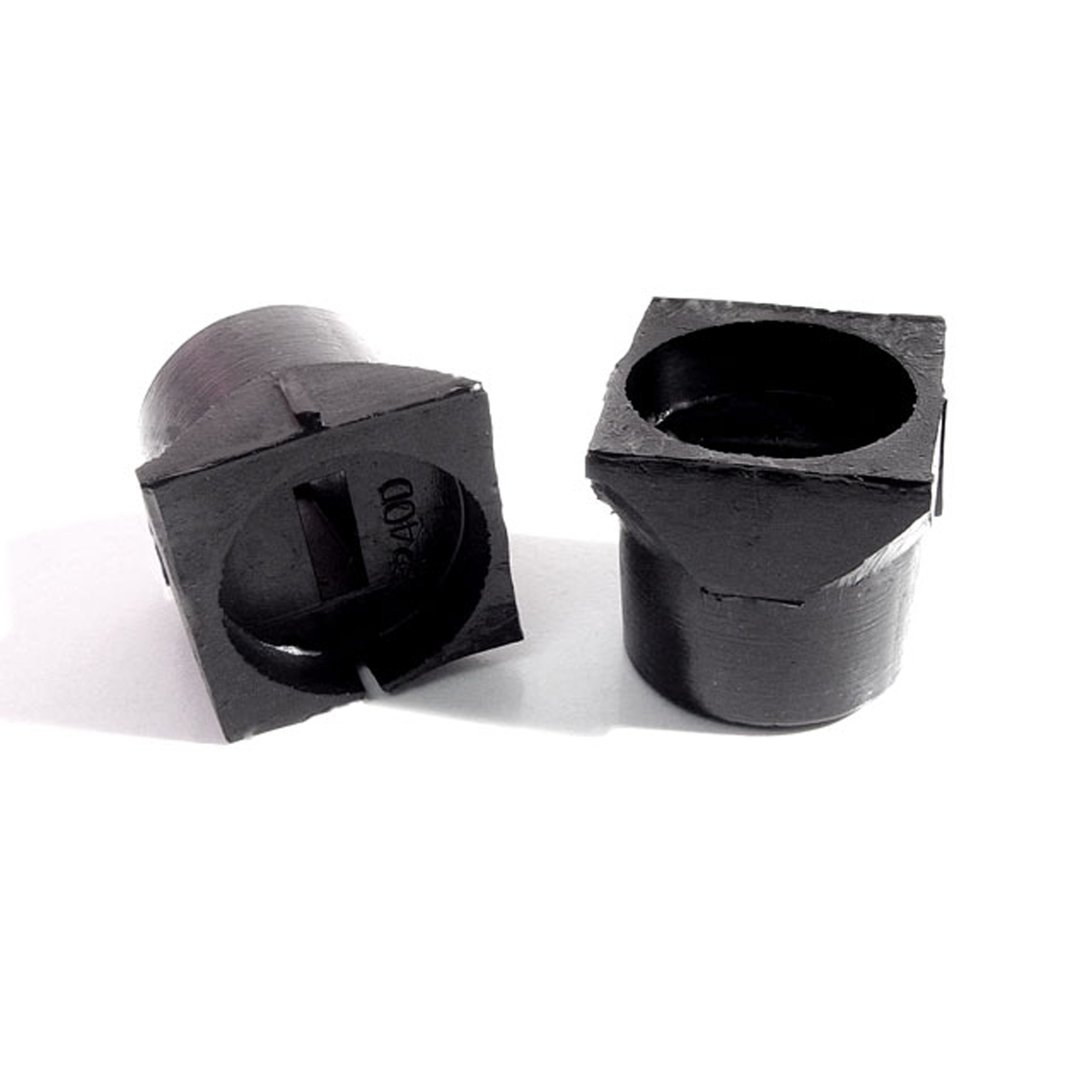 1936 DeSoto Airflow III Door Check Rubber Cushion. Each-RP 40-DDoor Check Rubber Cushion. Each
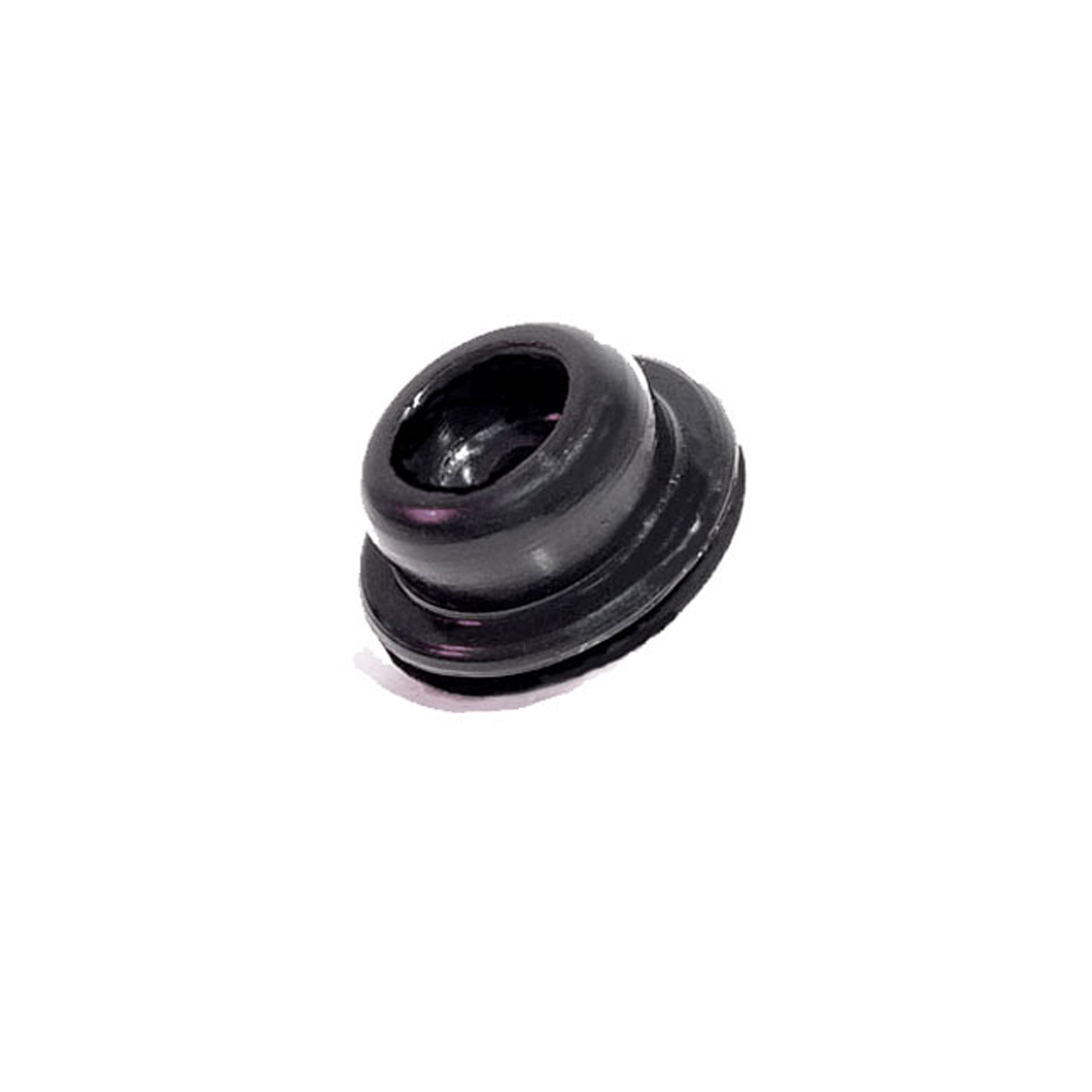 1936 DeSoto Airflow III Accelerator Rod Grommet-SM 43-BAccelerator Rod Grommet. For accelerator rod through floorboard. Each
 1936 DeSoto Airflow III Rumble Seat Step Plate Pad. Rubber face only. 4-1/4" O.D-SP 17Rumble Seat Step Plate Pad. Rubber face only. 4-1/4" O.D. Each
 1936 DeSoto Airflow III Rear Vent Window Seals. For 4-door sedan. Pair R&L-WR 2304-RRear Vent Window Seals. For 4-door sedan. Pair R&L 1936 DeSoto Airflow III Front Vent Window Seals. Molded to exact configuration-WR 2705Front Vent Window Seals. Molded to exact configuration. Pair R&L
Why Choose Metro?
For over 100 years, Metro Moulded Parts has been the pinnacle of quality in classic car restoration parts. Our commitment to precision and authenticity in every component ensures a perfect fit and an OEM-level appearance.
- Expert Craftsmanship & Quality: Each part is a testament to our dedication to reliability and perfection, crafted from original designs and thoroughly tested.
- Advanced Technology: We use cutting-edge techniques to create flawless, long-lasting parts that surpass others in performance.
- SuperSoft Sponge – The Ultimate Door Seal: Not only are our door seals 30% softer than competitors', but they're also guaranteed to never leak. They effectively reduce wind and road noise, enhancing your classic car's comfort and driving experience.
- Proudly American: Our parts are a product of American craftsmanship, made in the USA with a spirit of excellence and heritage.
- Unrivaled Warranty: We back our products with a 30-year industry-leading warranty, a testament to our confidence in their quality.
Join us in preserving the legacy of classic cars with parts that are crafted for perfection, not just made.