

Image of 1938 Desoto S-5, Note: These illustrations use artistic license and may differ from actual historical models.
Performance Metrics
Fundamental Metrics
Emotional Appeal
MMP Rating
| Engine Specifications | |
|---|---|
| Engine: | Inline 6 |
| Displacement: | 228 cubic inches |
| Horsepower: | Estimated 93-100 hp |
| Torque: | Not available |
| Compression Ratio: | 6.5:1 |
| Ignition System: | Battery and coil |
| Cooling System: | Liquid-cooled |
| Performance Specifications | |
| 0-60 Time: | Not available |
| 1/4 Mile Time: | Not available |
| Top Speed: | 85 mph |
| Transmission and Drive | |
| Drive Type: | Rear-wheel drive |
| Transmission Type: | 3-speed manual |
| Fuel and Efficiency | |
| Fuel System Type: | Carburetor |
| MPG: | Not available |
| Dimensions and Brakes | |
| Brakes: | Hydraulic drum brakes |
| Wheelbase: | 122 inches |
| Weight: | 3,200 lbs |
Note: Specifications for classic cars are given to the best of our ability, considering the limited and variant data available.
1938 DeSoto S-5: A Midsize Classic with Chrysler Character
The 1938 DeSoto S-5 brought confident Chrysler engineering and handsome, understated style to American roads just as the country was emerging from the sharp 1937–38 recession. Built by the DeSoto division of the Chrysler Corporation, it was a substantial, six-cylinder car positioned between more affordable Dodges and higher-priced Chryslers. Its appeal today lies in that balance: roomy enough for family travel, distinctive without being flamboyant, and powered by a durable straight-six.
DeSoto had been introduced in 1928 and named for Spanish explorer Hernando de Soto. By 1938, the division had moved beyond the radical Airflow experiment of the early 1930s. The S-5 followed a more conventional formula, with a separate-looking body, familiar proportions, and practical mechanicals. One useful point for collectors is that “S-5” identifies the 1938 DeSoto series, not a high-performance special edition.
1938 DeSoto Styling and Cabin
The S-5 has the upright, purposeful stance typical of late-1930s American cars. Its long hood leads to a prominent front grille, while rounded fenders flow around the wheels rather than appearing as separate bolt-on shapes. Chrome trim adds brightness without overwhelming the body, and details such as the hood ornament, grille bars, and trim around the windows give the car a refined, formal look. From the side, the smooth roofline and broad running boards connect it unmistakably to the prewar era.
Inside, the emphasis is on comfort and room rather than sportiness. The broad bench seats were generally upholstered in durable cloth, with materials and trim varying by body style and equipment. A large steering wheel, clear instrument panel, and generous glass area made the car feel open and straightforward to operate. Restored examples may have replacement upholstery, so buyers should compare the cabin with period photographs and the car’s original trim information where available.
Factory paint choices varied by model, trim, and market. Period palettes commonly included restrained shades such as black, maroon, blue, green, and gray, though surviving cars have not always retained their original color. Dark, formal colors suit the S-5’s upright design particularly well, while richer blues and greens can make its curved fenders stand out.
Body Styles and Equipment
The 1938 DeSoto range included sedan and coupe configurations, with availability depending on trim and market. Sedans are the natural choice for family use and offer the most practical cabin space. Coupe versions have a shorter, sportier profile and are especially appealing to collectors who want a more personal-looking prewar car. Body-style listings can differ among reference sources, so anyone considering a particular car should verify its model and body designation from factory records or identifying data rather than relying on a seller’s description alone.
Equipment was appropriate to a well-appointed mainstream car of its time. The S-5 used a conventional three-speed manual transmission, and features such as a heater or radio could depend on the car’s original options. It was not loaded with modern conveniences, but its straightforward layout made it familiar to drivers accustomed to contemporary automobiles.
Engineering and Historical Significance
The S-5’s importance is less about a single groundbreaking invention and more about how it represented DeSoto’s place in Chrysler’s lineup. The brand offered buyers a step up in size and finish from an entry-level car without the price of a luxury model. In 1938, that was a useful position: customers wanted dependable transportation, but they also expected comfort and a little visual distinction.
Under the hood is a 228-cubic-inch (3.7-liter) L-head inline-six, commonly rated at about 93 horsepower. It sends power to the rear wheels through a three-speed manual gearbox. The engine’s side-valve layout was conventional, proven technology, chosen for durability and manageable maintenance rather than high-revving performance. Hydraulic brakes and period Chrysler chassis engineering helped the S-5 deliver a composed, controlled feel by the standards of its day.
The car also tells a story about changing design priorities. Chrysler had tested bold aerodynamic ideas with its Airflow models, but by the late 1930s the market favored familiar styling. The S-5’s smooth fenders and integrated appearance show how streamlining continued in subtler ways, even as automakers returned to shapes buyers readily recognized.
Performance and Driving Feel
With roughly 93 horsepower moving a full-size prewar body, the S-5 is best understood as a relaxed touring car, not a quick modern classic. Period gearing, vehicle condition, and body style all affect performance. A healthy example may reach an estimated top speed in the neighborhood of 70 to 75 mph, while a 0-to-60-mph run is likely to take roughly 20 to 25 seconds. These are practical estimates, not guaranteed factory test figures, and an original car should not be pushed to its theoretical limit.
On the road, the six-cylinder engine delivers its power in a steady, unhurried way. The driver works the manual gearbox and listens to the engine’s even mechanical note as the car gathers speed. The ride is soft by modern standards, filtering ordinary road imperfections through a long, heavy chassis. Large bumps, worn suspension parts, and crosswinds can remind the driver that this is a nearly 90-year-old vehicle with a tall body and period tires. On winding roads, measured steering inputs and modest speeds suit the car better than aggressive cornering.
A well-sorted S-5 can feel calm and substantial on a scenic drive. Steering effort, braking response, and gear changes will differ considerably from a contemporary car, so owners should allow extra stopping distance and take time to learn the car before driving in busy traffic.
Ownership, Maintenance, and Reliability
Today, the 1938 DeSoto is most often used for local touring, club events, parades, and shows rather than daily commuting. Its roomy cabin and relaxed pace make it well suited to weekend drives, while its prewar styling gives it a distinctive presence among more common postwar classics.
The mechanical layout is relatively simple, and many routine jobs can be handled by an experienced home mechanic. The straight-six is not complicated by modern electronics or fuel injection, but age brings its own challenges. Owners should inspect the cooling system, fuel lines, wiring, brakes, tires, and suspension before regular use. Parts for common service items may be obtainable through specialist suppliers or vintage-car networks, while body trim, glass, and model-specific pieces can take more searching. A complete, running car is often a better starting point than an inexpensive project missing rare components.
Reliability depends heavily on restoration quality and maintenance history. A decades-old car that has been rebuilt carefully can be enjoyable and dependable for its intended use. One that has sat for years may need extensive attention before it is safe to drive, even if the engine turns over.
DeSoto S-5 Facts and Myths
The S-5 was not a factory racing special, and it is not known for holding a major speed or endurance record. Its significance is quieter: it represents the practical, carefully styled middle ground that helped DeSoto compete in a crowded market. The 1938 model year also arrived during a difficult economic period, making value and dependability especially important selling points.
There is no widely documented celebrity association that defines the 1938 S-5. Its appeal is instead tied to its role as a representative prewar American car. A common criticism is that it lacks the dramatic reputation of an Airflow or the postwar glamour of later American convertibles. That is fair, but it also means the S-5 offers a less familiar and often more understated way to experience late-1930s motoring.
Collector Value and Availability
Exact production figures for individual S-5 body styles are difficult to pin down from commonly available summaries. A reasonable working estimate is roughly 40,000 to 50,000 DeSotos produced for the 1938 model year across the range, with the S-5 accounting for the principal DeSoto series. That is an estimate rather than a verified body-by-body tally. Surviving cars are much scarcer than the original production total suggests, particularly in complete, roadworthy condition.
As a broad U.S. market guide, a project car may fall around $5,000 to $12,000, a usable driver might bring roughly $12,000 to $25,000, and a high-quality restoration could reach approximately $25,000 to $40,000 or more. A particularly rare body style, exceptional provenance, or concours-level restoration can push a price higher. Condition, originality, documentation, and local demand matter more than a single guidebook number.
Values for prewar cars have generally been selective rather than uniformly rising. The best-restored examples remain attractive, but the cost of a proper restoration can exceed the eventual sale price. The S-5 is best bought because its design and driving character appeal to you, not as a guaranteed investment. Check recent comparable sales before making an offer, since asking prices can differ substantially from completed transactions.
Why the 1938 DeSoto S-5 Still Matters
The 1938 DeSoto S-5 combines a durable Chrysler six-cylinder engine, comfortable prewar proportions, and styling that captures the moment when streamlining became part of everyday automotive design. It is neither a racing legend nor an exotic showpiece. Instead, it is a thoughtful, usable example of the well-equipped American family car of its era, and that honest character is precisely what makes it memorable.
For collectors seeking a classic with room, presence, and a story beyond the usual postwar favorites, the S-5 rewards a closer look. Its greatest distinction is simple: it turns an ordinary drive into a vivid encounter with the way America traveled before the war.
1938 Desoto S-5 Catalog of Parts
 1938 DeSoto S-5 Door Jamb Bumper. Perfect reproduction-DB 36Door Jamb Bumper. Perfect reproduction. 1-1/16" high X 1-1/4" wide X 7/16" thick. Each
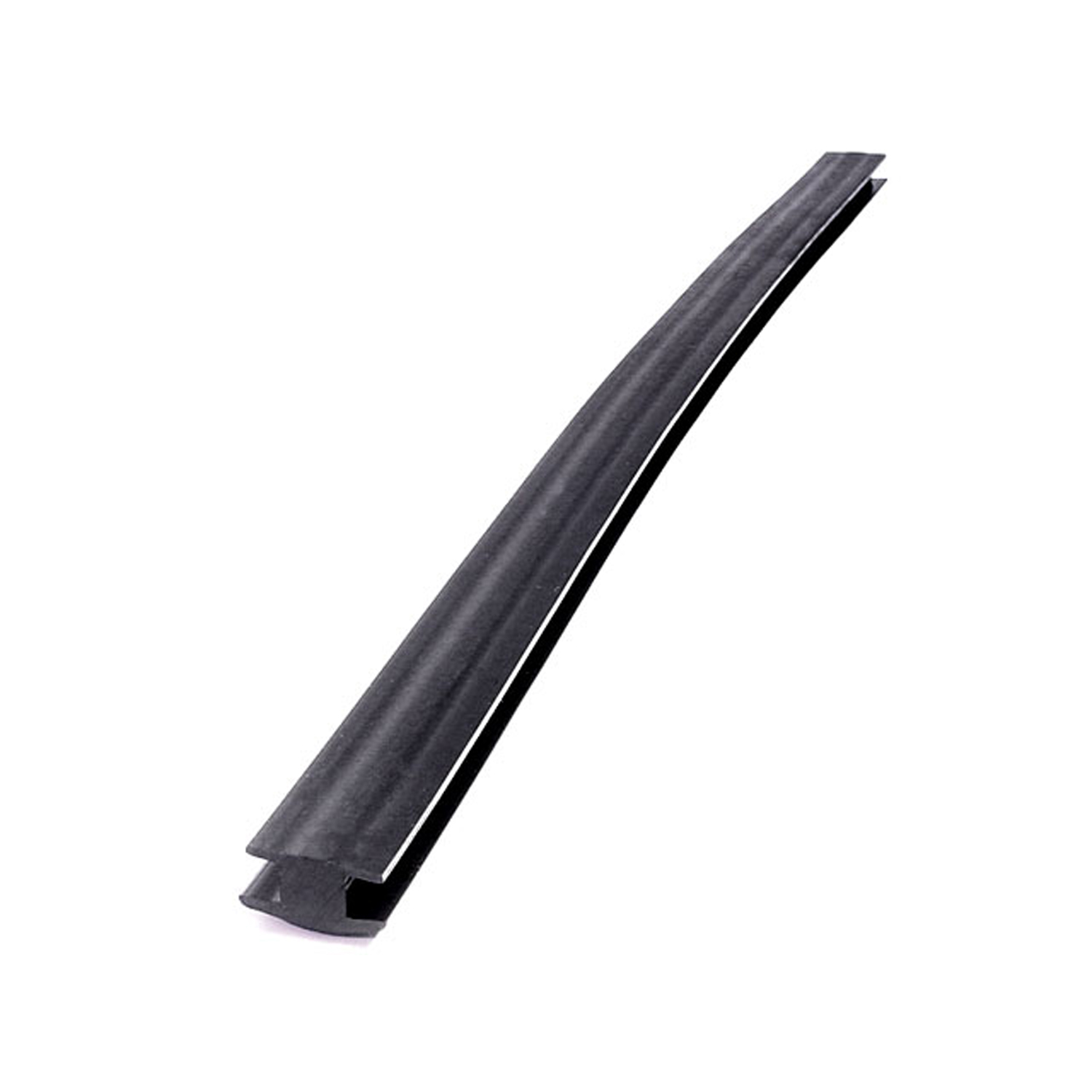 1938 DeSoto S-5 Windshield Center Bar Gasket. 20" long. Each-DP 12Windshield Center Bar Gasket. 20" long. Each
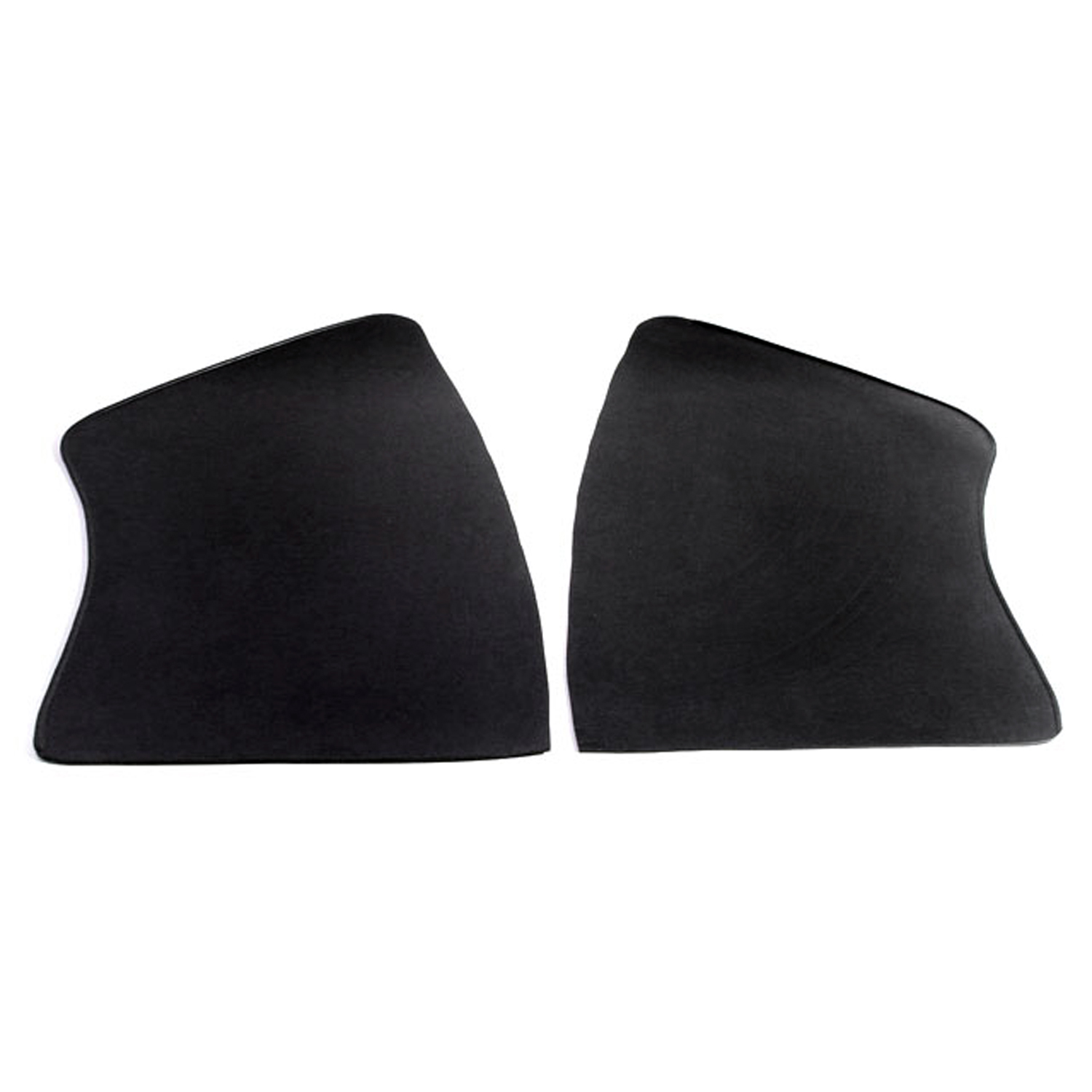 1938 DeSoto S-5 Gravel Shields. Molded flat without metal backing plates-FS 31Gravel Shields. Molded flat without metal backing plates. Apply with contact cement. 18" long X 9-3/4" wide at bottom. Pair
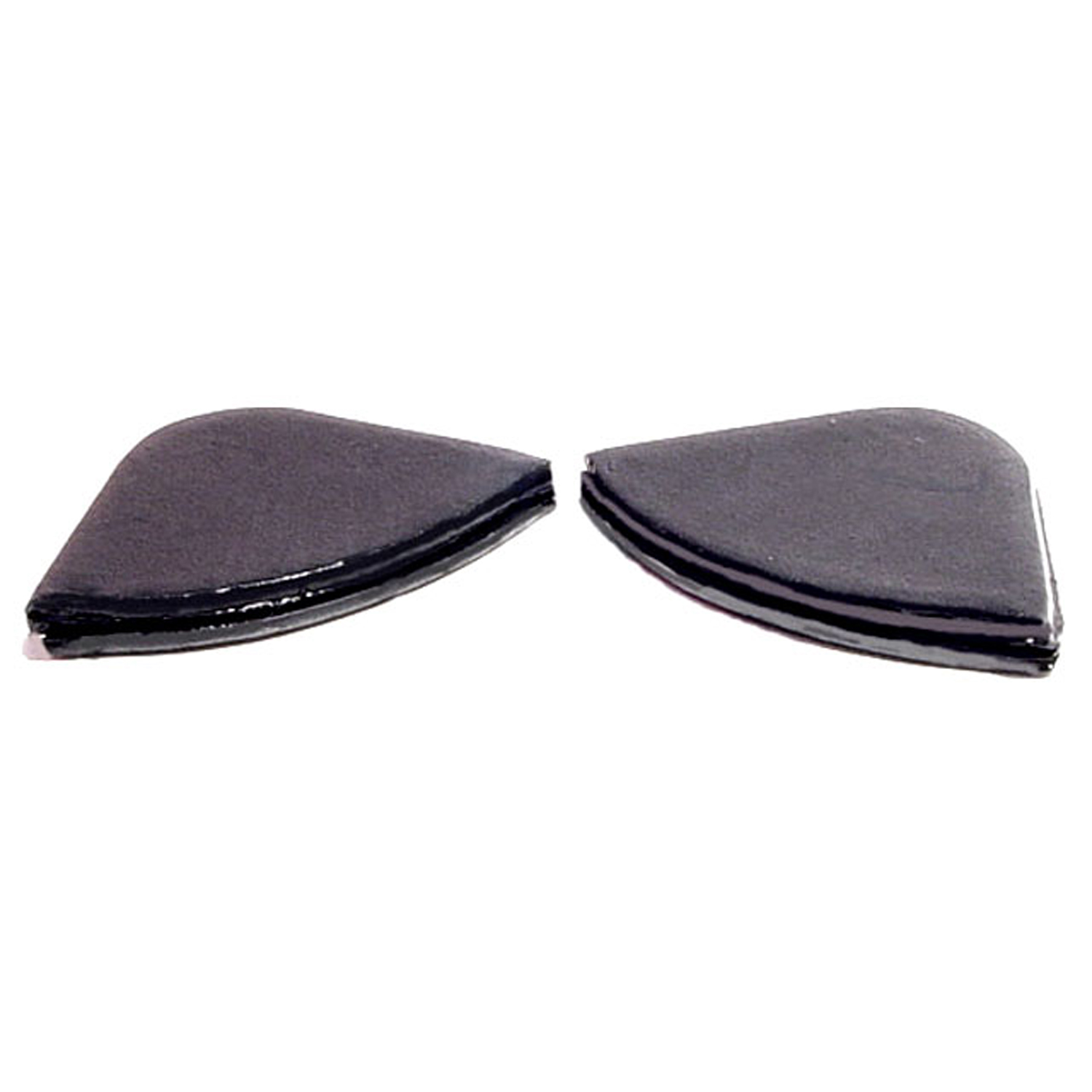 1938 DeSoto S-5 Hood Corners. Fits flat corners-HC 19Hood Corners. Fits flat corners. 80° angle, 1/4" to 3/8" corner radius. 1-3/8" wide. Pair
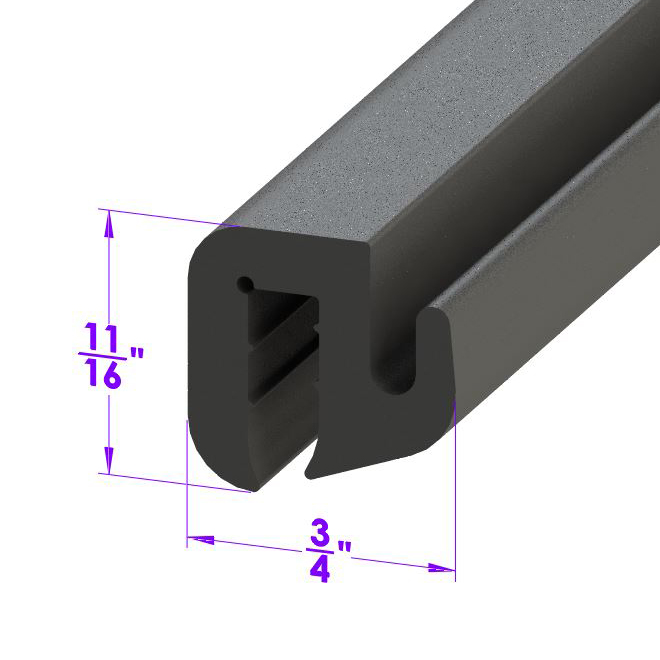 1938 DeSoto S-5 Windshield and Rear Window Seal. Sold by the foot-LP 30-AWindshield and Rear Window Seal. Sold by the foot
 1938 DeSoto S-5 Door Lock Pad. 1-3/8" O.D. Each-MP 551-CDoor Lock Pad. 1-3/8" O.D. Each
 1938 DeSoto S-5 Cowl Vent Seal. Made of molded sponge-RP 100-LCowl Vent Seal. Made of molded sponge. 3-3/4" wide at side X 15-1/3" long X 3/8" thick. Each
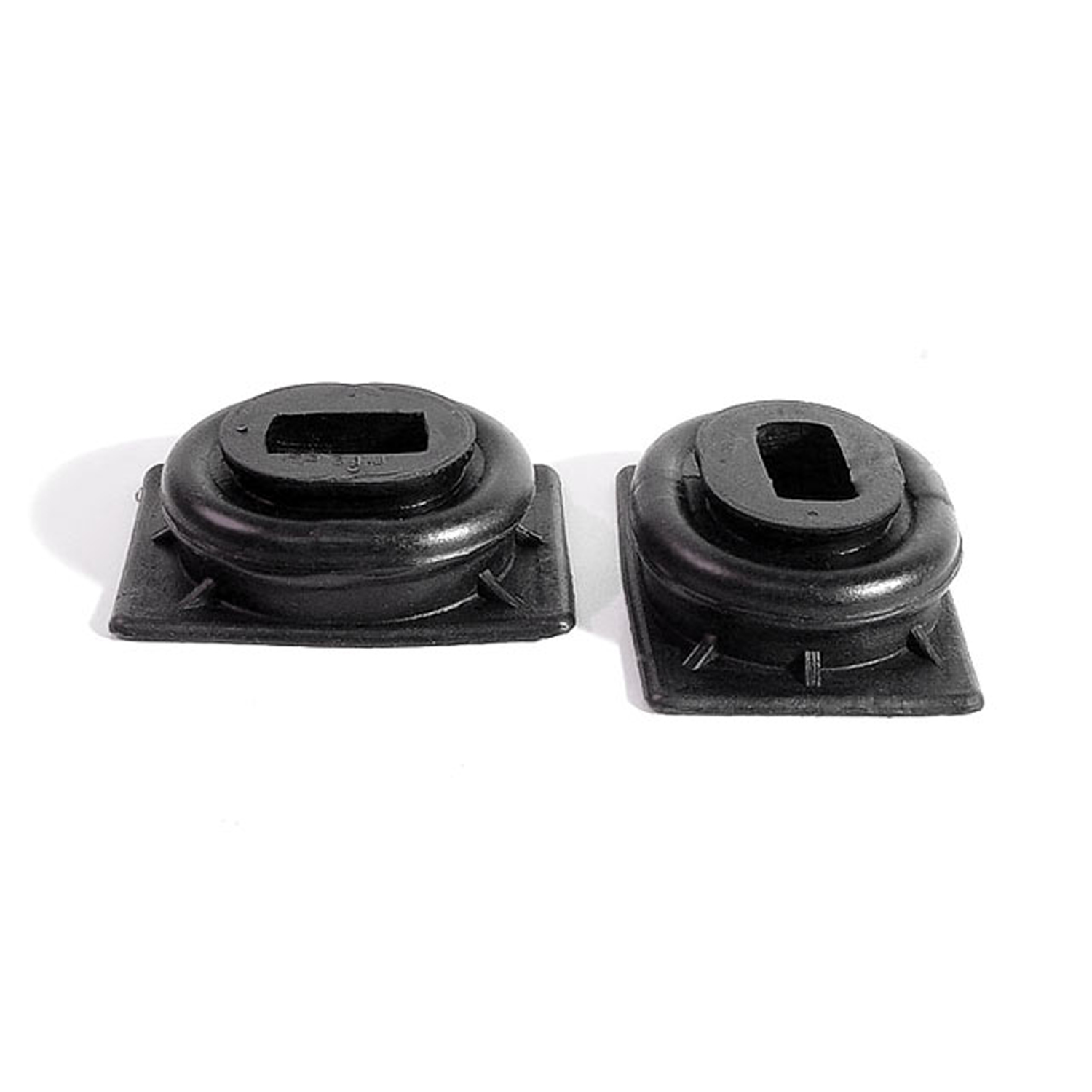 1938 DeSoto S-5 Clutch and Brake Seals. Replaces OEM #889473. Pair-RP 31-JClutch and Brake Seals. Replaces OEM #889473. Pair
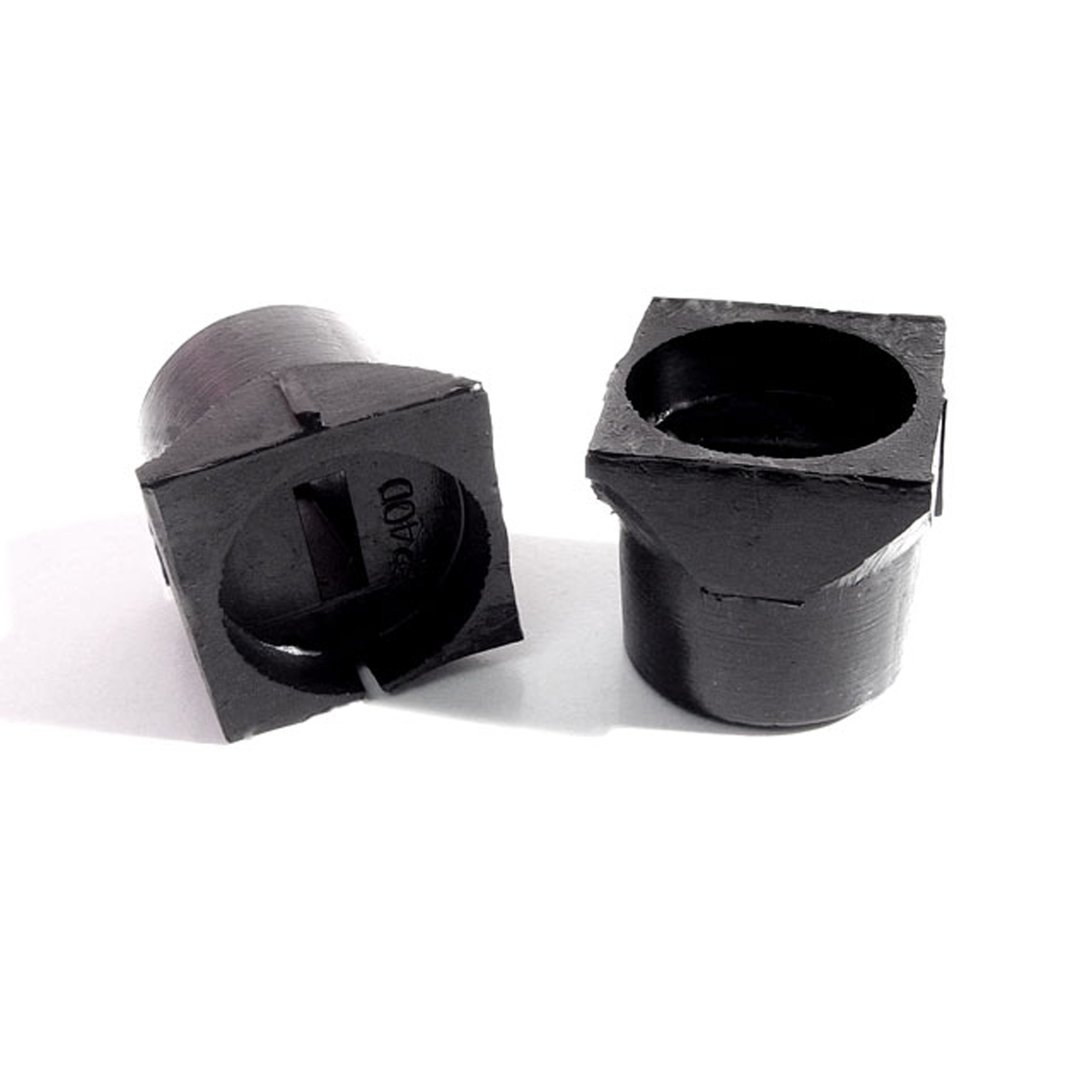 1938 DeSoto S-5 Door Check Rubber Cushion. Each-RP 40-DDoor Check Rubber Cushion. Each
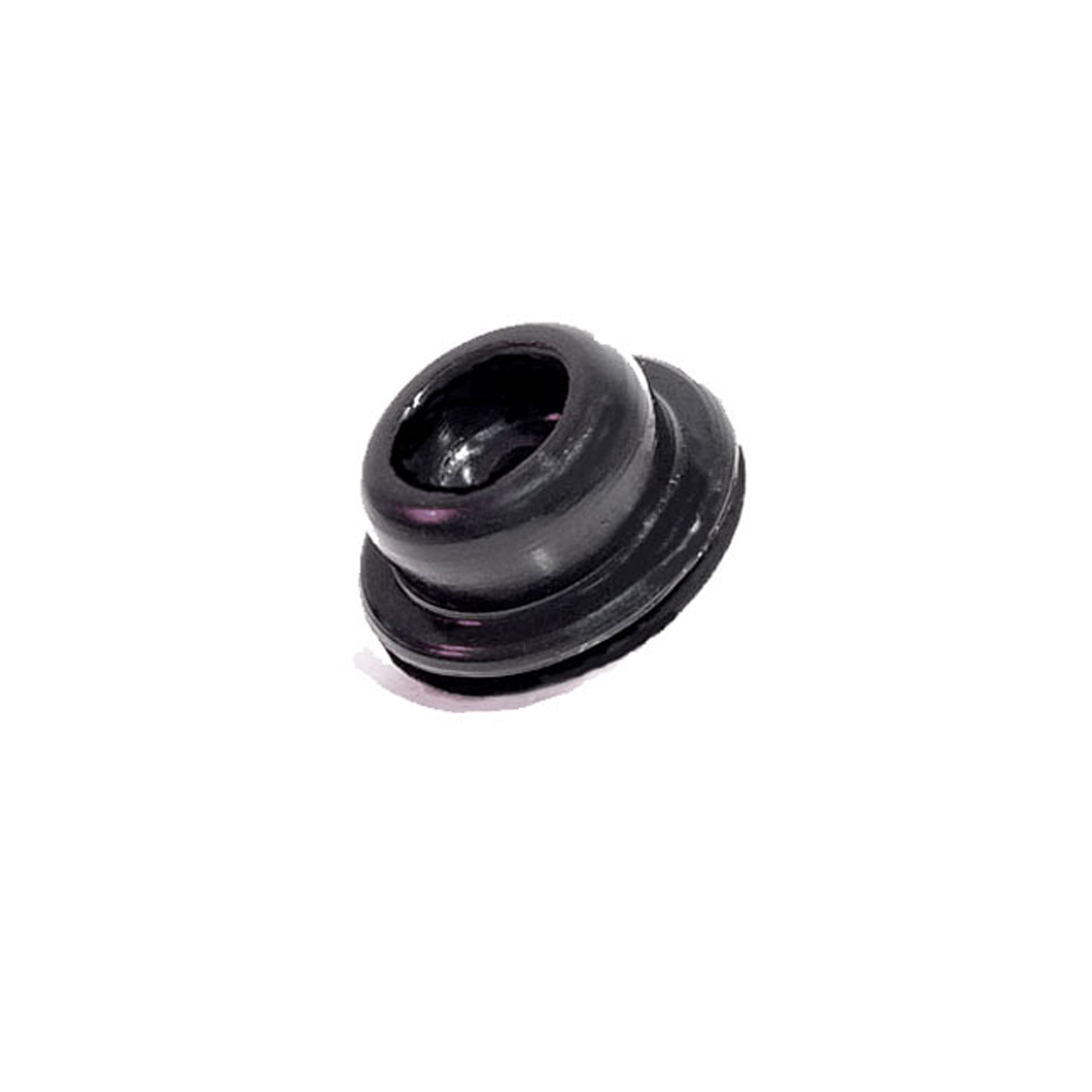 1938 DeSoto S-5 Accelerator Rod Grommet-SM 43-BAccelerator Rod Grommet. For accelerator rod through floorboard. Each
 1938 DeSoto S-5 Rumble Seat Step Plate Pad. Rubber face only. 4-1/4" O.D-SP 17Rumble Seat Step Plate Pad. Rubber face only. 4-1/4" O.D. Each
 1938 DeSoto S-5 Rear Vent Window Seals, for Sedans-WR 2300-RRear Vent Window Seals, for Sedans. Slight modification required for some models. Overall length is 44". Some models use longer seal, for these use extension piece WREX 2300-R. Pair R&L
 1938 DeSoto S-5 Rear Vent Window Seals Extension Piece, for Sedans-WREX 2300-RRear Vent Window Seals Extension Piece, for Sedans. Butting of parts is required. 24" long. Replaces OEM #744128-9, 790216-7 & 847090-1. Pair
Why Choose Metro?
For over 100 years, Metro Moulded Parts has been the pinnacle of quality in classic car restoration parts. Our commitment to precision and authenticity in every component ensures a perfect fit and an OEM-level appearance.
- Expert Craftsmanship & Quality: Each part is a testament to our dedication to reliability and perfection, crafted from original designs and thoroughly tested.
- Advanced Technology: We use cutting-edge techniques to create flawless, long-lasting parts that surpass others in performance.
- SuperSoft Sponge – The Ultimate Door Seal: Not only are our door seals 30% softer than competitors', but they're also guaranteed to never leak. They effectively reduce wind and road noise, enhancing your classic car's comfort and driving experience.
- Proudly American: Our parts are a product of American craftsmanship, made in the USA with a spirit of excellence and heritage.
- Unrivaled Warranty: We back our products with a 30-year industry-leading warranty, a testament to our confidence in their quality.
Join us in preserving the legacy of classic cars with parts that are crafted for perfection, not just made.