

Image of 1939 Desoto S-6, Note: These illustrations use artistic license and may differ from actual historical models.
Performance Metrics
Fundamental Metrics
Emotional Appeal
MMP Rating
| Engine Specifications | |
|---|---|
| Engine: | Inline 6 |
| Displacement: | 228 cubic inches |
| Horsepower: | Estimated 100-105 hp |
| Torque: | 180 lb-ft |
| Compression Ratio: | Estimated 6.5:1 |
| Ignition System: | Distributor and coil |
| Cooling System: | Liquid-cooled |
| Performance Specifications | |
| 0-60 Time: | Information not available |
| 1/4 Mile Time: | Information not available |
| Top Speed: | 85 mph |
| Transmission and Drive | |
| Drive Type: | Rear-wheel drive |
| Transmission Type: | 3-speed manual |
| Fuel and Efficiency | |
| Fuel System Type: | Carburetor |
| MPG: | Estimated 15-20 mpg |
| Dimensions and Brakes | |
| Brakes: | Drum brakes |
| Wheelbase: | 122.5 inches |
| Weight: | 3,200 lbs |
Note: Specifications for classic cars are given to the best of our ability, considering the limited and variant data available.
1939 DeSoto S-6: Chrysler Comfort Before the War
The 1939 DeSoto S-6 paired handsome Art Deco styling with the sturdy, unpretentious engineering that made Chrysler’s mid-priced cars appealing to American families. Built by the DeSoto division of the Chrysler Corporation, it offered roomy passenger space, a smooth six-cylinder engine, and a distinctive look without reaching the price of a luxury marque.
DeSoto had been established in 1928 and named for Spanish explorer Hernando de Soto. By 1939, the company was competing in a crowded market between economy cars and premium models. The S-6 was part of that practical middle ground: substantial enough for long-distance travel, but designed for everyday use. Its model name referred to its six-cylinder series, not a special performance package.
One especially interesting feature was the availability of Chrysler’s Fluid Drive. Introduced on DeSotos for 1939, this fluid coupling softened the connection between engine and transmission, helping the car pull away smoothly. It was not a modern automatic transmission, but it previewed the push toward easier, more relaxed driving that would shape postwar cars.
Art Deco Lines and a Roomy Cabin
The S-6 wore the confident, rounded styling typical of the late 1930s. Its broad hood flowed into sweeping front fenders, while the headlights sat neatly within the fender forms rather than appearing as separate lamps perched above them. A bold, upright grille gave the front end a strong face, and bright trim added just enough shine without overwhelming the design. The overall effect was streamlined but still unmistakably prewar.
Inside, the DeSoto favored comfort and durability over luxury-car extravagance. Depending on body style and trim, buyers found cloth upholstery, a wide bench seat, a painted or wood-grain-finished dashboard, and clear, easy-to-read instruments. Materials were suited to family use, with generous seating and a practical cabin rather than delicate showpiece detailing. Today, original upholstery and trim can vary considerably from car to car, especially after decades of restoration work.
Period paint choices varied by market, body style, and production run. Dark blues, greens, maroons, grays, and black were among the colors associated with cars of the era, often set off by contrasting interior fabrics and restrained chrome. Exact factory color combinations are best confirmed using a car’s original documentation or paint codes, where available.
Buyers could choose from several body styles, including sedan and coupe configurations, with availability depending on the specific S-6 catalog and market. The four-door sedan was the natural family choice, while coupes offered a more personal look. Convertible versions, where offered, are especially appealing to collectors today because of their open-air character and typically lower production.
Engineering That Fit the Times
The S-6’s appeal was not based on a radical new body or a race-bred engine. It stood out by combining contemporary styling with useful Chrysler engineering. Hydraulic brakes, a conventional front-engine, rear-wheel-drive layout, and a robust inline-six made it a sensible choice for motorists who wanted comfort and dependability. Fluid Drive added a notable convenience feature, particularly in stop-and-go driving, while retaining the familiar feel of a manual gearbox.
That balance is part of the car’s historical value. The DeSoto was neither an experimental showpiece nor a bare-bones transportation appliance. It represented the kind of well-equipped, mid-market American car that helped make motoring comfortable for a broad swath of buyers. Its styling also reflects the transition from the dramatic streamlining experiments of the early 1930s to the more integrated, production-friendly designs that followed.
Six-Cylinder Power and Road Manners
Power came from a 228.1-cubic-inch L-head inline-six, rated at approximately 93 horsepower. Most S-6s used a three-speed manual transmission. Cars equipped with Fluid Drive had a fluid coupling ahead of the transmission, making starts smoother but not eliminating the need for conventional gear changes.
Factory-style performance figures are not as standardized as modern test results, and condition, gearing, body style, and transmission all affect the numbers. A sound, correctly tuned S-6 can generally be expected to reach roughly 75 to 80 mph, with a 0-to-60-mph time in the neighborhood of 20 to 25 seconds. Those figures make clear that this was a relaxed touring car, not a quick modern traffic sprinter.
On the road, the six-cylinder engine delivers a steady, low-revving pull accompanied by the soft mechanical hum typical of a prewar L-head motor. The suspension is tuned for comfort, so the car takes ordinary pavement imperfections more gently than a performance-oriented machine. Its long body and period steering geometry call for measured inputs on winding roads, and crosswinds can be noticeable. The S-6 feels most at home cruising at a moderate pace, where its broad seat, calm engine, and generous proportions come together.
Living With a 1939 DeSoto
Today, most S-6s are enjoyed as show cars, touring vehicles, or occasional weekend drivers. A well-maintained example can handle local outings and carefully planned vintage-car tours, but regular modern commuting brings practical challenges: slower acceleration, less protection than a contemporary car, and limited compatibility with today’s traffic speeds.
Mechanical upkeep is generally approachable for an experienced classic-car owner. The six-cylinder engine and conventional drivetrain are comparatively straightforward, and many routine jobs can be done with ordinary workshop tools. The bigger challenges are often finding correct trim and body parts, addressing age-related electrical or fuel-system problems, and sourcing components for uncommon configurations. Fluid Drive-equipped cars also benefit from a mechanic familiar with the system, particularly when diagnosing shifting or coupling concerns.
As with any prewar car, condition matters more than a seller’s description. Check for rust in the floors, lower body panels, and structural areas; inspect the brakes and steering carefully; and verify that the engine maintains oil pressure and runs at a stable temperature. A complete, usable car is often a better buy than a superficially polished project missing hard-to-find pieces.
Production, Trivia, and Common Criticisms
DeSoto’s total U.S. production for 1939 is commonly placed at roughly 81,000 cars, though exact figures can differ by source and model classification. That figure covers the marque’s production, not a confirmed S-6 body-style breakdown. Individual surviving S-6s are not impossible to find, but original, well-preserved cars and rare body configurations appear much less often than ordinary sedans.
Fluid Drive is the model’s most memorable technical talking point. It offered smoother takeoffs than a direct mechanical connection, but owners still had to operate a clutch and shift gears. That distinction can surprise drivers who assume the feature made the car fully automatic.
The S-6 is not known for a headline-grabbing speed record or a defining celebrity connection. Its significance is quieter: it represents a popular type of American family car built just before wartime production transformed the industry. Common criticisms are equally practical. Acceleration is modest, steering and braking feel dated by modern standards, and restoration costs can exceed the value of an ordinary sedan if extensive body or interior work is required.
Collector Values and Market Outlook
Values depend heavily on body style, originality, mechanical condition, and restoration quality. As a broad U.S. market estimate, a project car may sell for about $5,000 to $10,000, while a usable driver often falls in the $12,000 to $25,000 range. A high-quality restoration may bring roughly $30,000 to $45,000 or more. Rare open-body styles can command a substantial premium, but their prices vary widely with authenticity and condition.
These are guide ranges, not guaranteed sale prices. A car with documented history, correct details, and a strong restoration can outperform the estimates, while hidden rust or a tired drivetrain can pull a seemingly attractive listing down quickly. The market for prewar cars has been selective: exceptional examples remain desirable, but ordinary sedans have not always risen in value as quickly as more famous luxury or performance models. Long-term value is therefore tied closely to condition and collector appeal rather than simple age.
Why the 1939 DeSoto S-6 Still Matters
The 1939 DeSoto S-6 captures a particularly appealing moment in American motoring. It has the graceful shape of a prewar car, the practical engineering of a Chrysler product, and a six-cylinder character suited to unhurried touring. Fluid Drive gives it a distinctive technological footnote, while its sturdy construction and straightforward layout make it more than just a display piece.
It may not be the fastest or rarest car of its era, but the S-6 tells an important story about comfort, innovation, and everyday automotive style on the eve of World War II. For collectors who value substance as much as spectacle, this DeSoto remains a handsome reminder that the best classics are not always the loudest ones.
1939 Desoto S-6 Catalog of Parts
 1939 DeSoto S-6 Door Jamb Bumper. Perfect reproduction-DB 36Door Jamb Bumper. Perfect reproduction. 1-1/16" high X 1-1/4" wide X 7/16" thick. Each
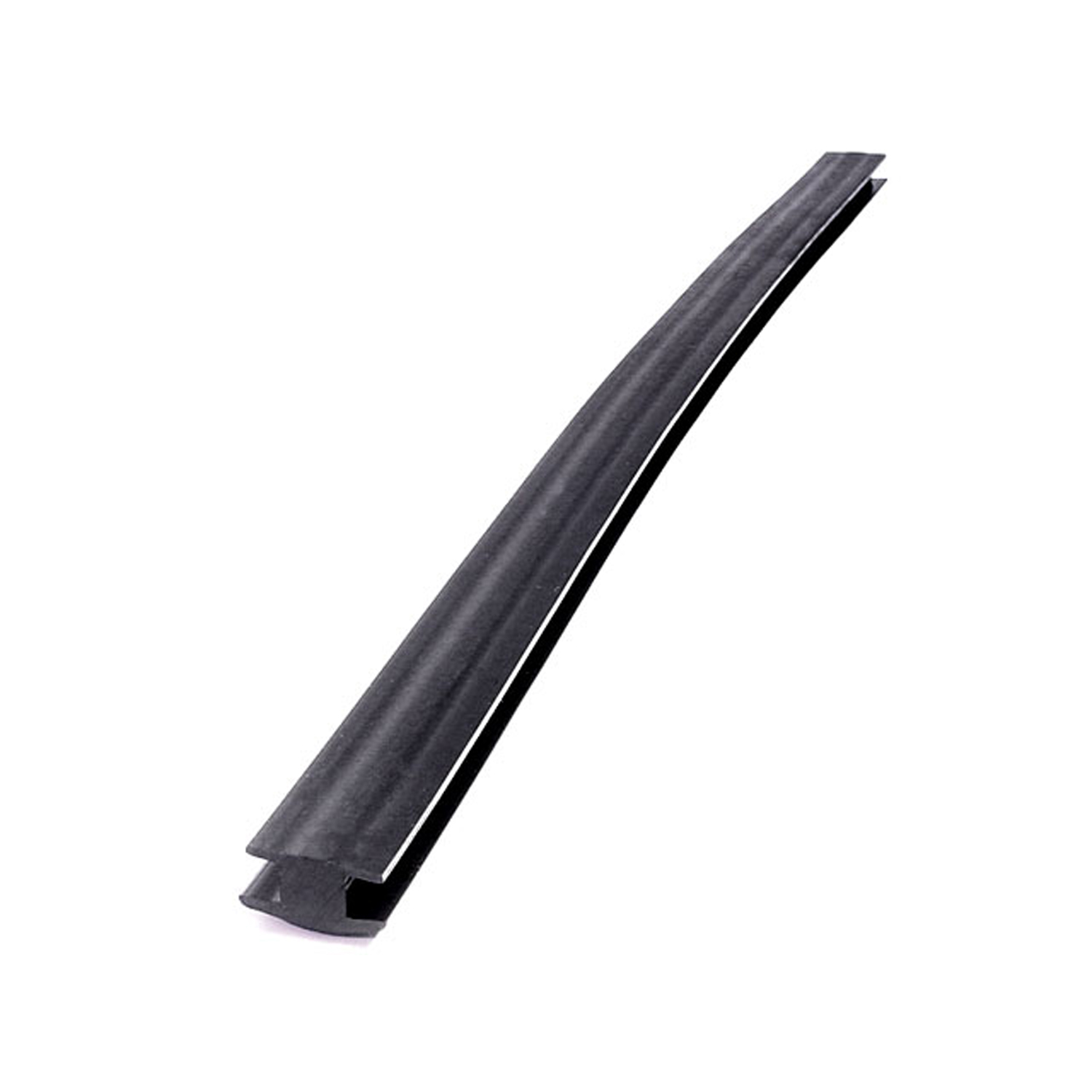 1939 DeSoto S-6 Windshield Center Bar Gasket. 20" long. Each-DP 12Windshield Center Bar Gasket. 20" long. Each
 1939 DeSoto S-6 Gravel Shields. Molded flat without metal backing plates-FS 31Gravel Shields. Molded flat without metal backing plates. Apply with contact cement. 18" long X 9-3/4" wide at bottom. Pair
 1939 DeSoto S-6 Hood Corners. Fits flat corners-HC 19Hood Corners. Fits flat corners. 80° angle, 1/4" to 3/8" corner radius. 1-3/8" wide. Pair
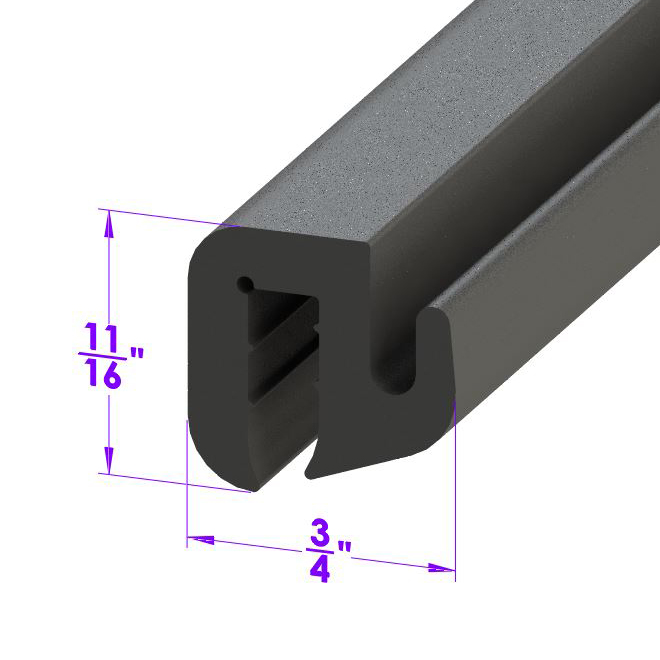 1939 DeSoto S-6 Windshield and Rear Window Seal. Sold by the foot-LP 30-AWindshield and Rear Window Seal. Sold by the foot
 1939 DeSoto S-6 Door Lock Pad. 1-3/8" O.D. Each-MP 551-CDoor Lock Pad. 1-3/8" O.D. Each
 1939 DeSoto S-6 Cowl Vent Seal. Made of molded sponge-RP 100-LCowl Vent Seal. Made of molded sponge. 3-3/4" wide at side X 15-1/3" long X 3/8" thick. Each
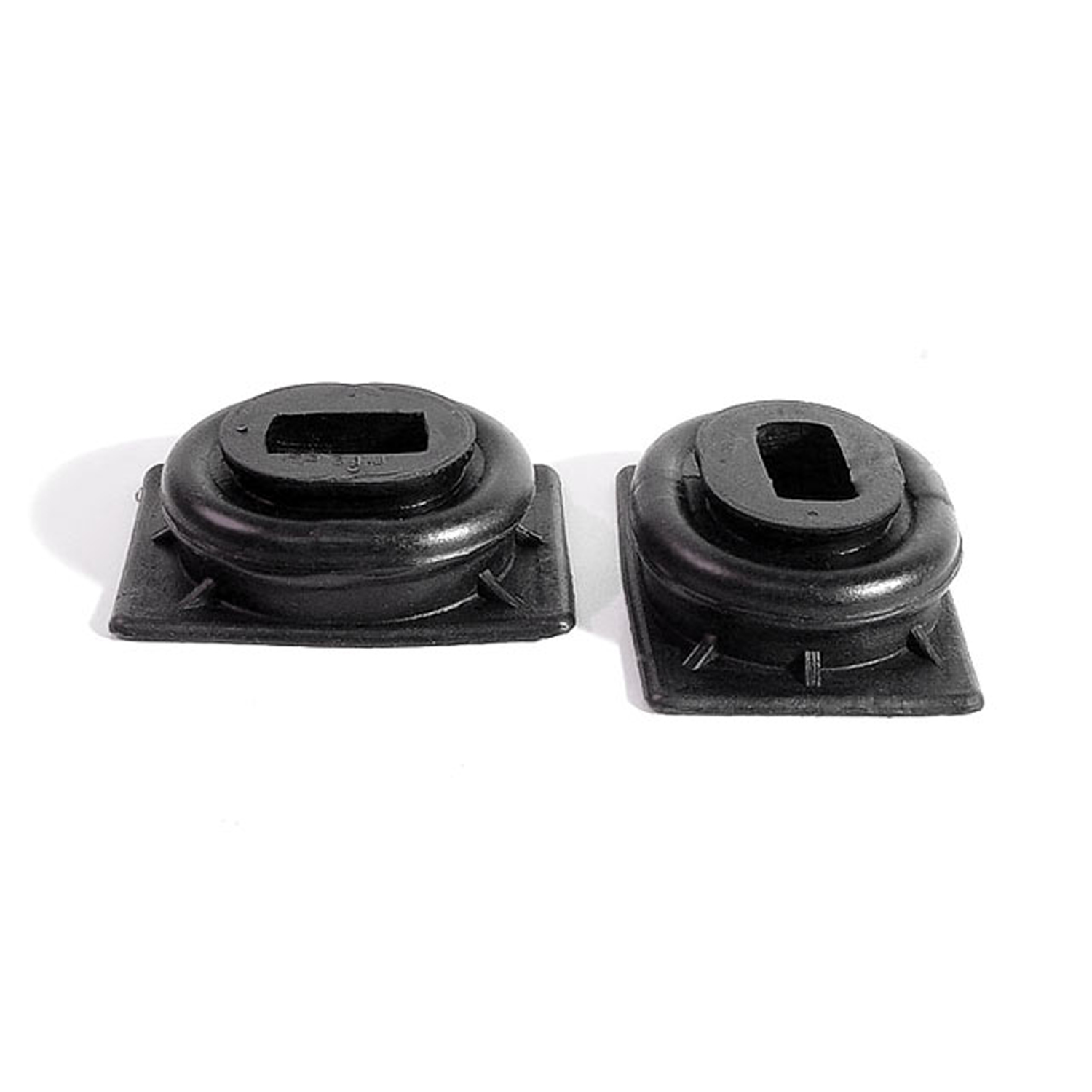 1939 DeSoto S-6 Clutch and Brake Seals. Replaces OEM #889473. Pair-RP 31-JClutch and Brake Seals. Replaces OEM #889473. Pair
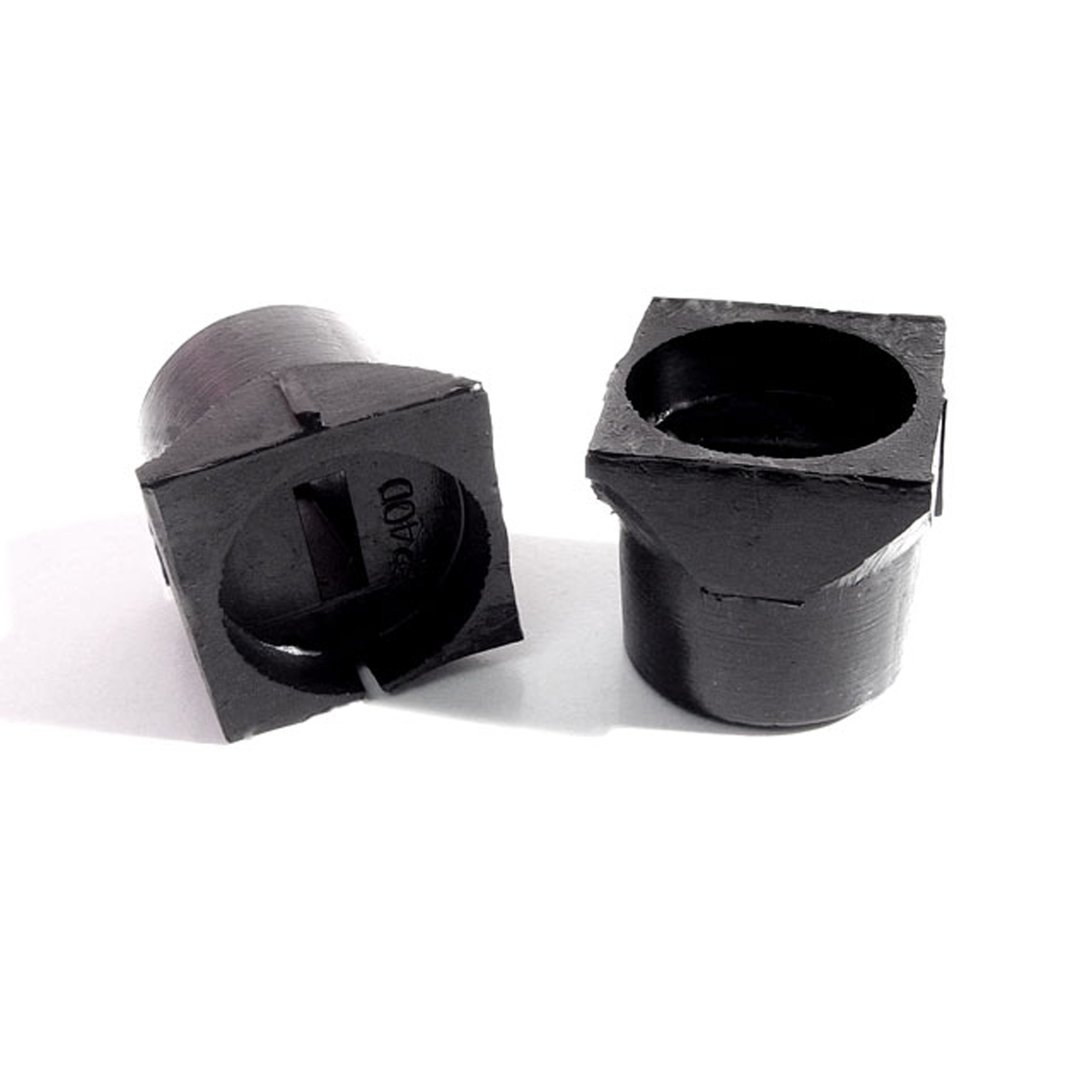 1939 DeSoto S-6 Door Check Rubber Cushion. Each-RP 40-DDoor Check Rubber Cushion. Each
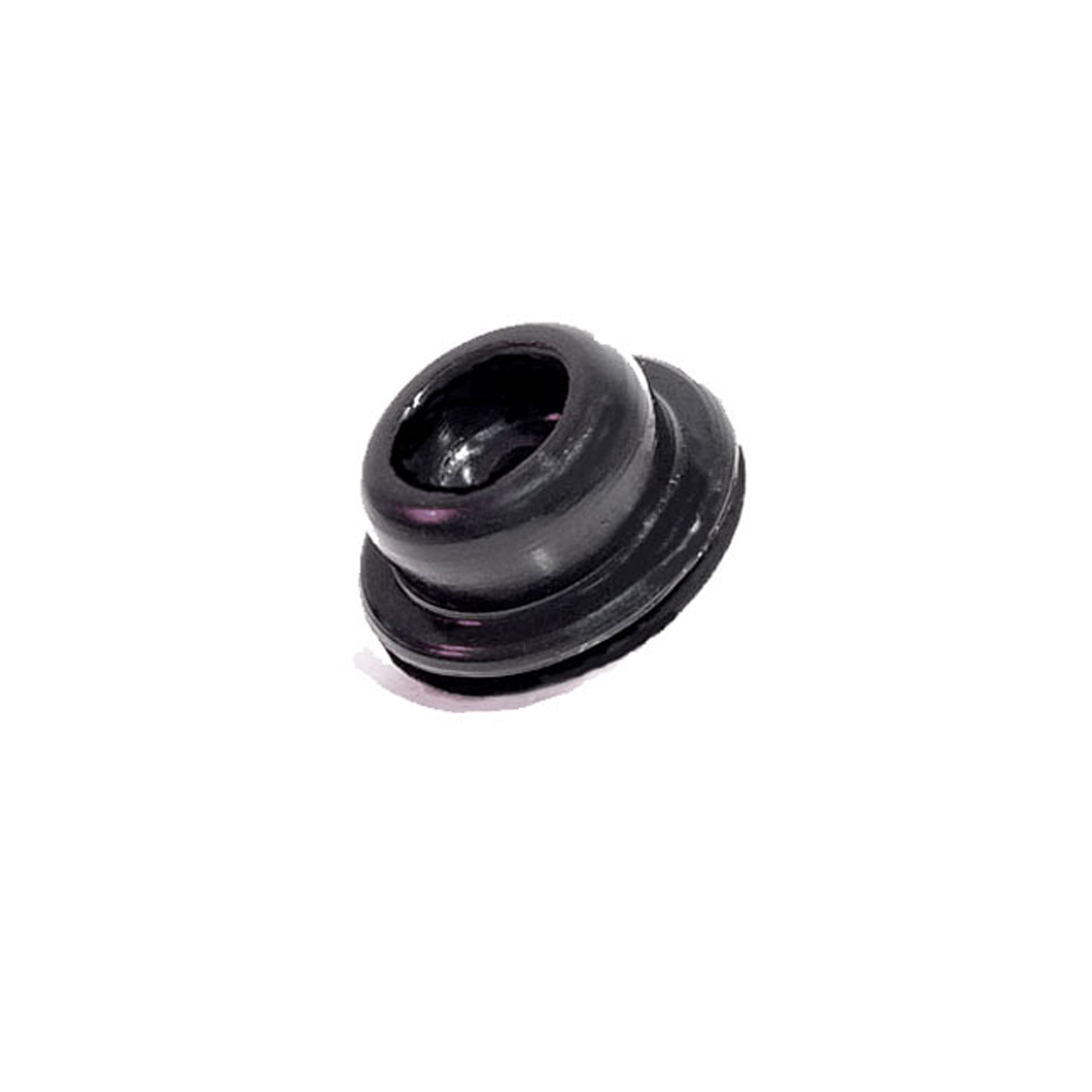 1939 DeSoto S-6 Accelerator Rod Grommet-SM 43-BAccelerator Rod Grommet. For accelerator rod through floorboard. Each
 1939 DeSoto S-6 Rumble Seat Step Plate Pad. Rubber face only. 4-1/4" O.D-SP 17Rumble Seat Step Plate Pad. Rubber face only. 4-1/4" O.D. Each
 1939 DeSoto S-6 Rear Vent Window Seals, for Sedans-WR 2300-RRear Vent Window Seals, for Sedans. Slight modification required for some models. Overall length is 44". Some models use longer seal, for these use extension piece WREX 2300-R. Pair R&L
 1939 DeSoto S-6 Rear Vent Window Seals Extension Piece, for Sedans-WREX 2300-RRear Vent Window Seals Extension Piece, for Sedans. Butting of parts is required. 24" long. Replaces OEM #744128-9, 790216-7 & 847090-1. Pair
Why Choose Metro?
For over 100 years, Metro Moulded Parts has been the pinnacle of quality in classic car restoration parts. Our commitment to precision and authenticity in every component ensures a perfect fit and an OEM-level appearance.
- Expert Craftsmanship & Quality: Each part is a testament to our dedication to reliability and perfection, crafted from original designs and thoroughly tested.
- Advanced Technology: We use cutting-edge techniques to create flawless, long-lasting parts that surpass others in performance.
- SuperSoft Sponge – The Ultimate Door Seal: Not only are our door seals 30% softer than competitors', but they're also guaranteed to never leak. They effectively reduce wind and road noise, enhancing your classic car's comfort and driving experience.
- Proudly American: Our parts are a product of American craftsmanship, made in the USA with a spirit of excellence and heritage.
- Unrivaled Warranty: We back our products with a 30-year industry-leading warranty, a testament to our confidence in their quality.
Join us in preserving the legacy of classic cars with parts that are crafted for perfection, not just made.