

Image of 1940 Desoto S-7, Note: These illustrations use artistic license and may differ from actual historical models.
Performance Metrics
Fundamental Metrics
Emotional Appeal
MMP Rating
| Engine Specifications | |
|---|---|
| Engine Options: | Inline 6 |
| Displacement Range: | 228 cubic inches |
| Horsepower Range: | Estimated 100-105 hp |
| Torque: | 180 lb-ft |
| Compression Ratio: | Estimated 6.5:1 |
| Ignition System: | Battery and coil |
| Cooling System: | Liquid-cooled |
| Performance Specifications | |
| 0-60 Time: | Information not available |
| 1/4 Mile Time: | Information not available |
| Top Speed: | 85 mph |
| Transmission and Drive | |
| Drive Type: | Rear-wheel drive |
| Transmission Type: | 3-speed manual |
| Fuel and Efficiency | |
| Fuel System Type: | Carburetor |
| MPG: | Information not available |
| Dimensions and Brakes | |
| Brakes: | Hydraulic drum brakes |
| Wheelbase: | 122.5 inches |
| Weight: | 3,200 lbs |
Note: Specifications for classic cars are given to the best of our ability, considering the limited and variant data available.
1940 DeSoto S-7: A Smooth-Riding Prewar Classic
The 1940 DeSoto S-7 paired Art Deco-inspired American styling with the quiet, unhurried character of a big six-cylinder car. Built by the DeSoto division of the Chrysler Corporation, it arrived at a turning point for the marque: the dramatic Airflow years were behind it, and DeSoto was making its case with handsome, conventional cars that emphasized comfort, value, and useful engineering.
The S-7 was DeSoto’s 1940 model-series designation, not a separate engine size or trim name. Buyers could choose from Deluxe and Custom versions, with equipment and appointments varying by trim and body style. One intriguing detail is that the car’s optional Fluid Drive system could soften gear changes and make stop-and-go driving less tiring, but it was not a modern automatic transmission. The driver still had a clutch and gears to manage.
Art Deco Styling and S-7 Body Choices
The S-7 had the poised proportions typical of a substantial American car of its era: a long hood, rounded fenders, a spacious cabin, and a gently tapering rear. Its broad front grille gave the nose a confident, upright look, while the headlamps were integrated into the front fenders rather than perched separately beside the radiator. Bright trim and carefully shaped body lines added visual polish without making the car look overly ornate.
Inside, the DeSoto was designed for comfortable travel. Depending on trim and body style, buyers could find broadcloth or other durable cloth upholstery, substantial door panels, a wide bench seat, and a neatly arranged dashboard with clear, period-style gauges. Higher-grade interiors offered a more dressed-up appearance, while the cabin as a whole prioritized room and comfort over sporty driver-focused details. Materials and upholstery could vary with the original order and later restoration work.
The S-7 range included coupe and sedan body styles, with availability differing by trim. Common choices included two-door coupes and four-door sedans, while a convertible coupe added open-air appeal. The sedan was the practical, familiar choice for families; the convertible coupe is among the most visually striking versions today. Exact body-style names and combinations can vary in period listings, so buyers researching a specific car should check its factory documentation where available.
Factory paint choices varied, but period-appropriate colors included dark blues, greens, maroons, gray tones, and black. Solid colors suited the car’s formal lines, while carefully selected contrasting trim could make a Custom model stand out. Original paint codes and color availability are best confirmed against documentation for the particular car, since colors could differ by production run and market.
Engineering for the Road Ahead
Power came from a 228.1-cubic-inch L-head inline-six, rated at about 100 horsepower. It used a three-speed manual transmission, and Fluid Drive was available to make low-speed operation smoother. Fluid Drive used a fluid coupling to cushion the connection between engine and drivetrain, but it did not eliminate the need to shift. That distinction matters: the system offered a more relaxed feel, not the effortless operation of a contemporary automatic.
Other features reflected the period’s steady progress in everyday motoring. Hydraulic brakes provided more consistent stopping power than older mechanical systems, and sealed-beam headlamps were part of the modern lighting technology arriving across the American industry. The S-7 was not built around a single groundbreaking gadget. Its appeal came from bringing useful comfort and engineering together in a conventional, easy-to-understand package.
Why the 1940 DeSoto S-7 Matters
DeSoto had been established by Chrysler in 1928, named for Spanish explorer Hernando de Soto. Its early years included bold experiments, most famously the aerodynamic Airflow models of the 1930s. Those cars were influential in their thinking about streamlined design, even though their radical looks did not win over every buyer. By 1940, the S-7 represented a more measured approach: modern enough to feel fresh, but familiar enough to appeal to customers who wanted dependable transportation without unusual styling.
The S-7’s significance lies less in a single headline innovation than in how it reflected the industry’s transition toward more integrated body styling, improved lighting, hydraulic braking, and smoother drivetrains. Compared with many contemporaries, it offered a well-equipped, roomy six-cylinder alternative to larger, thirstier eight-cylinder cars. Its balance of comfort and straightforward engineering helped define the practical middle ground that American manufacturers increasingly targeted.
Six-Cylinder Performance and Road Manners
With roughly 100 horsepower moving a full-size body, the DeSoto was built for steady progress rather than quick acceleration. Period gearing, vehicle condition, tire choice, and load all affect performance, but a reasonable modern estimate is a 0-to-60-mph time in the high teens to low 20-second range. Top speed was likely around 80 to 85 mph under favorable conditions. These are approximate figures, not guaranteed factory test results for every S-7.
On the road, the long wheelbase and substantial chassis helped the car absorb ordinary bumps with a soft, composed ride. It feels most at home cruising on open roads, where the six can settle into a steady rhythm. On winding roads, its size, vintage steering, and period tires call for a deliberate driving style. A 1940 DeSoto will not change direction or stop like a modern car, and its drum brakes require a sensible following distance.
The engine’s sound is more relaxed mechanical hum than high-revving snarl. The driver works a manual gearshift and clutch, while the broad bench seat and upright driving position create a distinctly prewar experience. A well-maintained Fluid Drive-equipped car can feel smoother in traffic, but the driver remains involved in the process. That connection is part of the charm, and part of the learning curve.
Owning and Maintaining an S-7
Today, a 1940 DeSoto S-7 is most often used as a show car, weekend cruiser, or occasional touring vehicle. Some owners drive them regularly, but modern traffic speeds and safety expectations make a well-sorted example best suited to measured use. Before longer trips, owners should pay particular attention to the brakes, tires, cooling system, fuel delivery, and electrical components.
The car’s conventional mechanical layout is an advantage for maintenance. Many basic service tasks are understandable to an experienced home mechanic, and the engine does not rely on modern electronic controls. However, age brings its own challenges. Parts availability can be uneven, trim and body components may take patience to locate, and specialist knowledge is valuable for rebuilding period systems such as Fluid Drive. Reliability depends heavily on the quality of past repairs and the car’s current condition, not simply on its reputation when new.
DeSoto S-7 Facts and Common Criticisms
DeSoto’s 1940 cars belong to the last years of prewar American motoring before wartime production priorities dramatically changed the industry. The 1940 S-7 is less famous than the Airflow, which makes it an appealing choice for enthusiasts who want an interesting Chrysler Corporation classic without following the most obvious path.
There is no widely recognized speed, endurance, or production record associated with the S-7, and claims of celebrity ownership should be verified rather than assumed. Its most common criticisms are practical ones: it is heavy, not especially quick, and its period brakes and handling demand more attention than those of a modern car. Some shoppers also find that replacement trim and restoration-grade parts require more effort to source than parts for more popular classics.
1940 DeSoto S-7 Collector Values
Exact production totals by S-7 body style can be difficult to pin down from commonly available summaries. As a broad estimate, roughly 90,000 to 100,000 DeSoto passenger cars may have been built for the 1940 model year across the range. That is an estimate for the overall line, not a confirmed count for every S-7 configuration. Surviving cars are much less common, and condition matters more to availability than the original total alone.
As a general U.S. market estimate, a project car might sell for about $5,000 to $12,000, while a presentable driver could fall around $12,000 to $25,000. A high-quality restoration may bring roughly $25,000 to $45,000, with especially desirable or rare body styles potentially exceeding that range. These are broad estimates, not an appraisal: originality, documentation, mechanical condition, restoration quality, and local demand can all shift the price substantially.
Values for prewar classics tend to be selective. Well-restored cars with appealing body styles and credible history can attract strong interest, while incomplete projects may be harder to sell and can cost more to restore than their eventual market value justifies. The S-7 is best viewed as a character-rich collector car rather than a guaranteed investment. A buyer who values its styling and driving experience is likely to get more from ownership than someone focused only on short-term price growth.
A Classic Built for Comfortable Miles
The 1940 DeSoto S-7 brought together handsome prewar styling, a smooth six-cylinder engine, roomy interiors, and useful engineering such as hydraulic brakes and optional Fluid Drive. It was not a speed machine or a radical styling experiment. Instead, it was a polished, practical automobile that captured how American motoring was changing just before the war years reshaped the industry.
For today’s enthusiast, the S-7 offers a rewarding alternative to more familiar classics: a substantial road car with genuine period character and a story tied to DeSoto’s rise beyond its experimental Airflow chapter. Give it a well-maintained road, a steady pace, and an attentive driver, and this prewar DeSoto still knows how to make an ordinary journey feel special.
1940 Desoto S-7 Catalog of Parts
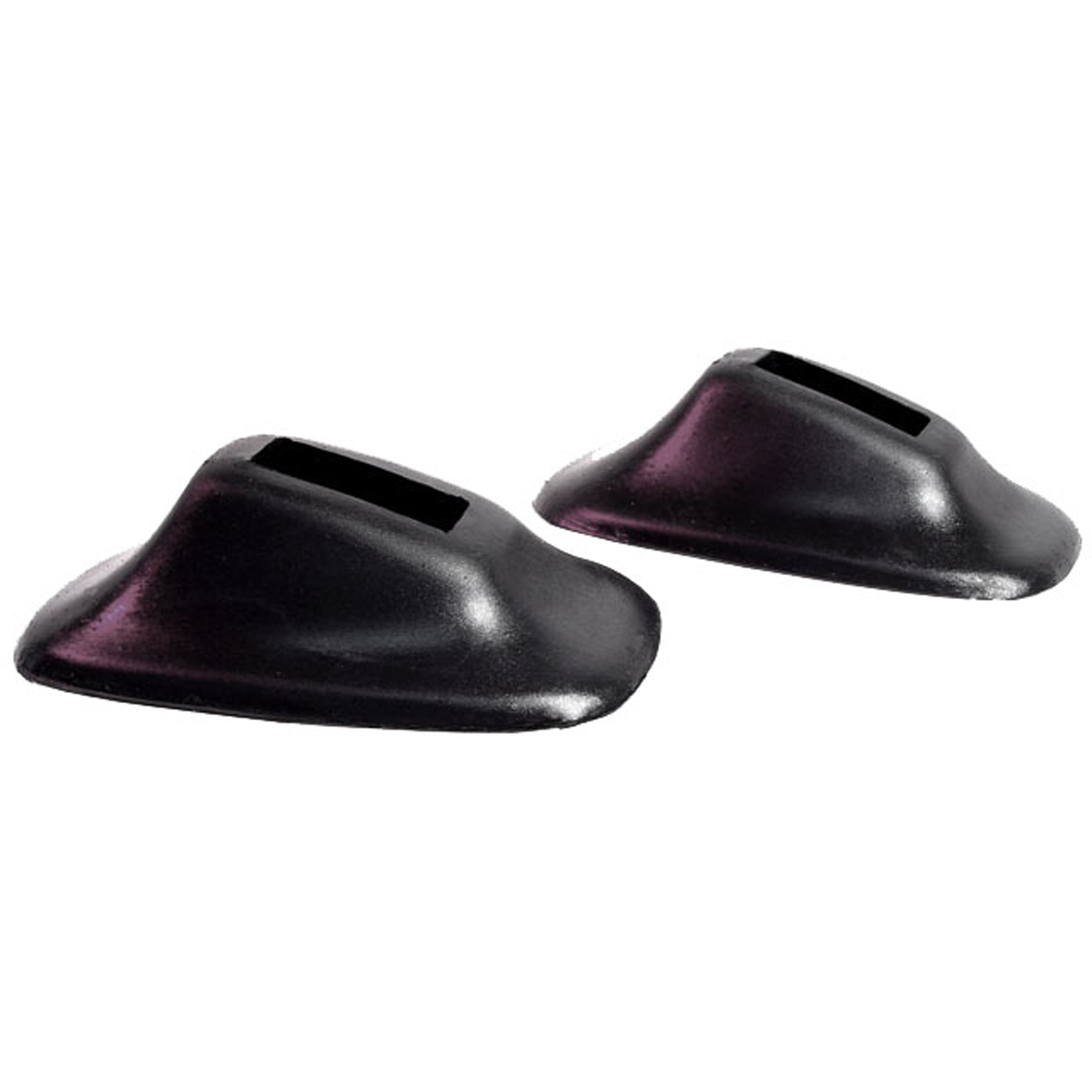 1940 DeSoto S-7 Front and Rear Bumper Arm Grommets-BG 51Front and Rear Bumper Arm Grommets. 2-1/2" wide X 4-7/8" long, with 1-1/2" long inner slot. Pair
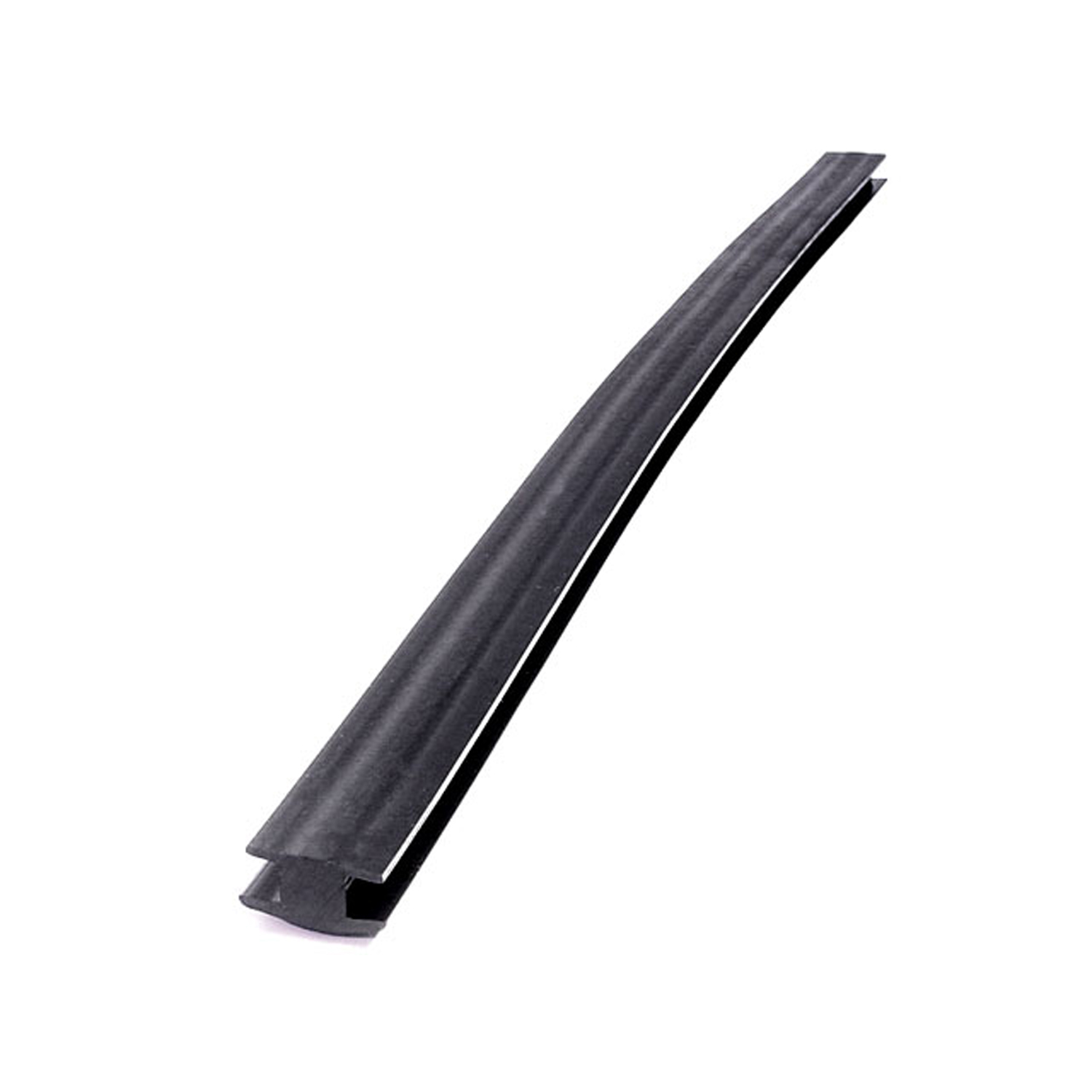 1940 DeSoto S-7 Windshield Center Bar Gasket. 20" long. Each-DP 12Windshield Center Bar Gasket. 20" long. Each
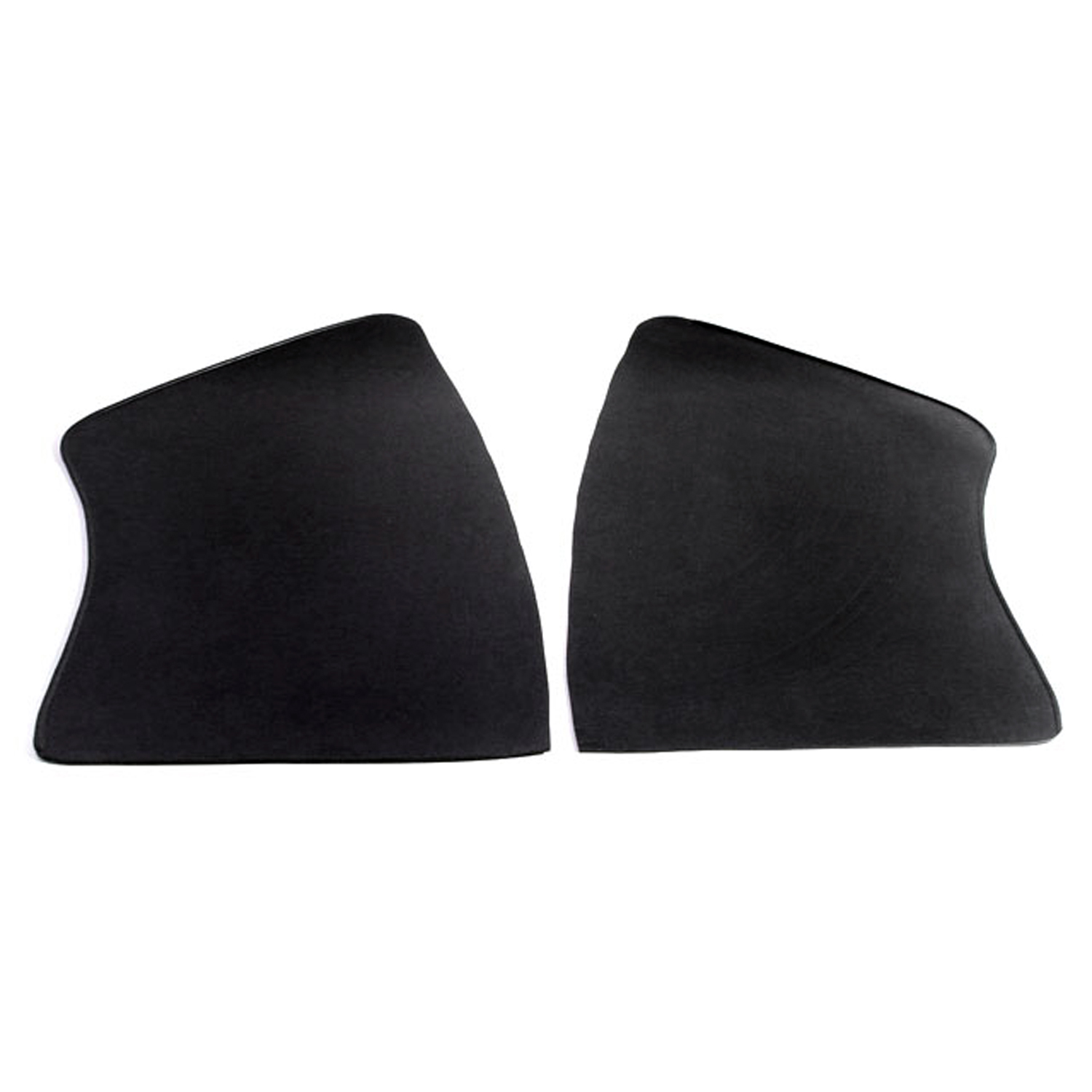 1940 DeSoto S-7 Gravel Shields. Molded flat without metal backing plates-FS 31Gravel Shields. Molded flat without metal backing plates. Apply with contact cement. 18" long X 9-3/4" wide at bottom. Pair
 1940 DeSoto S-7 Hood Corners. Fits flat corners-HC 19Hood Corners. Fits flat corners. 80° angle, 1/4" to 3/8" corner radius. 1-3/8" wide. Pair
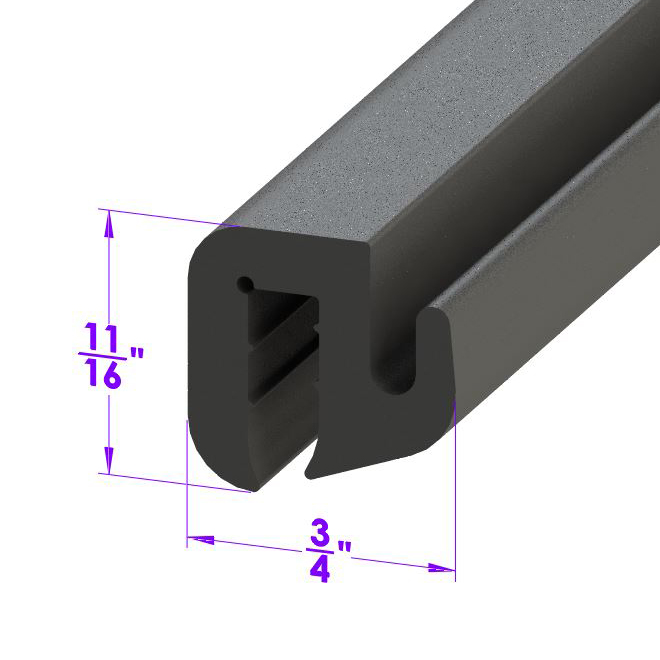 1940 DeSoto S-7 Windshield and Rear Window Seal. Sold by the foot-LP 30-AWindshield and Rear Window Seal. Sold by the foot
 1940 DeSoto S-7 Door side seal. Same as LP 40, but for a lighter seal-LP 40-ADoor side seal. Same as LP 40, but for a lighter seal. Fits many domestic passenger cars and trucks. Universal seal for street rods and customs. Used in Cobra kit cars as door weatherstrip. Per foot.
 1940 DeSoto S-7 Door Lock Pad. 1-3/8" O.D. Each-MP 551-CDoor Lock Pad. 1-3/8" O.D. Each
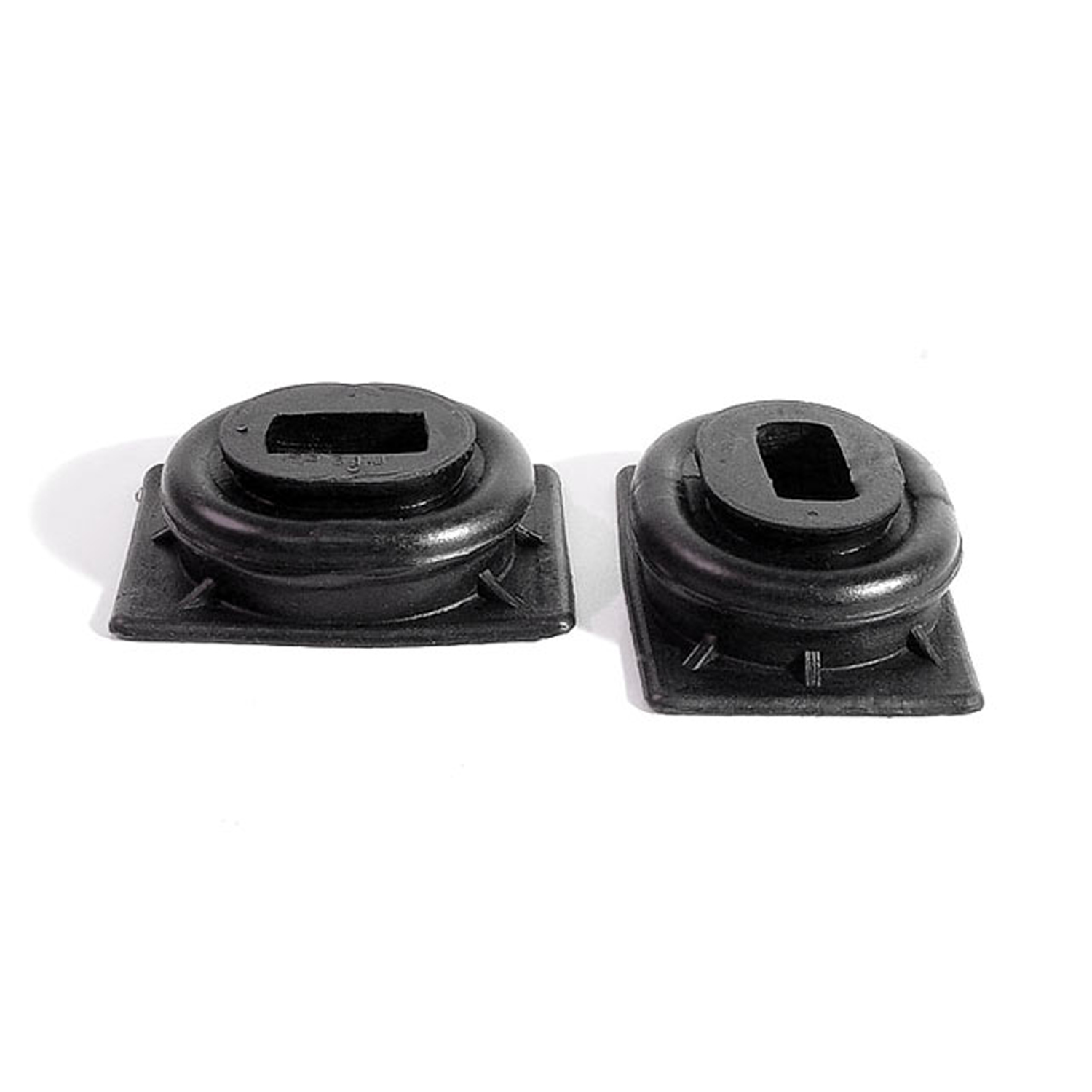 1940 DeSoto S-7 Clutch and Brake Seals. Replaces OEM #889473. Pair-RP 31-JClutch and Brake Seals. Replaces OEM #889473. Pair
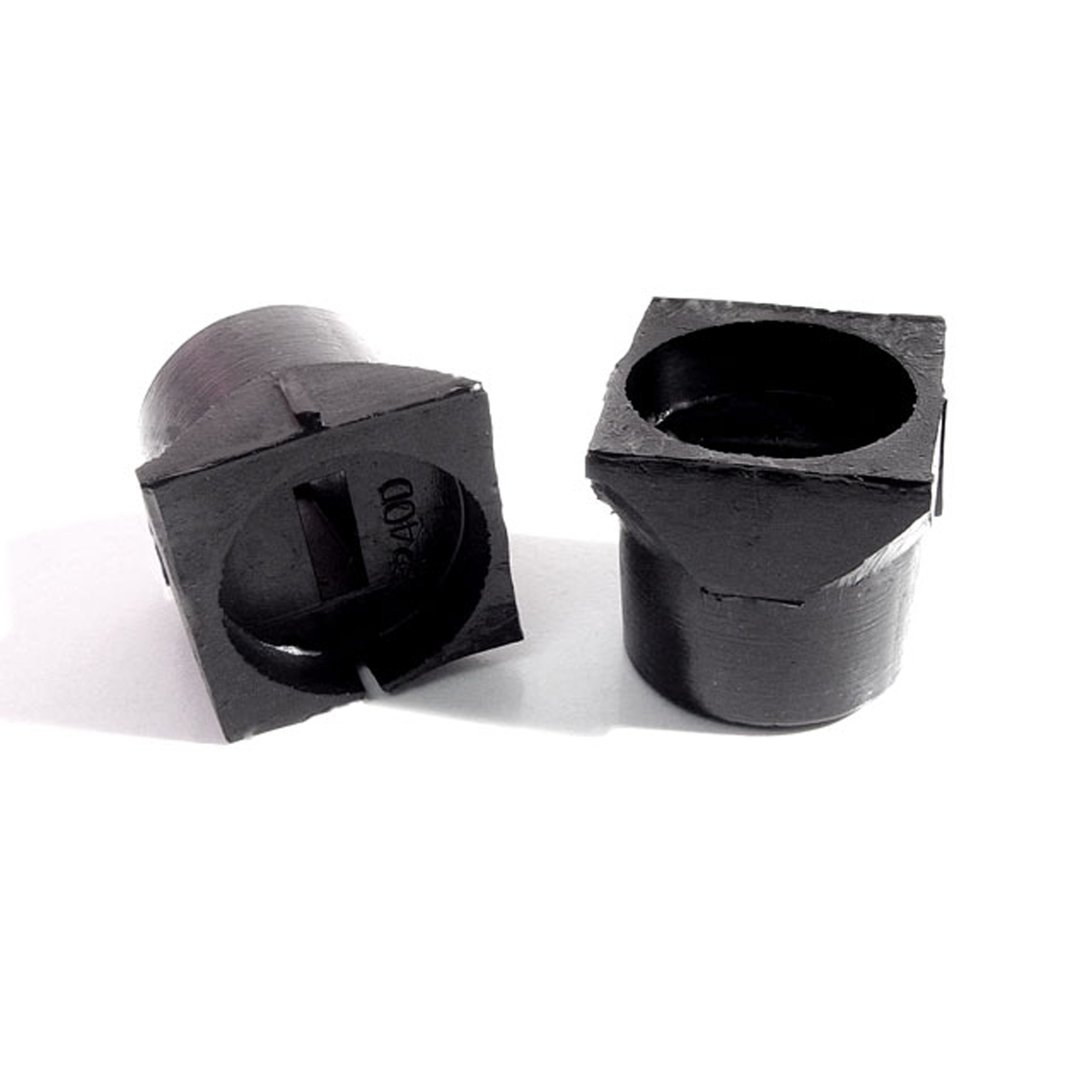 1940 DeSoto S-7 Door Check Rubber Cushion. Each-RP 40-DDoor Check Rubber Cushion. Each
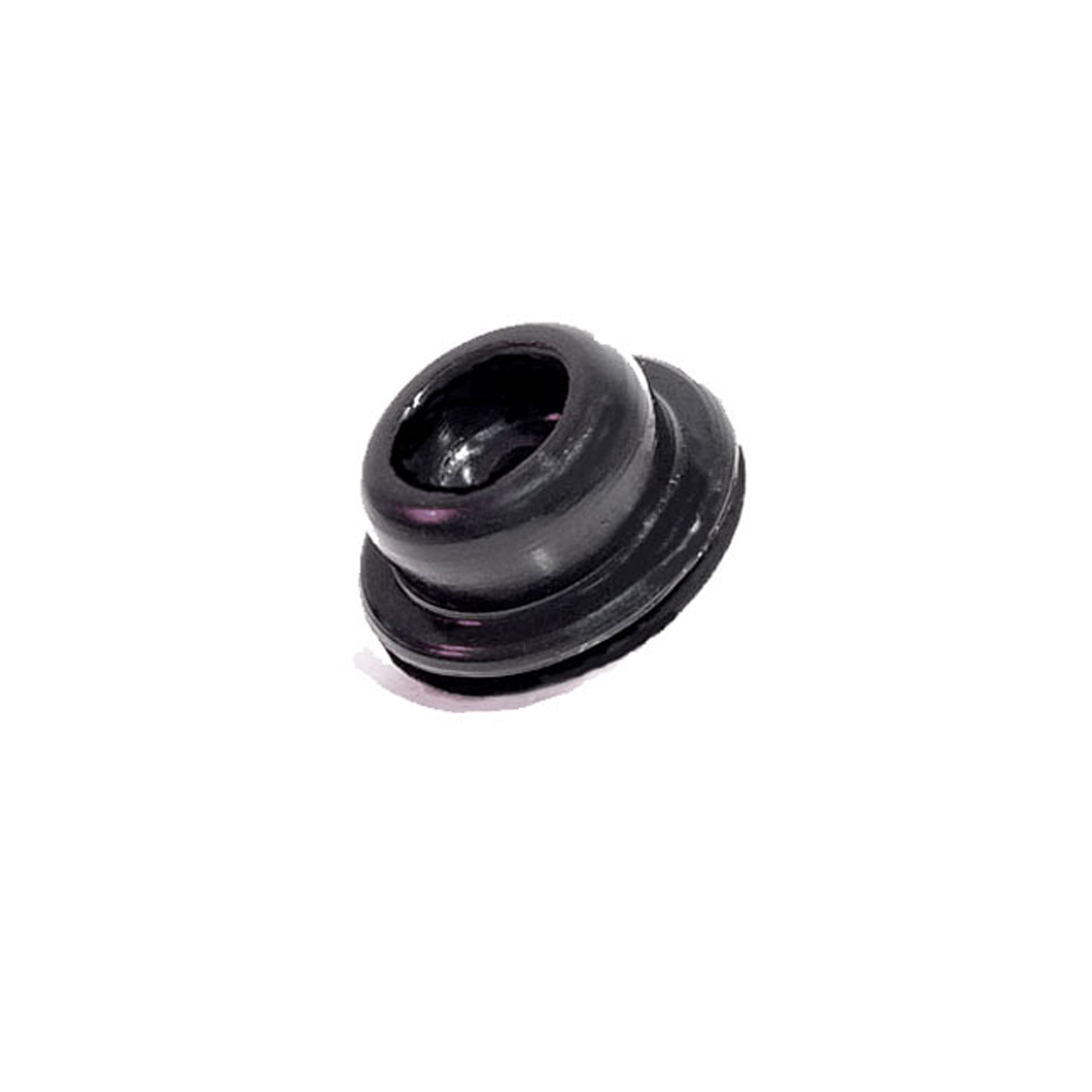 1940 DeSoto S-7 Accelerator Rod Grommet-SM 43-BAccelerator Rod Grommet. For accelerator rod through floorboard. Each
 1940 DeSoto S-7 Rumble Seat Step Plate Pad. Rubber face only. 4-1/4" O.D-SP 17Rumble Seat Step Plate Pad. Rubber face only. 4-1/4" O.D. Each
 1940 DeSoto S-7 Front Vent Window Seals. Replaces OEM #761708-9. Pair R&L-WR 2301Front Vent Window Seals. Replaces OEM #761708-9. Pair R&L
 1940 DeSoto S-7 Rear vent window seals-WR 2301-RRear vent window seals. Fits listed 4-door sedans and limousines with swing-out rear vent windows. May fit some GM models. Replaces OEM# #849153/4. Pair. R&L.
Why Choose Metro?
For over 100 years, Metro Moulded Parts has been the pinnacle of quality in classic car restoration parts. Our commitment to precision and authenticity in every component ensures a perfect fit and an OEM-level appearance.
- Expert Craftsmanship & Quality: Each part is a testament to our dedication to reliability and perfection, crafted from original designs and thoroughly tested.
- Advanced Technology: We use cutting-edge techniques to create flawless, long-lasting parts that surpass others in performance.
- SuperSoft Sponge – The Ultimate Door Seal: Not only are our door seals 30% softer than competitors', but they're also guaranteed to never leak. They effectively reduce wind and road noise, enhancing your classic car's comfort and driving experience.
- Proudly American: Our parts are a product of American craftsmanship, made in the USA with a spirit of excellence and heritage.
- Unrivaled Warranty: We back our products with a 30-year industry-leading warranty, a testament to our confidence in their quality.
Join us in preserving the legacy of classic cars with parts that are crafted for perfection, not just made.