

Image of 1946 Desoto S-11, Note: These illustrations use artistic license and may differ from actual historical models.
Performance Metrics
Fundamental Metrics
Emotional Appeal
MMP Rating
| Engine Specifications | |
|---|---|
| Engine Options: | Inline 6-cylinder |
| Displacement Range: | 236.6 cubic inches |
| Horsepower Range: | Estimated 109 hp |
| Torque: | 185 lb-ft |
| Compression Ratio: | Estimated 6.6:1 |
| Ignition System: | Battery and coil |
| Cooling System: | Liquid-cooled |
| Performance Specifications | |
| 0-60 Time: | Information not available |
| 1/4 Mile Time: | Information not available |
| Top Speed: | 80 mph |
| Transmission and Drive | |
| Drive Type: | Rear-wheel drive |
| Transmission Type: | 3-speed manual |
| Fuel and Efficiency | |
| Fuel System Type: | Carburetor |
| MPG: | Estimated 15-20 mpg |
| Dimensions and Brakes | |
| Brakes: | Hydraulic drum brakes |
| Wheelbase: | 121.5 inches |
| Weight: | 3,400 lbs |
Note: Specifications for classic cars are given to the best of our ability, considering the limited and variant data available.
1946 DeSoto S-11: Chrysler’s First Postwar DeSoto
The 1946 DeSoto S-11 brought familiar prewar engineering back to American roads at a moment when the country was eager to move forward. Built by the DeSoto division of the Chrysler Corporation, the S-11 was a full-size, six-cylinder car designed for comfortable family motoring rather than speed or showy performance. Its smooth, rounded body, broad cabin, and distinctive grille gave it plenty of presence, while its Fluid Drive system offered a more relaxed way to manage the gears.
The timing is part of the car’s story. Civilian automobile production had been halted during World War II, and when it resumed, manufacturers initially returned to designs based on their prewar models. The 1946 DeSoto was therefore a bridge between eras: familiar in its basic engineering, but sold into a changed, rapidly expanding postwar market.
One intriguing connection reaches back to DeSoto’s 1942 models. Those cars introduced a factory-installed hidden-headlamp design, an unusual feature for its day. The 1946 S-11 did not retain those concealed lamps, but it inherited the broader DeSoto tradition of distinctive styling that helped the marque stand apart from more conservative rivals.
Rounded Styling and a Roomy Cabin
The S-11 wears the substantial, rounded look associated with late-1940s American cars. Its front fenders flow into the body rather than appearing as separate, sharply defined forms, and the long hood leads to a tall, upright grille with bright trim. Chrome accents around the grille, bumpers, and window surrounds add contrast without making the car look overly ornate. From the side, its generous wheelbase and gently curved roofline give it a formal, substantial profile.
Inside, the DeSoto was built around broad bench seats and a spacious passenger compartment. Depending on trim and upholstery, buyers could find cloth or other period interior materials, with coordinated door panels and practical brightwork across the dashboard. The cabin was designed for comfort and easy use, not modern luxury: expect a large steering wheel, simple instruments, manual controls, and a front seat that could accommodate three people.
Paint choices varied by trim, production period, and market. Period DeSotos were offered in sober and colorful shades, including combinations of black, gray, blue, green, and maroon. Dark colors emphasized the car’s formal character, while richer blues and maroons made the broad bodywork stand out. Original paint codes and availability should be checked against the car’s build records or period documentation before a restoration.
S-11 Body Styles and Trim Choices
The 1946 S-11 range was sold in Deluxe and Custom trim, with the exact body-style mix varying by series. Buyers could choose from two-door and four-door sedans and coupe-style bodies. The Custom range also included the highly desirable convertible coupe. The four-door sedan was a practical family choice, while the club coupe offered a sleeker roofline and the convertible delivered the most visual drama.
For collectors, the Custom convertible is the most iconic version. It combines the S-11’s postwar styling with open-air motoring, and it is much harder to find today than a standard sedan. Exact model availability and trim details can differ across surviving references, so a potential buyer should verify a specific car using its serial number, factory literature, and original equipment.
Engineering That Made Everyday Driving Easier
Power came from a Chrysler-built 236.6-cubic-inch L-head inline-six, rated at approximately 109 horsepower. It was paired with a three-speed manual transmission, and many DeSotos used Chrysler’s Fluid Drive system. Fluid Drive employed a fluid coupling to soften the connection between the engine and transmission. It did not make the car a modern automatic, but it could make starts and low-speed driving smoother. Some cars were equipped with a semi-automatic transmission system, so the equipment on an individual example should be confirmed rather than assumed.
By contemporary standards, the S-11’s technology was conventional but well suited to its purpose. It had a front-engine, rear-wheel-drive layout, independent front suspension, a live rear axle with leaf springs, and hydraulic drum brakes. The six-volt electrical system and largely mechanical controls are part of the ownership experience today. The car’s engineering favored durability, a comfortable ride, and straightforward servicing over high performance.
Historical Significance: A Postwar Bridge
The 1946 DeSoto did not introduce an all-new platform. Like many postwar cars, it carried forward much of its prewar design while factories and suppliers returned to civilian production. That makes the S-11 a useful snapshot of the transition: it delivered a familiar, well-equipped American car to buyers after years of wartime shortages and limited civilian manufacturing.
DeSoto’s place in the Chrysler family helped it occupy a middle ground in the market. It was positioned above Plymouth and below Chrysler, appealing to buyers who wanted a substantial car with a more polished feel than an entry-level model, without stepping up to a more expensive luxury marque. Fluid Drive also reflected a period interest in making manual cars easier to operate. It was an intermediate solution, but one that helped prepare drivers for the growing popularity of fully automatic transmissions.
Performance and Road Manners
The S-11 was a comfortable cruiser, not a quick car. Period gearing, vehicle weight, and the engine’s modest output meant acceleration was leisurely. A reasonable estimate for 0-to-60-mph acceleration is roughly 22 to 25 seconds, while top speed was likely in the neighborhood of 85 to 90 mph under favorable conditions. These are approximate figures, not guaranteed test results, and the performance of a surviving car depends heavily on its engine condition, gearing, tires, and transmission.
On a smooth road, the DeSoto feels settled and substantial. Its long wheelbase and soft suspension help it absorb ordinary bumps, though the body can lean through tighter corners and the steering takes more effort than a modern car’s. On winding roads, it rewards a measured pace rather than quick direction changes. Strong crosswinds, worn suspension parts, old tires, or loose steering components can make a large vintage car feel less composed, so careful maintenance matters.
The driving experience is as much about sensation as speed. The flathead six produces a quiet, steady mechanical hum when properly tuned, and Fluid Drive can make traffic starts feel less abrupt. The high seating position, thin pillars by modern standards, broad hood, and large steering wheel place the driver in a very different relationship with the road than a contemporary sedan. It feels deliberate and unhurried, with the engine working calmly rather than delivering a dramatic surge.
Ownership, Maintenance, and Reliability
Today, most S-11s are used as weekend drivers, touring cars, or show vehicles. A sound sedan can be enjoyable on local roads and vintage-car tours, while the convertible is more likely to be preserved as a collector piece. The car is not suited to modern highway traffic in the same way as a current vehicle: braking distances are longer, safety equipment is limited, and sustained high-speed driving can be hard on an old drivetrain.
The basic mechanical layout is relatively accessible to an owner with traditional repair skills. Routine work includes maintaining the ignition and carburetor, checking the cooling system, servicing the brakes, and inspecting the suspension and steering. Parts support is generally better for common service items than for rare trim, body panels, or convertible-specific pieces. Fluid Drive and semi-automatic components require a mechanic familiar with Chrysler systems of the period, so a pre-purchase inspection should include the transmission, fluid coupling, and clutch operation.
Reliability depends less on the car’s reputation than on its present condition. A well-restored S-11 can be dependable for occasional use, but age-related issues are inevitable. Look closely for rust in the floors, rocker panels, lower body, and trunk; check for overheating, oil leaks, worn wiring, and weak brakes; and make sure the engine number and vehicle identification details are consistent with the car’s history.
Little-Known Facts About the 1946 DeSoto
The S-11’s postwar return was part of a broad industry restart. Automakers had to retool factories and rebuild civilian supply chains after wartime production, so familiar designs were often the quickest route back to showrooms. The 1946 DeSoto’s carryover character is therefore not a sign that it was unimportant. It reflects the practical realities of the period.
DeSoto produced an estimated 69,000 to 70,000 cars for the 1946 model year across its range. That makes the S-11 uncommon today, but not necessarily exceptionally rare in sedan form. The convertible is significantly scarcer and typically attracts stronger collector interest. No widely recognized speed or endurance record belongs specifically to the 1946 S-11, and its appeal lies in period character, comfort, and design rather than competition history.
A common criticism is that the car feels slow and heavy compared with later V8-powered classics. Its brakes, steering, and electrical system also require a different standard of attention from modern drivers. Those limitations are real, but they are balanced by the DeSoto’s smooth ride, roominess, and approachable mechanical layout.
Collector Values and Availability
Values vary considerably with body style, originality, restoration quality, and mechanical condition. As a broad current-market estimate, a project or rough driver might sell for around $5,000 to $12,000. A usable, presentable sedan could fall in the $12,000 to $25,000 range, while a high-quality restored example may bring roughly $25,000 to $40,000 or more. A well-restored Custom convertible can command approximately $40,000 to $75,000, with exceptional cars potentially exceeding that range.
These are guide figures rather than a formal appraisal. Regional demand, documentation, matching components, and the quality of the restoration can move a price substantially. Sedans appear more often than convertibles, but even common body styles can take time to locate in sound, roadworthy condition. The S-11’s market has generally been steady, with the best examples and rare convertibles better positioned to appreciate than ordinary project cars. As with many classics, restoration costs can exceed the finished car’s market value.
Why the 1946 DeSoto S-11 Still Matters
The 1946 DeSoto S-11 is a roomy, distinctive postwar classic that captures a moment when American carmakers were returning to civilian production. Its six-cylinder engine, Fluid Drive, rounded styling, and comfortable cabin tell a story of practical innovation and changing expectations. It is not a sports car, and it does not pretend to be one. Its strengths are presence, smooth road manners, and a direct connection to the first years of the postwar automotive boom.
For collectors, the S-11 offers more than chrome and nostalgia. It is a rolling reminder of how the industry resumed after wartime disruption, carrying familiar engineering into a new era of American motoring. Whether seen at a show or enjoyed on a quiet back road, the 1946 DeSoto makes its case with dignity, comfort, and unmistakable character.
1946 Desoto S-11 Catalog of Parts
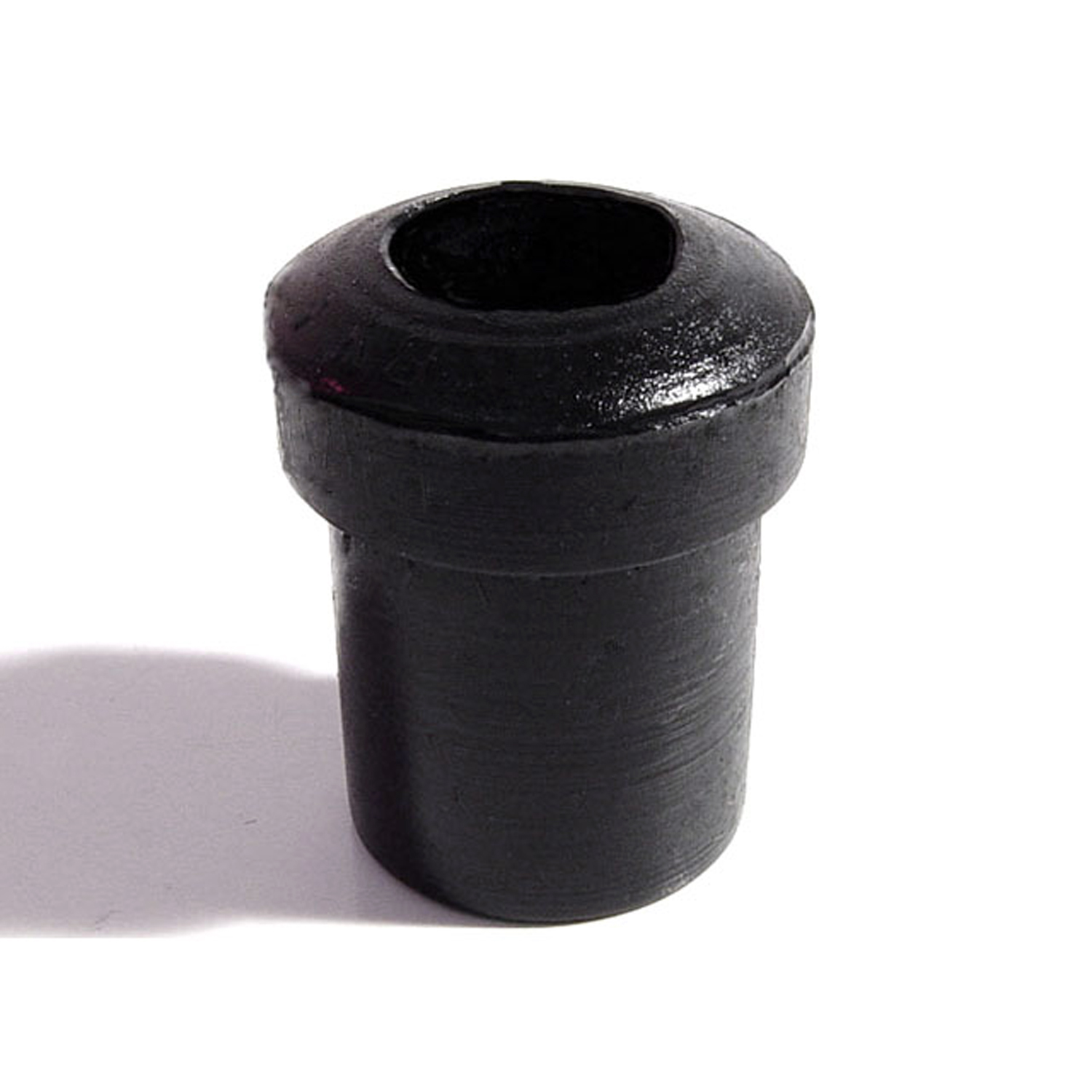 1946 DeSoto S-11 Spring and Shackle Bushing. 7/8" bottom O.D-BN 16Spring and Shackle Bushing. 7/8" bottom O.D. X 1-1/8" high, with 1/2" I.D. Each
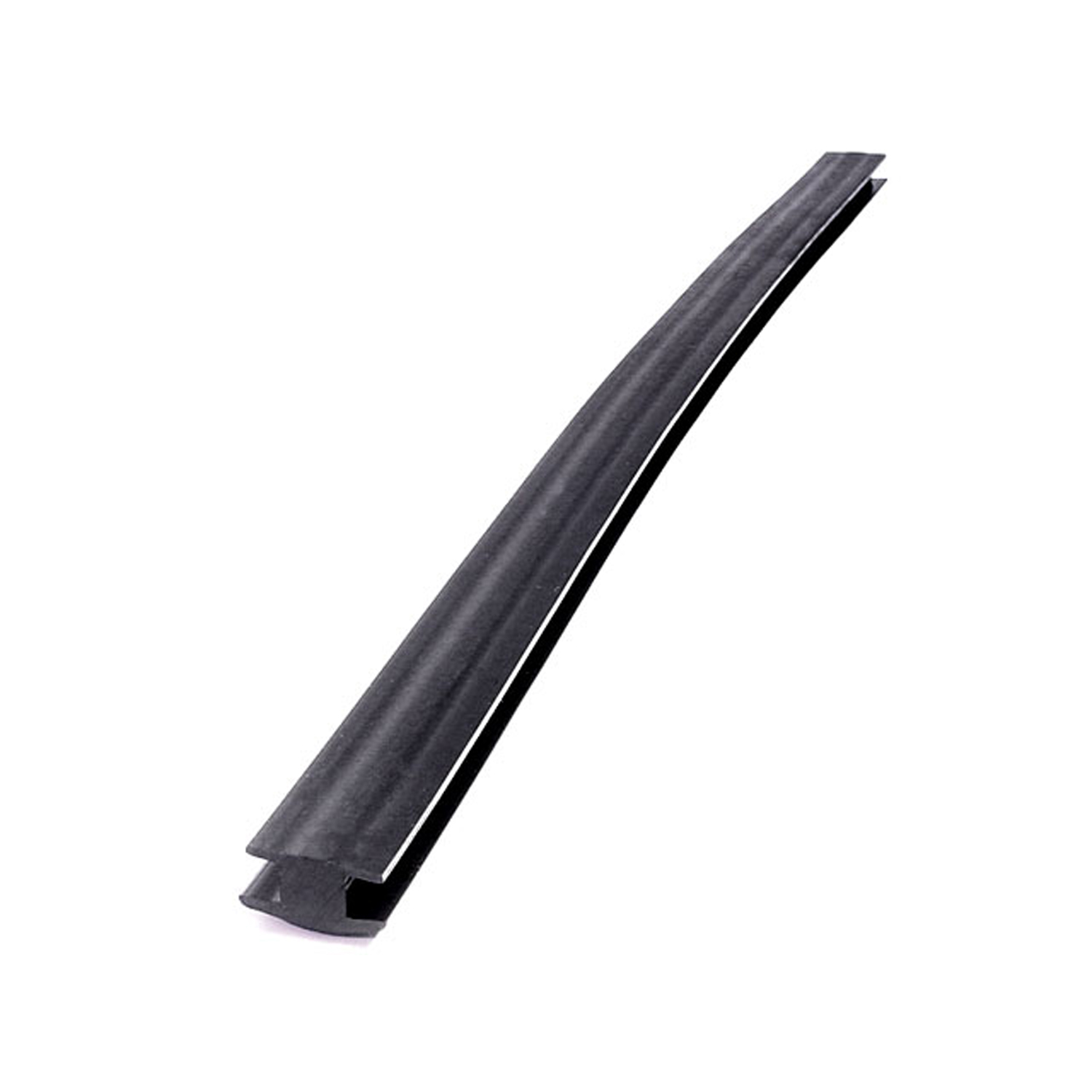 1946 DeSoto S-11 Windshield Center Bar Gasket. 20" long. Each-DP 12Windshield Center Bar Gasket. 20" long. Each
 1946 DeSoto S-11 Gravel Shields. Molded flat without metal backing plates-FS 31Gravel Shields. Molded flat without metal backing plates. Apply with contact cement. 18" long X 9-3/4" wide at bottom. Pair
 1946 DeSoto S-11 Hood Corners. Fits flat corners-HC 19Hood Corners. Fits flat corners. 80° angle, 1/4" to 3/8" corner radius. 1-3/8" wide. Pair
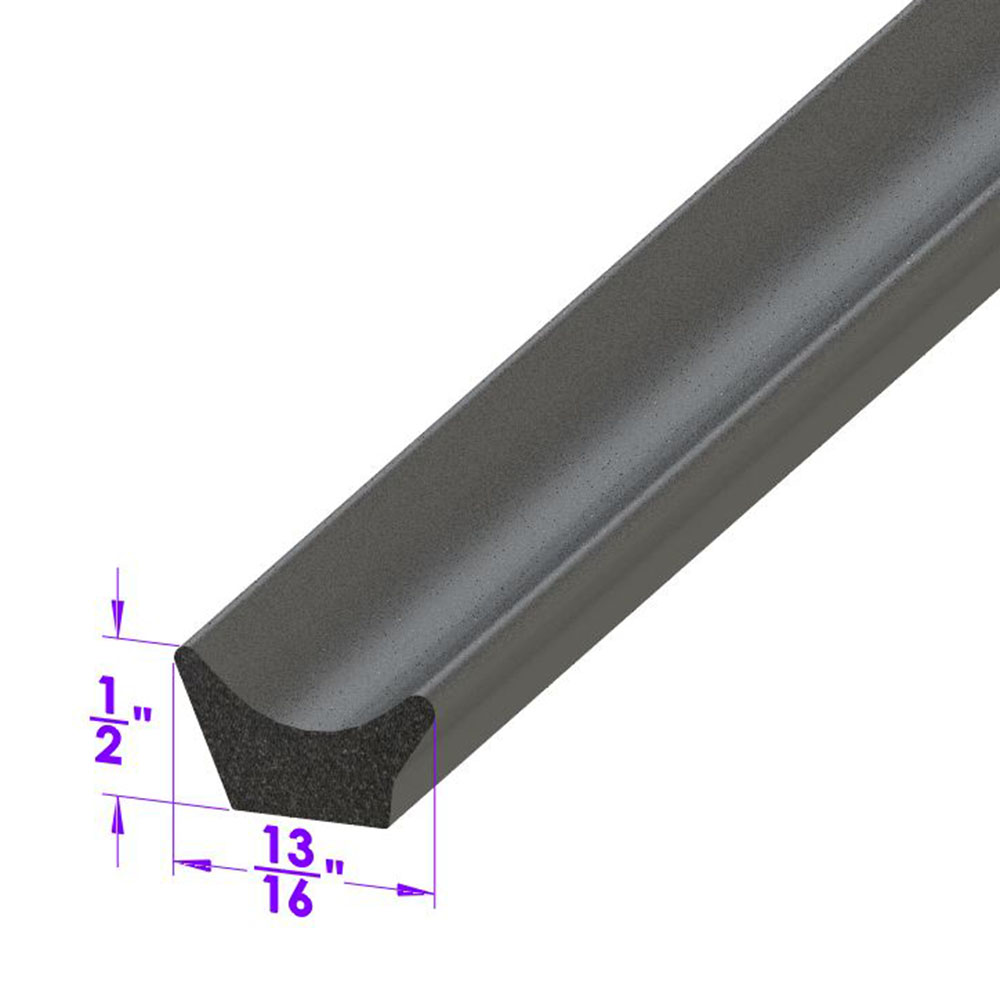 1946 DeSoto S-11 Door side seal. Same as LP 40, but for a lighter seal-LP 40-ADoor side seal. Same as LP 40, but for a lighter seal. Fits many domestic passenger cars and trucks. Universal seal for street rods and customs. Used in Cobra kit cars as door weatherstrip. Per foot.
 1946 DeSoto S-11 Door Lock Pad. 1-3/8" O.D. Each-MP 551-CDoor Lock Pad. 1-3/8" O.D. Each
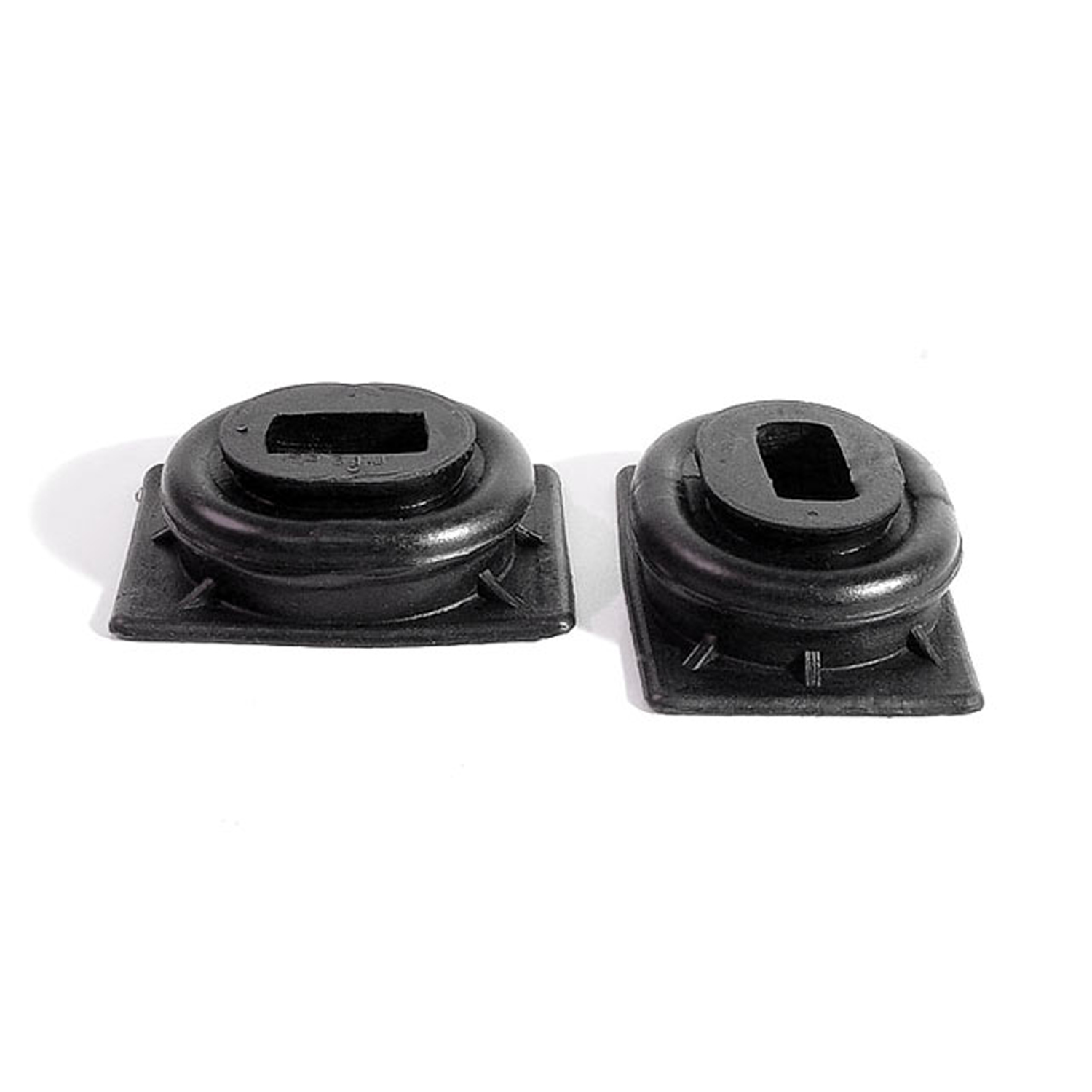 1946 DeSoto S-11 Clutch and Brake Seals. Replaces OEM #889473. Pair-RP 31-JClutch and Brake Seals. Replaces OEM #889473. Pair
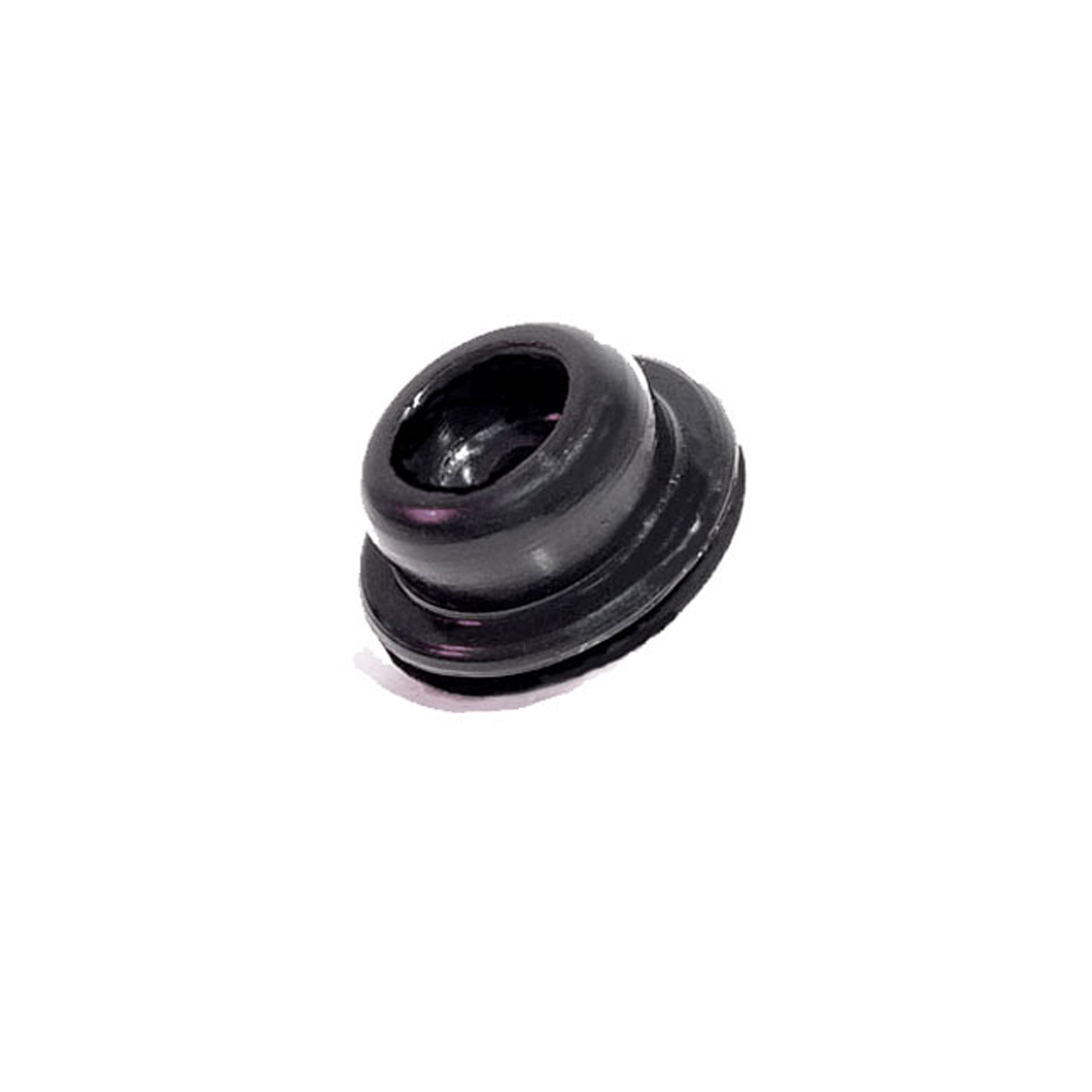 1946 DeSoto S-11 Accelerator Rod Grommet-SM 43-BAccelerator Rod Grommet. For accelerator rod through floorboard. Each
 1946 DeSoto S-11 Rumble Seat Step Plate Pad. Rubber face only. 4-1/4" O.D-SP 17Rumble Seat Step Plate Pad. Rubber face only. 4-1/4" O.D. Each
 1946 DeSoto S-11 Rear vent window seals-WR 2301-RRear vent window seals. Fits listed 4-door sedans and limousines with swing-out rear vent windows. May fit some GM models. Replaces OEM# #849153/4. Pair. R&L.
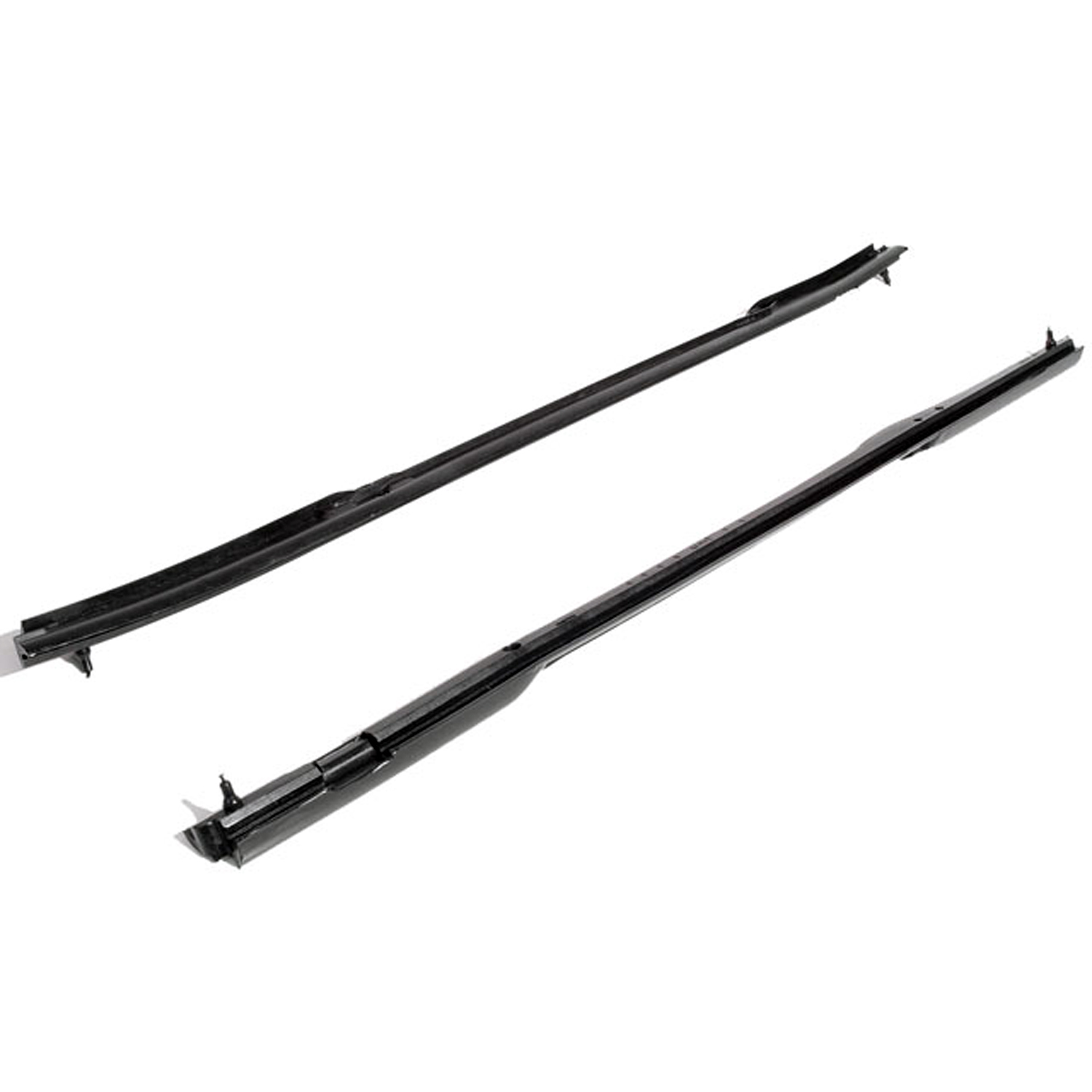 1946 DeSoto S-11 Front Vent Window Seals. For many closed models only-WR 2703Front Vent Window Seals. For many closed models only. Replaces OEM #977232-3. Pair R&L
Why Choose Metro?
For over 100 years, Metro Moulded Parts has been the pinnacle of quality in classic car restoration parts. Our commitment to precision and authenticity in every component ensures a perfect fit and an OEM-level appearance.
- Expert Craftsmanship & Quality: Each part is a testament to our dedication to reliability and perfection, crafted from original designs and thoroughly tested.
- Advanced Technology: We use cutting-edge techniques to create flawless, long-lasting parts that surpass others in performance.
- SuperSoft Sponge – The Ultimate Door Seal: Not only are our door seals 30% softer than competitors', but they're also guaranteed to never leak. They effectively reduce wind and road noise, enhancing your classic car's comfort and driving experience.
- Proudly American: Our parts are a product of American craftsmanship, made in the USA with a spirit of excellence and heritage.
- Unrivaled Warranty: We back our products with a 30-year industry-leading warranty, a testament to our confidence in their quality.
Join us in preserving the legacy of classic cars with parts that are crafted for perfection, not just made.