

Image of 1949 Desoto S-13, Note: These illustrations use artistic license and may differ from actual historical models.
Performance Metrics
Fundamental Metrics
Emotional Appeal
MMP Rating
| Engine Specifications | |
|---|---|
| Engine Options: | Inline 6 |
| Displacement Range: | 236.6 cubic inches |
| Horsepower Range: | Estimated 112 hp |
| Torque: | 200 lb-ft |
| Compression Ratio: | Estimated 7.0:1 |
| Ignition System: | Distributor and coil |
| Cooling System: | Liquid-cooled |
| Performance Specifications | |
| 0-60 Time: | Information not available |
| 1/4 Mile Time: | Information not available |
| Top Speed: | Estimated 85 mph |
| Transmission and Drive | |
| Drive Type: | Rear-wheel drive |
| Transmission Type: | 3-speed manual |
| Fuel and Efficiency | |
| Fuel System Type: | Carburetor |
| MPG: | Estimated 15-20 mpg |
| Dimensions and Brakes | |
| Brakes: | Drum brakes |
| Wheelbase: | 125.5 inches |
| Weight: | Estimated 3,400 lbs |
Note: Specifications for classic cars are given to the best of our ability, considering the limited and variant data available.
1949 DeSoto S-13: A Postwar American Cruiser
The 1949 DeSoto S-13 brought the confidence of a big American car to an era when buyers were eager for something roomier, more comfortable, and more modern than their prewar transport. Built by the DeSoto division of Chrysler Corporation, it paired a smooth, dependable inline-six with generous cabin space and distinctive postwar styling. Its name also carries a small piece of automotive history: S-13 was DeSoto’s model-year series designation, not a separate engine or performance package.
DeSoto had been part of Chrysler since the marque launched in 1928. By 1949, the brand occupied a middle position in the company’s lineup, above Plymouth and below Chrysler. The S-13 arrived during a period of rapid change, as automakers shifted from adapting prewar designs to creating cars specifically for the postwar market. One appealing detail is that the 1949 DeSoto retained the smooth, leisurely character of the earlier cars even as its styling and equipment reflected changing tastes.
Exterior Design: Chrome, Curves, and Road Presence
The S-13 looked every bit the substantial postwar sedan. Its long hood, broad front end, rounded fenders, and flowing body sides gave it the substantial presence buyers expected from a full-size American car. At the front, a wide chrome grille and prominent bumpers made the DeSoto easy to recognize. Bright trim emphasized the hood and body contours without making the car look overly ornate.
From the side, the car’s long wheelbase and generous passenger compartment are immediately apparent. The fenders were becoming more integrated into the overall body shape than on many prewar cars, but the DeSoto still had the rounded, separate-fender character associated with the period. At the rear, a broad trunk made the sedan practical for family travel and luggage-heavy road trips.
Factory paint choices varied by body style, trim, and production period. Buyers could choose from subdued period shades such as dark blue, green, gray, maroon, black, and lighter cream or beige tones. Deep, glossy colors suit the car especially well today, while two-tone treatments, where available, bring out the S-13’s long body lines.
Cabin Comfort and Available Body Styles
Inside, the 1949 DeSoto favored comfort over sporting drama. The broad bench seats offered room for a family, while a large steering wheel and clearly arranged instruments made the driving position familiar to anyone accustomed to an American car of the late 1940s. Upholstery depended on trim level, but cloth and broadcloth were common, with richer materials and trim combinations offered on better-equipped models. The overall impression is durable, welcoming, and deliberately substantial rather than luxurious in a modern sense.
DeSoto offered the S-13 in several body styles, including four-door sedans and two-door coupes, with availability depending on series and equipment. Custom models added more upscale appointments, and convertible and station-wagon offerings were part of the broader DeSoto range around this period. The four-door sedan is among the most recognizable versions: it shows off the car’s proportions, provides easy access to the rear seat, and suits the DeSoto’s role as a comfortable family car.
Equipment varied, but convenience features could include a heater, radio, clock, and upgraded interior trim. These were desirable extras at a time when buyers were rebuilding their households and choosing cars not only for transport but also for comfort on longer journeys.
Engineering and S-13 Technology
Power came from DeSoto’s 236.6-cubic-inch L-head inline-six, rated at approximately 112 horsepower. It was designed for steady, low-stress service rather than high-revving performance. The engine’s smooth delivery suited the car’s weight and relaxed character, and its straightforward layout is one reason these DeSotos remain approachable for enthusiasts interested in maintaining an older car.
Many DeSotos used Chrysler’s Fluid Drive system. It is worth clarifying that Fluid Drive was not a fully automatic transmission. It used a fluid coupling between the engine and transmission, and could be paired with a conventional manual gearbox or Chrysler’s Tip-Toe Shift semi-automatic arrangement, depending on specification. The system made starts and low-speed driving feel smoother than a conventional clutch setup, though it has its own service requirements and should be understood before purchase.
The S-13 also reflected the period’s focus on a softer, more comfortable ride. Independent front suspension helped absorb uneven pavement, while the car’s substantial frame and suspension tuning favored stability over sharp cornering. Its hydraulic brakes and conventional mechanical layout were familiar technology by 1949, but they required regular inspection and adjustment by modern standards.
Historical Significance: DeSoto in a Changing Market
The 1949 S-13 matters less as a radical engineering breakthrough than as a clear example of how an established American manufacturer served postwar buyers. DeSoto offered a large, comfortable car with a proven six-cylinder engine, practical body styles, and equipment that made everyday motoring more pleasant. Its place in Chrysler’s lineup gave buyers a step up from Plymouth without requiring them to move to a Chrysler-badged model.
The car also captures a transitional moment in automotive design. Postwar styling was moving toward lower-looking bodies, broader grilles, and more integrated forms, while the S-13 still carried the rounded volumes and upright proportions of the late 1940s. That combination gives it a character distinct from both prewar cars and the more radically styled models that followed.
DeSoto itself would continue for another dozen years before Chrysler discontinued the marque after the 1961 model year. The S-13 is therefore part of a finite chapter in the company’s history, representing a period when DeSoto had a clear identity and a strong place in the American middle-market conversation.
Performance and Driving Feel
With roughly 112 horsepower moving a heavy, full-size car, the S-13 is a cruiser, not a quick getaway car. Period gearing and vehicle condition make published performance figures difficult to compare, but a healthy example might reach about 80 to 85 mph under favorable conditions. A 0-to-60-mph time in the neighborhood of 20 to 25 seconds is a reasonable estimate, not a guaranteed factory test figure. Actual results depend on transmission, axle ratio, tires, mechanical condition, and how the car is loaded.
On the road, the inline-six produces a mellow, steady sound rather than a sharp performance growl. The steering is comparatively slow and requires more effort at parking speeds than a modern car, while the suspension takes the edge off bumps and broken pavement. The DeSoto feels most at home on open roads, where its long wheelbase and weight help it settle into a relaxed pace.
On winding roads, expect measured inputs rather than sports-car precision. Body lean, period tires, and drum brakes all encourage a patient driving style. In crosswinds, the S-13’s size can be noticeable, and its brakes need more planning than modern power-assisted systems. The reward is an engaging vintage experience: a large steering wheel in your hands, a broad hood ahead, and the steady mechanical rhythm of a classic six-cylinder engine.
Living With a 1949 DeSoto
Today, most S-13s are used as show cars, weekend cruisers, parade vehicles, or occasional-use touring cars. A well-sorted example can cover local roads and relaxed highway routes, but it is not an ideal modern daily driver. Traffic speeds, limited crash protection, drum brakes, and the absence of contemporary safety equipment call for sensible route planning and defensive driving.
Routine maintenance is manageable for an owner comfortable with older vehicles. The engine’s basic design is relatively straightforward, and many service tasks can be handled by a competent home mechanic with the correct manuals and tools. Fluid Drive and Tip-Toe Shift systems require more specialized knowledge than a standard manual transmission, so buyers should confirm that any unusual shifting behavior is understood and properly diagnosed.
As with any car from this era, inspect the structure before focusing on shiny paint. Check the frame, floors, rocker panels, lower body sections, and trunk for rust or past repairs. Parts availability varies: common mechanical service items can often be sourced through specialist suppliers, while correct trim, glass, interior pieces, and model-specific details may take more searching. A complete, running car is usually a more practical starting point than a cheap project missing hard-to-find parts.
DeSoto S-13 Trivia and Common Criticisms
Fluid Drive is one of the S-13’s most memorable talking points, but it is often misunderstood. It can make the car smoother and easier to operate in traffic, yet it does not behave exactly like a modern automatic. A prospective owner should learn which transmission arrangement is fitted and how it is meant to operate before judging its performance.
The 1949 DeSoto is not generally known for a headline speed record or a single famous event appearance. Its historical interest lies instead in its role as a mainstream postwar Chrysler product and as part of the DeSoto marque’s continuing story. Production estimates for the full 1949 DeSoto line are commonly placed at roughly 133,000 cars, though that figure covers the range rather than just the S-13 body or trim combination. Exact totals for individual versions are harder to pin down.
Common criticisms are familiar to anyone considering a large late-1940s car: modest acceleration, heavy steering, drum brakes, and fuel consumption that is high by modern standards. The six-cylinder engine is durable when maintained, but it cannot deliver modern traffic performance. Those limitations are part of the car’s character, and they are also why a careful test drive and a thorough mechanical inspection matter.
Collector Value and Availability
The 1949 DeSoto S-13 is collectible without being prohibitively rare. Four-door sedans are generally more attainable than unusual or better-equipped body styles, while especially complete, original, or professionally restored cars attract more attention. Convertibles and station wagons from the wider DeSoto lineup are scarcer and can command a substantial premium when correctly identified and documented.
As a broad 2026 market estimate, a project car may sell for around $5,000 to $10,000, depending on completeness and rust. A usable driver might fall between $12,000 and $25,000, while a high-quality restoration or exceptionally preserved example could reach roughly $25,000 to $40,000 or more. Rare body styles can exceed those ranges. These are general estimates, not formal appraisals; location, originality, restoration quality, and mechanical condition have a major effect on price.
Values for modest postwar American sedans have generally been steadier than those of the most fashionable muscle cars and prewar classics. Clean, well-maintained examples may appreciate gradually, but condition and desirability matter more than the badge alone. The best buying strategy is to choose a sound, complete car rather than assume that a major restoration will be recovered at resale.
Why the 1949 DeSoto S-13 Still Matters
The 1949 DeSoto S-13 is a roomy, well-equipped postwar American car with a relaxed six-cylinder personality and a distinctive place in Chrysler history. Its broad body, comfortable cabin, and period engineering make it a rewarding classic for owners who value cruising, preservation, and the feel of an earlier motoring era over speed or modern convenience.
It may not be the quickest DeSoto, the rarest, or the most celebrated, but it tells an important story about what American families wanted after the war: space, dependability, comfort, and a little chrome for the driveway. Behind its long hood is a reminder that a great classic is not always about going fast. Sometimes it is about enjoying the road at the pace the car was built to keep.
1949 Desoto S-13 Catalog of Parts
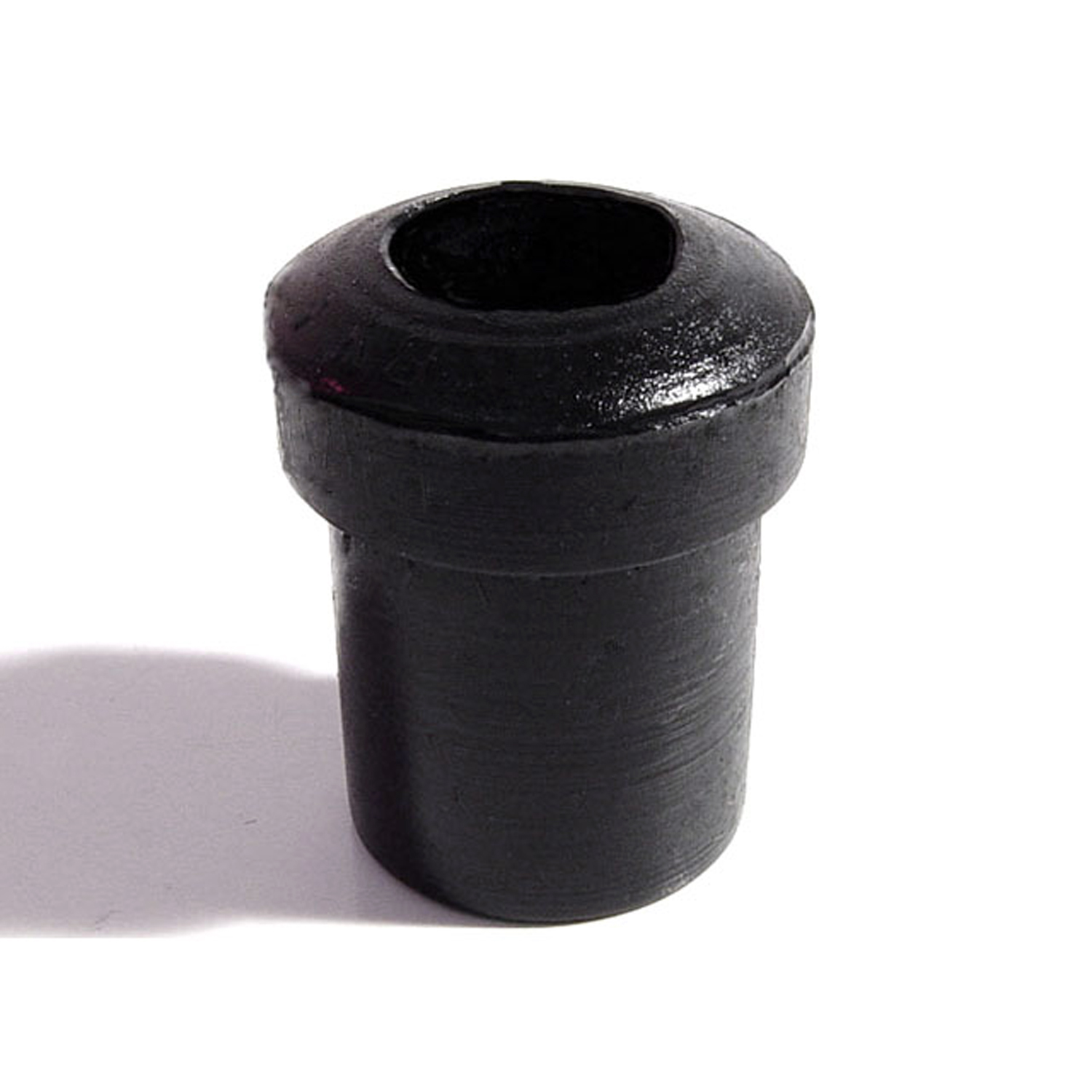 1949 DeSoto S-13 Spring and Shackle Bushing. 7/8" bottom O.D-BN 16Spring and Shackle Bushing. 7/8" bottom O.D. X 1-1/8" high, with 1/2" I.D. Each
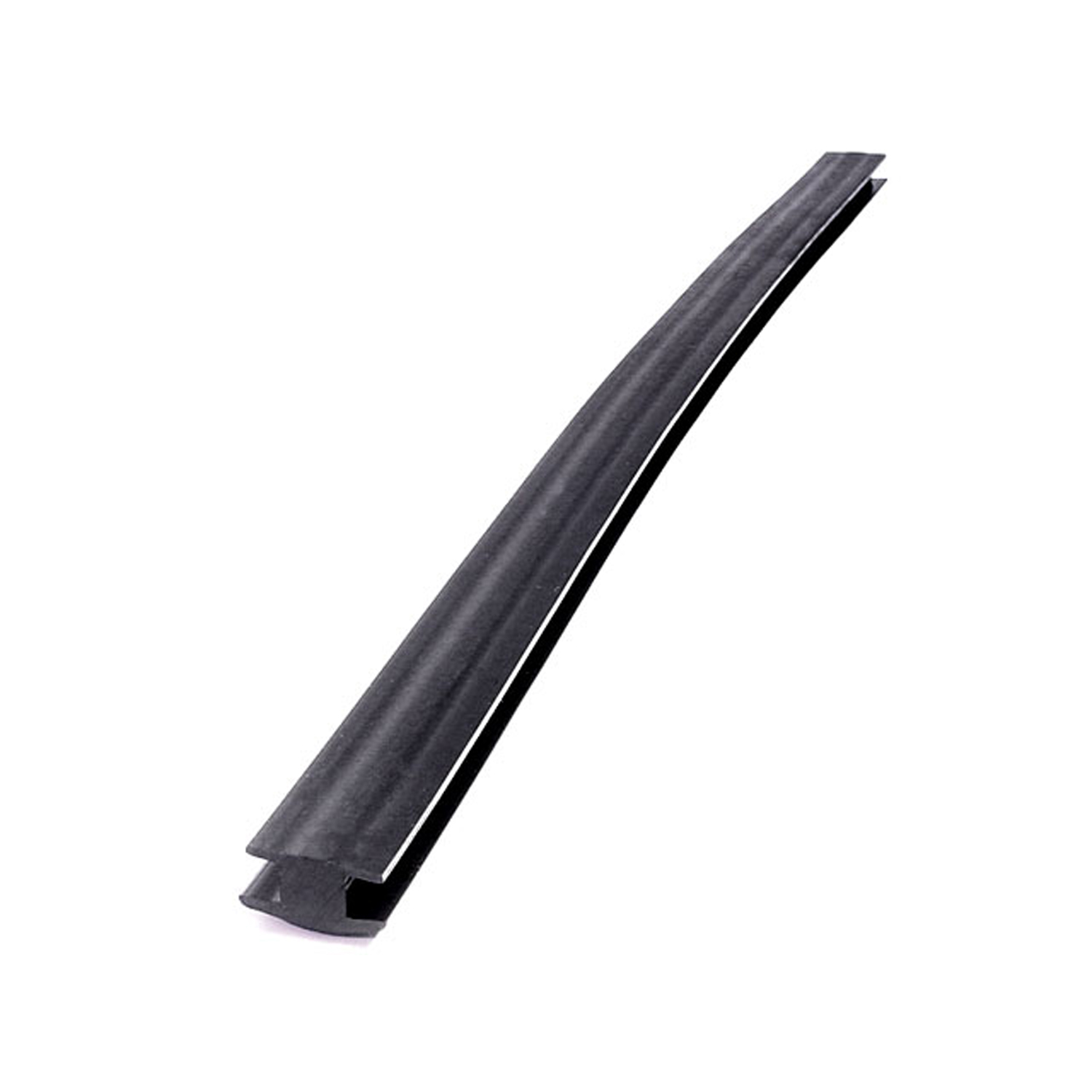 1949 DeSoto S-13 Windshield Center Bar Gasket. 20" long. Each-DP 12Windshield Center Bar Gasket. 20" long. Each
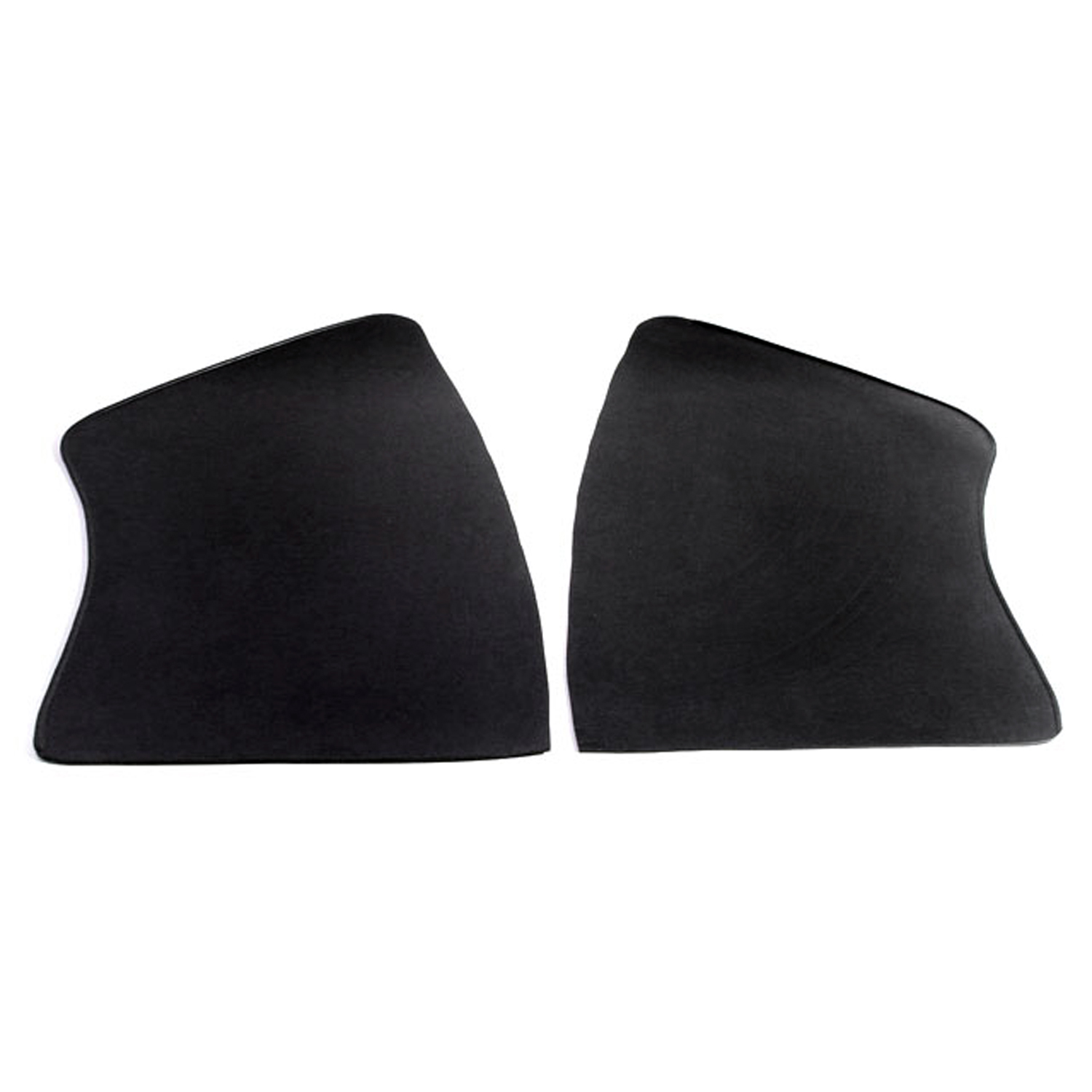 1949 DeSoto S-13 Gravel Shields. Molded flat without metal backing plates-FS 31Gravel Shields. Molded flat without metal backing plates. Apply with contact cement. 18" long X 9-3/4" wide at bottom. Pair
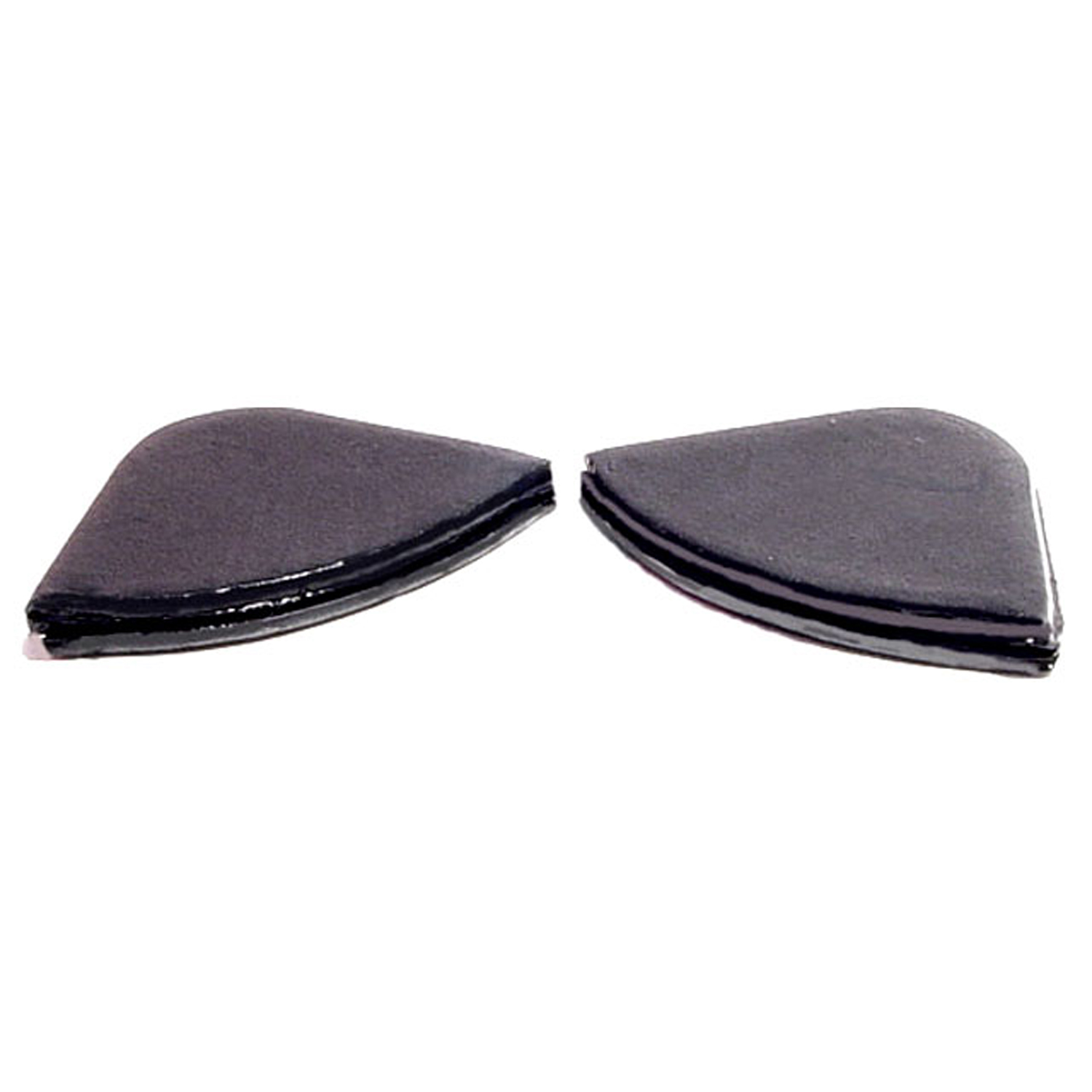 1949 DeSoto S-13 Hood Corners. Fits flat corners-HC 19Hood Corners. Fits flat corners. 80° angle, 1/4" to 3/8" corner radius. 1-3/8" wide. Pair
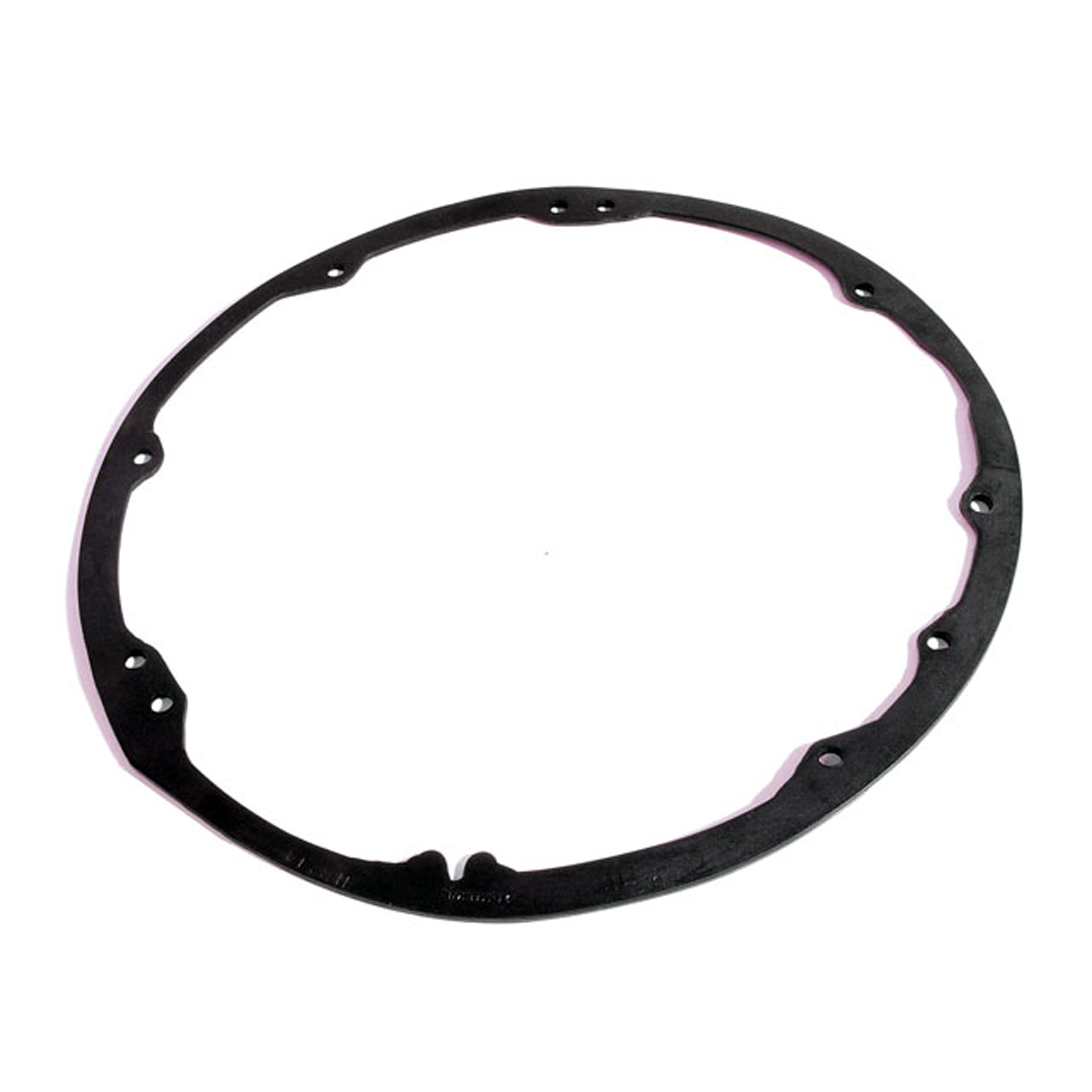 1949 DeSoto S-13 Headlight Ring Seal. 8-3/8" O.D., 7-3/4" I.D. Pair-HR 14Headlight Ring Seal. 8-3/8" O.D., 7-3/4" I.D. Pair
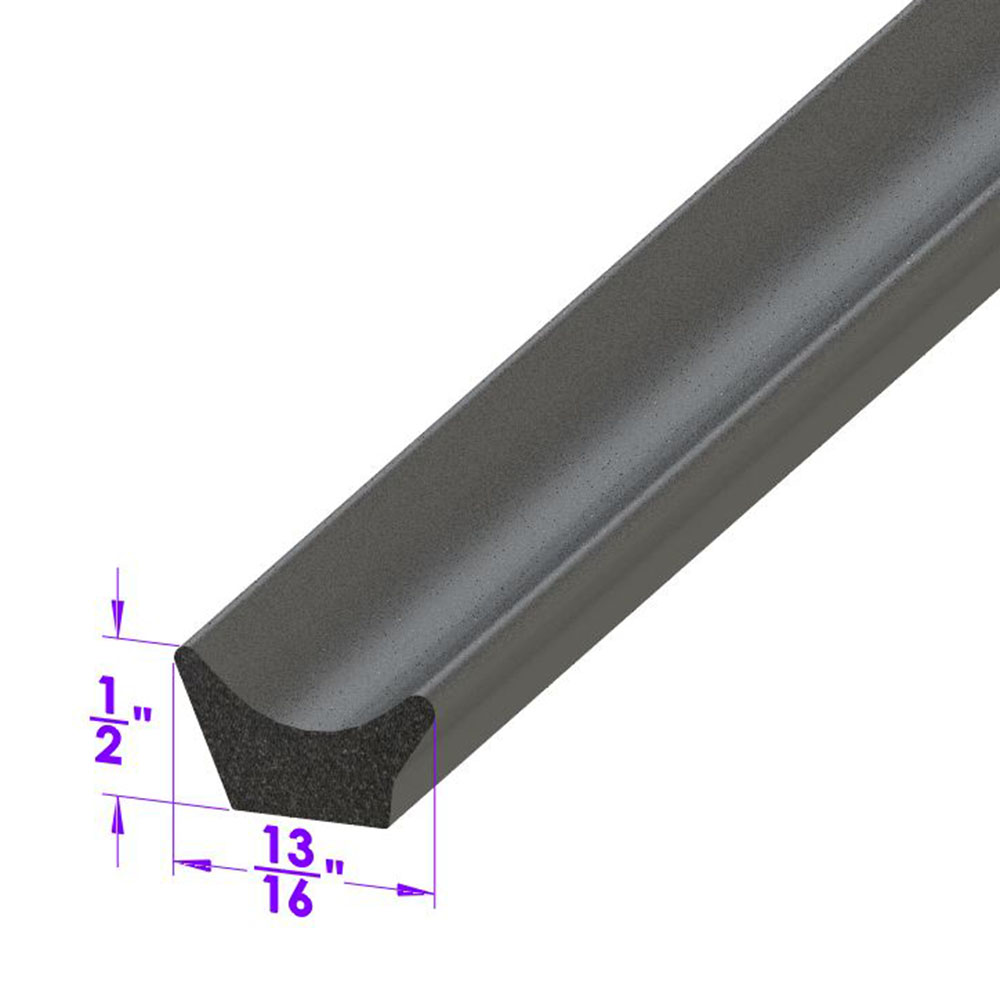 1949 DeSoto S-13 Door side seal. Same as LP 40, but for a lighter seal-LP 40-ADoor side seal. Same as LP 40, but for a lighter seal. Fits many domestic passenger cars and trucks. Universal seal for street rods and customs. Used in Cobra kit cars as door weatherstrip. Per foot.
 1949 DeSoto S-13 Door Lock Pad. 1-3/8" O.D. Each-MP 551-CDoor Lock Pad. 1-3/8" O.D. Each
 1949 DeSoto S-13 Cowl Vent Seal. 3-1/2" wide X 17" long. Each-RP 100-PCowl Vent Seal. 3-1/2" wide X 17" long. Each
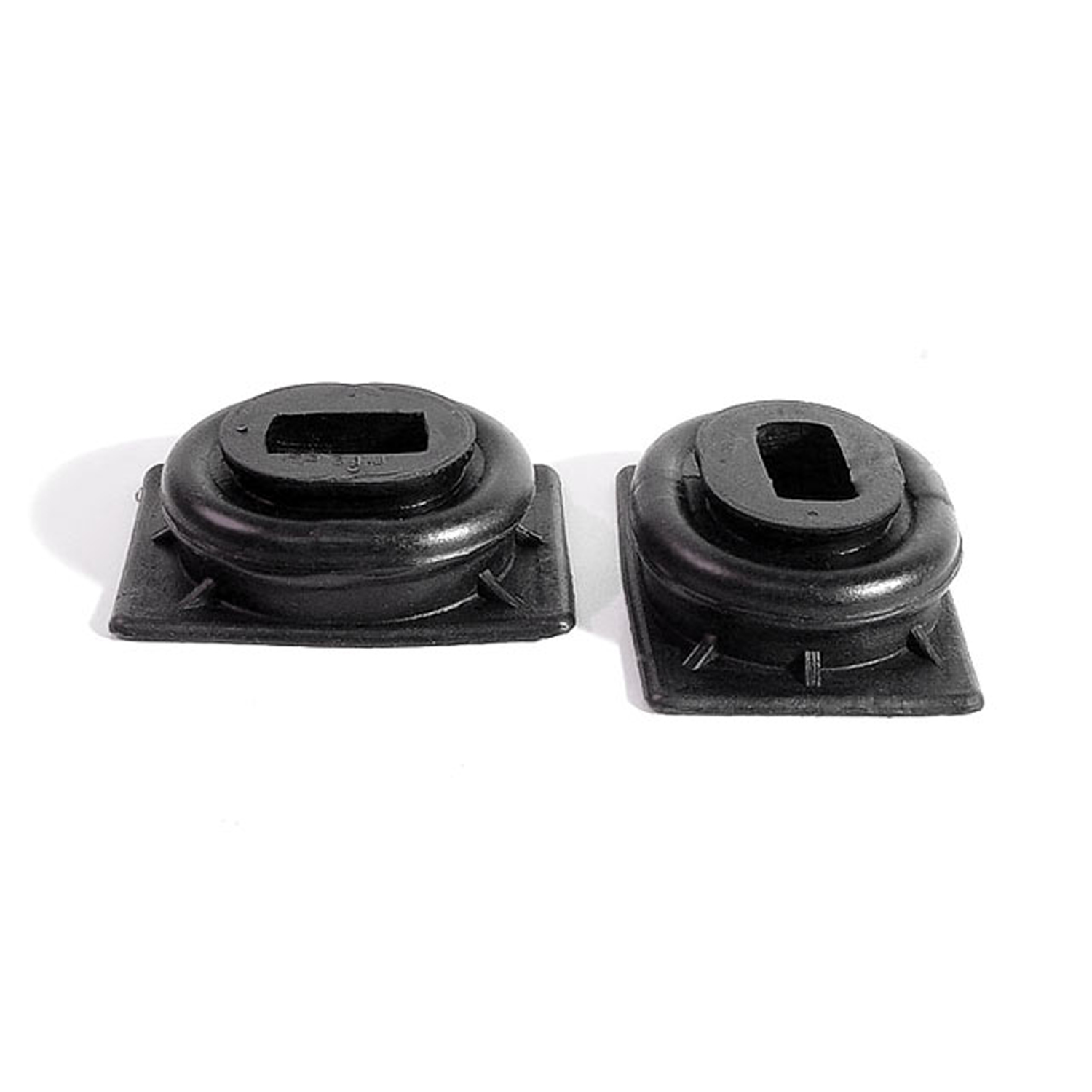 1949 DeSoto S-13 Clutch and Brake Seals. Replaces OEM #889473. Pair-RP 31-JClutch and Brake Seals. Replaces OEM #889473. Pair
 1949 DeSoto S-13 Rumble Seat Step Plate Pad. Rubber face only. 4-1/4" O.D-SP 17Rumble Seat Step Plate Pad. Rubber face only. 4-1/4" O.D. Each
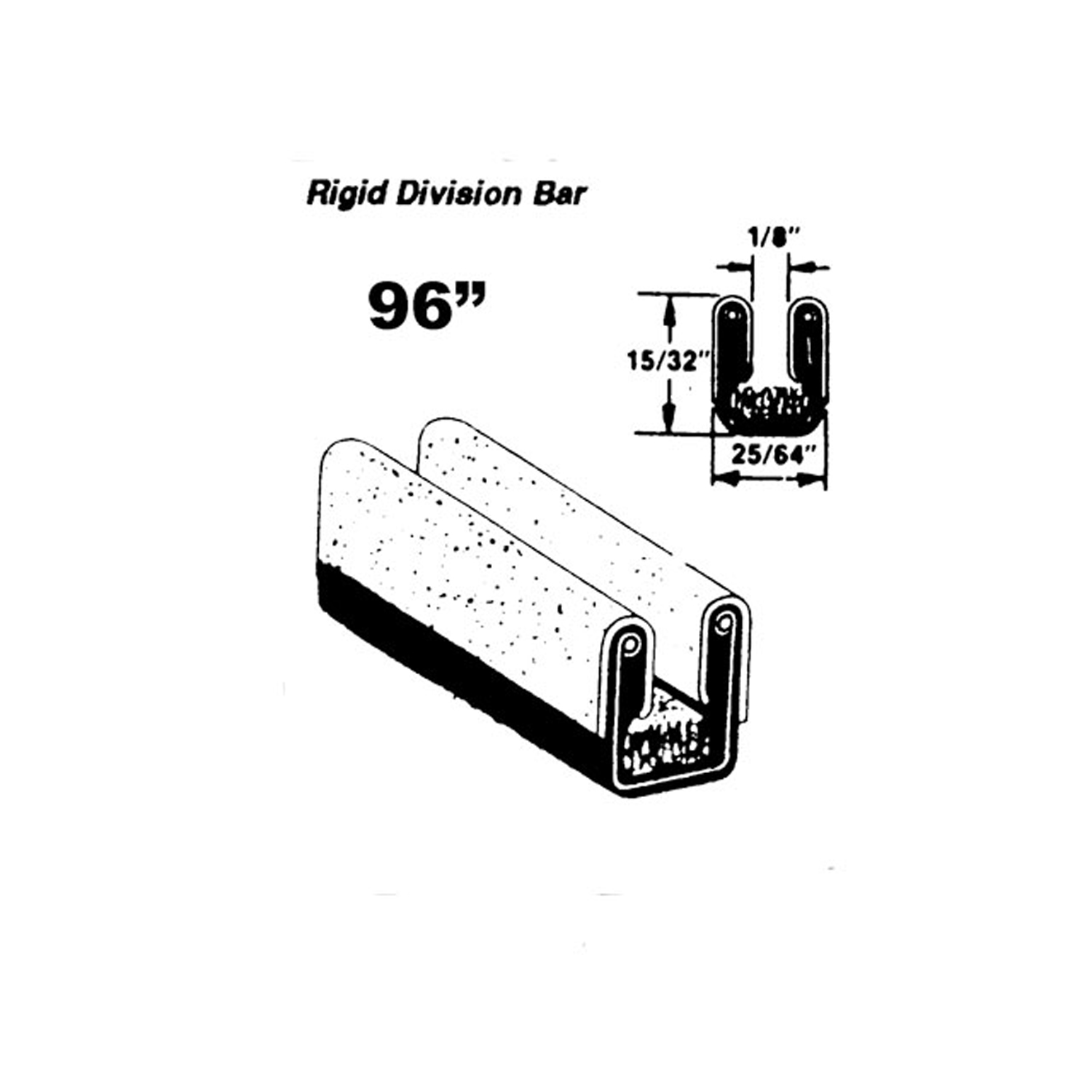 1949 DeSoto S-13 Rigid division-bar run channel-WC 31-96Rigid division-bar run channel. Made with very soft felt lining. Used on front and rear door side windows. 96 in. long. Each. NOTE: $20 special shipping charge applies for domestic orders. Call or email for overseas shipping costs. Part can be sectioned in two or three equal lengths to reduce overseas shipping costs.
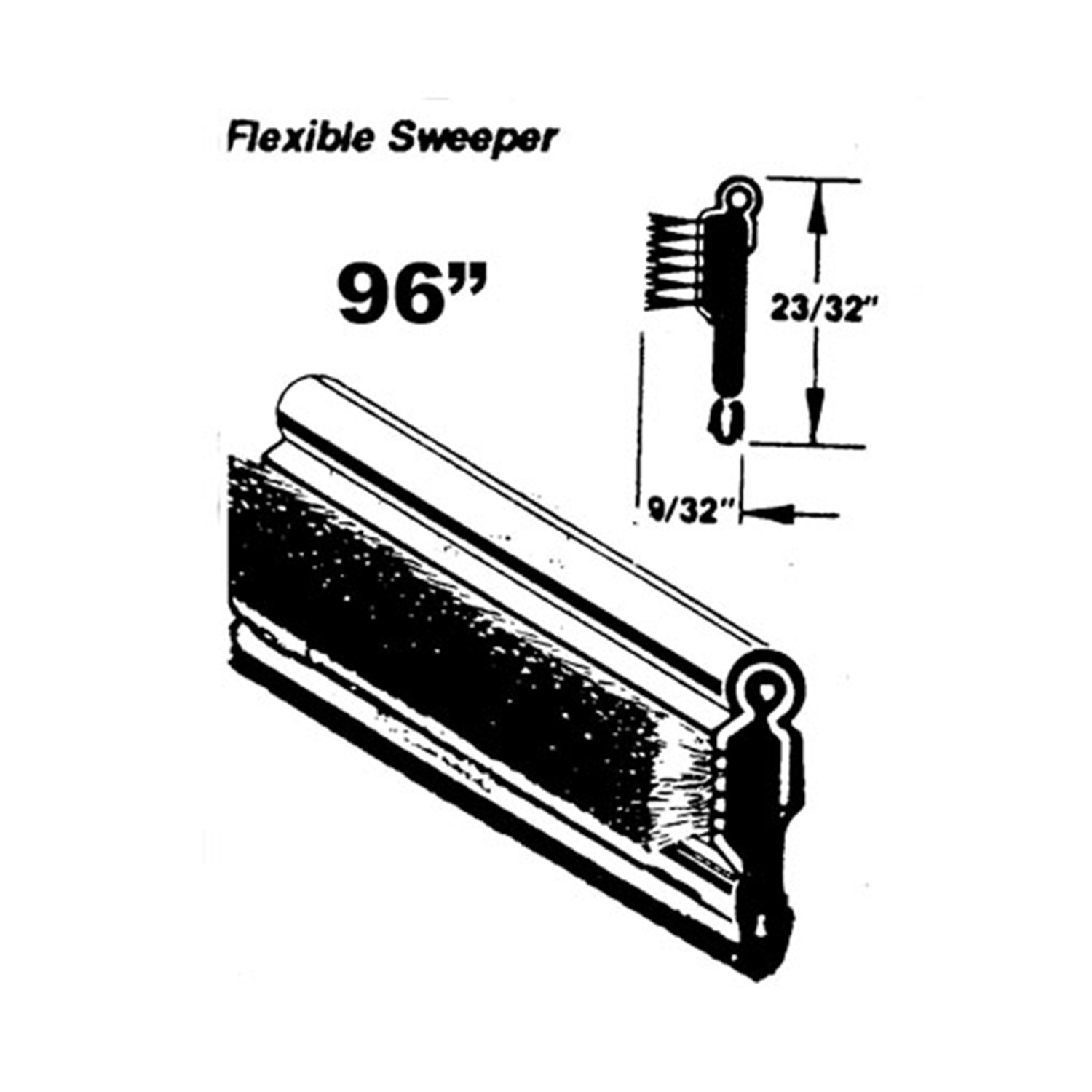 1949 DeSoto S-13 Flexible window sweeper. Made with stainless steel bead-WC 4-96Flexible window sweeper. Made with stainless steel bead. 96 in. long. Each. NOTE: $20 special shipping charge applies for domestic orders. Call or email for overseas shipping costs. Part can be sectioned in two or three equal lengths to reduce overseas shipping costs.
 1949 DeSoto S-13 Rear Vent Window Seals. Replaces OEM #1243378. Pair R&L-WR 2302-RRear Vent Window Seals. Replaces OEM #1243378. Pair R&L
 1949 DeSoto S-13 Front Vent Window Seals-WR 2704Front Vent Window Seals. For all convertibles and '50-'52 2-door hardtops. Pair R&L
 1949 DeSoto S-13 Front Vent Window Seals. For Coupes and 2-Door Sedans-WR 2708Front Vent Window Seals. For Coupes and 2-Door Sedans. 25-11/16" long. Replaces OEM #B4-5175-R. Pair R&L
Why Choose Metro?
For over 100 years, Metro Moulded Parts has been the pinnacle of quality in classic car restoration parts. Our commitment to precision and authenticity in every component ensures a perfect fit and an OEM-level appearance.
- Expert Craftsmanship & Quality: Each part is a testament to our dedication to reliability and perfection, crafted from original designs and thoroughly tested.
- Advanced Technology: We use cutting-edge techniques to create flawless, long-lasting parts that surpass others in performance.
- SuperSoft Sponge – The Ultimate Door Seal: Not only are our door seals 30% softer than competitors', but they're also guaranteed to never leak. They effectively reduce wind and road noise, enhancing your classic car's comfort and driving experience.
- Proudly American: Our parts are a product of American craftsmanship, made in the USA with a spirit of excellence and heritage.
- Unrivaled Warranty: We back our products with a 30-year industry-leading warranty, a testament to our confidence in their quality.
Join us in preserving the legacy of classic cars with parts that are crafted for perfection, not just made.