

Image of 1950 Desoto S-14, Note: These illustrations use artistic license and may differ from actual historical models.
Performance Metrics
Fundamental Metrics
Emotional Appeal
MMP Rating
| Engine Specifications | |
|---|---|
| Engine: | Inline 6 |
| Displacement: | 236.6 cubic inches |
| Horsepower: | Estimated 112 hp |
| Torque: | 208 lb-ft |
| Compression Ratio: | Estimated 7.0:1 |
| Ignition System: | Distributor and coil |
| Cooling System: | Liquid-cooled |
| Performance Specifications | |
| 0-60 Time: | Estimated 20 seconds |
| 1/4 Mile Time: | Not available |
| Top Speed: | 85 mph |
| Transmission and Drive | |
| Drive Type: | Rear-wheel drive |
| Transmission Type: | 3-speed manual or optional 4-speed semi-automatic |
| Fuel and Efficiency | |
| Fuel System Type: | Carburetor |
| MPG: | Estimated 15-20 mpg |
| Dimensions and Brakes | |
| Brakes: | Drum brakes |
| Wheelbase: | 125.5 inches |
| Weight: | Estimated 3,400 lbs |
Note: Specifications for classic cars are given to the best of our ability, considering the limited and variant data available.
1950 DeSoto S-14: A Smooth-Riding Postwar Classic
The 1950 DeSoto S-14 brought postwar American motoring together in one handsome package: a broad, confident body, a durable six-cylinder engine, and a ride made for long miles rather than stoplight sprints. Built by the DeSoto division of Chrysler Corporation, the S-14 sat in the popular middle-price market, offering more size and refinement than an economy car without reaching the price level of a luxury flagship.
DeSoto had been founded by Walter P. Chrysler in 1928 and named for Spanish explorer Hernando de Soto. By 1950, the company was part of a thriving postwar auto industry, and buyers wanted new cars after years of wartime restrictions. The S-14 belonged to the generation that helped meet that demand. Its six-cylinder layout also places it near the end of an era for DeSoto: the brand introduced its V8-powered Firedome in 1952.
One intriguing detail is that Fluid Drive, DeSoto’s distinctive smooth-starting transmission system, helped give the car a more relaxed character than a conventional manual car of the period. It was not a modern automatic, but it offered drivers a different, less hurried way to shift.
Broad Grille, Brightwork, and Comfortable Cabin
The S-14 wore the substantial, rounded styling typical of early-1950s American cars. Its long hood and integrated front fenders flowed into a tall cabin and rounded rear body. At the front, a wide chrome grille gave the car a bold face, while the DeSoto crest and bright trim supplied the visual flourish. The overall effect was dignified rather than sporty, with plenty of presence at the curb.
Inside, the DeSoto was designed for comfort and practical use. The broad bench seats and generous cabin made it a natural family car, while the dashboard arranged its instruments and controls within easy reach. Upholstery varied by trim and body style. Deluxe models generally used durable cloth, while Custom models could have richer fabric treatments and more elaborate trim. Convertibles often received more weather-resistant upholstery. As with any old car, the exact materials and colors depend on the original trim package and surviving records.
Factory paint choices varied by series and production run. Period DeSotos could be ordered in restrained shades such as black, gray, and dark blue, as well as brighter greens, reds, and two-tone combinations. Dark colors suit the car’s formal styling, but two-tone examples are especially appealing to collectors because they show off the rounded body contours.
The S-14 range included several body styles, with availability varying by trim and market. Buyers could find sedans and coupes, while the Custom line also offered the desirable convertible. DeSoto’s Suburban was a distinctive long-body sedan aimed at buyers who needed extra passenger or luggage space. Station-wagon versions were much less common than sedans. The four-door sedan was the practical and familiar choice, while the convertible is among the most eye-catching versions today.
Fluid Drive and the S-14’s Place in DeSoto History
The 1950 S-14 was not a radical technical breakthrough, but it represented the strengths of DeSoto’s mid-price formula: substantial construction, a smooth ride, and technology that made everyday driving more relaxed. Its Fluid Drive system used a fluid coupling between the engine and transmission. Many cars paired it with a conventional three-speed manual gearbox, while some were fitted with DeSoto’s optional Tip-Toe Shift semi-automatic transmission.
Tip-Toe Shift reduced the need for conventional clutch use during many gear changes, but it should not be confused with a modern automatic. The driver still had to understand how the system worked, and the transmission had its own operating procedure. These features set the DeSoto apart from cars that offered only a straightforward manual gearbox, while reflecting Chrysler’s broader interest in easing the work of driving.
Against contemporaries, the S-14’s appeal was its balance rather than outright speed or cutting-edge styling. It offered a roomy interior and a composed ride at a price below the more prestigious Chrysler models. Its long, rounded design belongs to the transition between the first postwar cars and the lower, more dramatic styling that arrived during the 1950s. DeSoto later disappeared as a marque in 1961, giving surviving examples added interest as reminders of a once-prominent Chrysler division.
Six-Cylinder Performance and Road Manners
Power came from a 236.6-cubic-inch L-head inline-six, rated at approximately 112 horsepower. The engine favored steady torque and smooth operation over high-revving performance. Period equipment and body style affected weight, but a typical S-14 was a substantial car, and its performance reflected that mass.
As a practical estimate, a healthy, correctly tuned example might reach 60 mph in roughly 18 to 22 seconds and have a top speed in the neighborhood of 85 to 90 mph. Those figures are estimates rather than promises: engine condition, transmission, gearing, tire size, and altitude all matter. The car is happiest cruising at moderate highway speeds, not being pushed like a modern vehicle.
On rough roads, the DeSoto’s soft suspension and long wheelbase help it absorb bumps with the relaxed, floating feel many buyers wanted. On winding roads, its size and period steering call for measured inputs. It is not a nimble sports sedan, and body lean is part of the experience. Strong crosswinds can make a large, upright car feel less settled than a modern vehicle, so careful steering and reasonable speeds are wise.
Behind the wheel, expect a quiet, low-revving six-cylinder note, a broad bench seat, and a substantial steering wheel. The ride feels cushioned, with the engine working steadily rather than urgently. With Fluid Drive, starts and low-speed driving can feel especially smooth, though the driver still needs to operate the car according to its transmission setup. The S-14 rewards patience and smooth driving.
Living With a 1950 DeSoto
Today, most S-14s are used as show cars, weekend cruisers, or occasional touring cars. A well-maintained example can handle local drives and relaxed trips, but its age means it is not a modern daily driver. Braking distances, lighting, handling, and crash protection are all from another era.
The car’s basic mechanical layout is familiar to many vintage-car specialists, and its flathead six is generally repairable without exotic tools. Routine servicing is straightforward for an experienced home mechanic, but a first-time restorer should be prepared for old-car challenges: worn engine parts, electrical faults, leaking seals, tired suspension components, and corrosion in the body or frame. Transmission repairs, especially on a Tip-Toe Shift car, may require a specialist familiar with Chrysler’s system.
Parts availability is mixed. Common service items and some mechanical components can be sourced through specialist suppliers or the classic-car community. Trim pieces, body panels, unique Suburban parts, and correct interior materials can be harder to find. Before buying, inspect the floors, rocker panels, lower fenders, trunk area, and frame carefully. A solid, complete car is often a better starting point than a cheap project missing rare trim.
DeSoto S-14 Facts and Common Criticisms
The DeSoto name honored Hernando de Soto, but the cars were very much a product of Chrysler engineering and American manufacturing. The 1950 S-14 is also a useful snapshot of the last pre-V8 phase of DeSoto history, just before the company’s V8-powered models changed the character of the lineup.
The car was built for road use, not competition, and it is not known for major speed or endurance records. Nor is there one widely documented celebrity connection that defines the S-14. Its appeal is more everyday and historical: it represents the comfortable, substantial family and touring cars that filled American roads after the war.
Common criticisms are easy to understand from a modern perspective. The six-cylinder engine is modest for the car’s size, fuel economy is not especially impressive by current standards, and the soft suspension can feel loose compared with later cars. The large body can also make parking and tight roads a challenge. Those traits are not defects so much as reminders that the S-14 was designed for a different kind of driving.
1950 DeSoto Values and Rarity
DeSoto produced roughly 130,000 cars for the 1950 model year, though exact totals can vary by source and by how production is categorized. That figure covers the broader DeSoto lineup, not just one S-14 body style. Ordinary sedans are more likely to appear on the market than convertibles, Suburbans, or unusual wagon versions. Exact production counts for individual configurations can be difficult to verify, so treat any body-style total as an estimate.
As a broad 2026 market guide, a project car or driver needing substantial work might sell for about $5,000 to $12,000. A usable, presentable sedan could fall around $12,000 to $25,000, while a beautifully restored or exceptionally original example may bring roughly $25,000 to $40,000 or more. Convertibles and other scarce configurations can command a premium, with top-quality examples potentially reaching $40,000 to $70,000 or higher. Condition, originality, documentation, and regional demand have a major effect on price.
Values have generally been steadier than those of the most fashionable muscle cars and rare prewar classics. Interest in well-presented postwar American cars supports the market, but restoration costs can exceed a sedan’s resale value. The rarest body styles and cars with strong originality tend to be the best positioned, though no classic-car value is guaranteed to rise.
Why the S-14 Still Matters
The 1950 DeSoto S-14 combines postwar American styling, a smooth flathead six, and Chrysler’s distinctive Fluid Drive technology in a spacious, comfortable package. It was not built to win races or chase cutting-edge performance. Its strengths were easeful cruising, practical room, and a confident presence that made it stand apart from smaller, less refined cars.
For today’s enthusiast, the S-14 offers a rewarding look at a pivotal moment in American motoring, when automakers were returning to civilian production and shaping the cars that would define the 1950s. Take one out on a quiet road, let the six settle into its steady rhythm, and the DeSoto’s real achievement becomes clear: it made the journey feel like the point.
1950 Desoto S-14 Catalog of Parts
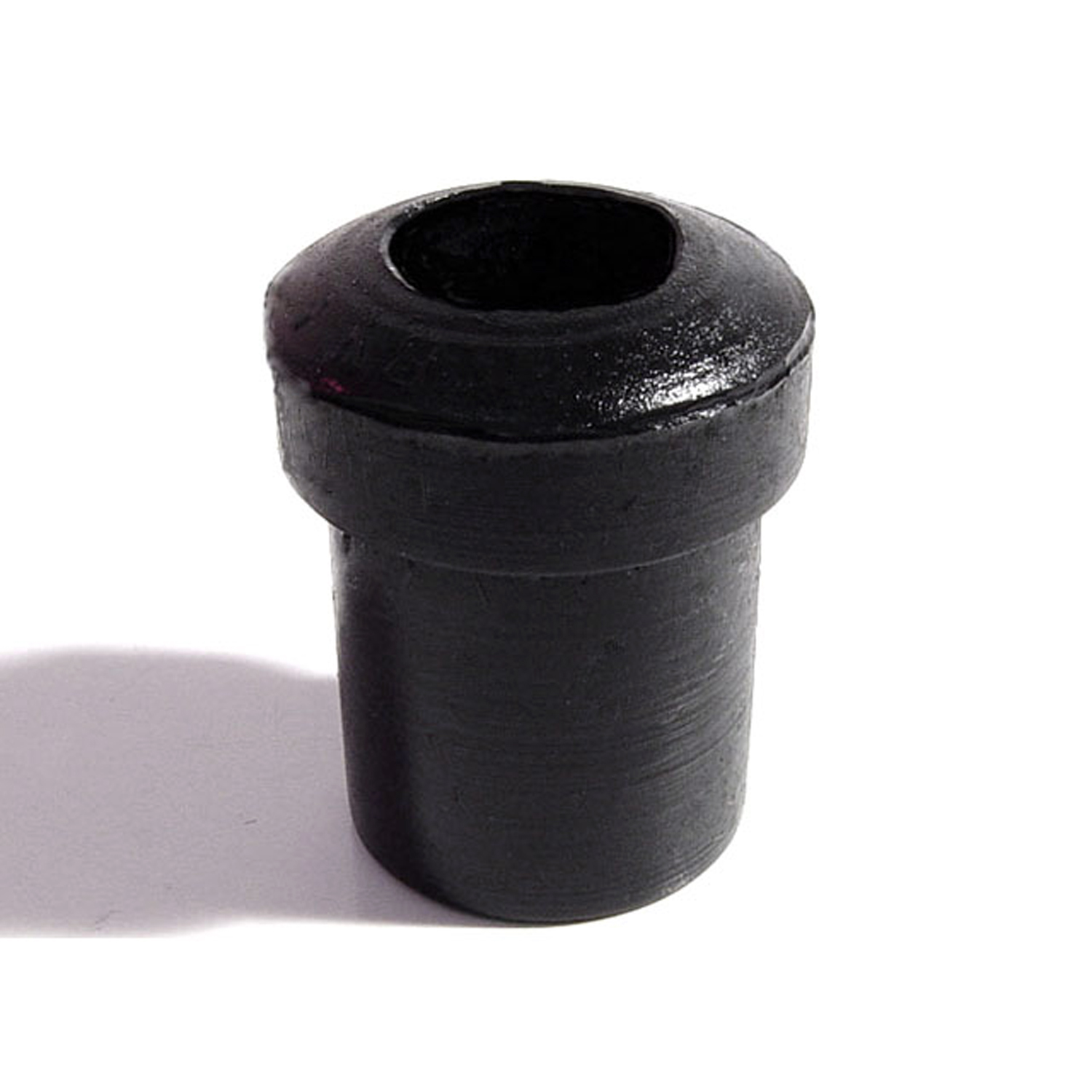 1950 DeSoto S-14 Spring and Shackle Bushing. 7/8" bottom O.D-BN 16Spring and Shackle Bushing. 7/8" bottom O.D. X 1-1/8" high, with 1/2" I.D. Each
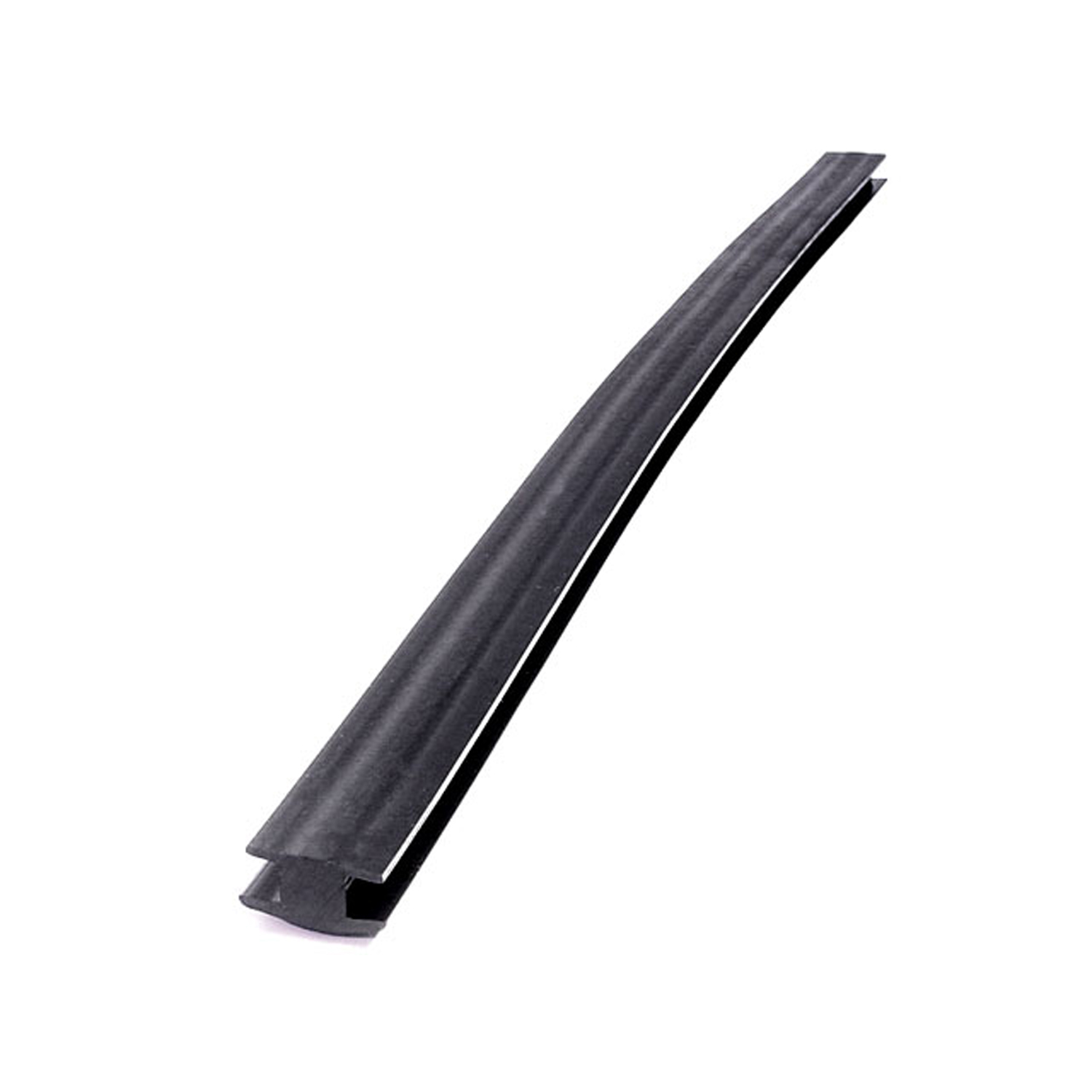 1950 DeSoto S-14 Windshield Center Bar Gasket. 20" long. Each-DP 12Windshield Center Bar Gasket. 20" long. Each
 1950 DeSoto S-14 Gravel Shields. Molded flat without metal backing plates-FS 31Gravel Shields. Molded flat without metal backing plates. Apply with contact cement. 18" long X 9-3/4" wide at bottom. Pair
 1950 DeSoto S-14 Hood Corners. Fits flat corners-HC 19Hood Corners. Fits flat corners. 80° angle, 1/4" to 3/8" corner radius. 1-3/8" wide. Pair
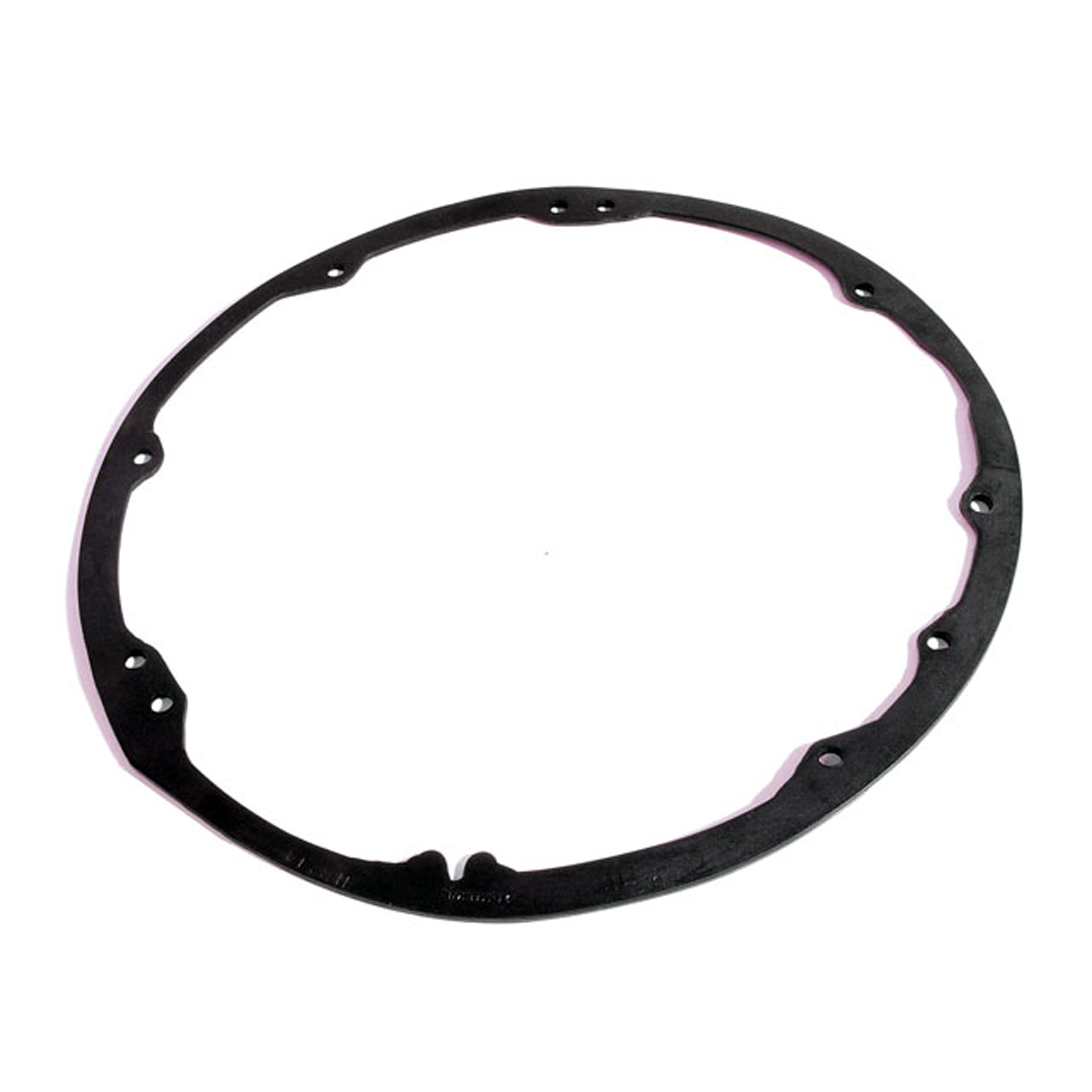 1950 DeSoto S-14 Headlight Ring Seal. 8-3/8" O.D., 7-3/4" I.D. Pair-HR 14Headlight Ring Seal. 8-3/8" O.D., 7-3/4" I.D. Pair
 1950 DeSoto S-14 Door Lock Pad. 1-3/8" O.D. Each-MP 551-CDoor Lock Pad. 1-3/8" O.D. Each
 1950 DeSoto S-14 Cowl Vent Seal. 3-1/2" wide X 17" long. Each-RP 100-PCowl Vent Seal. 3-1/2" wide X 17" long. Each
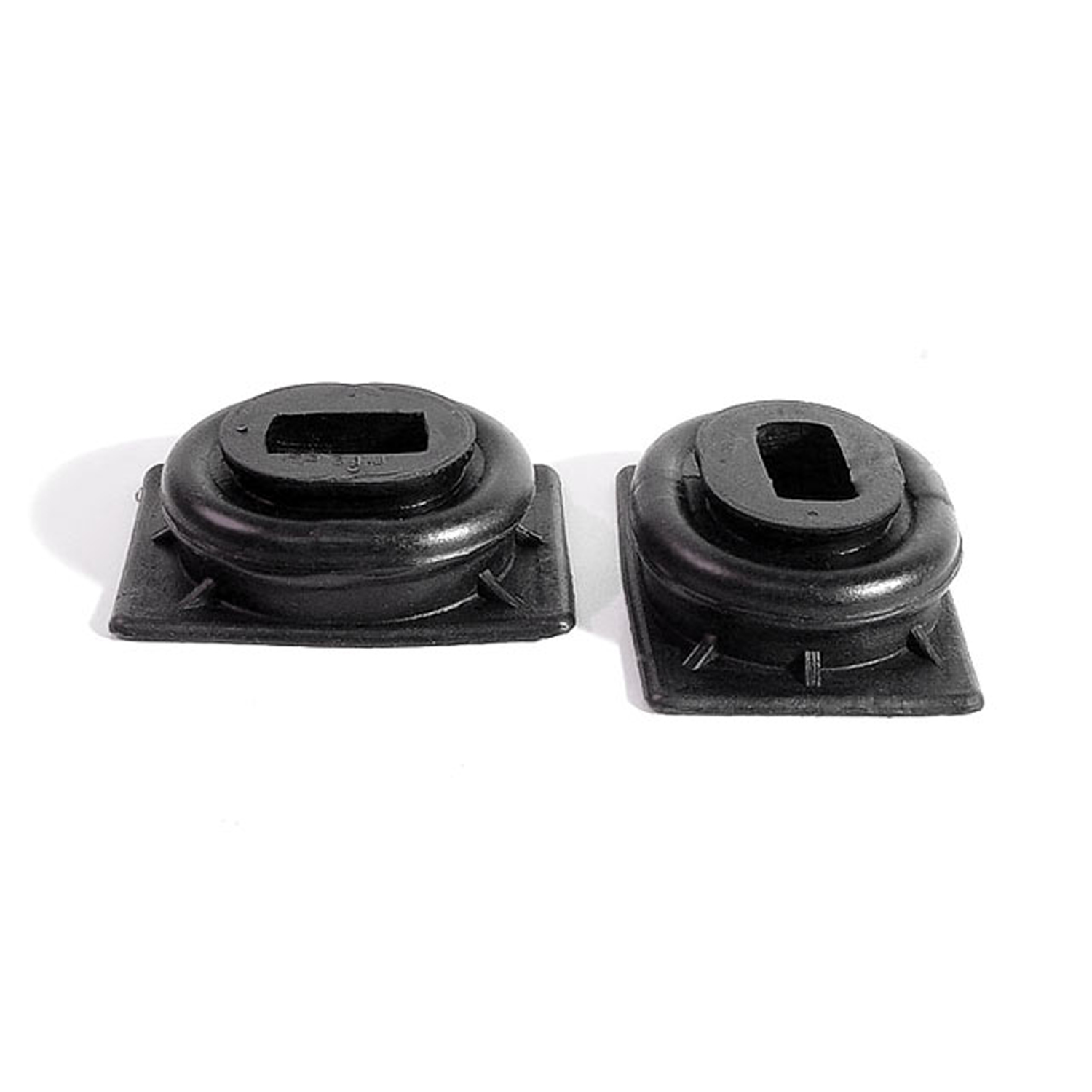 1950 DeSoto S-14 Clutch and Brake Seals. Replaces OEM #889473. Pair-RP 31-JClutch and Brake Seals. Replaces OEM #889473. Pair
 1950 DeSoto S-14 Rumble Seat Step Plate Pad. Rubber face only. 4-1/4" O.D-SP 17Rumble Seat Step Plate Pad. Rubber face only. 4-1/4" O.D. Each
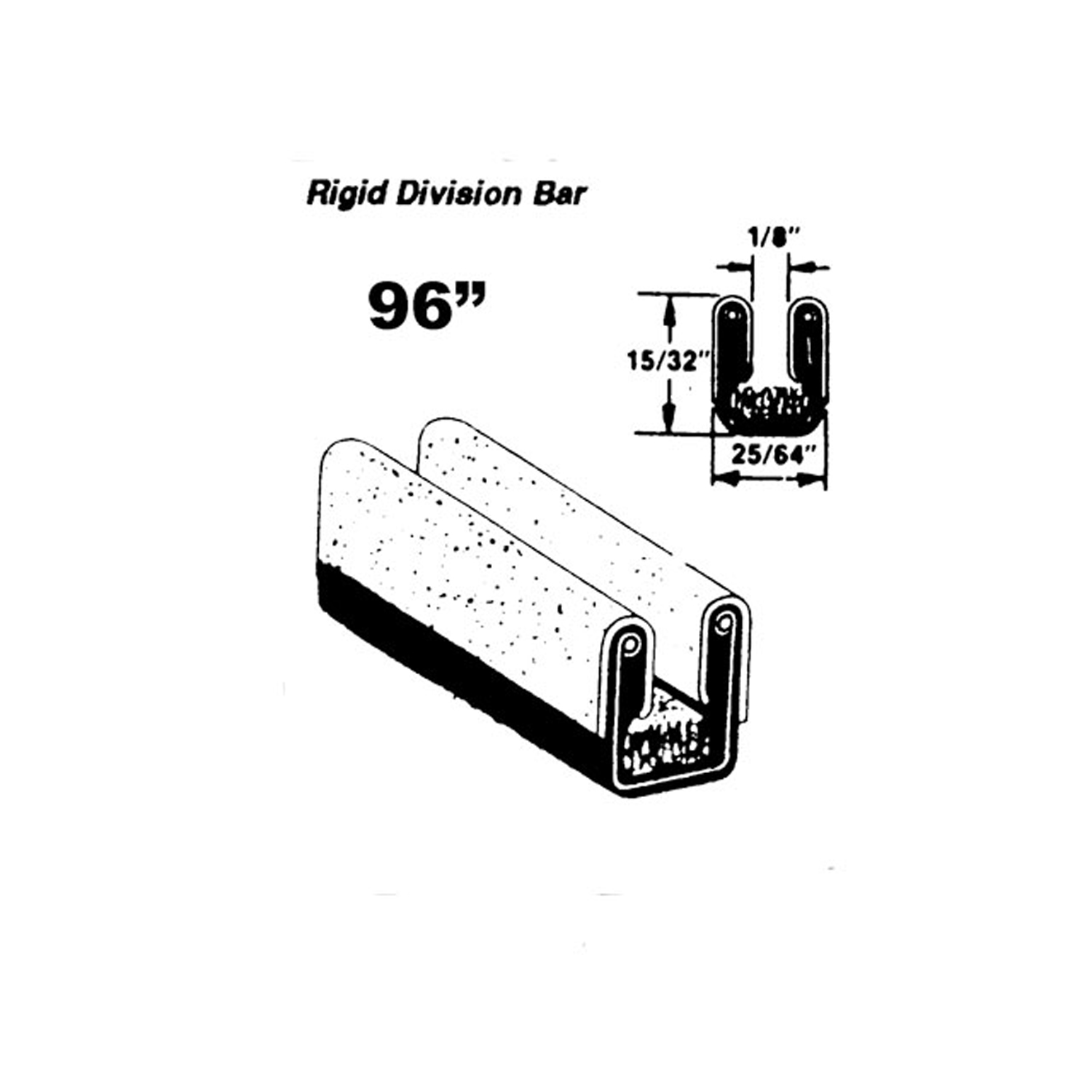 1950 DeSoto S-14 Rigid division-bar run channel-WC 31-96Rigid division-bar run channel. Made with very soft felt lining. Used on front and rear door side windows. 96 in. long. Each. NOTE: $20 special shipping charge applies for domestic orders. Call or email for overseas shipping costs. Part can be sectioned in two or three equal lengths to reduce overseas shipping costs.
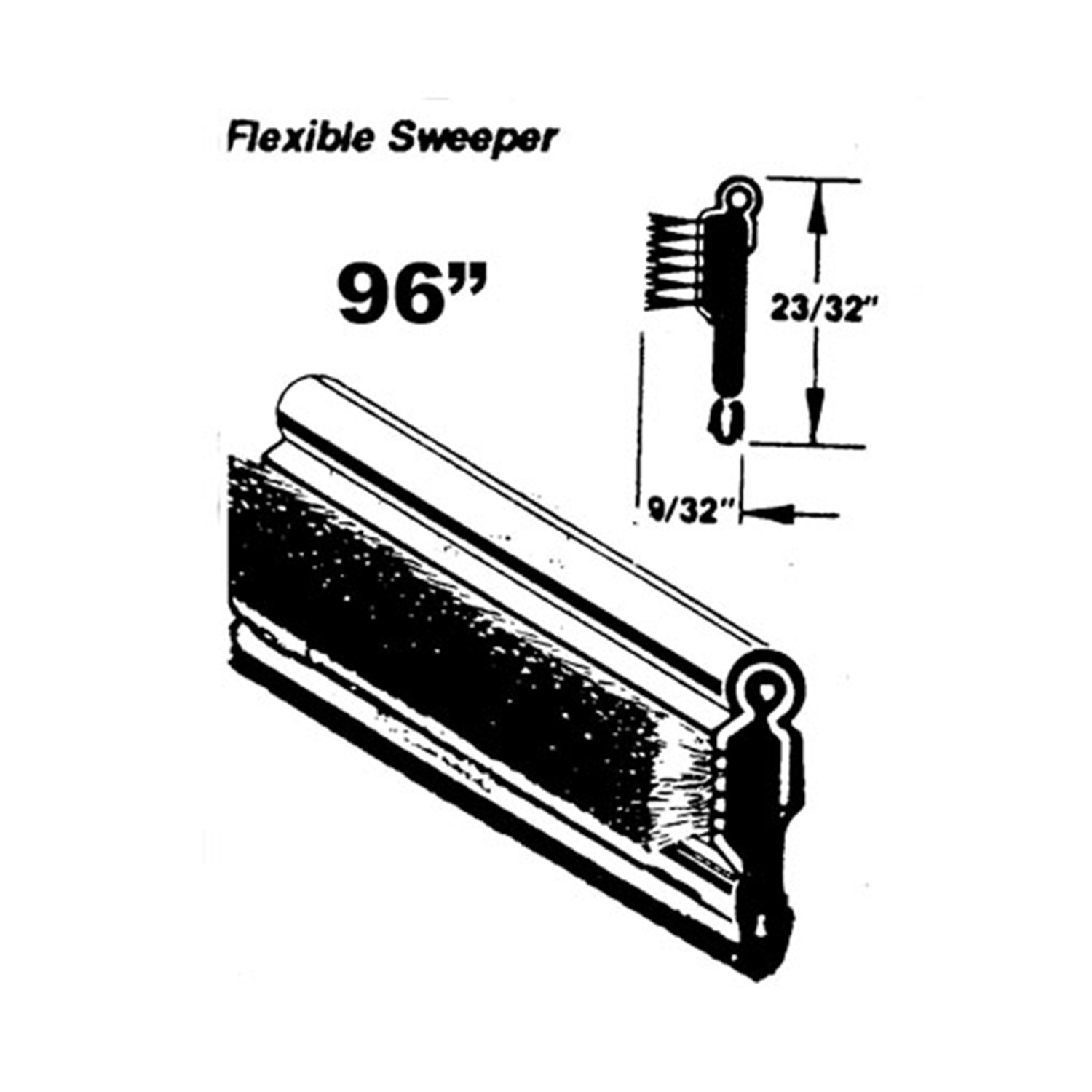 1950 DeSoto S-14 Flexible window sweeper. Made with stainless steel bead-WC 4-96Flexible window sweeper. Made with stainless steel bead. 96 in. long. Each. NOTE: $20 special shipping charge applies for domestic orders. Call or email for overseas shipping costs. Part can be sectioned in two or three equal lengths to reduce overseas shipping costs.
 1950 DeSoto S-14 Rear Vent Window Seals. Replaces OEM #1243378. Pair R&L-WR 2302-RRear Vent Window Seals. Replaces OEM #1243378. Pair R&L
 1950 DeSoto S-14 Front Vent Window Seals-WR 2704Front Vent Window Seals. For all convertibles and '50-'52 2-door hardtops. Pair R&L
 1950 DeSoto S-14 Front Vent Window Seals. For Coupes and 2-Door Sedans-WR 2708Front Vent Window Seals. For Coupes and 2-Door Sedans. 25-11/16" long. Replaces OEM #B4-5175-R. Pair R&L
Why Choose Metro?
For over 100 years, Metro Moulded Parts has been the pinnacle of quality in classic car restoration parts. Our commitment to precision and authenticity in every component ensures a perfect fit and an OEM-level appearance.
- Expert Craftsmanship & Quality: Each part is a testament to our dedication to reliability and perfection, crafted from original designs and thoroughly tested.
- Advanced Technology: We use cutting-edge techniques to create flawless, long-lasting parts that surpass others in performance.
- SuperSoft Sponge – The Ultimate Door Seal: Not only are our door seals 30% softer than competitors', but they're also guaranteed to never leak. They effectively reduce wind and road noise, enhancing your classic car's comfort and driving experience.
- Proudly American: Our parts are a product of American craftsmanship, made in the USA with a spirit of excellence and heritage.
- Unrivaled Warranty: We back our products with a 30-year industry-leading warranty, a testament to our confidence in their quality.
Join us in preserving the legacy of classic cars with parts that are crafted for perfection, not just made.