

Image of 1951 Desoto S-15, Note: These illustrations use artistic license and may differ from actual historical models.
Performance Metrics
Fundamental Metrics
Emotional Appeal
MMP Rating
| Engine Specifications | |
|---|---|
| Engine: | Inline 6 |
| Displacement: | 236.6 cu in (3.9 L) |
| Horsepower: | 112 hp |
| Torque: | Estimated 200 lb-ft |
| Compression Ratio: | 7.0:1 |
| Ignition System: | Battery Ignition |
| Cooling System: | Liquid Cooled |
| Performance Specifications | |
| 0-60 Time: | Estimated 20 seconds |
| 1/4 Mile Time: | Not available |
| Top Speed: | 85 mph |
| Transmission and Drive | |
| Drive Type: | Rear Wheel Drive |
| Transmission Type: | 3-speed manual, 4-speed semi-automatic |
| Fuel and Efficiency | |
| Fuel System Type: | Carburetor |
| MPG: | Estimated 15-20 mpg |
| Dimensions and Brakes | |
| Brakes: | Drum Brakes |
| Wheelbase: | 125.5 inches |
| Weight: | 3,400 lbs |
Note: Specifications for classic cars are given to the best of our ability, considering the limited and variant data available.
1951 DeSoto S-15: A Postwar American Original
With its broad chrome grille, rounded fenders, and smooth six-cylinder pull, the 1951 DeSoto S-15 brings postwar American motoring into sharp focus. Built by the DeSoto division of Chrysler Corporation, the S-15 was the model-series designation for DeSoto’s 1951 cars, sold in Deluxe and Custom trim. It occupied a comfortable middle ground in Chrysler’s lineup, offering more size and polish than a basic family car without reaching the price of a full-size luxury flagship.
The S-15 arrived during a period of rapid change. American buyers were enjoying a booming economy, and manufacturers were refining their prewar designs while preparing for more dramatic styling and engineering advances. DeSoto’s 1951 model is a snapshot of that transition: thoroughly modern for its day, yet still built around the sturdy body-on-frame construction and straight-six power familiar to postwar drivers.
One detail that makes the car especially interesting is its transmission technology. DeSoto buyers could pair the engine with Chrysler’s Fluid Drive system and, on suitably equipped cars, Tip-Toe Shift, a semi-automatic arrangement that reduced the need for conventional clutch-and-gear changes. It was an inventive bridge between a manual gearbox and the fully automatic transmissions that would soon become commonplace.
DeSoto S-15 Styling and Cabin
The S-15 wears the confident, rounded look of early-1950s American design. Its long hood flows into bulbous front fenders, while the rear fenders are integrated into the body rather than standing out as separate forms. Up front, a wide, bright grille gives the car a distinctive face, with horizontal chrome bars and DeSoto’s recognizable grille treatment. Chrome trim, bright bumpers, and a sculpted hood ornament add ceremony without making the car look overly ornate.
Inside, the emphasis is on space and comfort. The dashboard is broad and easy to read, with a large steering wheel and clearly arranged instruments. Depending on trim and body style, upholstery ranged from durable cloth and patterned fabrics to more upscale materials, with leather commonly associated with the convertible. Compared with today’s cars, the controls are simple, but the cabin feels substantial: wide seats, generous room, and plenty of bright trim were part of the period’s idea of a well-appointed automobile.
Factory paint choices varied by trim and production run. Buyers could find colors such as black, blue, green, maroon, gray, and light cream shades, with combinations and two-tone treatments adding variety. Deep, dark colors emphasize the car’s formal presence, while lighter shades make its rounded fenders and chrome details stand out. Original paint codes and combinations should be checked against a model-specific reference when assessing a restoration.
DeSoto offered the S-15 in several passenger-car configurations, including sedans and coupe-style bodies. Custom versions brought extra trim and equipment, and the range included the striking Custom convertible. A particularly desirable body style is the two-door hardtop, marketed as the Custom Sportsman: it combines a coupe’s roofline with pillarless side glass for an open, elegant look when the windows are lowered. DeSoto also offered a roomy Suburban model, a large passenger car designed for family and travel use rather than a conventional station wagon.
Why the 1951 DeSoto Matters
The S-15 was not a radical styling breakthrough, but it represents an important chapter in the American industry’s shift from postwar recovery to the more powerful, flamboyant cars of the 1950s. Its proportions, chrome detailing, and family-friendly body styles show how manufacturers were responding to customers who wanted comfort, presence, and modern convenience in one package.
DeSoto also stood out through Chrysler engineering. Fluid Drive and Tip-Toe Shift offered a less demanding driving experience than a traditional manual transmission, while retaining a mechanical connection that differed from a fully automatic gearbox. These systems were not as simple to operate or maintain as later automatics, but they show how manufacturers experimented with transmission design before automatic transmissions became a broadly expected feature.
The S-15’s place in the DeSoto story is also significant because it sits just before a major change. For 1952, DeSoto introduced the Firedome, powered by the company’s new hemispherical-combustion-chamber V8. The 1951 S-15 therefore belongs to the final phase of DeSoto’s six-cylinder era, just ahead of the horsepower-focused direction that would define much of the decade.
Six-Cylinder Performance and Road Manners
Power came from a 236.6-cubic-inch L-head inline-six, producing approximately 112 horsepower in typical 1951 specification. A three-speed manual transmission was available, while Fluid Drive and Tip-Toe Shift provided an alternative for drivers who wanted fewer conventional gear changes. Exact equipment and output can vary with the car’s configuration and surviving documentation.
Performance is relaxed by modern standards. Period-correct examples are generally estimated to reach 60 mph in roughly 18 to 20 seconds, with a top speed in the neighborhood of 85 to 90 mph under favorable conditions. Those figures are approximate rather than guarantees: engine condition, gearing, body style, tires, and transmission all matter. The S-15 was built for steady travel and comfortable cruising, not quick launches or high-speed competition.
On a smooth road, the DeSoto feels planted and substantial. Its suspension takes the edge off ordinary bumps, and the long wheelbase helps it settle into a steady highway rhythm. On a winding road, the car’s size, soft suspension, and period tires make it clear that this is a comfortable touring car rather than a sports sedan. In crosswinds, the broad body can move around more than a modern car, so a confident hand on the large steering wheel is part of the experience.
Behind the wheel, the six delivers a muted, even burble rather than a sharp or aggressive exhaust note. The ride has a gentle float, the steering is slower and heavier at low speeds than modern power-assisted systems, and the brakes require anticipation. Drivers who understand the car’s pace will find it rewarding: it encourages smooth inputs, unhurried acceleration, and attention to the road ahead.
Living With a 1951 DeSoto
Today, the S-15 is most often used as a show car, weekend cruiser, or participant in classic-car tours. A well-sorted example can handle local driving and moderate-distance trips, but it is not an ideal modern daily driver without thoughtful upgrades. Traffic speed, limited braking performance, older lighting, and the absence of contemporary safety equipment all call for sensible driving habits.
Routine mechanical work is familiar to anyone comfortable with older American cars. The straight-six is generally accessible, and many basic service tasks can be done by a knowledgeable home mechanic. The main challenges are age, parts availability, and specialist systems. Fluid Drive and Tip-Toe Shift components require correct diagnosis and adjustment, and some trim, glass, body panels, and interior details can take time to locate. Before buying, inspect the cooling system, brakes, steering, electrical system, and underside for corrosion, and verify that any unusual transmission behavior is understood rather than dismissed.
Reliability depends more on condition and maintenance than on the car’s reputation. A carefully restored and regularly exercised S-15 can be dependable for classic-car use. One that has sat for decades may need substantial work, even if the engine turns over. A pre-purchase inspection by a mechanic familiar with Chrysler products of the period is a worthwhile investment.
Interesting Facts and Common Criticisms
The name DeSoto honored Spanish explorer Hernando de Soto, giving the marque a distinctive identity within Chrysler Corporation. The 1951 S-15’s semi-automatic transmission is another conversation starter: it shows that the path from manual gearboxes to modern automatics was not a straight line, but a series of experiments in making driving easier.
There is no widely recognized S-15 speed or endurance record, and the model is not chiefly known for a landmark race victory or a famous celebrity owner. Its appeal is more grounded: it is a representative, well-equipped American family car from a brand that has since disappeared. DeSoto was discontinued in 1961, which gives surviving cars added interest for marque collectors.
Common criticisms are fair ones. The S-15 is heavy, its acceleration is modest, and its transmission systems can be unfamiliar to modern mechanics. Some owners also find that locating correct restoration parts takes patience. Those drawbacks are balanced by its spacious cabin, distinctive styling, and the pleasure of driving a car that feels unmistakably different from a contemporary vehicle.
1951 DeSoto S-15 Values and Rarity
For the complete 1951 DeSoto range, production is commonly estimated at roughly 115,000 to 117,000 cars. That figure covers the broader model lineup, not the S-15 designation as a single body style, and production varied substantially between versions. Convertibles and hardtops are generally less common and more sought after than ordinary sedans. Exact production totals for an individual configuration can be difficult to establish, so treat body-style-specific figures cautiously.
As a broad U.S. market estimate, a project car might sell for around $3,000 to $8,000, while a usable driver can fall in the $10,000 to $20,000 range. A strong, well-restored example may bring approximately $20,000 to $35,000, with exceptional convertibles, hardtops, or unusually well-documented cars potentially reaching higher prices. Condition, originality, restoration quality, and local demand can move those numbers considerably.
Values have generally been steady to modestly rising for the best examples, rather than climbing dramatically across the board. Desirable body styles and high-quality restorations have the strongest prospects, while sedans requiring extensive work can remain relatively affordable. As with many classic cars, the cost of a restoration can exceed the eventual sale price, so buyers should choose an S-15 for its character as much as for investment potential.
The S-15’s Enduring Appeal
The 1951 DeSoto S-15 combines postwar American styling, a sturdy six-cylinder drivetrain, roomy accommodations, and period transmission innovation in one distinctive package. It is not a fast car by modern standards, nor is it the easiest classic to restore in every detail. Its charm lies in the experience: the broad hood ahead, the steady engine note, the gentle ride, and the sense of a different era in American motoring.
For collectors and enthusiasts, the S-15 is a rewarding reminder that automotive history is not only made by headline-grabbing sports cars and luxury icons. Sometimes it is carried forward by a handsome, practical DeSoto that made everyday travel feel like an occasion.
1951 Desoto S-15 Catalog of Parts
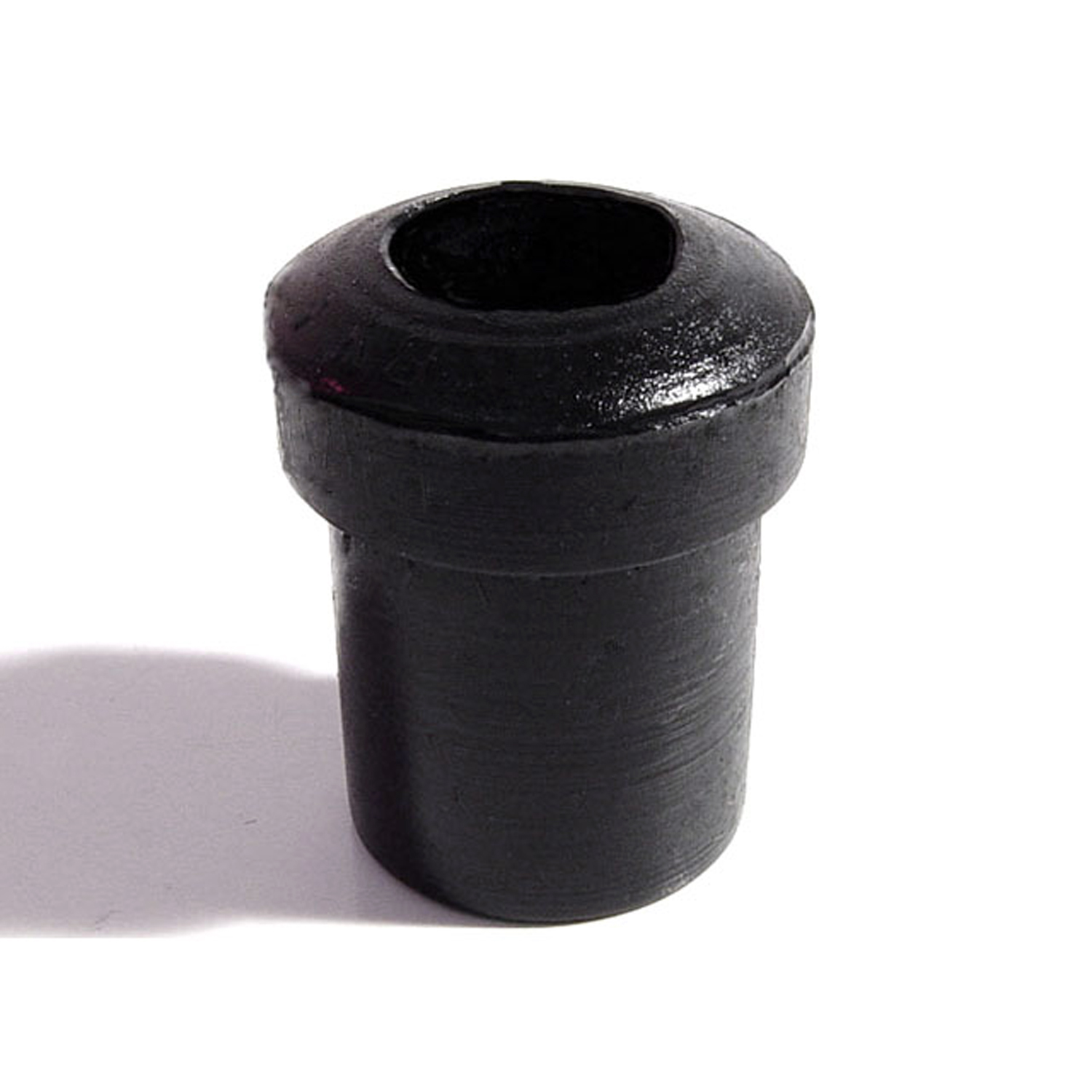 1951 DeSoto S-15 Spring and Shackle Bushing. 7/8" bottom O.D-BN 16Spring and Shackle Bushing. 7/8" bottom O.D. X 1-1/8" high, with 1/2" I.D. Each
 1951 DeSoto S-15 Shock Absorber Grommet. 1-3/8" bottom O.D-BN 7Shock Absorber Grommet. 1-3/8" bottom O.D., 1-3/4" high, with 5/8" I.D. Each
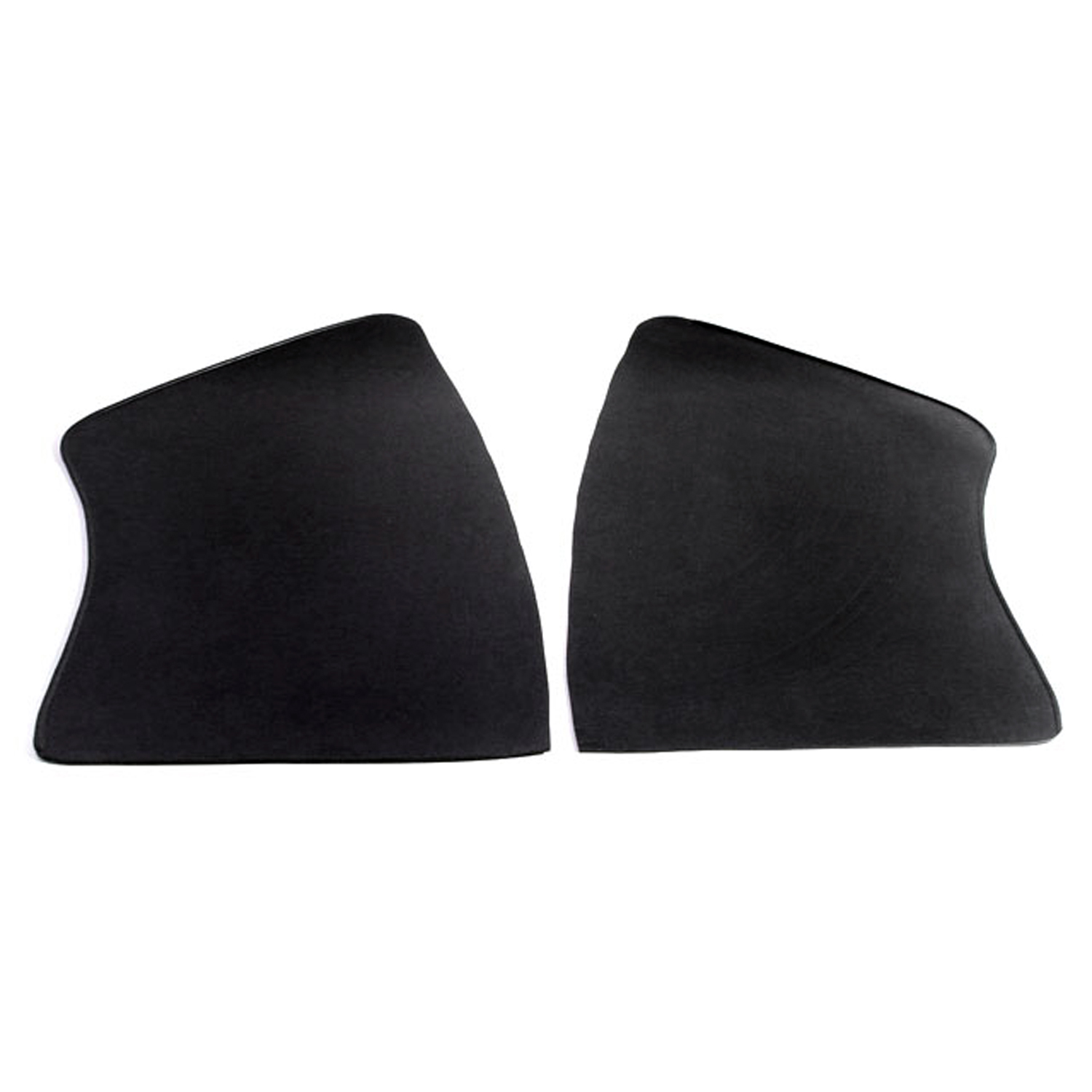 1951 DeSoto S-15 Gravel Shields. Molded flat without metal backing plates-FS 31Gravel Shields. Molded flat without metal backing plates. Apply with contact cement. 18" long X 9-3/4" wide at bottom. Pair
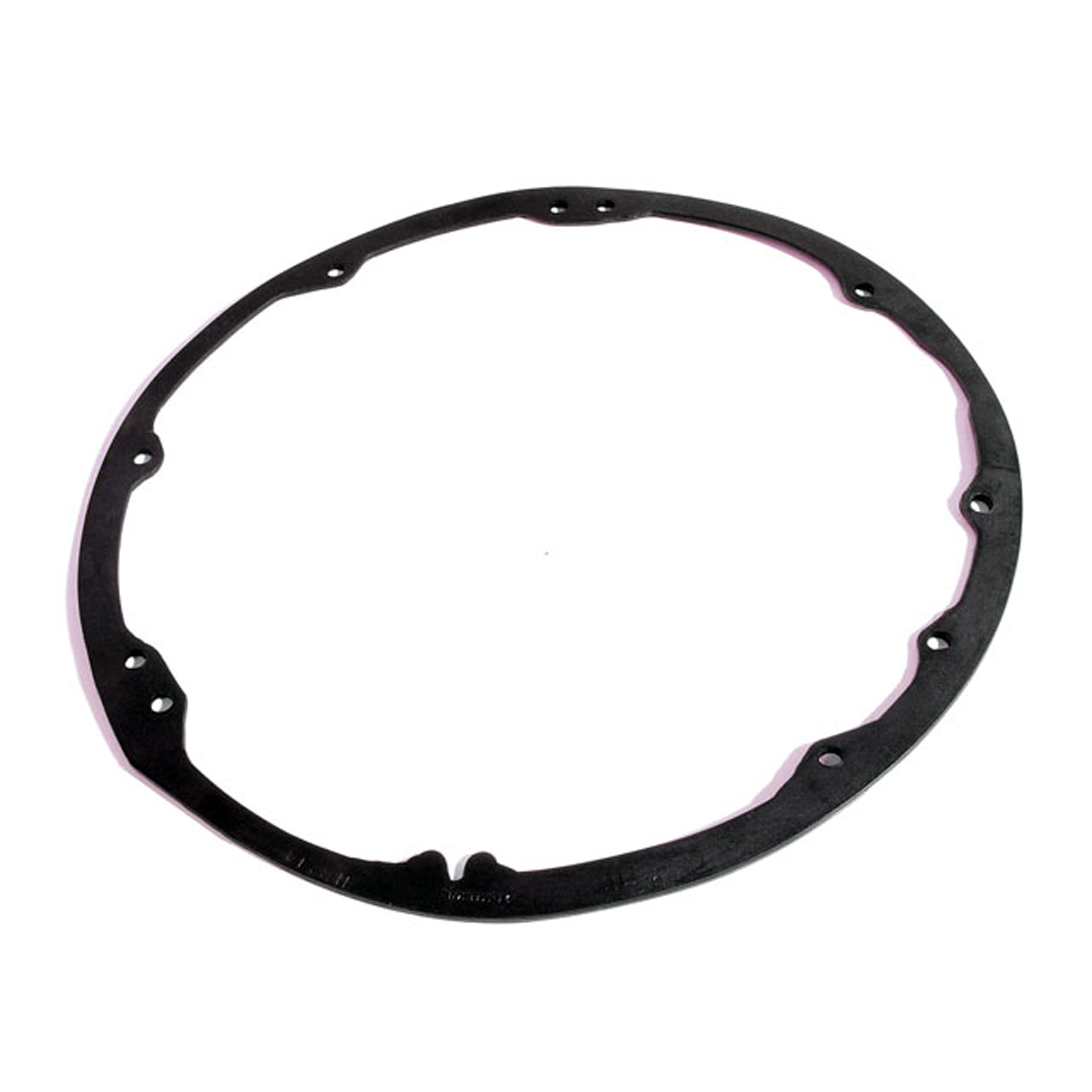 1951 DeSoto S-15 Headlight Ring Seal. 8-3/8" O.D., 7-3/4" I.D. Pair-HR 14Headlight Ring Seal. 8-3/8" O.D., 7-3/4" I.D. Pair
 1951 DeSoto S-15 Door Lock Pad. 1-3/8" O.D. Each-MP 551-CDoor Lock Pad. 1-3/8" O.D. Each
 1951 DeSoto S-15 Tailgate Pads, for Station Wagons. 6-5/8" wide X 5" long-MP 551-DTailgate Pads, for Station Wagons. 6-5/8" wide X 5" long. Pair R&L
 1951 DeSoto S-15 Trunk Hinge Pads. For Station Wagon-MP 663-NTrunk Hinge Pads. For Station Wagon. 3-5/8" wide X 8-3/4" long. Set
 1951 DeSoto S-15 Tail Gate Handle Pad. 2-3/4" wide X 5-7/8" long-MP 663-OTail Gate Handle Pad. 2-3/4" wide X 5-7/8" long. For Station Wagon. Each
 1951 DeSoto S-15 Back-Up Light Pads. For Station Wagon-MP 663-PBack-Up Light Pads. For Station Wagon. 4-3/4" wide X 5" long. Pair
 1951 DeSoto S-15 Tail-light Pads. 6-5/8" wide X 5" long. Pair-MP 663-QTail-light Pads. 6-5/8" wide X 5" long. Pair
 1951 DeSoto S-15 Door Handle Pads. For Station Wagon-MP 663-RDoor Handle Pads. For Station Wagon. 1-1/2" wide X 2-3/4" long. Pair
 1951 DeSoto S-15 Cowl Vent Seal. 3-1/2" wide X 17" long. Each-RP 100-PCowl Vent Seal. 3-1/2" wide X 17" long. Each
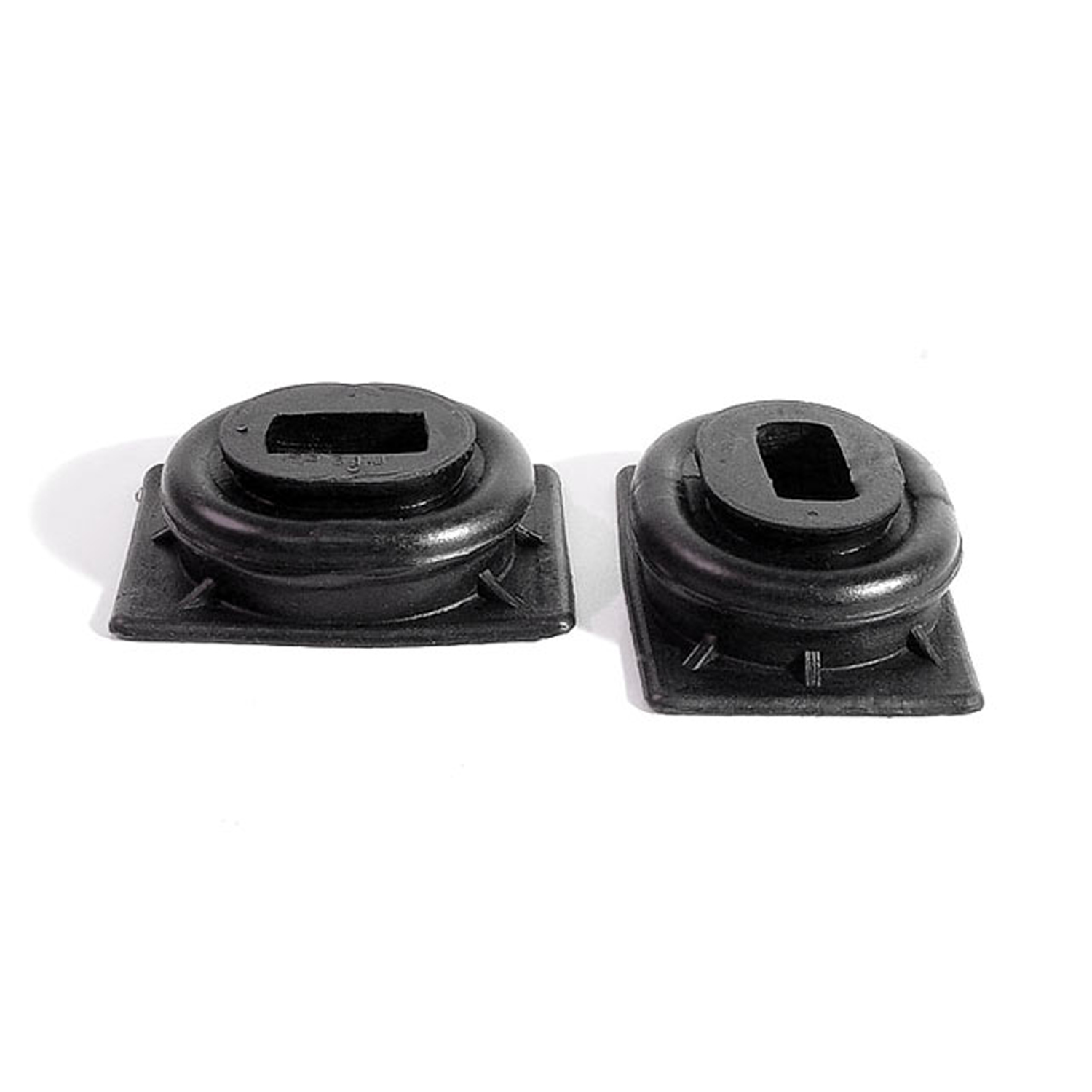 1951 DeSoto S-15 Clutch and Brake Seals. Replaces OEM #889473. Pair-RP 31-JClutch and Brake Seals. Replaces OEM #889473. Pair
 1951 DeSoto S-15 Rumble Seat Step Plate Pad. Rubber face only. 4-1/4" O.D-SP 17Rumble Seat Step Plate Pad. Rubber face only. 4-1/4" O.D. Each
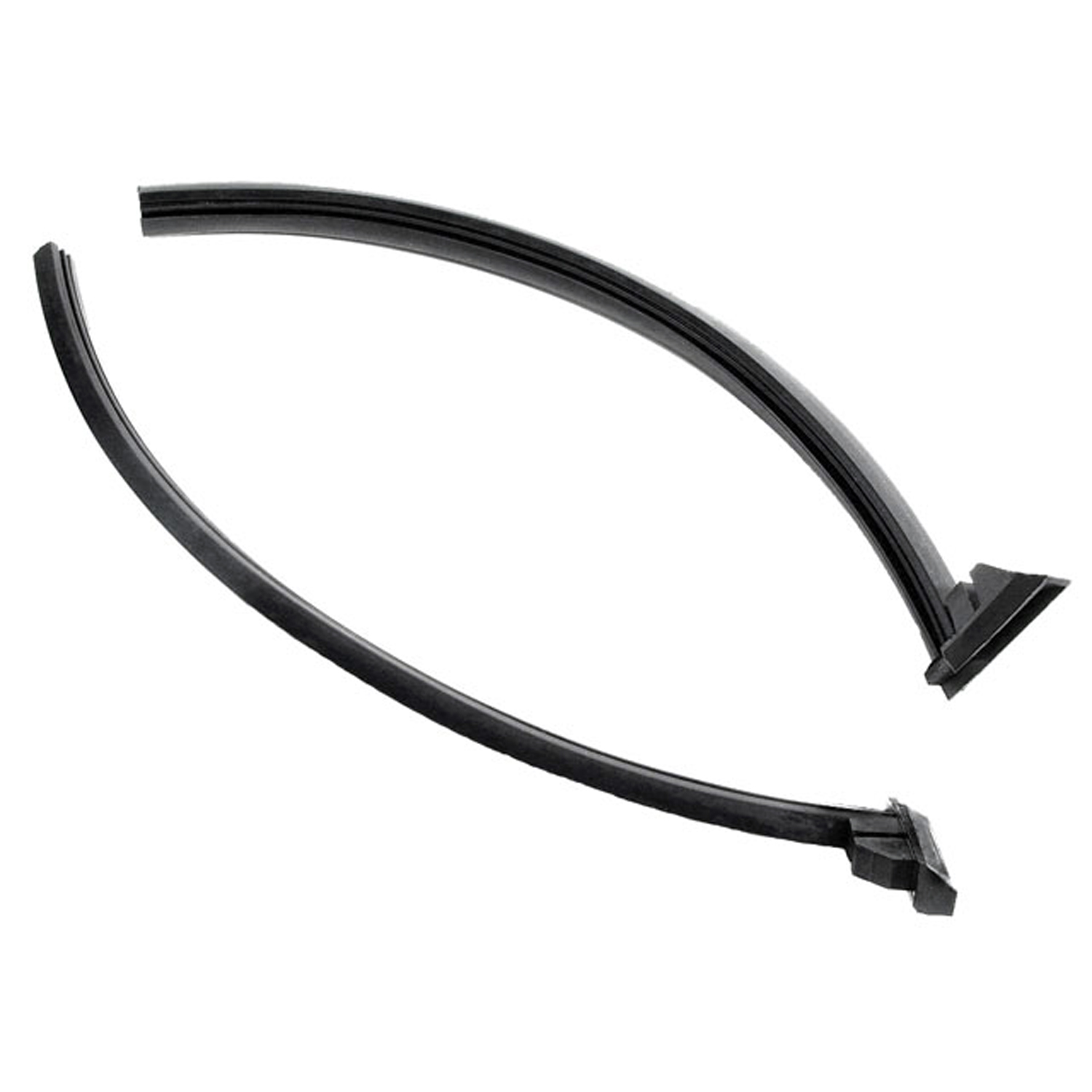 1951 DeSoto S-15 Rear Roll-Up Side Quarter Window Seals. Each piece 15" long-VS 3-BRear Roll-Up Side Quarter Window Seals. Each piece 15" long. Pair R&L
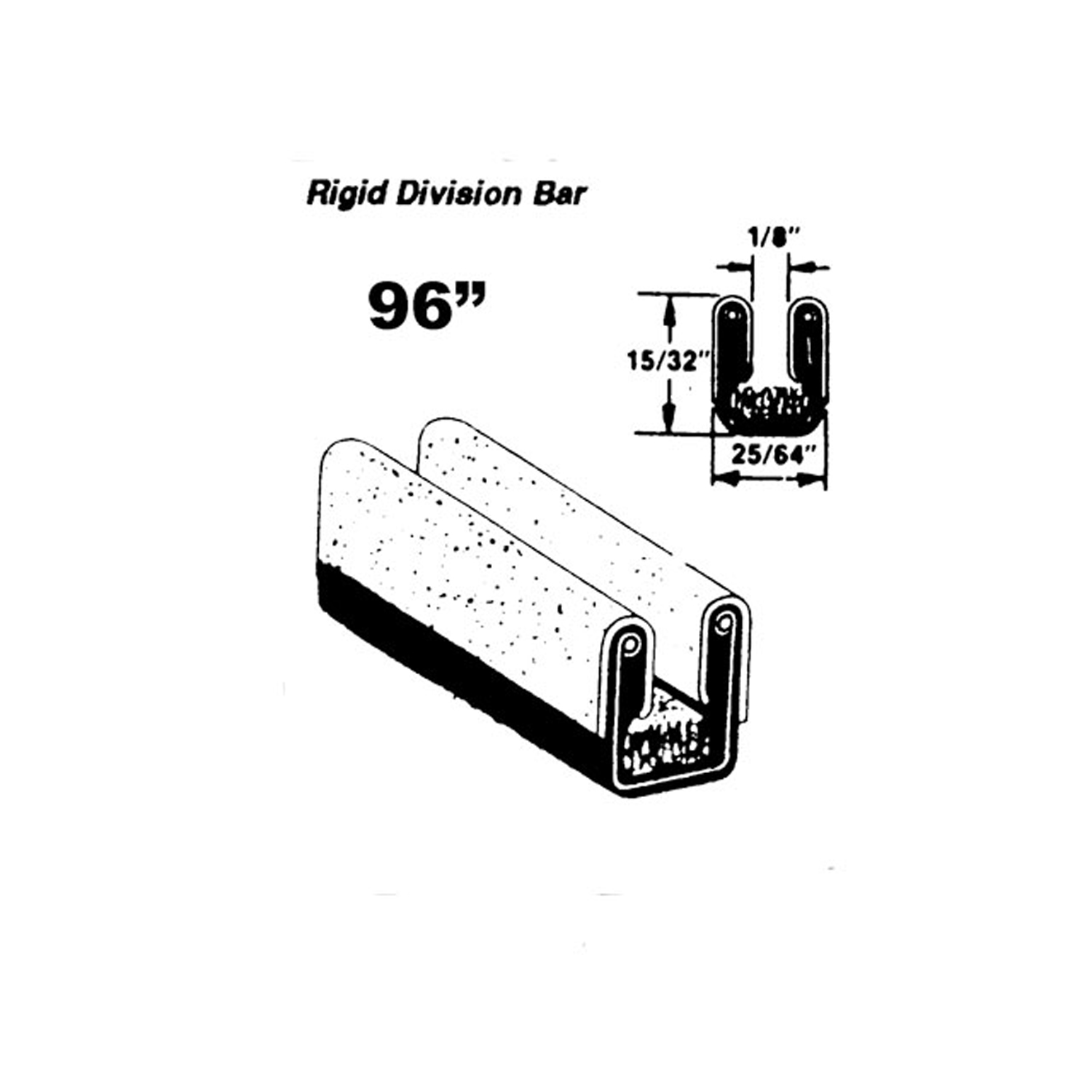 1951 DeSoto S-15 Rigid division-bar run channel-WC 31-96Rigid division-bar run channel. Made with very soft felt lining. Used on front and rear door side windows. 96 in. long. Each. NOTE: $20 special shipping charge applies for domestic orders. Call or email for overseas shipping costs. Part can be sectioned in two or three equal lengths to reduce overseas shipping costs.
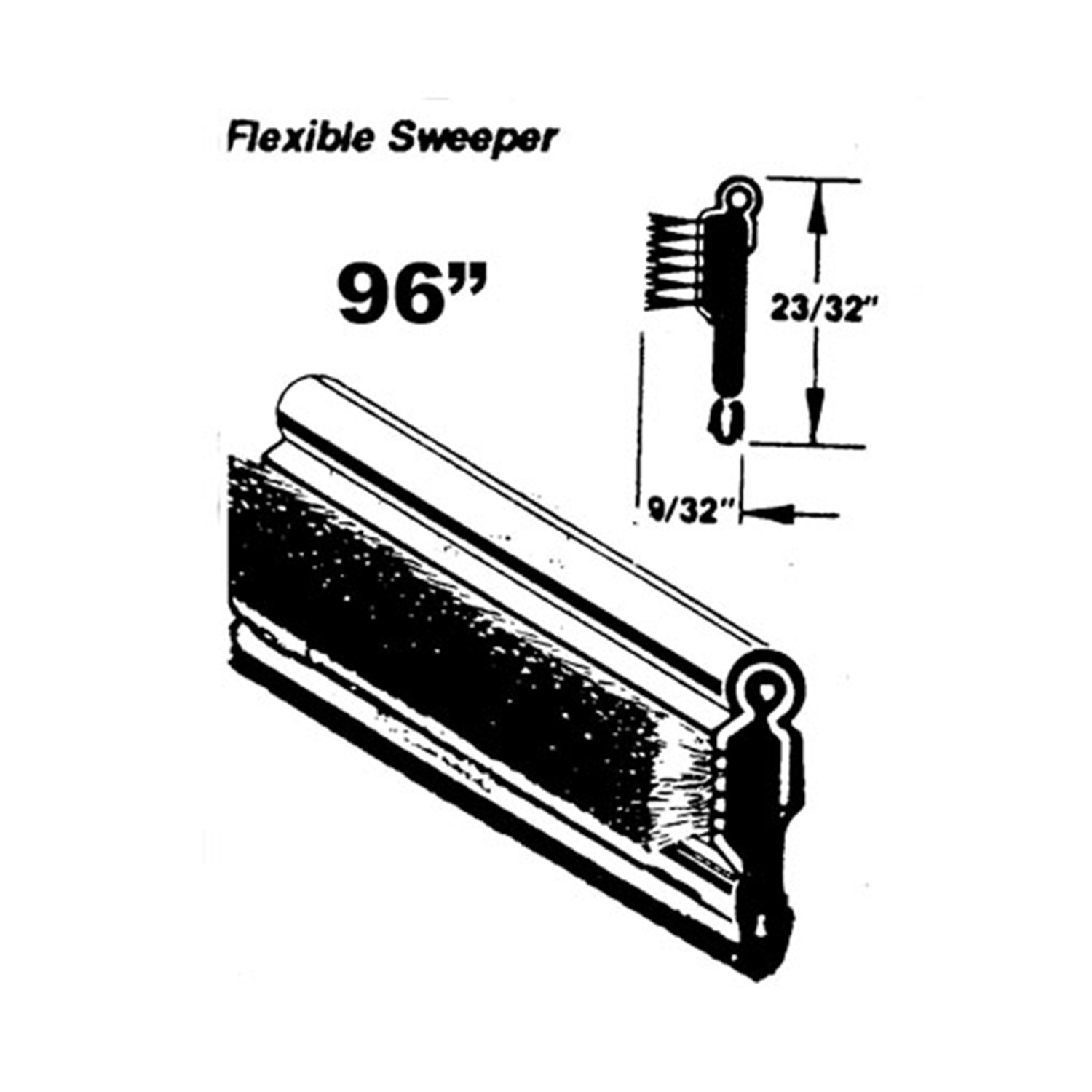 1951 DeSoto S-15 Flexible window sweeper. Made with stainless steel bead-WC 4-96Flexible window sweeper. Made with stainless steel bead. 96 in. long. Each. NOTE: $20 special shipping charge applies for domestic orders. Call or email for overseas shipping costs. Part can be sectioned in two or three equal lengths to reduce overseas shipping costs.
 1951 DeSoto S-15 Rear Vent Window Seals. Replaces OEM #1243378. Pair R&L-WR 2302-RRear Vent Window Seals. Replaces OEM #1243378. Pair R&L
 1951 DeSoto S-15 Front Vent Window Seals-WR 2704Front Vent Window Seals. For all convertibles and '50-'52 2-door hardtops. Pair R&L
Why Choose Metro?
For over 100 years, Metro Moulded Parts has been the pinnacle of quality in classic car restoration parts. Our commitment to precision and authenticity in every component ensures a perfect fit and an OEM-level appearance.
- Expert Craftsmanship & Quality: Each part is a testament to our dedication to reliability and perfection, crafted from original designs and thoroughly tested.
- Advanced Technology: We use cutting-edge techniques to create flawless, long-lasting parts that surpass others in performance.
- SuperSoft Sponge – The Ultimate Door Seal: Not only are our door seals 30% softer than competitors', but they're also guaranteed to never leak. They effectively reduce wind and road noise, enhancing your classic car's comfort and driving experience.
- Proudly American: Our parts are a product of American craftsmanship, made in the USA with a spirit of excellence and heritage.
- Unrivaled Warranty: We back our products with a 30-year industry-leading warranty, a testament to our confidence in their quality.
Join us in preserving the legacy of classic cars with parts that are crafted for perfection, not just made.