

Image of 1954 Desoto Firedome, Note: These illustrations use artistic license and may differ from actual historical models.
Performance Metrics
Fundamental Metrics
Emotional Appeal
MMP Rating
| Engine Specifications | |
|---|---|
| Engine: | Hemi V8 |
| Displacement: | 276 cubic inches |
| Horsepower: | 160 horsepower |
| Torque: | 235 lb-ft |
| Compression Ratio: | 7.5:1 |
| Ignition System: | Conventional points and condenser system |
| Cooling System: | Liquid-cooled |
| Performance Specifications | |
| 0-60 Time: | Estimated 15 seconds |
| 1/4 Mile Time: | Not available |
| Top Speed: | 100 mph |
| Transmission and Drive | |
| Drive Type: | Rear-wheel drive |
| Transmission Type: | 2-speed automatic or 3-speed manual |
| Fuel and Efficiency | |
| Fuel System Type: | Carburetor |
| MPG: | Estimated 10-15 mpg |
| Dimensions and Brakes | |
| Brakes: | Drum brakes |
| Wheelbase: | 125.5 inches |
| Weight: | 3,700 lbs |
Note: Specifications for classic cars are given to the best of our ability, considering the limited and variant data available.
1954 DeSoto Firedome: A New Kind of DeSoto
The 1954 DeSoto Firedome paired bold postwar styling with a powerful V8, giving American families a taste of performance without stepping up to a luxury-priced car. Built by the DeSoto division of Chrysler Corporation, it sat above the six-cylinder Powermaster in the 1954 lineup and helped give the brand a more modern, prestige-minded image.
The Firedome name had first appeared in 1952, when DeSoto introduced a V8 model for the first time in more than two decades. Its 276-cubic-inch Hemi V8 was part of Chrysler’s celebrated hemispherical-combustion engine family. One particularly memorable 1954 Firedome was a convertible chosen as the official pace car for that year’s Indianapolis 500, putting the model in front of a huge national audience.
Firedome Styling and Interior
The 1954 Firedome has the confident, substantial look of an early-1950s American car, but its styling was already beginning to point toward the dramatic fins and long, low profiles that would define the later decade. The front end is anchored by a wide grille with bright horizontal and vertical details, flanked by rounded headlamps. Generous chrome trim, sculpted fenders, and a prominent hood ornament give the car a formal presence without making it look as ornate as some of its rivals.
At the rear, modest tailfins and carefully shaped taillights add visual lift. The effect is more restrained than the flamboyant styling that arrived in 1955, making the 1954 a handsome transitional design: recognizably from the early ’50s, yet ready for the jet-age look just around the corner.
Inside, the Firedome offered a broad bench seat, a large, easy-to-read instrument panel, and bright trim that made the cabin feel special. Depending on body style and equipment, upholstery could include durable cloth and vinyl combinations, with richer materials available on better-appointed models. Convertibles and hardtops tended to attract the most attention, while the sedan offered comfortable room for family passengers. Today, original upholstery patterns, trim pieces, and dashboard details are especially appealing to restoration-minded owners.
Factory colors varied by body style and trim. Buyers could choose from solid shades such as cream, red, blue, green, and dark colors, along with two-tone combinations that emphasized the body’s sweeping side trim. Two-tone paint remains a popular choice among restorers because it brings out the Firedome’s fender lines and gives the car a distinctly period-correct look.
Body Styles and Equipment
The 1954 Firedome was offered in several passenger-car body styles, including two-door and four-door sedans, a two-door hardtop, and a convertible. Availability could vary by market and production run. The hardtop coupe is a favorite with collectors for its pillarless profile, while the convertible is the most dramatic and generally the most valuable. The four-door sedan, meanwhile, is often the practical choice for someone who wants to enjoy a classic DeSoto with easier access for passengers.
Equipment depended on the buyer’s choices. Power steering and power-assisted brakes were among the features available, while transmission choices included a manual gearbox and Chrysler’s newer PowerFlite two-speed automatic. PowerFlite was a notable convenience for the era, simplifying operation compared with earlier clutch-assisted or semi-automatic arrangements.
Hemi Power and 1950s Innovation
The Firedome’s key engineering feature was its 276.1-cubic-inch Hemi V8. Its hemispherical combustion chambers allowed the valves to sit at an angle across the chamber, supporting efficient airflow and strong power for the time. In 1954 tune, the engine was rated at about 170 horsepower. That was a healthy figure for a family-oriented car and helped distinguish the Firedome from six-cylinder competitors.
The Firedome also reflected Chrysler’s broader push to make V8 power and modern conveniences more accessible. It was not a bare-bones performance machine. Instead, it combined a strong engine, a roomy cabin, and optional comfort equipment in a package that could serve as everyday transportation. The model helped establish the Hemi as more than a racing or premium-car curiosity, even though the celebrated later Chrysler muscle-car Hemis would become far better known.
Performance and Driving Feel
Period road tests and modern estimates vary with body style, transmission, gearing, and vehicle condition. A healthy 1954 Firedome can be expected to reach 0 to 60 mph in roughly 12 to 14 seconds, with a top speed in the neighborhood of 95 to 100 mph. Those are estimates rather than guarantees, especially for cars that have been rebuilt with non-original components or still wear decades-old mechanical parts.
On the road, the Hemi delivers a deep, smooth V8 note rather than a sharp, high-revving sound. It pulls confidently at ordinary speeds, making the Firedome feel relaxed in traffic and capable on the open road. The two-speed PowerFlite automatic, when properly adjusted, suits the car’s easygoing character, though it does not shift with the crispness of a modern multi-speed transmission.
The Firedome’s long wheelbase and soft suspension help it absorb broken pavement and broad road joints. It is comfortable over bumps, but its size and period suspension design mean it leans through corners and needs more room to change direction than a modern car. On winding roads, smooth steering inputs and a measured pace are the best approach. Drum brakes and bias-ply tires, if still fitted, also call for longer stopping distances and gentler driving than today’s equipment.
Living With a 1954 DeSoto
Most Firedomes today are enjoyed as show cars, weekend cruisers, and occasional-use classics. A well-maintained example can still handle local trips and relaxed highway outings, but its age makes it less suited to daily commuting in modern traffic. Owners should remember that the car has no contemporary safety features such as airbags or modern crash protection, and many examples retain six-volt electrical systems and four-wheel drum brakes.
Routine work is familiar to experienced vintage-car mechanics: ignition tune-ups, carburetor adjustment, cooling-system service, brake maintenance, and lubrication. The Hemi is durable when maintained, but it is not identical to the more common small-block engines found in later classics. Some parts are shared with other Chrysler products, while model-specific trim, body panels, and interior pieces can take patience to locate. A pre-purchase inspection should include compression, oil pressure, cooling performance, transmission operation, rust, and the condition of the brakes and electrical system.
Indianapolis 500 Pace Car and More
The Firedome’s most celebrated public appearance came in 1954, when a DeSoto Firedome convertible served as the Indianapolis 500 pace car. It was a fitting role for a car whose V8 power and polished styling made it one of DeSoto’s most visible models. Pace-car replicas and cars with documented event history can attract special interest, though provenance should always be verified.
A common criticism of the 1954 Firedome is that it sits between eras. Its styling is less dramatic than the finned cars that followed, while its early-1950s construction lacks the conveniences and safety features expected in newer classics. Some drivers also find the two-speed automatic and drum brakes dated. For many enthusiasts, however, that in-between character is part of its charm: the Firedome feels substantial and traditional, but its V8 and emerging tailfin design hint at the future.
Collector Value and Rarity
Exact production totals vary among references and by how body styles are grouped. A reasonable estimate is that roughly 70,000 to 80,000 Firedomes were built for the 1954 model year. That makes the model far from a one-off rarity, but surviving cars are much less common today, especially convertibles and examples with original trim and documented history.
As a broad 2026 market estimate, a project car may sell for around $5,000 to $15,000, while a usable driver in sound condition might bring about $15,000 to $30,000. A well-restored sedan or hardtop could fall in the $30,000 to $55,000 range. Exceptional convertibles, especially those with high-quality restorations or notable provenance, may reach roughly $60,000 to $100,000 or more. These are general ranges, not appraisals: rust, originality, restoration quality, and local demand can move a car’s value substantially.
Firedome values have generally been steady rather than spectacularly fast-growing. The model benefits from distinctive Hemi heritage and strong 1950s styling, but it has a smaller buyer pool than headline-grabbing muscle cars and top-tier luxury convertibles. Well-presented cars with documented work tend to be easiest to sell, while unusual or incomplete projects can remain on the market for some time.
Why the 1954 Firedome Still Matters
The 1954 DeSoto Firedome brought together a genuine Hemi V8, comfortable passenger-car proportions, useful contemporary technology, and styling that captured the moment before American cars turned fully toward the tailfin age. It was not the fastest or rarest car of its generation, but it gave DeSoto a strong identity and offered buyers an appealing blend of performance and everyday comfort.
More than seven decades later, the Firedome remains a rewarding classic for anyone drawn to Chrysler engineering and early-1950s design. Its smooth V8, handsome hardtop and convertible forms, and Indianapolis 500 connection make it more than a relic of the past: it is a memorable expression of the American car just as the future was beginning to arrive.
1954 Desoto Firedome Catalog of Parts
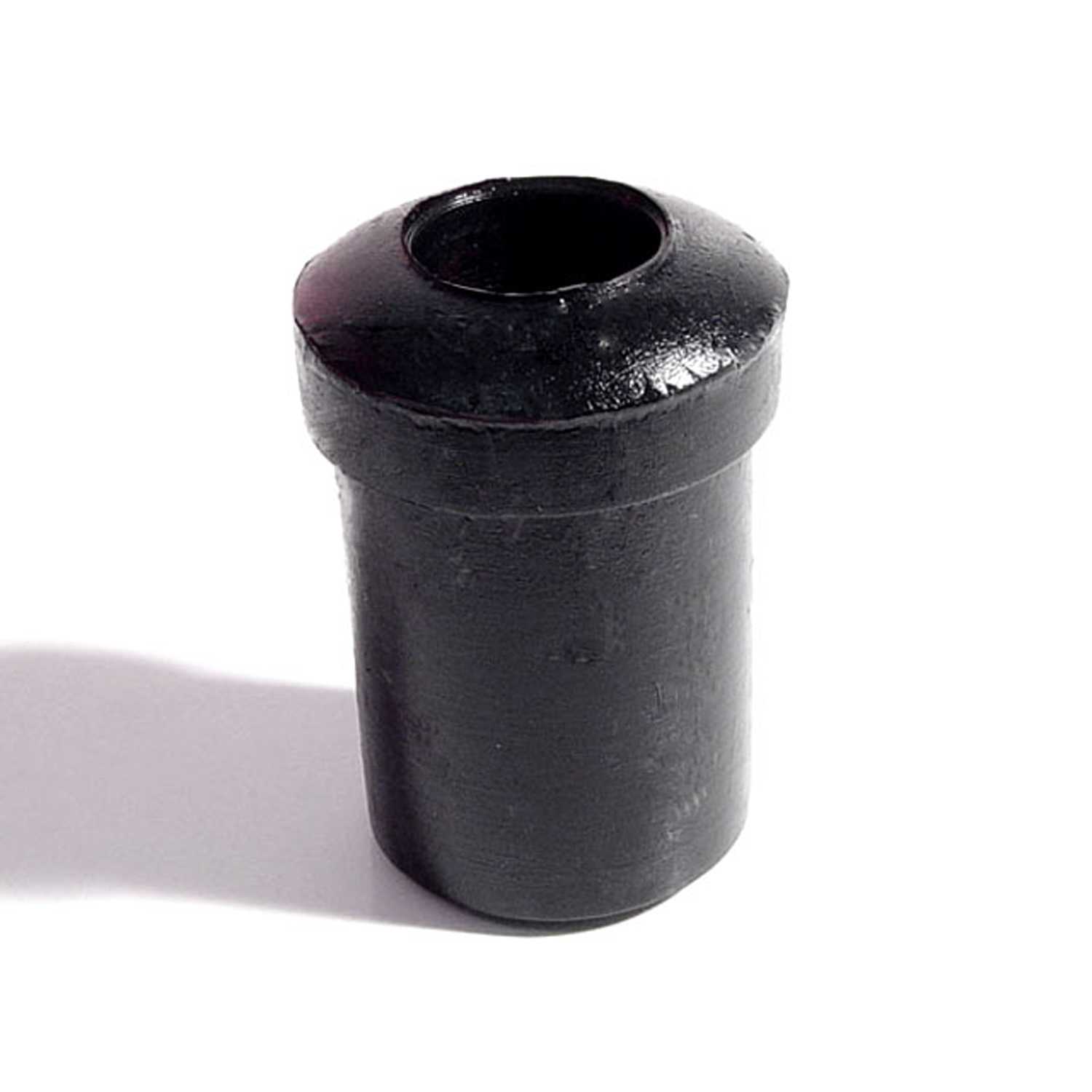 1954 DeSoto Firedome Spring and Shackle Bushing. 1" bottom O.D-BN 20Spring and Shackle Bushing. 1" bottom O.D. X 1-5/8" high, with 9/16" I.D. Each
 1954 DeSoto Firedome Shock Absorber Grommet. 1-3/8" bottom O.D-BN 7Shock Absorber Grommet. 1-3/8" bottom O.D., 1-3/4" high, with 5/8" I.D. Each
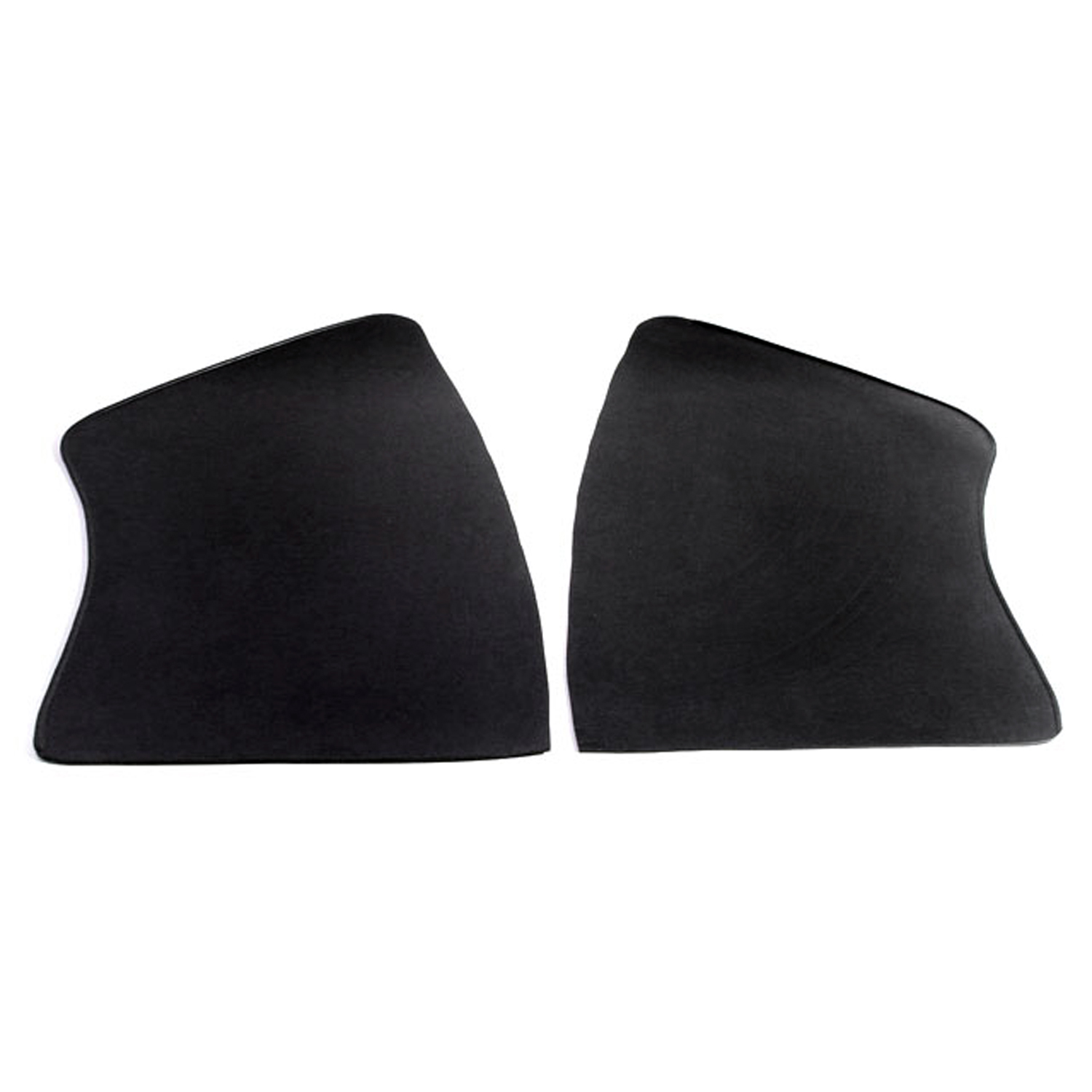 1954 DeSoto Firedome Gravel Shields. Molded flat without metal backing plates-FS 31Gravel Shields. Molded flat without metal backing plates. Apply with contact cement. 18" long X 9-3/4" wide at bottom. Pair
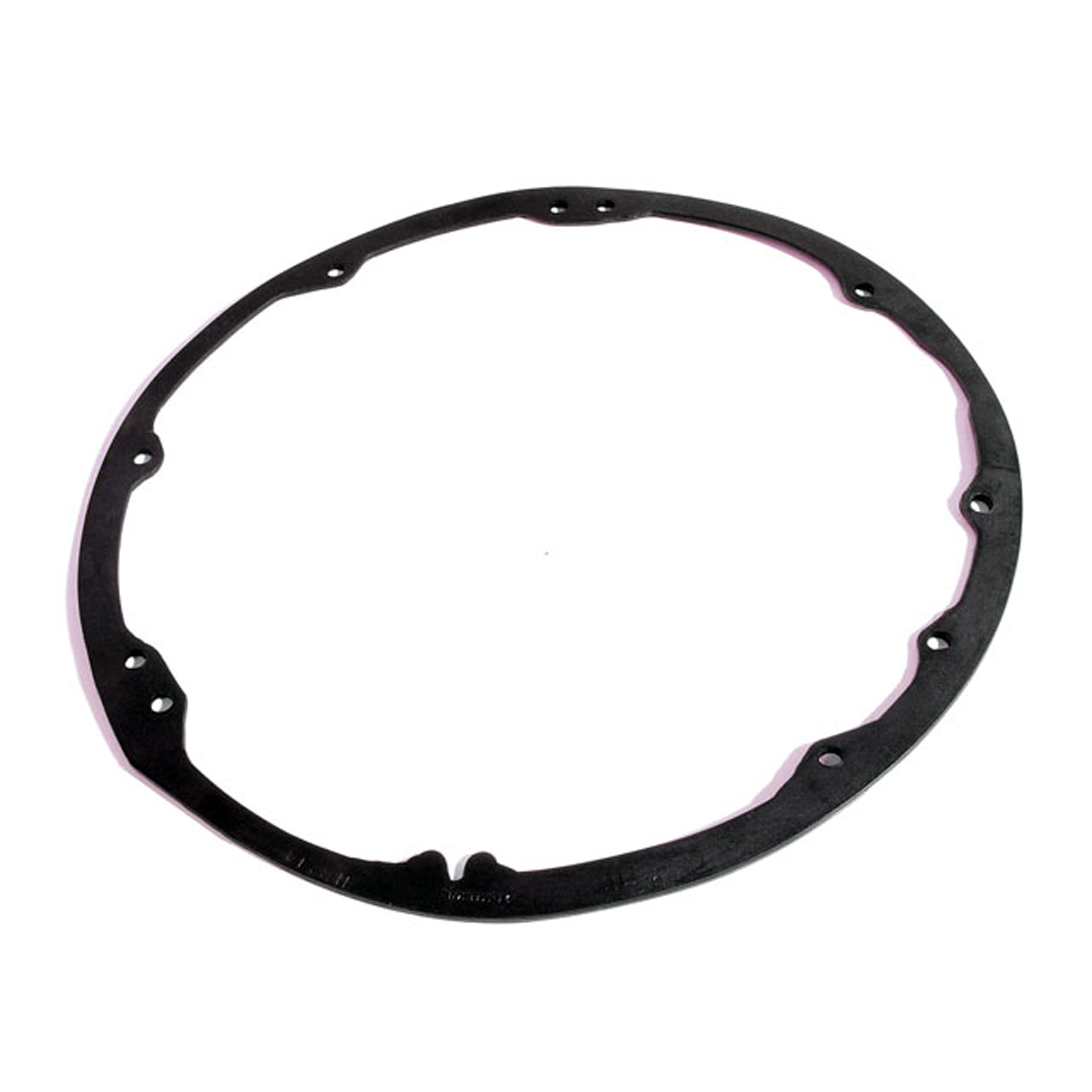 1954 DeSoto Firedome Headlight Ring Seal. 8-3/8" O.D., 7-3/4" I.D. Pair-HR 14Headlight Ring Seal. 8-3/8" O.D., 7-3/4" I.D. Pair
 1954 DeSoto Firedome Door Lock Pad. 1-3/8" O.D. Each-MP 551-CDoor Lock Pad. 1-3/8" O.D. Each
 1954 DeSoto Firedome Tailgate Pads, for Station Wagons. 6-5/8" wide X 5" long-MP 551-DTailgate Pads, for Station Wagons. 6-5/8" wide X 5" long. Pair R&L
 1954 DeSoto Firedome Trunk Hinge Pads. For Station Wagon-MP 663-NTrunk Hinge Pads. For Station Wagon. 3-5/8" wide X 8-3/4" long. Set
 1954 DeSoto Firedome Tail Gate Handle Pad. 2-3/4" wide X 5-7/8" long-MP 663-OTail Gate Handle Pad. 2-3/4" wide X 5-7/8" long. For Station Wagon. Each
 1954 DeSoto Firedome Back-Up Light Pads. For Station Wagon-MP 663-PBack-Up Light Pads. For Station Wagon. 4-3/4" wide X 5" long. Pair
 1954 DeSoto Firedome Tail-light Pads. 6-5/8" wide X 5" long. Pair-MP 663-QTail-light Pads. 6-5/8" wide X 5" long. Pair
 1954 DeSoto Firedome Door Handle Pads. For Station Wagon-MP 663-RDoor Handle Pads. For Station Wagon. 1-1/2" wide X 2-3/4" long. Pair
 1954 DeSoto Firedome Door Handle Pads. Passenger models only-MP 663-UDoor Handle Pads. Passenger models only. 2-1/4" wide X 8-1/4" long. Pair
 1954 DeSoto Firedome Tail-light Pads. Passenger models only-MP 663-VTail-light Pads. Passenger models only. 4-1/2" wide X 10-7/8" long. Pair
 1954 DeSoto Firedome Rumble Seat Step Plate Pad. Rubber face only. 4-1/4" O.D-SP 17Rumble Seat Step Plate Pad. Rubber face only. 4-1/4" O.D. Each
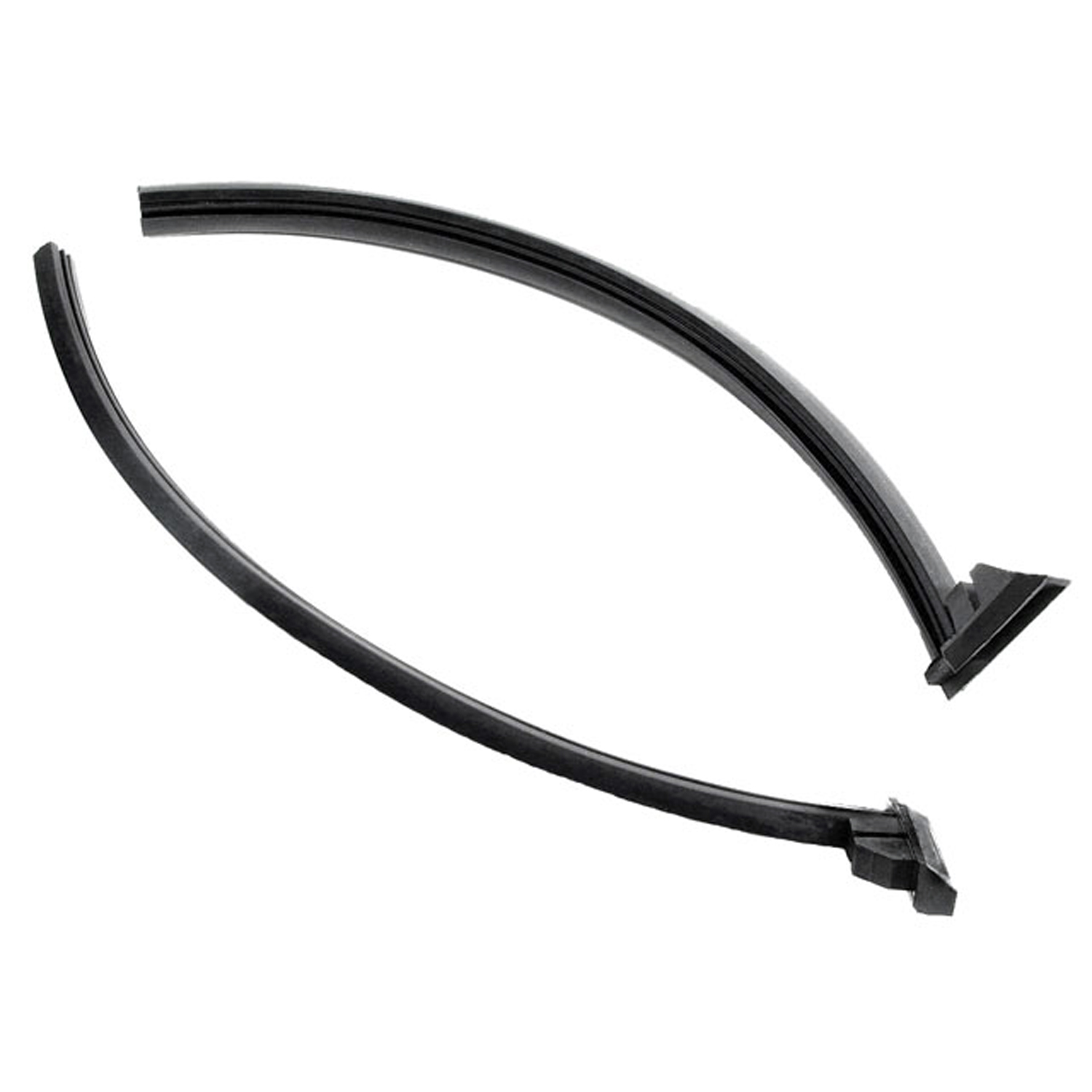 1954 DeSoto Firedome Rear Roll-Up Side Quarter Window Seals. Each piece 15" long-VS 3-BRear Roll-Up Side Quarter Window Seals. Each piece 15" long. Pair R&L
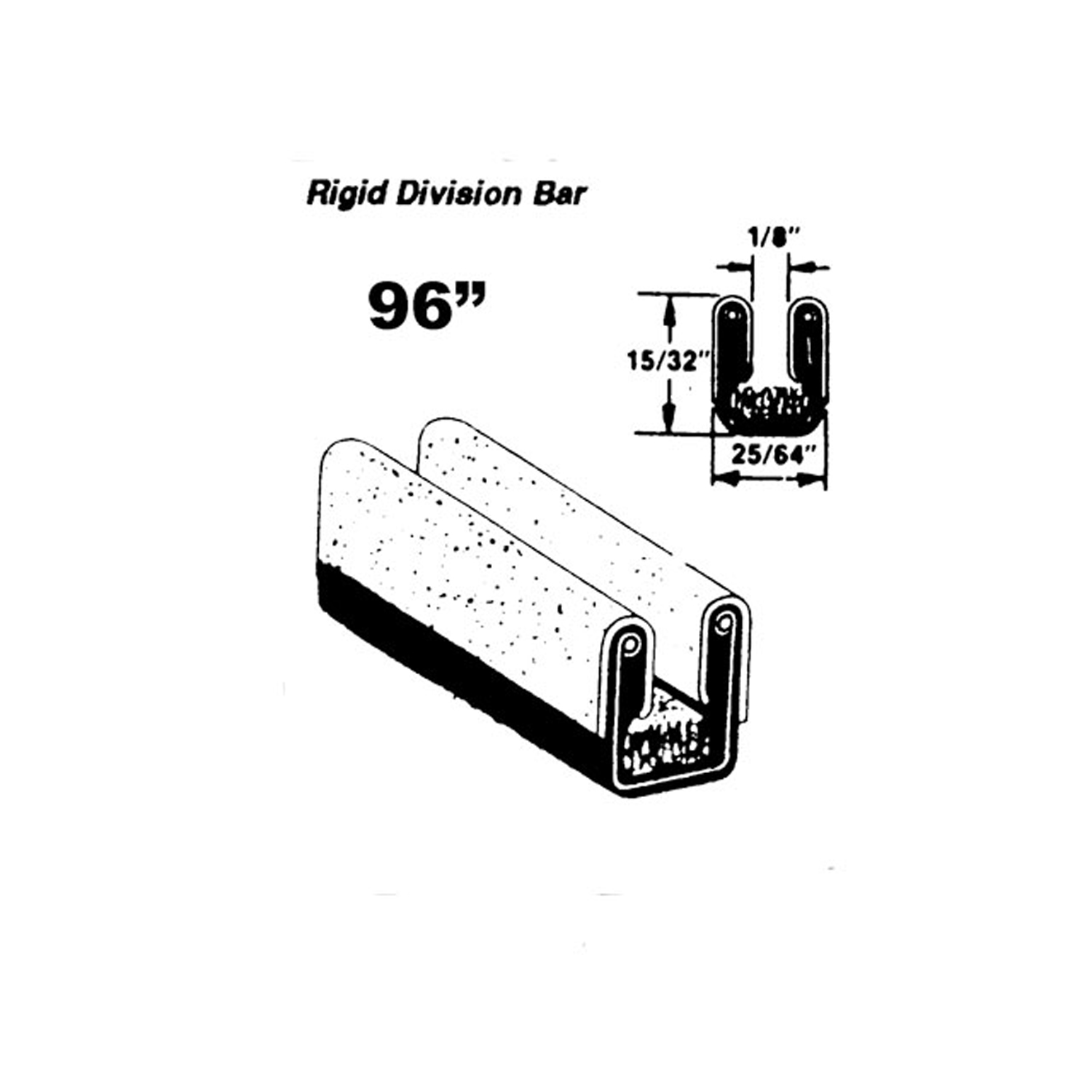 1954 DeSoto Firedome Rigid division-bar run channel-WC 31-96Rigid division-bar run channel. Made with very soft felt lining. Used on front and rear door side windows. 96 in. long. Each. NOTE: $20 special shipping charge applies for domestic orders. Call or email for overseas shipping costs. Part can be sectioned in two or three equal lengths to reduce overseas shipping costs.
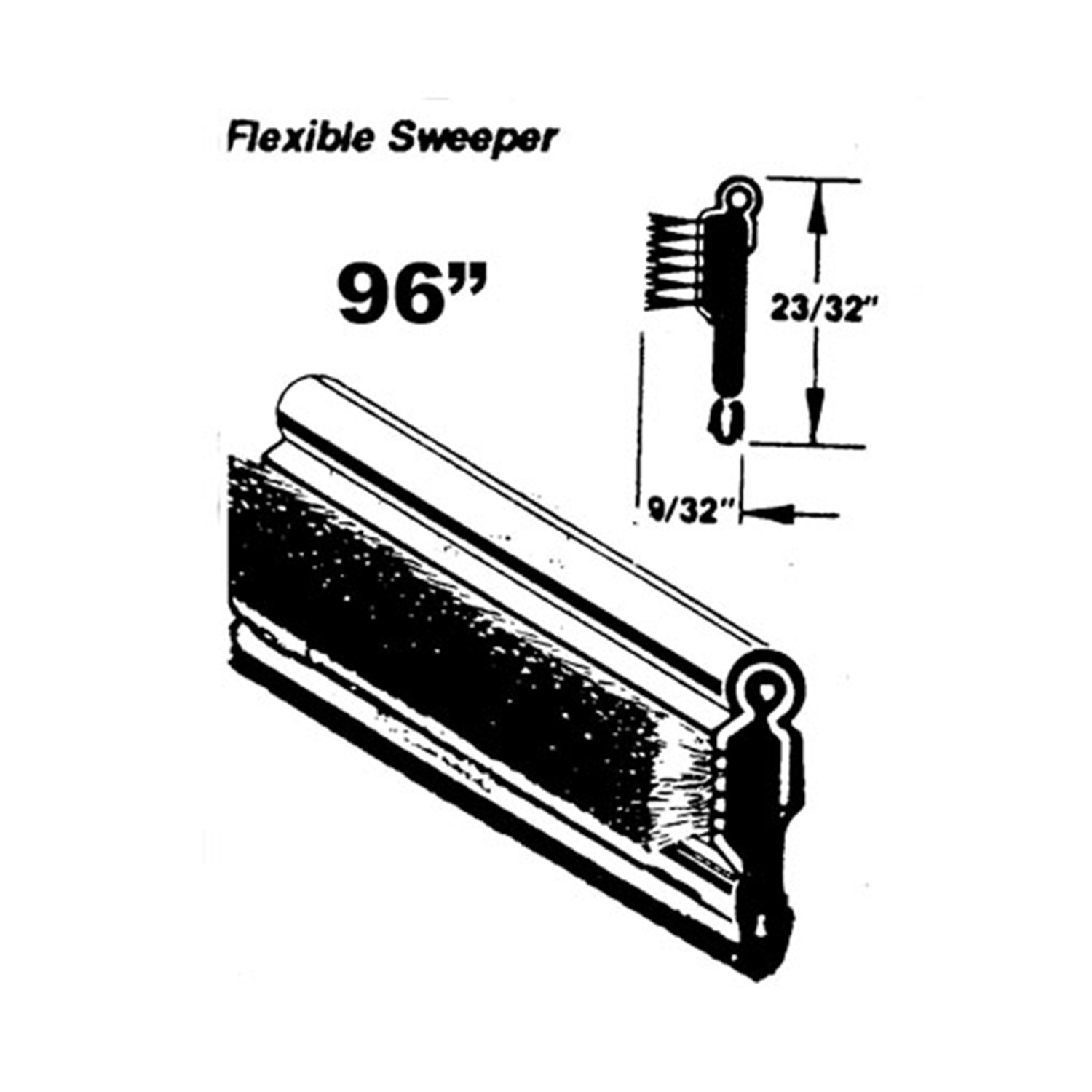 1954 DeSoto Firedome Flexible window sweeper. Made with stainless steel bead-WC 4-96Flexible window sweeper. Made with stainless steel bead. 96 in. long. Each. NOTE: $20 special shipping charge applies for domestic orders. Call or email for overseas shipping costs. Part can be sectioned in two or three equal lengths to reduce overseas shipping costs.
Why Choose Metro?
For over 100 years, Metro Moulded Parts has been the pinnacle of quality in classic car restoration parts. Our commitment to precision and authenticity in every component ensures a perfect fit and an OEM-level appearance.
- Expert Craftsmanship & Quality: Each part is a testament to our dedication to reliability and perfection, crafted from original designs and thoroughly tested.
- Advanced Technology: We use cutting-edge techniques to create flawless, long-lasting parts that surpass others in performance.
- SuperSoft Sponge – The Ultimate Door Seal: Not only are our door seals 30% softer than competitors', but they're also guaranteed to never leak. They effectively reduce wind and road noise, enhancing your classic car's comfort and driving experience.
- Proudly American: Our parts are a product of American craftsmanship, made in the USA with a spirit of excellence and heritage.
- Unrivaled Warranty: We back our products with a 30-year industry-leading warranty, a testament to our confidence in their quality.
Join us in preserving the legacy of classic cars with parts that are crafted for perfection, not just made.