

Image of 1955 Desoto Fireflite, Note: These illustrations use artistic license and may differ from actual historical models.
Performance Metrics
Fundamental Metrics
Emotional Appeal
MMP Rating
| Engine Specifications | |
|---|---|
| Engine: | Hemi V8 |
| Displacement: | 291 cu in (4.8 L) |
| Horsepower: | 200 hp |
| Torque: | 250 lb-ft |
| Compression Ratio: | 7.5:1 |
| Ignition System: | Conventional points ignition system |
| Cooling System: | Liquid-cooled |
| Performance Specifications | |
| 0-60 Time: | 11 seconds |
| 1/4 Mile Time: | 18 seconds |
| Top Speed: | 110 mph |
| Transmission and Drive | |
| Drive Type: | Rear-wheel drive |
| Transmission Type: | 2-speed PowerFlite automatic |
| Fuel and Efficiency | |
| Fuel System Type: | Carburetor |
| MPG: | 10-12 mpg |
| Dimensions and Brakes | |
| Brakes: | Drum brakes |
| Wheelbase: | 126 inches |
| Weight: | 3,700 lbs |
Note: Specifications for classic cars are given to the best of our ability, considering the limited and variant data available.
1955 DeSoto Fireflite: A Forward Look Classic
The 1955 DeSoto Fireflite arrived with fins, chrome, and a hemispherical V8 that made it difficult to mistake for anything else on the road. Built by the DeSoto division of Chrysler Corporation, the Fireflite was the marque’s new top-line series for 1955, positioned above the Firedome. It combined imposing American-car proportions with the striking design language Chrysler called the “Forward Look.”
That styling marked an important turning point. Chrysler designer Virgil Exner’s new direction gave the company’s cars lower, longer profiles and rising rear fenders, helping them look more modern than the rounded designs that had dominated the early postwar years. The Fireflite was not merely a new name in the DeSoto catalog. It was a vivid expression of the company’s ambition to compete on both style and performance.
One detail worth remembering: the Fireflite debuted in 1955, the same year Chrysler introduced the landmark 300, and it shared the era’s fascination with powerful V8s and dramatic styling. The Fireflite was the more comfort-oriented, broad-shouldered grand tourer, but it had plenty of presence of its own.
Forward Look Design and Cabin Details
The Fireflite’s shape is all about visual motion. Its long hood leads into a wide grille, prominent headlamp surrounds, and a low, wraparound windshield. A bright chrome band runs along the body, while the rear fenders rise into modest fins that give the car a purposeful, swept-back stance. Compared with later 1950s DeSotos, the fins are relatively restrained, but they already point toward the tail-high styling that would become a hallmark of the decade.
Inside, the Fireflite offered the broad bench seats and generous cabin space expected of a full-size American car. Upholstery combined patterned cloth with vinyl or other durable trim, depending on the body style and interior selection. The dashboard featured a wide, chrome-accented layout, clear instruments, and period-correct knobs and switches. It was a comfortable place to travel, with a more upscale finish than a basic family sedan and enough room for passengers to stretch out on long drives.
Available conveniences could include power steering, power brakes, power windows, power seats, air conditioning, and a radio, depending on the car’s original specification. These were costly options in the 1950s, so not every Fireflite has them. The PowerFlite two-speed automatic transmission was a popular pairing with the V8, while a manual transmission was also available in certain configurations.
DeSoto offered the Fireflite in a varied palette of solid and two-tone finishes. Buyers could choose restrained colors such as black or white, or more eye-catching combinations featuring turquoise, coral, yellow, and contrasting roof colors. Two-tone paint was especially effective on the Fireflite because it emphasized the car’s long side profile and bright trim. Exact colors and combinations varied by body style and production order.
Body styles included two-door and four-door sedans, two-door and four-door hardtops, and a convertible. The hardtop coupe is among the most recognizable today: it has the open, pillarless look that defined many desirable American cars of the period. The convertible is especially sought after by collectors, while the four-door models offer a more practical way to enjoy the car’s styling and spacious interior.
Why the Fireflite Mattered
The 1955 Fireflite helped bring Chrysler’s Forward Look to a wide audience. Its lower profile, expansive glass, prominent side trim, and emerging tailfins made it look fresh beside more conservative competitors. The design was not decoration alone. It announced that American automakers were moving into a new era of bold styling, powerful engines, and increasingly feature-rich interiors.
Under the hood, the Fireflite used a 291-cubic-inch V8 with hemispherical combustion chambers, rated at about 200 horsepower. DeSoto’s Hemi-derived engine design gave the car a persuasive performance story at a time when horsepower was becoming a key selling point. It was not a dedicated racing model, but the combination of V8 power and upscale equipment set it apart from ordinary family transportation.
The Fireflite also represented DeSoto at a particularly strong moment for the brand. The company had a distinct place in Chrysler’s lineup, between lower-priced Plymouth and Dodge models and the more expensive Chrysler nameplate. The 1955 redesign gave DeSoto a clear identity of its own. Although the brand would later struggle as Chrysler’s model range changed, the Fireflite remains one of the clearest examples of DeSoto’s mid-1950s style and ambition.
V8 Performance and Road Manners
A healthy 1955 Fireflite is brisk for a full-size car of its age. Period performance figures vary by equipment, condition, and testing method, but a reasonable estimate is a 0-to-60 mph time of roughly 10 to 12 seconds and a top speed in the neighborhood of 105 to 110 mph. Those figures are estimates rather than a guarantee for every surviving car. The PowerFlite automatic’s two-speed design favors smooth, relaxed cruising over the quick, closely spaced shifts of a modern transmission.
On the road, the Fireflite feels substantial. Its long wheelbase and soft suspension help it glide over ordinary pavement, though sharp bumps can produce the familiar floating motion of a 1950s car. The steering is lightest when power-assisted, and the car needs more room to change direction than a modern sedan. On winding roads, a measured pace suits it best. The Fireflite can cruise comfortably, but its size, body roll, and period tires reward smooth inputs rather than sudden maneuvers.
The V8 has a deep, relaxed sound at low speed and a stronger growl when the throttle opens. The driving experience is an exercise in contrast: a wide bench seat and easygoing automatic make the car feel leisurely, while the engine reminds you that this was a powerful machine for its day. The driver sits high behind a broad hood, steering a car that feels built for open highways and long distances.
Living with a 1955 Fireflite
Today, most Fireflites are used as show cars, weekend cruisers, or occasional tour vehicles rather than daily transportation. A well-sorted example can handle local drives and classic-car events, but its age calls for regular checks of the cooling system, brakes, fuel system, tires, and electrical components. As with any 1950s car, a thorough inspection before a long trip is sensible.
The engine and basic mechanical systems are understandable to an experienced home mechanic, and many routine jobs do not require modern diagnostic equipment. However, the Fireflite is not automatically easy to restore. Some mechanical parts are shared with other Chrysler products of the period, but DeSoto-specific trim, body panels, and interior pieces can be harder to find. A car that is complete and properly maintained is usually a better starting point than a cheap project missing rare details.
Before buying, inspect the floors, rocker panels, trunk, and lower body for rust, and check that the transmission shifts cleanly. Look for overheating, poor cold starting, worn suspension parts, and signs of improvised electrical repairs. The condition of the chrome and stainless trim also matters: replacement or restoration can add substantially to a project’s cost.
Fireflite Facts and Common Criticisms
The Fireflite’s 291-cubic-inch V8 used hemispherical combustion chambers, a design associated with Chrysler’s performance reputation in the 1950s. The Fireflite itself, however, was a luxury-minded road car rather than a factory race special. It is best understood as a stylish, powerful cruiser, not a purpose-built competition car.
There is no single famous speed or endurance record that defines the 1955 Fireflite. Its significance is broader: it helped carry DeSoto’s Forward Look styling into showrooms during a period when American manufacturers were competing fiercely for attention. Stories of celebrity ownership are sometimes attached to individual surviving cars, but they should be supported by documentation rather than assumed from the model alone.
Common criticisms are familiar to owners of large 1950s automobiles. The Fireflite is thirsty by modern standards, its two-speed automatic can feel leisurely, and its wide body demands space in traffic and parking lots. Braking, visibility, and handling also reflect the technology of its era. Those drawbacks are part of the ownership bargain: the car offers presence and character, not modern efficiency or precision.
Collector Values and Availability
Production figures vary among published references, so an exact count should be treated carefully. A reasonable working estimate is roughly 60,000 to 65,000 Fireflites across the 1955 model year, with production spread among several body styles. That makes the model far from a one-off rarity, but surviving cars in excellent condition, especially convertibles, are much less common than ordinary sedans.
As a broad U.S. market estimate, a project car might sell for around $8,000 to $15,000, while a usable driver could fall in the $20,000 to $35,000 range. A very clean, well-restored hardtop may bring approximately $40,000 to $65,000. Convertibles can command more, with exceptional examples potentially reaching $65,000 to $100,000 or higher. These are general estimates, not appraisals; originality, restoration quality, documentation, options, and local demand can shift a sale considerably.
Values for mid-century American cars tend to move in cycles. The Fireflite benefits from distinctive styling and a genuine Hemi-era connection, but it does not have the same broad recognition or market strength as some better-known performance models. In recent years, clean examples have generally held more interest than project cars. A well-preserved or expertly restored car is more likely to retain value than a costly restoration undertaken without regard to originality.
A DeSoto Worth Remembering
The 1955 DeSoto Fireflite brought together a striking Forward Look body, a hemispherical V8, a comfortable cabin, and the easygoing character of a full-size American cruiser. It stood out from its contemporaries without needing to be a race car, and it captured DeSoto at a high point in the brand’s history.
For collectors, the Fireflite is a distinctive alternative to more familiar 1950s nameplates. For drivers, it offers chrome, color, and the unmistakable sound of a classic V8. More than seven decades later, it still makes a persuasive case for DeSoto’s place in the golden age of American automotive design.
1955 Desoto Fireflite Catalog of Parts
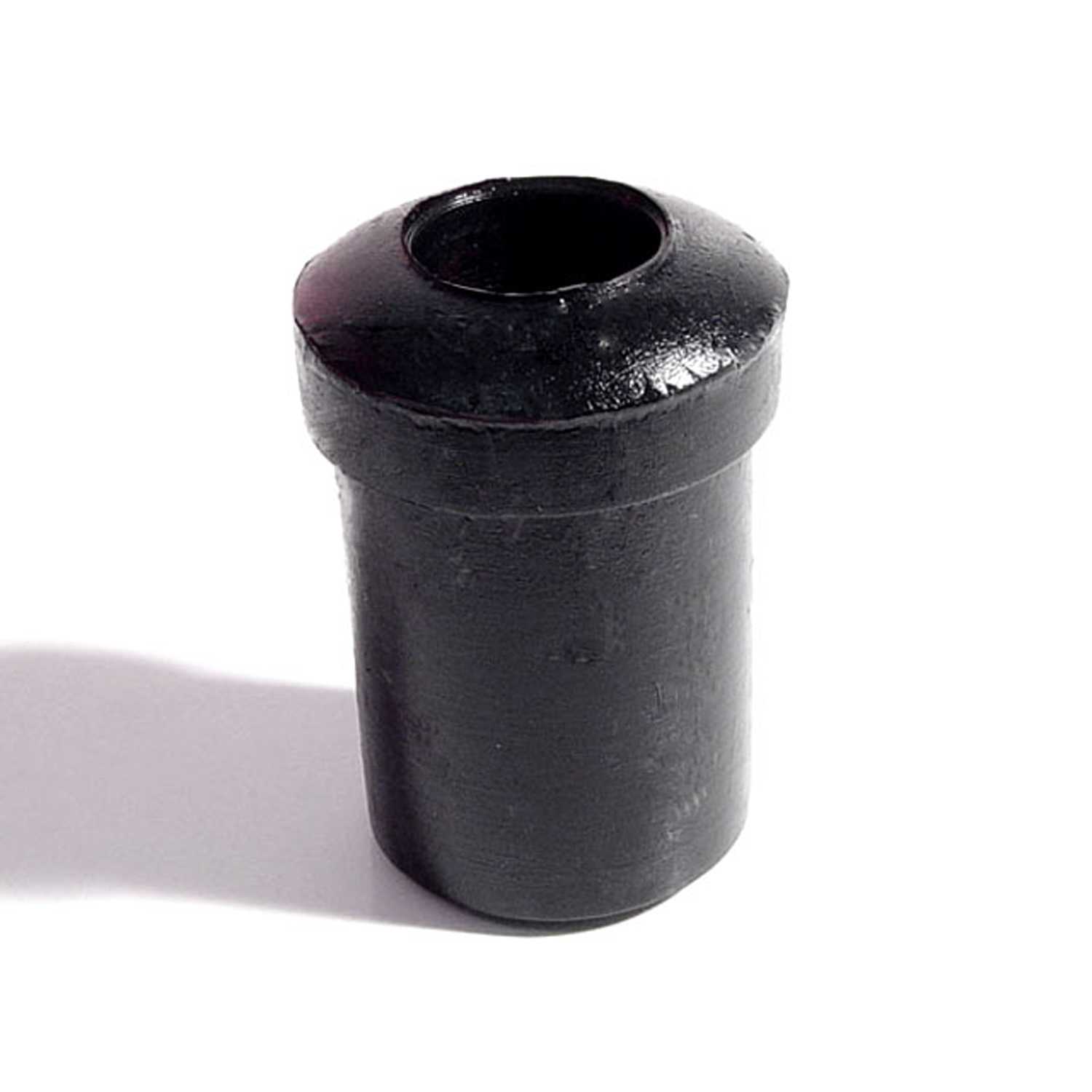 1955 DeSoto Fireflite Spring and Shackle Bushing. 1" bottom O.D-BN 20Spring and Shackle Bushing. 1" bottom O.D. X 1-5/8" high, with 9/16" I.D. Each
 1955 DeSoto Fireflite Shock Absorber Grommet. 1-3/8" bottom O.D-BN 7Shock Absorber Grommet. 1-3/8" bottom O.D., 1-3/4" high, with 5/8" I.D. Each
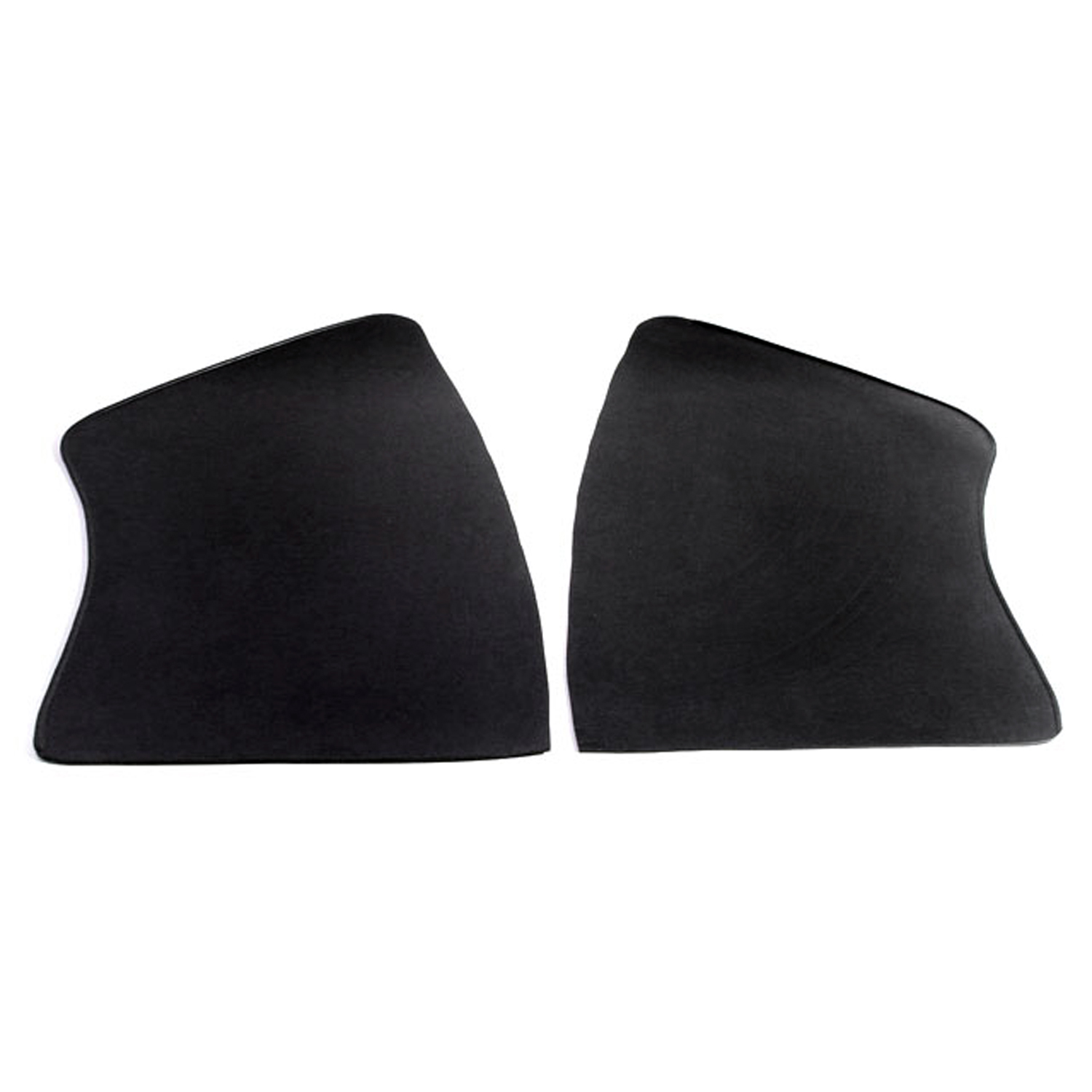 1955 DeSoto Fireflite Gravel Shields. Molded flat without metal backing plates-FS 31Gravel Shields. Molded flat without metal backing plates. Apply with contact cement. 18" long X 9-3/4" wide at bottom. Pair
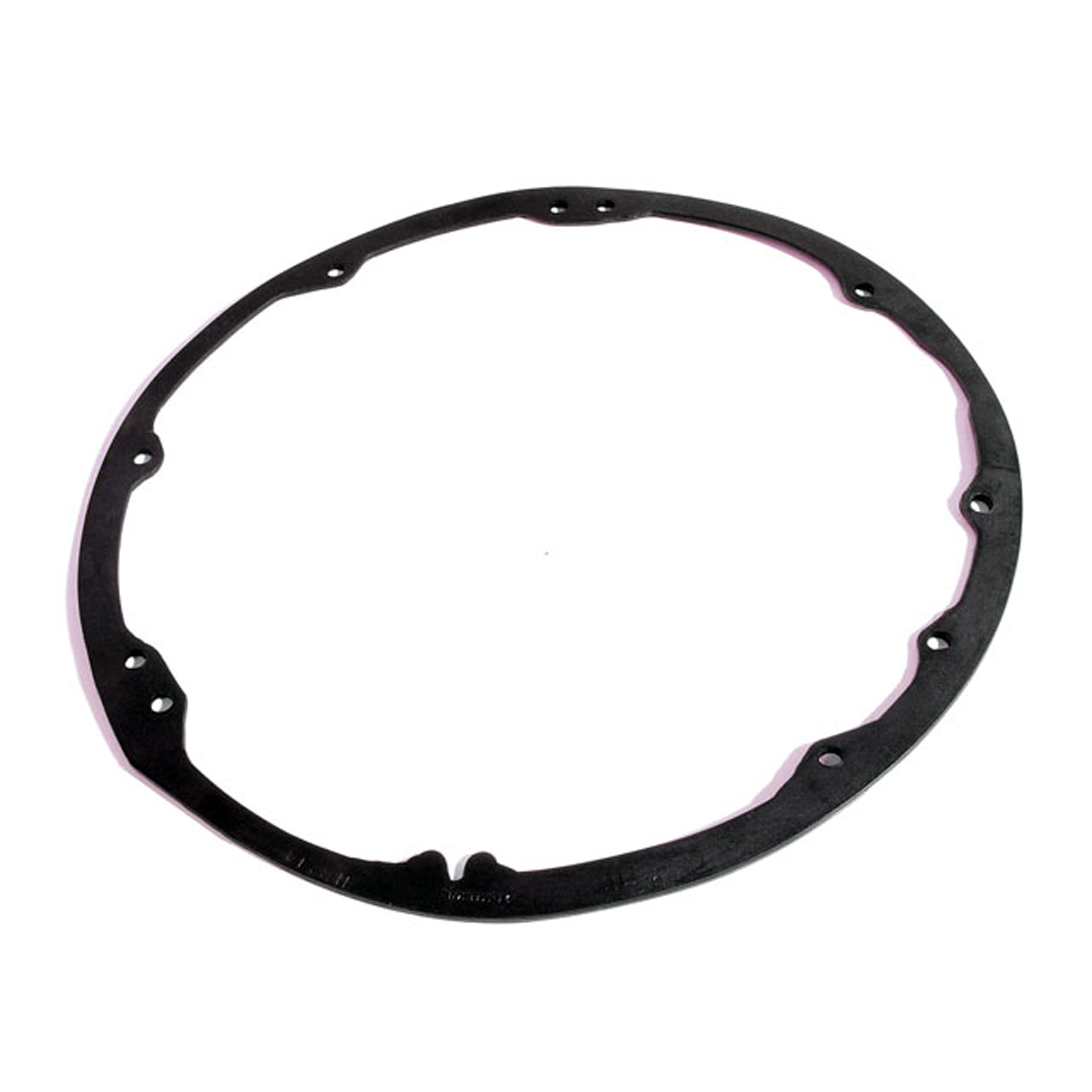 1955 DeSoto Fireflite Headlight Ring Seal. 8-3/8" O.D., 7-3/4" I.D. Pair-HR 14Headlight Ring Seal. 8-3/8" O.D., 7-3/4" I.D. Pair
 1955 DeSoto Fireflite Door Lock Pad. 1-3/8" O.D. Each-MP 551-CDoor Lock Pad. 1-3/8" O.D. Each
 1955 DeSoto Fireflite Rumble Seat Step Plate Pad. Rubber face only. 4-1/4" O.D-SP 17Rumble Seat Step Plate Pad. Rubber face only. 4-1/4" O.D. Each
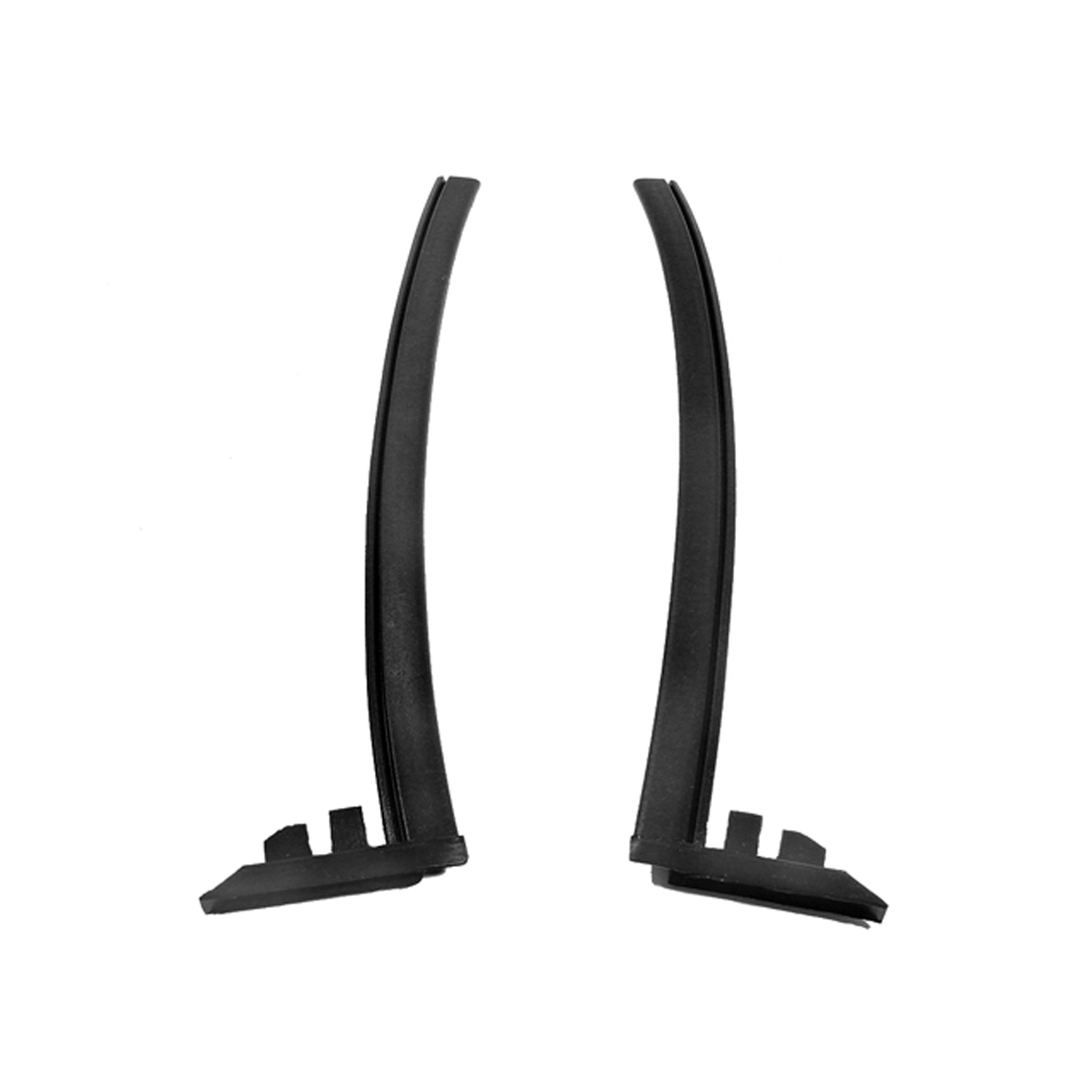 1955 DeSoto Fireflite Rear Roll-Up Side Quarter Window Seals (fits some models)-VS 7-BRear Roll-Up Side Quarter Window Seals (fits some models). Pair R&L
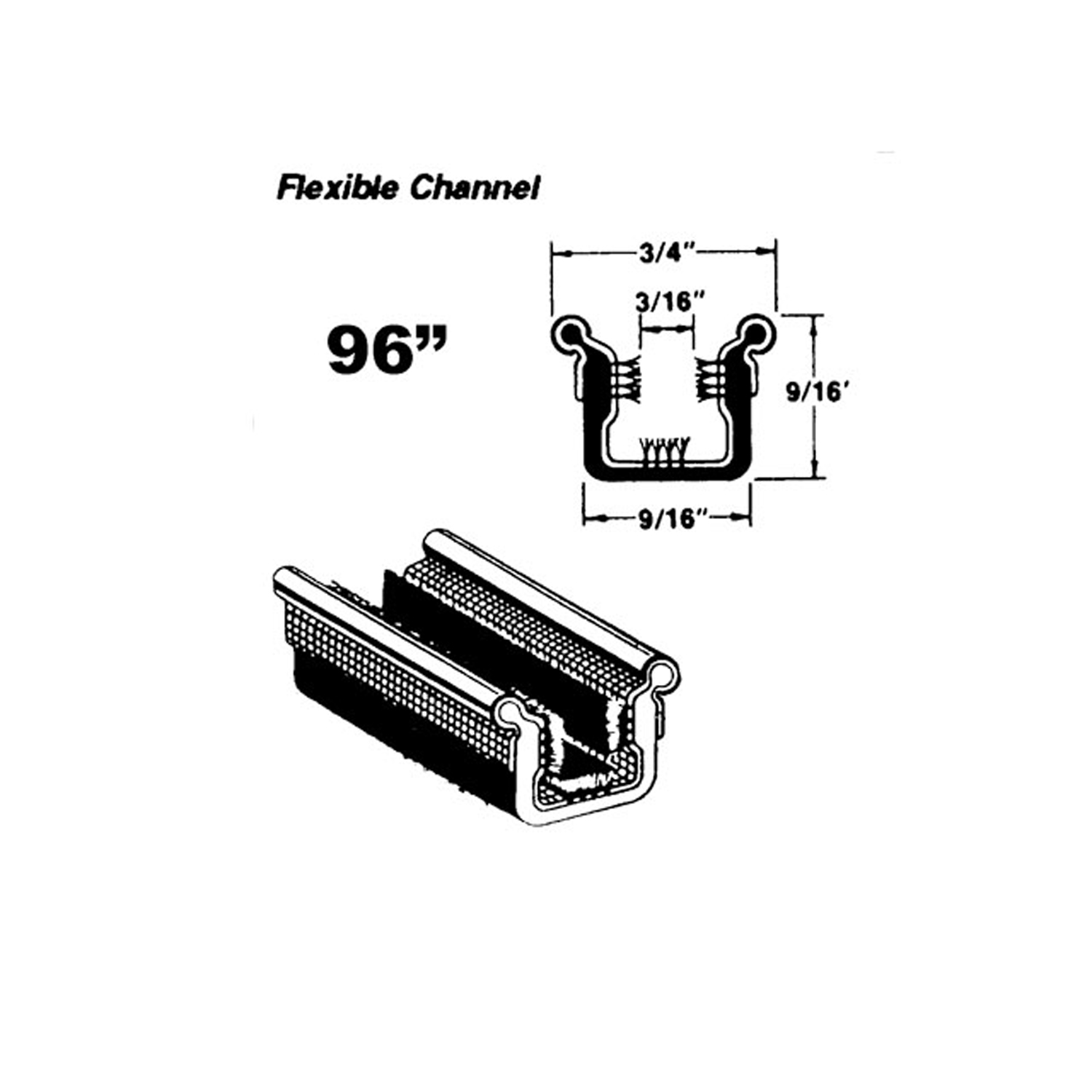 1955 DeSoto Fireflite Flexible window channel-WC 10-96Flexible window channel. Rubber covered with mohair lining and stainless steel bead. 96 in. long. Each. NOTE: $20 special shipping charge applies for domestic orders. Call or email for overseas shipping costs. Part can be sectioned in two or three equal lengths to reduce overseas shipping costs.
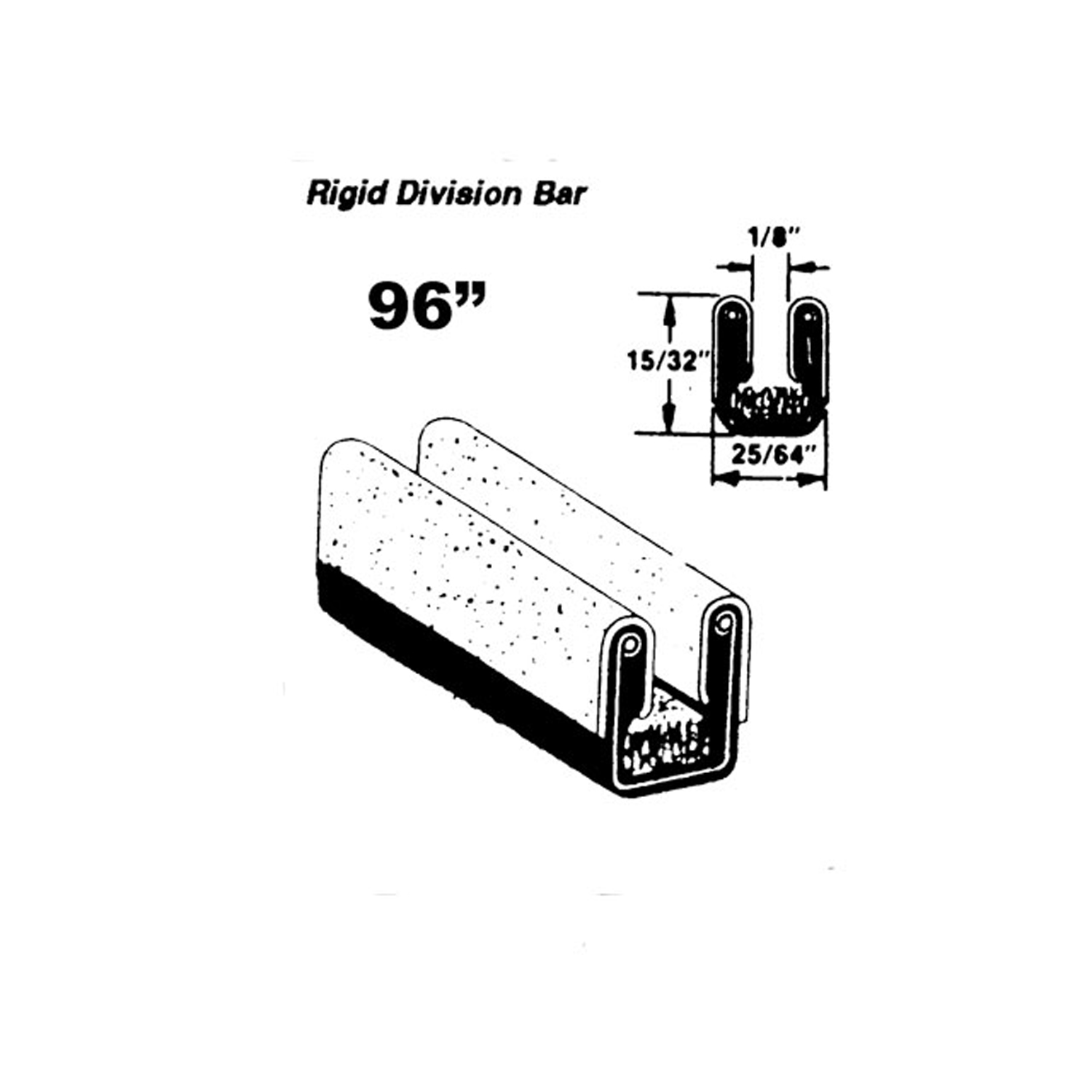 1955 DeSoto Fireflite Rigid division-bar run channel-WC 31-96Rigid division-bar run channel. Made with very soft felt lining. Used on front and rear door side windows. 96 in. long. Each. NOTE: $20 special shipping charge applies for domestic orders. Call or email for overseas shipping costs. Part can be sectioned in two or three equal lengths to reduce overseas shipping costs.
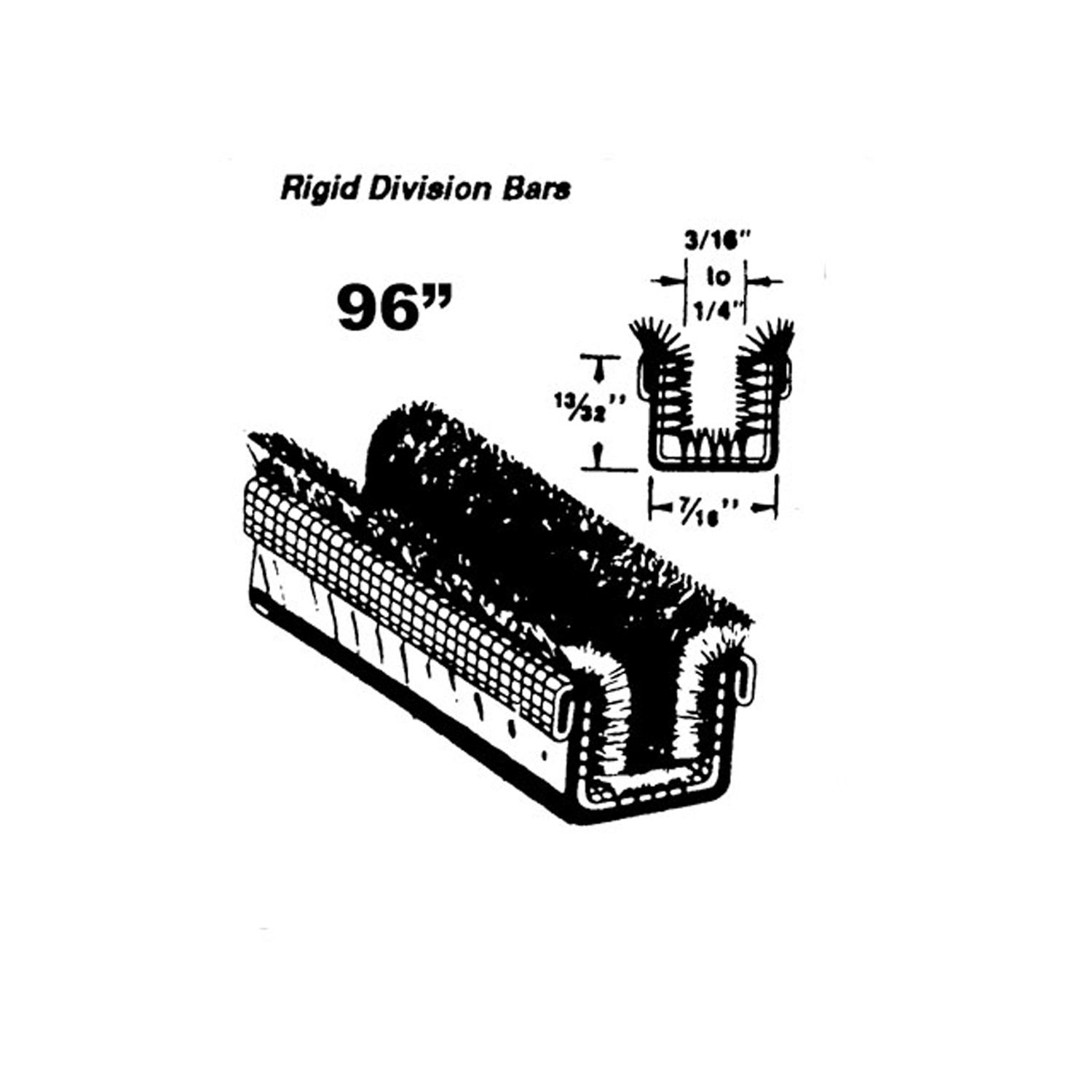 1955 DeSoto Fireflite Rigid division-bar channel. Unbeaded. 96 in. long. Each-WC 41-96Rigid division-bar channel. Unbeaded. 96 in. long. Each. NOTE: $20 special shipping charge applies for domestic orders. Call or email for overseas shipping costs. Part can be sectioned in two or three equal lengths to reduce overseas shipping costs.
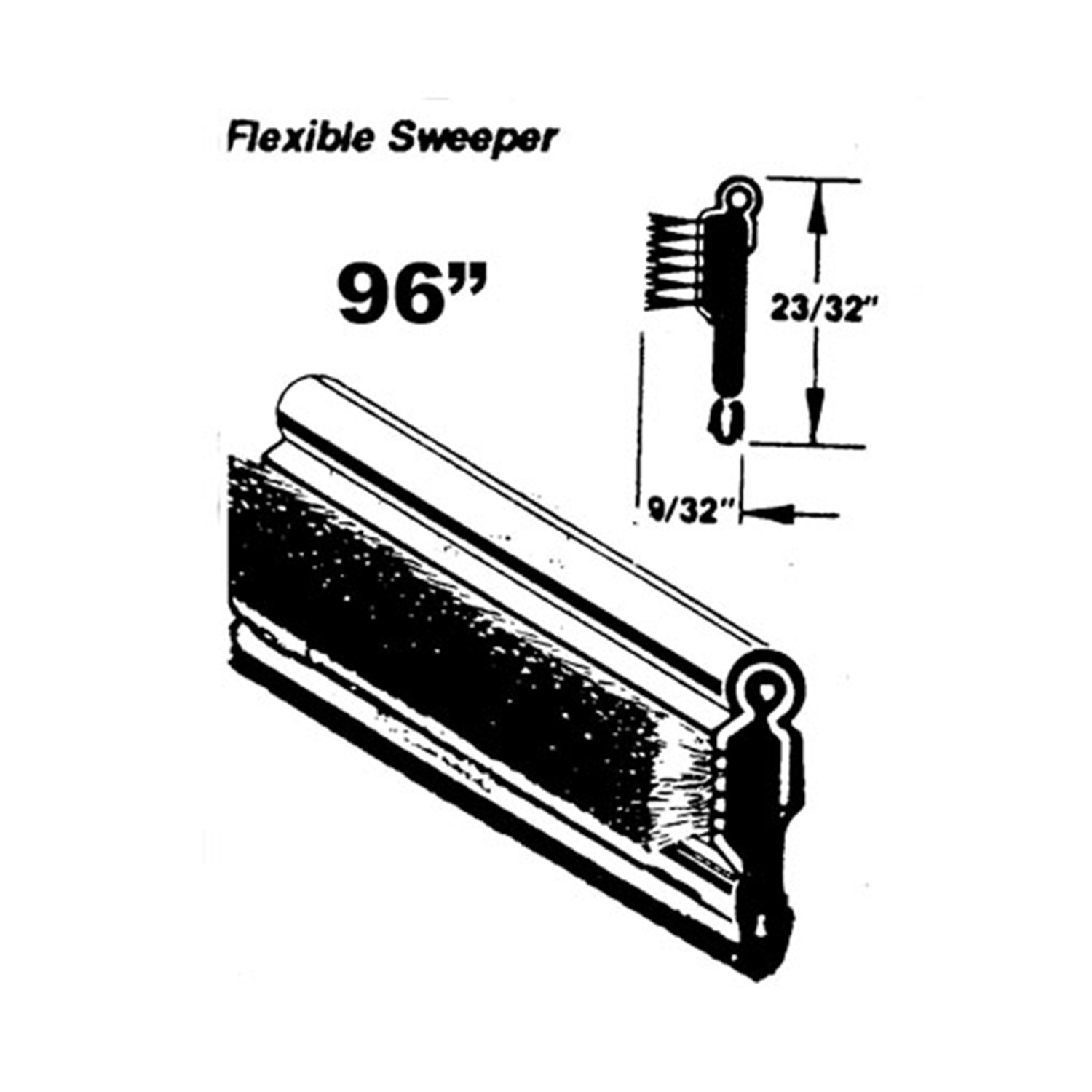 1955 DeSoto Fireflite Flexible window sweeper. Made with stainless steel bead-WC 4-96Flexible window sweeper. Made with stainless steel bead. 96 in. long. Each. NOTE: $20 special shipping charge applies for domestic orders. Call or email for overseas shipping costs. Part can be sectioned in two or three equal lengths to reduce overseas shipping costs.
Why Choose Metro?
For over 100 years, Metro Moulded Parts has been the pinnacle of quality in classic car restoration parts. Our commitment to precision and authenticity in every component ensures a perfect fit and an OEM-level appearance.
- Expert Craftsmanship & Quality: Each part is a testament to our dedication to reliability and perfection, crafted from original designs and thoroughly tested.
- Advanced Technology: We use cutting-edge techniques to create flawless, long-lasting parts that surpass others in performance.
- SuperSoft Sponge – The Ultimate Door Seal: Not only are our door seals 30% softer than competitors', but they're also guaranteed to never leak. They effectively reduce wind and road noise, enhancing your classic car's comfort and driving experience.
- Proudly American: Our parts are a product of American craftsmanship, made in the USA with a spirit of excellence and heritage.
- Unrivaled Warranty: We back our products with a 30-year industry-leading warranty, a testament to our confidence in their quality.
Join us in preserving the legacy of classic cars with parts that are crafted for perfection, not just made.