

Image of 1956 Desoto Firedome, Note: These illustrations use artistic license and may differ from actual historical models.
Performance Metrics
Fundamental Metrics
Emotional Appeal
MMP Rating
| Engine Specifications | |
|---|---|
| Engine: | Hemi V8 |
| Displacement: | 330 cu in (5.4 L) |
| Horsepower: | 230 hp |
| Torque: | 330 lb-ft |
| Compression Ratio: | 8.5:1 |
| Ignition System: | Conventional points ignition system |
| Cooling System: | Liquid cooled |
| Performance Specifications | |
| 0-60 Time: | 11 seconds |
| 1/4 Mile Time: | 18 seconds |
| Top Speed: | 110 mph |
| Transmission and Drive | |
| Drive Type: | Rear-wheel drive |
| Transmission Type: | 2-speed PowerFlite automatic |
| Fuel and Efficiency | |
| Fuel System Type: | Carburetor |
| MPG: | 10-12 mpg |
| Dimensions and Brakes | |
| Brakes: | Drum brakes |
| Wheelbase: | 126 inches |
| Weight: | 3,700 lbs |
Note: Specifications for classic cars are given to the best of our ability, considering the limited and variant data available.
1956 DeSoto Firedome: The Forward Look in Full Flight
The 1956 DeSoto Firedome brought big V8 power, bold tailfins, and Chrysler’s growing “Forward Look” design language to American roads. Built by the DeSoto division of the Chrysler Corporation, it sat below the more lavish Fireflite and above the six-cylinder models that had helped establish the brand. The Firedome’s combination of Hemi power and distinctive styling made it one of the most memorable mid-1950s DeSotos.
DeSoto had been created by Walter P. Chrysler in 1928 as a mid-priced marque, and the Firedome name first appeared in 1952 on the brand’s V8 series. By 1956, DeSoto was enjoying a strong period, with the Firedome offering buyers a taste of upscale Chrysler engineering without the Fireflite’s higher price. A notable detail of the 1956 model year is that Chrysler adopted a 12-volt electrical system across its cars, improving starting and supporting the growing electrical demands of postwar automobiles.
Forward Look Styling and Cabin Design
The Firedome’s styling looks energetic even at a standstill. Its long hood, broad grille, bright chrome trim, and rising rear fenders give the car a forward-thrusting profile. The tailfins are more restrained than the dramatic peaks that arrived on some 1957 models, but they clearly point toward the design direction associated with Chrysler stylist Virgil Exner and the Forward Look. Two-tone paint, sweeping side trim, and generous use of chrome made the Firedome especially striking in period traffic.
Inside, the cabin is wide and airy, with a full-width dashboard and broad bench seats. Depending on trim and equipment, upholstery combined cloth and vinyl or other durable period materials, often coordinated with the exterior colors. Buyers could choose contrasting interior colors, bright metal accents, and convenience options that made the car feel more luxurious than its position in the DeSoto range might suggest. The high seating position and large glass area also gave the Firedome a commanding view of the road.
Color choices varied by body style and production run, with solid shades and two-tone combinations available. Light roofs paired with darker lower bodies were especially effective at emphasizing the car’s length and finned rear quarters. Exact paint names and combinations depended on the factory order, so surviving cars can differ considerably in appearance.
The Firedome range included several body styles, with availability varying by market and series: a four-door sedan, two- and four-door hardtops, and a convertible were among the best-known versions. The two-door hardtop, often admired for its pillarless side profile, is one of the most iconic choices today. Convertibles attract particular collector interest because they combine the Firedome’s dramatic styling with open-air motoring.
Hemi Power and 1956 Technology
At the heart of the Firedome was a 330-cubic-inch V8 with hemispherical combustion chambers, the feature behind the famous “Hemi” name. In typical standard form, the engine produced about 230 horsepower. A higher-output carburetor setup was available in some configurations, bringing output to roughly 255 horsepower. Equipment and ratings could differ by specification, so an individual car’s engine and carburetion should be checked against its factory records where possible.
Chrysler’s engineering gave the Firedome more than a powerful engine. The 1956 cars used a 12-volt electrical system, while available push-button automatic transmission controls replaced the familiar floor-mounted shift lever with buttons on the dashboard. Depending on the car’s equipment, buyers could get the two-speed PowerFlite automatic or the more advanced three-speed TorqueFlite. These features helped make the Firedome feel modern and easy to operate in everyday traffic.
Why the Firedome Mattered
The 1956 Firedome captured a pivotal moment in American automotive design. Manufacturers were competing to make cars look lower, longer, and more dramatic, and DeSoto answered with clean, sweeping lines rather than simply adding more chrome to an older shape. The Firedome was part of the design progression that led into the highly influential 1957 Forward Look models, which made Chrysler Corporation cars appear strikingly different from many rivals.
Its Hemi V8 also helped distinguish DeSoto from many mid-priced competitors. The Firedome offered a sophisticated, powerful engine in a car intended for regular buyers, not just a limited-production performance model. That mix of engineering and accessible luxury is a large part of its appeal today. The car did not invent the tailfin or the hemispherical engine, but it presented both in a particularly persuasive package for the American family-car market.
Driving a 1956 DeSoto Firedome
Period performance depended on engine tune, transmission, body style, gearing, and road conditions. A healthy Firedome with the standard 230-horsepower V8 can generally be expected to reach 60 mph in roughly 11 to 13 seconds, with a top speed in the neighborhood of 105 to 115 mph. A higher-output version may be quicker. These are practical estimates rather than guarantees for every surviving car, especially when decades of wear, modern tires, and mechanical changes are involved.
On the road, the Firedome feels substantial and relaxed. Its V8 delivers a deep, smooth burble, with enough low-speed torque to move the large car confidently away from a stop. The automatic transmission suits the car’s character, easing through ordinary traffic rather than encouraging frantic gear changes. The steering is lighter at speed than it is while parking, and the car’s size is always part of the driving experience.
The suspension is tuned for comfort, so the Firedome absorbs broad pavement irregularities well but can float or pitch over repeated bumps compared with a modern car. On winding roads, its long wheelbase and soft ride favor a smooth pace rather than sharp cornering. Crosswinds can be noticeable in a large, high-sided vehicle, and drum brakes require more anticipation than contemporary disc systems. The reward is a relaxed, memorable drive, complete with the sound of a big V8 and the view over a long, ornamented hood.
Ownership, Maintenance, and Reliability
Today, most Firedomes are used as show cars, weekend cruisers, and participants in classic-car tours rather than as daily transportation. A well-maintained example can cover local distances comfortably, but its age, fuel consumption, braking performance, and lack of modern safety equipment make regular commuting less practical than it was in 1956.
The basic mechanical layout is approachable for an experienced home mechanic. Routine service on the V8, ignition, cooling system, and traditional automatic transmission is familiar to many classic-car specialists. The main challenges are often locating correct trim, interior pieces, glass, and model-specific components. DeSoto-specific parts can be harder to find than common service items, so buyers should inspect the car carefully and confirm that unusual or missing pieces are available before starting a restoration.
As with any 70-year-old car, condition matters more than the badge. Check for rust in the floors, lower body panels, trunk, and structural areas, as well as evidence of poor repairs. The engine should have good oil pressure and a healthy cooling system, and the transmission should engage smoothly. A thorough inspection by a mechanic familiar with vintage Mopars can prevent expensive surprises.
Firedome Facts and Common Criticisms
The 1956 Firedome’s Hemi engine is a memorable piece of the Chrysler performance story, but the car was designed primarily as a comfortable full-size automobile, not a purpose-built race car. Its large V8, automatic transmission, and substantial body made it appealing for highway cruising. There is no widely recognized model-specific speed or endurance record that defines the Firedome; its historical importance rests more on its design, engineering, and place in DeSoto’s lineup.
Common criticisms are familiar to owners of many 1950s American cars: high fuel consumption, substantial exterior dimensions, and less precise handling than a modern vehicle. Some drivers also find the two-speed automatic less responsive than newer transmissions. Parts availability can be another frustration, especially for rare trim and convertible-specific components. Those drawbacks are balanced by the Firedome’s strong visual presence, comfortable cabin, and distinctive V8 character.
1956 DeSoto Firedome Values and Rarity
For a broad current-market estimate, a project or heavily worn Firedome might sell for around $8,000 to $18,000. A usable driver in sound condition could fall in the $20,000 to $35,000 range, while a well-restored hardtop or sedan may bring roughly $40,000 to $70,000. Exceptional examples, especially convertibles, can exceed that range and may approach or pass $100,000 depending on originality, restoration quality, documentation, and buyer demand. These are general U.S. estimates, not formal appraisals.
Exact production totals vary by body style and source. A reasonable broad estimate is roughly 70,000 to 75,000 Firedomes built for the 1956 model year, out of total DeSoto production of about 110,000 cars. That makes the series far from a one-off rarity, but surviving examples are considerably less common than the original numbers suggest. Convertibles and unusually original cars are harder to find than ordinary sedans.
Values have generally benefited from growing interest in 1950s styling and Chrysler’s Forward Look cars, but the market is selective. Exceptional, correctly restored cars are the strongest performers, while rough projects can be costly to complete. In inflation-adjusted terms, appreciation is not guaranteed; purchase price, condition, restoration costs, and the availability of specialist parts all matter.
Why the 1956 Firedome Still Turns Heads
The 1956 DeSoto Firedome combined a Hemi V8, useful modern-for-the-day features, and confident Forward Look styling in a full-size package. Its strong road presence and comfortable driving character made it a compelling mid-priced car in its own time, and its design remains instantly recognizable today. For collectors, it offers an appealing alternative to more common Fords and Chevrolets of the era, with the added distinction of DeSoto engineering.
More than a finned relic, the Firedome is a snapshot of an industry reaching toward a bold new future. Start the Hemi, hear it settle into its steady idle, and the car’s significance becomes clear: this was American optimism built in steel, chrome, and V8 horsepower.
1956 Desoto Firedome Catalog of Parts
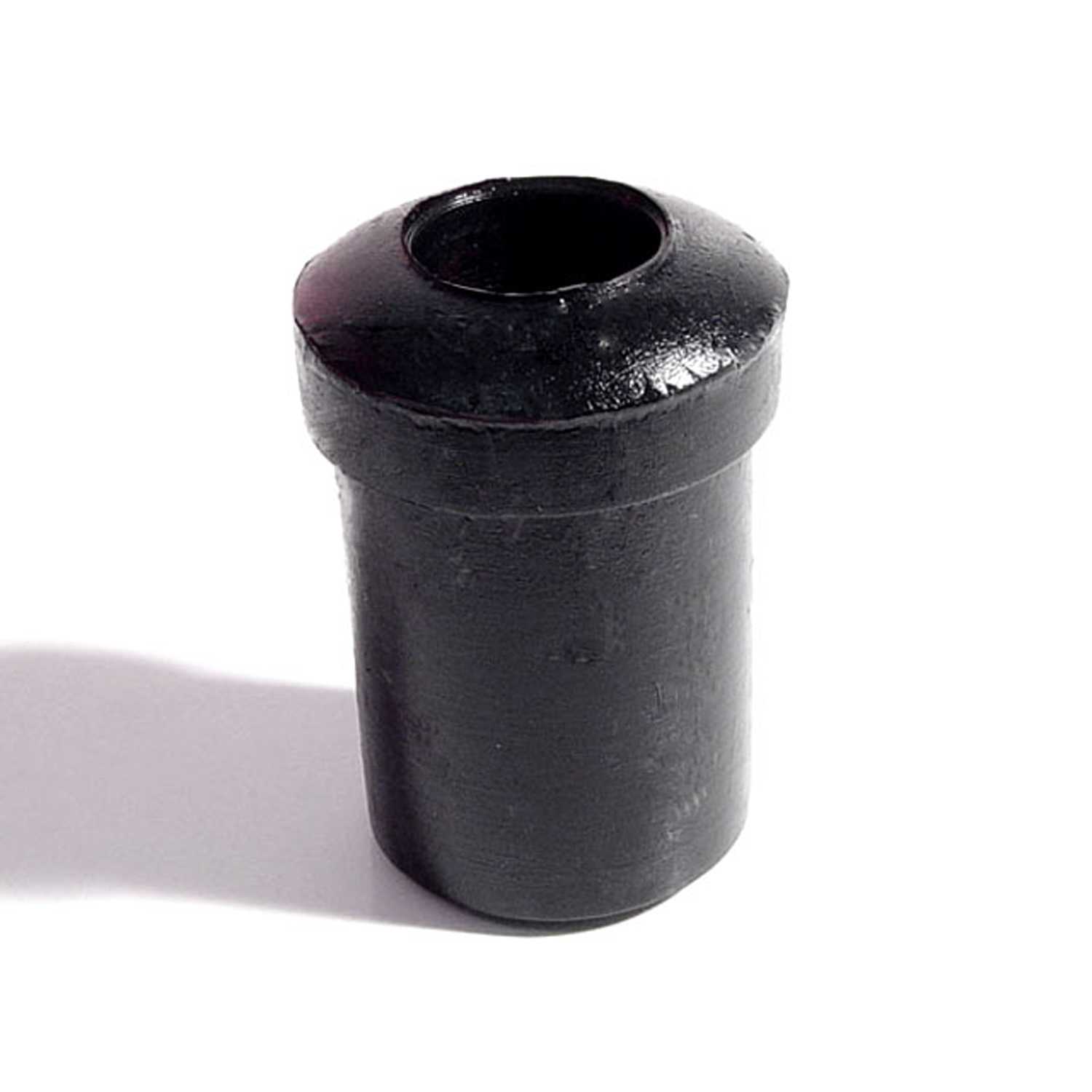 1956 DeSoto Firedome Spring and Shackle Bushing. 1" bottom O.D-BN 20Spring and Shackle Bushing. 1" bottom O.D. X 1-5/8" high, with 9/16" I.D. Each
 1956 DeSoto Firedome Shock Absorber Grommet. 1-3/8" bottom O.D-BN 7Shock Absorber Grommet. 1-3/8" bottom O.D., 1-3/4" high, with 5/8" I.D. Each
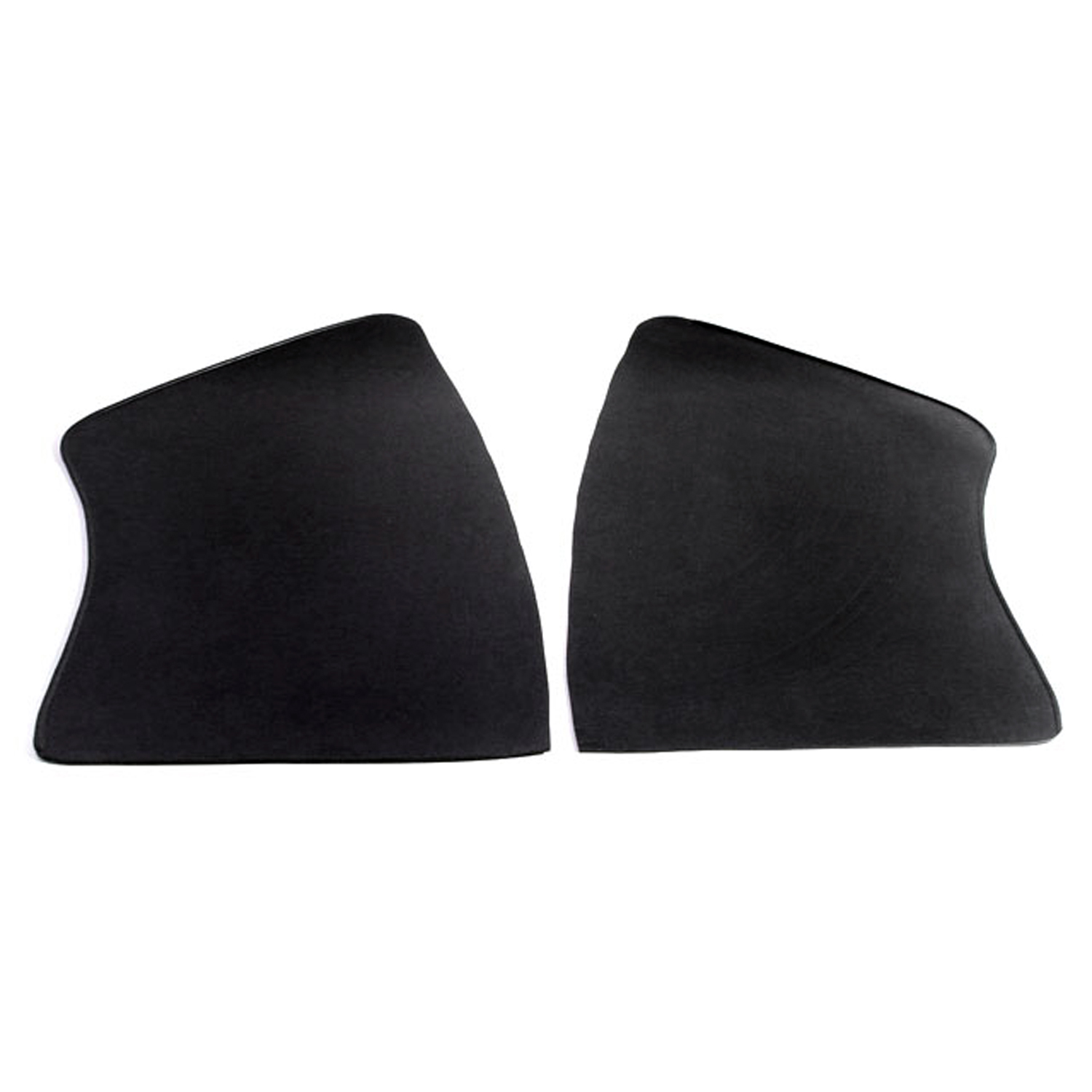 1956 DeSoto Firedome Gravel Shields. Molded flat without metal backing plates-FS 31Gravel Shields. Molded flat without metal backing plates. Apply with contact cement. 18" long X 9-3/4" wide at bottom. Pair
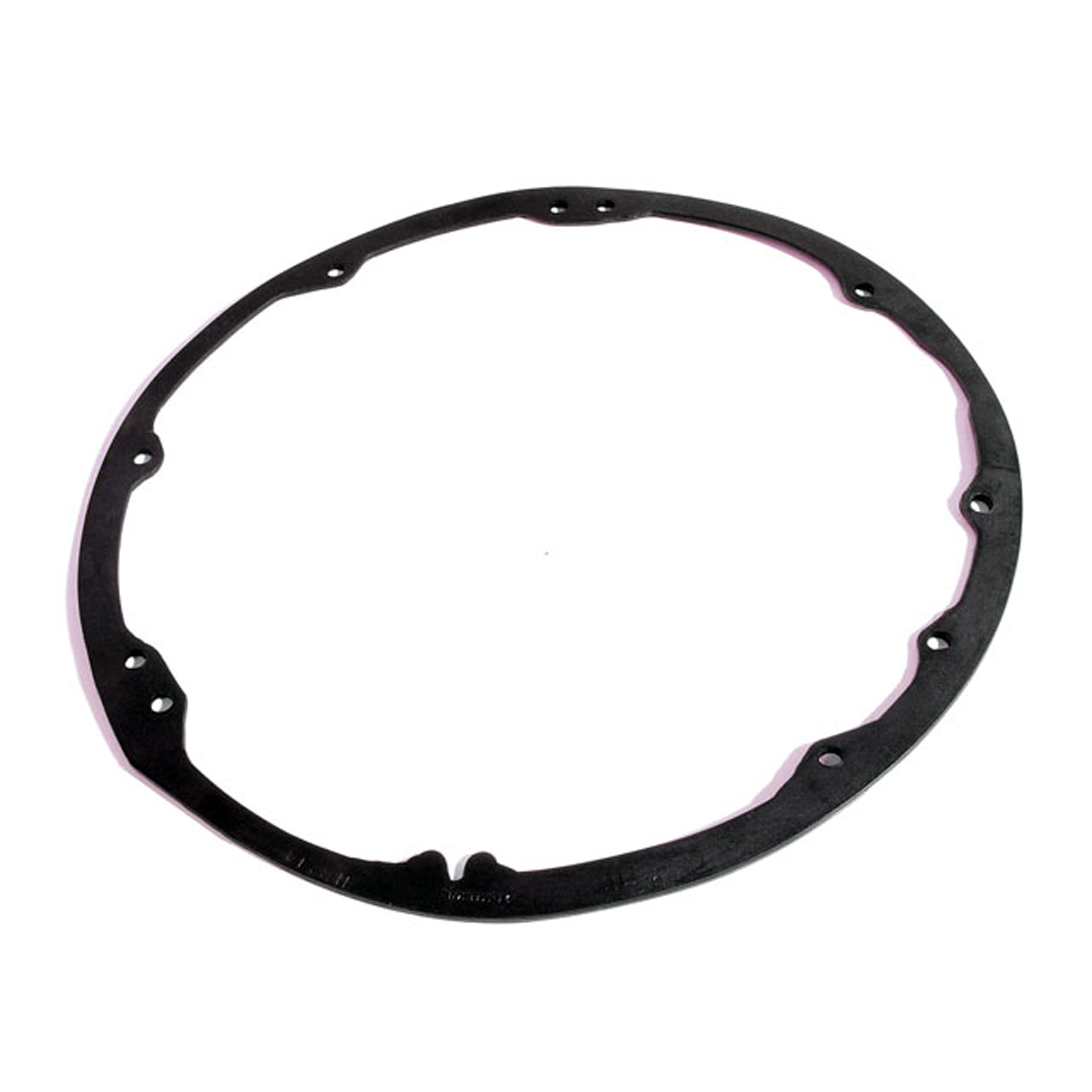 1956 DeSoto Firedome Headlight Ring Seal. 8-3/8" O.D., 7-3/4" I.D. Pair-HR 14Headlight Ring Seal. 8-3/8" O.D., 7-3/4" I.D. Pair
 1956 DeSoto Firedome Door Lock Pad. 1-3/8" O.D. Each-MP 551-CDoor Lock Pad. 1-3/8" O.D. Each
 1956 DeSoto Firedome Rumble Seat Step Plate Pad. Rubber face only. 4-1/4" O.D-SP 17Rumble Seat Step Plate Pad. Rubber face only. 4-1/4" O.D. Each
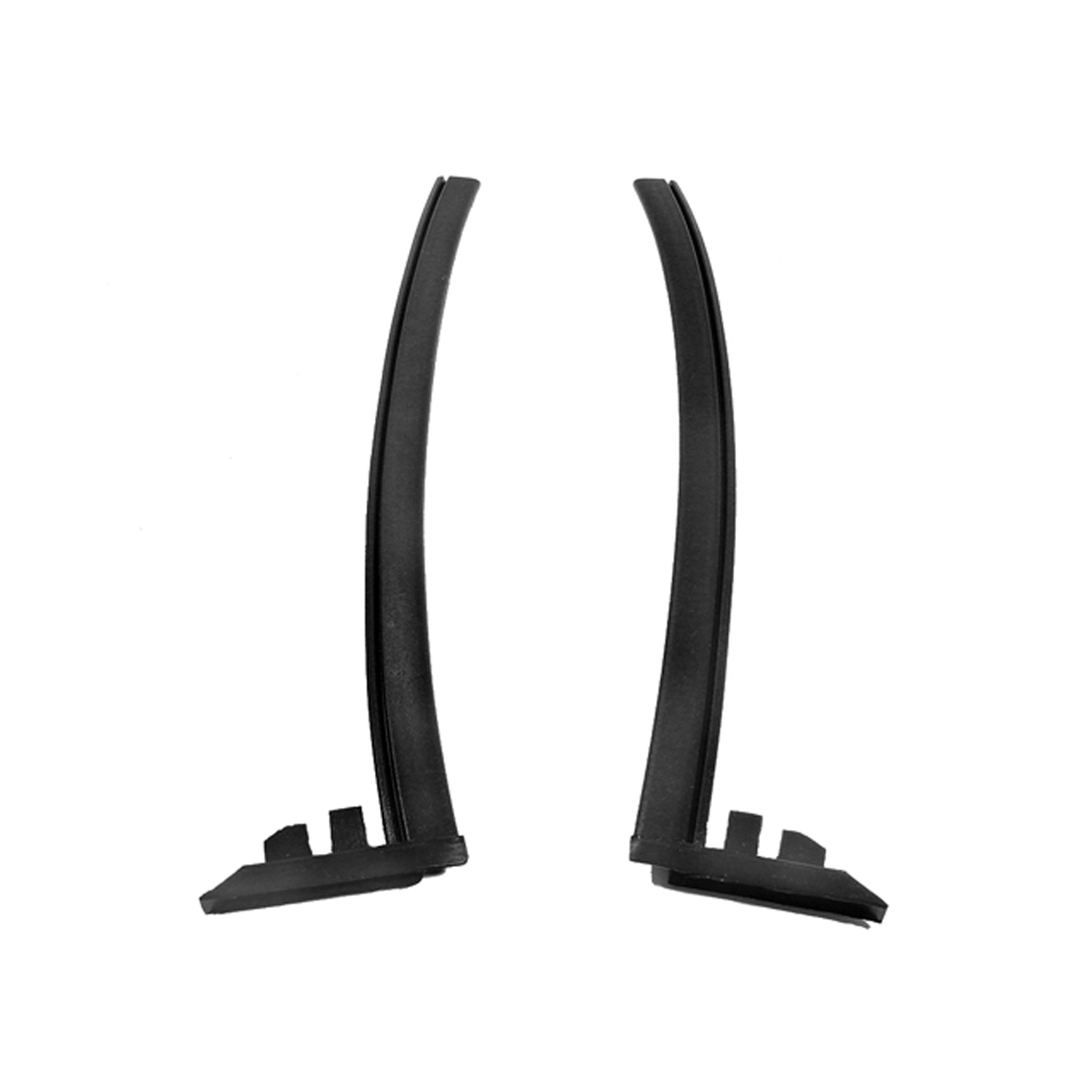 1956 DeSoto Firedome Rear Roll-Up Side Quarter Window Seals (fits some models)-VS 7-BRear Roll-Up Side Quarter Window Seals (fits some models). Pair R&L
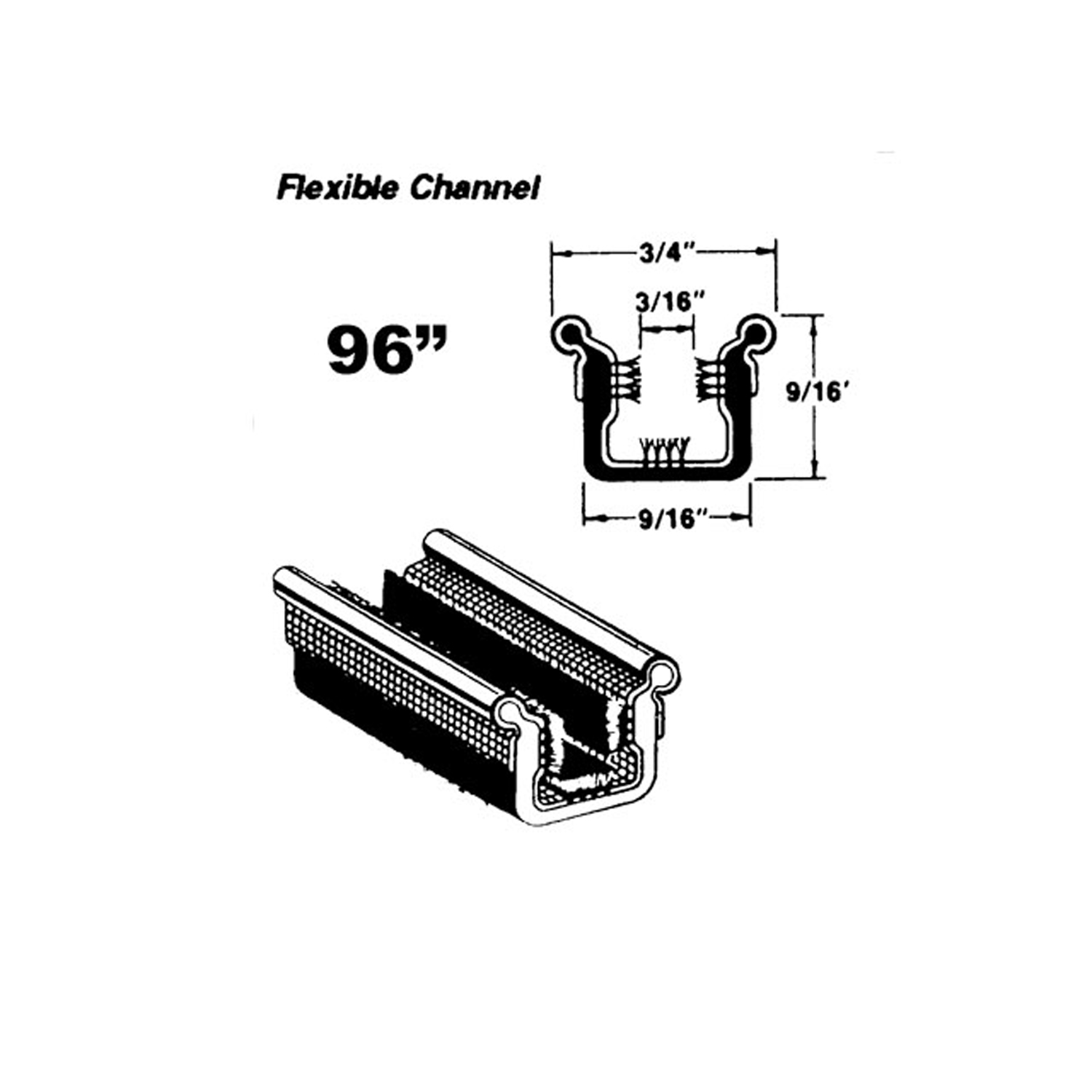 1956 DeSoto Firedome Flexible window channel-WC 10-96Flexible window channel. Rubber covered with mohair lining and stainless steel bead. 96 in. long. Each. NOTE: $20 special shipping charge applies for domestic orders. Call or email for overseas shipping costs. Part can be sectioned in two or three equal lengths to reduce overseas shipping costs.
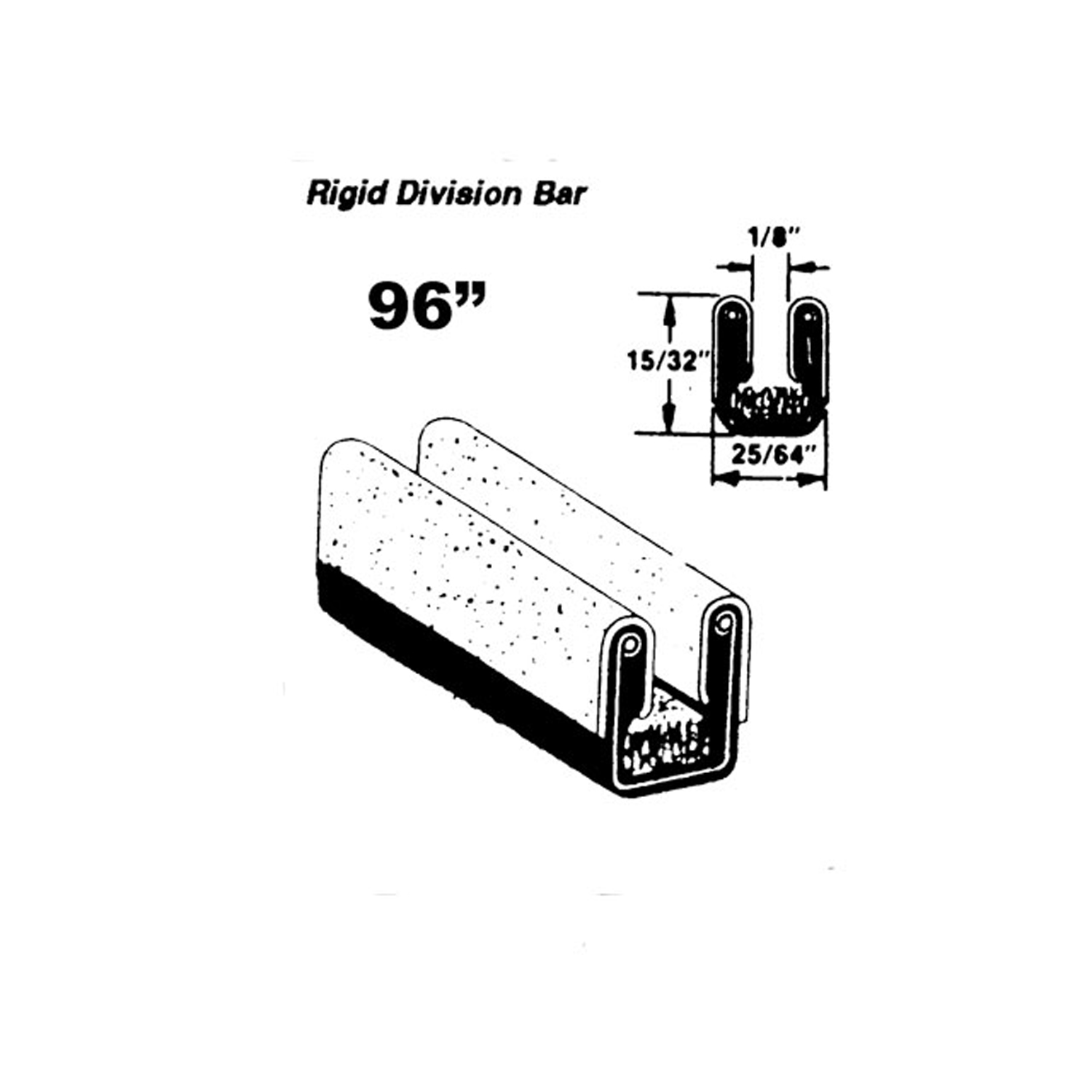 1956 DeSoto Firedome Rigid division-bar run channel-WC 31-96Rigid division-bar run channel. Made with very soft felt lining. Used on front and rear door side windows. 96 in. long. Each. NOTE: $20 special shipping charge applies for domestic orders. Call or email for overseas shipping costs. Part can be sectioned in two or three equal lengths to reduce overseas shipping costs.
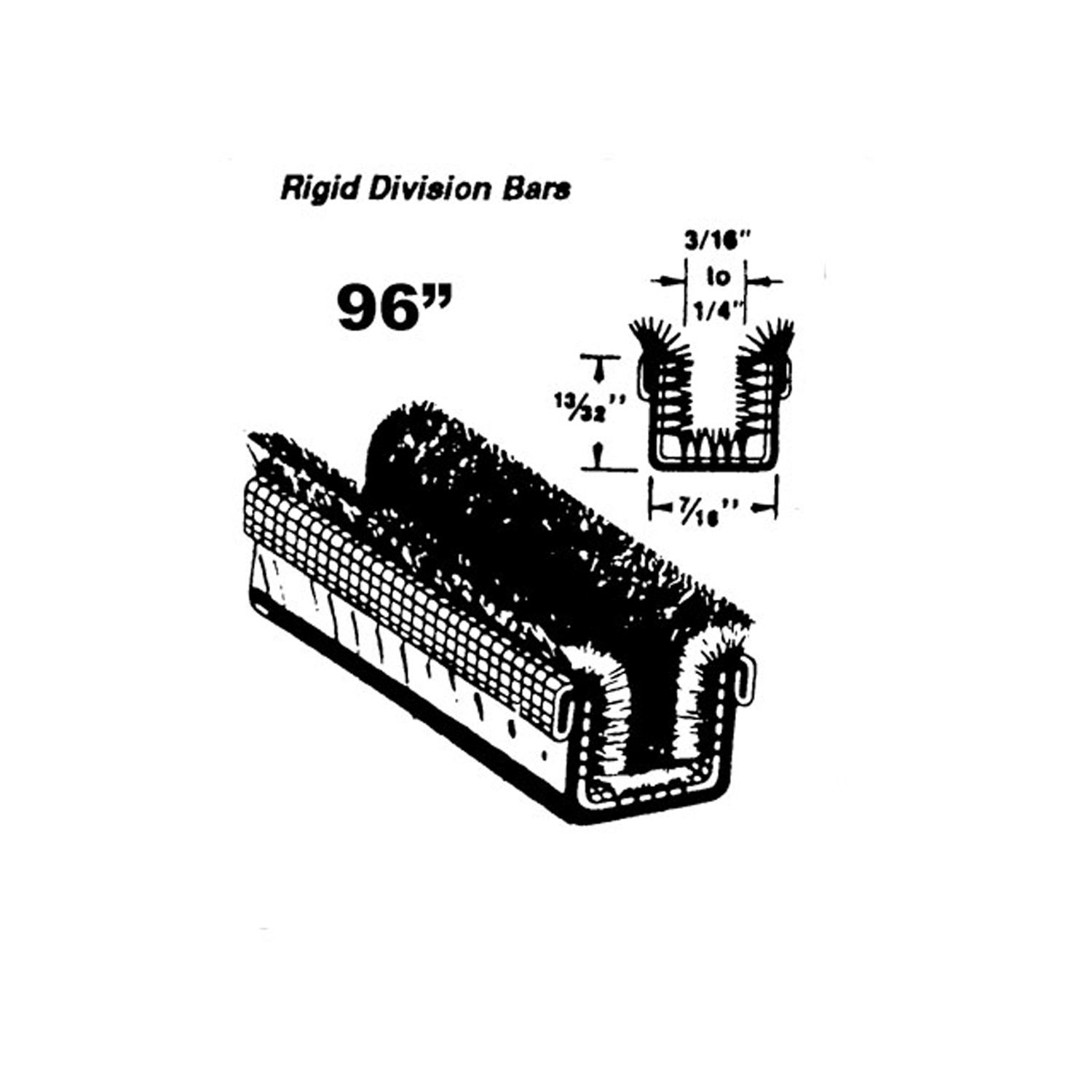 1956 DeSoto Firedome Rigid division-bar channel. Unbeaded. 96 in. long. Each-WC 41-96Rigid division-bar channel. Unbeaded. 96 in. long. Each. NOTE: $20 special shipping charge applies for domestic orders. Call or email for overseas shipping costs. Part can be sectioned in two or three equal lengths to reduce overseas shipping costs.
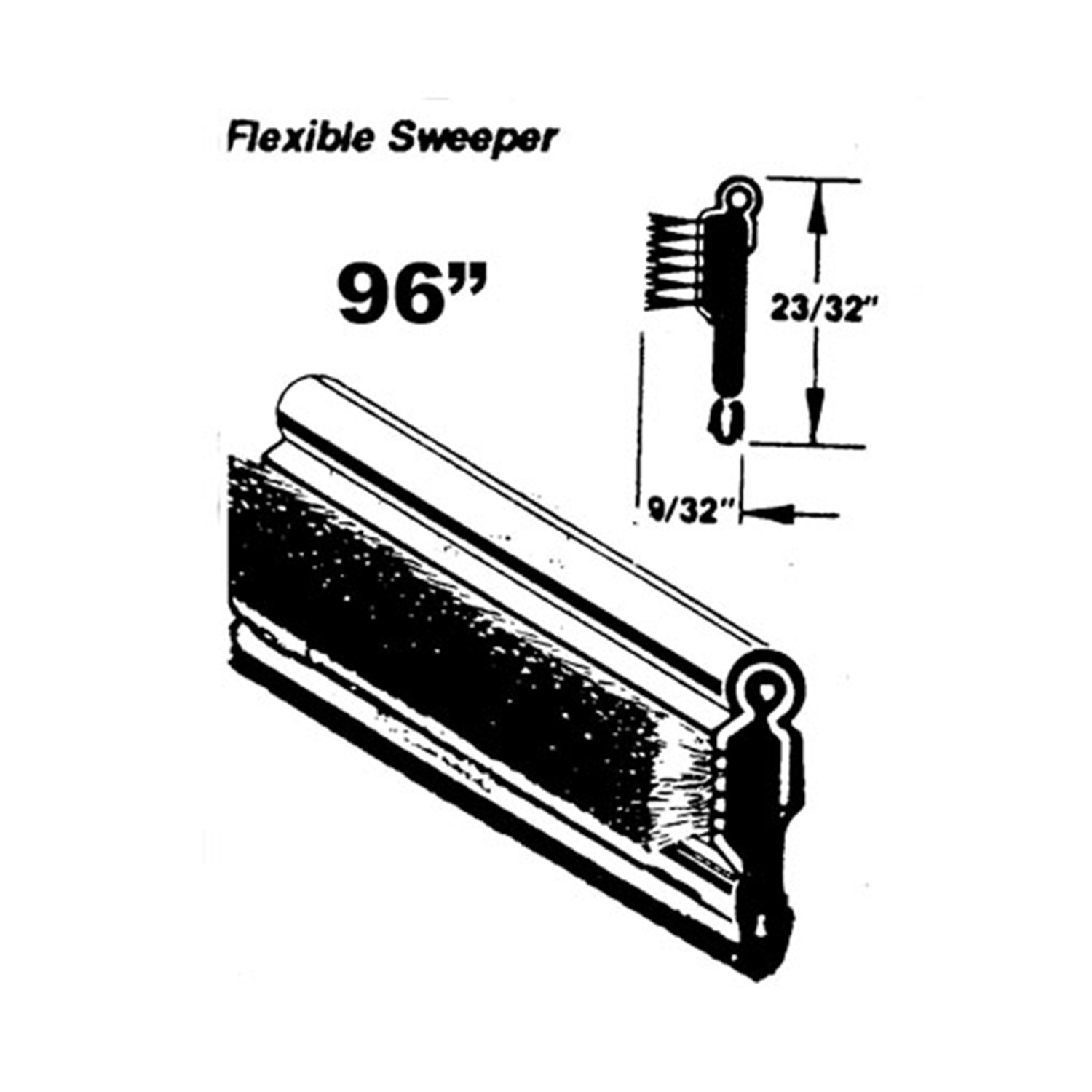 1956 DeSoto Firedome Flexible window sweeper. Made with stainless steel bead-WC 4-96Flexible window sweeper. Made with stainless steel bead. 96 in. long. Each. NOTE: $20 special shipping charge applies for domestic orders. Call or email for overseas shipping costs. Part can be sectioned in two or three equal lengths to reduce overseas shipping costs.
Why Choose Metro?
For over 100 years, Metro Moulded Parts has been the pinnacle of quality in classic car restoration parts. Our commitment to precision and authenticity in every component ensures a perfect fit and an OEM-level appearance.
- Expert Craftsmanship & Quality: Each part is a testament to our dedication to reliability and perfection, crafted from original designs and thoroughly tested.
- Advanced Technology: We use cutting-edge techniques to create flawless, long-lasting parts that surpass others in performance.
- SuperSoft Sponge – The Ultimate Door Seal: Not only are our door seals 30% softer than competitors', but they're also guaranteed to never leak. They effectively reduce wind and road noise, enhancing your classic car's comfort and driving experience.
- Proudly American: Our parts are a product of American craftsmanship, made in the USA with a spirit of excellence and heritage.
- Unrivaled Warranty: We back our products with a 30-year industry-leading warranty, a testament to our confidence in their quality.
Join us in preserving the legacy of classic cars with parts that are crafted for perfection, not just made.