

Image of 1956 Desoto Fireflite, Note: These illustrations use artistic license and may differ from actual historical models.
Performance Metrics
Fundamental Metrics
Emotional Appeal
MMP Rating
| Engine Specifications | |
|---|---|
| Engine: | 330 cu in (5.4 L) Hemi V8 |
| Displacement: | 330 cu in (5.4 L) |
| Horsepower: | 255 hp |
| Torque: | 350 lb-ft |
| Compression Ratio: | 8.5:1 |
| Ignition System: | Conventional points ignition system |
| Cooling System: | Liquid-cooled |
| Performance Specifications | |
| 0-60 Time: | 11 seconds |
| 1/4 Mile Time: | 18 seconds |
| Top Speed: | 110 mph |
| Transmission and Drive | |
| Drive Type: | Rear-wheel drive |
| Transmission Type: | 2-speed PowerFlite automatic |
| Fuel and Efficiency | |
| Fuel System Type: | Carburetor |
| MPG: | 10-12 mpg |
| Dimensions and Brakes | |
| Brakes: | Drum brakes |
| Wheelbase: | 126 inches |
| Weight: | 3,700 lbs |
Note: Specifications for classic cars are given to the best of our ability, considering the limited and variant data available.
1956 DeSoto Fireflite: A Tailfin-Era American Classic
The 1956 DeSoto Fireflite arrived with a bold message: mid-priced motoring did not have to look modest. Built by the DeSoto division of Chrysler Corporation, it paired a powerful V8 with dramatic styling and an interior designed for comfortable, long-distance travel. Today, the Fireflite stands out as a vivid example of the era when American automakers competed through size, color, chrome, and increasingly ambitious design.
DeSoto occupied the space between Chrysler’s Dodge and Chrysler brands, giving buyers a more upscale alternative to a mainstream family car without moving into luxury-car territory. The 1956 Fireflite was part of a fast-changing period for the company. Chrysler design chief Virgil Exner was steering the corporation toward the “Forward Look,” a design philosophy that emphasized longer, lower bodies and rising rear fins. The Fireflite was not yet as dramatically finned as the 1957 models, but it clearly pointed in that direction.
One detail that makes the 1956 car especially interesting is its timing. It represents a bridge between the rounded, chrome-rich styling of the early 1950s and the sharper, lower, more futuristic cars that soon defined the decade. It is a snapshot of DeSoto just before the Forward Look reached full flight.
Forward-Look Styling and Fireflite Trim
The Fireflite’s exterior is all confident proportions. Its long hood and broad body are framed by a prominent grille, generous chrome trim, and sculpted side panels. The rear fenders rise into swept-back fins, giving the car a sense of motion even when parked. A wide, wraparound windshield adds to the open, panoramic look, while bright bumpers and stainless-steel accents underline its upscale position in the DeSoto range.
Buyers could choose from a variety of paint colors, including solid finishes and two-tone combinations. Two-tone paint was especially popular because it emphasized the Fireflite’s long side profile and fin treatment. Color availability varied by body style and production run, but period palettes included combinations of light and dark hues that made the car’s sculpted bodywork stand out. Restorers often favor striking two-tone schemes, though a well-chosen single-color finish can look equally handsome.
Inside, the Fireflite offered a roomy cabin with broad bench seats, generous legroom, and a wide dashboard. Upholstery materials and trim depended on the model and options, with cloth and vinyl combinations common and more luxurious finishes available. Chrome accents, patterned seat fabrics, and a large steering wheel gave the interior a distinctly 1950s character. It was designed for comfortable family use, not a stripped-down sporting experience.
Fireflite buyers could choose among several body styles, including sedans, hardtops, and a convertible. The two-door hardtop, often identified as the Sportsman, is one of the most iconic versions thanks to its pillarless profile and sweeping roofline. The convertible is a particularly eye-catching open-air choice and is generally harder to find today. Exact body-style availability varied across the DeSoto lineup, so buyers should confirm the model and original equipment when researching a specific car.
Technology for a Changing Decade
Under the hood, the Fireflite used a 330-cubic-inch DeSoto Hemi V8. The hemispherical combustion-chamber design helped the engine breathe efficiently and was a signature part of Chrysler Corporation’s performance reputation. Fireflite versions are commonly listed at about 255 horsepower, although published specifications can vary with carburetion and equipment.
Transmission choices included the PowerFlite two-speed automatic, with the three-speed TorqueFlite automatic available on some configurations. Chrysler’s pushbutton controls made the transmission feel modern and helped clear space around the steering column. Power steering, power brakes, power windows, and power seats could also be ordered, depending on the car’s original specification. These conveniences were not standard on every Fireflite, but they helped make the model feel well equipped for its day.
The Fireflite did not introduce one single breakthrough that transformed the industry. Its appeal was the way it brought together V8 power, automatic-transmission convenience, available power accessories, and contemporary styling in a car aimed at a broad middle-market audience.
How the Fireflite Changed the Picture
The 1956 Fireflite matters because it shows how quickly American automotive design was evolving. Automakers were moving away from upright, conservative bodies and toward lower rooflines, expansive glass, and expressive rear styling. DeSoto’s cars helped carry Chrysler’s Forward Look into the market, giving buyers a visually distinctive alternative to similarly sized offerings from Ford, Chevrolet, and Buick.
Compared with many contemporaries, the Fireflite had a strong combination of visual presence and mechanical substance. Its Hemi V8 gave it genuine performance credentials, while its roomy cabin and automatic transmission made it a practical family car. The styling was not subtle, but that was part of the point. In the mid-1950s, a car was expected to make a statement, and the Fireflite did so without stepping up to the price of a full-size luxury model.
Its lasting influence is best understood as part of the broader Chrysler design story. The 1956 car helped prepare the way for the spectacular 1957 styling that became one of the most recognizable expressions of the Forward Look. For collectors, that transitional quality is a major part of its charm.
V8 Performance and the Road Feel
With roughly 255 horsepower from its 330-cubic-inch V8, the Fireflite had strong acceleration for a large family car of the period. Depending on the transmission, condition, gearing, and test method, a 0-to-60-mph time in the neighborhood of 10 to 11 seconds is a reasonable estimate. Top speed is commonly estimated at around 110 to 115 mph, though few owners would have treated sustained high-speed driving as the car’s primary mission.
On the road, the Fireflite feels substantial. The V8 delivers a deep, smooth growl, and the automatic transmission encourages relaxed cruising rather than constant gear changes. Power steering, when fitted, makes low-speed maneuvering easier, while the car’s long wheelbase helps it settle into a steady highway rhythm.
Its size is noticeable on narrow, winding roads. The Fireflite is not a modern sport sedan, and quick direction changes ask more of the driver than they would in a smaller car. Over ordinary bumps, the suspension provides the soft, floating ride many buyers expected from a 1950s American cruiser. Body roll and period-correct braking distances are reminders to leave plenty of room and drive with a smooth hand.
The experience is part of the appeal: a broad bench seat, a large steering wheel, the reassuring push of the V8, and a long hood stretching ahead. A healthy Fireflite is best enjoyed on scenic roads and open highways, where its relaxed character and bold design can be appreciated.
Owning and Maintaining a 1956 Fireflite
Most Fireflites today are collector cars, weekend cruisers, or show vehicles rather than everyday transportation. A carefully maintained example can still be driven regularly, but its age means that condition matters far more than the odometer reading. A car that has been stored poorly or restored without attention to detail can need extensive work before it is safe and dependable on the road.
The basic mechanical layout is approachable for an experienced home mechanic. Routine service on the V8, ignition, brakes, and suspension is familiar to specialists who work on Chrysler products of the period. Some parts are available through classic-car suppliers and owner networks, but trim pieces, correct interior materials, and model-specific body components can be more difficult to source. The TorqueFlite and PowerFlite automatics should be assessed by someone familiar with vintage Chrysler transmissions.
Before buying, inspect the frame and body carefully for corrosion, especially around floors, lower body panels, trunk areas, and structural mounting points. Check that the engine has good oil pressure and cooling, and confirm that the transmission shifts correctly. Electrical accessories can add to the enjoyment, but power windows, seats, and other options also introduce more components to diagnose.
Fireflite Facts and Common Criticisms
The 330-cubic-inch Hemi is a memorable piece of the Fireflite story. “Hemi” refers to the shape of the combustion chambers, which helped make the engine a standout in Chrysler’s performance-minded V8 family. It is not the same engine as the larger and more famous Chrysler 300 powerplants, but it gives the Fireflite a strong mechanical identity of its own.
There is no widely recognized production-car speed record associated with the 1956 Fireflite. Its significance is more closely tied to design, comfort, and the evolution of DeSoto’s place in the Chrysler lineup. Nor is there a single celebrity-owner story that defines the model. Individual cars may have notable histories, but claims about a specific car’s provenance should be supported by documentation.
Common criticisms are familiar to owners of large 1950s cars: fuel economy is modest, parking takes practice, and replacement parts for distinctive trim can be costly or time-consuming to locate. The brakes, steering, and handling also require a different rhythm from a modern car. Those drawbacks are balanced by the Fireflite’s road presence, roomy cabin, and distinctive V8 character.
Collector Values and Availability
Historical production totals vary by source and by the way body styles are grouped. A reasonable estimate is that roughly 55,000 to 60,000 Fireflites were built for 1956, out of total DeSoto production near 110,000 cars. That makes the model far from a one-off rarity when new, but surviving examples are much less common today, particularly in sound, original condition.
As a broad 2026 market estimate, a project car may sell for around $8,000 to $18,000, while a usable driver often falls between $18,000 and $35,000. Clean, well-restored hardtops and sedans can bring approximately $35,000 to $60,000, with exceptional examples sometimes exceeding that range. Convertibles generally command a premium and can reach roughly $60,000 to $100,000 or more when highly original or expertly restored. Actual prices depend heavily on condition, provenance, originality, location, and the quality of the restoration.
Values have generally favored the best-presented cars rather than rising evenly across the whole model range. The Fireflite has a dedicated enthusiast following, but it is less universally sought after than certain high-profile muscle cars or luxury convertibles. That keeps it comparatively accessible, while rare body styles and excellent examples remain the most likely to attract competitive bidding.
Why the 1956 DeSoto Fireflite Still Turns Heads
The 1956 DeSoto Fireflite brings together a Hemi V8, comfortable road manners, useful period technology, and styling that captures the optimism of mid-century America. It is a significant transitional car: confident in its own right, yet pointing toward the dramatic Forward Look designs that followed.
For collectors, it offers a distinctive alternative to more familiar classics. For drivers, it delivers the sounds, scale, and relaxed pace of a genuine 1950s cruiser. The Fireflite is more than a finned old DeSoto. It is a rolling reminder of a moment when American automakers believed the future should be bigger, brighter, and impossible to miss.
1956 Desoto Fireflite Catalog of Parts
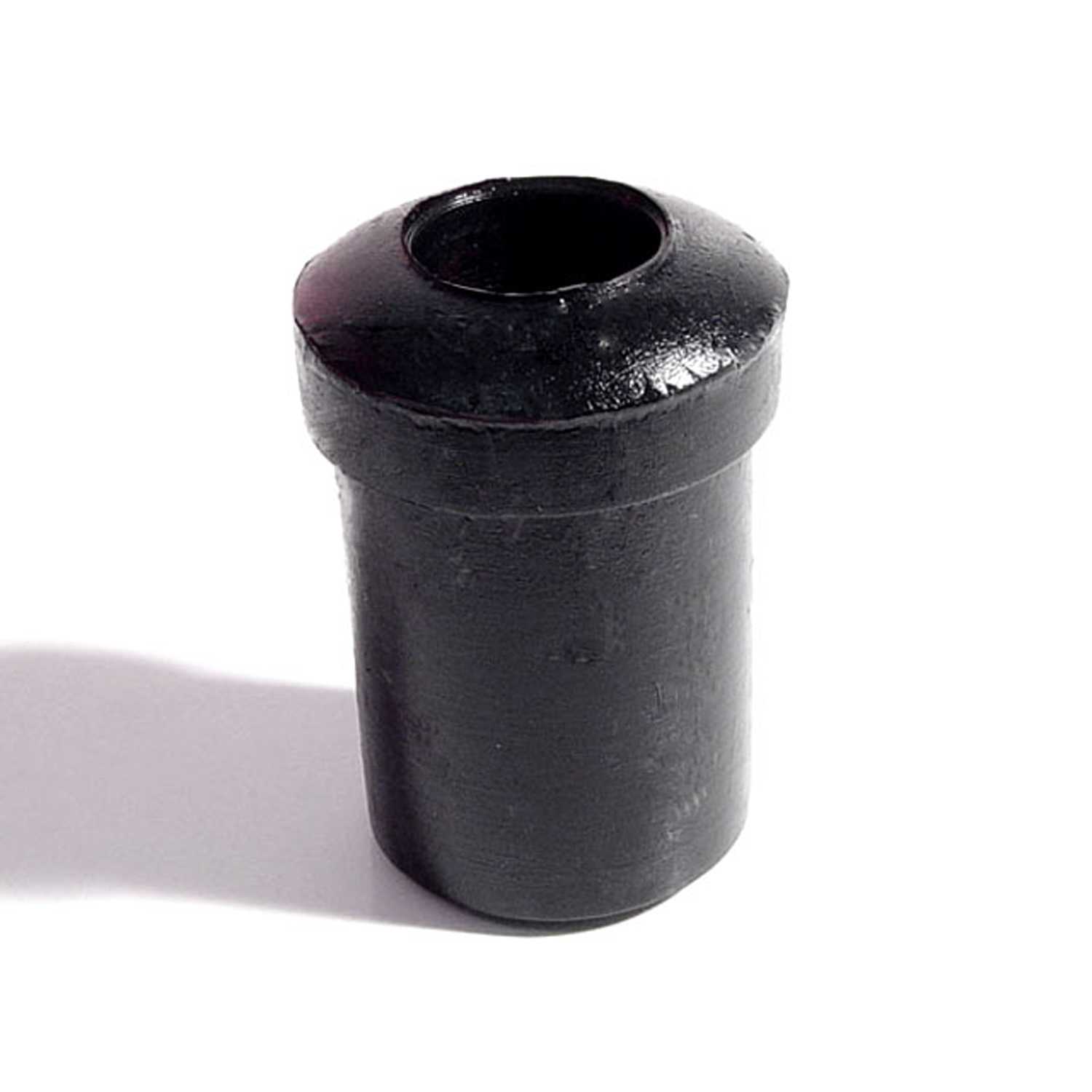 1956 DeSoto Fireflite Spring and Shackle Bushing. 1" bottom O.D-BN 20Spring and Shackle Bushing. 1" bottom O.D. X 1-5/8" high, with 9/16" I.D. Each
 1956 DeSoto Fireflite Shock Absorber Grommet. 1-3/8" bottom O.D-BN 7Shock Absorber Grommet. 1-3/8" bottom O.D., 1-3/4" high, with 5/8" I.D. Each
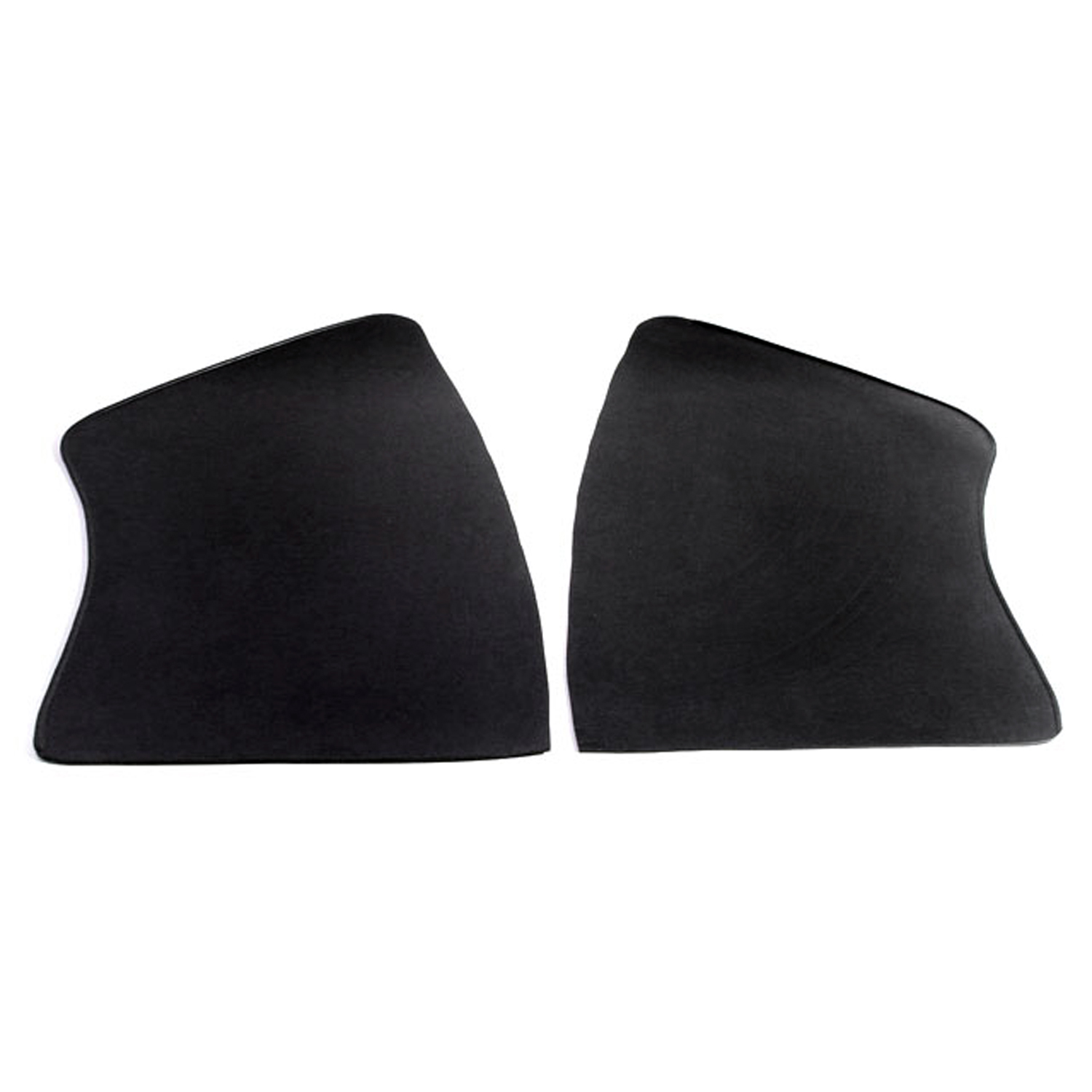 1956 DeSoto Fireflite Gravel Shields. Molded flat without metal backing plates-FS 31Gravel Shields. Molded flat without metal backing plates. Apply with contact cement. 18" long X 9-3/4" wide at bottom. Pair
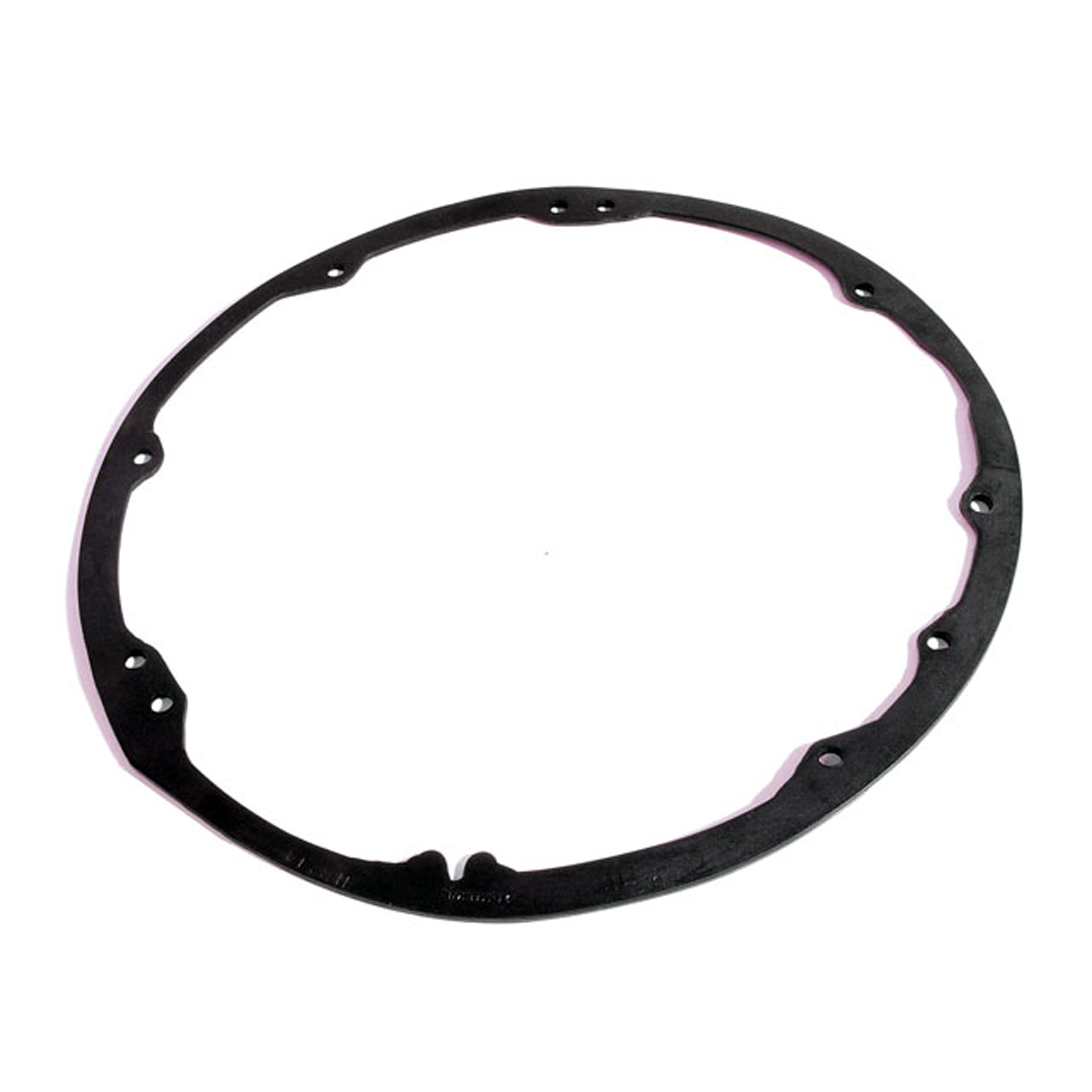 1956 DeSoto Fireflite Headlight Ring Seal. 8-3/8" O.D., 7-3/4" I.D. Pair-HR 14Headlight Ring Seal. 8-3/8" O.D., 7-3/4" I.D. Pair
 1956 DeSoto Fireflite Door Lock Pad. 1-3/8" O.D. Each-MP 551-CDoor Lock Pad. 1-3/8" O.D. Each
 1956 DeSoto Fireflite Rumble Seat Step Plate Pad. Rubber face only. 4-1/4" O.D-SP 17Rumble Seat Step Plate Pad. Rubber face only. 4-1/4" O.D. Each
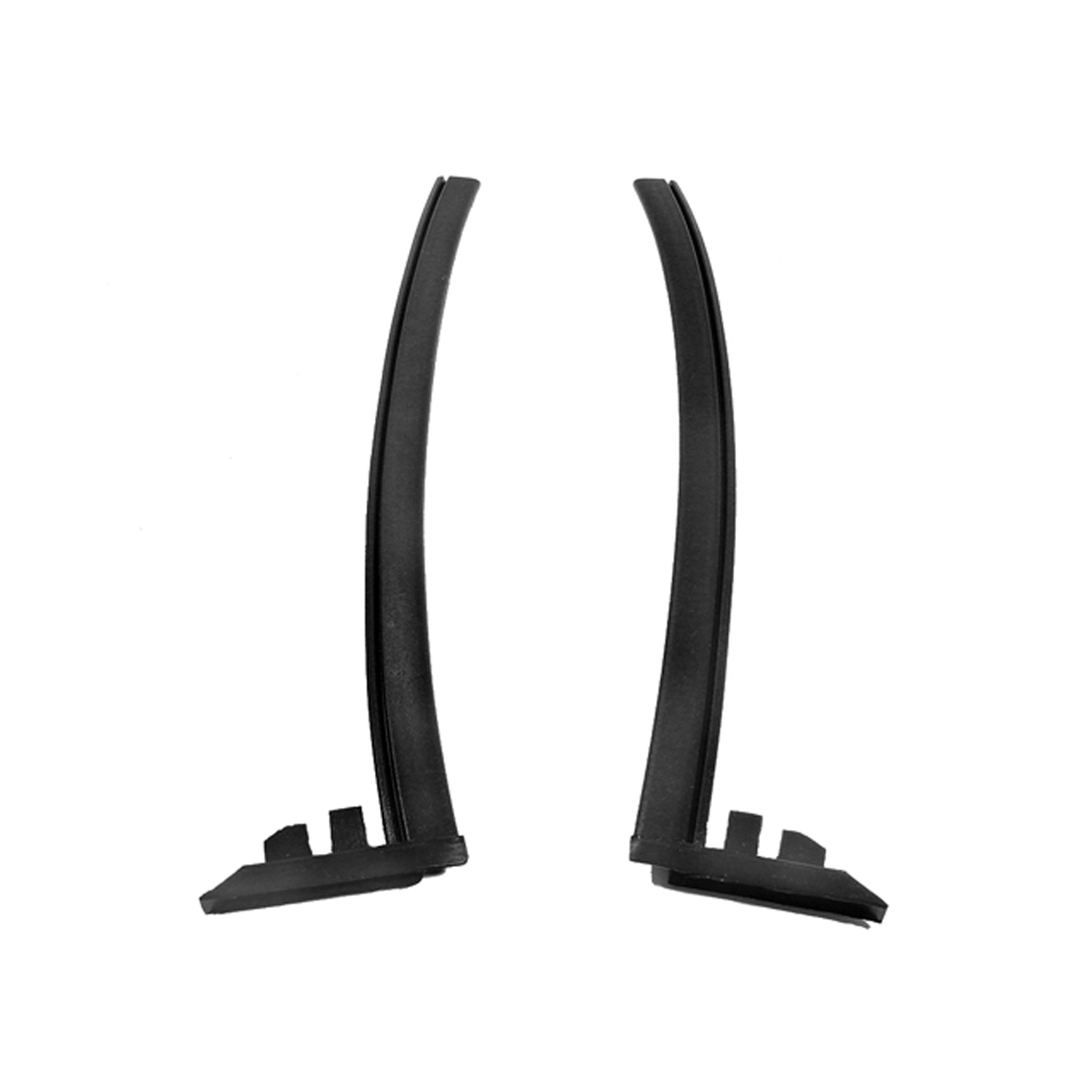 1956 DeSoto Fireflite Rear Roll-Up Side Quarter Window Seals (fits some models)-VS 7-BRear Roll-Up Side Quarter Window Seals (fits some models). Pair R&L
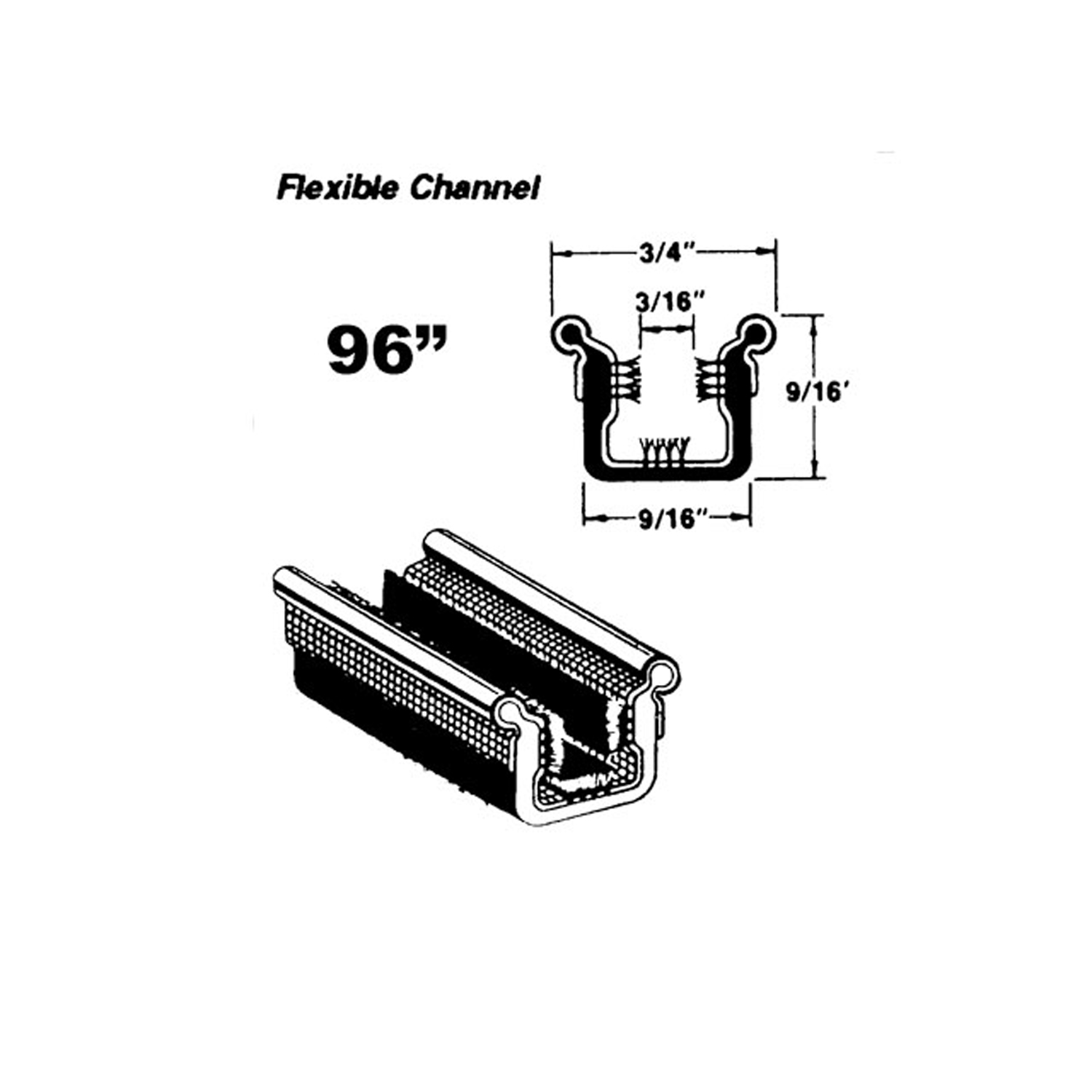 1956 DeSoto Fireflite Flexible window channel-WC 10-96Flexible window channel. Rubber covered with mohair lining and stainless steel bead. 96 in. long. Each. NOTE: $20 special shipping charge applies for domestic orders. Call or email for overseas shipping costs. Part can be sectioned in two or three equal lengths to reduce overseas shipping costs.
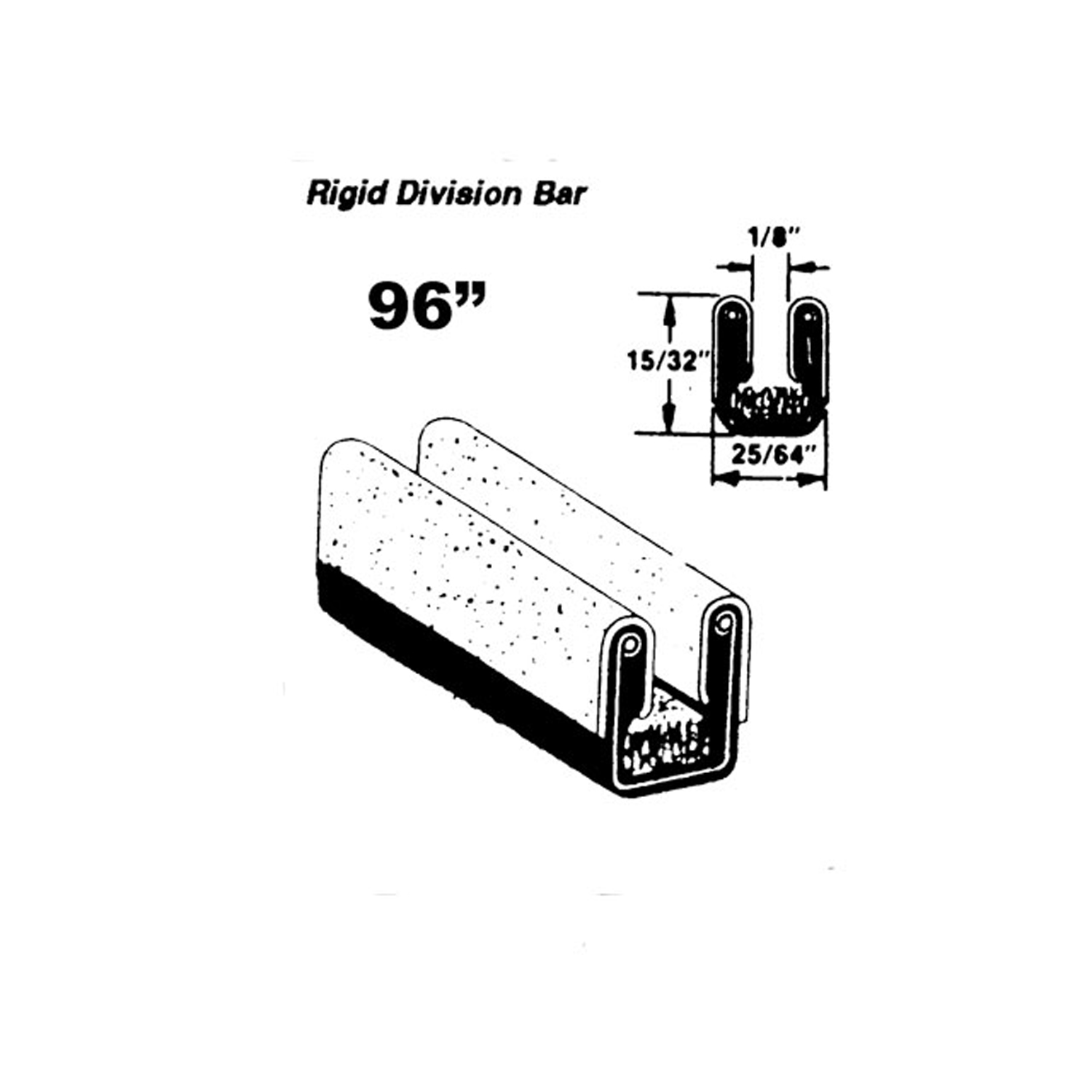 1956 DeSoto Fireflite Rigid division-bar run channel-WC 31-96Rigid division-bar run channel. Made with very soft felt lining. Used on front and rear door side windows. 96 in. long. Each. NOTE: $20 special shipping charge applies for domestic orders. Call or email for overseas shipping costs. Part can be sectioned in two or three equal lengths to reduce overseas shipping costs.
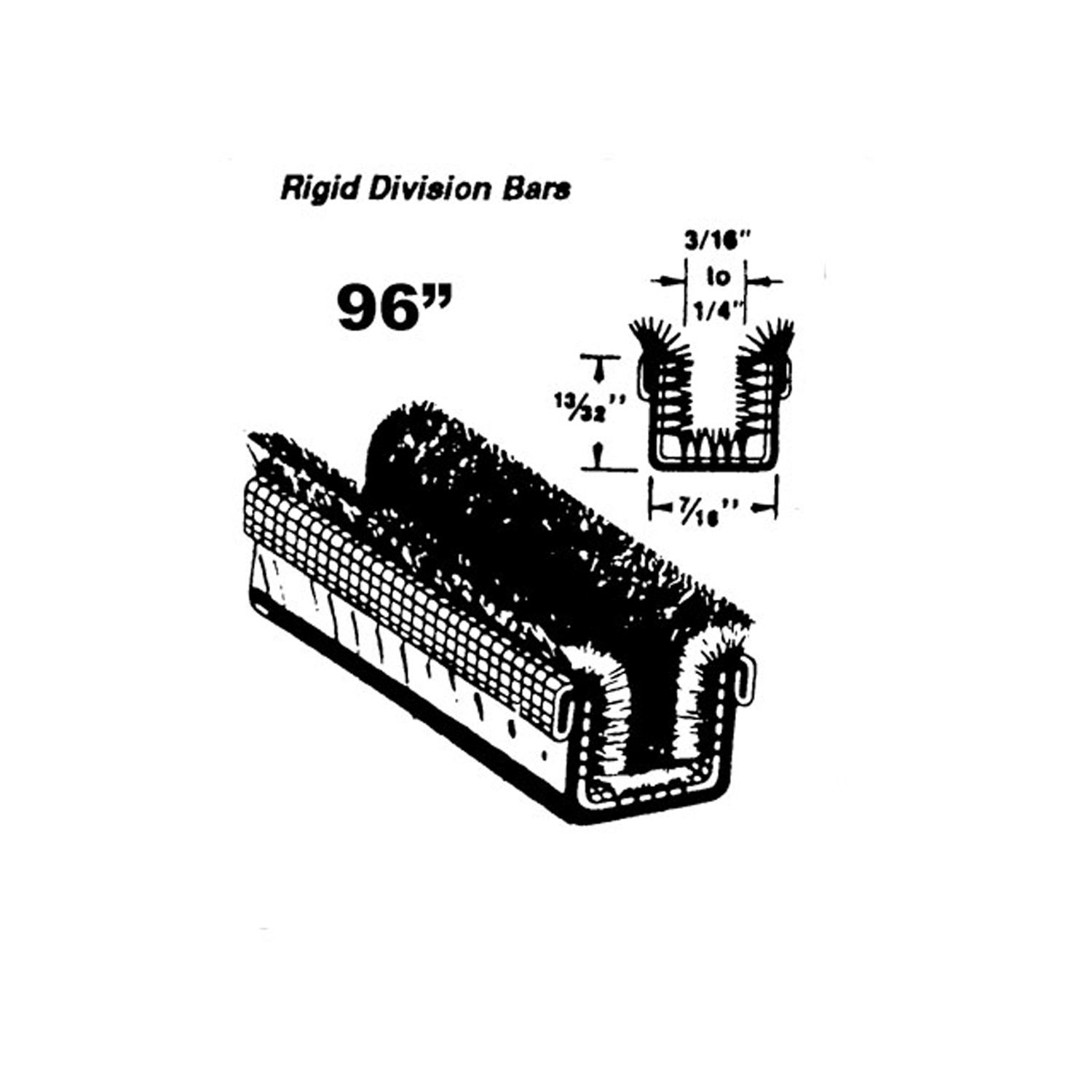 1956 DeSoto Fireflite Rigid division-bar channel. Unbeaded. 96 in. long. Each-WC 41-96Rigid division-bar channel. Unbeaded. 96 in. long. Each. NOTE: $20 special shipping charge applies for domestic orders. Call or email for overseas shipping costs. Part can be sectioned in two or three equal lengths to reduce overseas shipping costs.
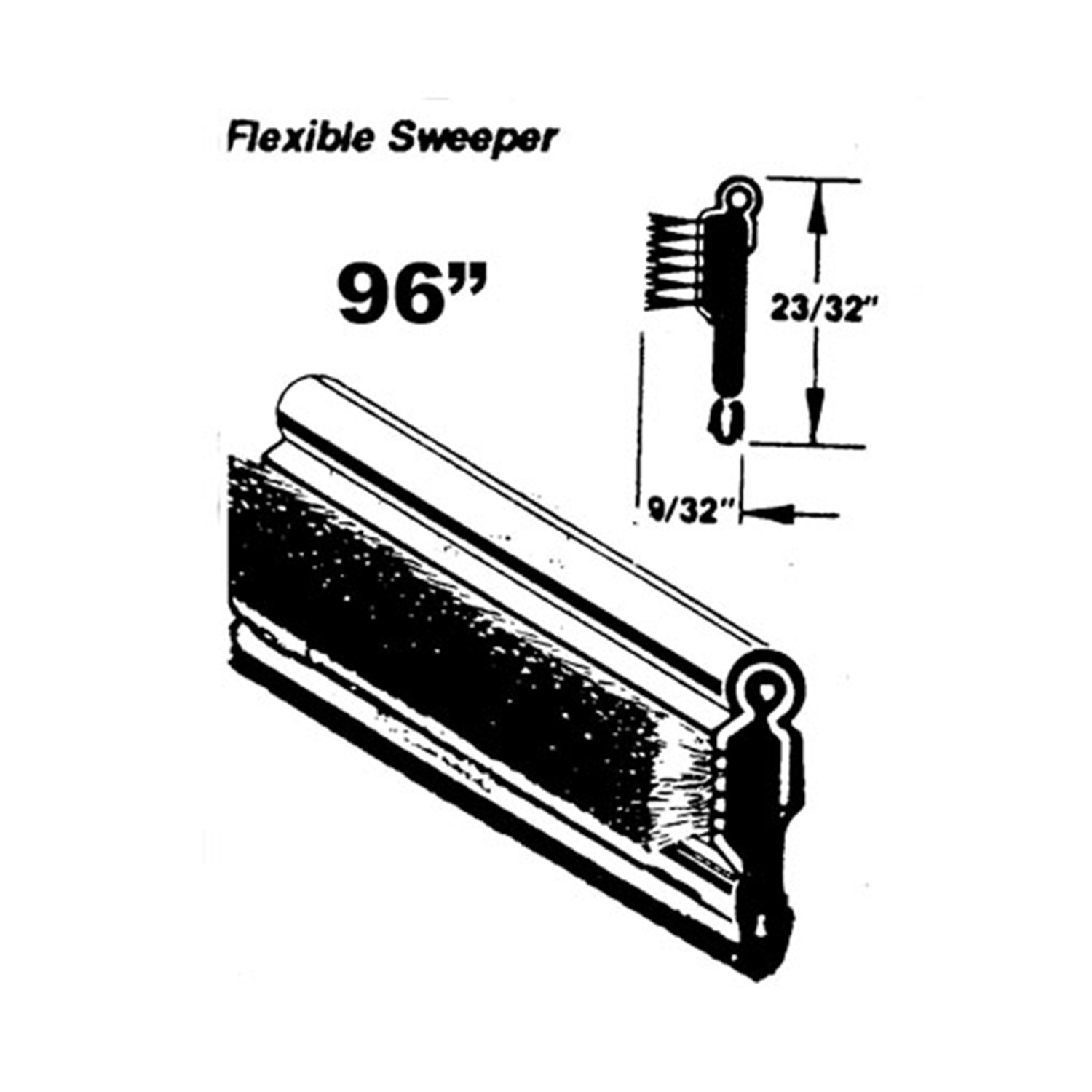 1956 DeSoto Fireflite Flexible window sweeper. Made with stainless steel bead-WC 4-96Flexible window sweeper. Made with stainless steel bead. 96 in. long. Each. NOTE: $20 special shipping charge applies for domestic orders. Call or email for overseas shipping costs. Part can be sectioned in two or three equal lengths to reduce overseas shipping costs.
Why Choose Metro?
For over 100 years, Metro Moulded Parts has been the pinnacle of quality in classic car restoration parts. Our commitment to precision and authenticity in every component ensures a perfect fit and an OEM-level appearance.
- Expert Craftsmanship & Quality: Each part is a testament to our dedication to reliability and perfection, crafted from original designs and thoroughly tested.
- Advanced Technology: We use cutting-edge techniques to create flawless, long-lasting parts that surpass others in performance.
- SuperSoft Sponge – The Ultimate Door Seal: Not only are our door seals 30% softer than competitors', but they're also guaranteed to never leak. They effectively reduce wind and road noise, enhancing your classic car's comfort and driving experience.
- Proudly American: Our parts are a product of American craftsmanship, made in the USA with a spirit of excellence and heritage.
- Unrivaled Warranty: We back our products with a 30-year industry-leading warranty, a testament to our confidence in their quality.
Join us in preserving the legacy of classic cars with parts that are crafted for perfection, not just made.