

Image of 1957 Desoto Firedome, Note: These illustrations use artistic license and may differ from actual historical models.
Performance Metrics
Fundamental Metrics
Emotional Appeal
MMP Rating
| Engine Specifications | |
|---|---|
| Engine: | 341 cu in (5.6 L) Hemi V8 |
| Displacement: | 341 cu in (5.6 L) |
| Horsepower: | 270-295 hp |
| Torque: | 375 lb-ft |
| Compression Ratio: | 9.25:1 |
| Ignition System: | Conventional points ignition system |
| Cooling System: | Liquid-cooled |
| Performance Specifications | |
| 0-60 Time: | 10-12 seconds |
| 1/4 Mile Time: | 17-19 seconds |
| Top Speed: | 120 mph |
| Transmission and Drive | |
| Drive Type: | Rear-wheel drive |
| Transmission Type: | 3-speed TorqueFlite automatic transmission |
| Fuel and Efficiency | |
| Fuel System Type: | Carburetor |
| MPG: | 10-12 mpg |
| Dimensions and Brakes | |
| Brakes: | Drum brakes |
| Wheelbase: | 126 inches |
| Weight: | 3,700-3,900 lbs |
Note: Specifications for classic cars are given to the best of our ability, considering the limited and variant data available.
1957 DeSoto Firedome: The Forward Look in Full Flight
The 1957 DeSoto Firedome looks as if it is gathering speed even while parked. Its rising tailfins, glittering trim, and broad, low stance capture one of the boldest moments in American car design. Built by the DeSoto division of Chrysler Corporation, the Firedome sat in the middle of DeSoto’s 1957 lineup, between the lower-priced Firesweep and the better-equipped Fireflite.
DeSoto had been created in 1928 to fill the gap between Chrysler and its more affordable Plymouth brand. By the late 1950s, it was competing in a fiercely stylish market where buyers expected fresh designs, powerful V8 engines, and an ever-growing list of comfort features. The 1957 Firedome delivered all three. It also arrived at the peak of Chrysler designer Virgil Exner’s “Forward Look” era, when the company’s cars seemed lower, longer, and more dramatic than their predecessors.
There is a sharp historical contrast behind all that optimism: 1957 was a high point for DeSoto, but the brand’s fortunes soon declined. A recession, changing buyer tastes, and quality-control complaints helped push DeSoto toward its eventual discontinuation in 1961. The Firedome is therefore more than a flamboyant fifties car. It represents a brief moment when DeSoto was still a major player and Chrysler was willing to make a very bold visual statement.
Tailfins, Chrome, and Forward Look Styling
The Firedome’s exterior is unmistakably 1957. Its body sits low over the road, with a long hood, a wide grille, and swept-back front fenders that flow into tall rear fins. The fins are not merely small decorative points. They rise decisively from the rear quarters, ending in prominent taillights that make the car easy to recognize from behind. Bright side trim emphasizes the body’s length, while the front end pairs a substantial grille with sculpted bumpers and distinctive headlamp treatment.
That dramatic shape was part of the wider Forward Look design language shared across Chrysler’s brands, but the Firedome had its own character. It looked more upscale and imposing than a basic family sedan, without reaching for the full luxury presentation of the top Fireflite models. In period traffic, the combination of height, chrome, and long bodywork made it hard to mistake for anything else.
Inside, the Firedome carried the era’s generous approach to space. A broad dashboard, large steering wheel, bench seating, and expansive glass gave the cabin an open feel. Upholstery varied by body style and trim, with cloth and vinyl combinations commonly used. The materials and finish could be upgraded with richer fabrics and more elaborate trim, while two-tone interior schemes echoed the paint outside. Today, surviving examples vary considerably in comfort and finish because upholstery, dashboards, and brightwork are often replaced during restoration.
Buyers could choose from a wide range of solid and two-tone finishes, with bright combinations particularly suited to the Firedome’s sculpted sides. Cream, white, red, turquoise, and metallic shades were among the period favorites, though exact paint choices depended on the factory color chart and model configuration. Two-tone paint remains a popular choice among restorers because it makes the car’s long sweep of side trim and rising fins stand out.
Firedome Body Styles and Equipment
The Firedome was offered in several passenger-car body styles, including two- and four-door sedans and hardtops. The two-door hardtop, generally identified by the Sportsman name, is especially appealing to collectors: it combines the open, pillarless look prized in the 1950s with the Firedome’s dramatic roofline. Availability and model naming could vary across the DeSoto range, so buyers researching a particular car should verify its body style against factory records and identification tags.
Equipment ranged from straightforward to lavish. Depending on specification, a Firedome could be ordered with power steering, power brakes, power windows, a power seat, air conditioning, and a radio. Chrysler’s dashboard-mounted push-button controls operated the automatic transmission, a feature that looks unusual today but was a signature part of the period’s futuristic cabin design. Not every Firedome left the factory with every convenience, so two cars of the same body style can have noticeably different equipment.
341 Hemi Power and 1957 Technology
The Firedome’s defining mechanical feature was its 341-cubic-inch V8 with hemispherical combustion chambers, commonly called a Hemi. Period specifications generally list the standard engine at about 270 horsepower, with output varying by carburetion, exhaust, and equipment. The engine’s broad torque suited the Firedome’s substantial weight and made it feel strong in ordinary driving, not just when the accelerator was pressed to the floor.
Automatic transmission choices included Chrysler’s two-speed PowerFlite and three-speed TorqueFlite, depending on equipment and configuration. The push-button selector made shifting feel like a futuristic ritual: select a range on the dashboard, then let the transmission do its work. Power steering and power brakes were available to make a large car easier to maneuver, especially in parking lots and slow-moving traffic.
One of the most important engineering changes for 1957 was Chrysler’s torsion-bar front suspension, marketed as Torsion-Aire. Instead of relying on conventional coil springs at the front, torsion bars helped control wheel movement and contributed to the car’s low stance and composed ride. The Firedome retained rear leaf springs. The result was a full-size car that felt more modern beneath its flamboyant body than its appearance alone might suggest.
How the Firedome Drives
Performance figures depend on engine specification, transmission, axle ratio, vehicle condition, and testing method. A sound 341-powered Firedome can be expected to reach roughly 105 to 115 mph, with a 0-to-60-mph time in the neighborhood of 9 to 11 seconds. Treat those numbers as period-car estimates rather than guarantees for an individual example. A worn carburetor, tired ignition system, or decades-old transmission can make a major difference.
On the road, the Firedome feels like a large American V8 cruiser. The engine makes a deep, relaxed rumble at idle and a fuller growl under acceleration. It has enough low- and mid-range pull to move the car confidently, while the automatic transmission encourages smooth, unhurried progress. Drivers accustomed to modern cars will notice the broad hood, large turning circle, soft brake response, and considerable body size.
The torsion-bar front suspension helps the car feel settled over ordinary road imperfections, although the soft, heavy-bodied ride is not the same as modern precision handling. Broken pavement is generally absorbed in a comfortable, floating manner. On winding roads, the Firedome rewards measured steering inputs rather than quick changes of direction. Crosswinds can be felt through the large body, and the tall rear fins add visual drama more than any practical benefit. This is a car for enjoying the road, the sound of its V8, and the view over that long hood, not for chasing a modern sports sedan through corners.
Historical Impact and DeSoto’s Turning Point
The 1957 Firedome’s significance lies in how it joined advanced engineering to high-impact styling. Its fins and low roofline expressed the era’s fascination with speed and the space age, while its torsion-bar suspension and available three-speed automatic showed Chrysler developing technology beyond surface decoration. The Firedome was not the only car of the period with tailfins or a powerful V8, but it was a particularly vivid example of how quickly American automotive design was changing.
DeSoto’s total sales were strong in 1957 compared with the difficult years that followed, but the brand’s position was becoming vulnerable. Competition within Chrysler’s own divisions, pressure from rival manufacturers, and the costs of frequent styling changes all presented challenges. The 1957 model year is often remembered as a high-water mark for DeSoto’s visual ambition. The Firedome’s lasting influence is less about a single feature copied by every later car and more about its place in the Forward Look: an emblem of the period when American manufacturers treated dramatic design as a central part of a new car’s appeal.
Living With a 1957 Firedome
Today, most Firedomes are weekend cruisers, show cars, or restoration projects rather than daily transportation. Their size, fuel consumption, drum-brake technology, and age make them less convenient than a modern car. A well-sorted example can still handle local outings and highway trips, but regular use calls for careful maintenance and sensible expectations.
The 341 V8 is mechanically approachable for an experienced hobbyist, and many routine service tasks follow familiar principles: ignition tune-ups, carburetor work, cooling-system maintenance, and brake servicing. The challenge is often sourcing correct parts, especially trim, interior components, glass, and model-specific pieces. The push-button transmission controls and torsion-bar suspension are not mysteries, but owners should use a shop or reference material familiar with Chrysler products of this era when specialized adjustment or repair is needed.
Before buying, inspect the frame and body carefully for rust, especially around floors, rocker panels, lower body sections, and structural mounting points. Check that the engine cools properly, the transmission shifts cleanly, and the brakes stop the car evenly. Electrical systems and decades of prior repairs deserve close attention too. A complete, running car is often a better starting point than a cheaper project missing rare trim and interior parts.
Firedome Facts and Common Criticisms
The Firedome’s 341-cubic-inch engine belongs to Chrysler’s Hemi family, a name that later became famous in performance-car culture. The 1957 Firedome itself was not a dedicated racing model, though its V8 gave it genuine performance for a full-size car. DeSoto did not set a widely recognized production-car speed or endurance record with the Firedome, so claims of a special record-holder should be treated cautiously.
There is no single celebrity ownership story that defines the 1957 Firedome’s history. Its stronger claim to fame is as part of DeSoto’s peak Forward Look period and as one of the brand’s most visually assertive postwar models. The car’s dramatic fins and bold trim remain conversation starters at shows, while its push-button automatic is a favorite detail for first-time passengers.
Common criticisms are practical ones: high fuel consumption, heavy steering and braking when power assistance is absent, large dimensions, and the difficulty of finding certain restoration parts. The 1957 model year also belongs to a period when rapidly changing designs and production pressures raised concerns about build quality across the industry. Condition matters enormously today. A carefully restored Firedome can be a rewarding classic, while a neglected one may require extensive body, mechanical, and electrical work.
Collector Value and Availability
Exact production totals for individual Firedome body styles can be difficult to pin down, and published figures may differ. A reasonable working estimate is roughly 50,000 to 60,000 Firedome models produced for 1957 across the range of body styles. That makes the Firedome much less common today than mass-market Chevrolet and Ford models from the same year, although it is not necessarily rare in every configuration. Hardtops, convertibles, and cars with desirable original equipment tend to attract more attention than ordinary sedans.
As a broad 2026 market estimate in the United States, a project car might sell for about $8,000 to $18,000, depending on completeness and rust. A usable driver could fall around $20,000 to $40,000, while a high-quality restoration may bring roughly $45,000 to $75,000. Exceptional examples, especially scarce body styles or unusually well-documented cars, can exceed that range. These are general estimates, not appraisals: originality, restoration quality, location, and recent auction activity can move the price substantially.
Values have tended to favor the best-presented cars, while ordinary sedans and projects can be more price-sensitive. The Firedome has strong visual appeal and a distinctive Hemi-powered identity, but its collector market is narrower than that of some better-known 1950s cars. That means careful buyers may find opportunities, while sellers should not assume every restored example will command a top-tier price. Over the long term, the car’s rarity and design significance support collector interest, but condition and body style remain the biggest drivers of value.
Why the 1957 DeSoto Firedome Still Turns Heads
The 1957 DeSoto Firedome brought together a muscular 341-cubic-inch V8, innovative torsion-bar front suspension, convenient push-button transmission controls, and one of the decade’s most memorable shapes. It was roomy and comfortable, yet unmistakably bold, with the rising fins and brightwork that made the Forward Look impossible to ignore.
More than a stylish survivor from the tailfin era, the Firedome captures DeSoto at its most confident and foreshadows how quickly the brand’s fortunes would change. Its combination of engineering, presence, and distinctly American optimism makes it a classic worth looking at twice, and a car that still knows how to make an ordinary drive feel like an occasion.
1957 Desoto Firedome Catalog of Parts
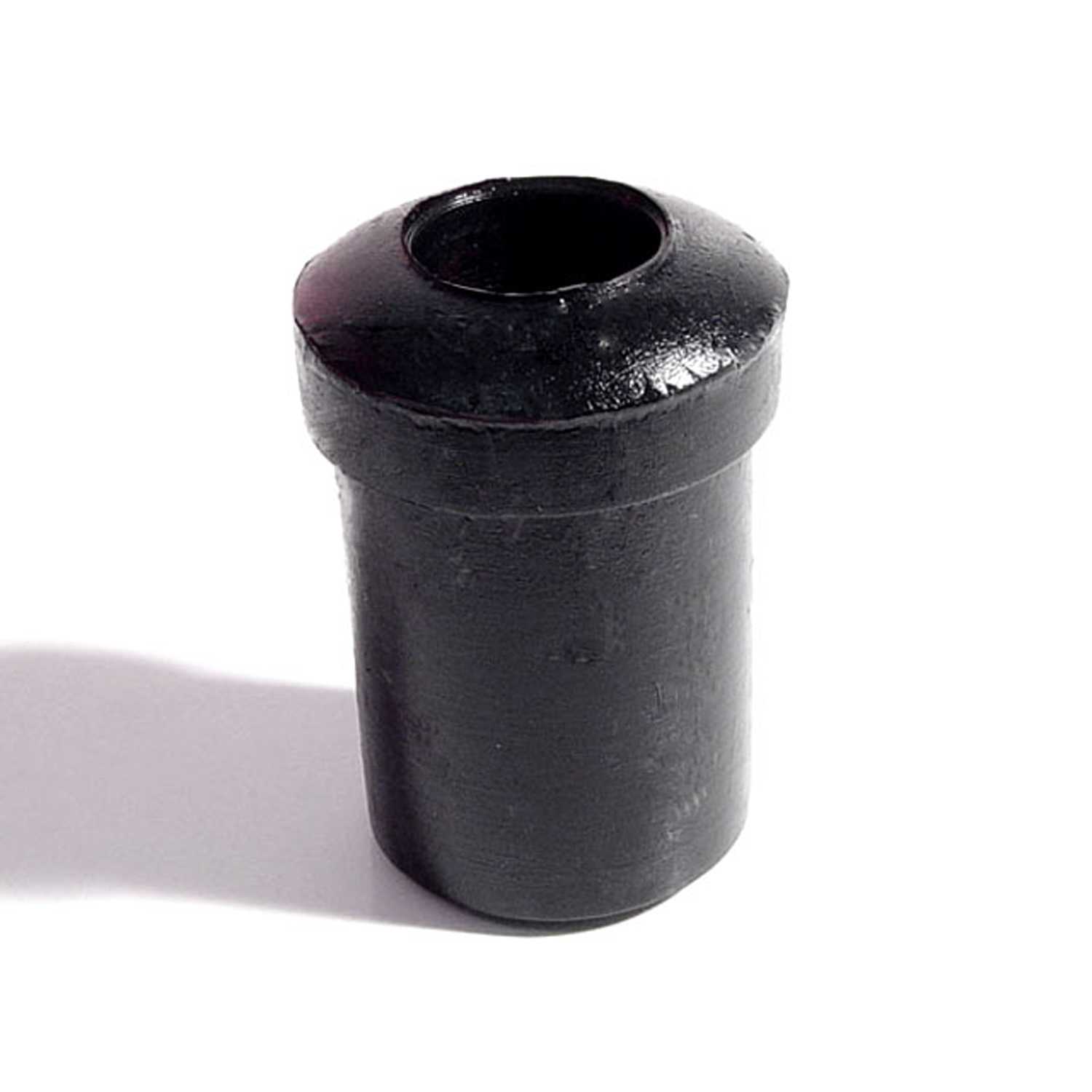 1957 DeSoto Firedome Spring and Shackle Bushing. 1" bottom O.D-BN 20Spring and Shackle Bushing. 1" bottom O.D. X 1-5/8" high, with 9/16" I.D. Each
 1957 DeSoto Firedome Shock Absorber Grommet. 1-3/8" bottom O.D-BN 7Shock Absorber Grommet. 1-3/8" bottom O.D., 1-3/4" high, with 5/8" I.D. Each
 1957 DeSoto Firedome Gravel Shields. Molded flat without metal backing plates-FS 31Gravel Shields. Molded flat without metal backing plates. Apply with contact cement. 18" long X 9-3/4" wide at bottom. Pair
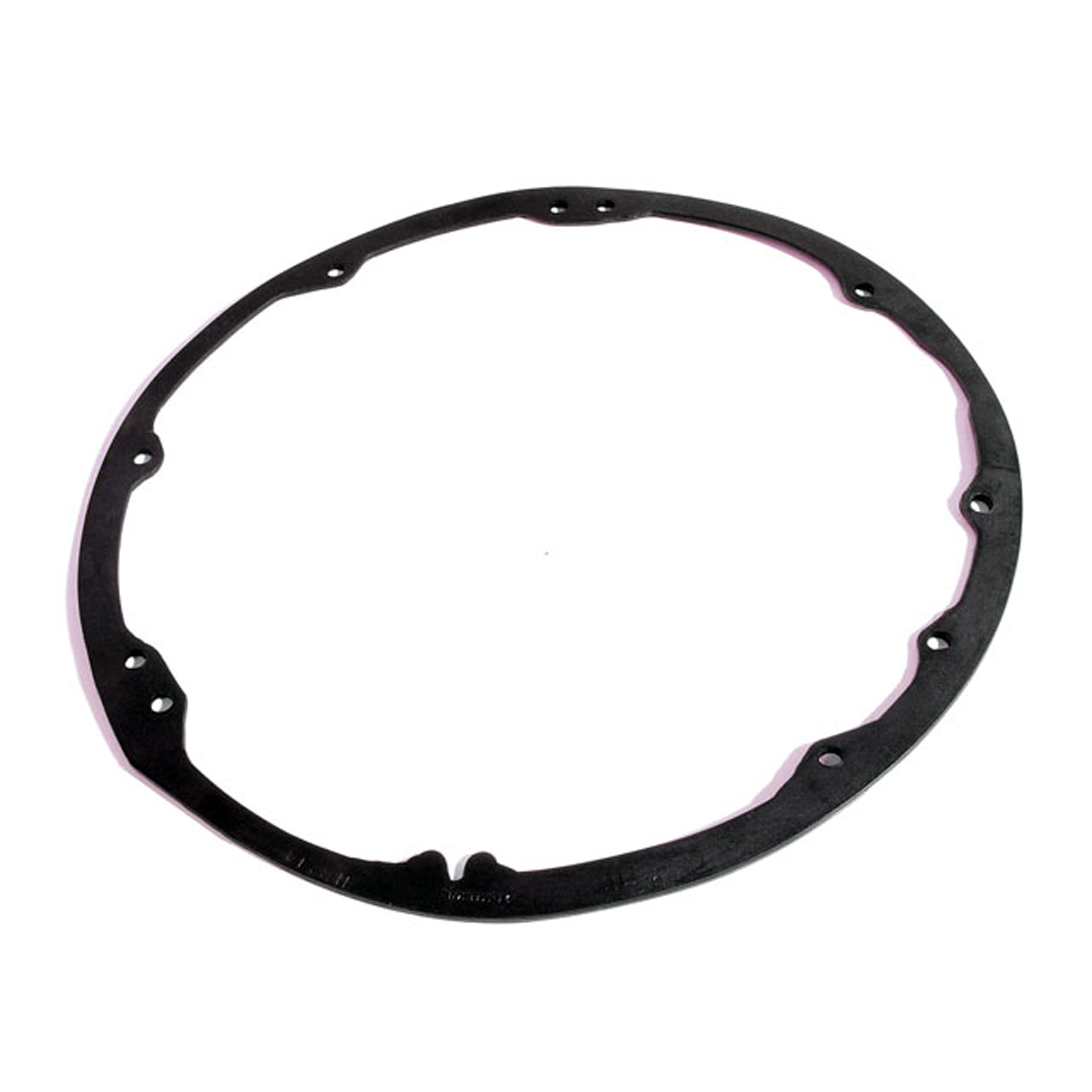 1957 DeSoto Firedome Headlight Ring Seal. 8-3/8" O.D., 7-3/4" I.D. Pair-HR 14Headlight Ring Seal. 8-3/8" O.D., 7-3/4" I.D. Pair
 1957 DeSoto Firedome Door Lock Pad. 1-3/8" O.D. Each-MP 551-CDoor Lock Pad. 1-3/8" O.D. Each
 1957 DeSoto Firedome Rumble Seat Step Plate Pad. Rubber face only. 4-1/4" O.D-SP 17Rumble Seat Step Plate Pad. Rubber face only. 4-1/4" O.D. Each
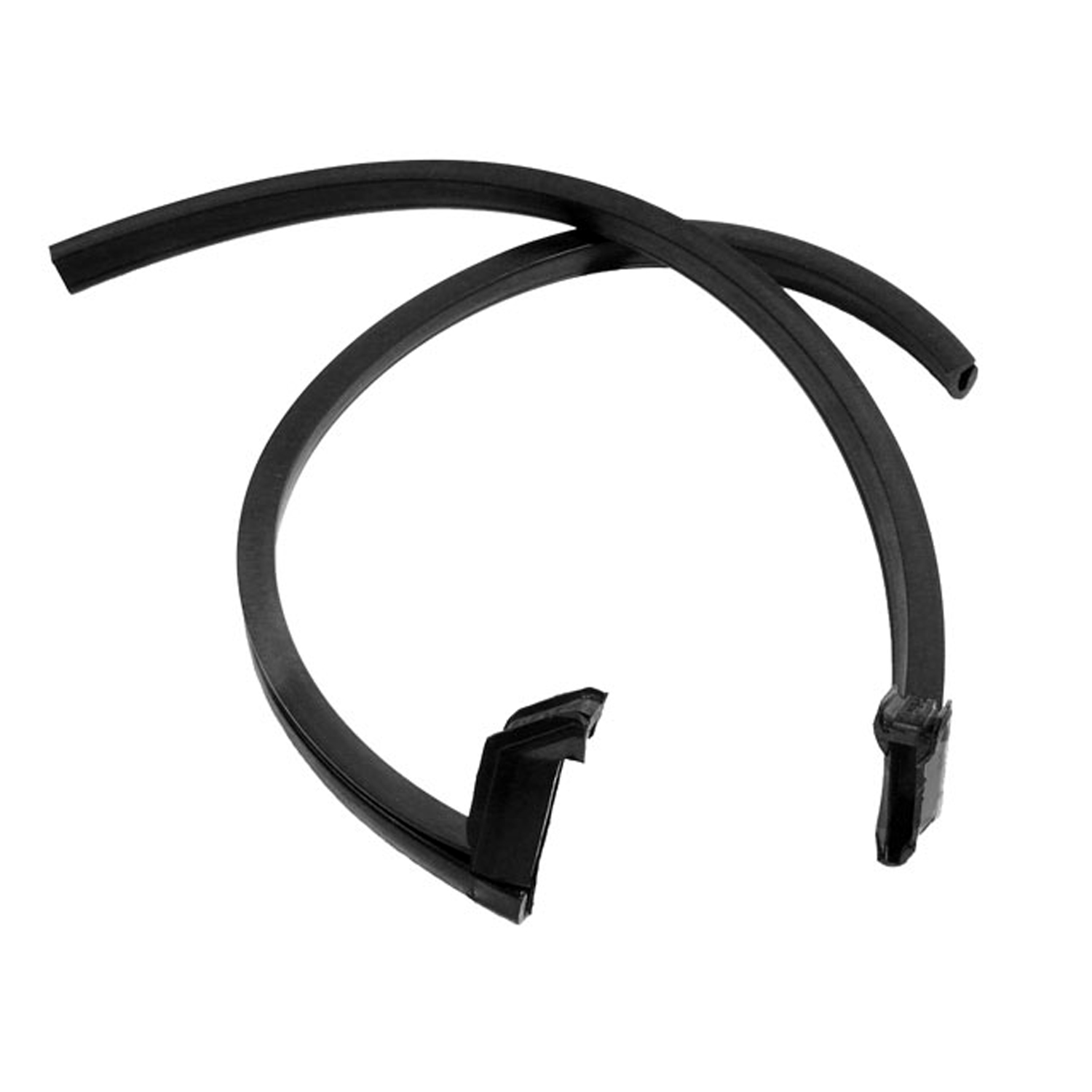 1957 DeSoto Firedome Rear Roll-Up Window Seals-VS 7-GRear Roll-Up Window Seals. For leading edge of rear quarter window. Made with molded ends. 18-1/2" long. Pair R&L
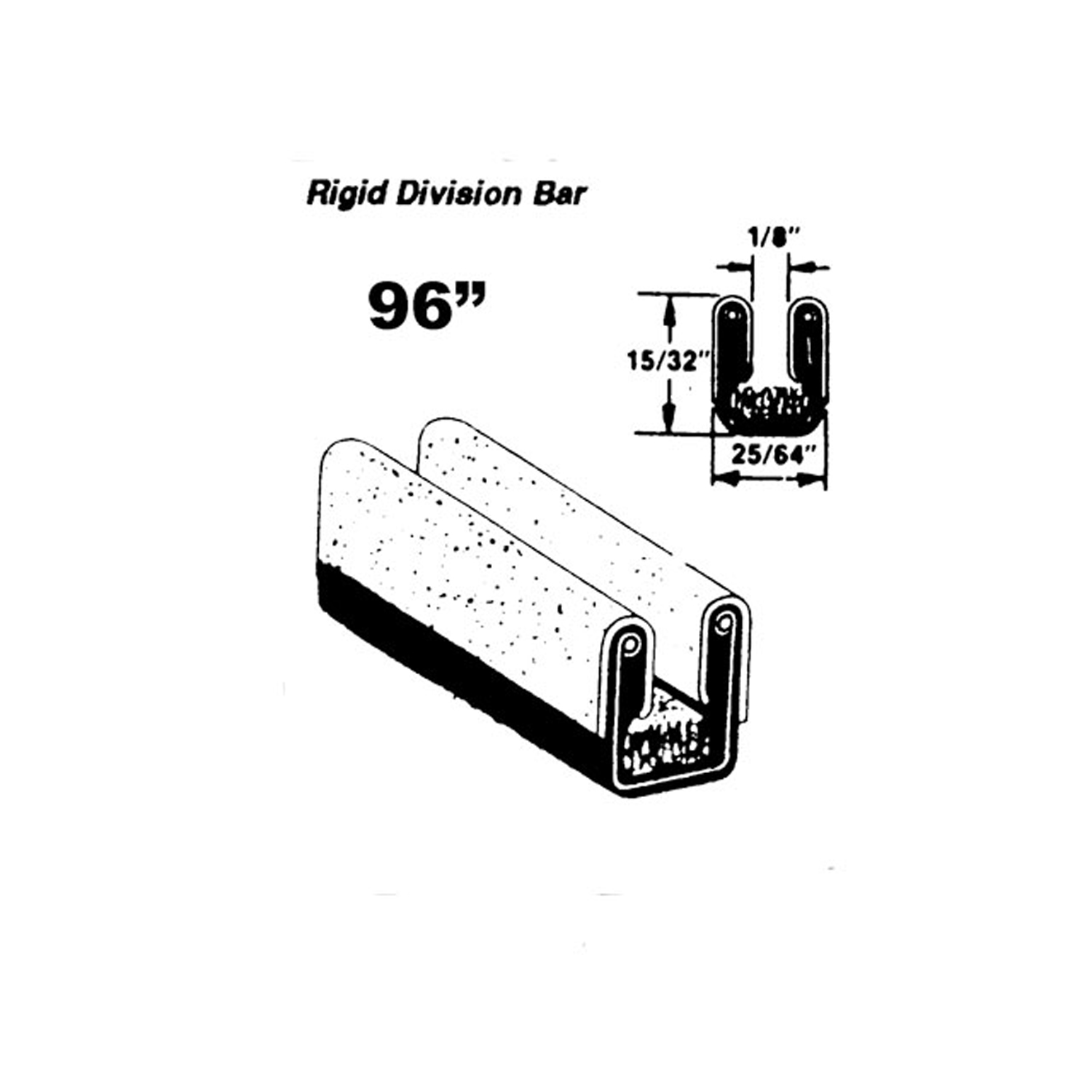 1957 DeSoto Firedome Rigid division-bar run channel-WC 31-96Rigid division-bar run channel. Made with very soft felt lining. Used on front and rear door side windows. 96 in. long. Each. NOTE: $20 special shipping charge applies for domestic orders. Call or email for overseas shipping costs. Part can be sectioned in two or three equal lengths to reduce overseas shipping costs.
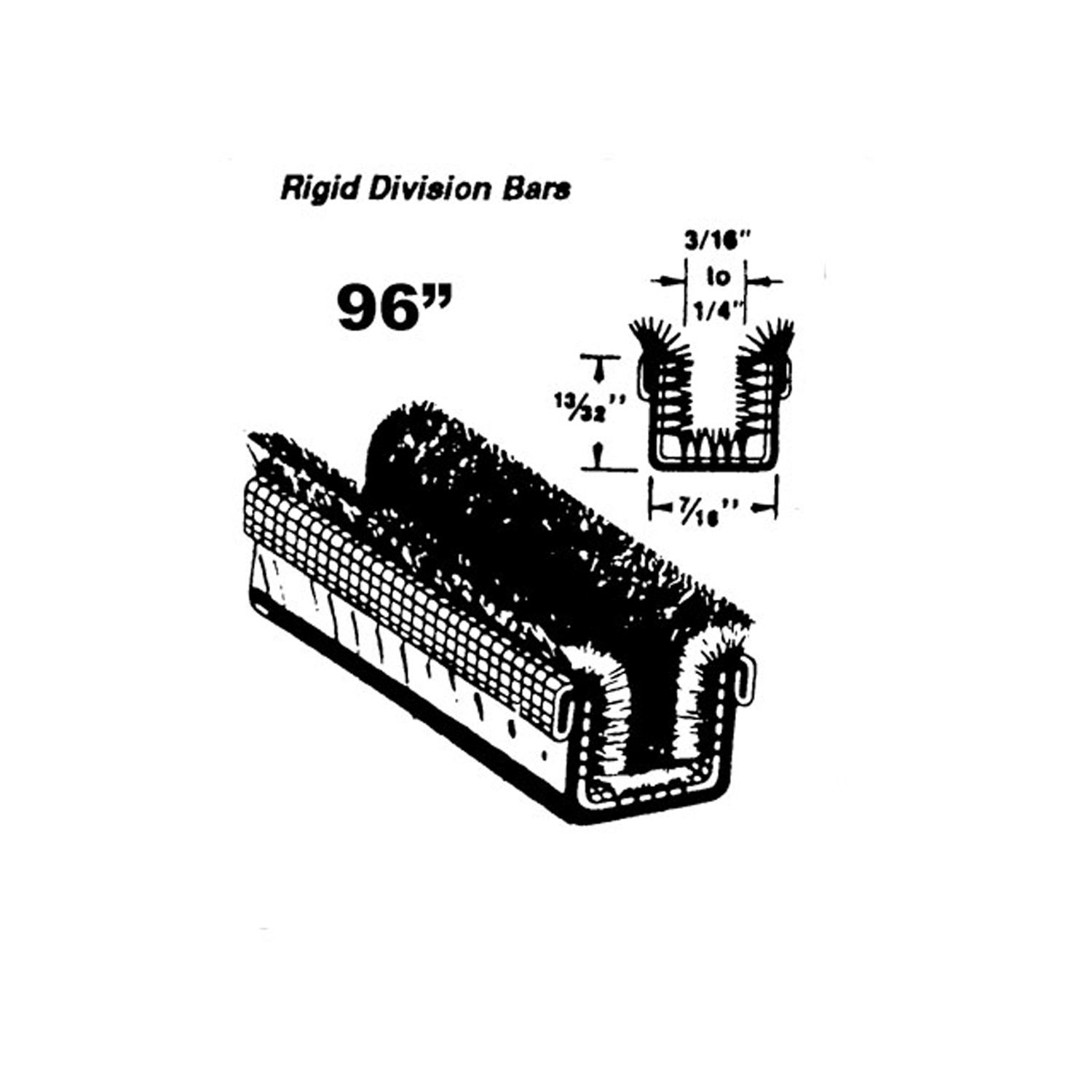 1957 DeSoto Firedome Rigid division-bar channel. Unbeaded. 96 in. long. Each-WC 41-96Rigid division-bar channel. Unbeaded. 96 in. long. Each. NOTE: $20 special shipping charge applies for domestic orders. Call or email for overseas shipping costs. Part can be sectioned in two or three equal lengths to reduce overseas shipping costs.
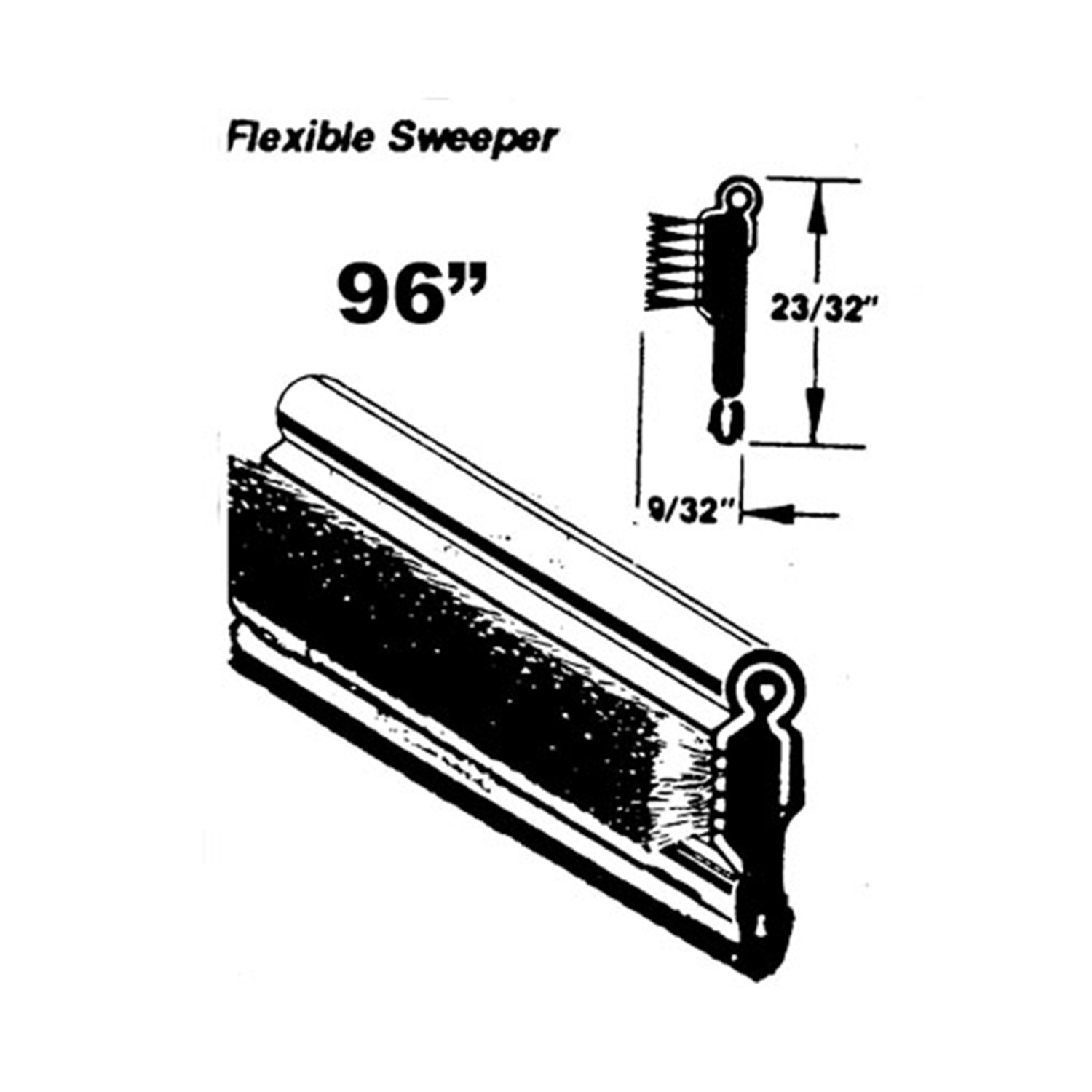 1957 DeSoto Firedome Flexible window sweeper. Made with stainless steel bead-WC 4-96Flexible window sweeper. Made with stainless steel bead. 96 in. long. Each. NOTE: $20 special shipping charge applies for domestic orders. Call or email for overseas shipping costs. Part can be sectioned in two or three equal lengths to reduce overseas shipping costs.
Why Choose Metro?
For over 100 years, Metro Moulded Parts has been the pinnacle of quality in classic car restoration parts. Our commitment to precision and authenticity in every component ensures a perfect fit and an OEM-level appearance.
- Expert Craftsmanship & Quality: Each part is a testament to our dedication to reliability and perfection, crafted from original designs and thoroughly tested.
- Advanced Technology: We use cutting-edge techniques to create flawless, long-lasting parts that surpass others in performance.
- SuperSoft Sponge – The Ultimate Door Seal: Not only are our door seals 30% softer than competitors', but they're also guaranteed to never leak. They effectively reduce wind and road noise, enhancing your classic car's comfort and driving experience.
- Proudly American: Our parts are a product of American craftsmanship, made in the USA with a spirit of excellence and heritage.
- Unrivaled Warranty: We back our products with a 30-year industry-leading warranty, a testament to our confidence in their quality.
Join us in preserving the legacy of classic cars with parts that are crafted for perfection, not just made.