

Image of 1957 Desoto Fireflite, Note: These illustrations use artistic license and may differ from actual historical models.
Performance Metrics
Fundamental Metrics
Emotional Appeal
MMP Rating
| Engine Specifications | |
|---|---|
| Engine: | 341 cu in (5.6 L) Hemi V8 |
| Displacement: | 341 cu in (5.6 L) |
| Horsepower: | 295 hp |
| Torque: | 375 lb-ft |
| Compression Ratio: | 9.25:1 |
| Ignition System: | Conventional points ignition system |
| Cooling System: | Liquid-cooled |
| Performance Specifications | |
| 0-60 Time: | 10 seconds |
| 1/4 Mile Time: | 17 seconds |
| Top Speed: | 120 mph |
| Transmission and Drive | |
| Drive Type: | Rear-wheel drive |
| Transmission Type: | 3-speed TorqueFlite automatic transmission |
| Fuel and Efficiency | |
| Fuel System Type: | Carburetor |
| MPG: | 10-12 mpg |
| Dimensions and Brakes | |
| Brakes: | Drum brakes |
| Wheelbase: | 126 inches |
| Weight: | 4,300 lbs |
Note: Specifications for classic cars are given to the best of our ability, considering the limited and variant data available.
1957 DeSoto Fireflite: The Forward Look in Full Flight
The 1957 DeSoto Fireflite arrived with a silhouette that seemed to be moving even while parked. Built by the DeSoto division of the Chrysler Corporation, it was a mid-to-upper-range American car for buyers who wanted dramatic styling, V8 power, and a generous helping of chrome without stepping up to a Chrysler. Its soaring tailfins and long, low body made it one of the boldest expressions of Chrysler’s “Forward Look” design era.
The Fireflite’s importance goes beyond its striking appearance. The 1957 redesign helped DeSoto make a splash during a period when American automakers were competing fiercely on style and performance. Yet the car also arrived near the high-water mark for the DeSoto brand. Sales and quality challenges later in the decade weakened the division, which Chrysler discontinued after the 1961 model year.
A memorable detail from the period is the Forward Look advertising itself. Chrysler promoted its redesigned cars as looking years ahead of their time, and the Fireflite made a persuasive case: its fins, clean side contours, and low roofline looked radically different from the more upright cars that had come before.
Forward Look Styling and Fireflite Trim
From the front, the Fireflite presented a broad grille, sculpted hood, and substantial chrome trim. Along the sides, the body appeared long and low, with brightwork emphasizing the car’s length rather than breaking it into bulky sections. The rear was the main event: tall fins swept upward and backward above the taillamps, giving the Fireflite a dramatic profile without quite matching the extreme height of some later finned cars.
Inside, the Fireflite offered the spacious, polished cabin expected of a premium American car of the 1950s. Depending on body style and equipment, upholstery combined patterned cloth with vinyl, while the convertible could be specified with richer trim. A broad dashboard, bright metal accents, and a large steering wheel gave the driver a commanding view. Buyers could add comfort and convenience options such as power steering, power brakes, power windows, power seats, and air conditioning. Those extras were not universal, so equipment varies widely on surviving cars.
Period paint choices included solid colors as well as contrasting roof and body combinations. Two-tone finishes were especially popular, using the car’s dramatic side and roof lines to highlight the styling. The exact palette depended on the paint code and trim combination, but restorers and collectors often prize well-preserved factory two-tone schemes.
The Fireflite was offered as a four-door sedan, a two-door Sportsman hardtop, a four-door Sportsman hardtop, and a convertible. The hardtops captured the era’s taste for open-looking cabins without fixed center pillars, while the convertible remains the most glamorous and generally most collectible version. The four-door hardtop is a particularly recognizable choice for buyers who want the full Forward Look profile with more everyday practicality.
Design Significance and Chrysler Innovation
The Fireflite’s design was part of Chrysler styling chief Virgil Exner’s Forward Look program. Exner’s team lowered rooflines, stretched body proportions, and used fins to create a sense of speed. The 1957 DeSoto was not simply a facelift of the previous model. It represented a fresh, coordinated design direction across Chrysler’s brands and helped establish the dramatic late-1950s American look.
Underneath, the Fireflite benefited from Chrysler engineering as well as styling. Its front suspension used torsion bars, part of the system Chrysler marketed as Torsion-Aire. The setup was intended to improve ride control compared with conventional coil-spring arrangements. The car also offered Chrysler’s push-button automatic transmission controls, a feature that replaced the familiar column-mounted shift lever with buttons on the dashboard.
These innovations did not make the Fireflite a sports car, but they helped distinguish it from more conservatively styled rivals. Its combination of bold design, a powerful V8, torsion-bar front suspension, and available three-speed automatic transmission gave it a distinctive place in the 1957 market.
341 V8 Performance and Road Manners
Most 1957 Fireflites were powered by a 341-cubic-inch Hemi-head V8 rated at approximately 270 horsepower. The engine delivered strong low- and mid-range power suited to a large, heavy car. Buyers could choose a two-speed PowerFlite automatic or the more advanced three-speed TorqueFlite automatic, depending on the car’s equipment and configuration.
Period performance figures vary with transmission, axle ratio, body style, and test conditions. A sound, correctly tuned Fireflite can generally be thought of as a roughly 9-to-11-second 0-to-60-mph car, with a potential top speed in the neighborhood of 115 to 120 mph. Those are broad estimates, not guarantees for every surviving example. Today, age, mechanical condition, tire choice, and gearing matter more than the original brochure rating.
On the road, the Fireflite feels substantial. The torsion-bar front suspension helps it settle over ordinary bumps, while the long wheelbase gives it a relaxed highway character. It is still a large 1950s car, so narrow roads and tight parking demand attention. On winding roads, expect body lean and a slower, more deliberate response than in a modern car. Power steering, if fitted, makes low-speed maneuvering easier, though it can leave the driver with less road feel than a manual system.
The V8’s sound is a deep, unhurried burble rather than a high-revving performance note. Press the accelerator and the car gathers speed with a satisfying surge, while the automatic transmission encourages smooth cruising. The driving experience is about presence and comfort: a wide hood ahead, a soft but controlled ride, and a sense of occasion that a smaller car cannot reproduce.
Living With a 1957 Fireflite
Today, most Fireflites serve as show cars, weekend cruisers, or occasional-use classics rather than daily transportation. A well-sorted example can handle local trips and highway drives, but its size, fuel consumption, and age make modern commuting less convenient. Expect fuel economy to be modest, often in the low teens or below depending on the engine’s condition and how the car is driven.
Routine mechanical work is familiar to experienced classic-car shops. The V8 is robust when maintained, and many wear items can be serviced using standard vintage-car techniques. The more difficult jobs can involve finding correct trim, glass, body panels, transmission parts, or model-specific interior pieces. Electrical systems are relatively simple by modern standards, but decades of repairs and modifications can create troubleshooting headaches.
Rust deserves close inspection. Check the floors, trunk, lower body panels, rocker areas, and structural sections, along with the condition of the frame and suspension mounting points. A shiny paint job can conceal expensive metalwork. Originality also affects restoration costs: replacing a missing piece of unique trim may be harder than repairing a common mechanical component.
Fireflite Facts, Rarities, and Criticisms
The Fireflite sat below the high-performance DeSoto Adventurer in the model hierarchy, so it should not be confused with that limited-production performance flagship. Its own appeal lies in combining much of the era’s dramatic styling with a more attainable position in the lineup. Among Fireflites, convertibles are generally the standout body style, while clean hardtops offer a striking and often more practical alternative.
There is no widely recognized speed or endurance record that defines the Fireflite’s history. Its claim to fame is instead its role in the Forward Look design revolution. Nor is there a single celebrity ownership story that defines the model. Individual cars may have interesting histories, but buyers should look for documentation rather than relying on an unsupported celebrity connection.
Common criticisms include the car’s size, heavy fuel use, and the cost of restoring distinctive trim and bodywork. The 1957 redesign also belonged to an era when rapidly changing styling and production pressures could create quality-control problems. Age-related corrosion and neglected maintenance are more immediate concerns for most cars today than any original design flaw.
Collector Values and Availability
Production figures for individual 1957 DeSoto body styles can vary among reference sources, so any model-specific total should be treated as an estimate. A reasonable working estimate is roughly 30,000 to 35,000 Fireflites across the range. That does not mean they are common today: unrestored cars can be difficult to find, and complete, well-preserved examples are much scarcer than project cars or incomplete restorations.
As a broad 2026 market guide, a project or heavily worn driver might sell for about $10,000 to $25,000. A solid, usable car could fall around $25,000 to $50,000, while a high-quality restored hardtop may bring approximately $50,000 to $90,000. Fireflite convertibles can command roughly $80,000 to $150,000 or more when they are exceptionally restored, documented, and correctly equipped. These are estimates, not fixed prices: condition, originality, restoration quality, and buyer demand can move a car well outside those ranges.
Values have generally been selective rather than uniformly rising. The best examples, especially convertibles and unusually original cars, tend to attract the strongest interest. Ordinary sedans and cars needing major restoration can be harder to sell because restoration costs may exceed the finished car’s market value. For prospective owners, buying the most complete car they can afford is often wiser than choosing the cheapest project.
Why the 1957 DeSoto Fireflite Still Turns Heads
The 1957 DeSoto Fireflite combined a 341-cubic-inch Hemi V8, Chrysler engineering, a comfortable full-size cabin, and some of the most recognizable styling of the decade. It was not merely a large car with impressive fins. It was a clear statement of the Forward Look era and a vivid reminder of how boldly American automakers competed on design.
More than six decades later, a Fireflite still makes an entrance. Its long body and rising fins capture the optimism and drama of 1950s motoring, while its V8 and relaxed road manners make it enjoyable to drive. For collectors, it is a striking piece of DeSoto history and one of the era’s most memorable expressions of automotive style.
1957 Desoto Fireflite Catalog of Parts
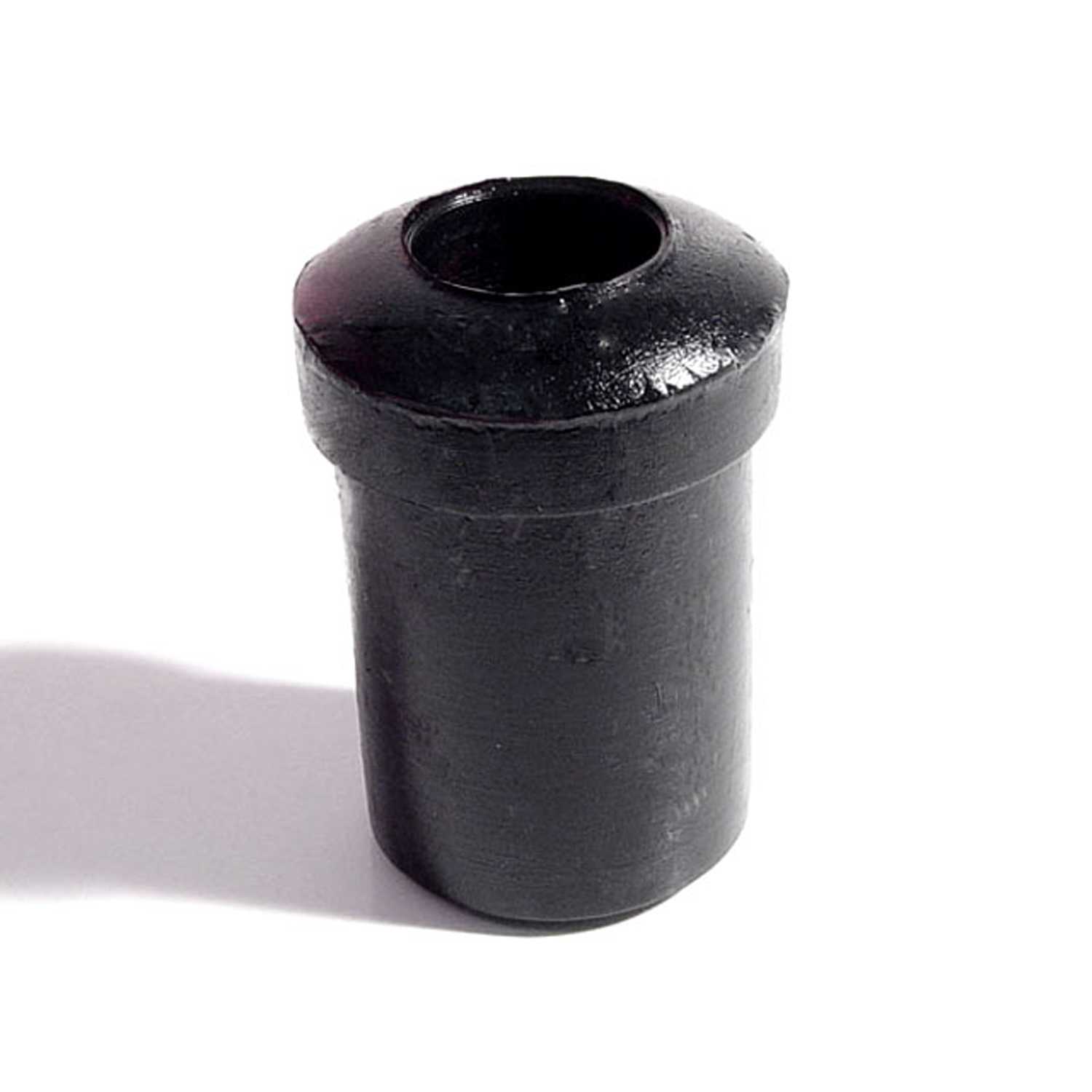 1957 DeSoto Fireflite Spring and Shackle Bushing. 1" bottom O.D-BN 20Spring and Shackle Bushing. 1" bottom O.D. X 1-5/8" high, with 9/16" I.D. Each
 1957 DeSoto Fireflite Shock Absorber Grommet. 1-3/8" bottom O.D-BN 7Shock Absorber Grommet. 1-3/8" bottom O.D., 1-3/4" high, with 5/8" I.D. Each
 1957 DeSoto Fireflite Gravel Shields. Molded flat without metal backing plates-FS 31Gravel Shields. Molded flat without metal backing plates. Apply with contact cement. 18" long X 9-3/4" wide at bottom. Pair
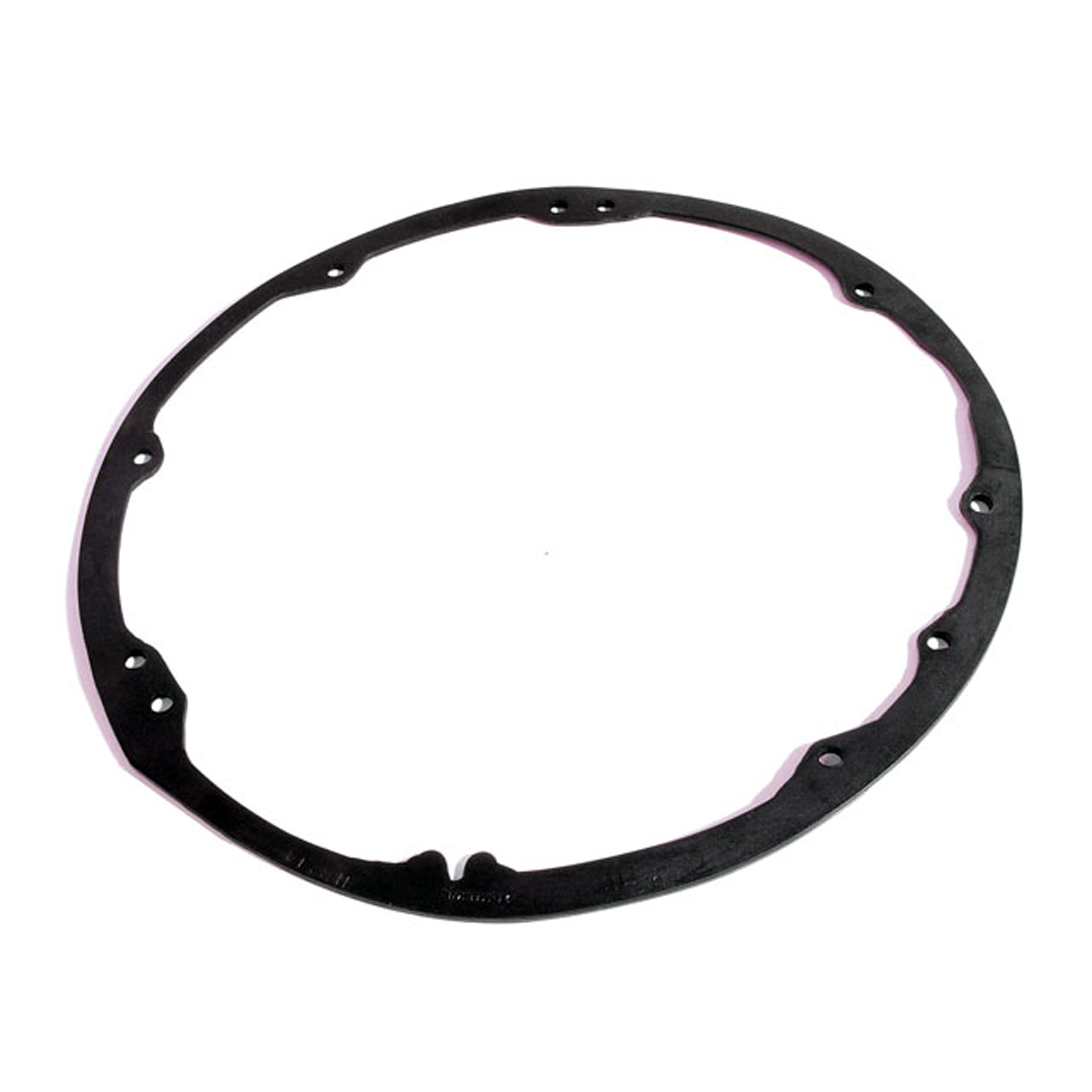 1957 DeSoto Fireflite Headlight Ring Seal. 8-3/8" O.D., 7-3/4" I.D. Pair-HR 14Headlight Ring Seal. 8-3/8" O.D., 7-3/4" I.D. Pair
 1957 DeSoto Fireflite Door Lock Pad. 1-3/8" O.D. Each-MP 551-CDoor Lock Pad. 1-3/8" O.D. Each
 1957 DeSoto Fireflite Rumble Seat Step Plate Pad. Rubber face only. 4-1/4" O.D-SP 17Rumble Seat Step Plate Pad. Rubber face only. 4-1/4" O.D. Each
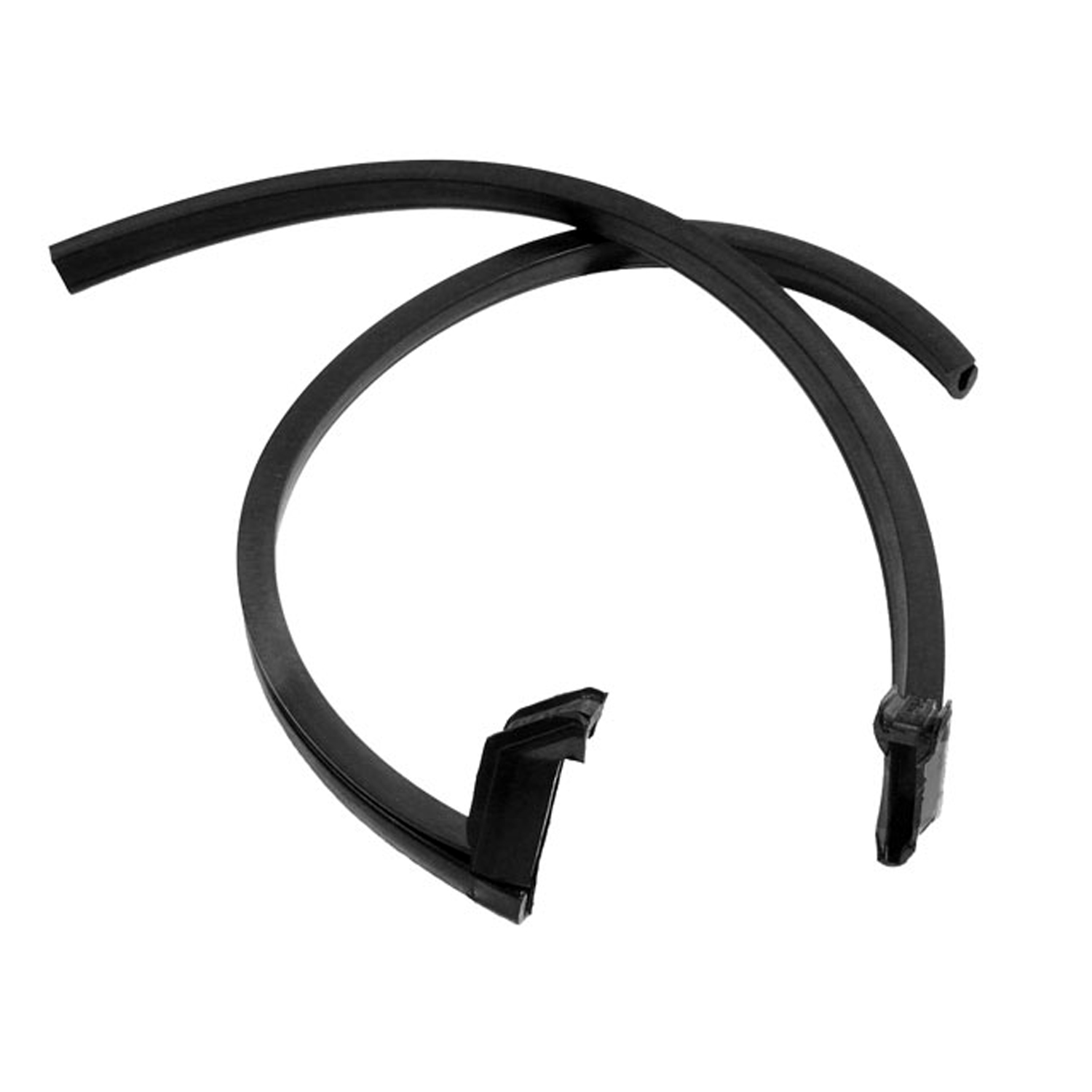 1957 DeSoto Fireflite Rear Roll-Up Window Seals-VS 7-GRear Roll-Up Window Seals. For leading edge of rear quarter window. Made with molded ends. 18-1/2" long. Pair R&L
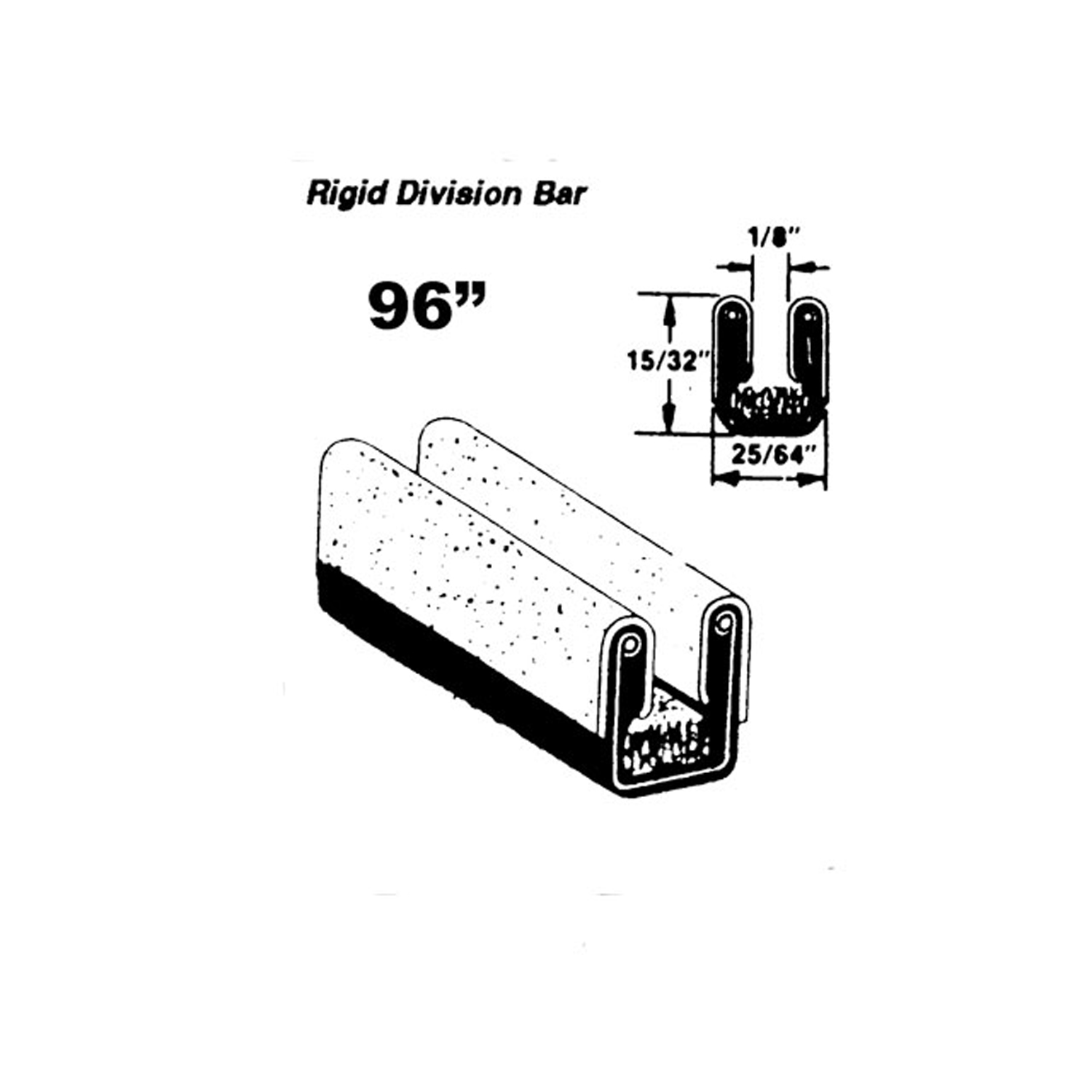 1957 DeSoto Fireflite Rigid division-bar run channel-WC 31-96Rigid division-bar run channel. Made with very soft felt lining. Used on front and rear door side windows. 96 in. long. Each. NOTE: $20 special shipping charge applies for domestic orders. Call or email for overseas shipping costs. Part can be sectioned in two or three equal lengths to reduce overseas shipping costs.
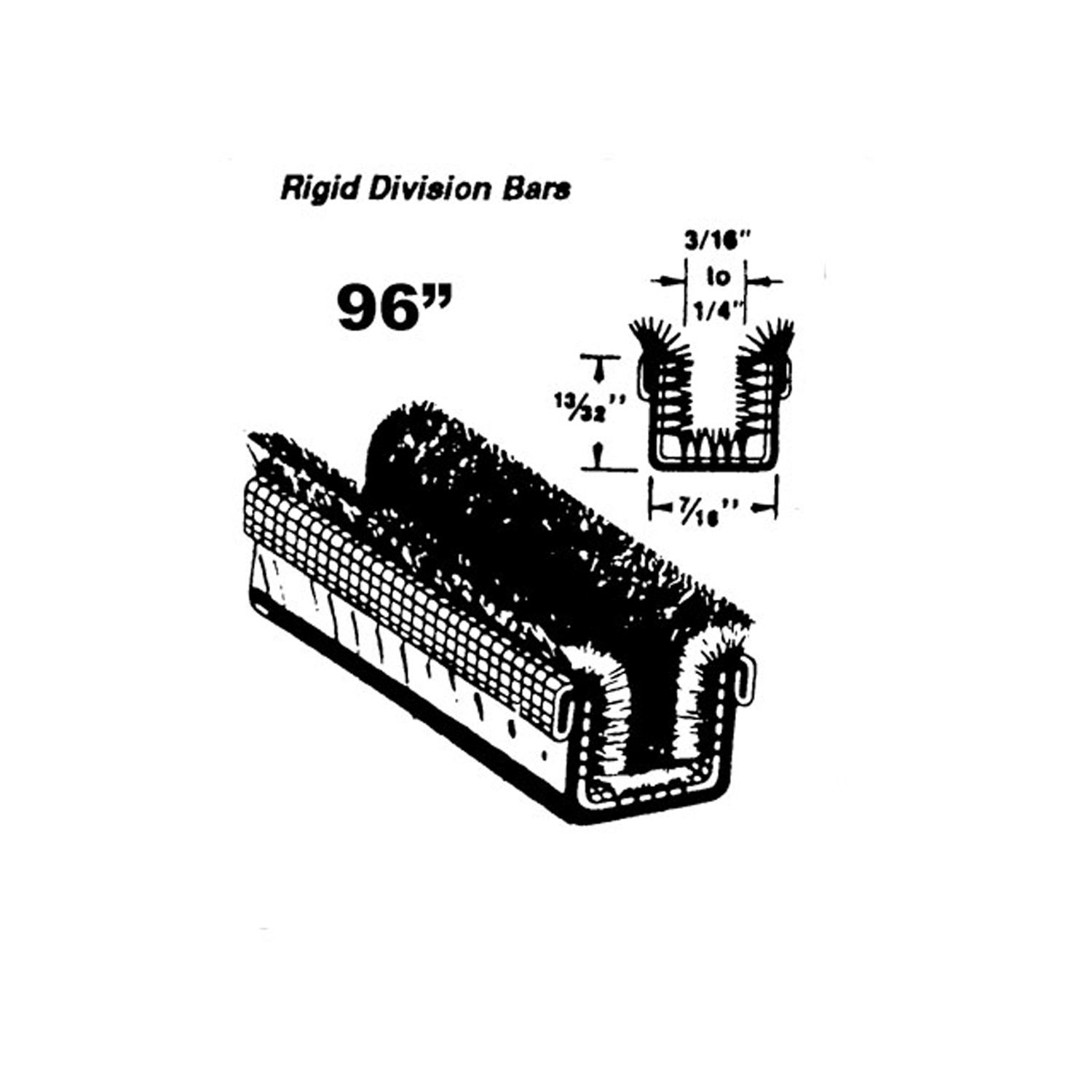 1957 DeSoto Fireflite Rigid division-bar channel. Unbeaded. 96 in. long. Each-WC 41-96Rigid division-bar channel. Unbeaded. 96 in. long. Each. NOTE: $20 special shipping charge applies for domestic orders. Call or email for overseas shipping costs. Part can be sectioned in two or three equal lengths to reduce overseas shipping costs.
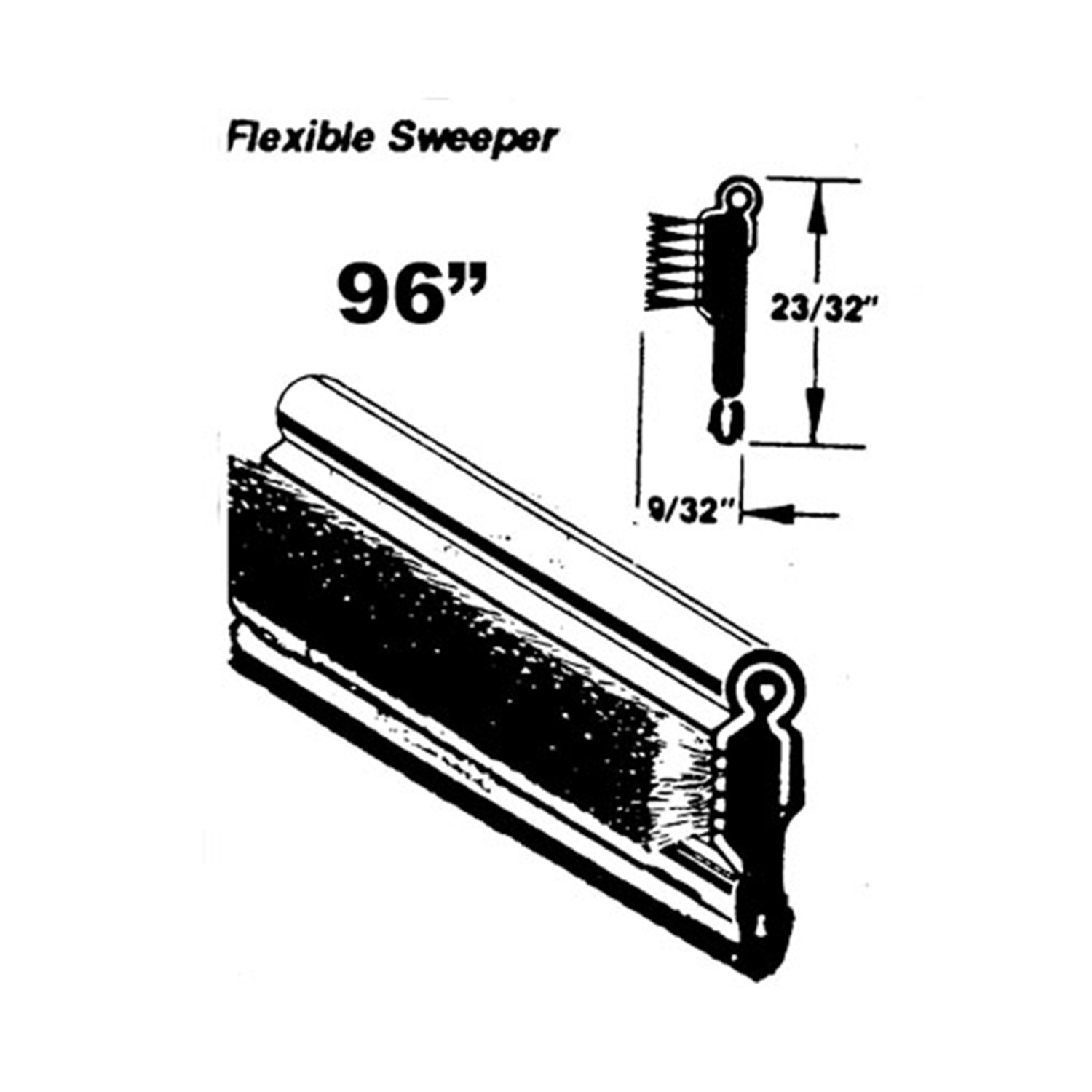 1957 DeSoto Fireflite Flexible window sweeper. Made with stainless steel bead-WC 4-96Flexible window sweeper. Made with stainless steel bead. 96 in. long. Each. NOTE: $20 special shipping charge applies for domestic orders. Call or email for overseas shipping costs. Part can be sectioned in two or three equal lengths to reduce overseas shipping costs.
Why Choose Metro?
For over 100 years, Metro Moulded Parts has been the pinnacle of quality in classic car restoration parts. Our commitment to precision and authenticity in every component ensures a perfect fit and an OEM-level appearance.
- Expert Craftsmanship & Quality: Each part is a testament to our dedication to reliability and perfection, crafted from original designs and thoroughly tested.
- Advanced Technology: We use cutting-edge techniques to create flawless, long-lasting parts that surpass others in performance.
- SuperSoft Sponge – The Ultimate Door Seal: Not only are our door seals 30% softer than competitors', but they're also guaranteed to never leak. They effectively reduce wind and road noise, enhancing your classic car's comfort and driving experience.
- Proudly American: Our parts are a product of American craftsmanship, made in the USA with a spirit of excellence and heritage.
- Unrivaled Warranty: We back our products with a 30-year industry-leading warranty, a testament to our confidence in their quality.
Join us in preserving the legacy of classic cars with parts that are crafted for perfection, not just made.