

Image of 1958 Desoto Firedome, Note: These illustrations use artistic license and may differ from actual historical models.
Performance Metrics
Fundamental Metrics
Emotional Appeal
MMP Rating
| Engine Specifications | |
|---|---|
| Engine: | 361 cu in (5.9 L) V8 |
| Displacement: | 361 cu in (5.9 L) |
| Horsepower: | 305 hp |
| Torque: | 400 lb-ft |
| Compression Ratio: | 10.0:1 |
| Ignition System: | Conventional points ignition system |
| Cooling System: | Liquid cooled |
| Performance Specifications | |
| 0-60 Time: | Estimated 10 seconds |
| 1/4 Mile Time: | Estimated 17 seconds |
| Top Speed: | 120 mph |
| Transmission and Drive | |
| Drive Type: | Rear-wheel drive |
| Transmission Type: | 3-speed TorqueFlite automatic |
| Fuel and Efficiency | |
| Fuel System Type: | Carburetor |
| MPG: | Estimated 10-12 mpg |
| Dimensions and Brakes | |
| Brakes: | Drum brakes |
| Wheelbase: | 122 inches |
| Weight: | 3,700 lbs |
Note: Specifications for classic cars are given to the best of our ability, considering the limited and variant data available.
1958 DeSoto Firedome: A Forward Look Classic
The 1958 DeSoto Firedome arrived with towering tailfins, a powerful V8, and the kind of road presence that made even other full-size cars seem modest. Built by DeSoto, Chrysler Corporation’s mid-priced division, the Firedome sat between the more economical Firesweep and the better-appointed Fireflite in the 1958 lineup. It was a bold expression of Chrysler’s “Forward Look” design era, when the company was determined to make its cars look fast, modern, and unmistakably different.
The timing was dramatic. The U.S. recession of 1958 hit the auto industry hard, and DeSoto sales fell sharply from the previous year. The Firedome therefore represents both the height of 1950s styling ambition and a difficult moment for the brand. One striking detail: its standard 361-cubic-inch V8 made 295 horsepower, putting serious muscle behind those space-age looks.
Forward Look Styling and Firedome Features
The Firedome wore the long, low proportions that defined late-1950s American cars, but Chrysler’s designers pushed the theme further. Its wide grille, prominent front bumper, sculpted side panels, and high rear fins made the car look as though it were moving even while parked. Depending on equipment and market, the front end could be fitted with four headlamps, giving it an especially technical, futuristic appearance.
Inside, the cabin was broad and comfortable, with a bench seat, generous legroom, and a wide dashboard arranged around the driver. Upholstery combinations typically used durable cloth and vinyl, with richer trim available depending on body style and options. Bright metal accents and patterned materials added visual sparkle without making the Firedome quite as lavish as the top-of-the-line Fireflite.
Available equipment could include power steering, power brakes, power windows, and power seats. Buyers choosing the automatic transmission got Chrysler’s push-button gear selector, a memorable alternative to a conventional column or floor lever. The Firedome also benefited from Chrysler’s Torsion-Aire front suspension, which used torsion bars instead of conventional front coil springs.
Factory paint choices included a range of solid colors and two-tone combinations. Two-tone paint was particularly well suited to the Firedome’s long side panels and soaring fins, and combinations that contrasted a light body with a darker roof or accent color remain popular with enthusiasts. Exact color availability varied by body style and production period.
The range included several full-size configurations, such as sedans and hardtops, with availability varying across the DeSoto series. The two-door hardtop is among the most visually striking today: it combines an open, pillarless side profile with the car’s dramatic rear fins. Convertibles were also offered in the broader DeSoto lineup, though buyers should check a specific car’s original series and factory documentation rather than assume every body style was available as a Firedome.
Why the 1958 Firedome Matters
The Firedome’s importance is not just its styling. It shows how rapidly American automotive design changed during the 1950s, as manufacturers competed to make each new model look more advanced than the last. DeSoto’s high fins and sweeping body lines were part of a wider movement led by Chrysler design chief Virgil Exner, whose Forward Look cars helped shape the era’s taste for low profiles and dramatic rear styling.
Its torsion-bar front suspension was another meaningful distinction. The system helped control body motion and gave Chrysler cars a more composed ride than many drivers expected from such large vehicles. The Firedome combined that engineering with a big-displacement V8 and available power equipment, making it a convincing alternative to other mid-priced American cars of the period.
Its lasting influence is also visible in the way collectors view late-1950s design. The 1958 Firedome is not subtle, and that is precisely the point. It captures a moment when automakers treated the exterior as a statement of optimism, technology, and status. DeSoto itself disappeared after the 1961 model year, which gives surviving examples an added connection to the final chapter of the marque.
361 V8 Performance and Road Manners
The Firedome’s 361-cubic-inch V8 was rated at about 295 horsepower. A three-speed manual transmission was available, while many cars were equipped with Chrysler’s TorqueFlite automatic. Actual performance depended on transmission, axle gearing, body style, condition, and optional equipment. As a period-correct estimate, a healthy car could reach 60 mph in roughly 9 to 11 seconds and achieve a top speed in the neighborhood of 110 to 120 mph. Those figures are estimates, not guarantees for a modern surviving car.
On the road, the engine delivers the deep, relaxed note expected from a large American V8. It is built for smooth, confident cruising rather than high-revving excitement. The automatic transmission suits that character, shifting unobtrusively as the Firedome gathers speed with little effort.
The Torsion-Aire suspension helps the car glide over ordinary pavement and take the sharp edge off bumps. Its long wheelbase contributes to a steady highway ride, though the car’s size and weight are always part of the driving experience. On winding roads, expect more body lean and slower responses than in a modern car. Bias-ply tires, if fitted, can also make the steering feel less precise, especially on uneven pavement or in crosswinds. Power steering makes low-speed maneuvering easier, but the Firedome is still a substantial car to place on a narrow road.
Living With a DeSoto Firedome
Today, most Firedomes are enjoyed as weekend cruisers, show cars, and pieces of automotive history rather than daily transportation. A sound example can handle relaxed local drives and highway trips, but its age means that condition matters far more than the badge on the trunk.
Routine work is familiar to experienced classic-car mechanics: tune-ups, cooling-system service, brake maintenance, and attention to ignition and fuel delivery. The 361 V8 belongs to Chrysler’s B-series engine family, and many mechanical components are shared with other Chrysler products of the period. That can make engine and drivetrain service manageable. DeSoto-specific trim, glass, body panels, and interior parts are a different story. They can be harder to find, and restoring missing brightwork may take patience and a larger budget.
Before buying, inspect the body and frame carefully for rust, especially around the floors, lower body panels, trunk, and structural areas. Check that the push-button transmission, if fitted, selects gears correctly, and confirm that the cooling system stays under control in traffic. A car that has been stored for years may need substantial recommissioning even if it looks presentable.
Firedome Facts and Common Criticisms
The Firedome’s 361 V8 gave it genuine performance for a full-size family car, but it was not a dedicated racing model. Its strengths were power, comfort, and style, not light weight or nimble handling. The car also arrived during a recession that damaged demand for large, expensive automobiles, so its imposing size could be a disadvantage for buyers looking to economize.
DeSoto’s 1958 sales troubles are part of the model’s story. The division’s total production dropped steeply from 1957, and the Firedome was caught in that downturn. A reasonable estimate is that roughly 14,000 to 15,000 Firedomes were built for 1958 across the series’ body styles. This is an approximate figure, and surviving production records and body-style totals should be consulted for a specific configuration.
There is no widely recognized speed or endurance record associated with the Firedome. Its claim to fame is more visual and historical: it is a vivid example of Chrysler’s Forward Look at a time when tailfins, bold chrome, and powerful V8s defined American automotive aspiration. Common criticisms include its considerable fuel consumption, large dimensions, and the difficulty of finding some DeSoto-only restoration parts.
Collector Values and Availability
As of 2026, values vary substantially according to body style, originality, rust, mechanical condition, and restoration quality. A project car or rough driver may sell for roughly $8,000 to $18,000. A usable, presentable sedan or hardtop commonly falls in the $18,000 to $35,000 range, while a high-quality restored example may bring about $35,000 to $60,000 or more. Rare, exceptionally well-restored body styles can command higher prices. Any Firedome convertible, if verified as an authentic factory configuration, would warrant especially careful research and could sell well above ordinary sedan values.
The Firedome is uncommon but not impossible to find. Its relatively low 1958 production and the survival challenges faced by large cars of this age keep the supply limited, particularly for solid, complete examples. The market has generally favored distinctive Forward Look cars, but the Firedome remains more of a specialist’s choice than a blue-chip investment. Prices can rise for top-quality cars, though ordinary examples may move slowly and restoration costs can exceed the finished car’s market value.
A Big-Finned Piece of DeSoto History
The 1958 DeSoto Firedome brings together a strong 361 V8, comfortable torsion-bar suspension, push-button-era technology, and some of the boldest styling of its time. Its sales were hurt by a difficult economy, but its design has aged into an unmistakable symbol of the Forward Look years. For collectors who want a full-size American classic with real character, the Firedome is more than a handsome set of fins: it is a snapshot of DeSoto at its most ambitious.
1958 Desoto Firedome Catalog of Parts
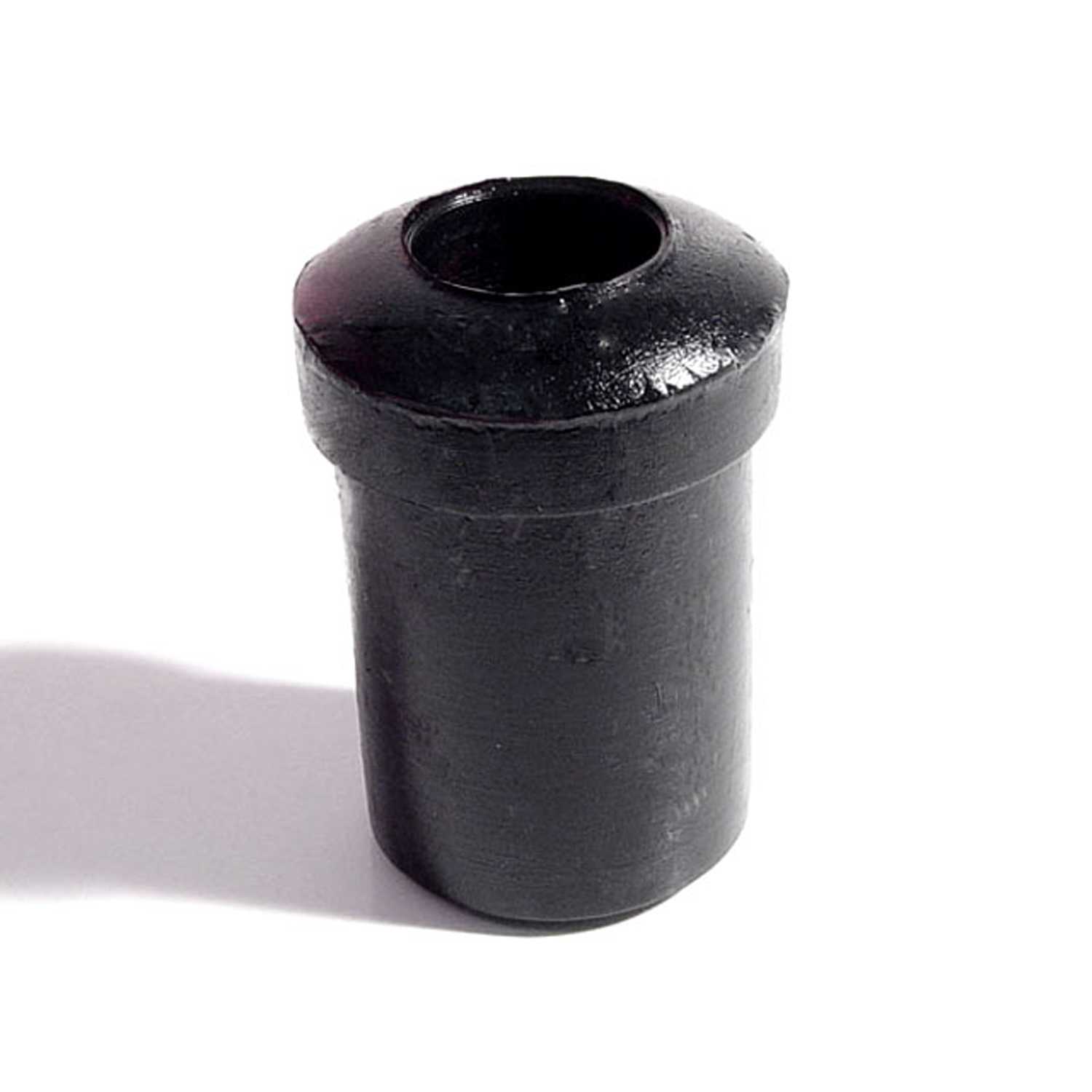 1958 DeSoto Firedome Spring and Shackle Bushing. 1" bottom O.D-BN 20Spring and Shackle Bushing. 1" bottom O.D. X 1-5/8" high, with 9/16" I.D. Each
 1958 DeSoto Firedome Shock Absorber Grommet. 1-3/8" bottom O.D-BN 7Shock Absorber Grommet. 1-3/8" bottom O.D., 1-3/4" high, with 5/8" I.D. Each
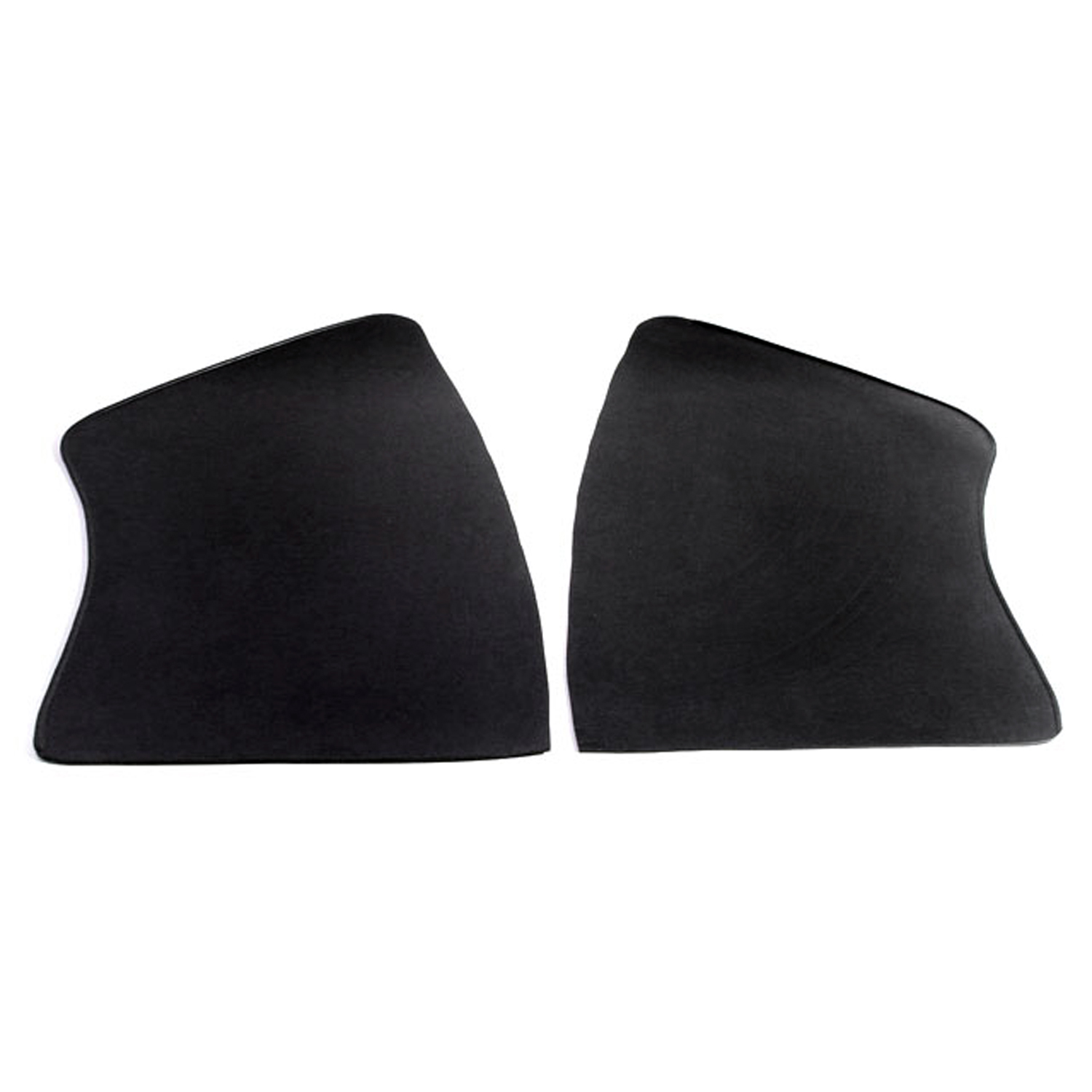 1958 DeSoto Firedome Gravel Shields. Molded flat without metal backing plates-FS 31Gravel Shields. Molded flat without metal backing plates. Apply with contact cement. 18" long X 9-3/4" wide at bottom. Pair
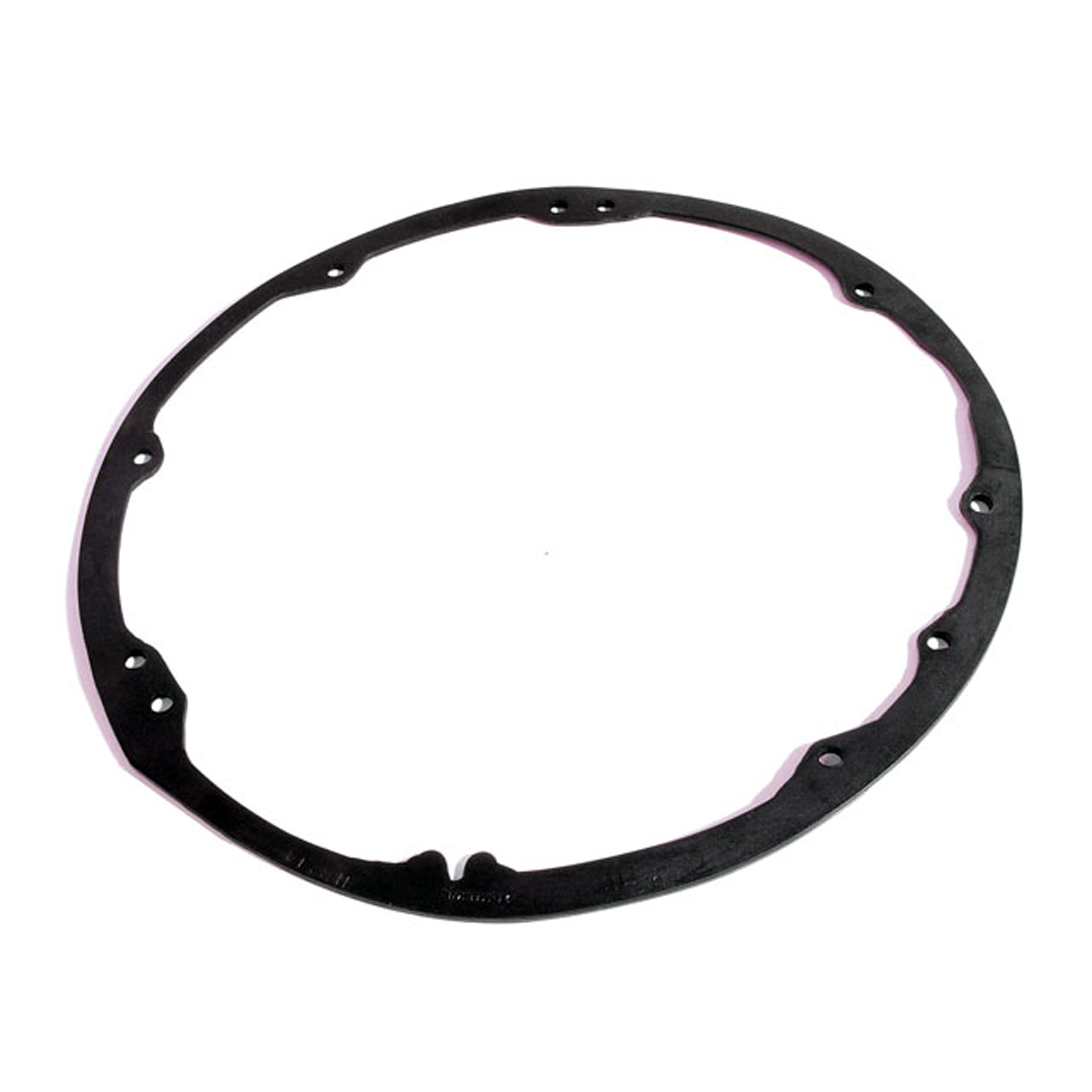 1958 DeSoto Firedome Headlight Ring Seal. 8-3/8" O.D., 7-3/4" I.D. Pair-HR 14Headlight Ring Seal. 8-3/8" O.D., 7-3/4" I.D. Pair
 1958 DeSoto Firedome Door Lock Pad. 1-3/8" O.D. Each-MP 551-CDoor Lock Pad. 1-3/8" O.D. Each
 1958 DeSoto Firedome Rumble Seat Step Plate Pad. Rubber face only. 4-1/4" O.D-SP 17Rumble Seat Step Plate Pad. Rubber face only. 4-1/4" O.D. Each
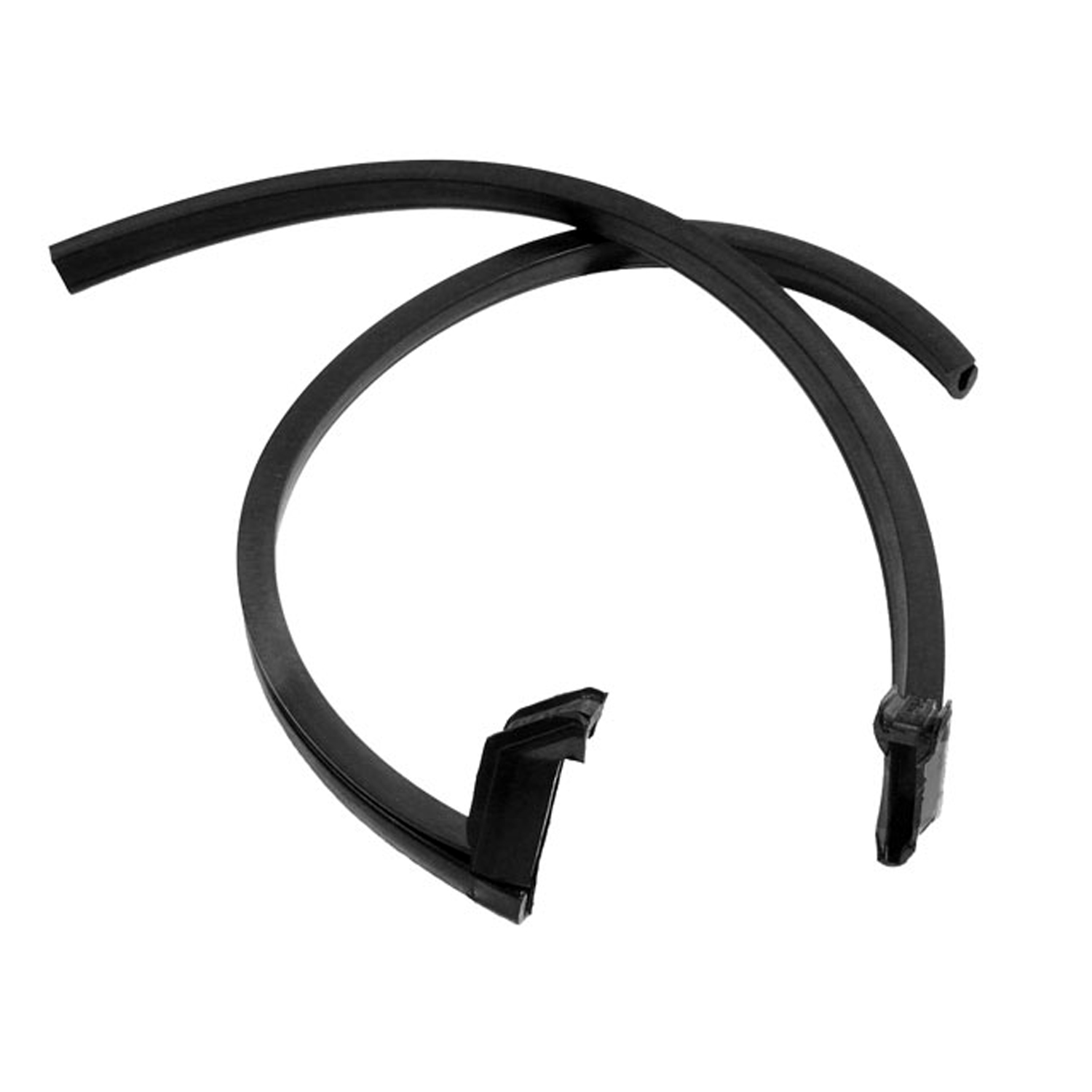 1958 DeSoto Firedome Rear Roll-Up Window Seals-VS 7-GRear Roll-Up Window Seals. For leading edge of rear quarter window. Made with molded ends. 18-1/2" long. Pair R&L
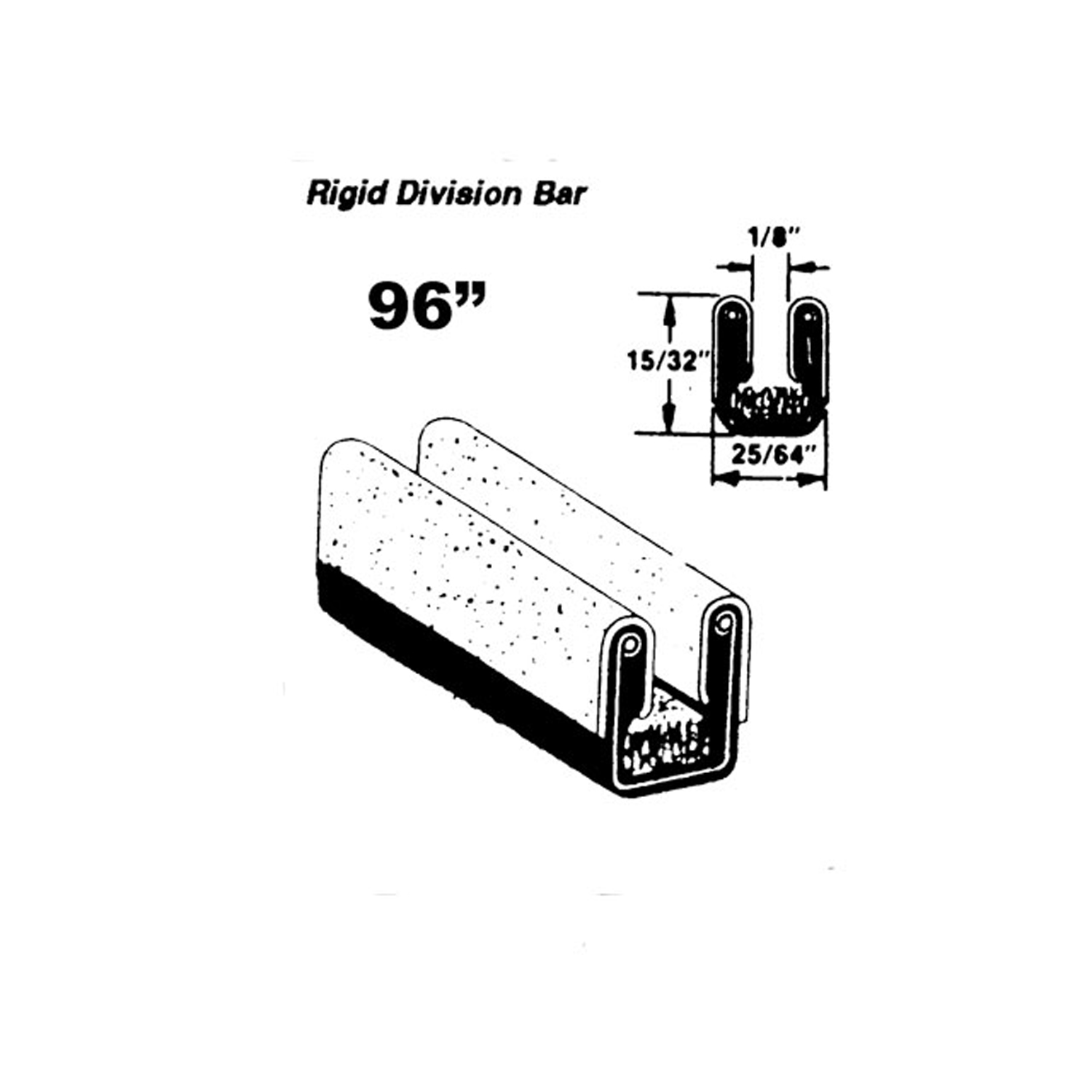 1958 DeSoto Firedome Rigid division-bar run channel-WC 31-96Rigid division-bar run channel. Made with very soft felt lining. Used on front and rear door side windows. 96 in. long. Each. NOTE: $20 special shipping charge applies for domestic orders. Call or email for overseas shipping costs. Part can be sectioned in two or three equal lengths to reduce overseas shipping costs.
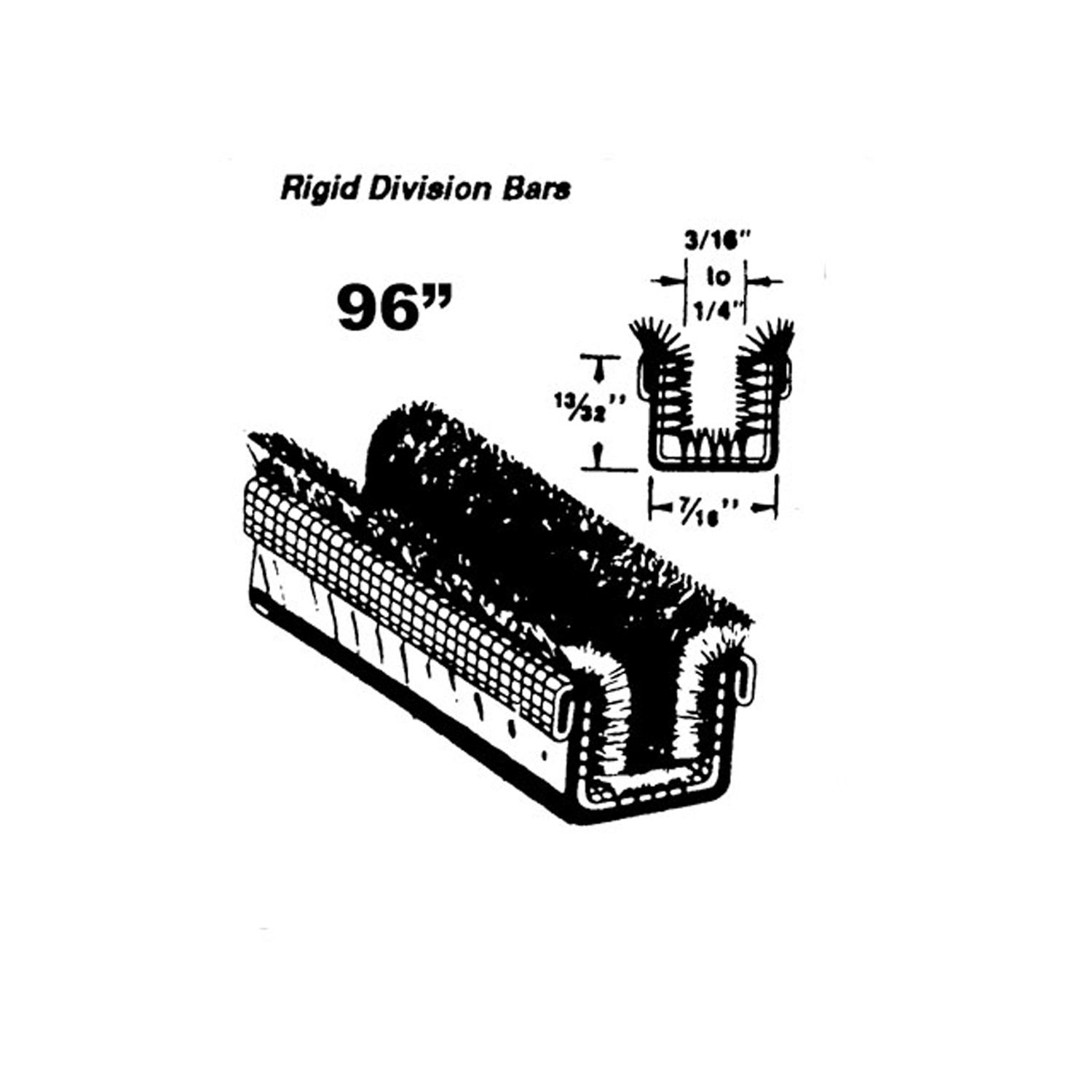 1958 DeSoto Firedome Rigid division-bar channel. Unbeaded. 96 in. long. Each-WC 41-96Rigid division-bar channel. Unbeaded. 96 in. long. Each. NOTE: $20 special shipping charge applies for domestic orders. Call or email for overseas shipping costs. Part can be sectioned in two or three equal lengths to reduce overseas shipping costs.
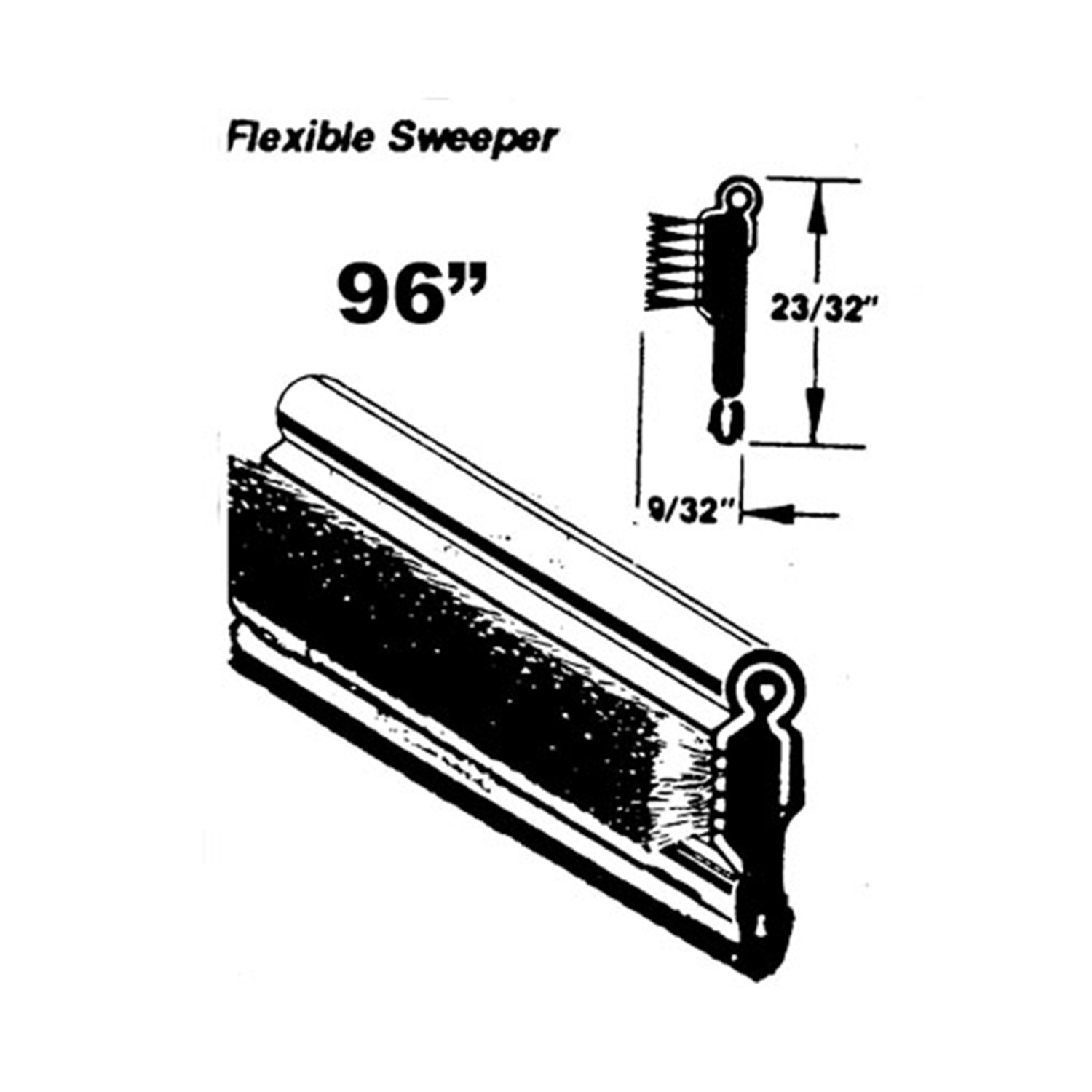 1958 DeSoto Firedome Flexible window sweeper. Made with stainless steel bead-WC 4-96Flexible window sweeper. Made with stainless steel bead. 96 in. long. Each. NOTE: $20 special shipping charge applies for domestic orders. Call or email for overseas shipping costs. Part can be sectioned in two or three equal lengths to reduce overseas shipping costs.
Why Choose Metro?
For over 100 years, Metro Moulded Parts has been the pinnacle of quality in classic car restoration parts. Our commitment to precision and authenticity in every component ensures a perfect fit and an OEM-level appearance.
- Expert Craftsmanship & Quality: Each part is a testament to our dedication to reliability and perfection, crafted from original designs and thoroughly tested.
- Advanced Technology: We use cutting-edge techniques to create flawless, long-lasting parts that surpass others in performance.
- SuperSoft Sponge – The Ultimate Door Seal: Not only are our door seals 30% softer than competitors', but they're also guaranteed to never leak. They effectively reduce wind and road noise, enhancing your classic car's comfort and driving experience.
- Proudly American: Our parts are a product of American craftsmanship, made in the USA with a spirit of excellence and heritage.
- Unrivaled Warranty: We back our products with a 30-year industry-leading warranty, a testament to our confidence in their quality.
Join us in preserving the legacy of classic cars with parts that are crafted for perfection, not just made.