

Image of 1958 Desoto Firesweep, Note: These illustrations use artistic license and may differ from actual historical models.
Performance Metrics
Fundamental Metrics
Emotional Appeal
MMP Rating
| Engine Specifications | |
|---|---|
| Engine: | 350 V8 |
| Displacement: | 350 cubic inches |
| Horsepower: | 280-295 hp |
| Torque: | 380-400 lb-ft |
| Compression Ratio: | 8.5:1 |
| Ignition System: | Conventional points ignition system |
| Cooling System: | Liquid-cooled |
| Performance Specifications | |
| 0-60 Time: | Estimated 10-12 seconds |
| 1/4 Mile Time: | Estimated 17-19 seconds |
| Top Speed: | 120 mph |
| Transmission and Drive | |
| Drive Type: | Rear-wheel drive |
| Transmission Type: | 3-speed automatic |
| Fuel and Efficiency | |
| Fuel System Type: | Carburetor |
| MPG: | Estimated 10-12 mpg |
| Dimensions and Brakes | |
| Brakes: | Drum brakes |
| Wheelbase: | 122 inches |
| Weight: | 3,700 lbs |
Note: Specifications for classic cars are given to the best of our ability, considering the limited and variant data available.
1958 DeSoto Firesweep: The Stylish Gateway to DeSoto
The 1958 DeSoto Firesweep brought big-car glamour, bold tailfins, and V8 power to DeSoto’s entry-level range. Built by the DeSoto division of Chrysler Corporation, it was designed to attract buyers who wanted a distinctive American luxury car without paying for the larger, more expensive models above it.
The Firesweep arrived during a difficult moment for the American auto industry. A recession in 1958 cooled demand for new cars, and DeSoto sales fell sharply. The model’s history has an extra twist: unlike many DeSotos, the Firesweep shared much of its basic structure with Dodge models, helping Chrysler offer it at a more accessible price. It was a DeSoto with a practical foundation and plenty of unmistakable presence.
Fins, Chrome, and Forward-Thinking Comfort
The Firesweep wore the exuberant styling that made late-1950s cars so recognizable. Its long body, prominent chrome grille, sculpted side trim, and upswept rear fins gave it a powerful, forward-moving look. Four headlamps, where equipped, added to the car’s wide, confident face. DeSoto-specific trim helped distinguish the Firesweep from its Dodge relatives, while the rear styling made it especially eye-catching from behind.
Inside, the cabin was spacious and designed for relaxed cruising. Depending on the body style and equipment, buyers could find patterned cloth, vinyl, or combinations of the two on the seats, with coordinated door panels and bright metal accents. The broad dashboard, large instruments, and generous bench seats suited the era’s preference for roomy, comfortable interiors. Power steering, power brakes, power windows, and power seats were available, though the exact equipment depended on the car’s options.
Color was part of the Firesweep’s appeal. Period palettes included solid colors as well as two-tone combinations, often using contrasting roof and body colors to emphasize the car’s length and fins. The exact shades varied by model and trim, but combinations such as light roofs over darker bodies were especially in keeping with late-1950s taste. Original paint codes and trim combinations are useful details for restorers and collectors.
The Firesweep range included several body styles, with availability varying across the lineup. Buyers could choose from sedan and hardtop configurations, and the range also included a convertible and station wagon. The two-door hardtop is among the most visually striking choices, while the convertible is particularly desirable today because of its open-air appeal and lower production. The wagon, meanwhile, offered a rare blend of DeSoto styling and family practicality.
What Made the Firesweep Different
The Firesweep occupied a useful middle ground: it carried DeSoto identity and upscale appointments but used a shorter, more economical platform than the larger DeSoto models. That strategy gave Chrysler a way to broaden the brand’s reach without making the car feel like a basic Dodge with a badge swap. Its distinctive exterior details and trim were central to that separation.
It also benefited from Chrysler’s broader engineering advances. The company’s torsion-bar front suspension, promoted under the Torsion-Aire name, was a notable alternative to the coil-spring setups common on many competitors. Paired with a three-speed TorqueFlite automatic transmission and the convenient push-button selector offered on Chrysler cars of the period, the Firesweep represented a modern, comfortable approach to driving a full-size American car.
The model did not create a lasting design trend by itself, but it captured the late-fifties belief that a new car should look futuristic and feel technologically advanced. Its fins and chrome are now period icons, while its Dodge-based underpinnings illustrate how automakers shared platforms to manage costs and serve different price points.
V8 Performance and the Road Feel
For 1958, the Firesweep was powered by a 350-cubic-inch V8, commonly listed at about 280 horsepower, paired with rear-wheel drive. A three-speed TorqueFlite automatic was a popular transmission choice. Specifications can vary with configuration and surviving documentation, so buyers assessing an individual car should verify its engine and equipment rather than assume every example is identical.
Period performance figures vary, and the condition of a surviving car matters enormously. As a broad guide, a healthy Firesweep might reach 60 mph in roughly 9 to 11 seconds and have a top speed in the neighborhood of 110 to 115 mph. Those are estimates, not guarantees. The Firesweep was a substantial car built for smooth highway travel, not modern sports-car acceleration.
On the road, the V8 delivers a deep, relaxed rumble, with the TorqueFlite shifting unobtrusively when properly adjusted. The steering is light with power assist, and the suspension is tuned to absorb ordinary road imperfections. On broken pavement, the car feels soft and substantial rather than tightly controlled. Its length and weight call for measured inputs on winding roads, and its wide body and tall profile can be affected by crosswinds. The driving experience is best described as effortless cruising, with the driver perched behind a broad hood and a large, comfortable bench seat.
Living With a 1958 Firesweep
Today, most Firesweeps are used as weekend cruisers, show cars, or carefully maintained collector vehicles. A sound example can handle local drives and occasional highway trips, but its age, fuel consumption, braking distances, and limited modern safety equipment make it a very different proposition from a contemporary daily driver. The convertible is often treated as a special-occasion car, while sedans and hardtops can be practical choices for enthusiasts who want to drive their classics more regularly.
Many mechanical repairs are manageable for an experienced classic-car owner. The V8 and TorqueFlite are familiar Chrysler components, and routine service work is straightforward for a mechanic comfortable with vintage American cars. The bigger challenges are often finding correct trim, body panels, glass, interior pieces, and model-specific parts. Rust deserves close attention, particularly around the floors, lower body panels, trunk, and structural areas. Before buying, inspect the frame and suspension carefully and confirm that the transmission, brakes, and electrical systems work as they should.
Parts availability is mixed. Some service items can be sourced through classic Chrysler suppliers, but rare Firesweep-specific trim may require patience, specialist networks, or restoration work. An intact car with its original fittings is usually a better starting point than a cheap project missing hard-to-find pieces.
Firesweep Facts and Common Criticisms
The Firesweep’s most unusual distinction is built into its purpose: it was a DeSoto that borrowed much of its platform identity from Dodge. That arrangement helped Chrysler offer a lower-priced DeSoto, but it also gives the model a complicated place in the brand’s family tree. It is not simply a smaller version of a top-trim DeSoto, nor is it just a Dodge wearing different badges.
There is no widely recognized speed or endurance record associated with the 1958 Firesweep. Its historical importance is more closely tied to its styling, its place in Chrysler’s product strategy, and the difficult sales climate of its debut year. DeSoto as a brand survived beyond 1958, but its fortunes continued to decline, and Chrysler discontinued the marque after the 1961 model year.
Common criticisms include high fuel consumption, large dimensions, and the difficulty of sourcing some model-specific parts. Some collectors also regard the Firesweep as less prestigious than the larger Firedome and Fireflite models. Yet those same traits can make it appealing: it offers the unmistakable late-fifties look without always carrying the premium attached to the top DeSoto models.
Collector Values and Availability
Production is generally estimated at around 18,000 Firesweeps for the 1958 model year, though exact totals can vary by body style and source. The convertible and some less common configurations are much harder to find than the more practical sedans and hardtops. A sound, complete example is available occasionally, but buyers may need to search specialist listings, classic-car clubs, and online enthusiast groups.
As a broad 2026 market guide, a project car may sell for about $5,000 to $12,000, depending on completeness and rust. A usable driver might fall in the $15,000 to $30,000 range, while a well-restored or highly original hardtop can bring roughly $30,000 to $55,000. Convertibles can command more, with exceptional examples potentially reaching $50,000 to $90,000 or beyond. These are estimates rather than fixed values; condition, originality, body style, documentation, and regional demand make a substantial difference.
Firesweep values have generally been selective rather than explosive. The best cars, especially rare body styles with high-quality restoration or strong originality, attract the most interest. Ordinary project cars can remain relatively affordable, but restoration costs may exceed the final market value. Buyers should compare recent sales of similar body styles and condition levels, not just asking prices.
A DeSoto Worth Remembering
The 1958 DeSoto Firesweep combined dramatic styling, a strong V8, comfortable road manners, and Chrysler engineering in a package that made DeSoto ownership more accessible. Its Dodge-related underpinnings tell one story about the business of building cars; its fins, chrome, and broad cabin tell another about an era that prized optimism and visual drama.
For collectors, the Firesweep is a distinctive alternative to better-known late-fifties classics. It may not be the rarest or fastest car of its time, but it captures a fascinating chapter in DeSoto’s history. Park one under the lights at a show, and those sweeping fins still do exactly what they were designed to do: make people stop and look.
1958 Desoto Firesweep Catalog of Parts
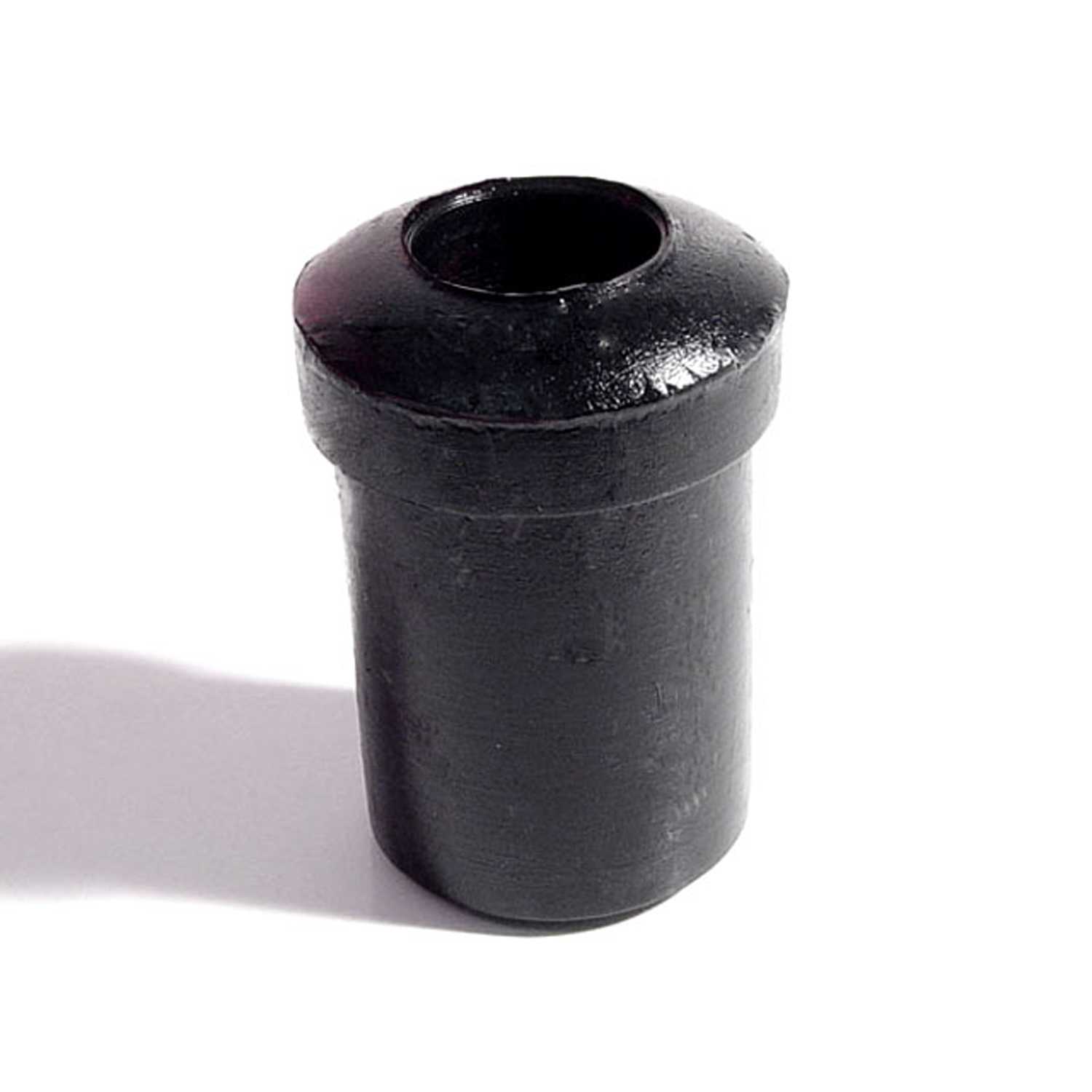 1958 DeSoto Firesweep Spring and Shackle Bushing. 1" bottom O.D-BN 20Spring and Shackle Bushing. 1" bottom O.D. X 1-5/8" high, with 9/16" I.D. Each
 1958 DeSoto Firesweep Shock Absorber Grommet. 1-3/8" bottom O.D-BN 7Shock Absorber Grommet. 1-3/8" bottom O.D., 1-3/4" high, with 5/8" I.D. Each
 1958 DeSoto Firesweep Gravel Shields. Molded flat without metal backing plates-FS 31Gravel Shields. Molded flat without metal backing plates. Apply with contact cement. 18" long X 9-3/4" wide at bottom. Pair
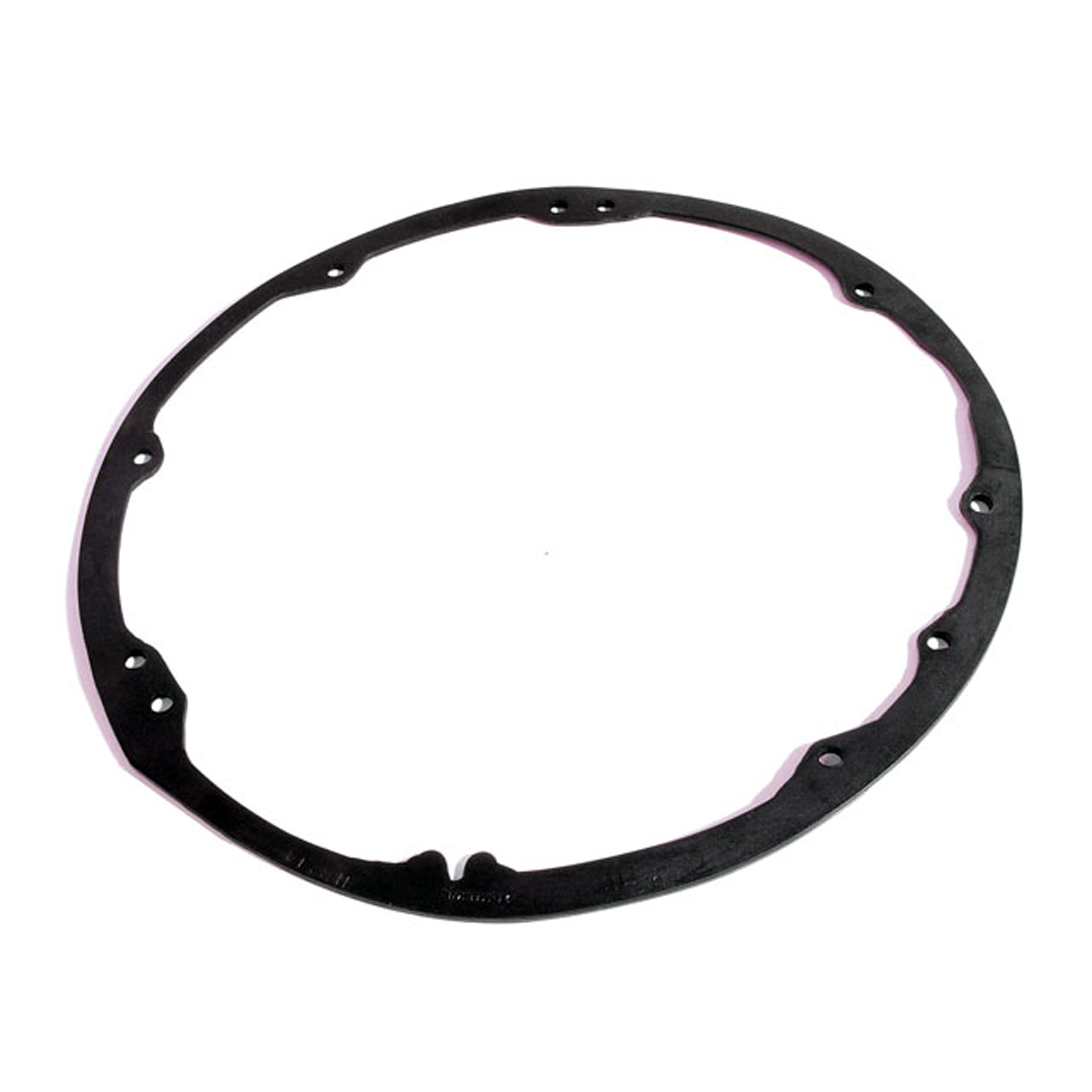 1958 DeSoto Firesweep Headlight Ring Seal. 8-3/8" O.D., 7-3/4" I.D. Pair-HR 14Headlight Ring Seal. 8-3/8" O.D., 7-3/4" I.D. Pair
 1958 DeSoto Firesweep Door Lock Pad. 1-3/8" O.D. Each-MP 551-CDoor Lock Pad. 1-3/8" O.D. Each
 1958 DeSoto Firesweep Rumble Seat Step Plate Pad. Rubber face only. 4-1/4" O.D-SP 17Rumble Seat Step Plate Pad. Rubber face only. 4-1/4" O.D. Each
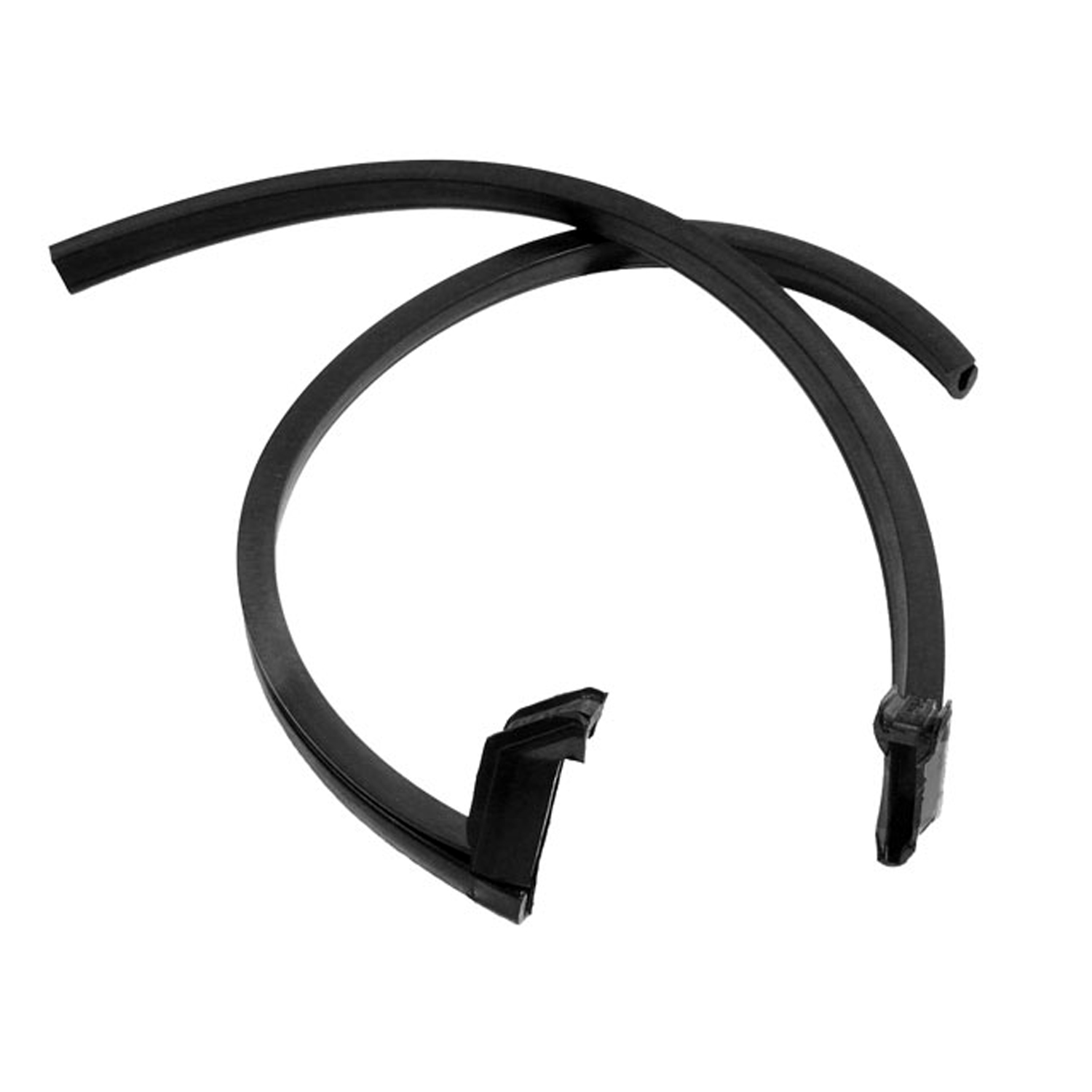 1958 DeSoto Firesweep Rear Roll-Up Window Seals-VS 7-GRear Roll-Up Window Seals. For leading edge of rear quarter window. Made with molded ends. 18-1/2" long. Pair R&L
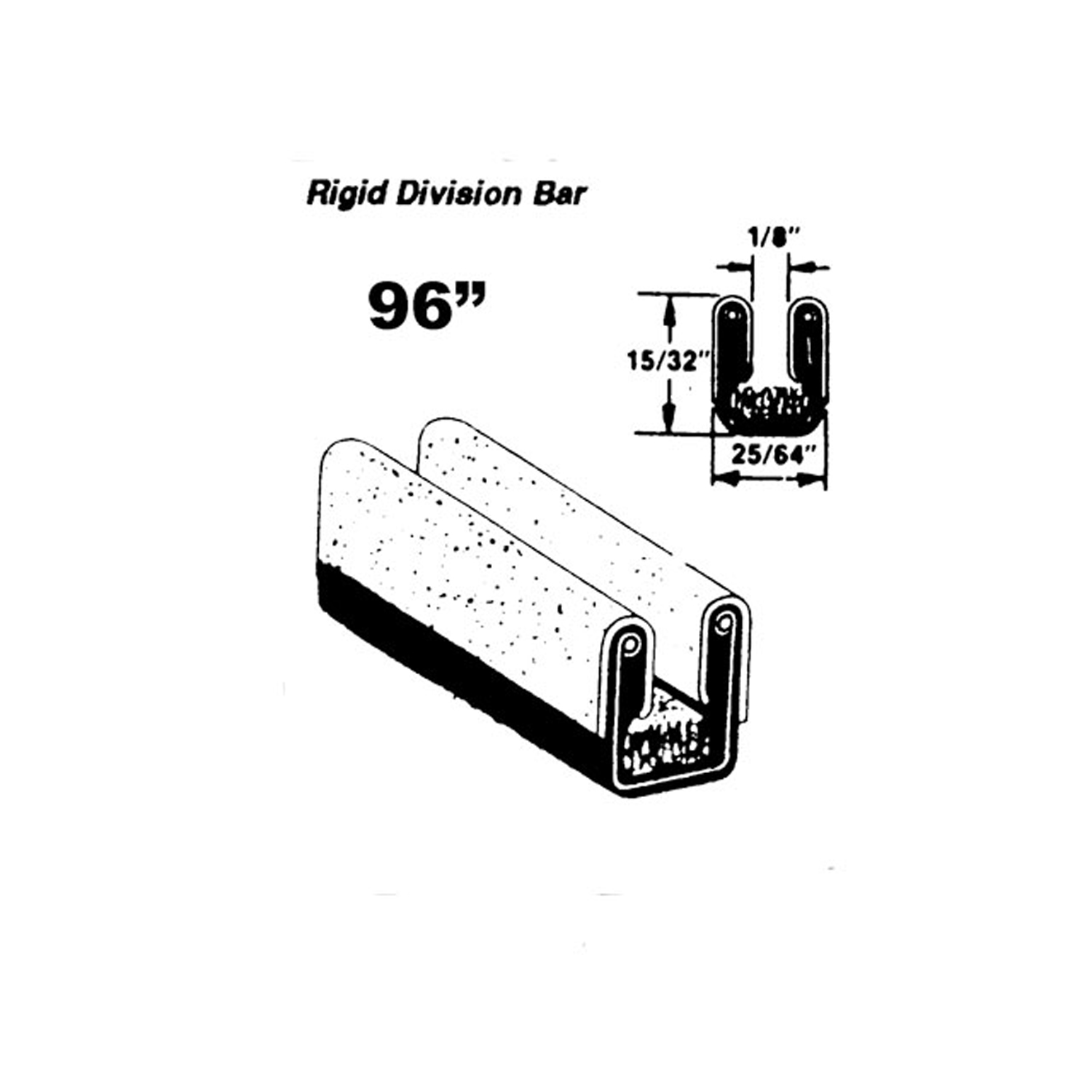 1958 DeSoto Firesweep Rigid division-bar run channel-WC 31-96Rigid division-bar run channel. Made with very soft felt lining. Used on front and rear door side windows. 96 in. long. Each. NOTE: $20 special shipping charge applies for domestic orders. Call or email for overseas shipping costs. Part can be sectioned in two or three equal lengths to reduce overseas shipping costs.
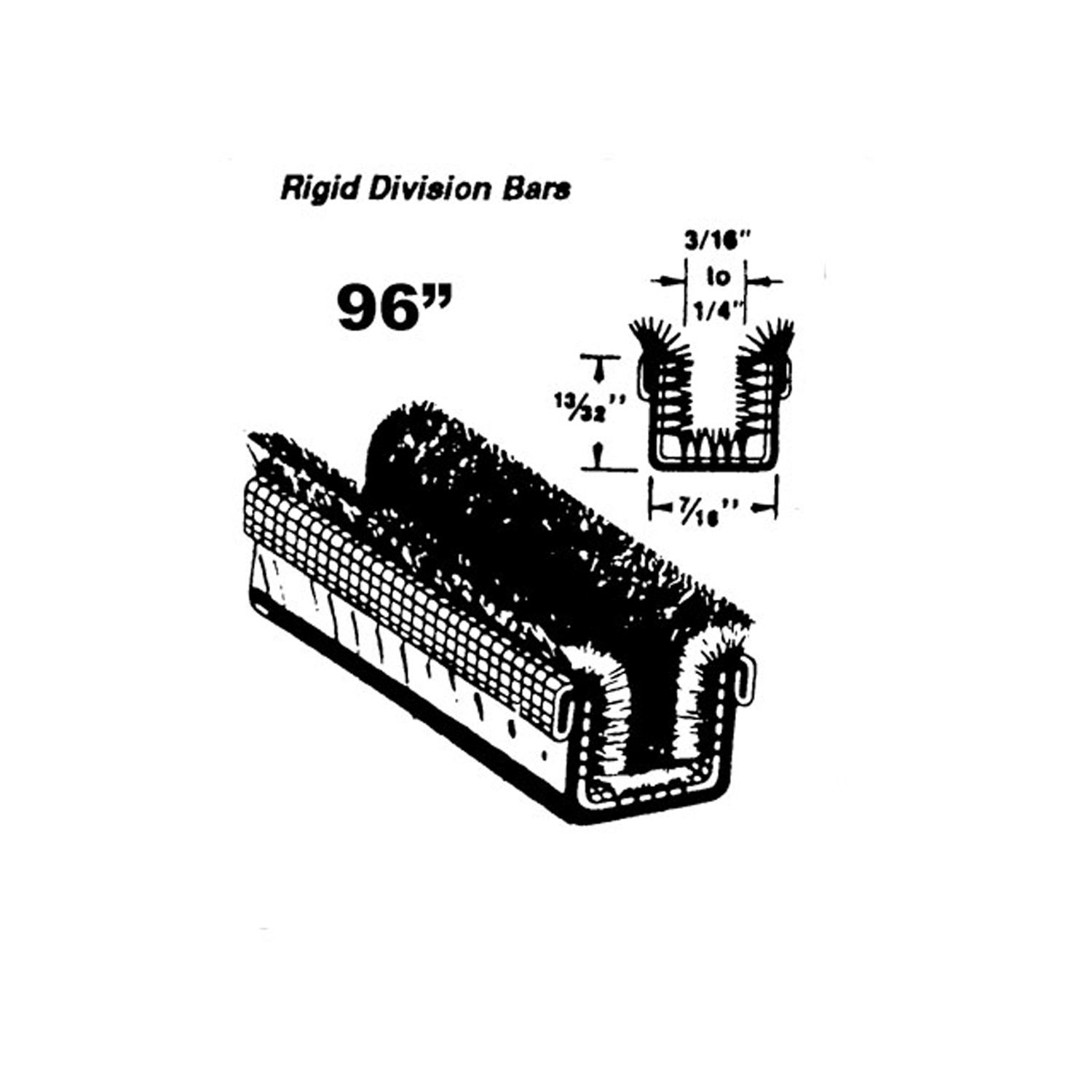 1958 DeSoto Firesweep Rigid division-bar channel. Unbeaded. 96 in. long. Each-WC 41-96Rigid division-bar channel. Unbeaded. 96 in. long. Each. NOTE: $20 special shipping charge applies for domestic orders. Call or email for overseas shipping costs. Part can be sectioned in two or three equal lengths to reduce overseas shipping costs.
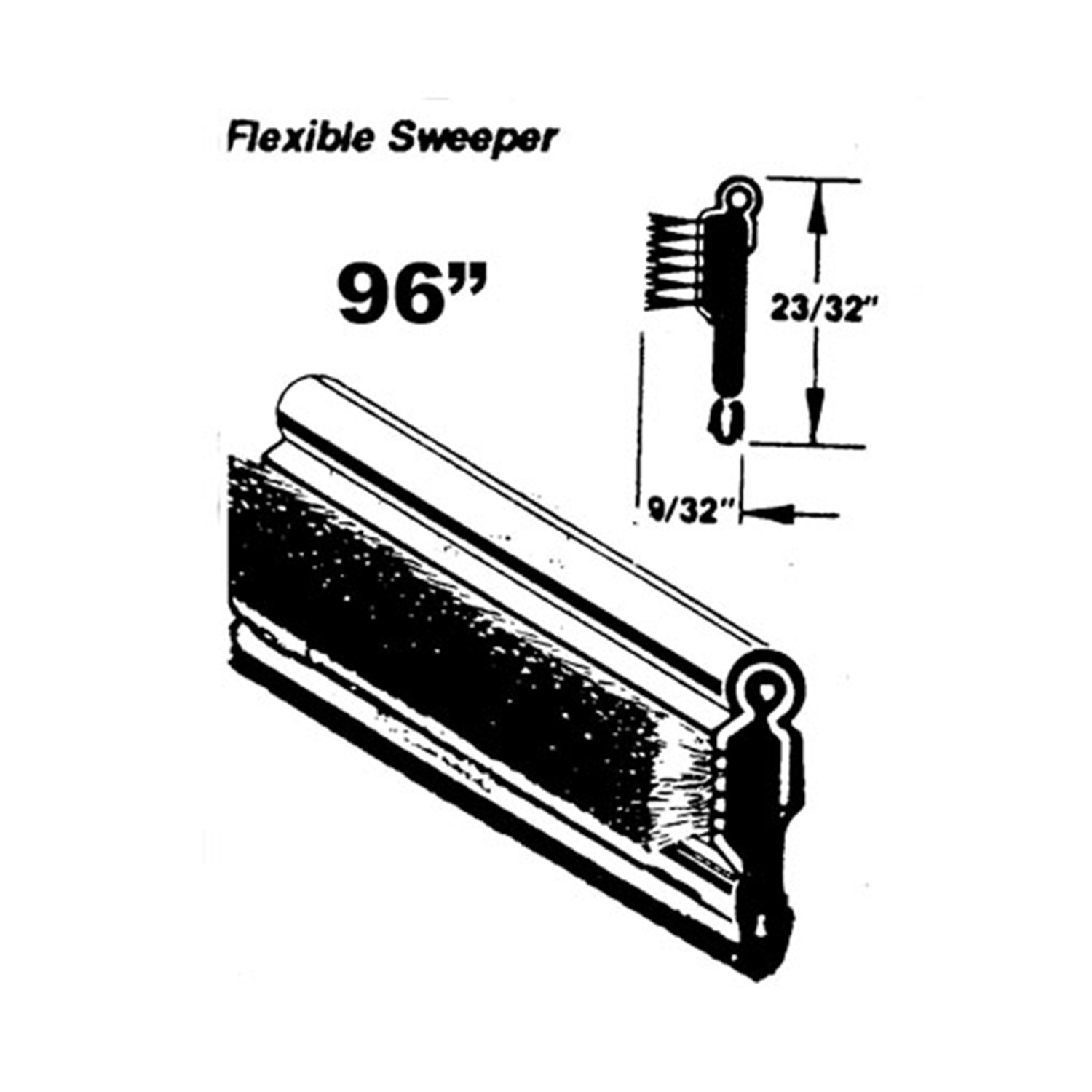 1958 DeSoto Firesweep Flexible window sweeper. Made with stainless steel bead-WC 4-96Flexible window sweeper. Made with stainless steel bead. 96 in. long. Each. NOTE: $20 special shipping charge applies for domestic orders. Call or email for overseas shipping costs. Part can be sectioned in two or three equal lengths to reduce overseas shipping costs.
Why Choose Metro?
For over 100 years, Metro Moulded Parts has been the pinnacle of quality in classic car restoration parts. Our commitment to precision and authenticity in every component ensures a perfect fit and an OEM-level appearance.
- Expert Craftsmanship & Quality: Each part is a testament to our dedication to reliability and perfection, crafted from original designs and thoroughly tested.
- Advanced Technology: We use cutting-edge techniques to create flawless, long-lasting parts that surpass others in performance.
- SuperSoft Sponge – The Ultimate Door Seal: Not only are our door seals 30% softer than competitors', but they're also guaranteed to never leak. They effectively reduce wind and road noise, enhancing your classic car's comfort and driving experience.
- Proudly American: Our parts are a product of American craftsmanship, made in the USA with a spirit of excellence and heritage.
- Unrivaled Warranty: We back our products with a 30-year industry-leading warranty, a testament to our confidence in their quality.
Join us in preserving the legacy of classic cars with parts that are crafted for perfection, not just made.