

Image of 1959 Desoto Firesweep, Note: These illustrations use artistic license and may differ from actual historical models.
Performance Metrics
Fundamental Metrics
Emotional Appeal
MMP Rating
| Engine Specifications | |
|---|---|
| Engine: | 361 cu in (5.9 L) V8 |
| Displacement: | 361 cu in (5.9 L) |
| Horsepower: | 295 hp |
| Torque: | 400 lb-ft |
| Compression Ratio: | 10.0:1 |
| Ignition System: | Conventional points ignition system |
| Cooling System: | Liquid-cooled |
| Performance Specifications | |
| 0-60 Time: | Estimated 10 seconds |
| 1/4 Mile Time: | Estimated 17 seconds |
| Top Speed: | 120 mph |
| Transmission and Drive | |
| Drive Type: | Rear-wheel drive |
| Transmission Type: | 3-speed TorqueFlite automatic |
| Fuel and Efficiency | |
| Fuel System Type: | Carburetor |
| MPG: | Estimated 10-12 mpg |
| Dimensions and Brakes | |
| Brakes: | Drum brakes |
| Wheelbase: | 122 in (3,099 mm) |
| Weight: | 3,700 lbs |
Note: Specifications for classic cars are given to the best of our ability, considering the limited and variant data available.
1959 DeSoto Firesweep: A Fin-Tailed Chrysler Classic
The 1959 DeSoto Firesweep arrived with towering rear fins, a broad chrome face, and the confident presence of a car built for America’s open road. Manufactured by the Chrysler Corporation, it was the entry-level DeSoto for the 1959 model year, but “entry-level” did not mean plain: the Firesweep offered bold Forward Look styling, V8 power, and many of the comfort features that made late-1950s American cars so distinctive.
DeSoto had been created by Chrysler in 1928 to compete in the popular mid-priced market. By 1959, however, the marque was facing a difficult business climate. Sales were falling, competition was fierce, and the company would soon be discontinued. That makes the Firesweep part of DeSoto’s closing chapter. One standout feature from this period was Chrysler’s optional swivel front seats, which turned outward to make getting in and out easier, a wonderfully space-age flourish for a family car.
Forward Look Fins and Fine Details
The Firesweep’s exterior was a vivid expression of Chrysler designer Virgil Exner’s Forward Look. Its long, low body swept back toward high tailfins, with rear lamps integrated into the dramatic tail treatment. Up front, a wide grille, paired headlights, and generous chrome trim gave the car a broad, assertive stance. The styling was not subtle, and that was precisely the point: the Firesweep was designed to look modern, fast, and unmistakably American.
Inside, the cabin paired a wide bench seat with a large, thin-rimmed steering wheel and a dashboard full of bright trim. Depending on the trim and options, upholstery could include cloth, vinyl, or combinations of the two. The overall effect was colorful and spacious rather than sporty and close-coupled. Buyers could add conveniences such as power steering, power brakes, power windows, power seats, and air conditioning, depending on equipment and configuration.
Chrysler offered the Firesweep in a range of factory colors, including solid finishes and two-tone combinations. White paired with a contrasting color was a popular look, while turquoise, blue, red, and other vivid hues suited the era’s optimistic styling. Two-tone paint helped emphasize the car’s long flanks and rear fins, making it a particularly striking choice on a hardtop.
Firesweep body styles included sedan and hardtop versions, with two-door and four-door configurations among the principal choices. A convertible was also offered in the Firesweep range. The two-door hardtop is especially memorable today: it combines the clean, pillarless roofline with the car’s full-length body and flamboyant rear styling.
What Made the Firesweep Different
The Firesweep gave buyers a more affordable route into DeSoto ownership while retaining the brand’s upscale appearance. It sat below the Firedome, Fireflite, and Adventurer, and used a shorter-wheelbase platform related to Chrysler Corporation’s Dodge products. That shared engineering helped Chrysler manage costs while allowing DeSoto to maintain its own distinctive styling and identity.
Its significance is tied to both the height and the fragility of the late-1950s American automobile boom. The Firesweep represents the era’s fascination with fins, chrome, powerful V8s, and increasingly elaborate comfort options. It also shows how quickly the market could change: DeSoto’s sales struggled, and the brand disappeared after the 1961 model year. The Firesweep did not introduce a technology that transformed the industry, but it brought Chrysler’s design-forward approach and convenience features to a broad mid-priced audience.
V8 Power and Highway Manners
The 1959 Firesweep was powered by a 361-cubic-inch V8, commonly rated at about 295 horsepower. A three-speed manual transmission was available, while Chrysler’s famous push-button-operated TorqueFlite automatic was a popular choice. The buttons were mounted on the dashboard, leaving the steering column uncluttered and giving the driver a distinctly futuristic way to select gears.
Period specifications and modern road-test estimates vary with transmission, gearing, body style, and vehicle condition. A healthy example can be expected to reach 60 mph in roughly 10 to 12 seconds, with a top speed in the neighborhood of 110 to 120 mph. Those figures are estimates, not guarantees for a nearly seven-decade-old car. Today, mechanical condition and the accuracy of the speedometer matter far more than a period brochure’s best-case numbers.
On the road, the Firesweep is a big, softly sprung American cruiser. Its long wheelbase helps it glide over ordinary bumps, though worn shocks, tired bushings, and old tires can make a surviving car feel loose or floaty. On winding roads, the wide body and comfort-oriented suspension call for smooth, unhurried driving rather than sharp cornering. Crosswinds can also remind the driver just how much car is moving down the road.
The driving experience is part of the appeal. The V8 produces a deep, relaxed note, and the automatic transmission suits the car’s easygoing character. The steering is light with power assistance, the hood seems to stretch out ahead, and the broad bench seat encourages a calm pace. The Firesweep feels most at home cruising steadily, not being hustled through tight turns.
Living With a 1959 DeSoto
Today, Firesweeps are most often enjoyed as weekend cruisers, show cars, and additions to marque-focused collections. Some owners drive them regularly, but their size, fuel consumption, age, and increasingly scarce trim parts make them less practical as everyday transport than a modern car. A well-sorted example can still make an excellent classic for local outings and long, relaxed drives.
Mechanical servicing is manageable for an experienced classic-car owner. The V8 and many major components share Chrysler-family engineering, so basic service items and mechanical knowledge are not unique to DeSoto. The bigger challenge is often finding model-specific parts: exterior trim, body panels, glass, interior pieces, and some electrical components can take time to locate. Before buying, inspect the frame and body for rust, check the automatic transmission, and verify that the brakes, steering, and cooling system work properly.
Reliability depends heavily on restoration quality and maintenance. A car that has been stored for years may need attention to its fuel system, wiring, cooling system, brakes, and rubber components before it is roadworthy. A careful pre-purchase inspection is especially important because a shiny finish can hide expensive structural or mechanical problems.
Firesweep Facts Worth Knowing
The name “DeSoto” honored Spanish explorer Hernando de Soto, while names such as Firesweep and Fireflite gave the brand’s model range a distinctive, fire-themed identity. The optional swivel seats are another memorable detail: they pivoted outward to help occupants enter and exit, turning an everyday action into a small piece of automotive theater.
There is no widely recognized speed, endurance, or sales record associated with the 1959 Firesweep. Its historical interest comes instead from its timing: it was sold during DeSoto’s steep decline, just a few years before the nameplate was withdrawn. A common criticism is that the car’s dramatic styling and large dimensions came with considerable weight and fuel consumption. Its soft ride and broad footprint also mean it is not a nimble modern-style driver. For fans, those traits are part of the period character rather than a surprise.
Collector Values and Availability
Exact Firesweep production figures can be difficult to pin down across body styles, but a reasonable estimate for total 1959 Firesweep production is around 20,000 to 25,000 cars. That makes the model uncommon today, though not every version is equally scarce. Four-door sedans are generally easier to find than desirable hardtops and convertibles, and surviving cars vary widely in condition.
As a broad U.S. market guide for 2026, a project or rough driver might sell for about $8,000 to $18,000. A sound, presentable sedan or hardtop could fall around $20,000 to $40,000, while a high-quality restoration may bring $40,000 to $60,000 or more. Convertibles and exceptional, well-documented examples can command higher prices, sometimes reaching the $60,000 to $80,000-plus range. These are estimates, not fixed values: originality, rust, restoration quality, provenance, and the completeness of hard-to-find trim all matter.
Firesweeps have gained recognition among collectors who appreciate distinctive late-1950s styling and less-common Chrysler marques. Values tend to be strongest for complete, correctly restored cars, but the market is selective. Over time, good examples may appreciate, though restoration costs can outpace resale value. Buyers should choose a car for its condition and personal appeal rather than assuming that every expensive restoration will return its full cost.
Why the 1959 Firesweep Still Turns Heads
The 1959 DeSoto Firesweep brings together a powerful V8, a comfortable cruiser’s manners, bold Forward Look design, and a remarkable place in DeSoto’s final years. It was the accessible member of the lineup, yet it still delivered the chrome, color, and convenience features that made the period unforgettable. For collectors, it is more than a finned classic: it is a vivid reminder of a vanished American marque that went out with style.
1959 Desoto Firesweep Catalog of Parts
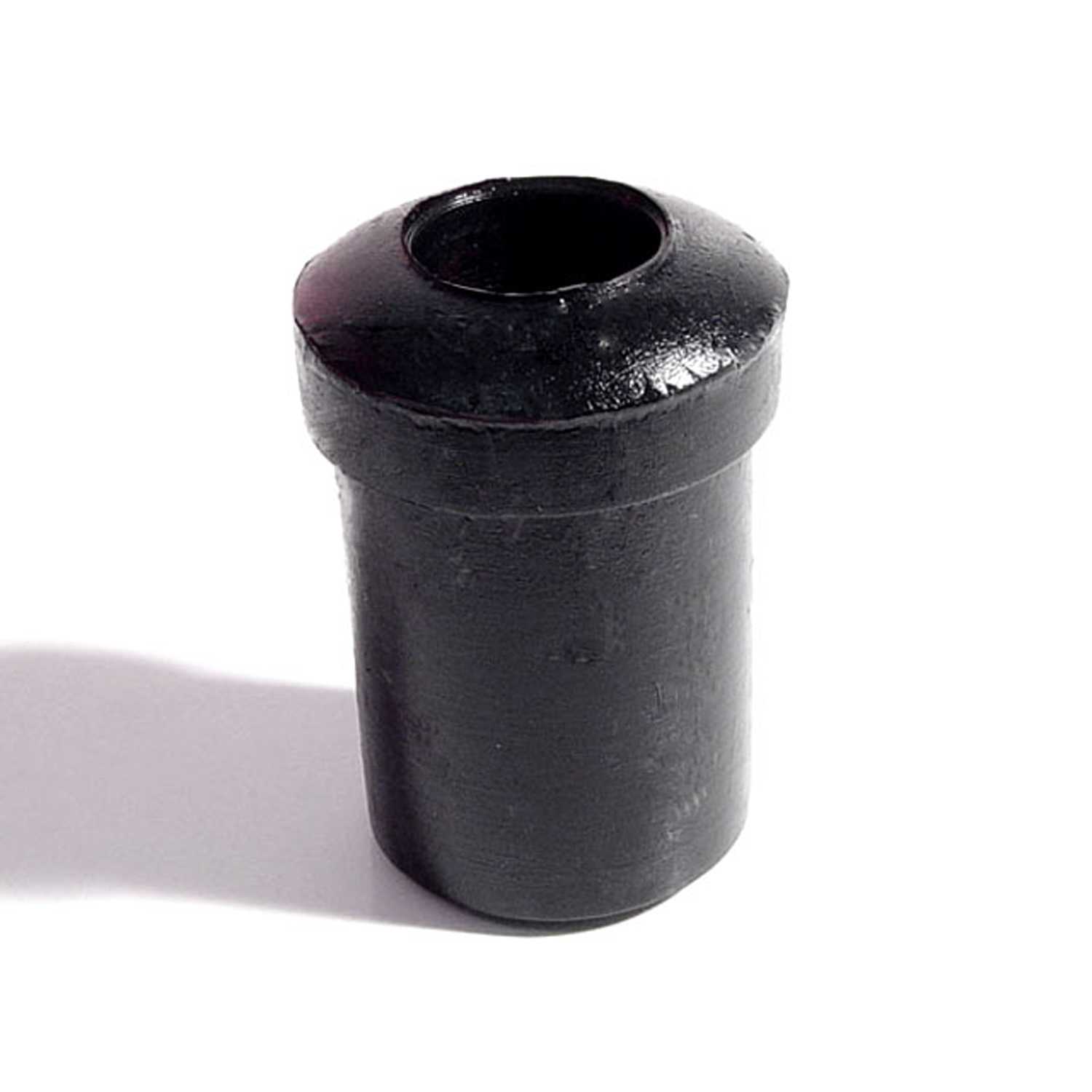 1959 DeSoto Firesweep Spring and Shackle Bushing. 1" bottom O.D-BN 20Spring and Shackle Bushing. 1" bottom O.D. X 1-5/8" high, with 9/16" I.D. Each
 1959 DeSoto Firesweep Shock Absorber Grommet. 1-3/8" bottom O.D-BN 7Shock Absorber Grommet. 1-3/8" bottom O.D., 1-3/4" high, with 5/8" I.D. Each
 1959 DeSoto Firesweep Gravel Shields. Molded flat without metal backing plates-FS 31Gravel Shields. Molded flat without metal backing plates. Apply with contact cement. 18" long X 9-3/4" wide at bottom. Pair
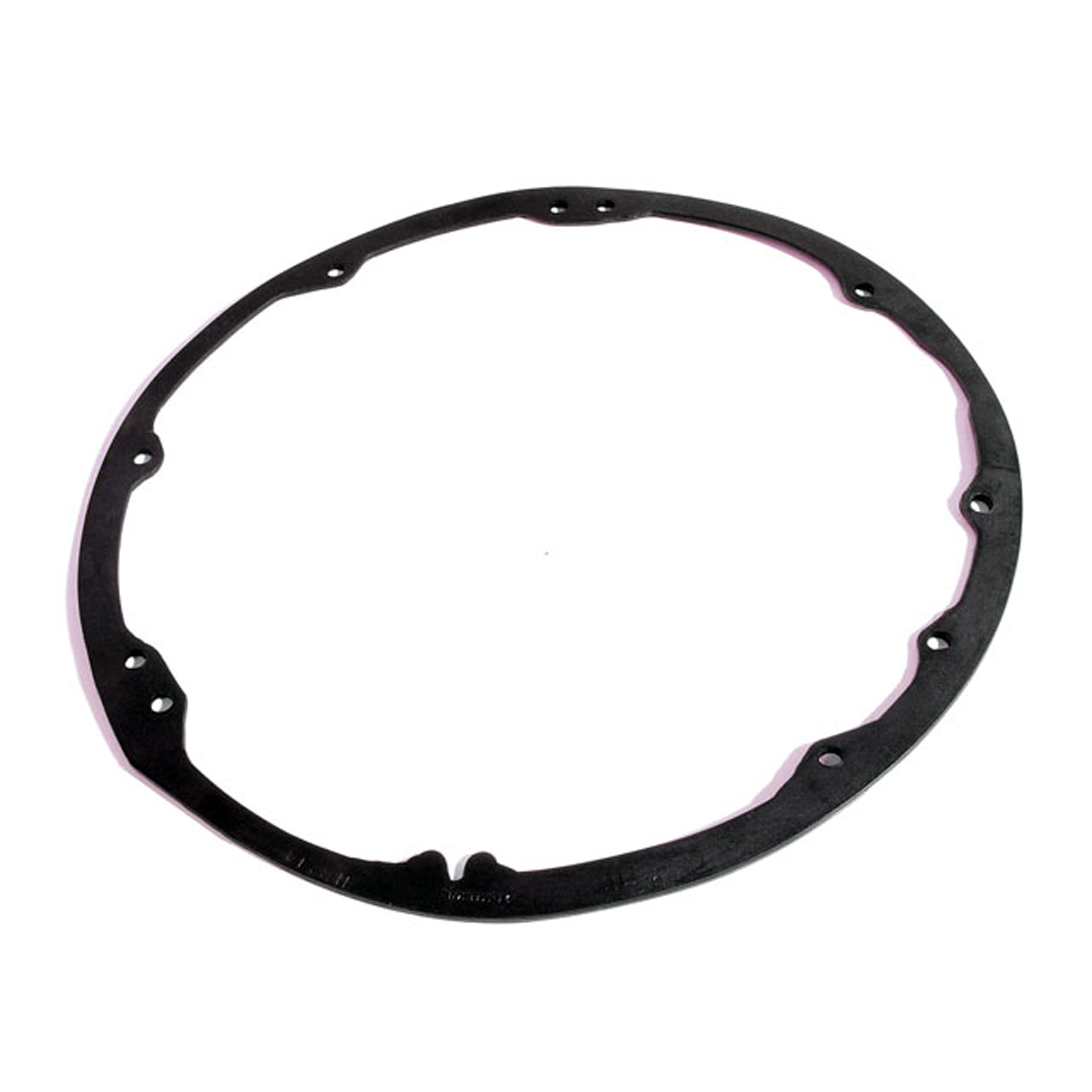 1959 DeSoto Firesweep Headlight Ring Seal. 8-3/8" O.D., 7-3/4" I.D. Pair-HR 14Headlight Ring Seal. 8-3/8" O.D., 7-3/4" I.D. Pair
 1959 DeSoto Firesweep Door Lock Pad. 1-3/8" O.D. Each-MP 551-CDoor Lock Pad. 1-3/8" O.D. Each
 1959 DeSoto Firesweep Mirror Pad. 1-1/4" wide X 4-1/4" long. Each-MP 663-SMirror Pad. 1-1/4" wide X 4-1/4" long. Each
 1959 DeSoto Firesweep Rumble Seat Step Plate Pad. Rubber face only. 4-1/4" O.D-SP 17Rumble Seat Step Plate Pad. Rubber face only. 4-1/4" O.D. Each
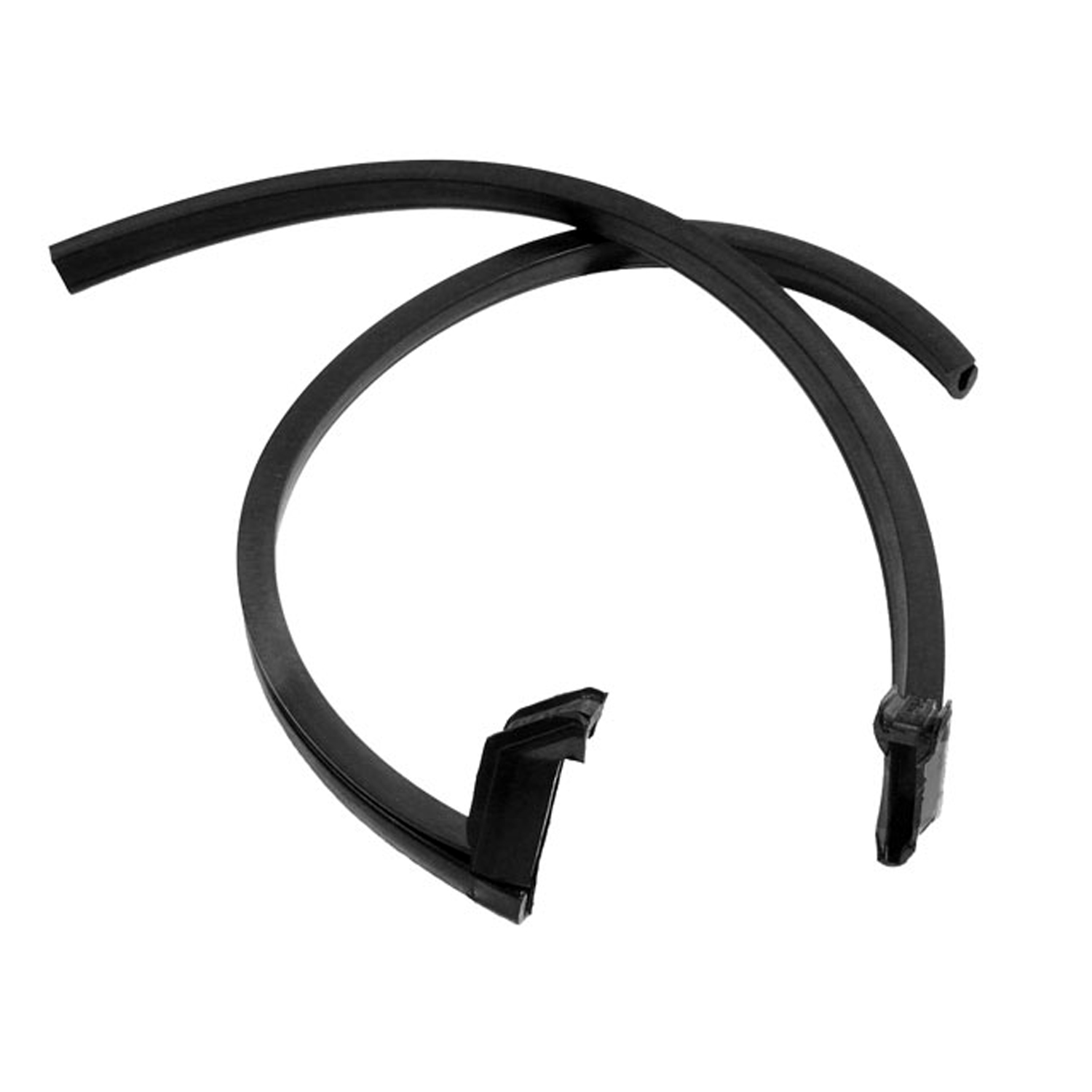 1959 DeSoto Firesweep Rear Roll-Up Window Seals-VS 7-GRear Roll-Up Window Seals. For leading edge of rear quarter window. Made with molded ends. 18-1/2" long. Pair R&L
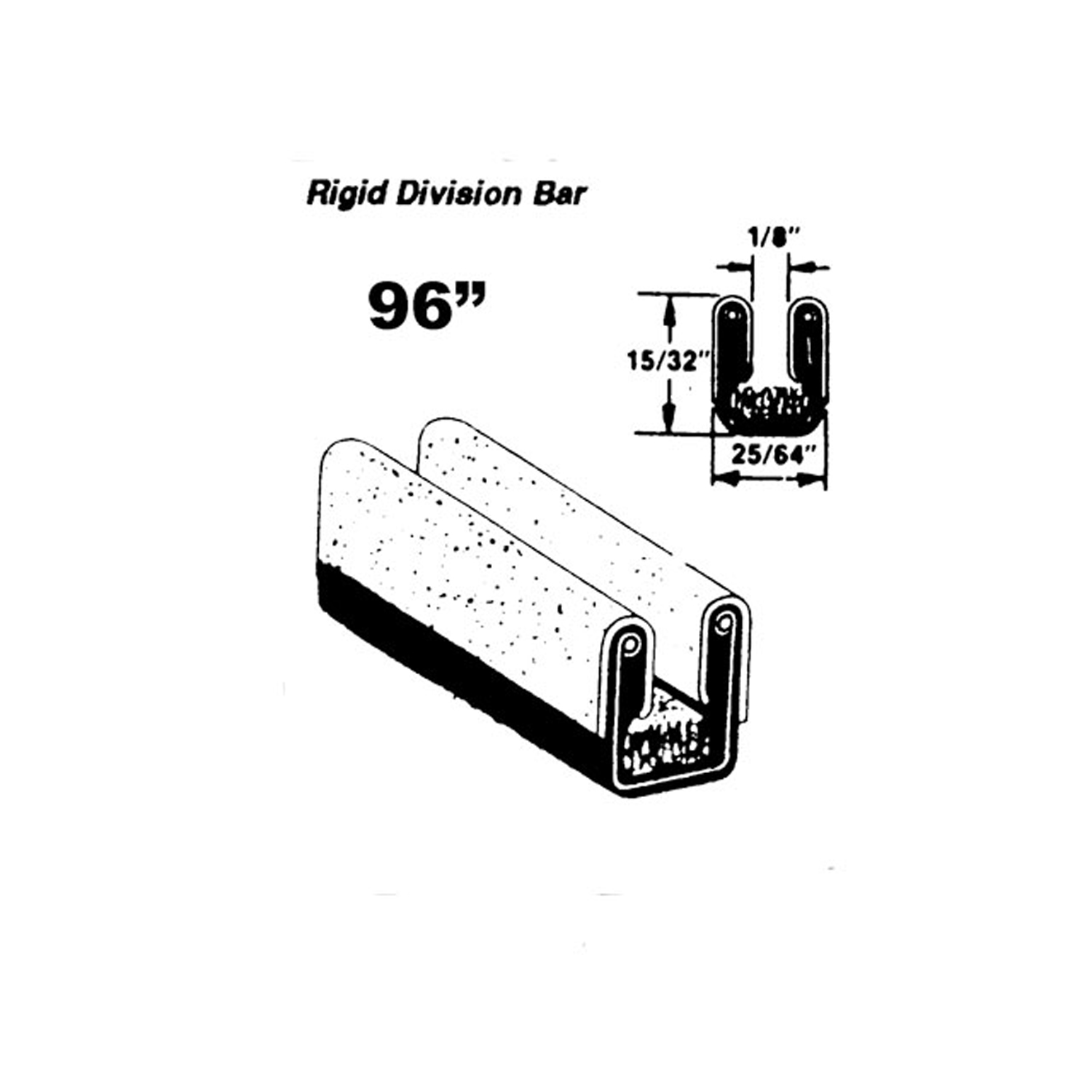 1959 DeSoto Firesweep Rigid division-bar run channel-WC 31-96Rigid division-bar run channel. Made with very soft felt lining. Used on front and rear door side windows. 96 in. long. Each. NOTE: $20 special shipping charge applies for domestic orders. Call or email for overseas shipping costs. Part can be sectioned in two or three equal lengths to reduce overseas shipping costs.
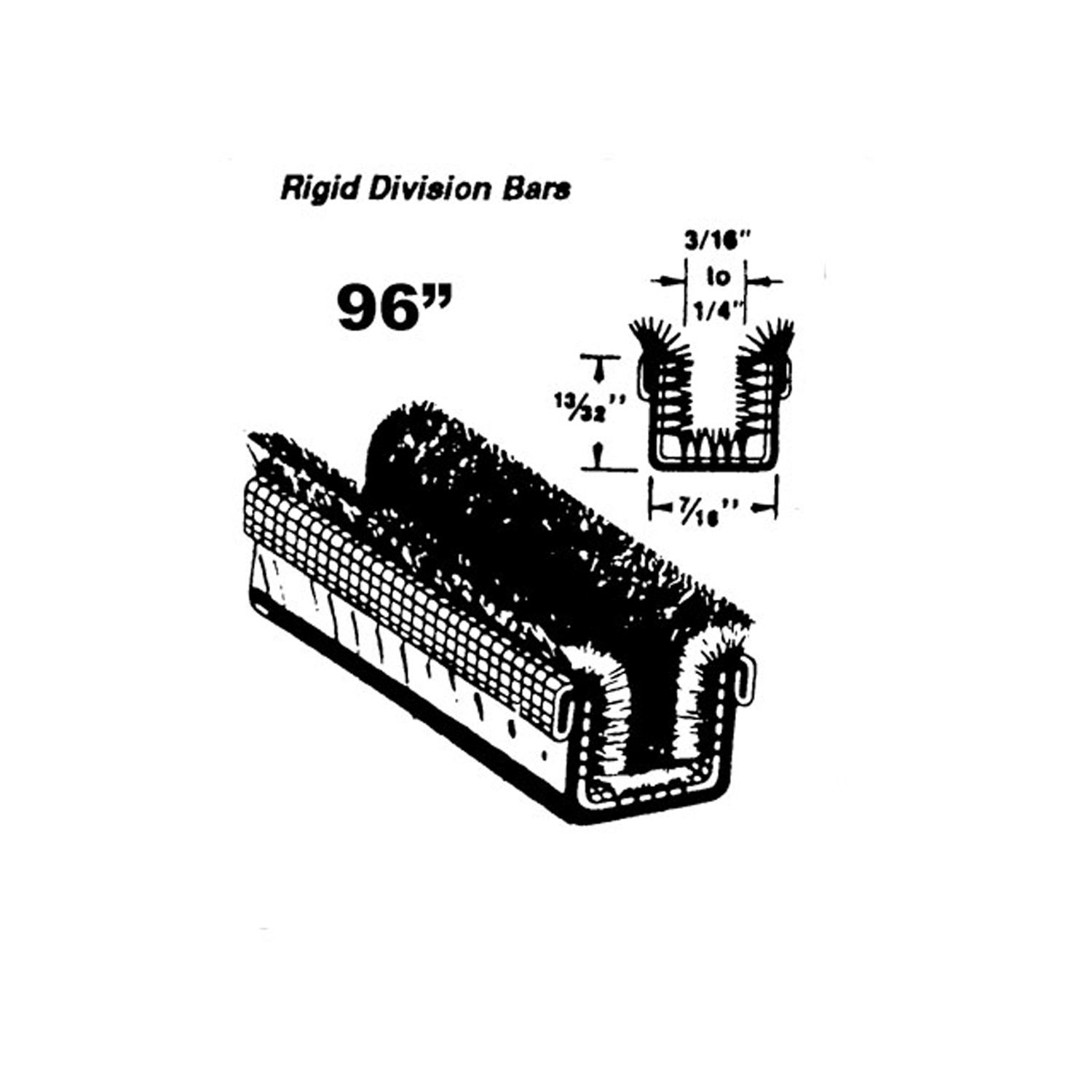 1959 DeSoto Firesweep Rigid division-bar channel. Unbeaded. 96 in. long. Each-WC 41-96Rigid division-bar channel. Unbeaded. 96 in. long. Each. NOTE: $20 special shipping charge applies for domestic orders. Call or email for overseas shipping costs. Part can be sectioned in two or three equal lengths to reduce overseas shipping costs.
Why Choose Metro?
For over 100 years, Metro Moulded Parts has been the pinnacle of quality in classic car restoration parts. Our commitment to precision and authenticity in every component ensures a perfect fit and an OEM-level appearance.
- Expert Craftsmanship & Quality: Each part is a testament to our dedication to reliability and perfection, crafted from original designs and thoroughly tested.
- Advanced Technology: We use cutting-edge techniques to create flawless, long-lasting parts that surpass others in performance.
- SuperSoft Sponge – The Ultimate Door Seal: Not only are our door seals 30% softer than competitors', but they're also guaranteed to never leak. They effectively reduce wind and road noise, enhancing your classic car's comfort and driving experience.
- Proudly American: Our parts are a product of American craftsmanship, made in the USA with a spirit of excellence and heritage.
- Unrivaled Warranty: We back our products with a 30-year industry-leading warranty, a testament to our confidence in their quality.
Join us in preserving the legacy of classic cars with parts that are crafted for perfection, not just made.