
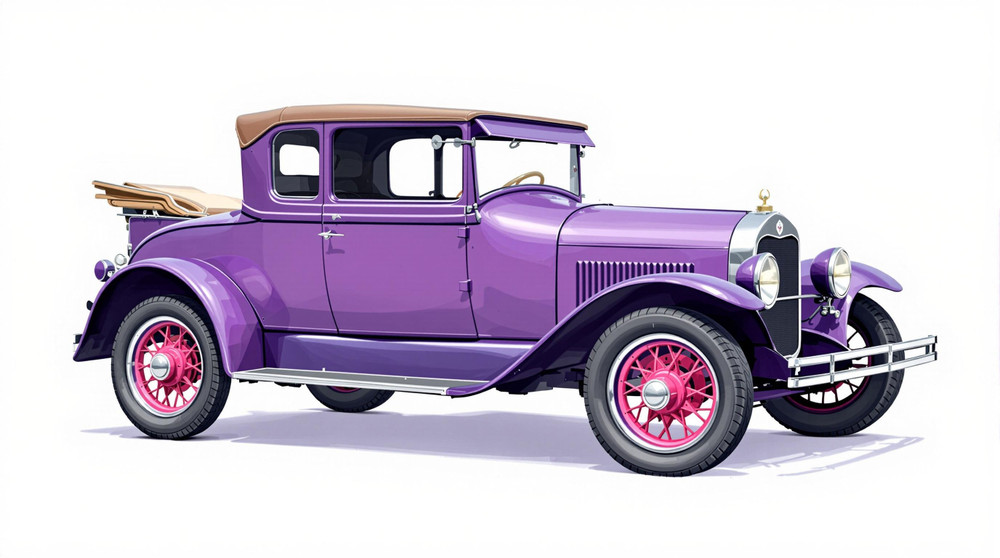
Image of 1919 Dodge Model 30, Note: These illustrations use artistic license and may differ from actual historical models.
Performance Metrics
Fundamental Metrics
Emotional Appeal
MMP Rating
| Engine Specifications | |
|---|---|
| Engine: | Inline-4 |
| Displacement: | 212 cubic inches |
| Horsepower: | Estimated 35 HP |
| Torque: | Not available |
| Compression Ratio: | Not available |
| Ignition System: | Magneto |
| Cooling System: | Water-cooled |
| Performance Specifications | |
| 0-60 Time: | Not available |
| 1/4 Mile Time: | Not available |
| Top Speed: | 50 mph |
| Transmission and Drive | |
| Drive Type: | Rear-wheel drive |
| Transmission Type: | 3-speed manual |
| Fuel and Efficiency | |
| Fuel System Type: | Carburetor |
| MPG: | Not available |
| Dimensions and Brakes | |
| Brakes: | Mechanical drum brakes |
| Wheelbase: | 114 inches |
| Weight: | 2,400 lbs |
Note: Specifications for classic cars are given to the best of our ability, considering the limited and variant data available.
1919 Dodge Model 30: The Sturdy Four-Cylinder That Built a Reputation
The 1919 Dodge Model 30 was not built to be flashy. It was built to start, carry its passengers, and keep going, qualities that helped make Dodge Brothers one of America’s most respected young automakers. With a solid four-cylinder engine, practical body choices, and equipment that was advanced for its time, the Model 30 offered a compelling alternative to the fragile, sometimes underpowered cars of the early automobile era.
Dodge Brothers, founded by Horace and John Dodge, began as a major supplier of engines and components to other manufacturers, including Ford. In 1914, the brothers introduced their own car, the Model 30. By 1919, the company had established a reputation for sturdy engineering and dependable construction. The Model 30 was still the heart of its passenger-car business, and its wartime-era reputation for durability helped it appeal to families, businesses, and public-service users alike.
One especially interesting chapter in the Model 30’s story is its connection to military motoring. Dodge cars were used by U.S. forces during the 1916 Mexican border campaign and the First World War period. These were not modern purpose-built off-road vehicles, but their usefulness in demanding service helped make the Dodge name synonymous with toughness.
Steel, Brass, and Practical Style
The 1919 Model 30 had the upright, purposeful look typical of the period. Its tall radiator, prominent headlamps, narrow tires, and separate fenders gave it a formal profile, while the long hood announced that a substantial engine sat beneath it. Brass trim was common on early automobiles, though by 1919 nickel-plated fittings and darker, more restrained finishes were increasingly familiar. The overall impression was sturdy rather than ornate.
Dodge Brothers promoted the Model 30’s steel body construction as an important advantage. Period body construction could still involve wood framing and structural components, so “steel body” should not be read as meaning every part of the body was metal. Even so, its steel-panel construction reflected the industry’s move toward stronger, more consistent bodies and away from the heavily wood-dependent coachwork of earlier cars.
Inside, the Model 30 was straightforward and durable. Open cars typically used leather upholstery, while closed-body versions could have cloth or other tailored interior materials, depending on the body and trim. The cabin was designed for use, not luxury-car pampering: a broad bench seat, exposed controls, simple door trim, and a large steering wheel made up the essentials. Compared with a modern car, the finish was sparse, but period owners valued materials that could withstand daily use.
Factory paint choices varied by year, body style, and market, and surviving cars have often been repainted. Black and dark, conservative colors such as blue or gray are frequently associated with period Dodge cars. A buyer choosing a Model 30 today should verify a car’s original finish through paint traces, factory records, or period documentation rather than assuming every color now seen on a restored example was offered in 1919.
Model 30 Body Styles and Equipment
The Model 30 was offered in several body styles during its production life, with availability changing over time. Open touring cars and roadsters were among the most recognizable versions. Closed cars, including coupe and sedan-type bodies, brought weather protection and a more formal appearance. Commercial and utility configurations also served owners who needed a working vehicle. The five-passenger touring car is perhaps the most iconic today, with its open cabin, folding top, and side curtains.
For its era, the Model 30’s equipment was a strong selling point. Electric lighting and an electric starter were available, features that made motoring more convenient than relying entirely on oil lamps and a hand crank. Dodge’s early use of a 12-volt electrical system was also notable in a period when electrical standards were still developing. Exact equipment could vary by production date and specification, so restorers should check the individual car rather than assume every 1919 example left the factory identically equipped.
Under the hood was a four-cylinder, L-head engine of about 212 cubic inches. It produced approximately 35 horsepower, sent through a three-speed manual transmission to the rear wheels. The combination prioritized steady pulling power and durability over high-revving performance. A Model 30 was a substantial machine for its time, and its mechanical simplicity made it easier to understand and service than many more complicated contemporary designs.
Why the Dodge Model 30 Mattered
The Model 30 helped define Dodge Brothers as a full-fledged automobile manufacturer rather than simply a supplier of parts. Its construction and equipment supported a reputation for dependable, practical transportation. The company’s early success was especially striking given that Dodge entered the passenger-car market only in 1914. By 1919, the Model 30 had become a familiar sight on American roads.
What set it apart was the balance between solidity and usability. The car combined a capable engine with electric starting and lighting, a steel-bodied construction approach, and a straightforward drivetrain. It did not introduce every feature on its own, but it brought together qualities buyers increasingly expected from a serious automobile. Dodge’s emphasis on durability became a lasting part of the brand’s identity, influencing how later Dodge cars and trucks were marketed.
The Model 30 also reflects a major change in American motoring. Cars were shifting from expensive novelties toward practical transportation for a broader public. A Dodge was not as inexpensive as the most basic mass-market cars, but it offered a reputation for sturdiness that appealed to owners who wanted a vehicle they could use hard and maintain over time.
Performance on 1919 Roads
Expect a top speed in the neighborhood of 45 to 50 mph when the car is in good condition, though gearing, tire size, body style, and mechanical condition all affect the result. A factory-style 0-to-60-mph figure was not generally recorded for cars of this age. More importantly, a standard Model 30 should not be expected to reach 60 mph in ordinary trim. Its 35-horsepower engine was intended for usable road speeds, not modern highway performance.
Acceleration is gradual by present-day standards. The driver works a non-synchronized three-speed gearbox, using careful timing and a practiced hand to avoid gear clash. The controls require attention, and the steering and braking systems demand more effort than those in a modern car. Period cars typically relied on mechanical braking at the rear wheels rather than modern four-wheel hydraulic brakes, so stopping distances and technique deserve respect.
On a smooth road, the Model 30 can feel steady and composed, especially at moderate speeds. Its leaf-spring suspension and tall tires help absorb some roughness, but a sharp bump can send a noticeable jolt through the cabin. On winding roads, narrow tires, comparatively slow steering, and the car’s high stance encourage a measured pace. It is best driven with foresight: leave room to stop, choose a gear before a hill, and avoid sudden steering inputs.
The driving experience is wonderfully mechanical. The engine produces a steady, low-pitched four-cylinder rhythm, accompanied by the sounds of gears, tires, and the road itself. The driver sits upright, operates the controls directly, and remains part of the process. There is no power steering, sound insulation, or automatic transmission to smooth away the work. That involvement is precisely what many vintage-car enthusiasts enjoy.
Living With a Model 30
Today, a 1919 Dodge Model 30 is best suited to touring, local vintage-car events, museum displays, and carefully planned drives on slower roads. It can be made roadworthy and used regularly, but it is not a practical modern daily driver. Traffic speeds, visibility, braking distance, and the absence of contemporary safety equipment all call for a cautious approach.
Mechanical maintenance is relatively approachable for an owner comfortable with prewar technology. The engine and drivetrain are not electronically managed, and many repairs involve familiar mechanical work: ignition, carburetion, lubrication, clutch adjustment, and brake service. The catch is that age and previous repairs matter more than the car’s reputation. A poorly restored example can require extensive work, and some parts may need to be sourced through specialist suppliers, swap meets, or vintage-car clubs.
Regular lubrication and inspection are essential. Owners should check the cooling system, tires, wheel bearings, steering, and braking components before driving. Original-style tires and electrical components may also need specialized attention. The Model 30 is comparatively simple, but simple does not mean maintenance-free.
Model 30 Facts Worth Sharing
The Dodge Brothers’ path to building their own car began with manufacturing. Before introducing the Model 30, the brothers had supplied components to other automakers, including Ford. Their experience producing engines and mechanical parts helped them develop a car that emphasized robust construction from the outset.
Dodge cars also gained exposure through military use during the 1916 border campaign and the First World War era. That history helped reinforce the company’s durability image, although a civilian Model 30 should not be confused with a modern military off-roader. Its strengths were reliability and practical service, not extreme terrain ability.
There is no widely recognized Model 30 land-speed or endurance record that defines the car’s legacy. Its more meaningful achievement was commercial: it helped establish Dodge as a successful automaker in a competitive market. Likewise, famous-owner stories are not central to the Model 30’s history. Its appeal is more about the everyday motorists and working users who put these cars on the road.
Common criticisms are easy to understand from a modern perspective. The car is slow, the brakes are modest, the transmission takes practice, and open versions offer limited protection from weather. Parts availability can also be uneven. Those drawbacks are part of the ownership bargain: the Model 30 rewards patience and mechanical sympathy rather than fast, effortless travel.
Collector Prices and Availability
Exact production figures for a single model year can be difficult to pin down, and published totals may combine body styles or broader Dodge production categories. A reasonable estimate is that roughly 100,000 to 120,000 Dodge passenger cars may have been built in 1919, though that should be treated as an informed estimate rather than a definitive Model 30 factory tally. The Model 30 was produced over multiple years, so the total run was much larger than the number built in 1919 alone. The surviving population is only a small fraction of original production.
As a broad 2026 U.S. market estimate, a project car or incomplete example might sell for about $4,000 to $9,000. A usable, presentable car could fall around $10,000 to $22,000, while a high-quality, correctly restored example may bring approximately $25,000 to $45,000 or more. Body style, originality, restoration quality, provenance, and whether the car is running and roadworthy can shift the price substantially. These are guide ranges, not appraisals, and individual auction results vary.
Model 30 values tend to be driven by condition and buyer interest rather than rapid speculation. Exceptional restorations can command strong prices, but the market for early brass-era and veteran cars is more specialized than the market for later classics. Over time, well-documented, authentic cars are likely to remain the most desirable. A freshly restored car is not automatically more valuable than an older restoration with strong originality and sound mechanical work.
A Practical Pioneer With Staying Power
The 1919 Dodge Model 30 brought together sturdy engineering, useful equipment, and straightforward performance at a pivotal moment in American motoring. Its 35-horsepower four-cylinder engine will not impress a modern driver with speed, but the car’s durable reputation and approachable mechanical design explain why Dodge became such a lasting name.
For collectors, the Model 30 offers more than an attractive prewar silhouette. It represents the moment Dodge Brothers turned their manufacturing experience into a successful automobile, helping shape a brand built on strength and dependability. At the wheel, it asks for patience and attention. In return, it delivers a direct connection to the early years of motoring, when every mile was earned and every journey felt like an event.
1919 Dodge Model 30 Catalog of Parts
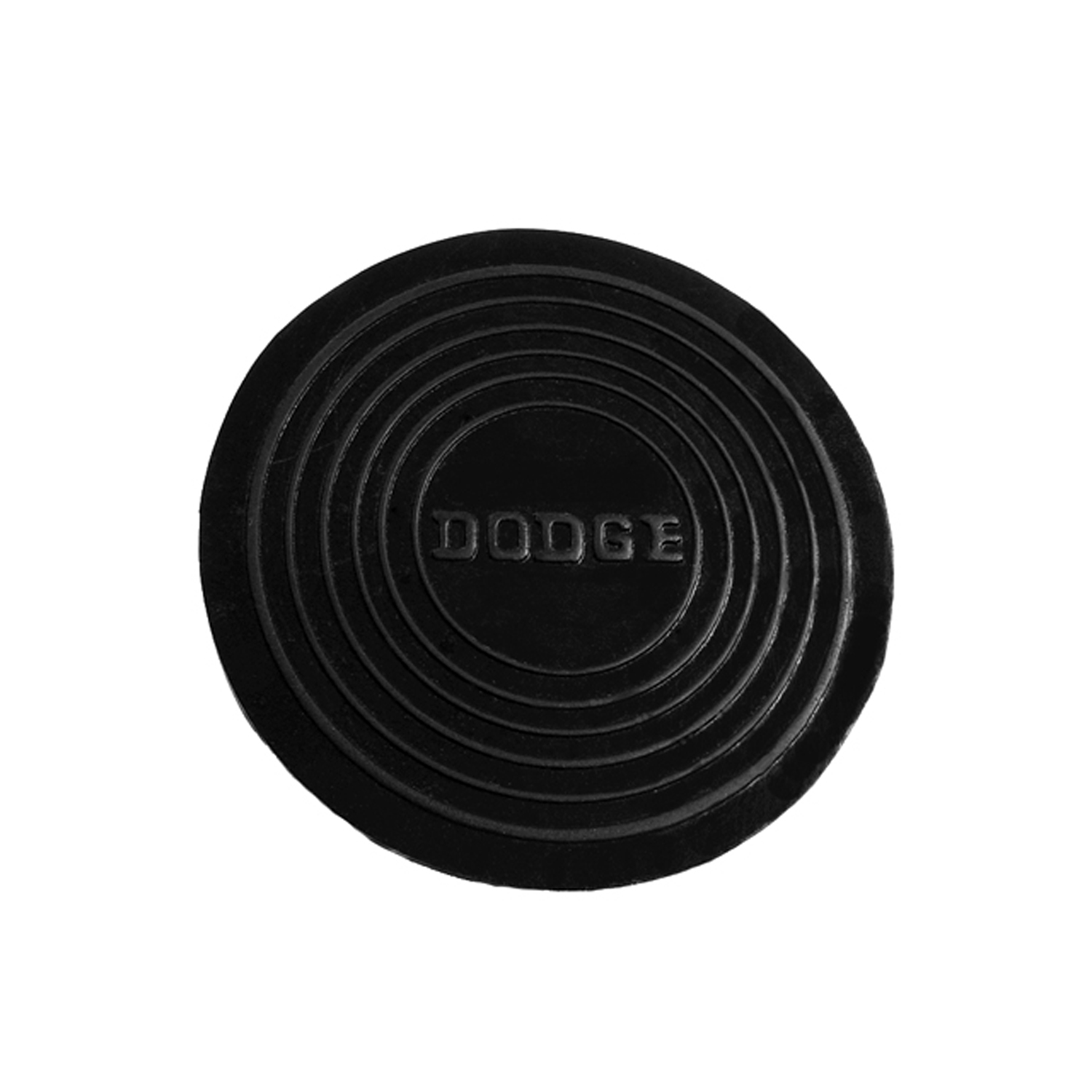 1919 Dodge Model 30 Step Plate Pad. Rubber face only. 4-1/4" O.D. Each-SP 18Step Plate Pad. Rubber face only. 4-1/4" O.D. Each
Why Choose Metro?
For over 100 years, Metro Moulded Parts has been the pinnacle of quality in classic car restoration parts. Our commitment to precision and authenticity in every component ensures a perfect fit and an OEM-level appearance.
- Expert Craftsmanship & Quality: Each part is a testament to our dedication to reliability and perfection, crafted from original designs and thoroughly tested.
- Advanced Technology: We use cutting-edge techniques to create flawless, long-lasting parts that surpass others in performance.
- SuperSoft Sponge – The Ultimate Door Seal: Not only are our door seals 30% softer than competitors', but they're also guaranteed to never leak. They effectively reduce wind and road noise, enhancing your classic car's comfort and driving experience.
- Proudly American: Our parts are a product of American craftsmanship, made in the USA with a spirit of excellence and heritage.
- Unrivaled Warranty: We back our products with a 30-year industry-leading warranty, a testament to our confidence in their quality.
Join us in preserving the legacy of classic cars with parts that are crafted for perfection, not just made.