
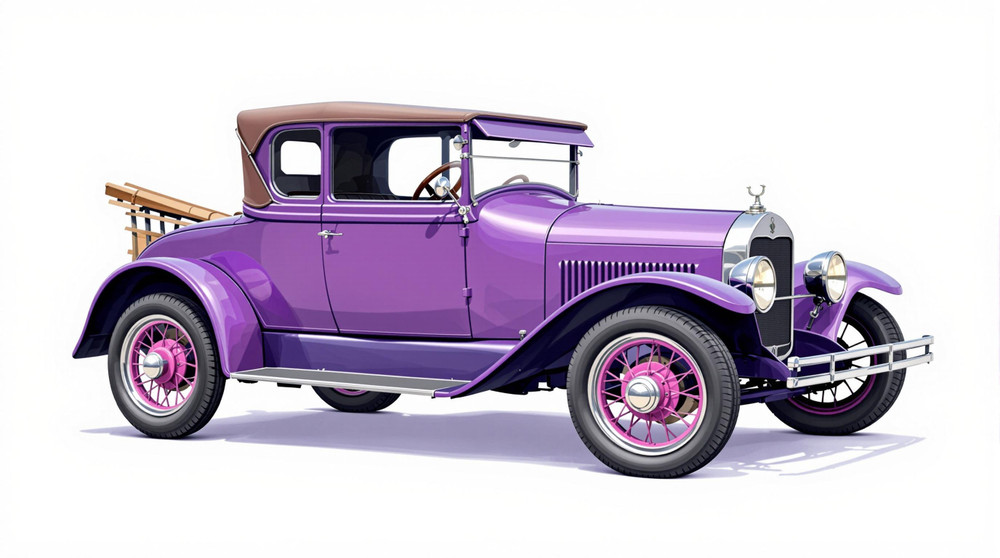
Image of 1921 Dodge Model 30, Note: These illustrations use artistic license and may differ from actual historical models.
Performance Metrics
Fundamental Metrics
Emotional Appeal
MMP Rating
| Engine Specifications | |
|---|---|
| Engine: | Inline 4-cylinder engine |
| Displacement: | 212 cubic inches |
| Horsepower: | Estimated 35 horsepower |
| Torque: | Not available |
| Compression Ratio: | Not available |
| Ignition System: | Battery and coil |
| Cooling System: | Water-cooled |
| Performance Specifications | |
| 0-60 Time: | Not available |
| 1/4 Mile Time: | Not available |
| Top Speed: | 50 mph |
| Transmission and Drive | |
| Drive Type: | Rear-wheel drive |
| Transmission Type: | 3-speed manual |
| Fuel and Efficiency | |
| Fuel System Type: | Carburetor |
| MPG: | Not available |
| Dimensions and Brakes | |
| Brakes: | Mechanical drum brakes |
| Wheelbase: | 112 inches |
| Weight: | 2,400 lbs |
Note: Specifications for classic cars are given to the best of our ability, considering the limited and variant data available.
1921 Dodge Model 30: A Dependable Pioneer
The 1921 Dodge Model 30 was built for a new kind of American driver: someone who wanted a sturdy, practical car that could handle everyday roads without being treated like a fragile luxury. Made by the Dodge Brothers Company in Detroit, it belonged to a model line introduced in 1914, when brothers John and Horace Dodge set out to build a car of their own after years supplying parts to other automakers.
By 1921, the Model 30 had earned a reputation for durability. Its timing was significant: John and Horace Dodge had both died in 1920, leaving the company they founded to continue under new leadership. One striking measure of the car’s early success is that Dodge quickly became one of America’s leading automakers. Its cars were widely regarded as solid, straightforward machines rather than delicate novelties.
Steel, Brass, and Practical Style
The Model 30 has the upright, purposeful look of an early automobile. Tall, narrow tires, exposed headlamps, a prominent radiator, and separate fenders define its profile. Depending on body style, it might carry a folding fabric top, running boards, and a rear-mounted spare. The design is handsome in a functional way: its proportions speak to utility and roadworthiness more than ornament.
Dodge Brothers became known for substantial construction, including extensive use of steel in an era when many car bodies still relied heavily on wood framing. That reputation for sturdy engineering was an important part of the Model 30’s appeal. Inside, expect simple, durable materials rather than plush modern comforts. The cabin typically features a straightforward instrument panel, metal fittings, and upholstery in period-appropriate cloth or leather, depending on body and trim. Restored cars may have replacement materials, so originality varies considerably.
Black was a common and practical finish on cars of the period, while darker blues, greens, and other subdued shades could also be found depending on the year and body. Exact factory color availability for an individual 1921 car can be difficult to establish, so original paint traces, build records, and period catalogs are useful when authenticity matters.
Body Styles and Equipment
The Model 30 range included open and closed body styles, with offerings that could include touring cars, roadsters, coupes, and sedans. Commercial versions were also part of the broader Dodge lineup. The five-passenger touring car is among the most recognizable forms today, with its open cabin, folding top, and bench seating. Roadsters offered a sportier two-passenger layout, while enclosed bodies gave owners more protection from weather.
Equipment was basic by modern standards but useful for its time. The Model 30 used a conventional manual transmission and rear-wheel drive, with controls that demanded more driver attention than a contemporary car. Electric lighting and starting were increasingly familiar features by this period, though equipment can vary by specification and surviving example. There were no power assists, climate control, or modern safety systems. The driver did the work.
Why the Model 30 Mattered
The Model 30 helped establish Dodge Brothers as a major independent automaker by offering a car that buyers associated with strength and dependability. Its importance lies less in a single revolutionary gadget than in the combination of practical engineering, robust construction, and production at meaningful scale. It helped make the automobile feel like a useful tool for daily life, not simply an expensive plaything.
That reputation also distinguished Dodge from many competitors. Early motoring could mean rough roads, limited repair facilities, and long distances between towns. A car that could tolerate hard use and be serviced by ordinary mechanics had a real advantage. The Model 30’s straightforward layout and sturdy image helped shape the brand’s identity long after the original Dodge brothers were gone.
Engine, Speed, and Road Manners
A 1921 Model 30 is generally associated with a four-cylinder, L-head engine of about 212 cubic inches, rated at roughly 35 horsepower. It drives the rear wheels through a three-speed manual transmission. Period ratings and specifications can vary by source and configuration, so a particular car should be checked against its engine and chassis details.
There is no dependable modern factory 0-to-60 mph figure for the Model 30, and 60 mph was not a sensible everyday target for many examples. As a practical estimate, a sound, correctly tuned car may reach about 45 to 50 mph, with some capable of more under favorable conditions. Acceleration to 60 mph, if the car can achieve it at all, would be slow by modern standards and could take well over half a minute. These are estimates, not guaranteed performance figures.
On the road, the Model 30 rewards a measured pace. Its narrow tires, period suspension, and relatively basic braking call for anticipation, especially on hills or in traffic. It can feel steady on ordinary roads, but bumps are transmitted more directly than in a modern car, and winding routes require careful steering and conservative cornering. The engine’s sound is a low, mechanical four-cylinder thrum, accompanied by the clatter and vibration characteristic of early cars. Driving one is an active experience: the driver manages the gears, watches the road, and plans stops well ahead.
Owning and Maintaining a Model 30
Today, the Model 30 is best suited to touring, club events, local parades, and vintage-car shows. Some owners do drive their cars regularly, but it is not a modern daily driver. Traffic speed, braking distances, weather protection, and the availability of period-correct parts all affect how often it makes sense to use one on public roads.
Its comparatively simple mechanical layout can make routine work approachable for an owner with basic mechanical skills. Ignition, carburetion, lubrication, and adjustment require patience and an understanding of early-car systems. Parts are available through specialist suppliers and vintage-car networks, but some components may need rebuilding or careful sourcing. Reliability depends heavily on restoration quality and maintenance: an old car that has been properly sorted can be dependable for touring, while a neglected example can demand frequent attention.
Facts, Myths, and Common Complaints
The Model 30’s most notable historical story is the company behind it. The Dodge brothers had built a reputation as skilled machinists and suppliers before producing their own car, and their death in 1920 made 1921 a poignant year in the company’s history. Dodge Brothers later became part of Chrysler Corporation in 1928.
There is no widely recognized Model 30 speed or endurance record that defines the 1921 car, and celebrity ownership claims should be treated cautiously unless supported by documentation. Its broader achievement was commercial: the Dodge name became associated with a substantial, practical automobile during the early growth of mass motoring.
Common criticisms are familiar to anyone who drives a car from the period: modest speed, limited braking compared with later cars, sparse weather protection in open models, and a need for frequent adjustment. These are not defects so much as reminders that the Model 30 was designed for a very different road system and driving culture.
Collector Values and Availability
Production figures for the Model 30 vary depending on whether a source counts a particular model year, series, or the broader run. A reasonable estimate is that tens of thousands of Dodge Brothers cars were built around 1921 across the company’s body styles, while the full Model 30-era production over several years reached the hundreds of thousands. Exact totals should be treated cautiously because surviving records and counting methods differ.
The 1921 Model 30 is uncommon today, but it is not usually considered a one-off rarity. Touring cars and roadsters tend to be easier to identify in the collector market than unusual body styles, and availability changes from year to year. As a broad U.S. market estimate, a project car might sell for roughly $5,000 to $15,000, a usable or older restoration for about $15,000 to $40,000, and a high-quality restoration for approximately $40,000 to $70,000 or more. Exceptional originality, documented history, and desirable bodywork can push a price higher; condition and mechanical readiness matter enormously.
Values for early touring cars have generally been selective rather than uniformly rising. Well-restored, authentic examples remain attractive to vintage-car enthusiasts, but buyer demand is narrower than for postwar classics. In recent years, many ordinary examples have been steady or soft, while exceptional cars can still command a premium. Restoration costs can exceed the eventual sale price, so purchase decisions should be based on the car’s condition and provenance, not on assumed appreciation.
A Classic Built for Real Roads
The 1921 Dodge Model 30 combined sturdy construction, straightforward engineering, and a practical range of body styles at a moment when the automobile was becoming part of everyday American life. It is not fast or effortless by modern standards, but its character is exactly the point: the Model 30 offers a direct connection to the early years of motoring and to the company that grew into Dodge.
For today’s collector, it is more than an old car with exposed headlamps and a folding top. It is a survivor from the era when dependable transportation was still a bold promise, and the Model 30 helped make that promise believable.
1921 Dodge Model 30 Catalog of Parts
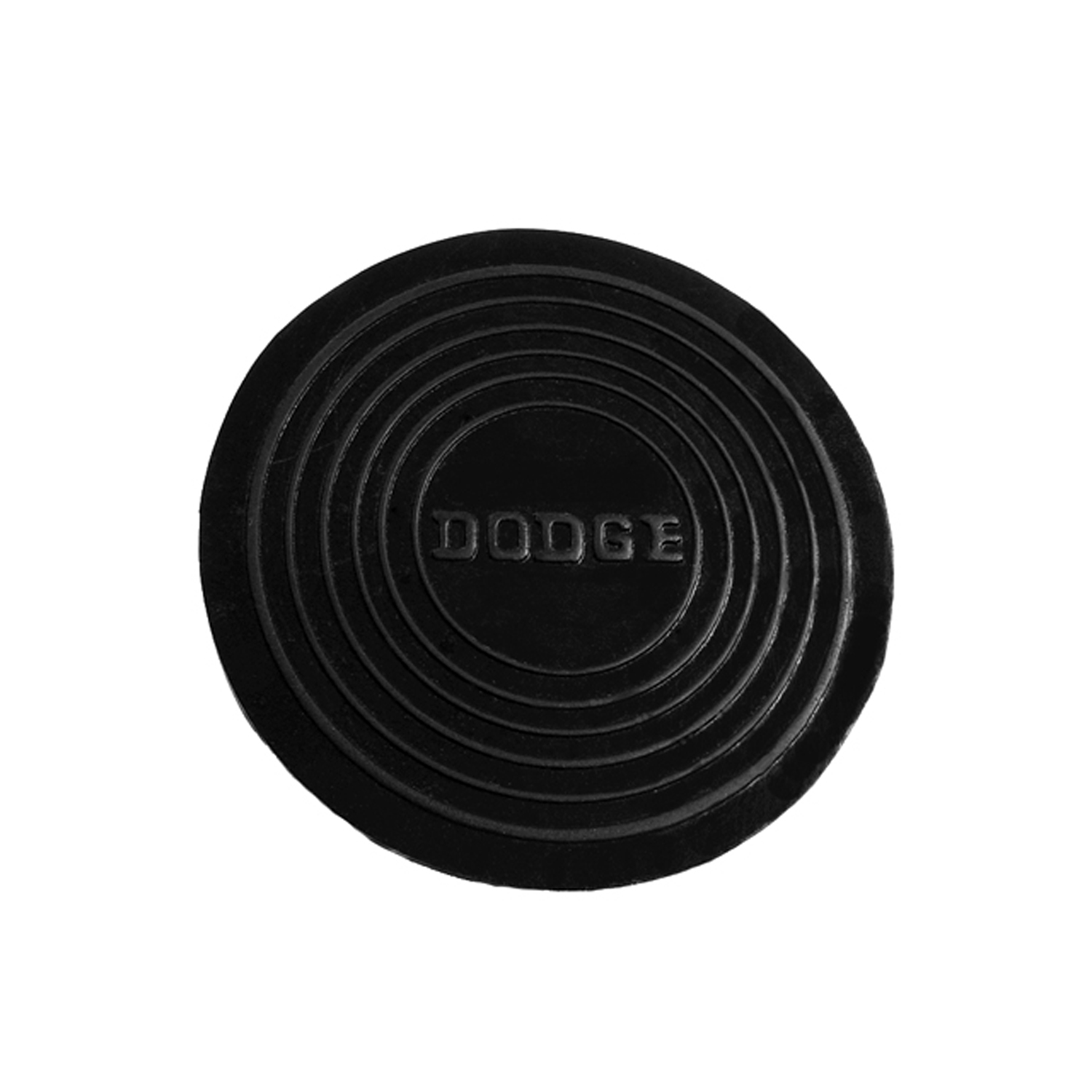 1921 Dodge Model 30 Step Plate Pad. Rubber face only. 4-1/4" O.D. Each-SP 18Step Plate Pad. Rubber face only. 4-1/4" O.D. Each
Why Choose Metro?
For over 100 years, Metro Moulded Parts has been the pinnacle of quality in classic car restoration parts. Our commitment to precision and authenticity in every component ensures a perfect fit and an OEM-level appearance.
- Expert Craftsmanship & Quality: Each part is a testament to our dedication to reliability and perfection, crafted from original designs and thoroughly tested.
- Advanced Technology: We use cutting-edge techniques to create flawless, long-lasting parts that surpass others in performance.
- SuperSoft Sponge – The Ultimate Door Seal: Not only are our door seals 30% softer than competitors', but they're also guaranteed to never leak. They effectively reduce wind and road noise, enhancing your classic car's comfort and driving experience.
- Proudly American: Our parts are a product of American craftsmanship, made in the USA with a spirit of excellence and heritage.
- Unrivaled Warranty: We back our products with a 30-year industry-leading warranty, a testament to our confidence in their quality.
Join us in preserving the legacy of classic cars with parts that are crafted for perfection, not just made.