
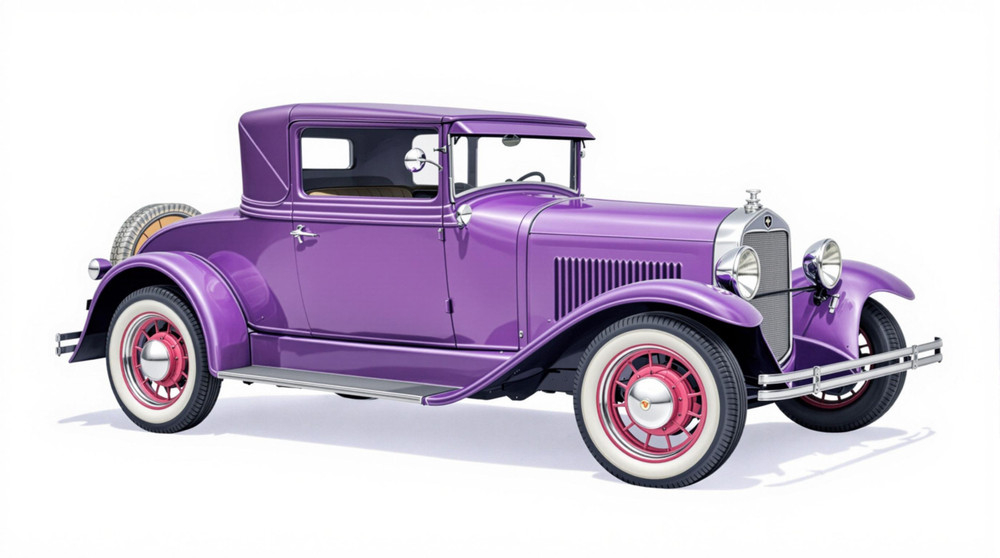
Image of 1925 Dodge Special, Note: These illustrations use artistic license and may differ from actual historical models.
Performance Metrics
Fundamental Metrics
Emotional Appeal
MMP Rating
| Engine Specifications | |
|---|---|
| Engine Options: | Inline 4 |
| Displacement Range: | 212 cubic inches |
| Horsepower Range: | Estimated 35 HP |
| Torque: | Not available |
| Compression Ratio: | Not available |
| Ignition System: | Battery and coil |
| Cooling System: | Water-cooled |
| Performance Specifications | |
| 0-60 Time: | Not available |
| 1/4 Mile Time: | Not available |
| Top Speed: | 50 mph |
| Transmission and Drive | |
| Drive Type: | Rear-wheel drive |
| Transmission Type: | 3-speed manual |
| Fuel and Efficiency | |
| Fuel System Type: | Carburetor |
| MPG: | Not available |
| Dimensions and Brakes | |
| Brakes: | Mechanical drum brakes |
| Wheelbase: | 116 inches |
| Weight: | 2,400 lbs |
Note: Specifications for classic cars are given to the best of our ability, considering the limited and variant data available.
1925 Dodge Special: A Brass-Era Brand Moves Into the Modern Age
The 1925 Dodge Special brought sturdy Dodge Brothers engineering into a decade increasingly defined by enclosed cars, electric accessories, and more comfortable motoring. Built by the Dodge Brothers company in Detroit, it belonged to the marque’s four-cylinder era, before Dodge adopted six-cylinder power. The name “Special” can refer to a particular body or equipment version rather than one universally standardized specification, so details may vary among surviving cars and period records.
Dodge had earned a reputation for dependable, well-built automobiles since its founding in 1914. By 1925, the company was navigating a major transition: the Dodge brothers had died earlier in the decade, and the business was sold to investment bankers that year. Chrysler Corporation would acquire Dodge in 1928. A 1925 Dodge therefore represents a significant chapter between the company’s independent beginnings and its later place in the Chrysler organization.
One intriguing detail is that Dodge was still relying on a robust four-cylinder engine at a time when some competitors were beginning to promote six-cylinder smoothness. Rather than chase novelty, the company emphasized sound construction and practical performance, qualities that helped make its cars respected workhorses.
Exterior Design and Cabin Details
The Dodge Special has the upright, purposeful look associated with mid-1920s automobiles. Its tall radiator, separate fenders, exposed running boards, and narrow tires give it a formal profile. Large round headlamps sit beside the radiator, while the high cowl and upright windshield reflect an era when cars were designed around a coachbuilt, almost carriage-like silhouette. Depending on the body, a rear-mounted spare tire or luggage rack adds another period-correct detail.
Inside, the layout is straightforward and built for use. The driver faces a simple instrument panel with essential gauges and controls, while a large thin-rimmed steering wheel operates the car’s mechanical systems. Materials varied with body style and trim, but owners could expect durable upholstery, painted or finished metal surfaces, and practical fittings rather than modern levels of sound insulation or cushioning. Closed models offered welcome protection from weather, though they remained draftier and noisier than later cars.
Electric lighting and an electric starter were important conveniences by this point in Dodge’s history, reducing the need to crank the engine by hand in ordinary use. The car’s three-speed manual transmission and rear-wheel-drive layout were conventional, proven technology. Braking was mechanical rather than hydraulic, so stopping required more anticipation and physical effort than in a modern car.
Period paint choices depended on body, production run, and original finish. Dark shades such as black, deep blue, maroon, and green suit the car’s formal character, while lighter or contrasting treatments could appear on some bodies. Black was a common, practical choice, but it is not safe to assume every surviving car left the factory in black. Original paint evidence is the best guide when evaluating a particular example.
As with other Dodge Brothers cars of the period, buyers could choose among open and closed body styles, with availability varying by catalog and market. Touring cars offered open-air seating for several passengers, while roadsters emphasized a sportier two-seat layout. Coupes and sedans provided weather protection and a more enclosed cabin. The sedan is often the most recognizable choice for collectors seeking a complete, family-oriented 1920s automobile, while touring models have especially strong visual appeal at vintage events.
Why the 1925 Dodge Special Matters
The Dodge Special was not a radical design landmark, and that is part of its significance. It shows how a major American automaker built its reputation through solid engineering, sensible equipment, and broad appeal rather than relying on a single headline-grabbing invention. In the mid-1920s, buyers wanted cars that could handle regular road use, and Dodge’s robust construction helped meet that demand.
Compared with many contemporaries, the Dodge offered a reassuringly substantial feel. The company had a reputation for quality metalwork and durable components, building on its earlier experience supplying parts to other automakers. Its four-cylinder engine was less sophisticated than a luxury marque’s multi-cylinder powerplant, but it was comparatively straightforward to maintain and well suited to ordinary touring.
The car also captures an industry in transition. Enclosed bodies were becoming more desirable, electric starting and lighting were becoming expected features, and manufacturers were competing to make automobiles easier to own. The 1925 Dodge sits at that crossroads: recognizably early in its construction, yet increasingly practical for everyday motoring.
Engine, Speed, and Road Manners
A typical 1925 Dodge Brothers passenger car used a 212.3-cubic-inch L-head inline-four rated at about 35 horsepower. Power went through a three-speed manual gearbox to the rear wheels. Exact specifications can differ by model and source, so buyers restoring a particular car should confirm its engine and chassis details against factory literature or a marque reference.
Period performance figures are not as consistent as modern test data. A sound, correctly tuned example might manage roughly 50 to 60 mph under favorable conditions, but cruising comfortably at that speed is another matter. Acceleration from 0 to 60 mph is generally not a useful benchmark: many examples would take a long time to reach 60, and some may not do so readily, especially with a full load or on an incline.
The driving experience is deliberate. The engine produces a steady four-cylinder thrum, accompanied by mechanical sounds from the transmission, chassis, and body. The driver must coordinate the clutch and gear lever, watch engine speed, and plan ahead for stops. Mechanical brakes demand a longer stopping distance and firm pedal pressure, so modern traffic requires extra caution and generous following space.
On rough roads, the upright body and period suspension deliver a firm, sometimes lively ride. The car is at its best on slower country roads and gentle touring routes, not broken pavement at modern speeds. Steering is heavier at low speed, and tall tires and a relatively narrow track make winding roads an exercise in smooth, measured inputs. It can be enjoyable and composed when driven within its limits, but it does not offer the grip, braking, or crash protection of a modern vehicle.
Living With a Vintage Dodge
Today, a 1925 Dodge Special is primarily a collector car, parade vehicle, museum piece, or weekend tourer. It can participate in antique-car events and local shows, but it is not a sensible modern daily driver. Its speed, lighting, braking, and safety equipment were designed for a very different road environment.
Routine mechanical work is relatively approachable for an owner familiar with older cars. The engine and driveline are mechanically straightforward, and many basic jobs can be handled with ordinary workshop tools and period-correct knowledge. The challenge is often finding the right parts, preserving original components, and adjusting systems correctly. The transmission, ignition, carburetor, cooling system, and mechanical brakes all benefit from regular inspection and careful setup.
Reliability depends heavily on condition. A properly restored and maintained Dodge can be dependable for short tours, while a neglected example may need extensive work before it is safe to drive. Owners should pay particular attention to brake operation, steering and suspension wear, tire condition, fuel lines, and the integrity of the wooden or metal body structure, depending on the individual coachwork.
Facts, Myths, and Known Limitations
There is no widely documented 1925 Dodge Special speed record or famous endurance achievement tied specifically to the model. Nor is there a well-established celebrity ownership story that defines its history. Its appeal is more grounded: it represents a durable American car from a pivotal year in the Dodge Brothers story.
Production figures for a specific “Special” body or trim designation are difficult to establish because period sources do not always use the name consistently. Dodge produced cars in substantial numbers during this era, but a reliable, separately published total for every Special configuration is not generally available. As a practical estimate, think in terms of thousands of examples across related Dodge passenger-car versions, not a precisely documented count for one exact body style. Surviving, complete cars are far less common than the original production numbers might suggest.
The car’s most common criticisms are also part of its character: modest power, slow acceleration, heavy controls, limited braking performance, and sparse comfort by modern standards. It is not a fast or effortless classic. Its strengths are historical character, approachable mechanical design, and the satisfying experience of operating an automobile from the early days of mass motoring.
Collector Value and Availability
Values depend strongly on body style, originality, completeness, restoration quality, and whether the car runs and drives. As a broad 2026 estimate, a project or incomplete example might bring about $5,000 to $12,000. A usable driver or older restoration could fall around $12,000 to $30,000, while a high-quality, correctly restored car may reach roughly $30,000 to $50,000 or more. Exceptional provenance or a particularly desirable body could affect the price.
These are market estimates, not guaranteed sale prices. A car needing scarce trim, specialist bodywork, or extensive engine repairs may be worth substantially less than its appearance suggests. Conversely, a well-documented restoration with correct details and a strong history can attract committed Dodge and early-automobile collectors.
Good examples appear occasionally through specialist dealers, classic-car auctions, estate sales, and marque clubs, but shoppers should expect a limited selection. Prices for early Dodge cars have generally been steadier than those for the most fashionable prewar marques. Over time, well-restored examples may appreciate gradually, but condition and authenticity usually matter more than short-term market swings.
A Practical Classic With Lasting Character
The 1925 Dodge Special is a snapshot of American motoring at a turning point. Its upright styling, sturdy four-cylinder engineering, manual controls, and practical body choices speak to a time when dependable transportation was becoming a part of everyday life. It may not offer modern speed or comfort, but it rewards owners with mechanical simplicity and a direct connection to the road.
For collectors, the 1925 Dodge is more than an old car: it is a tangible link between the independent Dodge Brothers era and the company’s coming transformation under Chrysler. Drive one at its own pace, and its modest power and purposeful construction become part of the appeal.
1925 Dodge Special Catalog of Parts
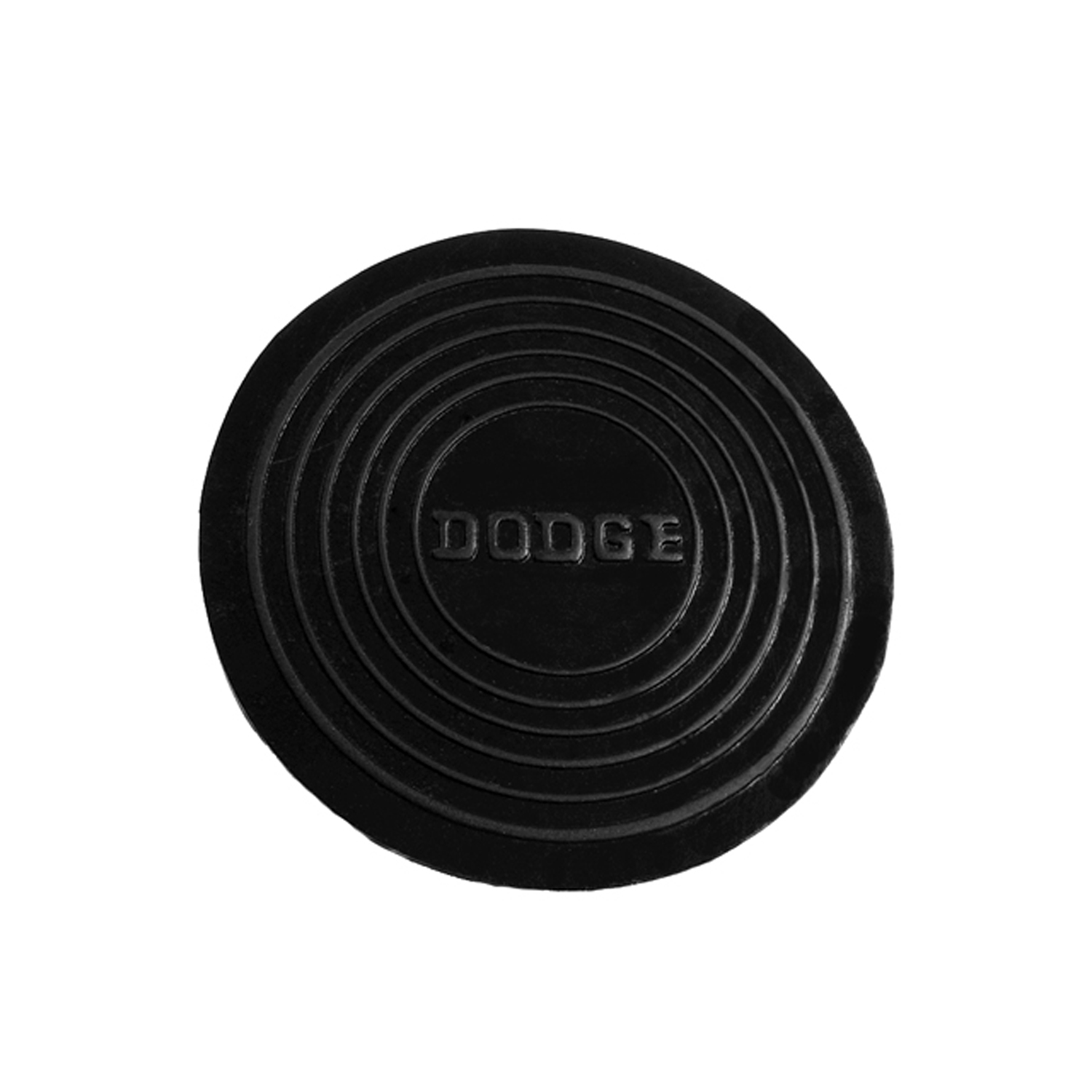 1925 Dodge Special Step Plate Pad. Rubber face only. 4-1/4" O.D. Each-SP 18Step Plate Pad. Rubber face only. 4-1/4" O.D. Each
Why Choose Metro?
For over 100 years, Metro Moulded Parts has been the pinnacle of quality in classic car restoration parts. Our commitment to precision and authenticity in every component ensures a perfect fit and an OEM-level appearance.
- Expert Craftsmanship & Quality: Each part is a testament to our dedication to reliability and perfection, crafted from original designs and thoroughly tested.
- Advanced Technology: We use cutting-edge techniques to create flawless, long-lasting parts that surpass others in performance.
- SuperSoft Sponge – The Ultimate Door Seal: Not only are our door seals 30% softer than competitors', but they're also guaranteed to never leak. They effectively reduce wind and road noise, enhancing your classic car's comfort and driving experience.
- Proudly American: Our parts are a product of American craftsmanship, made in the USA with a spirit of excellence and heritage.
- Unrivaled Warranty: We back our products with a 30-year industry-leading warranty, a testament to our confidence in their quality.
Join us in preserving the legacy of classic cars with parts that are crafted for perfection, not just made.