
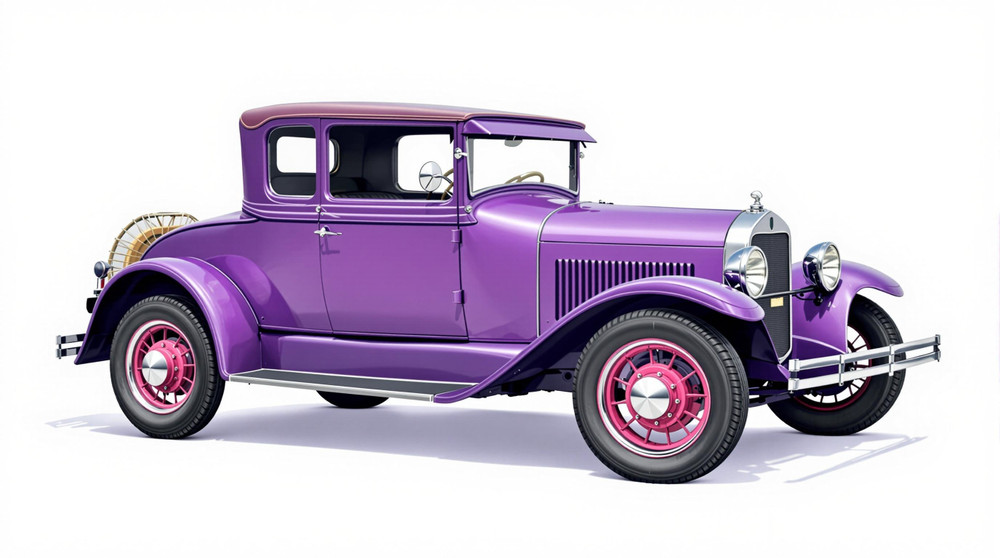
Image of 1925 Dodge Standard, Note: These illustrations use artistic license and may differ from actual historical models.
Performance Metrics
Fundamental Metrics
Emotional Appeal
MMP Rating
| Engine Specifications | |
|---|---|
| Engine Options: | Inline 4 |
| Displacement Range: | 212 cubic inches |
| Horsepower Range: | Estimated 35 HP |
| Torque: | Not available |
| Compression Ratio: | Not available |
| Ignition System: | Battery and coil |
| Cooling System: | Water-cooled |
| Performance Specifications | |
| 0-60 Time: | Not available |
| 1/4 Mile Time: | Not available |
| Top Speed: | 50 mph |
| Transmission and Drive | |
| Drive Type: | Rear-wheel drive |
| Transmission Type: | 3-speed manual |
| Fuel and Efficiency | |
| Fuel System Type: | Carburetor |
| MPG: | Not available |
| Dimensions and Brakes | |
| Brakes: | Mechanical drum brakes |
| Wheelbase: | 116 inches |
| Weight: | 2,400 lbs |
Note: Specifications for classic cars are given to the best of our ability, considering the limited and variant data available.
1925 Dodge Standard: A Durable American Classic
The 1925 Dodge Standard was built for motorists who wanted sturdy, straightforward transportation, not a fragile luxury car. Its dependable four-cylinder engine, substantial construction, and practical body styles helped carry the Dodge Brothers name into a new era of American motoring.
One point is worth clearing up at the start: despite occasional references to a “Dodge Standard Six,” the 1925 Dodge Standard was a four-cylinder car. Dodge did not introduce a six-cylinder passenger-car engine until 1928. The 1925 model belongs to the Dodge Brothers four-cylinder era, when durability and dependable everyday use were central to the brand’s appeal.
Dodge was founded by brothers John and Horace Dodge, experienced machinists and suppliers who began building complete automobiles under their own name in 1914. By 1925, the company had become one of America’s major automakers. The Dodge Brothers were known for solid engineering, and their cars gained a reputation for being robust enough to handle the often rough roads of the period.
Steel Lines and Practical Style
The 1925 Dodge had a tall, upright profile typical of mid-1920s cars. Its long hood led to a narrow, upright radiator and prominent headlamps, while separate fenders arched over the wheels. Running boards connected the fenders and gave passengers a useful step up into the cabin. Depending on body style, the back could be open and social, as on a touring car, or enclosed for greater weather protection.
Dodge’s reputation for solid construction extended to its bodywork. The company had adopted steel body construction early in its history, an important step away from the wood-framed body structures common across much of the industry. The materials and finish were workmanlike rather than extravagant, but the car’s substantial feel was part of its appeal.
Inside, the 1925 Dodge was simple and functional. Expect a broad steering wheel, clear but basic instruments, and seating upholstered in durable materials appropriate to a family or business car. Open models offered limited protection from rain and dust, while enclosed sedans and coupes were more comfortable for year-round use. Trim and upholstery could vary by body style and equipment, so original examples do not all have identical interiors.
Paint choices depended on the body and the buyer’s order. Dark, practical shades, including black and deep colors, suited the period’s tastes and were common on cars of this class. Exact factory color availability could vary, so a surviving car’s original paint should be checked against its body and production records rather than assumed from a general color list.
Body Styles for Work and Travel
The Dodge range offered several familiar body types, including touring cars, roadsters, coupes, and sedans. Open touring models made sense for families who wanted flexible seating and fresh air, while the roadster favored a sportier, more personal look. Coupes appealed to owners who wanted an enclosed cabin without the size of a full sedan. Four-door sedans provided the most practical weather protection and passenger access.
There was no single body style that defined every 1925 Dodge Standard. Touring cars are among the most visually recognizable today because their open layout, folding top, and exposed seating capture the look of 1920s motoring. Sedans, however, were a sensible choice for owners who used their cars through changing weather.
Four-Cylinder Engineering in 1925
Power came from a side-valve, or L-head, four-cylinder engine of about 212 cubic inches. Period specifications commonly place its output at roughly 35 horsepower. Power went to the rear wheels through a three-speed manual transmission. The arrangement was conventional, but it was proven, relatively straightforward to service, and well suited to the roads and speeds of the day.
Electric starting and lighting were important conveniences by this point in automotive history. They spared drivers the effort and risk of hand-cranking the engine and made the car easier to use after dark. The Dodge’s strong construction and established mechanical layout were just as significant as any single feature: the car was designed as dependable transportation rather than a technical showpiece.
Braking and steering feel are very different from those of a modern car. The driver must plan stops well ahead, use the gears thoughtfully, and remain attentive to traffic. There are no modern safety aids, and equipment can vary with the car’s exact specification and subsequent restoration. Anyone evaluating an example should inspect its brakes, tires, steering, and electrical system closely.
Road Manners and Performance
A sound, correctly tuned 1925 Dodge Standard could reach an estimated top speed in the neighborhood of 50 to 55 mph, though actual performance depends on condition, gearing, body style, and road surface. Reliable period 0-to-60 mph figures are not generally available. Given the car’s modest horsepower and the speeds it was designed to sustain, reaching 60 mph may be difficult for many examples, and acceleration would be leisurely by modern standards.
The four-cylinder engine delivers its power with a steady, mechanical cadence rather than a refined modern hush. Expect engine and road noise, some vibration, and a noticeable amount of wind in an open car. The manual gearbox asks the driver to coordinate clutch, throttle, and gear changes, making even an ordinary trip an active experience.
On smooth roads, the Dodge feels substantial and deliberate. Its period suspension can manage ordinary bumps, but rough surfaces produce more movement and jolting than a modern suspension would. On winding roads, narrow tires, slower steering response, and modest brakes encourage an unhurried pace. The car is most enjoyable when driven as intended: with room to look around, time to shift, and no need to keep up with contemporary traffic.
Why the Dodge Brothers Name Mattered
The 1925 Standard was not a radical styling or engineering breakthrough. Its significance lies in the way it represented the Dodge Brothers approach: build a solid car, use proven mechanical systems, and offer body styles that suited everyday owners. In an era when many roads were still unpaved, durability was not a minor selling point. It could determine whether a car remained useful after years of hard service.
Dodge also stood apart from smaller manufacturers through its scale and established reputation. The car offered buyers a substantial alternative to the lightest and least expensive vehicles, without entering the price territory of luxury marques. Its practical engineering helped sustain the company’s position during a period of rapid growth in American car ownership.
The company’s story changed soon after this model year. In 1925, the Dodge Brothers company was sold to the investment firm Dillon, Read & Co. Walter Chrysler’s organization acquired Dodge in 1928. The Standard therefore belongs to a pivotal period: it carries the identity and engineering tradition of the original Dodge Brothers company, just before the marque entered Chrysler’s corporate orbit.
Owning and Maintaining a 1925 Dodge
Today, a 1925 Dodge is best suited to touring, club events, historical displays, and careful local drives. It can be used on the road, but it is not a practical modern daily driver. Its pace, braking distance, visibility, and lack of contemporary safety equipment require an owner who is comfortable sharing the road cautiously and choosing routes thoughtfully.
Routine work is generally approachable for an experienced hobby mechanic. The engine and drivetrain use mechanical systems that can be understood without modern diagnostic electronics. Regular attention to lubrication, ignition, fuel delivery, cooling, tires, and brakes is essential. Parts availability varies: common service items may be obtainable through vintage-car suppliers, while correct trim, body components, and model-specific pieces can take more searching.
Reliability depends heavily on restoration quality and upkeep. A well-sorted Dodge can be a dependable tour car at period speeds, but decades of storage, improvised repairs, or poor-quality restoration work can create persistent problems. Before buying, inspect the frame and body for corrosion or structural repairs, check engine compression and oil pressure, and confirm that the transmission, clutch, steering, and brakes operate properly. A specialist familiar with early Dodge cars can help identify missing or incorrect parts.
1925 Dodge Facts and Myths
It was not a six-cylinder car. The 1925 Dodge Standard used a four-cylinder engine. Six-cylinder Dodge passenger cars arrived later, in 1928, making “Standard Six” an inaccurate name for this model year.
It came from a major American manufacturer. Dodge was already a substantial, nationally known automaker in 1925, not a small experimental company. The car reflects a period when the company’s reputation rested on sturdy engineering and practical usefulness.
Exact model production figures are hard to pin down. Annual company totals are easier to find than reliable breakdowns by Standard model, body style, and specification. A reasonable broad estimate for Dodge’s 1925 passenger-car production is in the low hundreds of thousands, but that should not be mistaken for a verified count of one exact Standard configuration. Surviving examples are only a small fraction of original production.
There is no widely recognized speed or endurance record associated specifically with the 1925 Standard. Its historic interest is less about competition and more about its place in the everyday expansion of American motoring. Common criticisms are also straightforward: it is slow by modern standards, offers limited comfort and safety, and may be challenging to restore if important body or trim pieces are missing.
Collector Value and Availability
Values vary substantially with body style, completeness, mechanical condition, restoration quality, and provenance. As a broad current-market estimate, a project or incomplete car might sell for roughly $5,000 to $15,000. A usable driver could fall around $15,000 to $30,000, while a high-quality, correctly restored example may bring approximately $30,000 to $50,000 or more. Exceptional cars, especially those with desirable body styles or documented history, can exceed that range; rough or heavily modified cars may sell for less.
These figures are estimates, not guaranteed sale prices. Early-car auctions can be thinly attended compared with markets for more famous prewar models, and transport costs can affect what buyers are willing to pay. The market tends to reward condition and authenticity more than ambitious restoration expense alone.
Well-preserved 1925 Dodges are uncommon, but the car is not necessarily a one-off rarity. Because production totals for the precise Standard body and specification are difficult to establish, a precise survival rate or model count would be speculation. Overall, values have generally been supported by the appeal of usable brass-and-vintage-era cars, but appreciation is uneven. A careful, documented restoration is likely to hold interest better than a costly rebuild that does not match the market.
A Sturdy Link to Dodge’s Early Years
The 1925 Dodge Standard combines a useful four-cylinder engine, stout construction, and a range of practical body styles in a distinctly prewar package. It was not built to set speed records or pamper its occupants. It was built to get people where they needed to go at a time when a reliable automobile could transform daily life.
For collectors, that is its lasting appeal. The Dodge Standard is a tangible link to the original Dodge Brothers company and to an era when sturdy engineering mattered as much as style. Take the time to maintain one properly, and every slow, purposeful mile becomes a small lesson in how American motoring began to take shape.
1925 Dodge Standard Catalog of Parts
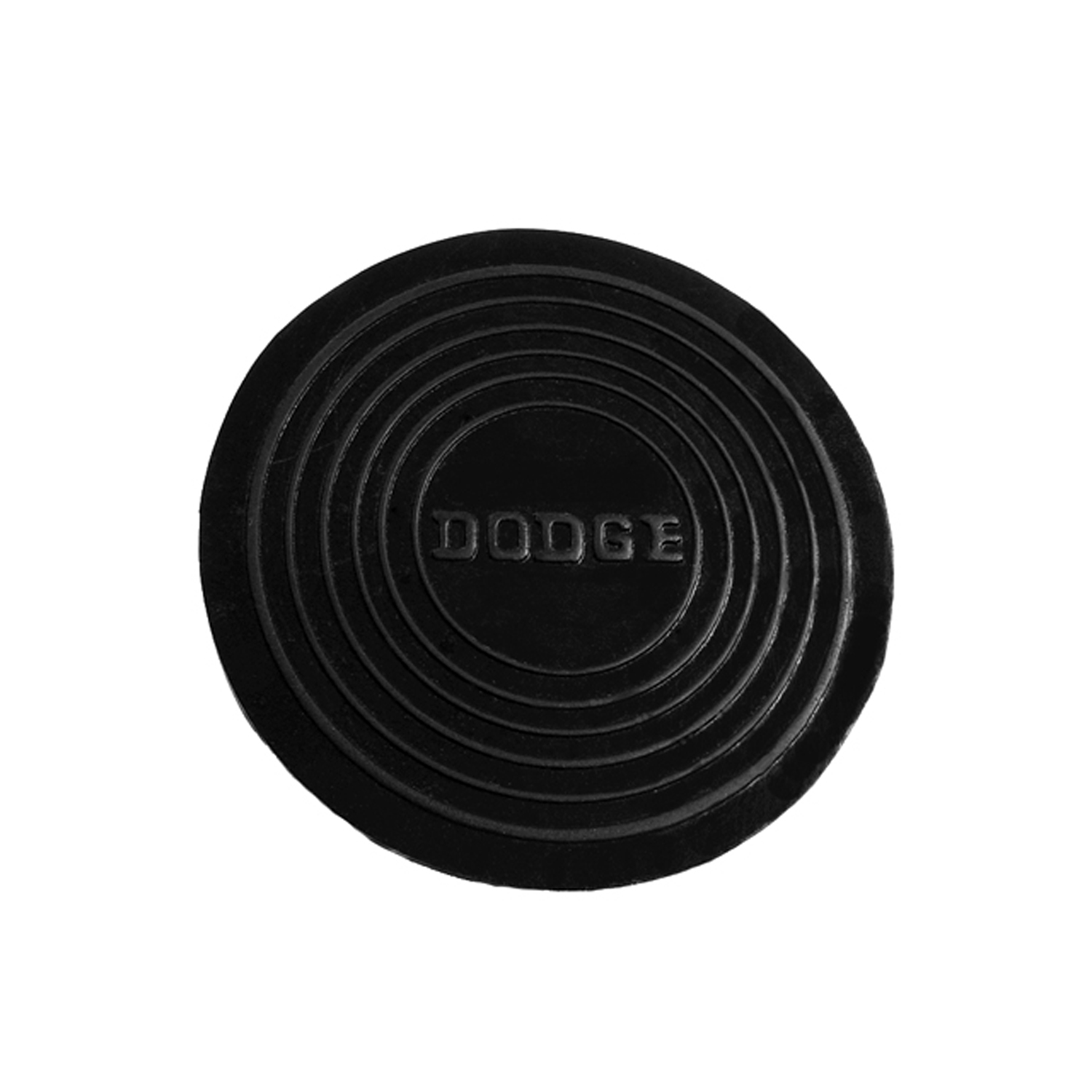 1925 Dodge STANDARD Step Plate Pad. Rubber face only. 4-1/4" O.D. Each-SP 18Step Plate Pad. Rubber face only. 4-1/4" O.D. Each
Why Choose Metro?
For over 100 years, Metro Moulded Parts has been the pinnacle of quality in classic car restoration parts. Our commitment to precision and authenticity in every component ensures a perfect fit and an OEM-level appearance.
- Expert Craftsmanship & Quality: Each part is a testament to our dedication to reliability and perfection, crafted from original designs and thoroughly tested.
- Advanced Technology: We use cutting-edge techniques to create flawless, long-lasting parts that surpass others in performance.
- SuperSoft Sponge – The Ultimate Door Seal: Not only are our door seals 30% softer than competitors', but they're also guaranteed to never leak. They effectively reduce wind and road noise, enhancing your classic car's comfort and driving experience.
- Proudly American: Our parts are a product of American craftsmanship, made in the USA with a spirit of excellence and heritage.
- Unrivaled Warranty: We back our products with a 30-year industry-leading warranty, a testament to our confidence in their quality.
Join us in preserving the legacy of classic cars with parts that are crafted for perfection, not just made.