
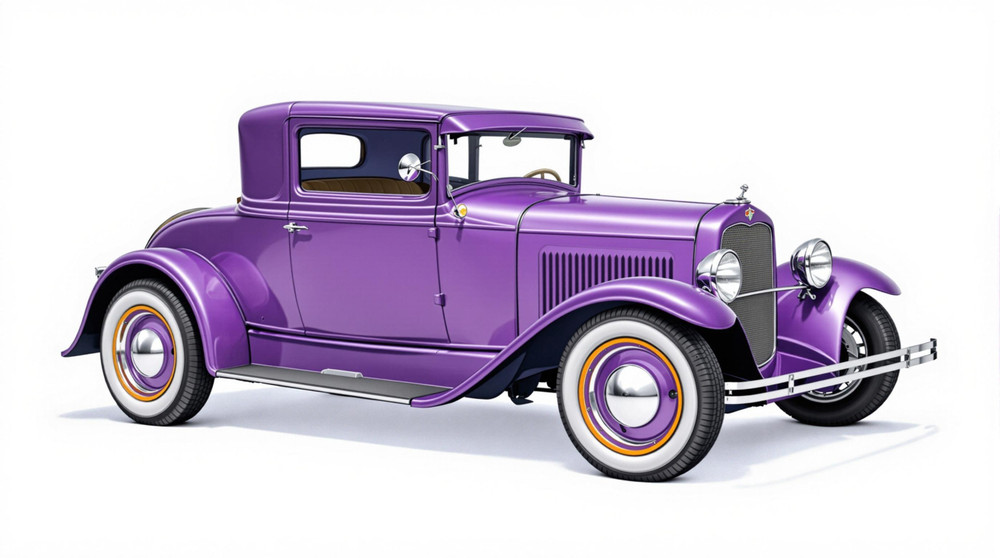
Image of 1927 Dodge Special, Note: These illustrations use artistic license and may differ from actual historical models.
Performance Metrics
Fundamental Metrics
Emotional Appeal
MMP Rating
| Engine Specifications | |
|---|---|
| Engine Options: | Inline 4 |
| Displacement Range: | 212 cubic inches |
| Horsepower Range: | Estimated 35-40 HP |
| Torque: | Not available |
| Compression Ratio: | Not available |
| Ignition System: | Battery and coil |
| Cooling System: | Water-cooled |
| Performance Specifications | |
| 0-60 Time: | Not available |
| 1/4 Mile Time: | Not available |
| Top Speed: | 50 mph |
| Transmission and Drive | |
| Drive Type: | Rear-wheel drive |
| Transmission Type: | 3-speed manual |
| Fuel and Efficiency | |
| Fuel System Type: | Carburetor |
| MPG: | Not available |
| Dimensions and Brakes | |
| Brakes: | Mechanical drum brakes |
| Wheelbase: | 116 inches |
| Weight: | 2,400 lbs |
Note: Specifications for classic cars are given to the best of our ability, considering the limited and variant data available.
1927 Dodge Special: A Pre-Chrysler Dodge with Character
The 1927 Dodge Special belongs to the last generation of cars built under the Dodge Brothers name, just before the marque became part of Chrysler. It combines the sturdy engineering that made Dodge a trusted American carmaker with the upright styling and hands-on driving feel of the late 1920s.
One useful detail for prospective buyers: “Dodge Special” is not always used consistently in surviving records. Depending on the car and the source, the name may describe a particular Dodge model or equipment and body configuration rather than one precisely defined trim level. Engine, wheelbase, and body details can therefore vary. The guide below focuses on the typical 1927 Dodge six-cylinder cars associated with the Special name, while noting where specifications need to be checked against an individual car.
Dodge’s story began with brothers John and Horace Dodge, skilled machinists who first built a successful business supplying components to other automakers. They launched their own complete automobile in 1914. By 1927, the company was navigating a changing industry: mass production was advancing, styling was becoming more important, and Chrysler was preparing to acquire Dodge, a deal completed in 1928. That timing makes the 1927 car a fascinating bridge between the independent Dodge Brothers era and the company’s Chrysler years.
Upright Styling and Coachbuilt Charm
A 1927 Dodge looks every bit the product of its time. Its tall, narrow radiator sits proudly at the front, flanked by separate headlamps and slim front fenders. The hood stretches back toward a high, upright passenger cabin, while running boards connect the front and rear fenders in one continuous visual line. Large spoked wheels, a standing windshield, and a rear-mounted spare complete the purposeful profile.
Rather than relying on flowing curves or decorative excess, the Dodge makes its impression through proportion and presence. The body sits high, the windows are relatively small by modern standards, and the driver occupies a commanding position. Bright trim and polished lamps add detail, but the overall design remains practical and formal.
Inside, expect a cabin built for durability rather than modern comfort. Depending on body style and specification, seating could be upholstered in cloth, leather, or a combination of materials. The dashboard is straightforward, with prominent gauges, a large steering wheel, and controls that ask the driver to participate. Wood trim or a wood-finished dashboard may appear on some examples, but condition and originality vary considerably after nearly a century.
Paint choices depended on the exact body and factory offering. Dark, conservative colors such as black, deep blue, maroon, and green suit the period, and some cars were finished in contrasting color combinations. A surviving car’s paint may not be original, so restoration research should rely on factory records and physical evidence where available.
Body Styles and Equipment
Dodge buyers could choose from several familiar body types, including touring cars, roadsters, coupes, and closed sedans. Exact names and availability varied across the company’s 1927 range, so a car advertised today as a “Special” should be identified by its body tag, serial information, and period documentation whenever possible.
The sedan is among the most recognizable and practical configurations. Its enclosed cabin made it a sensible choice for families and year-round use, while open touring and roadster models offered a more sociable, weather-dependent experience. Coupes were a compact alternative, often with a rear seat or occasional seating depending on the body. For collectors, originality and condition usually matter more than choosing one universally “best” body style.
Six-Cylinder Engineering for the Road
Many 1927 Dodge sixes used a side-valve, or L-head, inline-six engine paired with a three-speed manual transmission and rear-wheel drive. Specifications differ between Dodge’s contemporary models, and a car described as a Special may not match every published figure for a Standard or Senior Six. Some Senior Six specifications are commonly listed at roughly 212 cubic inches and around 60 horsepower, but those figures should not be assumed for every car carrying the Special name.
The equipment was advanced in useful ways for its day. Dodge had adopted four-wheel hydraulic brakes earlier in the decade, giving drivers a braking system that was more modern than the mechanical brakes still found on some competitors. The car also had an electric starter and electrical lighting, features that made everyday motoring much less strenuous than the earliest automobiles.
There is no single reliable factory figure for the 0-to-60-mph time of every 1927 Dodge Special configuration. Period cars were not usually tested by that modern measure, and body weight, gearing, engine condition, and road surface all make a major difference. A typical example would take many seconds to reach 60 mph, if it could reach that speed at all in its present condition. A realistic top-speed estimate for a sound six-cylinder car is around 55 to 65 mph, with sustained cruising best kept below the limit.
What It Feels Like to Drive
Driving a 1927 Dodge is a physical, deliberate experience. The engine produces a steady mechanical rumble, and the sound of the exhaust, tires, and wind is part of the cabin soundtrack. The clutch and gear lever require confident, well-timed inputs, while the large steering wheel gives the driver leverage over a steering system that feels much less precise than a modern car’s.
On smooth roads, the Dodge settles into a dignified pace. Its tall tires and substantial chassis help take the edge off ordinary road imperfections, but sharp bumps can still send a noticeable jolt through the body. On a winding road, the high center of gravity and period suspension reward gentle steering and measured speed. It is not a car to hustle through corners. The driver’s job is to look well ahead, leave generous stopping room, and enjoy the scenery.
Wind and weather also shape the experience, especially in an open touring car or roadster. Closed sedans offer better protection, but they remain draftier and noisier than later cars. In every body style, the Dodge feels most at home on quiet roads at a relaxed pace.
Why the 1927 Dodge Matters
The 1927 Dodge Special is significant less for a single revolutionary feature than for how it represents a turning point in American motoring. It came from a company known for robust, dependable engineering and stood at the end of the Dodge Brothers era. The following year, Chrysler’s acquisition brought Dodge into a larger corporate organization with more resources and a different path to follow.
Dodge’s earlier adoption of hydraulic four-wheel brakes helped move practical technology into a broader market. The brand had built its reputation on sound construction and dependable transportation, rather than treating the automobile as a novelty. That reputation helped Dodge remain a major name as the industry shifted toward larger production runs, more frequent styling changes, and increasingly sophisticated cars.
Compared with some contemporaries, the Dodge offered a substantial, carefully engineered feel and modern braking equipment for its period. Its trade-offs are equally clear today: it is heavy by early-car standards, slow by modern expectations, and demanding to drive in traffic. Those qualities are part of its historical character, not flaws that can be judged fairly by current standards.
Ownership, Repairs, and Reliability
In its day, a Dodge like this could serve as family transportation, a touring car, or a business vehicle. Today, most examples are used for club events, local tours, parades, museum displays, and shows. A well-maintained car may still cover meaningful distances, but it is better suited to planned outings than daily commuting on modern roads.
The basic mechanical layout is relatively accessible compared with that of a modern vehicle. A competent owner or vintage-car mechanic can service many routine items, but parts sourcing, worn components, and unfamiliar procedures can make a restoration challenging. Engine work, brake rebuilding, and body repairs are best approached by specialists who understand prewar cars. Hydraulic brakes deserve particular attention: hoses, wheel cylinders, and other components may have deteriorated even if the car appears to stop adequately.
Reliability depends far more on the quality of restoration and maintenance than on the badge. Before driving an old Dodge regularly, inspect the cooling system, fuel system, ignition, tires, steering, wheel bearings, and brakes. A car that starts easily in a driveway is not necessarily ready for fast traffic or a long tour.
Notable Details and Common Misconceptions
A key piece of trivia is that the 1927 Dodge sits immediately before the company’s change in ownership. It is a late example of a Dodge designed and built under the Dodge Brothers identity, although the brothers themselves had died earlier and the company had already passed through other ownership arrangements.
There is no widely recognized speed or endurance record associated specifically with the 1927 Dodge Special. Its historical interest comes from its place in the company’s story and its representation of practical late-1920s engineering, rather than from a famous racing achievement. Claims about celebrity ownership or rare factory editions should be supported by documentation, since attractive stories can grow around old cars over time.
Common criticisms are easy to understand: the car is slow, its controls demand effort, and replacement parts may take time to find. Its brakes and handling also require a different mindset from those of a modern vehicle. For enthusiasts, however, those limitations are balanced by its sturdy feel, distinctive styling, and direct connection to early American motoring.
Collector Value and Availability
Exact production totals for a car identified specifically as a 1927 Dodge Special are difficult to establish because the name is not consistently separated from Dodge’s broader model and body-style records. Dodge produced substantial numbers of cars during the period, but that does not mean every Special configuration was common. A reasonable working estimate is that total Dodge production in 1927 was in the low hundreds of thousands, while the number of surviving examples of any particular body and specification is much smaller.
As a broad U.S. market estimate, a project car or incomplete example might sell for roughly $5,000 to $12,000. A running, presentable car could fall around $12,000 to $25,000, while a well-restored example may bring approximately $25,000 to $45,000 or more. Exceptional originality, a desirable body style, documented history, and high-quality restoration can push a car beyond that range. These are general estimates, not a substitute for a current appraisal, and regional demand can shift prices considerably.
Values have generally been steady to selectively appreciating for well-presented, usable examples, while rough projects can remain difficult to sell because restoration costs are high. The market rewards condition, authenticity, and clear documentation. Buyers should confirm the model identity and specification before paying a premium for the “Special” name.
A Dodge from the Edge of an Era
The 1927 Dodge Special offers a memorable combination of upright prewar styling, solid engineering, and a pivotal place in Dodge history. It is not fast or effortless by modern standards, but its hydraulic brakes, sturdy construction, and purposeful design make it a compelling example of how American cars were evolving at the end of the 1920s.
For collectors, the appeal is not simply owning an old automobile. It is taking the wheel of a car from the final chapter of the Dodge Brothers era and feeling, one deliberate shift at a time, how far motoring has traveled.
1927 Dodge Special Catalog of Parts
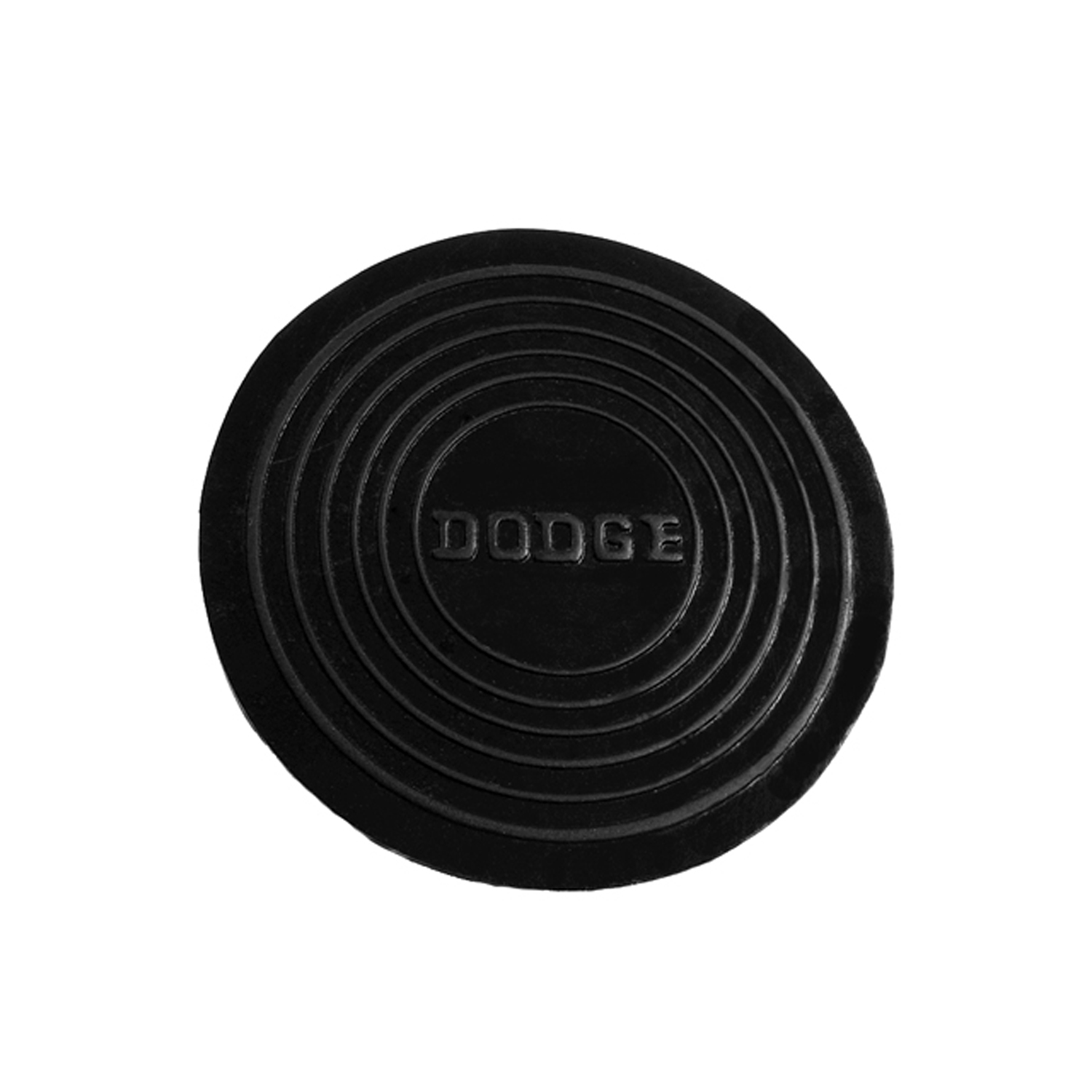 1927 Dodge Special Step Plate Pad. Rubber face only. 4-1/4" O.D. Each-SP 18Step Plate Pad. Rubber face only. 4-1/4" O.D. Each
Why Choose Metro?
For over 100 years, Metro Moulded Parts has been the pinnacle of quality in classic car restoration parts. Our commitment to precision and authenticity in every component ensures a perfect fit and an OEM-level appearance.
- Expert Craftsmanship & Quality: Each part is a testament to our dedication to reliability and perfection, crafted from original designs and thoroughly tested.
- Advanced Technology: We use cutting-edge techniques to create flawless, long-lasting parts that surpass others in performance.
- SuperSoft Sponge – The Ultimate Door Seal: Not only are our door seals 30% softer than competitors', but they're also guaranteed to never leak. They effectively reduce wind and road noise, enhancing your classic car's comfort and driving experience.
- Proudly American: Our parts are a product of American craftsmanship, made in the USA with a spirit of excellence and heritage.
- Unrivaled Warranty: We back our products with a 30-year industry-leading warranty, a testament to our confidence in their quality.
Join us in preserving the legacy of classic cars with parts that are crafted for perfection, not just made.