
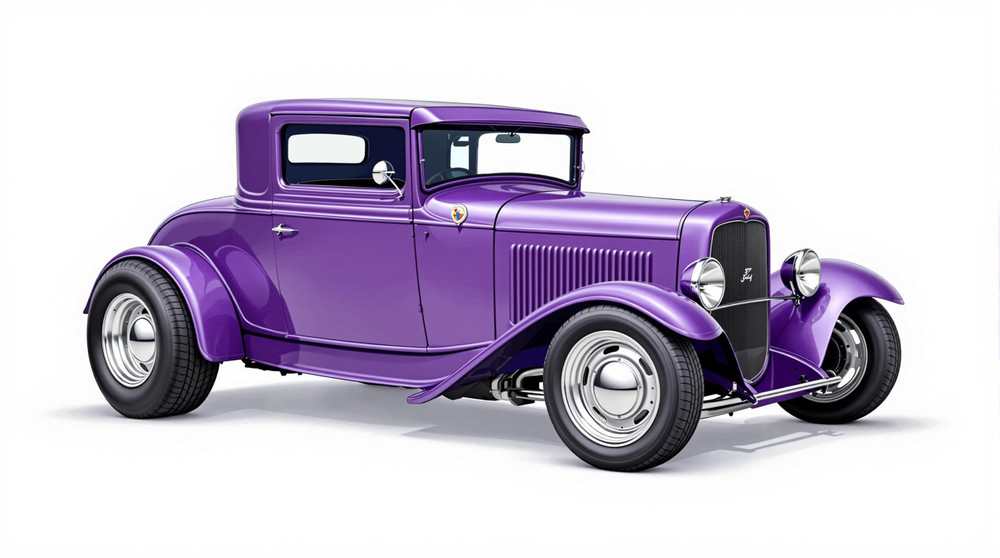
Image of 1928 Dodge Fast Four, Note: These illustrations use artistic license and may differ from actual historical models.
Performance Metrics
Fundamental Metrics
Emotional Appeal
MMP Rating
| Engine Specifications | |
|---|---|
| Engine: | Inline 4 |
| Displacement: | 212 cubic inches |
| Horsepower: | Estimated 35-40 HP |
| Torque: | Not available |
| Compression Ratio: | Not available |
| Ignition System: | Battery and coil |
| Cooling System: | Water-cooled |
| Performance Specifications | |
| 0-60 Time: | Not available |
| 1/4 Mile Time: | Not available |
| Top Speed: | 50-55 mph |
| Transmission and Drive | |
| Drive Type: | Rear-wheel drive |
| Transmission Type: | 3-speed manual |
| Fuel and Efficiency | |
| Fuel System Type: | Carburetor |
| MPG: | Not available |
| Dimensions and Brakes | |
| Brakes: | Mechanical drum brakes |
| Wheelbase: | 112 inches |
| Weight: | 2,400 lbs |
Note: Specifications for classic cars are given to the best of our ability, considering the limited and variant data available.
1928 Dodge Fast Four: A Practical Classic With a Historic Name
The 1928 Dodge Fast Four brought sturdy, straightforward motoring to an American car market rushing toward six-cylinder power and more elaborate styling. Built by Dodge Brothers, the company that joined the Chrysler Corporation in 1928, it combined a large-displacement four-cylinder engine with traditional body-on-chassis construction and the substantial feel for which early Dodges were known.
“Fast Four” was a useful name for a car designed to make respectable pace with four cylinders, not a promise of modern high-speed performance. Its appeal lay in dependable engineering, useful body choices, and a reputation for being built to work. It also belongs to a turning point in the company’s story: 1928 was the year Chrysler acquired Dodge Brothers, making this Dodge part of one of the era’s most consequential changes in the American auto industry.
Classic Dodge Styling and Body Choices
The Fast Four has the upright proportions that define a late-1920s automobile. Its tall radiator and vertical grille sit between separate front fenders, while round headlamps, a long hood, and broad running boards give the car a confident, formal stance. Wire or artillery-style wheels, depending on the car’s equipment, complete the period look. There is little streamlining by modern standards, but the silhouette is handsome and immediately recognizable.
Inside, the cabin is functional rather than luxurious. Expect a broad steering wheel, simple instrumentation, exposed hardware, and seating upholstered in durable period materials such as cloth or leatherette, depending on the body and specification. Wood and painted metal trim may appear in different locations. A surviving car’s interior can vary considerably because upholstery and trim were often replaced during restoration.
Dodge offered several body styles across its range, including closed sedans and coupes as well as open touring or roadster-style models. Exact offerings could vary by series and market, so the body style should be confirmed against the particular car’s serial and model information. The sedan is a practical and recognizable choice, while open cars tend to draw extra attention at shows and are often especially appealing to collectors.
Factory paint choices were not limited to one universal color. Dark, conservative shades such as black, blue, green, and maroon are commonly associated with cars of the period, but the precise palette depended on body style and production details. For an authentic restoration, period paint charts or surviving original paint are more reliable guides than a general color list.
Four-Cylinder Engineering for the Road
The Fast Four’s central feature was its large inline four-cylinder engine. Commonly cited specifications place it at about 212 cubic inches, or 3.5 liters, with output around 35 horsepower. It was a low-speed, side-valve design paired with a manual transmission, typically a three-speed unit. Those figures are useful reference points, but equipment and specifications should be verified for an individual car, especially where model-year transitions or later repairs are involved.
For its time, the Fast Four was built around familiar, serviceable technology rather than novelty. Its substantial chassis, conventional mechanical layout, and relatively uncomplicated engine made it understandable to mechanics and capable owners. Electrical equipment was basic by modern standards, and braking and control systems should be inspected carefully on any example. Specifications can differ, so do not assume that every surviving car has the same original components.
Why the Fast Four Mattered
The late 1920s were a competitive period. Six-cylinder engines were becoming an increasingly attractive selling point, offering smoother operation and more power. Dodge’s four-cylinder cars answered a different need: a substantial, established automobile for buyers who valued durability and a more accessible price. The Fast Four therefore represents the last chapter of an important phase in Dodge’s development, just as the company was being absorbed into Chrysler.
Its significance is less about introducing a single revolutionary feature than about showing how a major manufacturer adapted to a changing market. Dodge had built its reputation on robust engineering and practical value. The Fast Four carried that identity forward while the industry moved toward larger, smoother engines, more enclosed bodies, and increasingly sophisticated equipment.
Dodge Brothers also had a broader legacy in early automotive manufacturing, including a reputation for strong components and durable construction. The Fast Four benefited from that brand image, even as the company’s ownership and product strategy changed. For historians, it is a useful snapshot of the moment when an independent automotive powerhouse became part of a larger corporation.
Performance and Driving Feel
A healthy, correctly maintained Fast Four may reach roughly 50 to 60 mph, though actual top speed depends on body style, gearing, engine condition, tire size, and road conditions. Period manufacturers did not publish acceleration figures in the modern 0-to-60 format. As a broad modern estimate, reaching 60 mph could take around 30 to 45 seconds, and some cars may not comfortably attain that speed at all. These are estimates, not factory test results.
The engine’s character is part of the experience. Rather than building revs quickly, it delivers its modest power at a relaxed pace, accompanied by a steady mechanical thrum and the sounds of an older drivetrain. The driver works a manual gearbox, manages the throttle with a light touch, and allows extra distance for stopping. It rewards anticipation and smooth inputs rather than hurried driving.
On a level road, the car can feel composed and substantial. On rough pavement, its narrow tires, older suspension design, and period seat cushioning make bumps more noticeable than they would be in a modern car. Winding roads call for measured cornering: the tall body, comparatively basic steering, and vintage tires are best treated with respect. A Fast Four can be enjoyable on scenic back roads, but it is not designed for fast cornering or contemporary highway traffic.
Owning and Maintaining a 1928 Dodge
Today, the Fast Four is most often used for local touring, car shows, historic motoring events, and careful weekend drives. It is not generally a practical daily driver in modern traffic. Its cruising speed, lighting, braking, and crash protection are all products of a very different era.
Mechanical simplicity is a genuine ownership advantage. The engine and chassis are relatively straightforward compared with later cars, and many routine jobs can be handled by an experienced home mechanic with the correct service information and tools. That does not mean every repair is easy: decades of wear, improvised previous repairs, and hard-to-source trim or body components can turn a simple job into a restoration project.
Before buying, pay particular attention to the engine’s compression and oiling, cooling system, transmission, rear axle, steering play, brakes, and frame condition. Inspect the wood and metal structure of the body where applicable, along with the floor, sills, and other areas vulnerable to corrosion. Reliable stopping is essential, and old tires should be replaced even if their tread appears usable. Owners’ clubs and marque specialists can be valuable sources for parts, manuals, and model-specific advice.
Fast Four Facts and Common Misconceptions
A notable historical fact is that the Fast Four appeared during the same year Chrysler acquired Dodge Brothers. The deal was among the landmark corporate transactions of the period and gave Chrysler a major manufacturing operation and an established national brand. The car is therefore connected not only to vintage motoring but also to a significant shift in American automotive business.
There is no well-established, widely accepted production total specifically for every 1928 Fast Four body and configuration. Dodge’s overall output was much larger than the number of surviving Fast Fours suggests, but model-level figures can be difficult to separate from related Dodge production. It is safer to think of the car as uncommon today, rather than assume it was built in a tiny, special-edition run.
It is also easy to overstate the word “Fast.” The name reflected the car’s marketing identity and performance relative to its class and time, not a claim that it could match later six-cylinder cars or modern traffic. Its strongest qualities are sturdiness, character, and a direct connection to early American motoring, rather than outright speed.
Collector Value and Availability
Values depend heavily on body style, originality, mechanical condition, restoration quality, and completeness. As a broad U.S. market guide, a project car may fall around $5,000 to $12,000, a usable driver might bring roughly $12,000 to $25,000, and a high-quality restoration may reach approximately $25,000 to $45,000 or more. Particularly appealing open-body examples or exceptional cars can exceed those ranges, while incomplete or poorly executed restorations may sell for less.
These figures are estimates, not a formal appraisal. Vintage-car prices vary by region and auction, and restoration costs can easily exceed a finished car’s resale value. Ask for documentation, inspect the car in person, and compare recent sales of similar body styles rather than relying on a single asking price.
The Fast Four appears on the market occasionally, but finding the right example can take patience. Original parts, correct details, and a well-documented restoration add appeal. With no dependable model-specific production total to quote, any estimate of how many were built should be treated cautiously. A reasonable broad guess is that production was likely in the thousands, rather than only a few hundred, but a precise figure would require stronger factory records.
Like many prewar classics, the Fast Four has generally benefited from long-term interest in early Dodge and Chrysler vehicles, but individual prices do not rise steadily. Condition and restoration quality matter more than broad market trends. Cars that are complete and ready to tour tend to be easier to sell than ambitious projects.
Why the 1928 Dodge Fast Four Still Deserves a Look
The 1928 Dodge Fast Four is a sturdy, straightforward automobile from a pivotal year in American automotive history. Its upright styling, practical engineering, and relaxed four-cylinder character offer a vivid contrast with today’s cars, while its connection to Chrysler’s acquisition of Dodge gives it added historical interest.
It may not be the quickest or most luxurious classic of its decade, but it delivers something more distinctive: the feeling of an automobile built for a different pace of life. For collectors and enthusiasts who appreciate mechanical honesty and the roots of the Dodge name, the Fast Four is a rewarding reminder of how far the road has come.
1928 Dodge Fast Four Catalog of Parts
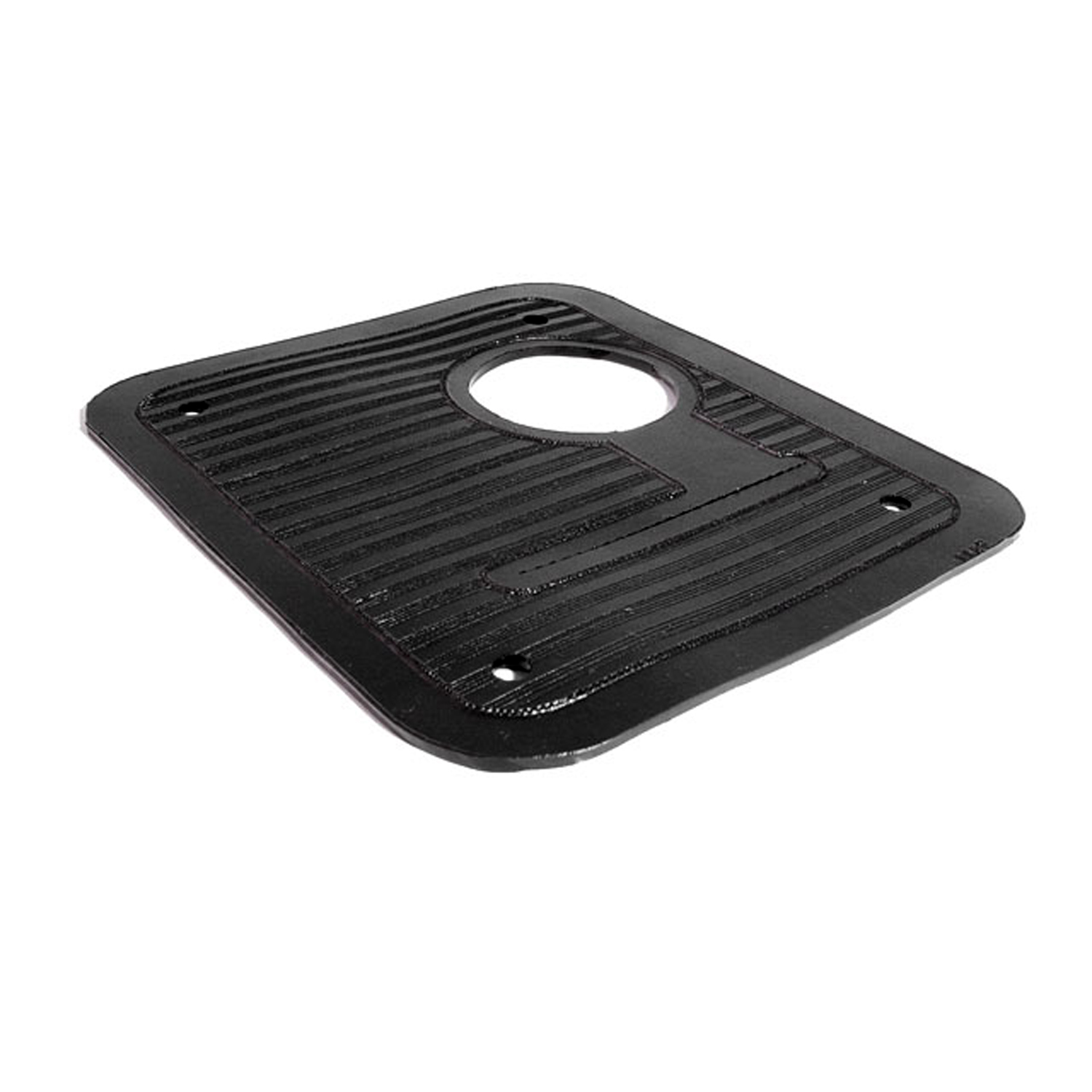 1928 Dodge FAST FOUR Gear Shift Pad. 7-7/8" X 7-7/8". Each-SC 14Gear Shift Pad. 7-7/8" X 7-7/8". Each
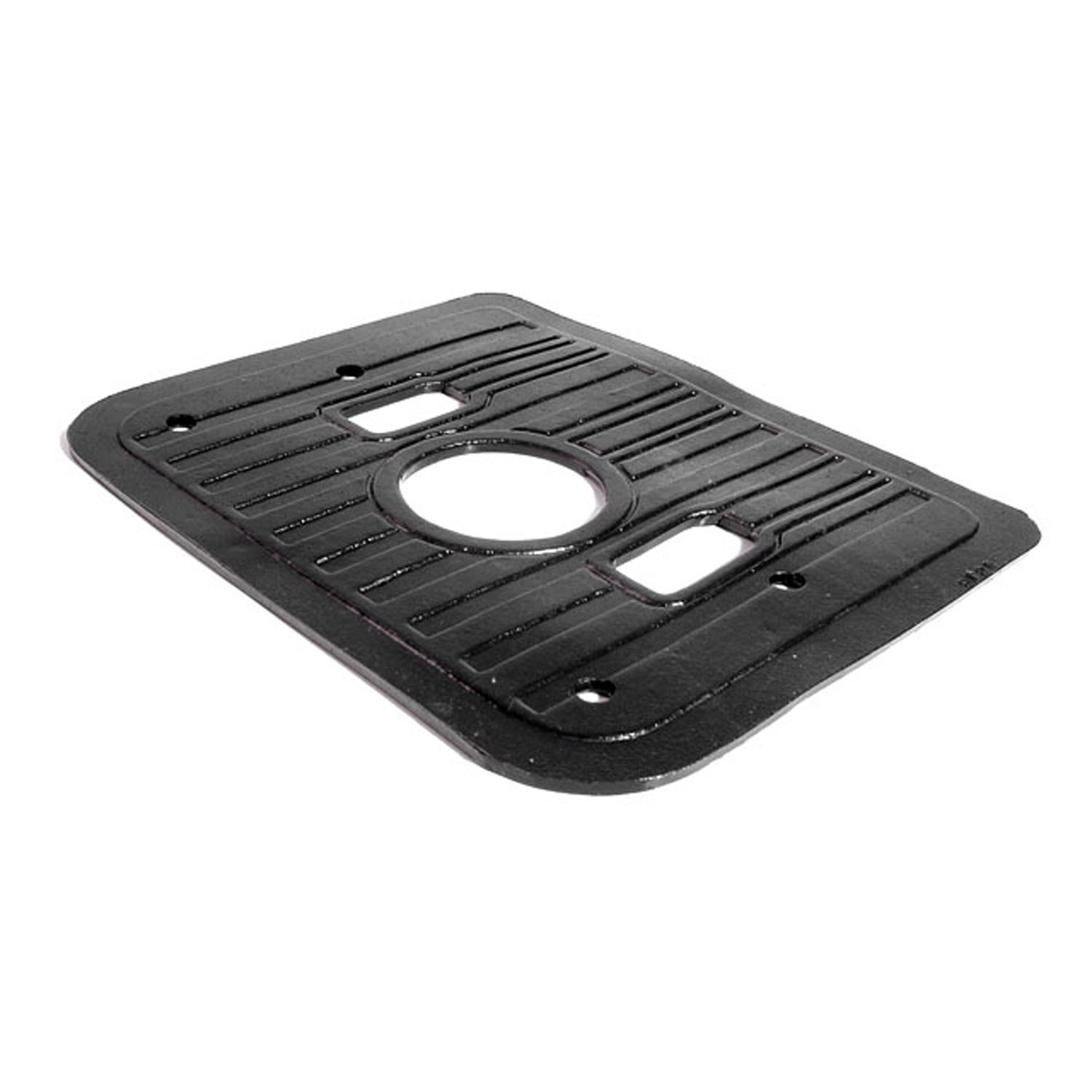 1928 Dodge FAST FOUR Steering Column Pad. 8-1/4" X 6-5/8". Each-SC 16Steering Column Pad. 8-1/4" X 6-5/8". Each
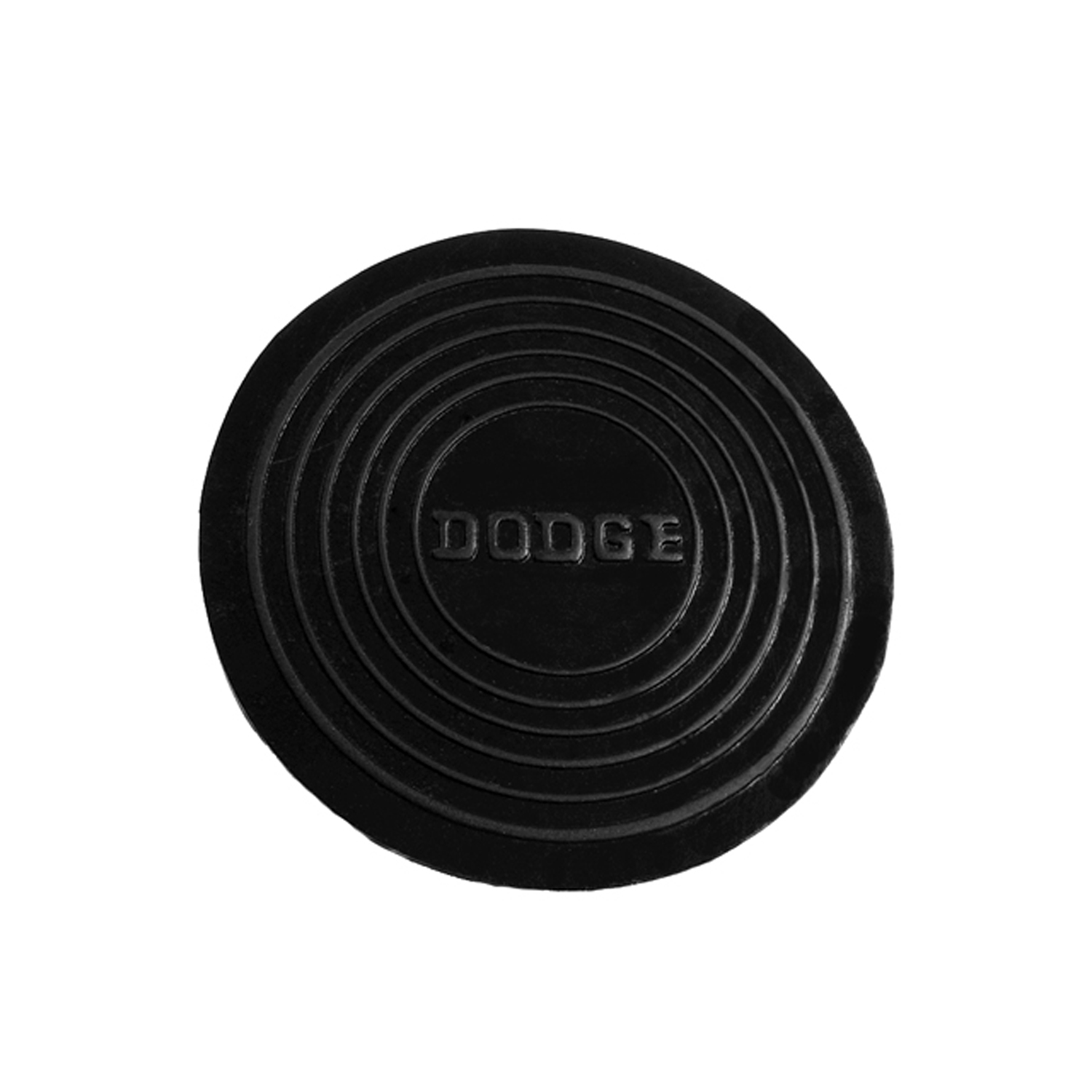 1928 Dodge FAST FOUR Step Plate Pad. Rubber face only. 4-1/4" O.D. Each-SP 18Step Plate Pad. Rubber face only. 4-1/4" O.D. Each
Why Choose Metro?
For over 100 years, Metro Moulded Parts has been the pinnacle of quality in classic car restoration parts. Our commitment to precision and authenticity in every component ensures a perfect fit and an OEM-level appearance.
- Expert Craftsmanship & Quality: Each part is a testament to our dedication to reliability and perfection, crafted from original designs and thoroughly tested.
- Advanced Technology: We use cutting-edge techniques to create flawless, long-lasting parts that surpass others in performance.
- SuperSoft Sponge – The Ultimate Door Seal: Not only are our door seals 30% softer than competitors', but they're also guaranteed to never leak. They effectively reduce wind and road noise, enhancing your classic car's comfort and driving experience.
- Proudly American: Our parts are a product of American craftsmanship, made in the USA with a spirit of excellence and heritage.
- Unrivaled Warranty: We back our products with a 30-year industry-leading warranty, a testament to our confidence in their quality.
Join us in preserving the legacy of classic cars with parts that are crafted for perfection, not just made.