
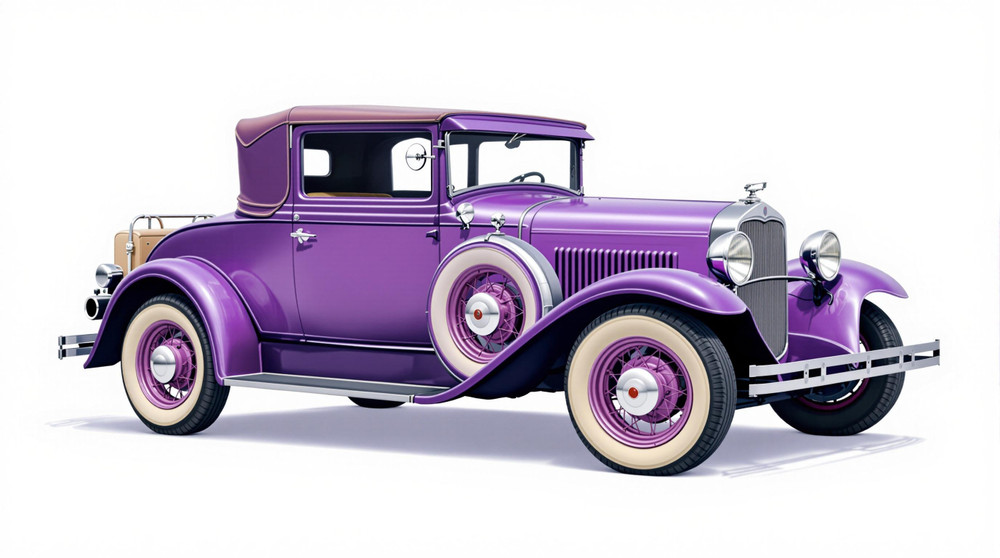
Image of 1928 Dodge Senior, Note: These illustrations use artistic license and may differ from actual historical models.
Performance Metrics
Fundamental Metrics
Emotional Appeal
MMP Rating
| Engine Specifications | |
|---|---|
| Engine: | Inline 6 |
| Displacement: | 208 cubic inches |
| Horsepower: | Estimated 35-50 HP |
| Torque: | Not available |
| Compression Ratio: | Not available |
| Ignition System: | Battery and Coil |
| Cooling System: | Water-cooled |
| Performance Specifications | |
| 0-60 Time: | Not available |
| 1/4 Mile Time: | Not available |
| Top Speed: | 50-55 mph |
| Transmission and Drive | |
| Drive Type: | Rear-wheel drive |
| Transmission Type: | 3-speed manual |
| Fuel and Efficiency | |
| Fuel System Type: | Carburetor |
| MPG: | Not available |
| Dimensions and Brakes | |
| Brakes: | Mechanical drum brakes |
| Wheelbase: | 114 inches |
| Weight: | 2,800 lbs |
Note: Specifications for classic cars are given to the best of our ability, considering the limited and variant data available.
1928 Dodge Senior Six: A Six-Cylinder Dodge at a Turning Point
The 1928 Dodge Senior Six brought a smoother, more substantial kind of motoring to a marque long associated with sturdy, no-nonsense cars. Built by the Dodge Brothers Corporation as it entered the Chrysler era, the Senior Six combined a six-cylinder engine, a roomy chassis and conservative engineering at a moment when the American car market was changing quickly.
The Senior was part of Dodge’s move beyond its earlier four-cylinder models. Dodge had introduced six-cylinder cars in the late 1920s, and the Senior Six sat near the top of the range, offering more space and presence than an everyday runabout. Its story also overlaps with one of the era’s biggest industry events: Chrysler acquired the Dodge Brothers Corporation in 1928. The Senior therefore belongs to a memorable transition, when a respected independent automaker became part of a growing automotive empire.
One intriguing detail is that the car’s name sounds like a trim level, but “Senior Six” also identified a substantial model in its own right. Period specifications and surviving cars can vary by body and production details, so it is best understood as a model family rather than one single, identical configuration.
Classic Dodge Styling and Cabin Details
The Senior Six wears the upright proportions that define late-1920s American cars. Its tall radiator, separate front fenders and long hood give it a formal profile, while large headlamps mounted beside the radiator make the front end instantly recognizable. Running boards bridge the space between the fenders, and the rear body sits high over the back axle. Compared with later streamlined cars, the Dodge looks proudly mechanical: every major component seems to have a clear, visible purpose.
Body styles varied, with open touring and roadster types alongside more enclosed coupes and sedans. Exact offerings could differ by market and production schedule. Four-door sedans are among the most practical and familiar surviving examples, while open touring cars have particular period appeal. A coupe or roadster gives the long hood and sweeping fenders a sportier appearance, even though the Senior was primarily a comfortable road car rather than a dedicated sports model.
Inside, the emphasis was on durable materials and straightforward craftsmanship. A typical cabin could feature a painted or wood-finished metal dashboard, an array of round gauges, a broad steering wheel and substantial upholstery. Depending on body style and specification, upholstery might be cloth or leather. The seats are upright by modern standards, and the cabin offers a simple, airy atmosphere rather than the soft-touch trim and extensive sound insulation expected today.
Factory paint choices varied with body style and equipment, and a definitive single color list is difficult to apply to every 1928 Senior. Dark blues, greens, maroons, browns and black were common period choices across automobiles of the time. Two-tone combinations could add distinction, particularly on closed cars. Today, a well-executed dark body color with contrasting wheels or trim looks especially at home on the Senior’s formal lines.
Six-Cylinder Power and Period Technology
The Senior Six is generally associated with a 212-cubic-inch, side-valve inline-six producing about 60 horsepower. It used a conventional front-engine, rear-wheel-drive layout and a three-speed manual transmission. Specifications can differ among references and individual cars, so buyers should verify the engine and equipment on the particular vehicle rather than rely on a generic description.
That six-cylinder engine was the central upgrade over Dodge’s earlier four-cylinder reputation. Its longer firing sequence delivered smoother power, a welcome quality for drivers covering distance on the rough and varied roads of the late 1920s. The car’s engineering was still hands-on: the driver operated a clutch and gear lever, steering was unassisted, and routine checks were part of normal ownership.
Braking equipment is one area where period specifications and later changes deserve careful attention. Hydraulic four-wheel brakes were becoming an important advancement in the 1920s, but equipment can vary by model, production date and prior restoration. A prospective owner should inspect the actual brake system and confirm its originality and condition. On a nearly century-old car, safe stopping depends as much on careful maintenance as on the original design.
Road Manners: Steady Rather Than Sporty
A healthy Senior Six is capable of highway speeds by the standards of its day, with a likely top speed in the neighborhood of 60 to 65 mph under suitable conditions. That figure is an estimate, not a promise for every surviving car. Tire condition, gearing, engine health and the particular body fitted all affect what the car can comfortably achieve. A modern 0-to-60 mph test is not well documented for the model; a rough estimate would put acceleration in the range of about 25 to 35 seconds, if the car can reach 60 mph at all. These figures should be treated as period-car approximations, not factory test data.
The Senior’s long wheelbase helps it feel settled on a straight road, but its suspension and narrow tires belong to another age. Broken pavement can produce plenty of movement through the body, and sharp bumps call for a slower pace. On winding roads, the driver has to plan ahead. The steering is heavy at low speeds, body roll is noticeable, and the tall profile discourages quick direction changes.
From behind the wheel, the experience is more about rhythm than speed. The engine produces a measured mechanical hum, the transmission asks for deliberate shifts, and the large steering wheel gives the driver leverage over unassisted steering. Wind, road noise and the sounds of the drivetrain are part of the journey. A well-sorted example feels composed and reassuring, but it rewards smooth inputs rather than aggressive driving.
Why the Senior Six Matters
The Senior Six reflects the wider shift toward six-cylinder power in the American market. Buyers increasingly wanted cars that could carry a family in comfort while delivering smoother performance than a basic four-cylinder model. Dodge’s answer was a substantial, conventional automobile that emphasized durability and usable road manners rather than flashy technical experimentation.
Its significance also comes from its timing. Chrysler’s 1928 acquisition of Dodge gave the larger company a strong dealer network, manufacturing capacity and established reputation. The Senior Six represents the Dodge identity that Chrysler inherited: practical engineering, solid construction and a focus on dependable transportation. It was not a radical styling landmark, but it helped establish the kind of mid-priced six-cylinder car that became increasingly important in the years that followed.
Against contemporaries from Buick, Oakland, Studebaker and other makers, the Dodge offered a credible combination of space, six-cylinder smoothness and traditional build quality. Its lasting appeal is less about a single breakthrough than about how neatly it captures the industry’s move from simple early automobiles toward more comfortable, capable family cars.
Living with a 1928 Dodge Today
Most Senior Sixes now serve as collector cars, parade vehicles, museum pieces or weekend touring machines. They can be driven on suitable roads, but they are not sensible modern daily drivers. Their lighting, braking, tires, visibility and crash protection are far behind current standards, and highway traffic can be stressful for both car and driver.
Maintenance is approachable for an owner comfortable with older mechanical systems. The engine bay is relatively accessible, and many repairs involve familiar tasks such as ignition service, lubrication, carburetor adjustment and cooling-system upkeep. The challenge is often finding correct parts and a mechanic who understands prewar cars. Body, interior and trim restoration can cost substantially more than routine mechanical work, especially when rare or model-specific pieces are missing.
Reliability depends heavily on the quality of restoration and ongoing care. Before a long drive, an owner should check fluid levels, tires, belts, hoses, ignition components and brakes. A car that starts easily in the garage may still need careful sorting before it is ready for touring. Modern traffic also makes conservative driving essential: leave extra stopping distance and avoid treating an old top-speed estimate as a comfortable cruising speed.
Notable Facts and Common Misconceptions
The Senior Six’s most notable historical connection is its place in the 1928 Chrysler acquisition of Dodge. It was built during a change of ownership, but it was not a Chrysler-designed car in the modern sense. Its basic character came from Dodge’s own engineering and manufacturing traditions.
There is no widely recognized speed, endurance or sales record specifically associated with the 1928 Senior Six. Nor is there a famous celebrity ownership story that defines the model. Its appeal is more grounded: it represents a major American manufacturer’s move into smoother six-cylinder motoring during a transformative year.
A common criticism is that the Senior can feel slow and demanding beside later classics. That is fair if judged by modern expectations. It lacks modern acceleration, quietness and ease of control. But those traits are part of the period experience, not evidence that the car was unsuccessful in its own time. Another point of confusion is the model’s exact specifications. Over nearly a century, parts may have been changed, and published details can vary. Documentation and inspection are more useful than assuming every car matches one summary sheet.
Collector Values and Rarity
There does not appear to be a reliable, widely published production total for the 1928 Senior Six alone. Dodge built cars in substantial numbers, but totals are often reported across broader model groups rather than by Senior body style. A reasonable working estimate is roughly 10,000 to 25,000 Senior Sixes across the model range, though this is an informed estimate rather than a confirmed factory figure. The number surviving in original or restored condition is much smaller, and particular body styles can be difficult to find.
As a broad 2026 U.S. market guide, a project car or incomplete example might sell for about $8,000 to $18,000. A usable driver in sound condition could fall around $20,000 to $35,000, while a high-quality restoration may bring approximately $40,000 to $70,000 or more. Exceptional originality, a desirable body style, strong documentation and expert workmanship can push a car higher. These are estimates, not guaranteed sale prices. Condition, provenance and the quality of the restoration matter far more than a fresh coat of paint.
Values for prewar cars are generally selective rather than uniformly rising. The Senior Six has historical interest and handsome period character, but it does not have the broad name recognition of the most famous luxury cars. Well-restored examples with documented history should remain the strongest candidates for stable or appreciating value. Projects may be harder to sell because restoration costs can quickly exceed the finished car’s market value.
A Dodge from an Automotive Turning Point
The 1928 Dodge Senior Six combines upright late-1920s styling, a smooth six-cylinder engine and the practical engineering that made Dodge a respected name. It is not a high-performance machine by modern standards, and its driving demands are part of the deal. In return, it offers a direct connection to the era when American cars were becoming more refined and when Dodge itself was moving into the Chrysler family.
For collectors, the Senior Six is a rewarding example of the transition from early motoring to the more comfortable prewar automobile. Its lasting distinction is not one headline-grabbing record, but the way it captures a pivotal moment in both Dodge history and the evolution of the American family car.
1928 Dodge Senior Catalog of Parts
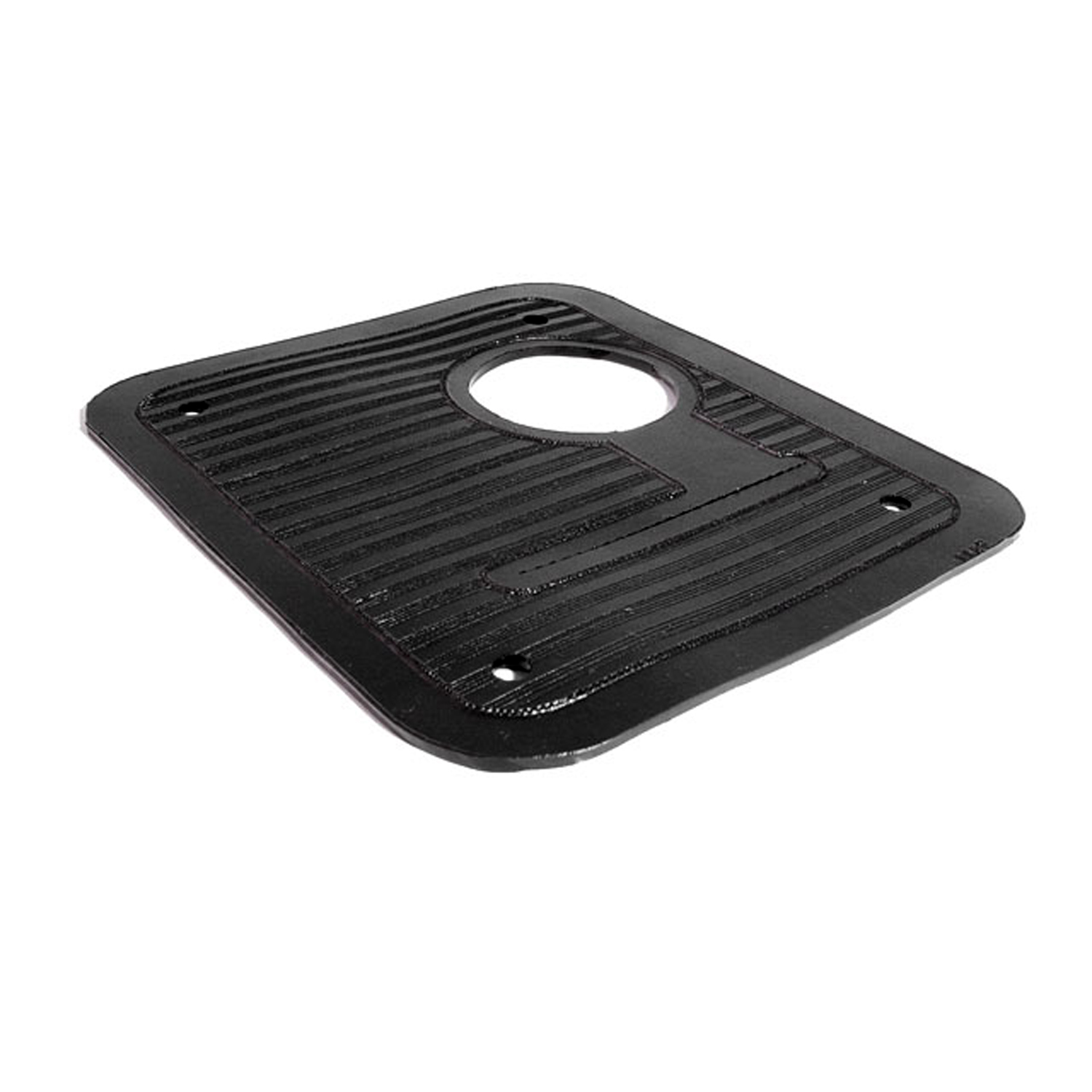 1928 Dodge SENIOR Gear Shift Pad. 7-7/8" X 7-7/8". Each-SC 14Gear Shift Pad. 7-7/8" X 7-7/8". Each
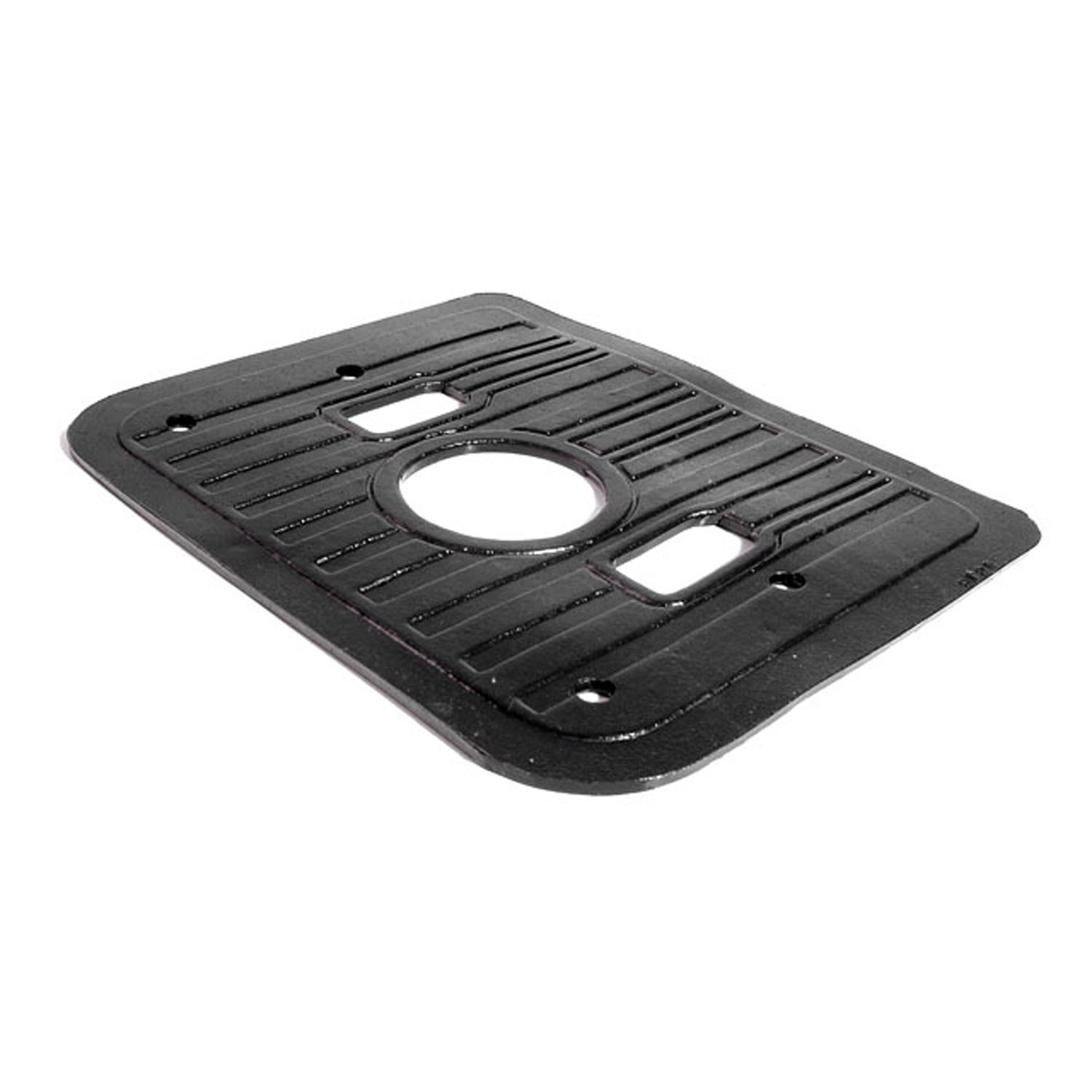 1928 Dodge SENIOR Steering Column Pad. 8-1/4" X 6-5/8". Each-SC 16Steering Column Pad. 8-1/4" X 6-5/8". Each
 1928 Dodge SENIOR Step Plate Pad. Rubber face only. 4-1/4" O.D. Each-SP 18Step Plate Pad. Rubber face only. 4-1/4" O.D. Each
Why Choose Metro?
For over 100 years, Metro Moulded Parts has been the pinnacle of quality in classic car restoration parts. Our commitment to precision and authenticity in every component ensures a perfect fit and an OEM-level appearance.
- Expert Craftsmanship & Quality: Each part is a testament to our dedication to reliability and perfection, crafted from original designs and thoroughly tested.
- Advanced Technology: We use cutting-edge techniques to create flawless, long-lasting parts that surpass others in performance.
- SuperSoft Sponge – The Ultimate Door Seal: Not only are our door seals 30% softer than competitors', but they're also guaranteed to never leak. They effectively reduce wind and road noise, enhancing your classic car's comfort and driving experience.
- Proudly American: Our parts are a product of American craftsmanship, made in the USA with a spirit of excellence and heritage.
- Unrivaled Warranty: We back our products with a 30-year industry-leading warranty, a testament to our confidence in their quality.
Join us in preserving the legacy of classic cars with parts that are crafted for perfection, not just made.