
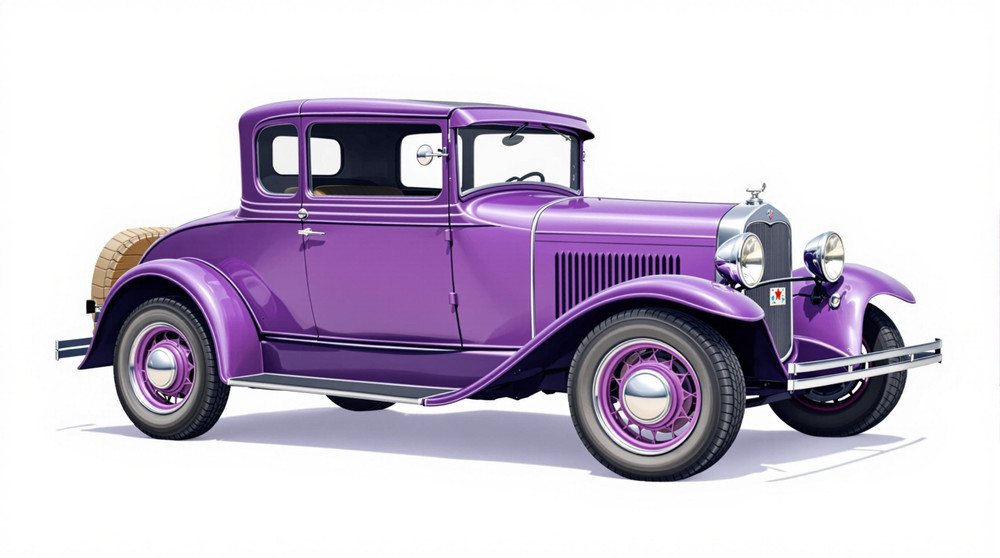
Image of 1928 Dodge Standard, Note: These illustrations use artistic license and may differ from actual historical models.
Performance Metrics
Fundamental Metrics
Emotional Appeal
MMP Rating
| Engine Specifications | |
|---|---|
| Engine: | L-head inline 4-cylinder |
| Displacement: | 212 cubic inches |
| Horsepower: | Estimated 35-40 HP |
| Torque: | Not available |
| Compression Ratio: | Not available |
| Ignition System: | Battery and coil |
| Cooling System: | Water-cooled |
| Performance Specifications | |
| 0-60 Time: | Not available |
| 1/4 Mile Time: | Not available |
| Top Speed: | 50-55 mph |
| Transmission and Drive | |
| Drive Type: | Rear-wheel drive |
| Transmission Type: | 3-speed manual |
| Fuel and Efficiency | |
| Fuel System Type: | Carburetor |
| MPG: | Not available |
| Dimensions and Brakes | |
| Brakes: | Mechanical drum brakes |
| Wheelbase: | 116 inches |
| Weight: | 2,700 lbs |
Note: Specifications for classic cars are given to the best of our ability, considering the limited and variant data available.
1928 Dodge Standard: A Six-Cylinder Classic at a Turning Point
The 1928 Dodge Standard brought dependable six-cylinder power to everyday motoring just as one of America’s best-known independent carmakers was about to change hands. Built by Dodge Brothers, it combined sturdy engineering with more comfort and refinement than many buyers expected from a practical family car. Its model year also marked a milestone: Chrysler Corporation acquired Dodge Brothers in 1928, placing the Standard at the close of one automotive era and the beginning of another.
Often referred to today as the Dodge Standard Six, the car belonged to a company founded by brothers John and Horace Dodge. The pair had first made their name as suppliers of precision parts before introducing their own automobile in 1914. By the late 1920s, Dodge had a strong reputation for robust construction. A notable detail of the 1928 Standard’s story is that it was a Dodge Brothers design produced during the year of the Chrysler acquisition, rather than a car conceived from the ground up as a Chrysler product.
1928 Dodge Standard Styling and Body Choices
The Standard wore the upright, purposeful proportions typical of late-1920s American cars. Its tall radiator, long hood, distinct front fenders, and separate running boards gave it a formal profile. Headlamps stood proudly beside the radiator, while the spare tire, exposed door hinges, and visible chassis details added to its mechanical character. Compared with the streamlined cars that would arrive in later decades, the Dodge looked honest and substantial, with its engineering on display.
Inside, the cabin was designed for use rather than ornament. Expect a broad steering wheel, clear analog gauges, simple controls, and durable upholstery suited to family travel. Materials and trim varied by body style and equipment, but period cars generally paired painted metal surfaces with cloth or leather upholstery. A well-preserved example can feel surprisingly roomy, although its upright seating and narrow, high-set controls are a reminder that driving ergonomics had not yet reached modern standards.
Dodge offered the Standard in several body configurations, with availability varying by market and production details. Closed cars such as the sedan and coupe suited buyers who wanted protection from weather, while open touring and roadster-style bodies offered the wind-in-the-face experience associated with early motoring. The four-door sedan is among the most recognizable choices today because it presents the Standard as a practical family car. Coupes and open cars can be especially appealing to collectors, though rarity depends on the exact body and surviving examples.
Paint choices were not necessarily identical across every body and production run. Period Dodge colors included dark, restrained shades, and surviving cars are often seen in black, deep blue, green, or maroon. Treat any claimed factory color as something to verify against original sales literature, paint records, or traces protected beneath trim. Modern restorations sometimes use colors chosen for visual appeal rather than strict historical accuracy.
Engineering That Made the Standard Stand Out
The Standard’s main attraction was its six-cylinder engine. It used a side-valve, or L-head, inline-six of roughly 212 cubic inches, producing about 58 horsepower in commonly cited specifications. Power went through a conventional three-speed manual gearbox to the rear wheels. The engine was tuned for steady, usable pulling power rather than high-revving performance, which suited the car’s role as dependable transportation.
Four-wheel hydraulic brakes were an important part of Dodge’s engineering story. Dodge had adopted hydraulic braking on its passenger cars earlier in the decade, giving the Standard a more even and controlled braking system than the mechanical arrangements still found on some competitors. That did not make stopping effortless by modern standards, but it was a meaningful safety and convenience advantage for the period.
The Standard was not a radical styling or technology experiment. Its significance lies in how it packaged established improvements into a sturdy, mainstream automobile. The six-cylinder engine, hydraulic brakes, and practical body choices helped make the car a capable all-rounder. Dodge’s reputation for sound construction also helped the company compete with larger manufacturers at a time when buyers increasingly expected cars to be reliable, comfortable, and easy to operate.
Performance, Ride, and Road Manners
With approximately 58 horsepower, a 1928 Dodge Standard was brisk by the standards of its day, but it was not a modern fast car. A healthy example may reach around 60 to 65 mph under favorable conditions. A period-style 0-to-60-mph run would likely take well over 25 seconds, and perhaps closer to 30 seconds, depending on body weight, gearing, mechanical condition, and road surface. Those figures are best treated as practical estimates, not factory-certified test results.
The Dodge feels most at home on open roads at moderate speeds. Its six-cylinder engine delivers a steady mechanical hum, while the manual gearbox asks the driver to make deliberate shifts and plan ahead. Steering is unassisted and typically requires more effort at parking speeds than a modern driver expects. On a winding road, the car rewards smooth inputs rather than quick changes of direction.
Its suspension softens ordinary bumps, but the tall body, narrow tires, and period chassis design mean that rough roads can bring plenty of movement. Crosswinds and uneven surfaces require attention, especially at higher speeds. The hydraulic brakes are a welcome feature, yet stopping distances and pedal feel remain very different from those of a contemporary car. The best way to enjoy a Standard is to drive it at a relaxed pace and let its character set the rhythm.
Living With a 1928 Dodge Standard
Today, most Standards are used as show cars, touring cars, or occasional weekend drivers rather than daily transportation. A sound, properly maintained example can take part in local vintage-car events and gentle club tours. Regular highway commuting is less suitable because of its limited speed, basic lighting, lack of modern safety equipment, and the demands of keeping a nearly century-old car in working order.
The mechanical layout is comparatively straightforward, and many repairs can be handled by an experienced owner with period service information and the right tools. Routine work includes checking lubrication, ignition and fuel systems, cooling, brakes, tires, and wheel bearings. Parts availability is mixed: some service items and reproduction components can be found through vintage Dodge specialists, while body-specific trim, glass, and rare fittings may take time to locate.
Reliability depends heavily on restoration quality and maintenance. A tired car can need extensive work on its engine, transmission, hydraulic brakes, wood framing, or electrical system. Before buying, inspect the chassis and body for corrosion, check for poor repairs, and have the braking system evaluated by someone familiar with antique cars. A well-maintained Standard can be enjoyable, but no 1928 automobile should be expected to behave like a modern, turn-key daily driver.
1928 Dodge Standard Facts and Common Questions
The year 1928 was a major transition for Dodge. Chrysler Corporation acquired Dodge Brothers during the year, but the Standard remained rooted in the company’s established engineering and manufacturing approach. It is therefore an interesting choice for enthusiasts who want a car tied to the Dodge Brothers identity as well as to Chrysler’s expanding corporate history.
There is no widely accepted, model-by-model production figure for every Standard body style. Dodge built cars in substantial numbers, but surviving records and published totals do not always separate the Standard Six cleanly from other Dodge models. A reasonable broad estimate is that production was in the tens of thousands and could have exceeded 100,000 across the model line, but that should be understood as an informed estimate rather than a confirmed total. Individual body styles are much less common today than the original production scale might suggest.
No universally recognized speed or endurance record is closely associated with the Standard itself. Its reputation rests more on practical engineering and Dodge’s broader record for durable cars than on headline-grabbing competition success. Nor is there a widely documented celebrity ownership story that defines the model. Its appeal is more down-to-earth: it represents the sort of well-built car that ordinary families and businesses could use in the late 1920s.
Common criticisms include modest acceleration, heavy steering, limited braking performance by modern expectations, and a ride that can feel busy on poor roads. Open models also offer little protection from weather. Those limitations are part of the period experience, not flaws that can be judged fairly by today’s standards. For collectors, the car’s value is its honest, mechanical character and its place in Dodge history.
Collector Value and Market Outlook
Prices vary widely according to body style, originality, restoration quality, running condition, and documentation. As a broad U.S. market estimate, a project car may sell for roughly $5,000 to $12,000, while a usable but imperfect example might fall around $12,000 to $25,000. A high-quality restored car can bring approximately $25,000 to $45,000 or more, with unusual body styles or exceptional provenance potentially commanding a premium. These are general estimates, not a formal appraisal, and local markets can differ considerably.
The Standard is not so rare that every example is a museum piece, but good original cars and correctly restored examples are not always easy to find. Sedan versions tend to be more familiar, while certain open or specialized bodies can be harder to locate. As with many prewar classics, the market rewards condition and completeness more consistently than it rewards expensive restoration work alone.
Prices for cars of this type have generally been steady to selective rather than showing a dramatic, universal rise. Exceptional restorations and uncommon body styles can appreciate, but ordinary examples may sell for less than the cost of a comprehensive restoration. Buyers should prioritize structural condition, mechanical health, and authenticity over optimistic assumptions about future value.
Why the 1928 Dodge Standard Still Matters
The 1928 Dodge Standard is a substantial, practical six-cylinder car from a pivotal year in American automotive history. Its upright styling, usable performance, hydraulic brakes, and straightforward engineering made it a capable choice in its own time. It also captures the moment when Dodge Brothers became part of Chrysler, connecting the independent company’s legacy to one of the industry’s major manufacturers.
For today’s enthusiast, the Standard is best appreciated at an unhurried pace, with its engine note in the background and its large steering wheel in hand. It is not a speed machine or a technological showpiece. It is something arguably more revealing: a well-built snapshot of how Americans traveled just before the modern automobile began to take shape.
1928 Dodge Standard Catalog of Parts
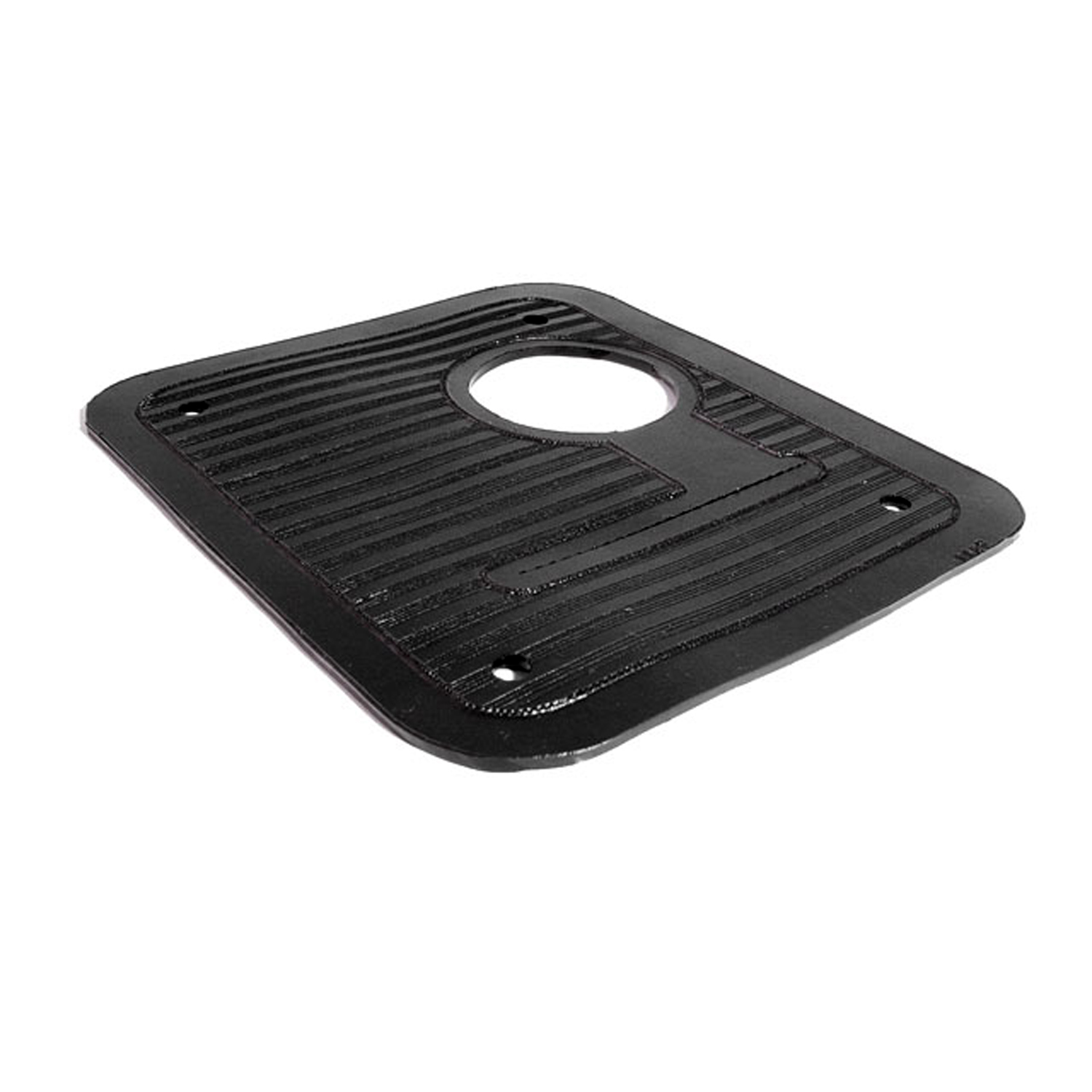 1928 Dodge STANDARD Gear Shift Pad. 7-7/8" X 7-7/8". Each-SC 14Gear Shift Pad. 7-7/8" X 7-7/8". Each
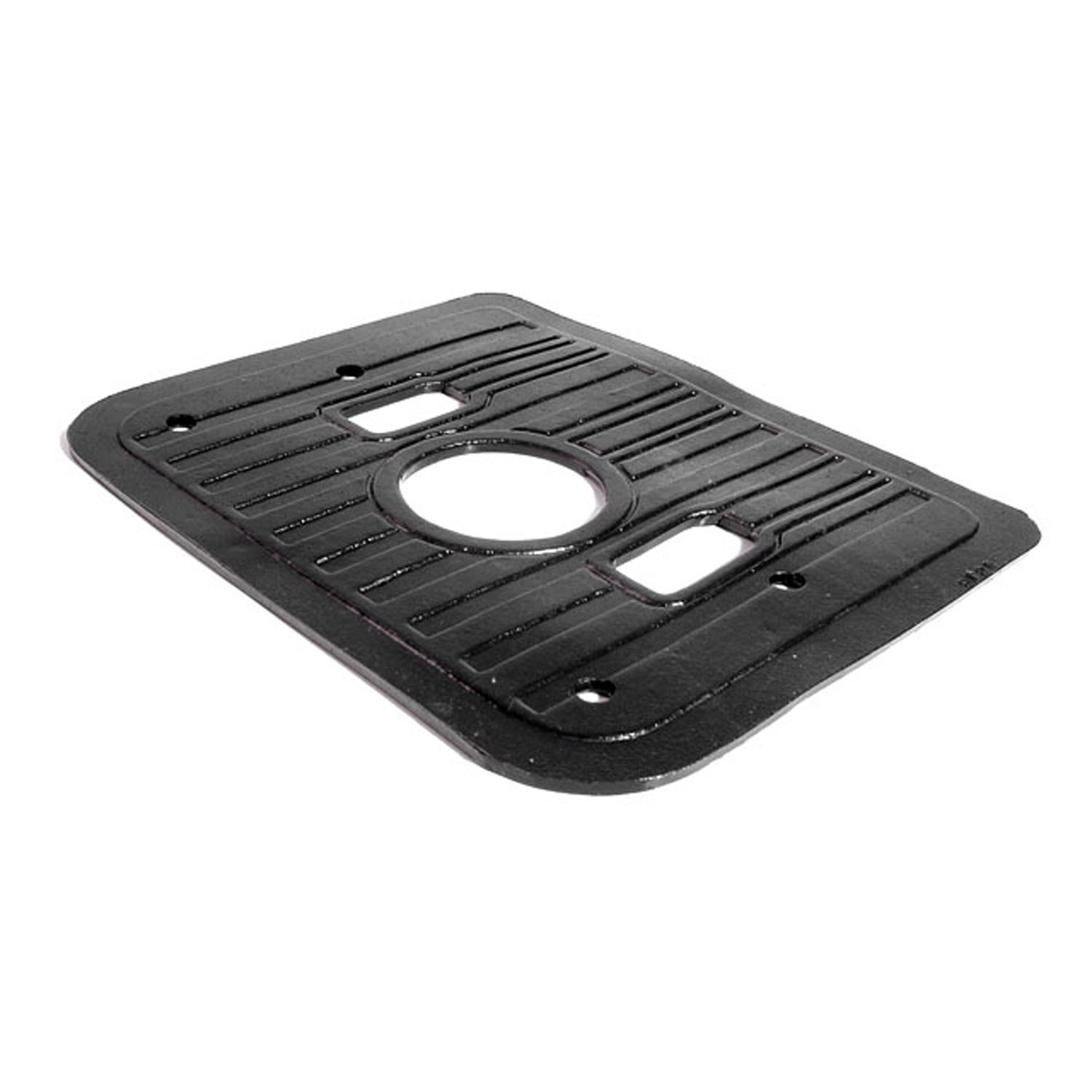 1928 Dodge STANDARD Steering Column Pad. 8-1/4" X 6-5/8". Each-SC 16Steering Column Pad. 8-1/4" X 6-5/8". Each
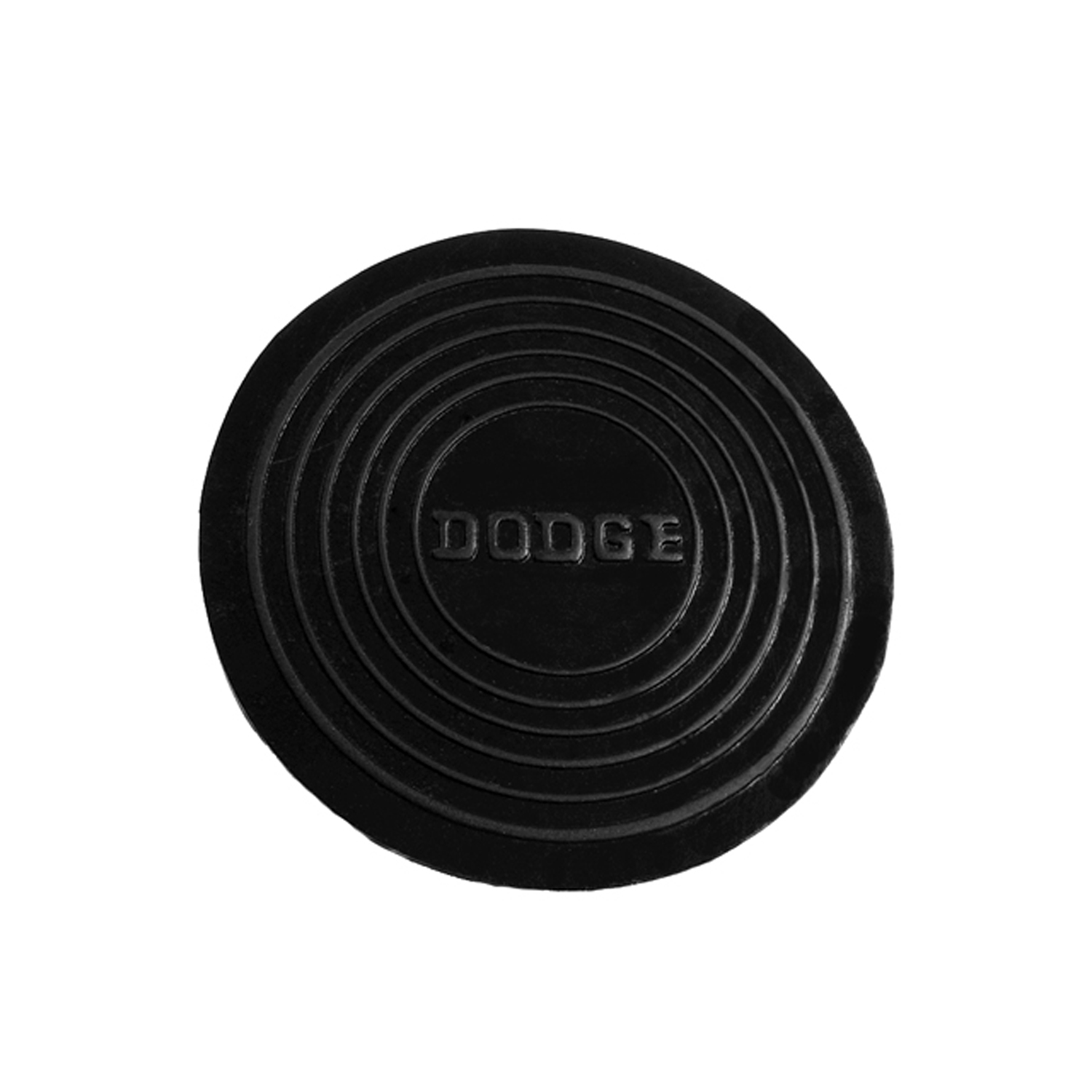 1928 Dodge STANDARD Step Plate Pad. Rubber face only. 4-1/4" O.D. Each-SP 18Step Plate Pad. Rubber face only. 4-1/4" O.D. Each
Why Choose Metro?
For over 100 years, Metro Moulded Parts has been the pinnacle of quality in classic car restoration parts. Our commitment to precision and authenticity in every component ensures a perfect fit and an OEM-level appearance.
- Expert Craftsmanship & Quality: Each part is a testament to our dedication to reliability and perfection, crafted from original designs and thoroughly tested.
- Advanced Technology: We use cutting-edge techniques to create flawless, long-lasting parts that surpass others in performance.
- SuperSoft Sponge – The Ultimate Door Seal: Not only are our door seals 30% softer than competitors', but they're also guaranteed to never leak. They effectively reduce wind and road noise, enhancing your classic car's comfort and driving experience.
- Proudly American: Our parts are a product of American craftsmanship, made in the USA with a spirit of excellence and heritage.
- Unrivaled Warranty: We back our products with a 30-year industry-leading warranty, a testament to our confidence in their quality.
Join us in preserving the legacy of classic cars with parts that are crafted for perfection, not just made.